Summer Camps Near Zurich: Top 15 Options For Families
Top 15 summer camps near Zurich: day, residential & specialist (sports, arts, STEM). Ages 3-17. Book Jan-May; verify price, ratios, insurance.
Summer Camps Near Zurich — Quick Summary
We summarise the top 15 summer camps within about an hour of Zurich. The list covers day camps, residential stays, specialist tracks (sports, arts, STEM, language) and employer-sponsored programs. We note typical age ranges, formats and sample price brackets. The guide stresses practical checks: what the price includes, staff-to-child ratios, insurance and medical cover, transport and shuttle options, and the Jan–May booking window. Families should confirm these details with each provider.
Key Takeaways
- Coverage: The Top 15 cover day camps, residential stays, specialist tracks (sports, arts, STEM, language) and employer-sponsored programs. They serve roughly ages 3–17.
- Typical rates: day camps CHF 150–600/week (CHF 30–120/day). Residential camps CHF 800–3,500/week. Specialist and elite programs vary widely.
- Booking window: Plan around the main booking window. Registration often opens Jan–Mar and many sessions fill by May. Watch for early-bird and sibling discounts and expect required deposits.
- Safety and staffing: Common ratios are day 1:6–1:12, specialist 1:4–1:8, residential 1:6–1:10. Check staff certifications and on-site medical arrangements.
- True value: Compare by checking exactly what’s included (meals, transport, equipment, insurance). Calculate CHF per instructional hour. Confirm cancellation and refund terms.
Practical Checks Before You Book
What the price includes
Confirm whether the fee covers meals, snacks, transport/shuttles, equipment, and insurance. If some elements are extras, add them into your total cost comparison.
Staffing and safety
Ask for the staff-to-child ratio specific to the session your child will attend and request details on DBS/background checks (or Swiss equivalent), first-aid training and the presence of a qualified medical contact on-site.
Insurance and medical cover
Verify whether the camp provides or requires personal accident and liability insurance. Confirm on-site procedures for illness, medication administration and emergency transport.
Transport and logistics
Check the availability, schedule and cost of shuttle services or public-transport meeting points. If driving, confirm drop-off/pick-up windows and any parking rules.
Booking, deposits and cancellations
Note the typical deposit amount and whether the camp offers refunds, credits or transfer options if you need to cancel. Many camps apply stricter rules for short-notice cancellations.
Age groups and session format
Check minimum and maximum ages, how groups are split (by age, ability, or interest), and whether specialist tracks require prior experience or assessments.
How to Compare Offers
- List inclusions: Create a side-by-side list of what’s included (meals, transport, insurance, equipment).
- Calculate CHF per hour: Divide total cost by the number of instructional or supervised hours per week to compare value.
- Check credentials: Verify staff qualifications, emergency plans and reputation (reviews, references).
- Ask questions in writing: Get clarifications on medical cover, staff ratios and cancellation policy by email so you have a record.
- Plan early: Register in the Jan–May window where possible and watch for early-bird or sibling discounts.
Final Recommendation
Use this guide to narrow choices, then contact each provider to confirm the up-to-date age ranges, exact pricing, and the detailed inclusions and terms. Practical checks on safety, staffing and insurance are as important as the program content. Families should confirm these details with each provider before booking.
Market snapshot
We, at the young explorers club, monitor summer camp options within roughly an hour of Zurich and find dozens of choices available. Depending on how you count day camps, residential stays, specialist programs and employer-sponsored offerings, the total typically sits in the 30–80 range; editors should verify exact counts by category before publication. Parents commonly search using the phrase “summer camps Zurich,” and that term drives most initial inquiries.
Category breakdown
A quick category breakdown helps frame what families will find:
- Day camps — Roughly 10–30 programs. They run daytime hours, suit younger kids and busy families, and often charge by week. Look for clear drop-off/pick-up logistics and stated staff-to-child ratios.
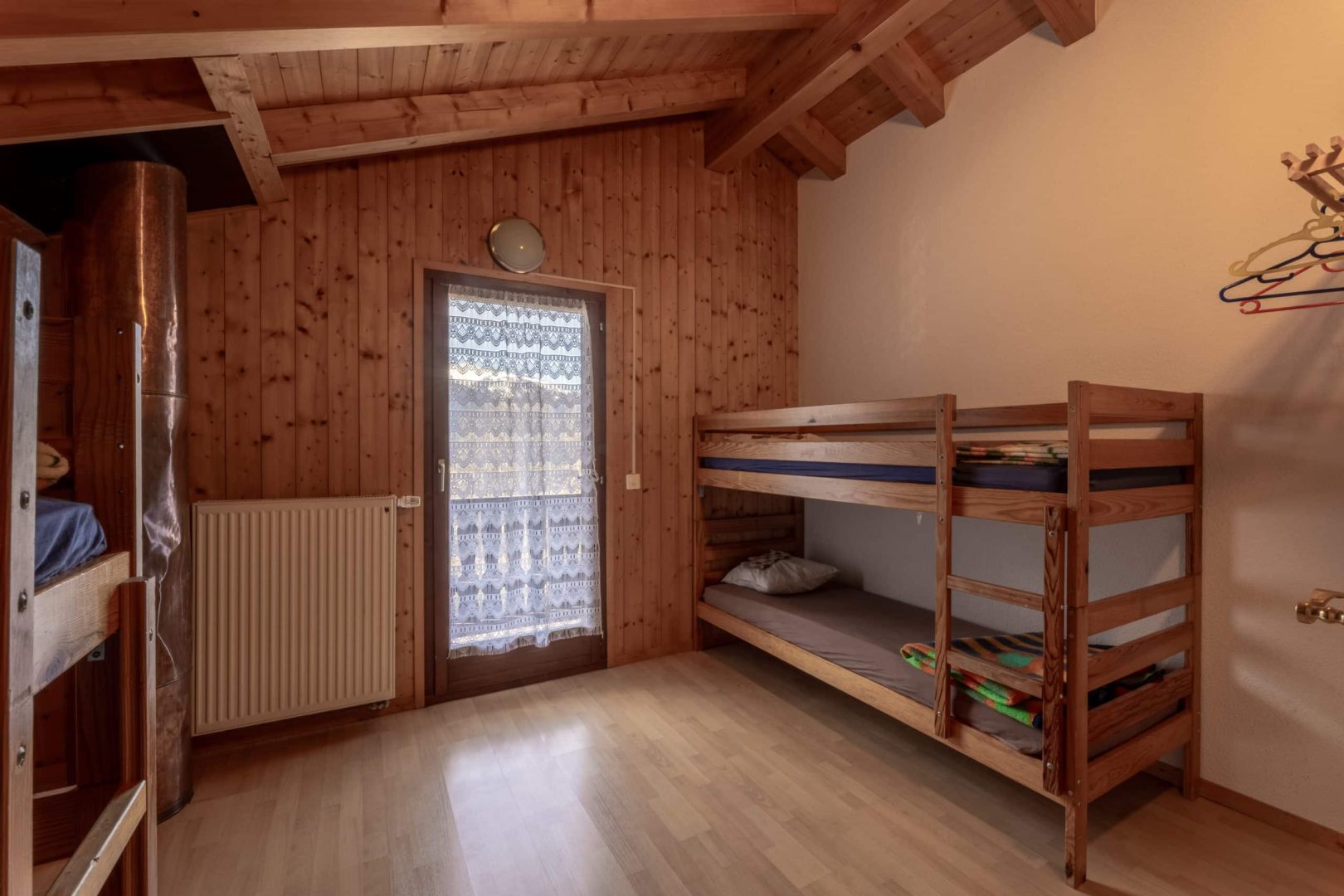
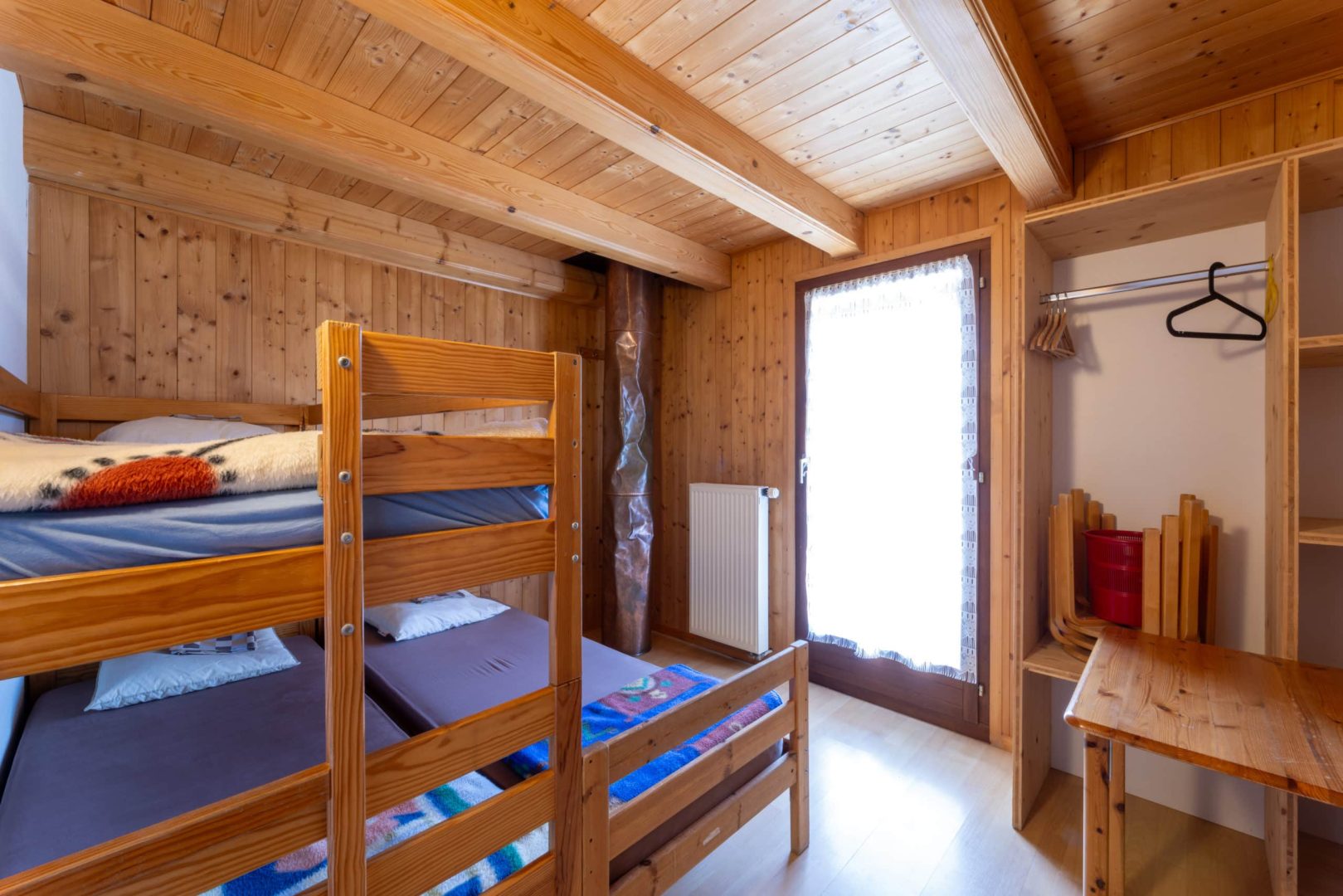
- Residential camps — Roughly 8–20 programs. These include multi-day stays and more immersive schedules. Check sleeping arrangements, supervision policies and emergency procedures.
- Specialist camps (sports, arts, coding, language) — Roughly 5–15 programs. They tend to have smaller cohorts and higher instructor expertise. Expect focused skill development and gear lists.
- Employer-sponsored and corporate programs — Roughly 2–10 offerings. These are sometimes subsidized, run limited weeks, and may prioritise children of employees.
Search and editorial tips
We recommend these practical checks for parents and editors. Use them to speed vetting and to improve listings.
- Search tips: start with “summer camps Zurich” and then add specifics like age, activity or week. For help picking the right program, review our guide on how to choose the best camp.
- Activity fit: match the camp’s daily schedule to your child’s energy and interests. For outdoor-focused families we point them to the Swiss outdoor adventure camp expectations page to see typical routines and gear lists.
- Logistics and safety: confirm dates, arrival/departure times, transport options, medical provisions and insurance. Ask for staff qualifications, background checks and exact staff-to-child ratios.
- Language and learning goals: verify language of instruction if you need English-language programming or language immersion. Our summer camp guide outlines questions to ask about language support and lesson plans.
- Pricing and cancellations: request a full fee breakdown and read the cancellation policy. Look for clear refund rules and contingency plans for weather or low enrollment.
We encourage editors to confirm the numeric ranges by contacting camps directly or running a local directory query before publishing.
Typical price ranges (set expectations)
We, at the young explorers club, set clear expectations about what summer camp budgets usually cover. Prices swing widely by program type, duration, staff ratios, activity gear, and accommodation level. Below I give example ranges you can use for planning; treat these as illustrative unless you verify current rates with each provider.
Example price breakdown and what’s typically included
-
Day camps — CHF 150–600 per week (example range); or roughly CHF 30–120 per day (example). Typical inclusions:
-
Meals and snacks (usually lunch and two snacks).
-
Basic on-site supervision and activity instruction.
-
Some camps include short local transport or pick-up/drop-off; others charge extra.
-
Routine kit items like activity materials; specialized equipment (helmets, wetsuits) is often provided or rentable.
-
Basic accident insurance while on camp activities is commonly included; travel insurance usually isn’t.
-
Common add-ons: early/late care, special excursions, or expert coaches, which raise the final cost.
-
-
Residential camps — CHF 800–3,500 per week (example range). Typical inclusions:
-
Full board (three meals plus snacks) and lodging in dorms or cabins.
-
All scheduled activities and instruction, including off-site excursions listed in the program.
-
24/7 supervision and emergency contact procedures.
-
Activity gear as required for standard programs; high-end equipment or personal kit may be extra.
-
Transport to/from major hubs sometimes included; many camps publish shuttle fees separately.
-
Core insurance for on-site accidents is often provided; extended medical or cancellation insurance usually isn’t included unless stated.
-
Premium options (private rooms, specialist instructors, or intensive language packages) increase the weekly rate.
-
Practical checks we recommend before booking
-
Confirm exactly what “included” covers and get that in writing. Ask whether transport is door-to-door or only from a station.
-
Ask about deposits, cancellation penalties, and what refunds cover. Many camps hold a non-refundable deposit.
-
Look for early-bird or sibling discounts and ask about payment plans. Those can shrink upfront costs considerably.
-
Verify insurance details: what the camp covers, and what you must insure separately.
-
Compare final totals, not just base tuition. Add-ons for excursions, kit, or transfer fees can double a low advertised price.
For help comparing programs and narrowing options by value and fit, see our guide to best summer camps and use those checklists when you call providers.
Typical staff:child ratios (example ranges)
We, at the young explorers club, publish clear staff:child ratio ranges so families know what to expect. Ratios differ by camp type and by age, so you should always confirm the exact figure with each provider.
Example ranges to expect
Below are common ratio bands you’ll see listed by providers. I show them as X:Y so they match how camps present their staffing.
- Day camps — 1:6–1:12
- Specialist or younger groups — 1:4–1:8
- Residential camps — 1:6–1:10
Confirm each camp’s published number and ask whether that ratio applies during high‑risk activities (swimming, climbing) or only during general supervision. Some camps lower ratios for excursions or overnight supervision; others increase staff numbers when children are very young.
How the ratio affects safety and experience
Lower ratios mean closer supervision, faster response times, and more individual skill coaching. Higher ratios can still be safe if staff are experienced and activities are low risk. Look for these practical signals of quality:
- Clear activity schedules that show extra staff for specific sessions.
- Staff training details and first‑aid certification.
- Transparent sleeping arrangements and night supervision policies for residential camps.
If you want extra help comparing camps, see how to choose the best camp. Ask providers to state the ratio as X:Y (for example, 1:8) and to confirm whether that applies to every part of the day.
Booking calendar summary
We, at the young explorers club, follow a consistent pattern across Zurich-area camps and recommend families plan around a concentrated booking window. Typical cycle: open registration in Jan–Mar with a high fill rate by May — booking window Jan–May / fill-up by May (verify). Camps often post early-bird deadlines, sibling discounts and deposit rules soon after opening, so act fast.
Typical calendar, deadlines and what to confirm
Below I list the common milestones you’ll see and what I ask each provider to confirm for publication.
- Registration opens: usually Jan–Mar. Ask providers to give the exact month they open.
- Early-bird deadline: often 4–8 weeks after registration opens; check the specific 202X date.
- Deposit timeline: deposit required at booking (commonly 20–30%) with a balance due 4–8 weeks before start.
- Sibling discounts: typically applied at checkout if you register siblings in the same transaction; confirm eligibility rules and expiry.
- Waitlist rules: many camps shift to waitlists after they reach capacity; ask for the latest fill-rate data (e.g., % filled by end of May).
- Final cancellation/refund dates: usually align with balance due dates; confirm the 202X policy.
I suggest you request from each provider:
- “Open registration” month.
- Latest fill-rate snapshot (for example: 80% filled by end of May) — mark these figures as verified only after they supply them.
- Specific early-bird and sibling discount deadlines for 202X.
- Deposit percentage and exact due dates.
I also recommend families read guidance on how to choose the best summer camp and compare timelines. For help comparing programs and deadlines, see choose the best camp.
Practical booking tips I use:
- Put early-bird deadlines in your calendar immediately. The price difference often covers extras like gear or excursions.
- Reserve a spot with the deposit even if details aren’t final; deposits are usually refundable within a short window.
- Use one email thread per child when communicating with providers to avoid confusion.
- If a camp reports high fill-rates by May, ask for alternative weeks or affiliated programs early.
If you want, I can compile a submission template you can send to providers asking for their 202X registration month, fill-rate by end of May, early-bird cutoff and deposit rules.
Insurance & health quick note
We, at the young explorers club, take insurance and health paperwork seriously. Accident insurance is mandatory in Switzerland — parents must confirm coverage before arrival.
What to confirm with the camp
Ask the camp these direct questions so there’s no last-minute scrambling:
- Is accident insurance included in the camp fee, or must parents provide the policy number?
- If the camp accepts a parent-provided policy, what exact details do they need (insurer name, policy number, phone)?
- Who is the onsite medical contact and what is the procedure for emergencies?
- Can the camp administer prescribed medications, and do they require a signed doctor’s consent?
Include one quick reference when choosing programs: if you need guidance on picking a program that handles health logistics well, see our choose the best summer camp guide.
Practical tips for parents
Bring clear, signed documentation and keep copies. I recommend a small, organized packet that includes:
- A written medication plan with dosage times, amounts, and administration instructions.
- Allergy details, severity, and emergency treatments (EpiPen locations and instructions).
- A doctor’s signed consent for any ongoing prescriptions or controlled medications.
- The insurance policy number and insurer contact on a card in your child’s bag and in your phone.
Label medications and leave them in original containers. Take photos of prescription labels and upload them to your phone for quick access. Tell the camp about any behavioral or medical triggers so staff can react quickly. I also advise confirming who will sign for emergency medical treatment if you’re not available.
Top 15 at a glance — one-line entries
Quick one-line reference — compiled by us, at the young explorers club
Top 15 quick reference: One-line entries summarising camp types, ages, formats and price notes.
- Zurich International School (ZIS) — ages vary (typically 4–18); day & specialty camps; bilingual/English options; price varies per program — see how to choose.
- Zoo Zurich — ages 6–12; themed animal Ferienlager; single-day & multi-day sessions; German/English instruction; price varies per day.
- FC Zürich Kids Camps — ages 6–14; football training with skill progressions; UEFA-certified coaches; price varies per week.
- Grasshopper Club Zürich Camps — ages 6–14; football academy format with technical drills and small-sided games; price varies per week.
- Swiss Tennis / local clubs — ages 5–16; week and day tennis camps with Swiss Tennis certified coaches; price varies per week.
- Segelschule Mythenquai & local sailing clubs — ages 8–16; sailing and SUP focus; minimum swim competency required; price varies per week.
- Hostelling Switzerland — ages 8–17; overnight adventure and residential camps with accommodation and meals included; price varies per week.
- Pfadi Schweiz / Local Scouts — ages vary by section (roughly 6–18); outdoor scout camps and skill-building; participation fee plus membership applies.
- Les Elfes International — ages ~7–17; residential international camp with multi-activity options; example range CHF 1,200–3,500 per week (example range); final price varies by program.
- EF / Education First Junior Camps — ages ~10–17; language immersion with excursions and cultural activities; tuition and accommodation bundled; price varies.
- Berlitz / language immersion camps — ages 4–17; half-day and full-day language programs; weekly instruction hours vary by course; price varies per week.
- STEM & Robotics (ETH/ZHAW/private) — ages 8–16; coding, robotics (LEGO/Arduino/Python) and hands-on projects; weekly hours vary; price varies per week.
- Arts & Performing Arts (ZHdK/local) — ages 6–18; drama, music and visual arts tracks with an end-of-week show; materials sometimes included; price varies per week.
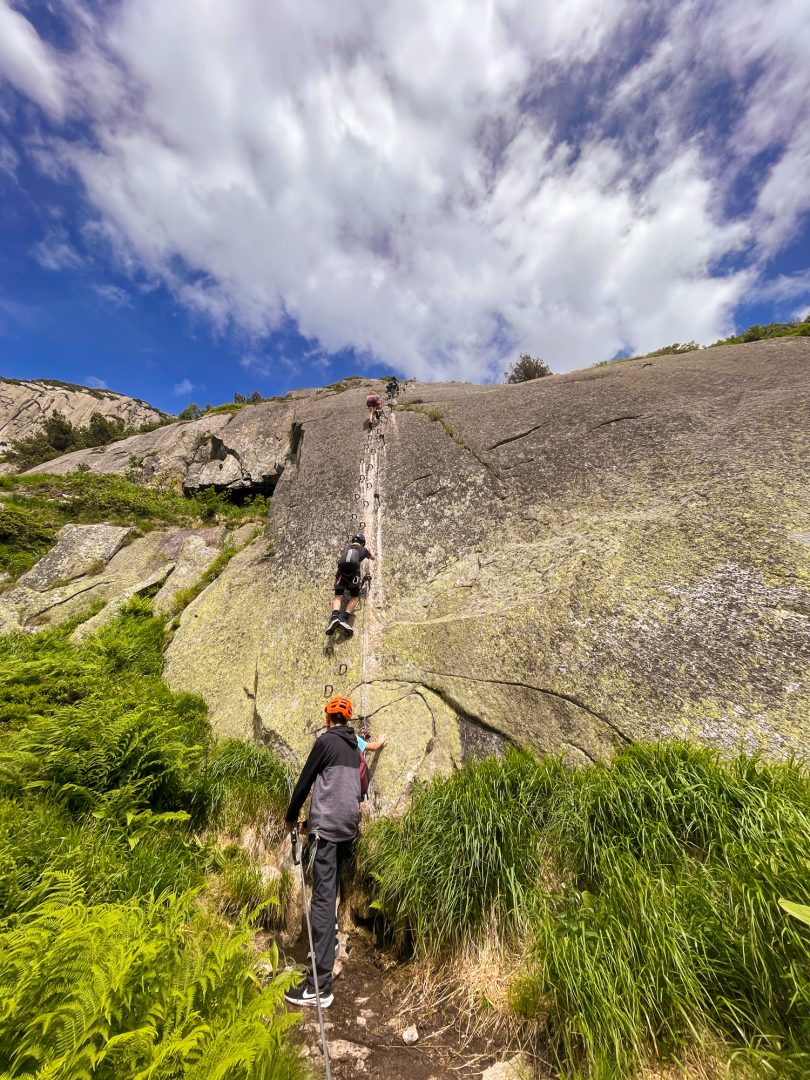
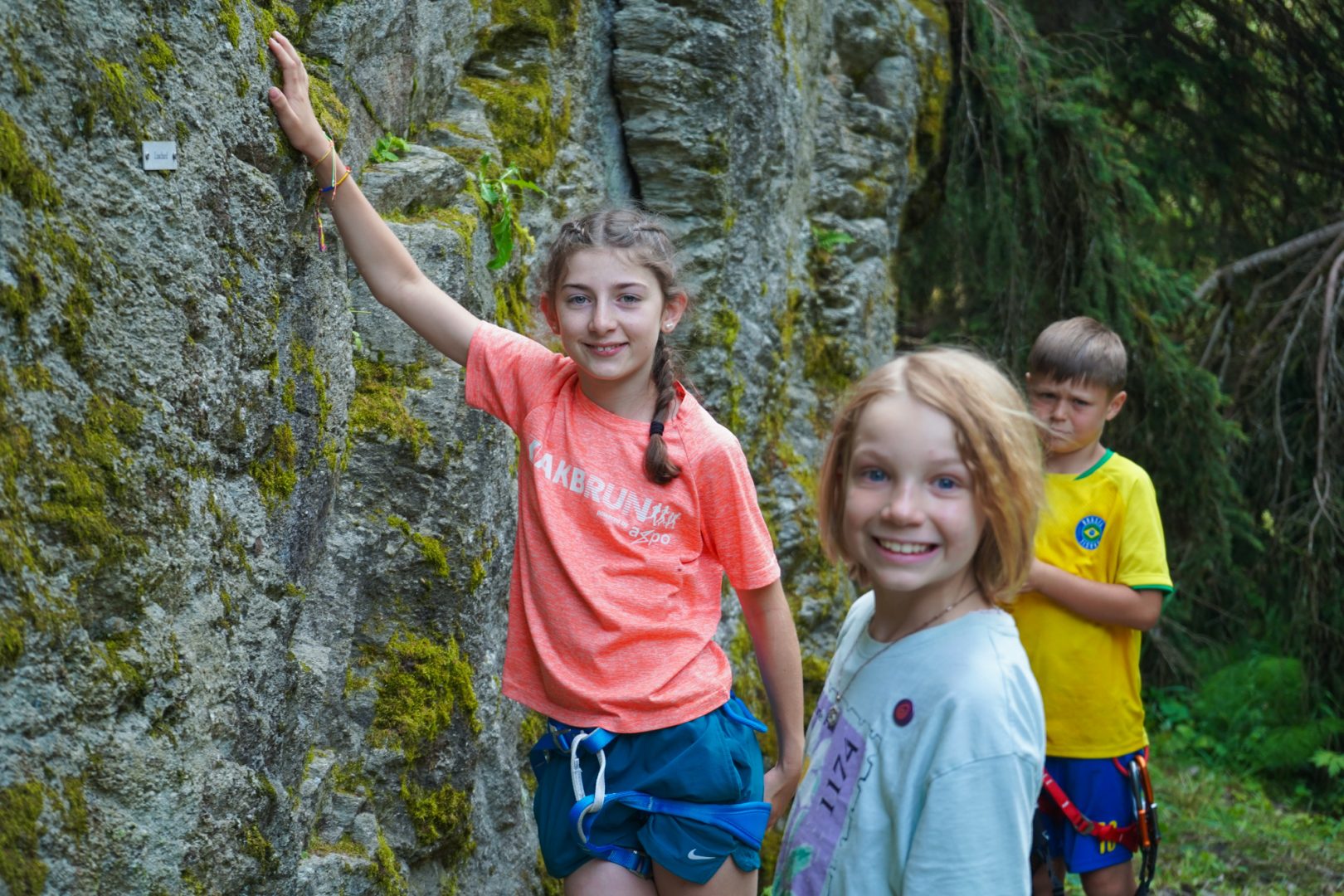
- Multi-Sport / Adventure private camps — ages 6–15; multi-activity rotations (climbing, mountain biking, water games); typical daily itinerary mixes skills, practice and excursions; price varies per week.
- Specialized Early Years & Employer-sponsored programs — ages 3–6; preschool half-day camps and corporate programs; staff:child ratio often 1:4 or better with extended hours 07:30–18:00 as an example; pricing available per day or per week.

How to choose the right camp — must-compare metrics
We, at the young explorers club, break decision factors into clear, comparable metrics so families can pick fast and confidently. Below I define each metric and show a compact comparison table you can reuse for every listing.
| Camp | Price | Price / instructional hour | Staff:Child | Travel (km / min) | Language | Capacity / fill rate | Safety & accreditations | Value metric |
|---|---|---|---|---|---|---|---|---|
| Example Camp A (demo) | CHF 750 / week — includes 3 meals, local shuttle, kit; no insurance | 4 hrs/day × 5 days = 20 hrs → CHF 750 ÷ 20 = CHF 37.50 | 1:8 — suitable for mixed-age groups; lower ratio needed for water | 45 km / 70 min (public transport); shuttle available | German primary; bilingual sessions 30% | Capacity 60 per session; historically 85% filled by end of May | Staff first aid; background checks; regional sports federation endorsed | CHF 37.50 per included hour |
| How to compute / template | List CHF per week or per day and explicitly list inclusions | Hours = daily hours × days per week. Price ÷ hours = CHF/hr | Report as X:Y; note special risks (water/animals/young kids) | Record km from Zurich HB and public-transport minutes; note shuttle | Primary language + German/English/bilingual flag | Show capacity N and recent fill rates or waitlist odds | List first aid, DBS/background checks, sport accreditations | Use CHF/hr or CHF/activity for direct comparisons |
Quick comparison checklist
- Confirm exactly what price covers: meals, transport, equipment, insurance.
- Calculate CHF per included hour from advertised instructional time.
- Note staff-to-child ratio and flag lower ratios for water, animal contact, toddlers.
- Measure travel both in km and minutes from Zurich HB; check for camp shuttles.
- Record language of instruction and percentage bilingual if given.
- Capture session capacity and historical fill-rate or waitlist likelihood.
- Verify safety: on-site first aid, staff background checks, and any Swiss/sport accreditations.
- Check swim-test rules — typically able to swim 25 m; confirm with provider.
- Include whether insurance or medical staff are included on site.
Coach certifications: UEFA B = qualified to coach youth and amateur competitive teams; Swiss Tennis certified = national coaching standard. For watersports, assume swim-test requirements (often 25 m) and verify with each provider.
For a practical guide that helps you weigh these metrics side-by-side when choosing, see choose the best camp.
Comparison table & quick decision tools (columns, examples & badges)
We, at the young explorers club, recommend a compact comparison table that makes selection fast and transparent. Use the columns below to let parents filter by age, schedule, cost, supervision and travel time. For guidance on how to choose, see our page to choose the best camp.
Table columns (CSV-ready for editors)
Below are the column headers I include and why each matters. Use this list to build a sortable table in your CMS or spreadsheet.
- Camp name — official camp title and operator.
- Age range — minimum and maximum age for each session.
- Day / Residential — day camp, overnight, mixed weeks.
- Price/week (CHF) — published full-week rate; note what’s included (meals, activities).
- Staff:child ratio — key for safety and activity type.
- Languages — primary teaching language(s) and immersion details.
- Travel time from Zurich HB (minutes/km) — list minutes by public transport and distance in km.
- Shuttle / pick-up — note if camp runs a Zurich HB shuttle and scheduled pickup times.
- Booking deadline / fill-up risk — final booking date and current occupancy level.
- Unique selling point — quick one-line highlight (e.g., mountaineering, English immersion).
- Notes — allergies, equipment required, or scholarship options.
For editors: include this CSV/Excel-ready header line exactly as a starting template:
Camp name,Age range,Day/Residential,Price/week (CHF),Staff:child ratio,Languages,Travel time from Zurich HB (minutes/km),Shuttle / pick-up,Booking deadline / fill-up risk,Unique selling point,Notes
Use conditional formatting on Price/week and Staff:child ratio to surface value and safety differences.
Value metrics, calculation method & quick-decision badges
Show parents how you calculate practical metrics. Give one clear worked example and a simple supervision comparison.
Price-per-hour example: 4 hours/day × 5 days = 20 hours/week; CHF 400 ÷ 20 = CHF 20 per hour. Use that formula in a tooltip or modal so families can compare camps of different schedules. Flag whether instructional hours or free-play hours are used in the calculation.
Worked example: If a camp charges CHF 400 for a week with 4 instructional hours per day over 5 days: 4 × 5 = 20 hours; CHF 400 ÷ 20 = CHF 20/hour.
Supervision comparison: Camp A 1:6 vs Camp B 1:12 — lower ratio = more supervision and better for younger/specialist activities. Display the ratio both numerically and as a color-coded badge:
- Green badge: 1:8 or better
- Amber badge: 1:9–1:12
- Red badge: worse than 1:12
Quick-decision badge phrasing templates you can drop into the table as badges or filters:
- Best for expat families seeking residential English immersion
- Best for competitive young footballers
- Best value: lowest CHF per instructional hour
- Limited spots: book by ____ (verify)
Travel guidance must be explicit and actionable. Always list both minutes by public transport from Zurich HB and whether shuttles/pick-ups exist. Present entries like:
- 45 min (train + bus), 60 km — Shuttle: yes (Zurich HB 08:15 pickup)
- 30 min (S-Bahn), 28 km — Shuttle: no (public transport recommended)
Booking deadline and fill-up risk should combine a date and a current occupancy tag such as “Open / 45% filled / Waitlist“. Encourage parents to confirm the shuttle schedule and any last-minute changes.
Practical presentation tips I use:
- Add sortable columns for Price/week and Price-per-hour so value jumps out.
- Include a small icon for language (flag or text) to make bilingual offers visible.
- Expose the booking deadline and occupancy as a single clickable element that links to the camp’s booking page.
We keep the table compact, searchable and oriented to quick family decisions.
Practical tips for families — booking, health, packing & communication checklists
We, at the Young Explorers Club, recommend booking as early as possible. The main booking window runs Jan–May and many popular sessions fill by May — verify exact deadlines with each camp. Ask about sibling discounts and early-bird deadlines at first contact. I always confirm deposit amounts and whether a deposit is due at booking; camps often hold places only after payment. For help comparing options, see how to choose for guidance.
Confirm insurance and health requirements before you hand over a deposit. Swiss rules mean accident insurance is mandatory for participants; parents must double-check their coverage and top-ups. Bring written medication plans and a doctor’s consent for ongoing prescriptions. Pack clear allergy action plans and any epinephrine prescriptions with dosing instructions. If you want a sense of daily medical support and routines, read what kids should expect for an overview.
Pack light but smart. Include swimwear, sun protection, spare clothes, labelled items, a refillable water bottle, sun hat and any required sport or specialist gear. For preschool camps add nappies, wipes and a familiar comfort item. Label everything with the child’s name and a contact number; we’ve seen lost items returned far more often when labels are clear. For activity-focused programs check the recommended list in activities and adventures so you don’t bring duplicates or miss a specialty item.
Clarify cancellation and refund terms before you commit. Ask how much the deposit is, whether it’s refundable, and the exact refund window (for example, refunds permitted until X days prior — verify per camp). Note that some camps apply sliding refunds as the start date approaches. I always get refund policies in writing and keep screenshots of the booking page.
Agree communication expectations up front. Ask how the camp shares updates — daily photos, group messaging apps, or a secure parent portal — and whether they send routine progress notes. Confirm emergency contact procedures and whether qualified medical staff or a nurse are on site. If transport is needed, check shuttle timetables, pick-up/drop-off windows and late-fee policies before the first day. For options focused on language or specialist programs see English camp and Camp Montana for examples of different communication styles. If you’re looking for regional choices, consult the best summer camps and summer camp Vaud pages. For mountain-based options check mountain adventure camps and the French selection des meilleurs list for additional ideas.
Checklist of questions to ask providers before booking
- What is the exact staff:child ratio?
- Are staff and coaches certified and background-checked?
- Is accident and liability insurance included or must parents provide it?
- What are the exact session dates and daily schedule?
- How much is the deposit and what are the refund terms?
- Are on-site medical staff or first-aid responders present?
- How do you handle medications and doctor consents?
- How will you communicate with parents (photos, app, email)?
- What are pick-up/drop-off windows and late-fee policies?
- Are shuttles provided and what are their timetables?
- Do you accommodate food allergies and special diets?
- Can you confirm staff training for the core activities listed in activities and adventures?
For a broader selection and camp types across Switzerland, explore the best summer camps and our complete guide to compare logistics and packing expectations.
Verification guidance & final checks
We, at the young explorers club, insist on verifying every live number before publishing or booking. I confirm numeric facts directly with each provider and capture their “last-updated” date as proof.
We request written confirmation for deposit amounts, cancellation and refund windows, medical staffing levels, transfer/shuttle details, and exactly which items the price covers. We log those confirmations alongside the provider contact and timestamp them. We never rely on a single web page snapshot; we phone and email when something looks ambiguous.
We ask providers to confirm capacity per session and to share historical fill rates or the likelihood of a waitlist. We also confirm language of instruction for every session and whether it’s bilingual, German-only, or English-only. For watersports, we demand swim competency requirements and clear lifejacket policies. For competitive sports, we verify coach certifications (for example UEFA B or Swiss Tennis certified) and explain them briefly to readers so families understand the level of coaching on offer.
UEFA B is a recognized coaching license that authorizes structured training for youth and amateur squads. Swiss Tennis certified is a national coaching accreditation focused on technical and safety standards.
I recommend using our selection advice when you need help choosing: choose the best summer camp.
Editor & parent final checklist
Follow this checklist before you publish or commit:
- Verify numeric facts directly with the provider and note the provider’s “last-updated” date.
- Obtain written confirmation for deposits and save the email or PDF.
- Get cancellation and refund windows in writing, including any penalties and the effective dates.
- Confirm medical staffing: on-site nurse/doctor hours, emergency protocol, and how allergies/meds are handled.
- Request shuttle/transfer details: pick-up/drop-off points, times, costs, and contingency plans for delays.
- Confirm which items are included in the price (meals, equipment, excursions) and which incur extra fees.
- Ask providers to state capacity per session and to provide historical fill rates or average waitlist lengths.
- Confirm session language: bilingual, German-only, or English-only. Note whether language support is available.
- For watersports, require swim competency criteria, supervised swim-test policies, and mandatory lifejacket rules.
- For competitive sports, confirm coach qualifications and document the exact certification names. Include a brief note for readers explaining common certifications such as UEFA B and Swiss Tennis certified.
- Replace every “CHF X” and every “ages X–Y” placeholder with verified numbers before publishing.
- Date-stamp each verified figure in the article next to the number (e.g., CHF 420 — verified 12 Jun 2025).
- Keep a contact log: name, role, phone, email, and timestamp of the verification call/email for each confirmed item.
We keep the verification trail short and searchable. We archive confirmations so families and editors can trace any change.
Zurich International School (ZIS) — Summer Programs
Zurich International School (ZIS) runs English‑language day camps and specialty camps for arts, sports and STEM. Programs span primary through secondary levels with options that change by year, and session lengths vary from one week to multiple weeks across the June–August period. Pricing, sibling discounts and early‑bird rates are published annually on the ZIS site, so you should confirm current CHF fees before booking.
Program details and practical notes
- Program types: day camps plus specialty tracks in visual/performing arts, team sports, robotics and science labs.
- Age/grade range: varies by program; most years cover early primary up to high‑school cohorts.
- Dates & session lengths: scheduled across June–August; sessions commonly run 1 week but sometimes longer.
- Price & discounts: weekly and per‑session rates change yearly; ZIS typically offers sibling and early‑registration incentives—verify current CHF amounts.
- Instruction language: English is the primary language across camps.
- Capacity & staff: session size and spots vary; staff usually include certified teachers and first‑aid trained leaders.
- Staff makeup: a high proportion of international educators complements local hires.
- Transport: some programs offer organized pickup/dropoff or advice on public‑transport access from Zurich HB—confirm routes and times.
- Meals & snacks: full‑day weeks often include snacks or lunch; check which sessions include catering.
- Accreditation & safeguarding: ZIS follows international school safety and child‑protection standards and maintains formal safeguarding policies.
- Booking & cancellation: deposits and refund windows apply; check the specific deposit amount and cancellation deadlines for the season.
- Special features: campus facilities include sports halls, outdoor fields, science labs and performance spaces, enabling cross‑discipline projects.
What’s included, pros & cons
What’s typically included:
- Tuition for the stated session.
- Use of campus facilities and equipment.
- Supervision by certified staff and first‑aid provision.
- Some programs include meals/snacks and basic kit; transport and insurance vary by session.
Pros:
- Strong academic and activity mix with genuine STEM and arts options.
- English immersion with experienced international faculty.
- Access to a full international‑school campus and specialist facilities.
Cons:
- Higher prices at international schools compared with community programs.
- Limited availability: popular weeks fill fast.
- Some extras (transport, full catering, special outings) can carry additional fees.
Quick verdict / who it’s best for
We recommend ZIS for families wanting English‑medium summer options with structured academic or specialty tracks and high facility standards. It’s ideal for children used to an international school setting or families prioritizing certified staff and campus resources.
Registering and verifying details
We advise confirming exact ages, dates, CHF fees, deposit rules and pickup options directly with Zurich International School. For help comparing English‑language options in Switzerland see English camp and contact ZIS admissions to reserve spots and confirm current terms.
Zoo Zurich — Kids’ Holiday Camps (profile template)
One-line summary: Zoo Zurich — ages 6–12; themed animal Ferienlager with single-day Ferienpass and multi-day Ferienlager; German and mixed English weeks; CHF 85/day, CHF 425/week (approx.).
We describe the program types, age groups and practical details so families can decide quickly. The zoo runs single-day Ferienpass days and longer multi-day Ferienlager (typically 4–5 days). We usually group children by age (6–8, 9–12) with 10–15 kids per group and a maximum capacity of about 30 participants per session. Camps run across school holidays (spring, summer, autumn). Typical daily hours are 09:00–16:00 with supervised early drop-off and late pickup options.
Pricing and access: The standard fee sits around CHF 85 per day or CHF 425 per week. Members of the zoo or affiliated associations often get a discount of CHF 10–20 per day. We recommend checking current rates and membership benefits before booking. Transport is convenient — the zoo is roughly 15 minutes from Zurich HB by tram and a short walk from the nearest stop.
Educational content and staff: The program pairs playful activities with real learning — conservation themes, species talks, safe behind-the-scenes visits and simple animal-care demonstrations. Staff include zookeepers, qualified educators and first-aid trained camp leaders; animal welfare follows Swiss zoo standards and internal care protocols. Weeks are advertised as German or bilingual; some weeks are German-only, so check language notes when you book.
What’s included, pros & cons
Below are quick lists to highlight what families actually get and what to watch for.
- What’s included:
- Supervised daily program with themed workshops
- Meals or snack provision on multi-day sessions
- Behind-the-scenes tours and hands-on animal introductions
- Basic transport guidance from major Zurich hubs (no door-to-door pickup)
- Pros:
- Direct contact with zookeepers and authentic animal education
- Short travel time from central Zurich
- Strong safety and welfare standards and small group sizes
- Cons:
- Some weeks are German-only, limiting non-German speakers
- Popular sessions fill fast; capacity limits mean early booking
- Transport beyond central Zurich may be extra or self-arranged
Quick verdict / who it’s best for: We find Zoo Zurich camps ideal for curious younger kids who love animals and for families wanting a short, education-focused holiday program with strong welfare standards. They suit children comfortable in group settings and families who can commit to booking early.
To register or confirm dates and exact fees, check the zoo’s booking page and read our practical notes on What kids should expect. We advise calling the zoo directly to verify language weeks and member discounts before you finalize.
FC Zürich — Kids Camps (profile template)
We recommend FC Zürich Kids Camps — ages 6–14; day football training; UEFA-certified coaches; CHF 320/week. FC Zürich runs the program through its youth academy, giving campers direct access to club coaching methods and regular contact with academy staff. The camps are day-only rather than residential, usually running Monday to Friday in one-week sessions during July and August; sessions commonly run 9:00–16:00 with optional early drop-off and late pick-up.
FC Zürich groups players by age and ability (U6–U14 typical), and most weeks are open-enrolment with no formal tryout; advanced “elite” weeks may require short selection sessions or coach recommendation. Coaching staff hold UEFA and Swiss FA qualifications and often include current academy coaches. I keep staff:child ratios conservative — most weeks use roughly 1:8–1:12 depending on age — and pitches are capped at about 18–22 players per field to preserve quality touches and small-sided play. Camps run across several Zurich venues, usually club training grounds plus municipal pitches; public transport access is reliable and some weeks offer limited shuttle options from central locations.
I note prices vary by week and age group. The typical price point for a standard week is around CHF 320; that usually covers training, a camp shirt, ball, on-site lunch and basic insurance, though premium weeks or elite tracks cost more and may exclude meals. Session lengths are standard five-day weeks, and multi-week discounts sometimes apply.
What’s included, pros & cons
Below are the standard inclusions and the main benefits and trade-offs we see.
What’s included (common items):
- Official training jersey and ball.
- Daily supervised lunch/snacks and hydration breaks.
- Full coaching program delivered by UEFA/SFA-qualified staff.
- Small-sided games, skills stations, and match-day format.
- Basic accident insurance and end-of-week participation certificate.
Pros:
- Strong link to FC Zürich academy methods and clear player pathway.
- Qualified coaches with UEFA/SFA credentials and regular contact with club scouts.
- Day format is convenient for local families and keeps children in familiar routines.
Cons:
- Not residential — families needing overnight care must arrange alternatives.
- Popular weeks fill fast; late registration limits choices and may exclude elite tracks.
- Price can be higher than smaller independent camps, especially for elite sessions.
Quick verdict / who it’s best for:
We think FC Zürich Kids Camps suit families who want high-quality, club-aligned coaching and a clear development focus without committing to a residential setup. Club-minded players and those hoping for exposure to academy coaches will get the most value.
Call to action — how to register & verify:
Register through FC Zürich’s official camp sign-up ( book early for popular dates). Always ask for coach certification details and proof of UEFA or Swiss FA diplomas if that’s important to you. Confirm exact dates, session content, and what’s included directly with the camp coordinator before paying. For a simple checklist to compare options, see choose the best camp.
Grasshopper Club Zürich Camps (profile template)
Grasshopper Club Zürich Camps — ages: [X–Y]; football academy camps; price: CHF [X]/week.
Key facts
Below are the fields I fill when profiling this camp; confirm each item with the organiser before publishing.
- Age range and skill levels: Typical cohorts (e.g., 6–12, 13–16); beginner to elite academy tracks — state which tracks run each week.
- Dates & session lengths: Start/end weeks, daily hours and single- or multi-week sessions; note holiday-week availability.
- Price and inclusions: Weekly fee and what it covers (training, match fees, kit, lunches, evening supervision). Flag extras like transport or exam fees.
- Coach certifications: UEFA or SFV licences, first aid and child-safeguarding training — list names and levels of head coaches.
- Staff:child ratio and group sizes: Standard ratios (for example 1:8–1:12) and max group size per age band.
- Locations and transport: Training pitches (stadium, municipal grass, or artificial turf); pick-up/drop-off points and whether shuttle service runs from Zurich.
What’s included; pros, cons, quick verdict & registration
What’s included: daily coached training, small-sided matches, tournament day, basic training kit (shirt/shorts), accident insurance, and light lunch/snack on full-day weeks — confirm which kit sizes are supplied and whether meals cover allergies.
- Included items to verify: kit sizes, dietary accommodations, insurance policy numbers, and whether match fees are covered.
Pros:
- Strong club brand and clear player pathways.
- Structured coaching methodology aligned with academy standards.
- Exposure to academy scouts and friendly matches.
Cons:
- Can be pricier than community camps.
- Competitive tracks may limit playtime for casual players.
- Peak weeks sell out fast.
Quick verdict / who it’s best for: We recommend this camp for players who want structured technical development within a recognised club environment — ideal for committed juniors aiming to progress into academy-style training. Casual players looking for mixed-activity holiday weeks might prefer a multi-sport option.
Call to action — how to register & verify:
- Register via the official Grasshopper Camp portal and secure your spot with the listed deposit.
- Verify coach credentials and insurance by requesting scanned certificates and policy numbers from the organiser.
- Check cancellation terms and any medical or dietary forms required.
- For families comparing options, see this roundup of the best summer camps for a direct comparison: best summer camps.
Swiss Tennis & Local Tennis Clubs (profile template)
One-line summary: Swiss Tennis and local clubs — ages 6–18; week and day camps (half- and full-day options); Swiss Tennis certified coaches; CHF 320–450/week.
We, at the young explorers club, use this profile template to evaluate Swiss Tennis programs and independent club camps around Zurich. It helps families compare coaching quality, hours, and value quickly.
Key facts at a glance
Use the bullets below to capture the typical program details you should record for each provider.
- Provider names: Swiss Tennis camps; Zurich Lawn Tennis Club; GC Tennis Club; regional municipal clubs.
- Age/skill groupings: 6–8 (beginners), 9–12 (intermediate), 13–18 (advanced/competitive).
- Format & hours: Week camps (Mon–Fri), day camps (single days available). Typical daily hours: half-day 3 hrs, full-day 6–7 hrs.
- Price per week & extras: CHF 320–450/week common; racquet rental CHF 5–15/day; ball/materials often included or CHF 10–30/week.
- Coach qualifications: Swiss Tennis certified coaches common; some clubs hire PTR or ITF-certified coaches for advanced squads.
- Staff:player ratios and courts: Typical ratios 1:6 for juniors, 1:8 for mixed groups; clubs usually run 4–8 courts per session.
- Indoor backup courts: Many clubs have indoor courts or nearby indoor facilities for rain days; confirm availability for each week.
What’s included
Most Swiss Tennis camps include daily technique sessions, supervised match play, and on-court drills. Clubs typically supply balls and basic first aid. Lunch and supervision vary; some camps bundle lunch while others offer on-site canteen access. Racquet rental is usually optional and charged separately. I always advise confirming kit and insurance details before booking.
Pros
- Standardized curriculum: Swiss Tennis certification signals a consistent curriculum and coach education.
- Smaller groups: Local clubs often offer smaller groups and stronger community follow-up.
- Reliable training: Camps near Zurich tend to have indoor backup courts, which keeps training consistent despite weather.
- Transparent pricing: Pricing is transparent at many clubs, letting families compare CHF per hour quickly.
Cons
- Advanced coaching cost: PTR/ITF-level coaching can cost more or be limited to intensive squads.
- Larger beginner groups: Some municipal clubs run larger groups for beginner weeks, reducing one-on-one time.
- Shorter sessions pricier: Weekend or single-day options may be pricier per hour than full-week bookings.
- Extras add up: Racquet rental and meal costs can increase the total if you don’t check the fine print.
Quick verdict / who it’s best for
This mix suits kids who want solid technical foundations and plenty of match practice. We recommend Swiss Tennis camps for families prioritizing certified coaching and a structured curriculum. Choose local club weeks if you want smaller groups or easier logistics near home.
How to register, verify coach certification, and calculate price-per-hour
Register directly with the club or the Swiss Tennis portal. For help choosing and comparing camps, see choose the best camp. Always request the coach’s certification level and certificate number. Verify that the coach holds a current Swiss Tennis, PTR, or ITF credential by asking the club to show the certificate or the coach’s registration. Confirm the exact daily hours and total weekly hours before you pay.
To calculate price-per-hour: divide the CHF weekly fee by total supervised hours that week (include lunch supervision if that’s important to you).
- Step 1: Get the total weekly fee (e.g., CHF 360/week).
- Step 2: Add up total supervised hours that week (e.g., 30 hours).
- Step 3: Compute CHF per hour: CHF 360 ÷ 30 = CHF 12/hour.
Ask for itemized fees if racquet rental or meals are separate, then recompute to compare true value across providers.
Sailing / Watersports Camps on Lake Zurich — Segelschule Mythenquai & Clubs (profile)
At-a-glance facts
- Provider: Segelschule Mythenquai and affiliated local sailing clubs
- Program types: dinghy sailing, windsurfing basics, stand-up paddleboarding (SUP) and multi-sport water days
- Typical ages: 8–16 years (junior tracks and teen advanced weeks)
- Minimum swim competency: able to swim 25 m independently and comfortable in open water; providers usually require an on-arrival swim check
- Dates / session length: weekday camps, Monday–Friday; common options are 1-week sessions across summer months (July–August)
- Price: CHF 250–420 per week (varies by session length, equipment rental and instructor ratio)
- Equipment: sailing boats, windsurf boards, SUPs, buoyancy aids usually provided; ask if wetsuits or water shoes are included
- Instructor certification: instructors commonly hold Swiss Sailing Association (Swiss Sailing) certificates or equivalent national qualifications
- Group size & safety ratio: typical group sizes 6–10 kids with in-water safety boats; water supervision often 1:6–1:8 depending on age and activity
- Transport access: tram/bus access to Mythenquai; on-site bike racks and drop-off parking at club piers
- Weather & cancellation policy: sessions run in most weather; heavy storms or unsafe winds trigger cancellation with partial or full refund or alternative dates
What’s included
Typical weekly fees include lesson time, use of boats/boards, a buoyancy aid, and basic rescue coverage. Snacks and lunches are often not included, so check the pack list. Most clubs run a final-day demo or small regatta and provide a participation certificate.
Pros
- Clear skill pathways: structured progressions from beginner to advanced sessions.
- Lots of on-water time: repeated hands-on practice in small groups.
- High safety standards: Swiss Sailing-trained staff and common use of safety boats.
- Good transport access: clubs near Mythenquai are easy to reach by public transport for families.
Cons
- Extra charges: possible fees for extended hours, video coaching, or advanced equipment.
- Booking pressure: sessions fill quickly, so late bookings may only secure partial weeks.
- Weather impact: heavy-weather cancellations are rare but can convert on-water days to shore-based theory or shorter tactical sessions.
Quick verdict / who it’s best for
This profile suits kids who already swim and want focused skill development in sailing or to try windsurfing and SUP in a structured week. It’s ideal for families who want a safe, coach-led environment with clear progression and strong local access to Zurich.
Registration and safety checklist
Recommended practical steps to register and get ready:
- Register early: use the club’s online form and pay the deposit to secure a spot. For extra guidance on picking the right option, see our guide on how to choose the best summer camp.
- Verify the swim-test policy: bring documentation or be ready for an on-site swim check (25 m recommended).
- Confirm lifejacket policy: most clubs require approved buoyancy aids on the water and provide them if you don’t own one; label all personal gear.
- Ask about rescue coverage: confirm whether the club runs an on-water rescue boat and has first-aid-trained staff for every session.
- Check transport and times: confirm arrival/drop-off windows; some weeks offer supervised early drop-off or late pickup for an extra fee.
Final step: contact the club to confirm exact dates, the final price, and the swim-test procedure before you complete registration.

Hostelling Switzerland — Youth & Adventure Camps (profile template)
We, at the young explorers club, present Hostelling Switzerland — ages 10–17; overnight adventure camps; CHF 720/week incl. accommodation & meals (approx. CHF 103/day). I describe program types, logistics and who benefits most so families can decide quickly.
Program types and locations and dates
Hostelling Switzerland runs multi-activity residential programs focused on outdoor skills and social development. Typical locations near Zurich include Lucerne-region hostels, Engelberg and lakeside sites that double as water-activity bases. Sessions generally run in July and August in 7- or 14-day blocks. Most offerings are scheduled as weekly sessions with optional back-to-back weeks.
Age groups and residential vs day options
Programs are primarily residential for ages 10–17. Some hubs offer day-camp options for younger siblings (8–12) at nearby hostels during the same weeks. Group sizes are organized by age band to keep activities age-appropriate.
Capacity and travel
Typical capacity ranges from 30–80 beds per session depending on the site. Travel time from Zurich HB varies by location:
- Lucerne-area hostels: ~50–60 minutes, ~50 km.
- Engelberg: ~75–90 minutes, ~80 km.
- Interlaken-bordering sites: ~110–130 minutes, ~120 km.
We advise checking specific site details for exact travel times and luggage rules.
Content and safeguarding
Daily schedules mix guided hikes, ropes/climbing challenges, lake activities (swimming, canoeing), orienteering and evening programming. Staff are trained in youth first aid and operate under Hostelling Switzerland child-protection policies and national youth-hostel standards. Accreditation follows national hostel association guidelines.
Pricing breakdown and extras
The standard rate of CHF 720/week includes dorm accommodation, three meals per day and basic activity supervision. If broken down, that’s about CHF 103/day. Equipment rentals (e.g., wetsuits, climbing harnesses) may be extra. Transport to-site and insurance are usually not included.
What’s included, pros and cons, quick verdict and next steps
Below are the essentials, strengths and limitations so you can act fast.
- What’s included: full-board accommodation, meals, daily supervised activities, basic equipment, trained staff and local excursions.
- Pros: strong hostel network near Zurich; affordable weekly pricing; genuine overnight experience that builds independence; trained staff and standard safeguarding policies.
- Cons: group sizes can be large at peak weeks; some equipment or transport costs may be extra; exact program mix varies by site and session.
- Quick verdict / who it’s best for: Great for families wanting an affordable, structured overnight outdoor week for ages 10–17. Ideal for kids ready to sleep away from home and keen on hiking, lake sports and team challenges.
- Call to action: Register early through the Hostelling Switzerland booking page for specific site availability. We recommend calling the hostel directly to verify bed capacity and meal inclusions before booking.
For a broader comparison of options and tips on picking a week that fits your child, see our guide to summer camps in Switzerland.
Pfadi Schweiz & Local Scout Camps (profile template)
Pfadi Schweiz / Local Scouts — Beavers (Biber) 5–7, Cubs (Wölfe) 7–10, Scouts (Pfadis) 10–13, Rovers/Pioneers 14–18; mostly outdoor overnight camps; typical fees range CHF 50–400 per camp plus annual membership CHF 40–120.
We run local scout camps that focus on outdoor skills, group challenges and low-tech adventure. Camps usually run from long weekends to two-week sessions. The busiest weeks fall in July and early August, with many sections running short training weekends in spring.
Quick facts
Here are the essential facts parents ask for most often:
- Typical camp lengths: 2–3 day weekend camps, 5–7 day mid-length camps, and 10–14 day summer camps.
- Dates: main summer weeks in July–early August; section-specific weekends in May–June.
- Cost structure: annual section membership (CHF 40–120) + per-camp fee (CHF 50–400 depending on length and activities).
- Leaders: predominantly trained volunteers from the local group with some professional instructors brought in for specialist activities.
- Leader:child ratio: commonly 1:6 to 1:10, tighter for younger sections.
- Typical activities:
- tent camping, hiking, orienteering, campcraft
- low-ropes, basic climbing/belay with certified instructors
- fire skills and community service projects
- Required gear: sleeping bag, sleeping mat, waterproof jacket, sturdy hiking boots, water bottle, sun protection, personal first-aid kit, and a small daypack.
- Enrollment requirements: active section membership, signed parental consent, completed medical/medication form.
- Deadlines: most summer camps close registration in late May to mid-June; popular weeks fill earlier.
Assessment & sign-up
Pros:
- Low-cost outdoor time and strong local community ties.
- Peer-led learning with volunteers keeping adult-to-child contact warm and personal.
- Sections emphasize leadership skills and inclusivity.
- Specialist sessions (e.g., climbing) are run by accredited instructors.
Cons:
- Quality varies by local group; some rely almost entirely on volunteers with limited professional oversight.
- Activity level and comfort standards differ between sections, so outfit and expectations can vary.
- Popular weeks can sell out early.
Quick verdict / who it’s best for: These camps suit families who want affordable, social, outdoor experiences that build independence and teamwork. They work well for kids who like hands-on activities and sleeping under canvas. If you need guaranteed professional staffing or luxury amenities, consider organized commercial camps instead.
Call to action:
- Join your nearest section early and confirm membership first.
- Contact the local group leader to get exact camp dates, itemized fees and leader training records.
- Ask for proof of instructor certification for any technical activities and for the current leader:child ratio.
- We recommend submitting registration and medical forms by May.
- For timelines, paperwork and how to choose, consult our summer camp guide and then register through your local Pfadi group to verify fees and leader qualifications.
Les Elfes International — Residential Camps (profile template)
We, at the Young Explorers Club, profile Les Elfes International — ages ~7–17; a residential international camp; example price CHF 1,200–3,500/week (label example). Sessions run in one- to two-week blocks on a full-board residential model.
Key facts and quick specs
- Age ranges and groupings: roughly 7–17, broken into junior, middle and senior cohorts with activity programs tailored by age. We recommend confirming exact group names and cutoffs with the camp.
- Dates & prices: typical summer sessions are staggered across June–August. Example fee range is CHF 1,200–3,500 per week; that equates to roughly CHF 170–500 per day based on a seven-day week. Ask for current weekly and per‑day pricing when booking.
- International mix & language: the camp hosts a strong international cohort; English is the primary camp language with multilingual staff and some local-language options.
- Staff ratios and care: common staff:child ratios range from about 1:6 to 1:8 in activity groups, with dedicated pastoral staff and an on-site medical team for routine care and emergencies.
- Transfers from Zurich: transfer time is typically around 60–90 minutes depending on traffic and exact location. Transport fees often apply; expect a separate charge for scheduled coach transfers and private taxi options.
What’s included, pros & cons
Below we list core inclusions, strengths and potential drawbacks so families can decide quickly.
-
What’s included
- Full board accommodation, daily activities and supervised evening programs.
- Professional activity instructors, sports and arts equipment.
- Basic medical cover and on-site nurse or medic; transfer service usually available at extra cost.
- Airport/rail transfers sometimes offered (confirm price and pick-up points).
-
Pros
- Strong international community and English-language immersion.
- Short session lengths are flexible for families who can’t commit to long stays.
- Robust activity mix: adventure sports, creative workshops and language options.
- Professional pastoral and medical staffing included in program fees or as an optional upgrade.
-
Cons
- Higher price bracket compared with day camps; transfers and extras add up.
- Short sessions mean limited progress in skill-focused tracks.
- Peak weeks fill fast; advanced booking required for specific transfer slots.
Quick verdict / who it’s best for
We recommend Les Elfes for families seeking a proven international residential experience for kids and teens who thrive in activity-packed, English-led environments. It suits parents who want full support (pastoral and medical) and flexible one- to two-week commitments.
Next steps and call to action
Register via the camp admissions page or contact the office to lock dates. Always verify transfer logistics, pickup times and any transport fees, and request written confirmation of medical staffing levels and on-site qualifications before paying the deposit. For help choosing the right option, see choose the best camp.
EF / Education First Junior Camps (profile template)
EF Junior Camps — ages 10–17; language immersion plus local excursions; sample price CHF 2,900–4,200 (tuition + accommodation, varies by option).
EF runs language-immersion programs with daily classes and organized excursions to cities, cultural sites, and outdoor attractions. I’ll outline the typical program types, schedules, and logistical details you should expect so you can compare this option to others near Zurich.
Program types and format
Programs are typically structured around classroom learning plus on-site and off-site activities. Common formats include:
- Language-immersion: morning or afternoon lessons focused on practical speaking, grammar drills, and project work.
- Excursion packages: half-day and full-day trips to nearby towns, museums, ropes courses, or mountain areas.
- Activity add-ons: sports, arts, and sometimes exam-prep modules for older teens.
Age ranges and session lengths
Typical cohorts run from about 10 to 17 years old. Sessions commonly last 2–4 weeks, with options for one-week intensives in peak season. Multi-week discounts sometimes apply, and session dates align with Swiss school holidays.
Price structure — what to expect
Prices vary by campus, accommodation type, and excursion package. A representative breakdown looks like this:
- Tuition: covers language classes, materials, and on-site staff.
- Accommodation: host family or student residence — expect a notable price gap between the two.
- Meals: often included with residence; host-family stays usually include full-board.
- Excursions & activities: some are included; premium outings may cost extra.
- Transfers & insurance: airport transfers often available for an extra fee; travel/medical insurance may be mandatory.
Academic delivery and staffing
Class hours usually total 15–25 hours per week. Typical teacher-to-student ratios range from 1:8 to 1:12 in general classes, with smaller groups for specialized skills. Teachers are certified and often trained in teaching younger learners.
Transfers, paperwork, and insurance
Airport or train transfers can be arranged; expect fixed pickup times and extra fees outside them. Student travel insurance is often required; read the policy for coverage of activities. Parental consent forms and medical info are standard and must be submitted before arrival.
What’s included, pros, cons, verdict and next steps
Below I list the practical inclusions and quick guidance for families considering EF Junior Camps.
-
What’s included:
- Structured language lessons, classroom materials, and final progress report.
- Standard excursions and some on-site activities.
- Accommodation (host family or residence) and most meals when specified.
- Supervision, on-call staff, and basic transfers if pre-booked.
-
Pros:
- Consistent curriculum across locations, useful for tracking progress.
- Good mix of classroom time and cultural excursions.
- Multiple accommodation choices let families weigh cost vs. immersion.
- Established safety protocols and experienced youth staff.
-
Cons:
- Higher cost for residence stays and premium excursions.
- Host-family availability can be limited in peak weeks.
- Insurance and transfer fees add to the headline price.
- Class sizes and exact schedules vary by campus and session.
-
Quick verdict / who it’s best for:
- Best for families wanting a structured language plan with cultural outings and reliable supervision.
- Not ideal for budget travelers who need the lowest possible price; host-family spots help but still require early booking.
-
How to register & verify pricing, with practical tips:
- Contact EF directly to confirm exact tuition and accommodation rates for your chosen session and campus.
- Compare host-family vs residence pricing and request written sample week itineraries before you pay.
- Ask for a detailed invoice that separates tuition, accommodation, meals, excursions, transfers, and insurance.
- Book transfers and mandatory insurance through EF if you want single-provider logistics; otherwise, verify third-party insurance covers listed activities.
- If you want assistance choosing or comparing camps, we, at the young explorers club, recommend you review tips on how to choose the best summer camp and request sample schedules from EF to check daily routines.
Berlitz & Other Language Immersion Kids Camps (profile template)
We, at the Young Explorers Club, list Berlitz — ages 6–12; half- and full-day language immersion; ~20 hours/week instruction; CHF 620/week. I present the program details below so families can compare language-focused options near Zurich.
Program format and schedule
Berlitz runs both half-day (4 hours) and full-day (8 hours) weeks. Daily sessions split between guided language classes and activity-based practice. Typical weekly totals range from 15 to 25 instructional hours depending on the chosen schedule.
Age groups and levels
Classes are grouped by age and proficiency: beginner, intermediate, and advanced tracks for primary and early-teen learners. Small mixed-age options exist for language exposure with peer interaction.
Dates, hours per day and total weekly hours
Summer weeks run June–August with rolling start dates. Half-day runs 4 hours/day (20 hours/week); full-day runs 8 hours/day (40 hours/week) including supervised lunch and activities.
Price structure
Standard pricing starts around CHF 620/week for half-day and CHF 1,150/week for full-day, with sibling discounts and early-bird rates some seasons. Local pickup/drop-off and extended-care add-ons may be charged per day.
Teachers and class sizes
Teachers are certified in language instruction and many hold CELTA/DELTA or equivalent youth-teaching qualifications. Classroom ratios typically average 1:8–1:12 depending on level and age bracket.
Assessment and measurable outcomes
Berlitz offers a pre-course placement check and a short post-course assessment to measure gains in speaking and comprehension. Results usually report on vocabulary growth, confidence indicators, and a CEFR-aligned level adjustment when relevant.
What’s included, pros, cons, verdict & next steps
Below are compact lists to make comparison fast and practical.
- What’s included:
- Structured language lessons and activity-based practice
- Learning materials and a brief progress report
- Supervised lunch for full-day options and afternoon activities
- Pre-placement assessment and post-course summary
- Pros:
- Clear learning objectives with measurable post-assessment
- Qualified language teachers experienced with children
- Flexible half- and full-day scheduling for working families
- Strong emphasis on spoken fluency through activities
- Cons:
- Price sits at the higher end for Zurich-area camps
- Larger full-day groups can reduce one-on-one time
- Not focused on outdoor adventure — more classroom/activity balance
- Quick verdict / who it’s best for:
- Best for families prioritizing rapid language progress and structured instruction. Choose Berlitz if you want a program that combines classroom rigor with practical speaking practice and quantifiable results.
- Call to action — how to register & request assessment results:
- Register via the Berlitz summer program portal or contact the local center to reserve weeks early.
- Ask explicitly for a sample pre/post assessment report before you commit so you can see the format and learning metrics.
- For comparisons with other language-focused options we recommend checking our English camp for Swiss programs; it helps you pick the right intensity and price point.
STEM & Robotics Camps (ETH / ZHAW / private) — ages 8–17; coding, robotics (LEGO Mindstorms/Arduino/Python); 20–30 hours/week; CHF 550–1,200/week
I present compact profiles of the leading STEM and robotics options near Zurich: ETH short courses, ZHAW week-long academies, and several private providers. We, at the young explorers club, evaluate providers by age bands, curriculum depth, staffing, safety, costs and demonstrable outcomes so families can pick the best fit quickly.
Providers & age/level breakdown
- ETH: mostly ages 13–17, course levels from introductory Python and robotics to advanced AI/robotics labs. Weekend and week-long formats.
- ZHAW: ages 10–16, modular tracks with applied electronics and Arduino projects for intermediate learners.
- Private providers: wide spread — ages 8–14 for LEGO-based entry courses; 12–17 for more serious Arduino/Python tracks.
Curriculum & typical weekly structure
- Entry (ages 8–11): Scratch and LEGO Robot Inventor blocks, team builds, 20–25 hours/week of hands-on sessions and supervised free-build time.
- Intermediate (ages 10–14): LEGO Mindstorms EV3 or Robot Inventor, basic Arduino Uno circuits, introduction to Python; 25–30 hours/week with lab time.
- Advanced (ages 13–17): Python scripting, microcontroller projects (Arduino, ESP32), sensor integration and basic machine learning experiments for robotics; 25–30 hours/week with project showcases.
Class size, instructor ratio & staffing
- Typical group sizes run 8–16 students.
- Student:instructor ratios vary: ETH and ZHAW often hit 8:1 in lab classes; private camps sometimes offer 6:1 for younger groups.
- Instructors are usually a mix of university students, certified teachers and industry mentors. We recommend confirming staff CVs for advanced courses.
Pricing & materials
- Standard range: CHF 550–1,200 per week depending on provider and level.
- Materials fees: CHF 30–150 for consumables; loaner hardware (LEGO kits, Arduino) often included, while advanced microcontrollers may incur a deposit.
- We advise families to check whether students keep hardware after the camp or return loaned kits.
Lab safety, equipment & COVID-era practices
- Labs use ESD-safe benches, low-voltage power supplies and supervised soldering stations for older groups.
- Protective eyewear and basic electrical safety briefings are standard. High-temperature soldering and power tools are restricted to 14+ groups with explicit parental consent.
- Many providers continue enhanced cleaning of shared kits and staggered group entry to minimize equipment sharing.
Outcomes & sample projects
- Entry: autonomous line-following robots, simple interactive games in Scratch.
- Intermediate: multi-sensor LEGO robots, Bluetooth-controlled vehicles, basic Arduino weather stations.
- Advanced: Python-controlled UAV/rover prototypes, computer vision demos, integrated sensor networks with cloud logging.
- Camps typically end with a showcase or demo day and provide project documentation or a GitHub repository snapshot.
What’s included — practical list
Below are the common inclusions you should expect and the typical pros and cons of each provider type.
- Typical inclusions:
- Daily hands-on lab time and guided builds
- All core hardware (LEGO kits, Arduino Uno, sensors) for the week
- Course notes, starter code and a final project report
- Supervised demo day or presentation
- Basic liability insurance and first-aid qualified staff
- Pros:
- ETH/ZHAW: strong theoretical foundation and access to university-grade equipment
- Private camps: smaller groups and playful entry-level tracks for younger kids
- Structured progression from block-based to text-based coding within a single week
- Cons:
- Price variance can be steep for advanced tracks
- Limited places in university courses — early registration required
- Hardware ownership varies; some students leave without a kit to continue after camp
Quick verdict and who it’s best for
We recommend ETH or ZHAW courses for teens who want a rigorous, university-flavored experience and real lab access. Families with younger children or beginners will find private providers more approachable and playful. Choose an advanced private track if you want small groups and project continuity, and confirm whether the program supports follow-on mentorship.
How to register and verify projects/hardware
We advise registering early through each provider’s official portal and confirming acceptance criteria for age and prior experience. Ask for a hardware list before arrival and verify whether controllers (Arduino Uno, LEGO Robot Inventor) are official units or third-party clones. Require a short demo or GitHub link for final projects as proof of learning. For planning and registration tips consult our summer camp 2024 guide.
Arts & Performing Arts Camps (ZHdK/local studios) — profile
We, at the young explorers club, present a compact profile you can use to compare ZHdK workshops and nearby local studios. Ages typically run 6–17; offerings include drama, ensemble music, and visual arts; most weeks end with a performance or exhibition; fees range roughly CHF 350–900 per week.
ZHdK workshops
- Offerings and age ranges: Intensive drama labs, ensemble music, composition workshops and mixed-media visual art for ages 10–17.
- Rehearsal/teaching hours: Usually 3–5 hours per day, totaling about 15–25 hours per week.
- Price and rentals: Typical fee CHF 650–900/week; instrument rental often available for a separate fee (CHF 20–60/week).
- Staff and ratios: Taught by ZHdK faculty and advanced students; student:teacher ratios often around 8:1 for practical sessions.
- Final presentation: End-of-week showcase in a small theatre or gallery; ticketing varies (often free for families or low-cost); runtime commonly 60–90 minutes.
Local studios
- Offerings and age ranges: Short-format drama, choir, band sessions, and arts & crafts for ages 6–14.
- Rehearsal/teaching hours: Typically 2–4 hours per day, about 10–20 hours weekly.
- Price and rentals: Fees usually CHF 350–600/week; some studios include basic instrument use, others charge modest rental fees.
- Staff and ratios: Led by professional teachers, conservatory grads, or industry practitioners; student:teacher ratios range 6:1–10:1.
- Final presentation: In-studio recital or pop-up gallery; tickets often free with limited seating; runtime 30–60 minutes.
What’s included — practical checklist and verdict
- What’s included: Daily instruction, materials for visual arts, rehearsal space, final performance/exhibition, basic sound or lighting for shows, and a participation certificate.
- Pros: Strong pedagogy at ZHdK; visible progress with regular rehearsals; local studios are more affordable and flexible; performances give kids concrete goals.
- Cons: Higher cost and competitive entry for ZHdK; local studios may have smaller facilities and shorter rehearsal blocks; instrument rentals add cost.
- Quick verdict / who it’s best for: Choose ZHdK if you want conservatory-level coaching and longer rehearsal blocks. Pick a local studio if you want lower cost, earlier starting ages, or a gentler week. Both work well for kids who thrive on public performance and collaborative projects.
- Call to action: Register through the provider’s summer listings and request a sample weekly schedule. Confirm daily rehearsal hours, ask whether instrument rental is included, and verify final show logistics (ticketing, run time, family seating, and recording permissions). If you want a simple primer on camp selection, see our guide on how to choose the best summer camp in Switzerland.
Multi-Sport / Adventure Camps (private local providers) (profile template)
One-line summary: Multi-sport/adventure private camps — ages 6–15; rotating skill blocks (soccer, tennis, swimming, climbing, MTB) with weekly excursions; typical day 09:00–16:30; CHF 320–480 per week (day) and CHF 900–1,400 per week (residential).
Overview: We run a consistent profile used to evaluate private local providers. The profile lists the core activities, the usual daily flow, price ranges, staff credentials, facilities, and how excursions and transport are handled. It also points out what’s included, the main pros and cons, and who benefits most.
Activities included and structure
- Core rotations: Almost always include soccer, tennis, swimming, climbing and mountain biking (MTB). Providers often add archery, trail running or basic outdoor survival skills for variety.
- Age groups: Typically break down as 6–8, 9–11 and 12–15. Camps keep similar-skill groupings for two-week blocks or week-by-week.
- Typical daily itinerary:
- 09:00 — arrival and warm-up
- First skill block (90 min)
- Snack and supervised play
- Second skill block (90 min)
- Lunch and rest
- Afternoon adventure (lake swim, climbing session or MTB trail)
- Cooldown, debrief and pickup by 16:30
Residential weeks add evening programs and supervised free time.
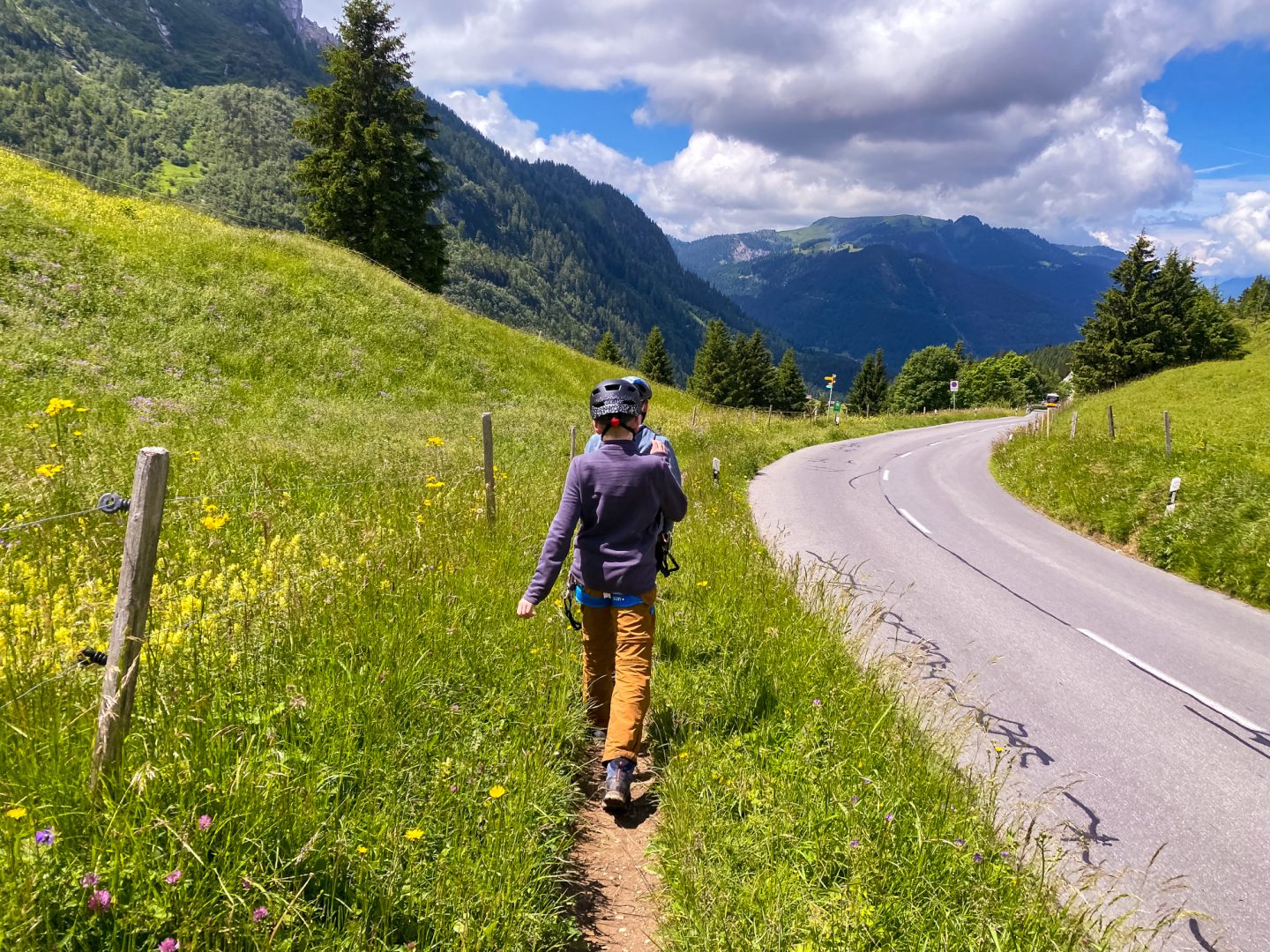
- Excursions: Expect one medium-distance outing per week (lake day, rope park, or mountain trail). Longer excursions often require extra fees. Small buses are typically used and local transport is usually included for day trips.
Price per week and options
- Day camp: CHF 320–480 per week depending on hours and included meals or pool access.
- Residential: CHF 900–1,400 per week depending on age group and overnight staffing.
- Extra costs to watch for: equipment rental (climbing harness, MTB helmet), excursion fees, and sibling discounts or reduced-rate offers.
Staff qualifications and ratios
- Qualifications: Reputable providers employ coaches with SwissSPORT or national sports coaching certificates and registered first-aid training. Climbing instructors frequently hold UIAA or equivalent indoor-wall qualifications.
- Ratios: Typical ratios are 1:6–1:8 for younger kids (6–8) and 1:10–1:12 for older children. Residential weeks add night supervisors to lower effective ratios after lights-out.
- Recommendation: Ask for copies of instructor certifications and the provider’s child-safeguarding policy before you register.
Facilities and equipment
- Facilities commonly include indoor gyms, heated pools or scheduled pool access, climbing walls (indoor or on-site), and secure MTB storage with basic workshop tools.
- Field quality: Check whether pools are lifeguard-staffed, gyms have modern flooring, and climbing walls display annual inspection stickers.
What’s included, pros and cons
Below is a quick breakdown of typical inclusions plus the main advantages and drawbacks to help you compare providers quickly.
What’s included:
- Supervised multi-activity rotations and one weekly excursion.
- All on-site equipment for core activities (balls, rackets, basic climbing gear); MTB helmets often included but bikes sometimes rented.
- Snacks for day camps; full board for residential options.
- Basic accident insurance cover is sometimes included—verify policy limits and whether liability insurance is covered.
Pros:
- Broad skill exposure in a single week; kids sample many sports and discover passions fast.
- Structured daily routine keeps energy steady and reduces drop-offs for parents.
- Local providers often offer lower staff turnover and small-group attention.
Cons:
- Activity depth is limited; specialists may find the pace too introductory.
- Excursions can raise the final price and are occasionally optional with extra charges.
- Insurance and equipment rental terms vary widely; parents must verify details.
Quick verdict / who it’s best for
We recommend these camps for families who want high-energy, varied weeks that build general athleticism and confidence. They suit kids who prefer sampling sports rather than focusing on one, and parents who need reliable day-care hours with a strong activity program. They’re less ideal for serious single-sport athletes who need focused technical training.
Call to action — how to register and verify coverage
Register early; popular weeks fill fast. When you contact a provider, ask for:
- A weekly schedule showing distinct activities per day and a count of how many different activities are included that week.
- Copies of staff certifications and the camp’s child protection policy.
- The insurance policy number and a short statement of what medical and liability costs the camp covers.
- Cancellation, refund and equipment-rental terms in writing.
For extra guidance on choosing the right option, consult our short guide to selecting the best summer camp and call the provider to confirm the number of different activities and specific insurance details before you pay.
Specialized Early Years & Employer-sponsored programs (profile template)
We, at the young explorers club, use this profile template to assess specialized early-years and employer-sponsored offerings around Zurich. The template keeps entries consistent so parents and HR teams can compare preschool half-day camps, full-day nursery options, and corporate-subsidized programs quickly. I list the essential fields you should collect, explain what each one tells you, and give pragmatic next steps for registration and subsidy checks.
Start with the basics: provider name and type (private nursery, company childcare, or employer-partnered third party). Record the target age range and session length (typical options are preschool half-day or full day). Note whether extended hours are available — many run 07:30–18:00 to match working parents’ schedules. Capture price fields as placeholders if the employer covers part of the cost: CHF X/day or CHF X/week, plus any stated subsidy percentage.
Include staff details and safety info in every profile. List staff qualifications (ECE certificates, diplomas, first aid) and the observed staff:child ratio — programs often run 1:4 or better for toddlers. Add staffing patterns for extended care and the lead teacher’s experience. Always note how outdoor time and rest/sleep periods are scheduled.
Snapshot & quick facts
Below are the fields I put into each profile and what they mean. Use these bullets to compare programs quickly.
- Provider: nursery name or employer program partner.
- Age range / sessions: ages X–Y; half-day or full-day session lengths.
- Staff qualifications: ECE certificates, fluent language(s), first-aid trained.
- Staff:child ratio: commonly 1:4 or better for early years.
- Hours & extended care: standard and extended hours (example 07:30–18:00).
- Price & subsidy: CHF X/day or CHF X/week; show employer subsidy percent if offered.
- Eligibility: employee-only, open to public, or priority rules (e.g., department-based).
- Registration steps: employer sign-off, online application, proof of employment.
- What’s included: meals/snacks, nappies/diapers, structured play, rest time, learning activities.
- Pros: consistent staff continuity, extended hours that match work schedules, possible reduced net cost with subsidies.
- Cons: limited availability, employer priority may exclude external families, half-day slots that don’t cover full workday.
- Quick verdict / best for: working parents needing stable, licensed care with predictable hours; ideal for employees whose companies offer subsidy or priority access.
What to check in practice
- Verify curriculum focus and daily routine to confirm it fits your child’s temperament.
- Ask for sample weekly schedules and staff turnover rates.
- Confirm meals and allergy handling if your child has dietary needs.
- Request proof of staff qualifications and current background checks.
Registration and subsidy verification (practical steps)
- Contact HR first to confirm subsidy rules and the exact percentage the employer will cover.
- Get subsidy terms in writing: eligible weeks, cap per child, and reimbursement vs direct billing.
- Ask the provider about pick-up windows and late pickup penalties; record the official allowable times.
- Complete the provider’s registration form and attach proof of employment if required.
- Reserve spots early; employer-subsidized programs often fill months in advance.
How to decide quickly
- Prioritize employer-sponsored slots if you need full coverage aligned with work hours and lower out-of-pocket cost.
- Choose a private nursery half-day camp if you want more flexibility with days and program content.
For families comparing multiple options, I recommend compiling these profiles side-by-side and confirming subsidy percentages with HR before committing. For broader context on summer offerings and to cross-reference schedules, see summer camp 2024 for additional planning tips and options.
Sources
Suggested official and editorial sources to consult when verifying details for “Summer Camps Near Zurich: Top 15 Options for Families.”
- Zurich Tourism — Family & Kids / Summer camps
- City of Zurich — Family & Children services
- Zoo Zürich — Ferienlager / Holiday programs
- Swiss Tennis — Camps & coaching information
- Swiss Sailing (Swiss Sailing Association) — Youth sailing & safety guidelines
- Pfadi Schweiz (Swiss Scouts) — Scout camps & youth activities
- SUVA — Accident insurance information for youth activities
- Hostelling International Switzerland / Schweizer Jugendherbergen — Youth camps & holiday programs
- ETH Zurich — Outreach & kids’ programmes (Kids’ University / science outreach)
- SWI swissinfo.ch — editorial coverage and guides on family activities in Switzerland
- Zurich International School — ZIS Summer Programs