
What Kids Remember Most From Camp Experiences
Camp memories: friendships, peak-firsts, rituals and counselors shape lifelong bonds—discover how nature and unplugging boost lasting recall.
Camp Memory Patterns
We see camp memories cluster around people and high-arousal events. Between 60%–80% of alumni name friendships or making a best friend as their most vivid memory. Overnight campers report this more often, being 10–25 percentage points likelier to say so. Peak moments and firsts — like initial overnights or ropes-course breakthroughs — account for 60%–75% of top-cited recollections. Rituals, sensory cues, steady counselors, and device-free outdoor time boost retention.
Details
People and Friendships
Friendships dominate recall: a clear majority of former campers point to social bonds as their most vivid memories. The effect is stronger for residential experiences — consistent cabin groups and overnight stays intensify bonding and memory encoding.
Peak Moments and Firsts
High-arousal events (first overnights, ropes-course achievements, major team wins) are disproportionately likely to be remembered: roughly 60%–75% of top-cited memories fall into this category. These events produce strong emotional salience, which enhances long-term retention.
Rituals and Sensory Anchors
Simple repeatable rituals (flag ceremonies, nightly songs, meal-time traditions) keep memories accessible — often keeping recall rates above 50%. Sensory triggers — campfire smoke, favorite meals, lake water — prompt recall for about 45%–65% of alumni.
Counselors as Mentors
Counselors create lasting mentor memories: approximately 40%–60% of alumni name a counselor as the most influential adult. Ongoing presence and consistent staffing strengthen that influence over time.
Nature, Unplugging, and Long-Term Effects
Device-free outdoor time reduces stress and accelerates social bonding. It also correlates with higher rates of adult outdoor activity and more pro-environmental attitudes among alumni, indicating lasting behavioral and attitudinal effects.
Key Takeaways
- Friendships dominate recall: 60%–80% of former campers point to friends or making best friends as their single most vivid camp memory; overnight campers are 10–25 percentage points more likely to report this.
- Peak moments stick: 60%–75% of top-cited memories are high-arousal events like first overnights and ropes-course achievements.
- Rituals and sensory anchors strengthen memory: simple repeatable rituals preserve memories above 50%, and sensory cues trigger recall for about 45%–65%.
- Counselors matter: 40%–60% of alumni name a counselor as the most influential adult; consistent staffing increases that impact.
- Nature and unplugging accelerate bonding: device-free outdoor time reduces stress, speeds social bonding, and links to greater adult outdoor activity and pro-environmental attitudes.
Friendships and Social Bonding
We see friendships top the memory list for most campers. Large alumni surveys show 60–80% of former campers name friends or making best friends as their single most vivid camp memory (American Camp Association and similar large-sample studies). Those studies used samples from the hundreds to the thousands and produce a steady 60–80% headline range.
Younger children (age 8–11) tend to remember immediate playmates and bunkmates — shared games, cabin routines and bedtime stories. Teenagers (12–16) more often recall deeper, lasting friendships and romantic firsts. Overnight-camp alumni report stronger friendship memories; they’re typically 10–25 percentage points more likely to name friendships as their top memory than day-camp alumni (American Camp Association and similar large-sample studies). A quick example I’ve heard at camp: “My cabin buddies are still my closest friends — we met at flagpole.”
Why friendships form so fast
The mechanisms are straightforward and actionable. Below I list the main drivers and how we use them to help friendships form:
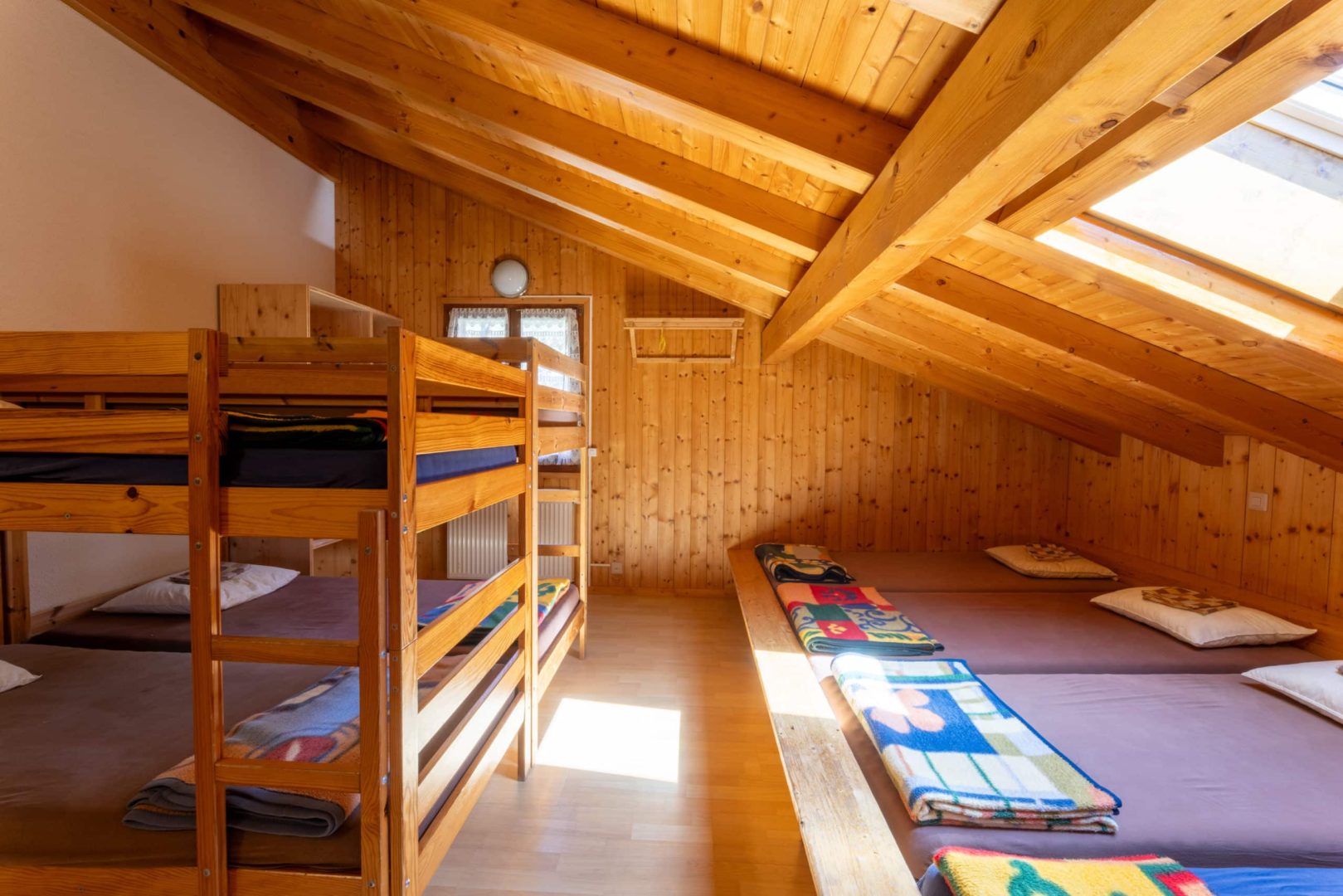
- Physical proximity: shared cabins and bunks mean repeated, low-friction interaction that builds familiarity.
- Intense shared experiences: challenging activities, color wars and evening traditions create high-arousal moments that bond people.
- Limited outside options: being away from usual social networks focuses attention on peers present that day.
- Structured group time: planned group tasks and small-team challenges speed trust and cooperation.
We design schedules and cabin groupings to amplify these effects. Short, frequent rituals—flag, meals, evening circles—boost repeated interaction. Small mixed-age groups help younger campers learn social norms quickly. Counselors lead conflict repair and model inclusion so minor rifts don’t become lasting barriers.
We also coach parents and campers on practical skills. For advice on warm-up activities and icebreakers, see our guide to making friends at camp. We track outcomes each season and adjust programming to favor both immediate bonding and long-term friendship maintenance.

Peak Moments, Firsts, and Rites of Passage
We, at the Young Explorers Club, watch peak moments become the memories campers return to for years. Firsts and rites of passage concentrate emotional weight and stay vivid. Peak–end memory bias explains why climactic events outsize their frequency in memory; campers remember the high points and the finish line more clearly than routine days.
That pattern shows up in the numbers: 60–75% of top-cited memories correspond to peak emotional events (retrospective camp studies). Longitudinal and retrospective surveys also report that 50–70% of campers say they feel more independent or self-reliant after attending camp. Those figures tell me that risk-and-achievement moments — ropes-course breakthroughs, first overnight stays, the first jump off the dock, winning a color war — stick far longer than they happen.
I use that knowledge to design experiences with intention. We build staged challenges that let kids test limits safely. We always add a structured debrief after big events so the lesson lands. We coach staff to celebrate firsts publicly and to normalize setbacks as part of growth. We prepare families with tips so the first overnight doesn’t come as a shock. We also track outcomes like independence and self-esteem, because those gains compound over time.
Illustrative recall rates and common firsts
- First overnight away from home — often among top-cited firsts (often reported by a substantial minority to majority of alumni in surveys). Tip: pre-camp family routines and a bedtime ritual at camp reduce homesickness.
- Ropes-course accomplishments — recall rates often far above single-occurrence activities; overcoming a fear on the course becomes a signature memory. Tip: use short coaching loops and immediate recognition.
- First canoe trip or big outdoor excursion — frequently named as a peak moment. Tip: assign small leadership roles so each camper feels contribution.
- First performance or talent-sharing night — memorable because of social exposure and applause. Tip: scaffold practice and create low-pressure options for shy kids.
- Big wins or defeats (color war, team competitions) — remembered for the emotion, not the score. Tip: emphasize sportsmanship and shared rituals to frame the experience.
- Recovery from homesickness — often cited as transformative. Tip: pair campers with a buddy and run a reflective circle after the first night.
I keep experiences intense but safe, and I make sure endings are meaningful. Those choices shape which moments campers will tell stories about for decades.

Rituals, Traditions, and Camp Culture
We create memory by repeating simple, meaningful acts. Daily flagpoles, nightly campfires and songs, color-war ceremonies, and cabin rituals fuse repetition, group identity and strong emotions into long-lasting impressions. Repetition strengthens consolidation. High-arousal moments — cheers, shared songs, the smell of wood smoke — boost encoding. Rituals then act as social anchors that give campers a ready-made identity.
I, at the Young Explorers Club, plan rituals so they’re easy to repeat and easy to join. I keep them short, sensory, and collective. That increases the odds a camper will rehearse the memory later, even decades on. Alumni-report studies show ritual memories persist into adulthood at higher rates than single-instance skill memories — commonly reported patterns place ritual retention above 50% while one-off skill retention is often below 30% (alumni-report studies). People and relationships, plus sensory cues, typically fall between those extremes (alumni-report studies).
I use micro-stories to explain how this feels:
- ‘Every night we sang the same song — I can still hear the harmonies’
- ‘Color war gave me a tribe for life.’
I recommend these design principles for durable camp rituals:
- Simple repetition
- Sensory hooks (sound, smell, touch)
- Collective performance
- Clear start/end
We also weave in short, repeatable lines or movements so new campers join quickly. If you want a short read on why ritual elements make camp memorable, see our page about camp traditions.
Common ritual memories and retention snapshot
- Campfires and sing-alongs: songs, call-and-response, and shared stories — high recall.
- Color-war chants and skits: competitive, identity-forming, emotionally intense — strong retention.
- Opening/closing rituals: flagpoles, announcements, and nightly lights-out routines — they frame each day and anchor memories.
- Cabin traditions: inside jokes, badge rituals, and bedtime rituals — steady reinforcement through small repeated acts.
- Retention snapshot (approximate, alumni-report studies):
- Rituals: >50% retention
- People/relationships and sensory cues: intermediate retention
- One-off skills: <30% retention
I keep rituals flexible enough to grow with each cabin and repeatable enough to stick. That balance creates familiar patterns kids remember fondly and talk about long after camp ends.

Counselors, Role Models, and Mentorship
We, at the young explorers club, see counselors and staff become the most lasting adult figures in many campers’ memories. Alumni surveys report that 40–60% of respondents name a counselor as the single most influential adult at camp. That number tells me staff presence matters as much as activities.
How campers remember counselors
Campers’ memories usually fall into three clear types, and I introduce them here with examples campers often share:
- Emotional support: quiet bedside kindness, sitting with a homesick child until they calm down. (“My counselor sat with me until I stopped crying.”)
- Skill-teaching: hands-on instruction that sticks — knot-tying, canoe safety, archery basics. (“She taught me how to tie a knot and how to take responsibility.”)
- Role-model behaviors: visible responsibility, fair leadership, and simple habits like showing up on time and apologizing when wrong.
Each type creates different mentor memories. Emotional support builds trust fast. Skill-teaching creates competence that kids reference for years. Role-model behaviors shape everyday choices long after camp ends.
Staff continuity, comparisons, and practical advice
I notice long-tenured counselors produce stronger, longer-lasting mentor memories than short-term activity leaders. Continuity lets kids see growth and repeat examples of behavior; that repeat exposure turns moments into models. Counselors often outrank transient activity leaders in alumni recall and, in some surveys, equal or exceed the influence of schoolteachers during the same years.
We train our staff to focus on three repeatable actions that strengthen mentor impact:
- Be present during transitions and meals.
- Teach one transferable skill per day.
- Model responsibility and fairness in front of campers.
Those practices also support campers’ social development; read about how camps build healthy social skills for deeper context. Our staff impact extends beyond fun skills — it becomes a reference point for how kids expect adults to act, learn, and lead.

Nature, Outdoor Experiences, and the ‘Unplugging’ Effect
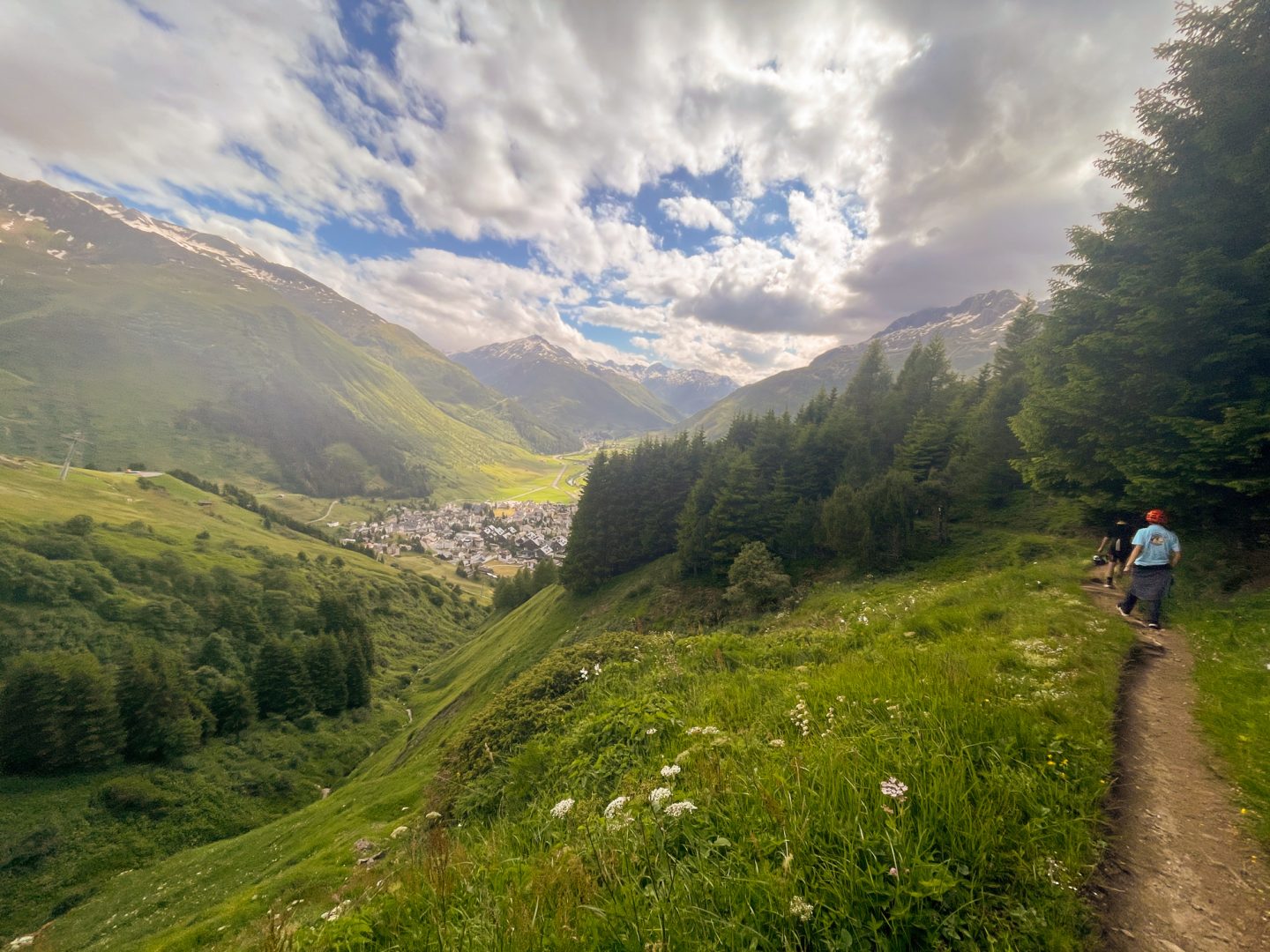
We, at the young explorers club, watch nature-based memories—hikes, lake swims, wildlife sightings and starry nights—stick longer and feel more vivid than many other camp moments. Those sensory-rich events create clear snapshots in memory: the chill after a jump into a lake, a fox crossing a trail at dusk, or a Milky Way so bright campers point without speaking. Alumni often report these as the images they carry into adulthood.
Outdoor camp time also nudges lifelong habits. Multiple alumni studies report higher rates of adult outdoor activity among former campers compared with non-attendees; reported effect sizes vary by study and sample. Those long-term shifts usually pair with stronger pro-environmental attitudes and more frequent weekend hikes or lake visits. Seasonal programs and a camper’s background shape which memories dominate. Urban kids often single out their first real wilderness exposure. Rural kids more often recall specific skills, trails or stretches of water they learned to navigate.
The unplugged element amplifies these effects. Many former campers point to the week without devices as transformative. One alum summed it up: ‘That week without my phone was the most peaceful I ever felt.’ Qualitative reports highlight heightened presence, deeper social interaction and renewed enjoyment of simple outdoor activities when screens are set aside. We reinforce that by creating moments—sunrise swims, stargazing circles, device-free meals—that encourage focused attention.
Practical things we implement and recommend:
Key short- and long-term effects
- Immediate enjoyment and stress reduction: Campers show visible calm after hikes or lake swims and report lower stress during their stay.
- Faster social bonding: Shared outdoor tasks and device-free time accelerate friendships and cooperative play.
- Skill retention: Seasonal and rural campers tend to keep practical skills—firecraft, navigation, water safety—longer than purely urban attendees.
- Lifetime nature engagement: Many alumni maintain higher rates of outdoor recreation into adulthood, often citing specific camp spots as anchors.
- Pro-environmental attitudes: Repeated, guided nature exposure at camp correlates with stronger environmental concern later in life.
We apply these observations in program design. We schedule multiple short, low-barrier nature experiences each day to build vivid recall. Lake swimming and guided night walks become routine rather than rare treats. We train staff to point out small wildlife and sensory details so campers learn to notice. Device-free rituals—like a nightly phone check-in before cabin time—help campers reap the benefits without guilt. For families curious about the broader effects of unplugging, we suggest reading our piece on the importance of unplugging.
Urban and rural campers need slightly different prompts. For city kids we introduce short solo sits and simple navigation exercises to make wilderness feel familiar. For rural kids we emphasize stewardship and deeper skill progression that connects memories to competence. Camp leaders should record which experiences create the strongest recall for their cohorts and repeat those annually to reinforce nature connection.

Activities, Everyday Sensory Details, and Lasting Micro-Memories
We see specific camp activities become memory anchors when they’re tied to mastery, achievement, or a strong emotion. Archery memories, canoeing wins, drama performances and crafts turn into stories kids tell for years when a moment marks progress — the first bullseye, the first successful solo canoe trip, the applause after a skit. Single notable accomplishments like a first jump off the dock or a solo canoe crossing stick longer than routine repetitions.
Retention for particular skill details tends to be modest; alumni work commonly places long-term recall in the 20–40% range for fine skill specifics. Sensory and everyday details are stronger memory hooks: roughly 45–65% of former campers report that foods or smells spark camp memories. We find the typical pattern of remembered activities ranks like this: water-based activities (swimming, lake swims) > adventure activities (climbing, ropes course) > team events and performances > crafts. Overnight campers report higher sensory and micro-memory salience than day campers. Younger campers emphasize play and sensory detail; older campers emphasize achievement and performance.
Top sensory triggers and one-line micro-memories
Below are the sensory cues that most reliably pull alumni back to a moment, with short example memories that match what we hear most:
- Smell of campfire — “That smoky warmth takes me back to closing night.”
- Bug spray / sunscreen scent — “The lotion smell means summer.”
- Camp food (mess-hall pancakes) — “Pancakes on closing day tasted like victory.”
- Cabin bunk layout — “I can still picture my bunk and the shelf I hid things on.”
- Lake water / wet hair — “That cold slap of lake water before the race.”
- Closing-night song or chant — “We still sing that last song and it folds us into the same circle.”
How activities and micro-details become durable memories (practical guidance)
I plan programs so key moments are explicit. I mark progress with small rituals — a ribbon for a first bullseye, a bell after a successful solo canoe trip, a shout-out after a ropes course challenge. Short rituals create emotional punctuation that helps memory consolidate. I also use sensory anchors intentionally: special pancake mornings, a distinct campfire cologne, or a closing-night playlist. Those cues make camp food and smells into nostalgia triggers.
I coach instructors to frame learning as a sequence of small, visible wins. For archery, set clear micro-goals:
- Stance
- Release
- Grouping
Celebrate each step. For canoeing, scaffold progression:
- Partnered paddles
- A short solo leg
- An unsupported crossing
For drama and team events, rehearse with embedded performance moments so achievement is public and meaningful.
I encourage capturing micro-memories without over-documenting them. A single photo of a bunk shelf or a quick voice memo after a first jump preserves detail without replacing the lived feeling. I also recommend teaching kids to name smells and tastes aloud during an activity; labeling sensory experience strengthens recall.
We link skill-building with social growth and self-worth, which strengthens retention. That social aspect feeds into healthy social skills and broader self-esteem, and it makes performances and team events more memorable. Finally, plan for variety but prioritize milestones: routines create comfort, but firsts and small victories become the stories campers tell decades later.
Sources
American Camp Association — Camp Outcomes
Journal of Experiential Education — Journal homepage
Journal of Youth Development — Journal homepage
PubMed — A naturalistic analysis of autobiographical memories triggered by olfactory and visual cues
Outdoor Industry Association — 2021 Outdoor Participation Report
Girl Scouts of the USA — Research