What Makes A Camp Experience Truly Transformational
Transformational camps: enough contact hours, progressive challenges, trained staff and nature-based routines boosting confidence & belonging.
Camp Program Impact Overview
Summary
Camp programs transform lives through intentional design focused on adequate contact hours, progressive challenges, steady mentorship and ongoing staff training. Short activities then build into repeated developmental growth for many campers. Measured evidence, nature-based routines, active equity measures and mixed-methods evaluation convert these elements into lasting gains in confidence, belonging, leadership, social skills and mental health.
Key Takeaways
-
Dose and scale matter
Adequate contact hours, session length and repeated exposure drive faster skill growth and let transformation reach many campers. Aim for regular multi-day sessions and repeat exposures across a season to maximize impact.
-
Design priorities that drive change
Sequence learning into realistic-hour blocks. Keep continuity between sessions, scaffold challenges so campers advance steadily, and invest in staff training, coaching and supervision to maintain program quality.
-
Measurable outcomes
Use validated pre/post measures and 6–12 month follow-ups. Those methods routinely show gains in self-confidence, belonging, leadership and teamwork. We track outcomes to prove impact and refine programs.
-
Nature and routines support mental health
Green settings, regular activity, steady sleep schedules and free social time reduce stress. Campers show better attention and more stable mood when programs integrate nature-based routines and predictable daily structure.
-
Evaluation and equity
Apply validated measures, clear KPIs and mixed quantitative and qualitative methods to report impact. Document access solutions like scholarships, transport and language support. We measure reach as well as outcomes.
Implementation notes
Track both process metrics (attendance, contact hours, staff training completion) and outcome metrics (validated surveys, qualitative interviews, follow-ups). Use findings to iterate program design, target equity gaps and communicate impact to stakeholders.
The Scale: Why “Transformational” Matters
We, at the young explorers club, measure impact by scale as much as by depth. Scale proves that transformation isn’t isolated—it’s repeatable and reaches communities at scale.
The American Camp Association‘s “Camps Count” census shows roughly 14 million unique campers and about 26 million total camp experiences each year in the United States. The ACA also reports headline economic and social impact—estimate: $[INSERT LATEST ACA ECONOMIC IMPACT DOLLARS] in annual economic activity and approximately [INSERT LATEST ACA JOBS FIGURE] jobs supported (verify latest dollars and jobs from the ACA Camps Count census before publication). That annual reach puts organized camps in the same order of magnitude as other major out-of-school institutions, such as national youth-sports participation or major public-library annual attendance.
Dose drives results. Day camps and overnight programs differ in exposure: average session lengths and daily contact hours determine how quickly skills accumulate and habits form. According to the ACA, average day-camp weeks = [INSERT ACA AVERAGE DAY-WEEK LENGTH]; average overnight session length = [INSERT ACA AVERAGE OVERNIGHT-WEEK LENGTH]. Translate those values into contact hours by multiplying days by hours per day; a typical day-camp session ≈ [INSERT HOURS] hours/day, and an overnight session ≈ [INSERT HOURS] hours/day. Use those contact-hour estimates to set realistic learning objectives and measure progress.
I recommend these program design priorities if you want transformation at scale:
Practical implications for program design
Apply these principles when you scale programs:
- Sequence learning by contact hours: map skills to the realistic number of hours you actually have and build progressive challenges across sessions.
- Preserve continuity between sessions: repeated exposure over weeks creates deeper change than isolated events.
- Invest in staff development: trained counselors turn contact hours into sustained growth through consistent coaching and feedback.
- Track outcomes by dose: collect simple measures—attendance, skill milestones, self-reports—and analyze by hours of exposure.
- Coordinate with community partners to amplify impact: promoting summer camps as part of a broader network increases both reach and follow-through.
We focus on measurable design choices—contact hours, curriculum sequencing, staff quality, and outcome tracking—because scale without intentionality just spreads activity; scale with intent spreads genuine transformation.

Measurable Developmental Outcomes: What Research Shows
We rely on evidence to judge impact. The Search Institute — The Camp Effect reports statistically significant gains on 12 of 15 outcomes, and highlights consistent improvements in self-confidence, sense of belonging, leadership, and social skills (Search Institute — The Camp Effect). We use that finding as a baseline when we design programs and assess results.
Parent and alumni reports align with those measured gains. Surveys collected by ACA/SEARCH INSTITUTE show high rates of parent- and alumni-reported improvement across confidence, independence, and teamwork; program managers should consult the ACA/SEARCH INSTITUTE data for exact percentages. We also point families to resources that explain why these gains matter, such as pages outlining why summer camps are essential for personal growth (essential for growth).
Plain-language effect-size interpretation
- Small effect (Cohen’s d ≈ 0.2) — a measurable shift in average scores that many campers experience.
- Moderate effect (Cohen’s d ≈ 0.5) — a clearer, more noticeable change for individuals.
- Even small-to-moderate group effects can be meaningful for a camper’s daily life — better classroom participation, stronger peer connections, or increased willingness to try new activities.
- Persistence: Multiple studies report these improvements often persist for months; many follow-ups show effects still present at 6–12 months post-camp (Search Institute — The Camp Effect).
Where stronger designs are used, the signal gets clearer. Quasi-experimental studies that match campers with non-camp peers of similar age and socioeconomic background tend to show larger gains for campers. Those comparisons become more convincing when researchers adjust for baseline differences and include follow-up measurement. The Search Institute report summarizes several such comparisons, noting that controlled analyses usually favor campers on social and emotional outcomes (Search Institute — The Camp Effect).
Measured domains and practical implications
Key domains with measurable gains
Below are the representative domains where research consistently shows improvements and how we translate them into program design and assessment:
- Self-confidence — Measured increases show campers try harder tasks and volunteer for leadership roles. We build progressive challenges so gains can be tested and celebrated.
- Sense of belonging — Higher belonging reduces social anxiety and supports retention. We prioritize small-group routines and cabin cohesion to amplify this outcome.
- Leadership — Improvements show up in peer-led projects and conflict resolution. We track leadership opportunities and coach reflection to convert short-term experiences into lasting habits.
- Social skills/teamwork — Gains appear in cooperation and communication. We use debriefs and role-play to reinforce skills, then measure transfer back home or at school.
Actionable measurement tips I recommend
- Use pre-post surveys with validated items that match the domains in the Search Institute report. That lets you quantify gains and compare to benchmark studies.
- Include short 6–12 month follow-ups to check persistence. Many studies show effects last; your data will confirm whether your program does too.
- Add a matched comparison group or adjust for baseline variables when possible. Quasi-experimental designs strengthen claims that camp caused the change.
- Combine quantitative scales with parent/alumni reports for a fuller picture. Administrative metrics (attendance, retention, return rates) also correlate with developmental outcomes.
I monitor outcomes actively and iterate program elements based on what the data reveal. This keeps our sessions focused on measurable growth that matters to families and supports long-term benefits for campers.
Nature, Activity and Mental-Health Benefits
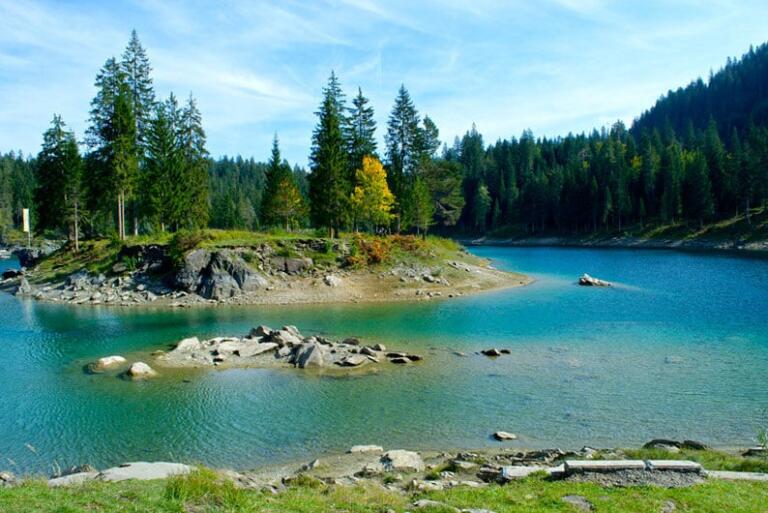
We, at the young explorers club, design camps around green space because long-term population research links childhood nature exposure with a lower risk of psychiatric disorders (Engemann et al., PNAS). Short- and medium-term experimental and quasi-experimental work consistently points the same way: nature-based programs reduce stress biomarkers and self-reported tension, restore attention, and lift mood. Residential camps also boost daily movement and regular sleep patterns; studies report higher moderate-to-vigorous physical activity on camp days and more consistent sleep timing during sessions. Nutrition-focused programs commonly produce short-term increases in fruit and vegetable intake.
Sensory relief from dense urban environments matters. Time outdoors lowers constant stimuli and gives attention a break. Physical activity raises heart-rate variability in healthy ways and accelerates mood improvement. Social connection during shared challenges amplifies resilience. Novel, manageable challenges sharpen focus and build confidence. These mechanisms work together to reduce physiological stress responses and improve cognitive restoration.
How we put evidence into practice
I introduce our practical steps before the list of program features we use to maximize those benefits.
- Site daily activities in green settings to increase nature exposure and reduce sensory overload.
- Schedule blocks of unstructured outdoor play and guided adventure to raise MVPA and enhance attention recovery.
- Enforce consistent wake and sleep routines; campers tend to sleep longer and with more regular timing.
- Design progressive skill challenges that are achievable yet novel, which strengthens self-efficacy.
- Organize small, stable groups to deepen social bonds and lower social stress.
- Pair activity with simple nutrition lessons that nudge increases in fruit and vegetable intake.
- Track mood and stress indicators and promote mental well-being through brief reflection and peer support.
I recommend program directors measure simple outcomes—sleep logs, step counts, brief mood scales—and iterate quickly. Small changes in schedule or group size often yield visible improvements in attention, sleep regularity, and overall calm.
Program Design, Safety and Staff: How Structure Produces Growth
We, at the Young Explorers Club, design programs that move campers from guided practice to confident independence. I build progressive challenge into each session so skills escalate predictably — low ropes to high ropes, skills clinics to backcountry trips — and campers meet success at every step. I pair that with consistent mentorship; counselors model behavior, coach through setbacks and push just enough to grow resilience.
Core program features that drive transformation
Below are the program elements I repeat across sessions and why they matter.
- Progressive challenge: I scaffold skill development so risk increases with competence. That sequence boosts confidence and reduces overwhelm during big activities like ropes courses and overnight trips.
- Consistent mentorship: Counselors stay with the same group over time. That continuity creates trust and makes feedback more effective.
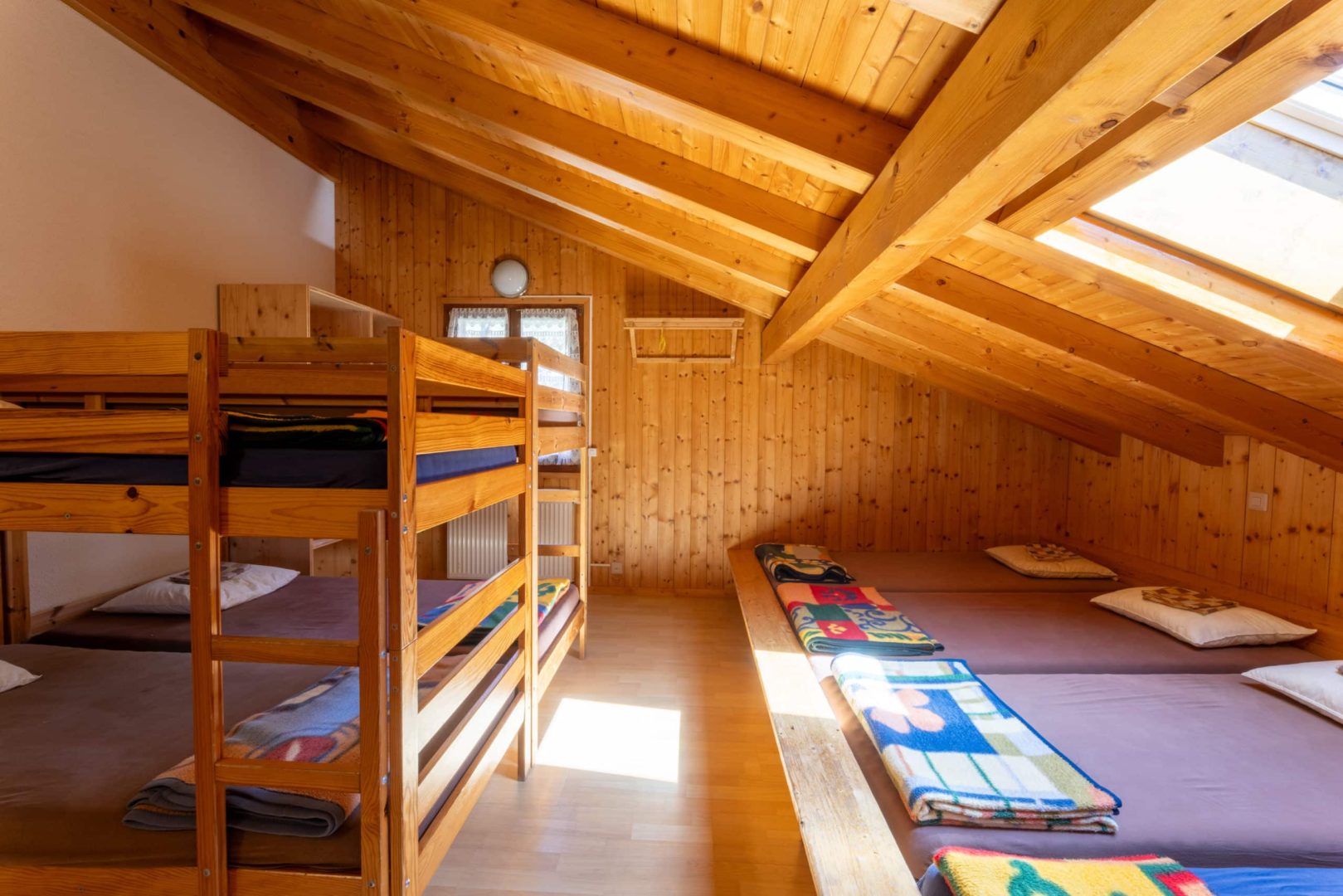
- Scheduled unstructured social time: I reserve at least one hour daily for free social interactions so peers can form friendships, practice conflict resolution and develop healthy social skills.
- Explicit leadership roles: I rotate cabin and activity-leader duties so campers practice responsibility, delegation and public speaking in realistic settings.
- Facilitated reflection: I run daily debriefs and end-of-session reflections. Short guided questions help campers name learning moments and connect actions to values.
I follow a typical daily rhythm that balances skill work, play and rest. A sample overnight day runs about 9.5 hours:
- Arrival, breakfast and chores — 1.5 hr
- Morning activities, skills and challenge — 2.5 hr
- Midday rest and lunch — 1 hr
- Afternoon activities, sports and creative projects — 2.5 hr
- Free social/unstructured time — 1 hr
- Evening reflection and cabin time — 1 hr
These blocks let me alternate high-focus instruction and social recovery. Counselors can coach during activity blocks and observe social growth during free time. That mix converts short experiences into lasting changes.
Staffing, training and safety benchmarks
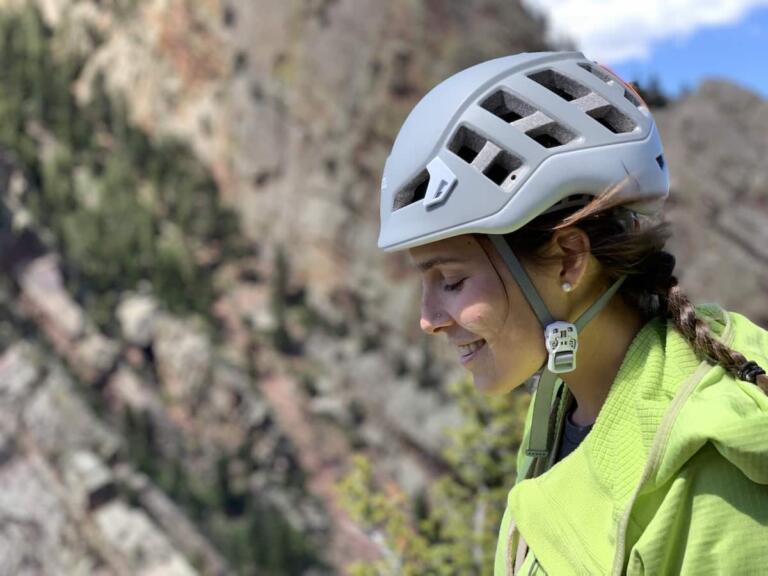
I staff to ratios that keep kids safe and enable mentoring: overnight programs commonly run 1 counselor per 6–10 campers; day programs commonly run 1:8–12. Industry standards often express this as a staff-to-camper ratio of 1:6–1:12. Lower ratios speed supervision, shorten emergency response times and increase individualized attention.
On-site training is a priority. Typical orientation blends general and role-specific modules: first aid/CPR ([INSERT FIRST AID/CPR HOURS] hours), child-safeguarding and behavior management ([INSERT CHILD-SAFEGUARDING HOURS] hours), risk-management and adventure procedures ([INSERT RISK-MANAGEMENT HOURS] hours) and DEI training ([INSERT DEI HOURS] hours). I document every staff hour so training audits are clean and consistent.
I follow American Camp Association (ACA) accreditation standards and applicable state licensing rules. My routine safety metrics include completed background checks for all staff, recorded first aid/CPR training hours and monitored injury rates per 1,000 camper-days ([INSERT CAMP/INDUSTRY AVERAGE INJURY RATE]). Those figures drive policy adjustments, staffing decisions and emergency planning.
Practical actions I use to keep programs high-quality:
- Use mixed-experience groups so older campers mentor younger ones.
- Build emergency drills into orientation and monthly practice.
- Track close-call reports and adjust procedures immediately.
- Use daily reflection notes to identify behavioral trends and intervene early.
We balance adventurous programming with clear limits. That structure makes risk manageable and learning inevitable.

How Camps Prove Transformation: Measurement Tools & KPIs
We, at the Young Explorers Club, treat evaluation as essential program work. I prioritize validated instruments, secure platforms, a clear measurement cadence, and KPIs that stakeholders can trust. Measurements should be practical, repeatable, and easy to communicate.
I rely on several validated measures for different domains: SDQ (Strengths and Difficulties Questionnaire) for behavioral screening, PROMIS pediatric measures for emotional and social health, Rosenberg Self-Esteem Scale for global self-regard, and selected Search Institute survey items for developmental assets. For data management I use Qualtrics or REDCap for secure longitudinal work, and SurveyMonkey or Google Forms for smaller-scale administration. I also link measurement to program messaging about camper development and community impact; see our work on personal growth for context.
Recommended measures, cadence, KPIs, sample instrument, and analysis
- Core validated measures to field:
- SDQ (Strengths and Difficulties Questionnaire)
- PROMIS pediatric measures (emotional and social health domains)
- Rosenberg Self-Esteem Scale
- Selected Search Institute survey items
- Platform guidance:
- Use Qualtrics or REDCap for multi-wave, secure longitudinal collection.
- Use SurveyMonkey or Google Forms for single-session or small cohorts.
- Typical measurement cadence:
- Baseline: pre-week (day 0).
- Immediate outcome: end-of-session post.
- Medium-term: 6–12 month follow-up.
- Long-term: annual alumni surveys.
- Key KPIs to report publicly:
- % reporting increased confidence (binary and percent-change).
- Retention / return rate.
- Counselor-to-camper ratio.
- Scholarship dollars distributed (total and % of campers receiving aid).
- Incident/safety rates (e.g., injuries per 1,000 camper-days).
- Sample-size guidance:
- Minimal N ≥ 50 per cohort for basic prevalence reporting.
- N ≥ 200 recommended for reliable subgroup analysis and moderate precision in effect-size estimation.
- Analytic thresholds and presentation rules:
- Compute percent-changers: share of participants with higher post vs pre scores for each item.
- For continuous pre/post scales, calculate Cohen’s d where sample size permits; use d = mean change / pooled SD.
- Always report 95% confidence intervals for means, proportions, and effect sizes.
- For binary KPIs (e.g., % reporting increased confidence) report counts and percentages with confidence intervals.
- Track incident/safety rates as injuries per 1,000 camper-days and report numerator, denominator, and rate.
- Visual presentation recommendations:
- Bar charts for pre/post percentage changes on key items.
- Cohort-tracking line graphs for longitudinal outcomes (baseline → 6–12 months → annual).
- Include error bars or CI bands to show precision.
- Sample 10-item pre/post instrument (score each 1–5; higher = more of construct):
- I feel confident trying new things.
- I feel like I belong at camp.
- I can make friends easily.
- I can lead a group when needed.
- I handle challenges calmly.
- I work well on a team.
- I manage my emotions effectively.
- I try new activities without fear.
- I feel supported by adults at camp.
- I sleep better on a regular schedule.
- How to compute and report change:
- Percent-improved: share of campers with higher post than pre score on each item.
- Group-level: report mean pre and post scores with SDs, then Cohen’s d for overall effect (d = mean change / pooled SD), plus 95% CI.
- Binary KPI reporting: give raw counts, percent, and 95% CI for transparency.
- For subgroup analyses, only report estimates where N meets the recommended threshold to avoid overinterpretation.
I encourage teams to pair these quantitative metrics with short qualitative prompts to capture context. That mixed methods approach strengthens claims about transformation and complements findings on how camps build healthy social skills and teach life skills.

Stories, Equity and Accessibility: The Human Side of Transformation
We, at the Young Explorers Club, pair numbers with stories to show real change. That mix makes outcomes credible and human. I collect camper quotes, staff observations and case studies through guided exit interviews, 6–12 month alumni interviews and staff focus groups. I use structured prompts that allow coding and thematic analysis — for example, “Describe one challenge at camp and how you handled it.” Short, anonymized vignettes make findings relatable and actionable.
Aidan arrived shy and retreated on the first night. He accepted a cabin leadership task and, supported by his counselor, reported greater confidence at home and school. That anecdote maps to a measurable rise in leadership-related self-efficacy scores—Jane‘s leadership role, for instance, illustrated by a 30% jump in self-efficacy scores. Marisol, a first-generation camper, used bus service and translation support to participate. She described a renewed sense of belonging and enrolled in an after-school leadership club. Report access metrics alongside the story: “scholarship % of campers” = [INSERT %], “average scholarship amount” = $[INSERT AMOUNT]; quantify access solutions such as “% of camps providing bus/transportation” = [INSERT %], and “% offering linguistic/translation access” = [INSERT %]. Devon overcame a fear of heights through a progressive ropes-course curriculum and reported sustained willingness to try new challenges. Pair that vignette with program completion and follow-up willingness-to-engage metrics to demonstrate durability.
I recommend these practices to keep the human data rigorous and inclusive:
Recommended collection methods and prompts
- Short exit-interview templates that include one open narrative prompt and three Likert items to enable coding.
- 6–12 month narrative surveys with targeted probes about school, family and peer changes; include one comparative self-rating (pre/post).
- Periodic staff focus groups to triangulate observed changes with measured outcomes; use thematic guides and rotate facilitators.
- Structured prompt examples: “Tell us about one moment you were proud of,” and “Describe one challenge at camp and how you handled it.”
- Data handling rules: anonymize vignettes, link each anecdote to at least one quantitative metric, and report both percentages and absolute counts.
I also integrate program design evidence such as progressive curricula and transportation access with qualitative reports. When appropriate, I reference program benefits alongside practical resources, and I highlight successful access solutions to encourage replication. For examples of how outdoor programs reinforce growth, see outdoor learning.
Sources
American Camp Association — Camps Count: National Census & Economic Impact of American Camping
Search Institute — The Camp Effect: What Young People Gain from Overnight Camp
Proceedings of the National Academy of Sciences — Residential green space in childhood is associated with lower risk of psychiatric disorders from adolescence into adulthood
Centers for Disease Control and Prevention — How much physical activity do children need?
American Camp Association — Accreditation
Search Institute — Developmental Assets
HealthMeasures — PROMIS (Patient-Reported Outcomes Measurement Information System)
SDQinfo.org — Strengths and Difficulties Questionnaire (SDQ)
Qualtrics — Online Survey Software & Experience Management
REDCap Consortium — REDCap (Research Electronic Data Capture)
SurveyMonkey — Build & Run Surveys