Why Camps Are Great For Building Independence
Camps teach independence: 14M US kids gain confidence, life skills, and resilience – choose session length, routines, and trained staff.
Camps and Child Development
We’ve seen roughly 14 million U.S. children attend organized camps each year. Camps act as a widely used, structured environment where day, short overnight, and multi-week resident formats gradually build separation skills, responsibility, and self-reliance. They use staged challenges, peer groups, daily routines, and adult mentors to build confidence, practical life skills, better decision-making, and leadership that transfer to school and home. These programs scaffold experiences with escalating challenge, timely feedback, and social modeling to reinforce executive skills.
Key Takeaways
- Camps are a widely used pathway to independence, reaching roughly 14 million U.S. children annually.
- Program format and session length matter: day camps build routine responsibility, while overnight and multi-week resident programs accelerate separation skills and self-reliance.
- Staged experiences—planned risk, practice with reflection, and peer-supported challenges—boost confidence, social skills, and resilience.
- Daily responsibilities (packing, chores, meal roles) and frequent low-stakes choices improve life skills, executive function, and problem-solving.
- We recommend parents prioritize clear routines, appropriate counselor-to-camper ratios, and strong staff training. Don’t skip short rehearsals and packing practice.
How Camps Build Skills
Camps intentionally use staged challenges and peer-supported activities so children can try, fail safely, receive feedback, and try again. Daily structure—wake-up routines, assigned chores, and communal meals—gives frequent opportunities to practice decision-making and self-management. Adult mentors model behavior and provide timed scaffolding to push campers toward greater independence.
Practical Recommendations for Parents
- Start with short experiences: day programs or weekend overnights help children adjust to separation in low-stakes ways.
- Practice beforehand: packing, simple chores, and mock departures reduce anxiety and set clear expectations.
- Ask about staffing and training: look for good counselor-to-camper ratios and structured staff development focused on safety and mentoring.
- Prioritize routine: camps that emphasize consistent daily schedules produce more transferable executive skills.
- Encourage reflection: after-camp conversations about challenges and successes reinforce learning and confidence.
Camps at a glance: scale, program types, and session lengths
We track participation closely: roughly 14 million U.S. children and teens attend organized camps each year (American Camp Association). That scale means camps are a mainstream setting for learning independence, not a niche activity.
Program formats and what they produce
Below are the primary formats and the independence outcomes you can expect from each.
-
Day camps: These run daily or in week-long blocks and campers return home each evening. Day camp session length often fits school breaks or summer days, so families get flexible schedules and kids build responsibility in short, repeatable doses.
-
Overnight camp: Campers stay on-site for multi-day sessions. Typical session lengths run from one week up to eight weeks. Longer resident sessions accelerate separation skills and self-reliance because kids handle routines, peer conflicts, and daily tasks without parental presence.
We recommend matching session length to the child’s readiness. Short overnight stays help kids test independence with a safety net. Multi-week sessions intensify growth and habit formation.
Practical notes on outcomes and design
-
Overnight programs tend to produce stronger separation and self-reliance gains than day options, since campers live the routine full-time.
-
Day camps build autonomy through structure and repeated responsibility while keeping family routines intact.
-
Progressive models—starting with day sessions, then short overnight stays, then longer resident weeks—work best for steady confidence gains.
Operational tips I favor
-
Choose camps that spell out daily routines and expectations. Clear structure reduces anxiety and speeds independence.
-
Look for staff-to-camper ratios that allow mentors to coach individual growth. Smaller groups mean more chances to practice skills.
-
Ask about session length options and transfer policies so you can scale up a child’s exposure gradually.
We, at the Young Explorers Club, design programs with these patterns in mind so families can pick the right format and session length to foster lasting independence.
Confidence and social independence: emotional growth from trying new things and peer communities
Most campers report gains in confidence and a greater willingness to try new activities, according to ACA research. I see that translate into small wins that compound into lasting self-confidence and self-efficacy at camp.
How it works
I break the process into staged experiences that build competence and emotional regulation. Key elements include:
- Structured risk-taking. Activities like a zipline, a night hike, or a group presentation create clear, achievable challenges. We set small goals, celebrate completion, then raise the bar. That sequence produces mastery experiences and strengthens self-efficacy.
- Mastery plus reflection. After each activity we debrief. Campers name what went well, what they learned, and one concrete next step. Short reflections help emotional regulation and turn a single success into repeatable confidence.
- Peer communities with adult facilitation. Cabins and small groups provide cheering squads and honest feedback. Trained staff step in to guide conflict resolution and collaborative decision-making, accelerating social confidence and teamwork.
- Gradual independence. We give campers choices—what role to try, which task to lead, how to plan a game. Choices grow responsibility while adults remain a safety net.
Reported camp evaluations consistently show high percentages of campers reporting increased confidence, comfort being away from family, and readiness to try new things (ACA research). High proportions of campers also say camp improved their social skills and ability to make friends (ACA research). Those outcomes map directly to stronger peer relationships and better teamwork back home and at school.
Practical tips I use with staff and parents to keep gains durable:
- Scaffold challenges so each child meets success quickly.
- Encourage peer encouragement rather than adult rescue.
- Reinforce the language of effort: “You tried, you learned, you can try again.”
- Build repeatable roles—team leader, navigator, timekeeper—so kids practice leadership.
A camper story captures the pattern. “I was terrified of the zipline, but after I did it once with my cabin cheering me on, I wanted to try other things — I even led a team game the next week.” That one moment of supported risk changed her sense of what she could do.
For programs focused on social growth, I recommend linking activities to explicit social goals and tracking progress. You can read more about how camp builds social skills on our page about camp social skills.

Everyday life skills, decision-making, problem-solving and resilience
Everyday living skills
We build core life skills through routine practice that kids carry home. Daily rhythms teach packing, laundry, time management, personal hygiene and simple planning. I introduce practical tasks and then step back so campers own them.
The following list shows typical daily responsibilities campers rotate through:
- Packing and gear checks that reinforce preparation and accountability.
- Cabin chores like sweeping, bed-making and shared-cleanup that teach routine chores and cooperation.
- Meal roles — prepping, serving and cleaning — that link planning to teamwork.
- Tent or equipment care that ties responsibility to safety and respect.
- Timetables and wake-up routines that sharpen time management.
A concrete combo — cabin chores + meal responsibilities + tent care — gives constant, low-pressure practice in responsibility and independence skills.
Decision-making and executive function
We create frequent low-stakes choices so decision making becomes habitual. Picking activities, forming group strategies, and managing shared resources force kids to plan, prioritize and evaluate outcomes. Those micro-decisions exercise executive function the same way practice builds strength.
We expose campers to managed risk — ropes courses, wilderness navigation and challenge activities — so they learn to tolerate uncertainty and keep going. Programs vary by focus: ropes-course leadership tracks emphasize group problem solving and risk assessment; arts camps push problem solving inside creative, project-based work. Each approach boosts resilience and hones different decision-making muscles.
We also connect these practical lessons to broader growth. Campers report feeling more capable at home and school after practicing these skills. For more on how camps develop practical abilities, see our piece on life skills.
Many campers leave with clearer habits for independence, better problem solving and stronger perseverance — they’ve made choices, fixed mistakes and kept moving forward.
Outdoor skills, physical independence, safety awareness, and adult mentorship
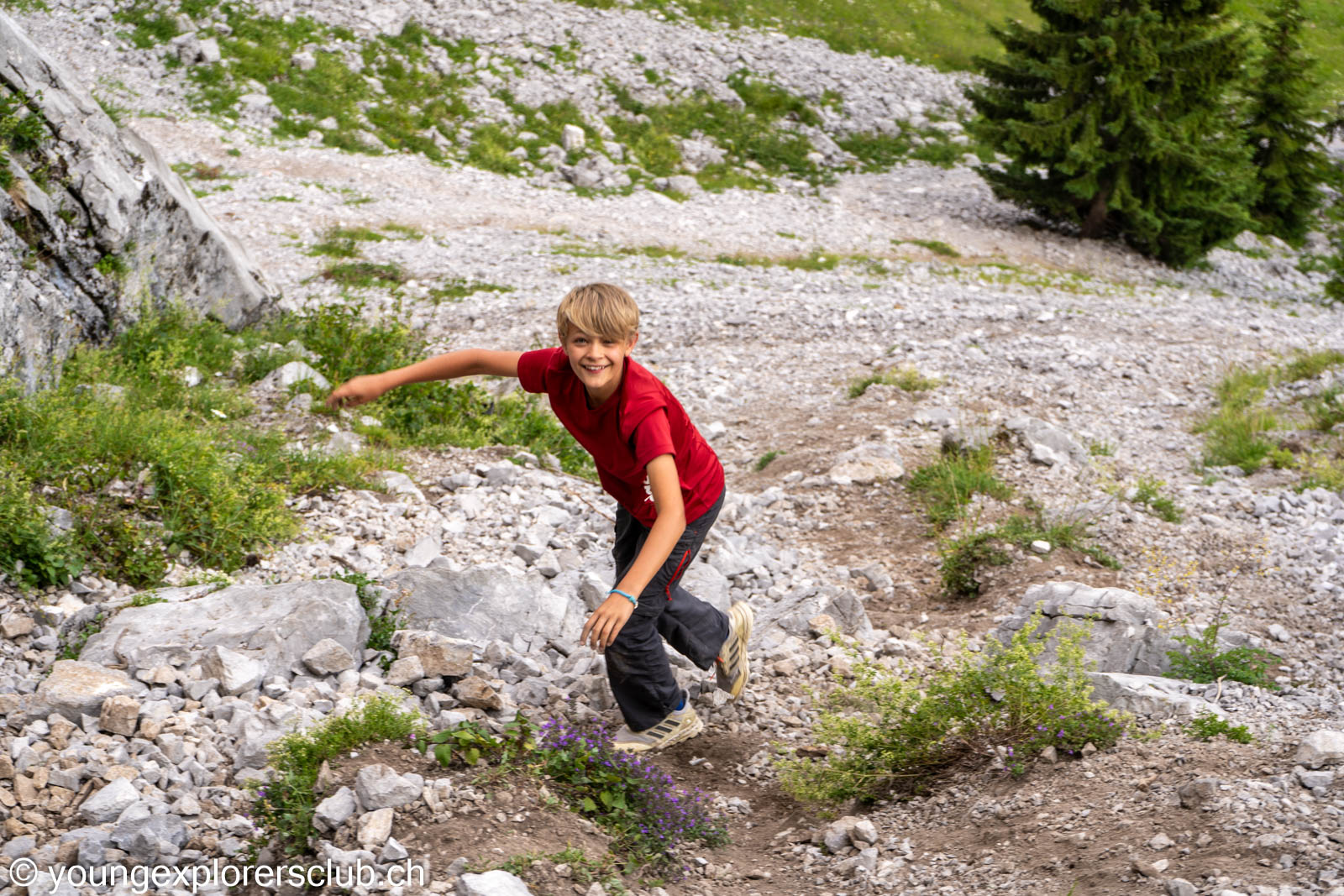
We, at the young explorers club, see camps as concentrated labs for outdoor skills and physical independence. Kids gain comfort in natural settings, pick up basic wilderness skills like route-finding and shelter building, and learn simple safety protocols that stick. Time outdoors replaces long stretches of sitting and screens; Common Sense Media documents high average daily screen time for youth, so the unplug benefit is real and measurable in daily rhythms.
Camps boost physical activity in predictable ways. Daily schedules mix structured games, hikes, and free play, which raises heart rate, balance, coordination, and stamina. I encourage letting children take on age-appropriate physical tasks—carrying a daypack, managing a water bottle, or leading a short trail—so they practice self-reliance with immediate feedback. Research also shows campers spend more active, outdoor time during sessions than in typical at-home weeks, which accelerates habit change and confidence.
We design independence to be safe and supported. Psychological safety grows from clear routines, consistent adult mentorship, and positive group norms. Counselors give autonomy within boundaries: kids choose activities, solve small problems, and regroup with staff to reflect and learn.
Safety and mentorship structures
Parents should check these structural supports that let independence flourish:
- Supervision ratio and expectations: ask about counselor-to-camper ratios for different age groups so independence happens with the right oversight.
- Counselor training and certifications: confirm first aid, wilderness training, and behavior management credentials.
- Staff background checks and ongoing mentoring: these protect kids and model responsible leadership.
- Accreditation and emergency protocols: accredited programs follow standards that make independent skill practice safer.
We pair adult mentorship with planned risk: kids try physical challenges that build competence while staff monitor safety. Counselors coach problem-solving rather than solve every issue, so campers learn cause-and-effect and build trust in their abilities.
Practical tips I recommend to parents include encouraging kids to pack and care for at least one item, rehearsing simple outdoor tasks at home, and choosing programs that emphasize both wilderness skills and clear psychological safety. For more on how outdoor experiences help children overcome fear and grow confidence, see this piece on outdoor skills.

Who benefits most and long-term outcomes: age, program-type effects, and alumni impacts
Age-appropriate benefits (snapshot)
I’ll break down the core gains by age so you can match expectations to programming. These are practical, observable shifts we track at camp:
- Ages 6–8: Kids learn predictable routines, share and play with peers, and take on simple responsibilities like tidying gear and following schedules. These habits form the first layer of age-appropriate independence.
- Ages 9–12: Campers get more decision-making chances, handle daily tasks with less adult prompting, and solve group problems with friends. They leave with clearer self-management and peer collaboration skills.
- Ages 13–17: Teens step into leadership roles, take on job-like duties, explore vocational interests, and practice personal autonomy. Leadership opportunities accelerate transition to adult responsibilities.
Overnight vs day camp and specialty camps
Overnight programs push separation and self-reliance faster than day settings; being away from family forces practical coping and routine ownership. Leadership programs are most effective for teen autonomy and career-related independence because they mimic real responsibilities. Specialty camps—wilderness programs, arts, STEM, and sports—build domain-specific competence while also strengthening general problem solving and confidence.
Wilderness programs, for example, combine risk-managed challenge with clear task ownership, which speeds up independent decision-making and resilience.
Long-term and alumni outcomes
Alumni surveys regularly link camp participation to later leadership roles and civic engagement. Former campers tell us they translate camp leadership into school and community positions and that soft skills learned at camp help in college and careers. Those outcomes show up as:
- Increased comfort leading groups
- Higher rates of volunteer involvement
- Better teamwork in work settings
We, at the Young Explorers Club, use short-term assessments and alumni feedback to refine programs so gains persist. That practical loop—daily independence practice, targeted program design, and alumni follow-up—keeps camp a reliable pathway to lasting independence. builds self-esteem

Practical guidance for parents: choosing a camp and preparing a child
We, at the Young Explorers Club, recommend short rehearsals before a first overnight. Start simple. Try an overnight with relatives, then extend to a full weekend. Practice builds confidence faster than lectures.
Role-play common camper decisions. Let your child choose clothes, snacks, and one comfort item. Run a packing checklist drill: pack, unpack and check off items together. Use a trial day or open house to test routines and staff rapport. Attend one before you enroll.
Questions to ask (printable checklist)
Here are essential questions to print and bring to tours or interviews:
- What is the camper-to-staff ratio and typical group size? (look for specific numbers)
- What staff training and background checks are required for counselors? Ask about counselor training details.
- What are the emergency plans and medical/health protocols?
- What is the electronics/screen policy?
- Is the camp accredited and by which organization? Check accreditation credentials.
- What supervision is provided during high-risk activities and overnight hours?
Use this checklist as your camp checklist and keep answers on file for comparison.
Simple preparation steps you can do at home
-
Overnight-stay rehearsals: start with one night, then increase. Use first-night separation tips like a predictable bedtime routine and a short goodbye ritual.
-
Packing practice: supervise packing and unpacking using the camp list. Turn it into a timed game to teach independence and reduce forgotten items.
-
Conversation prompts: talk through daily routines, chores, buddy check-ins and who to tell if a problem arises. Role-play calling a counselor or reporting homesickness.
Ask about counselor training and camper-to-staff ratio during your visit. Request written emergency plans and sample daily schedules. Verify accreditation; consult the American Camp Association materials for outcome summaries and accreditation guidance. For screen-time norms and context, see Common Sense Media.
Calls to action
- Find a camp near you
- Questions to ask when choosing a camp (use the printable checklist above)
- How to prepare your child for their first overnight stay (start with one rehearsal night and a clear packing routine)
Keep notes, compare answers, and trust small, repeated practices. Small steps produce steady independence.

Sources
American Camp Association — Research and Resources
American Camp Association — Camp Facts
Common Sense Media — The Common Sense Census: Media Use by Tweens and Teens
National Academies Press — Community Programs to Promote Youth Development
Journal of Experiential Education — Journal of Experiential Education
Journal of Youth Development — Journal of Youth Development
ERIC (Education Resources Information Center) — Search: summer camp youth development
American Psychological Association — Resilience
Harvard University, Center on the Developing Child — Resources