From Lake To Summit: Swiss Landscapes Kids Will Love
Family-friendly Switzerland: 1,500+ lakes, cable-car summits and reliable trains—short lake days, easy boat rides and kid-ready mountain thrills
Switzerland with Kids: Lakes, Peaks and Easy Transfers
Switzerland packs over 1,500 lakes and 48 peaks above 4,000 m into a compact area. That gives my family fast access to safe lake beaches, short boat cruises and cable‑car summit rides for toddlers through teens. Frequent trains, boats and cable cars simplify transfers. Planning helps: pace the day, monitor altitude and make a few advance bookings to keep outings smooth.
Key Takeaways
- Close distances: I can reach lakes, alpine viewpoints and UNESCO landscapes in 30–60 minutes.
- Easy transfers: Dependable public transport and short scenic rides (20–90 minute boats; 30–60 minute cogwheel or funicular trips) keep transfers easy for kids.
- Smart day planning: I plan mixed days: I pair a lake morning or short hike with one headline ride (Pilatus, Rigi, Jungfraujoch) to keep energy high.
- Prioritize safety and pacing: start low, hydrate, limit effort, watch for altitude symptoms and alternate big days with calm lake or village afternoons.
- Book ahead and choose location: I’ll book popular cruises and panoramic seats in peak season. I pick accommodation near stations or lakefronts.
- Pack essentials: layered clothing, life jackets and basic first aid.
Quick Snapshot — Why Switzerland is perfect for kids
Switzerland population: ~8.8 million; Number of lakes and ponds: over 1,500; Mountains: 48 peaks over 4,000 m in the Swiss Alps; UNESCO sites: multiple Swiss World Heritage sites (Aletsch Glacier area mentioned later). I use these figures to cut straight to what matters for families: huge natural variety packed into a compact, kid-friendly country.
You get water everywhere. With over 1,500 lakes and ponds, towns and villages usually sit within minutes of safe swimming beaches, paddling spots and easy boat rides. I like that parents can swap a morning hike for an afternoon lake swim with no long drive.
Public transport works for families. A population of ~8.8 million spread across a small area delivers dense services, frequent trains and short transfers. I rely on fast regional trains and punctual local lines to move strollers, bikes and day packs without stress.
High mountains without long approaches. Those 48 peaks over 4,000 m translate into dramatic panoramas and cable cars that bring kids close to alpine terrain. I plan cable-car days as kid-sized summit experiences — viewpoints, short high-altitude walks and mountain restaurants that feel like adventures, not day-long treks.
Quick-scan visuals to include: I recommend a simple infographic with four icons — population (~8.8 million), lakes (>1,500 lakes and ponds), peaks (48 peaks above 4,000 m) and UNESCO sites (Aletsch Glacier/World Heritage). That one-panel visual sells the idea fast on a family website or packing checklist.
Family benefits at a glance
Here are three compact advantages that make Switzerland ideal for family travel:
- Easy trains and transfers: frequent local services and integrated timetables keep travel times short and predictable.
- Short drives between activities: lakes, playgrounds and mountain cable cars are often within 30–60 minutes of each other.
- Wide nature variety by age and ability: calm lake days, gentle alpine trails, and high-mountain viewpoints offer options for toddlers through teens.
I plan trips around those three strengths. If you want practical route ideas and kid-friendly activity lists, see family travel Switzerland. I also watch for family services — children’s menus, changing facilities, and hire options for bikes or child carriers — because small conveniences make the difference between a good day and a great one.
Use these points to prioritize days: lake mornings for play, rail transfers for relaxed movement, and one cable-car outing for mountain thrills. I pick accommodations close to a station or lakefront whenever possible.
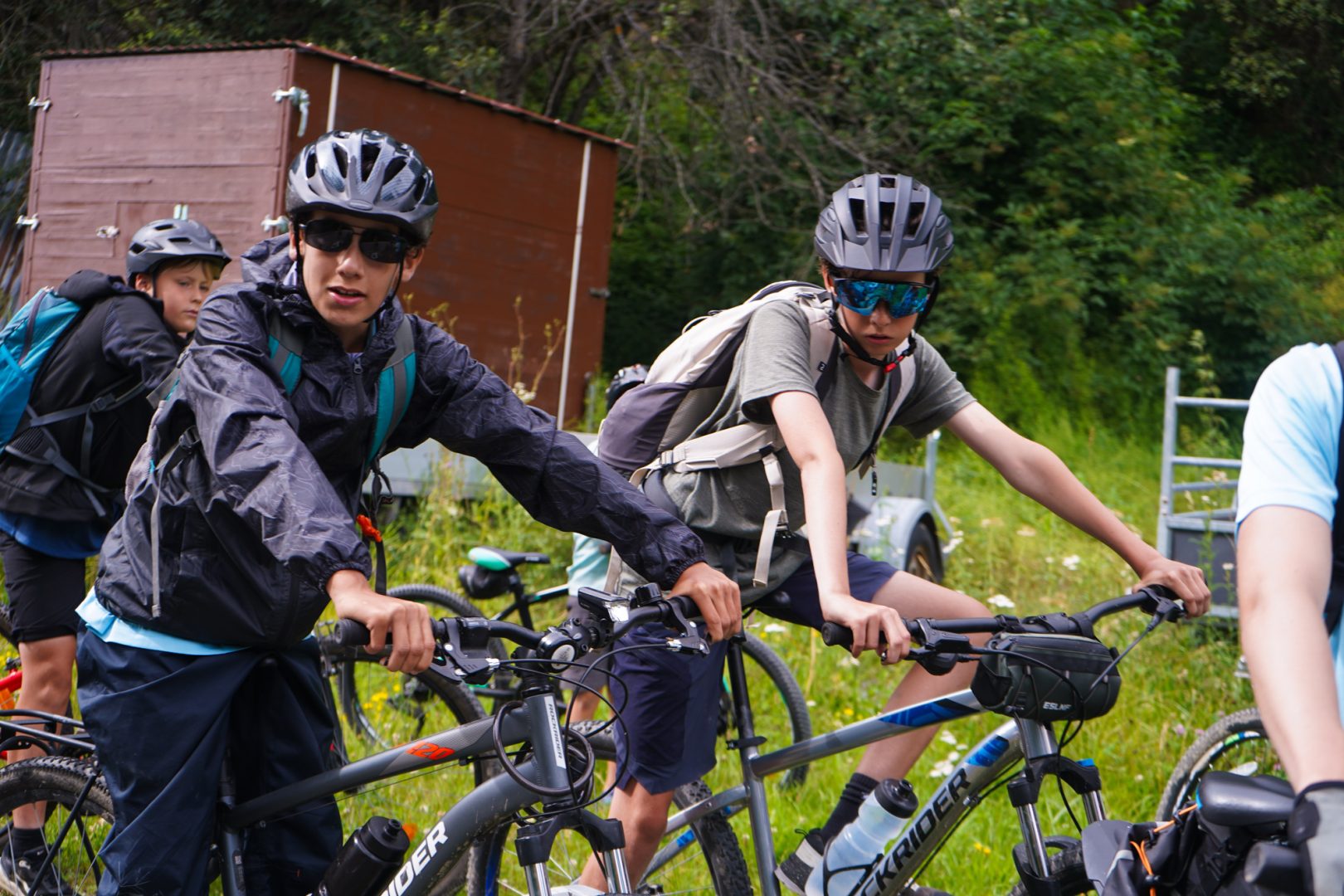
Lakes Kids Will Love — top lake picks and simple family activities
Top lake picks
Here are my top family-friendly Swiss lakes, with surface areas and a one-line hook for kids.
- Lake Geneva — 580 km² — largest lake partially in Switzerland; city waterfronts (Geneva, Lausanne), paddleboats, ferry rides.
- Lake Lucerne — 114 km² — fjord-like arms, historic steamship cruises, lakeside promenades that feel like an adventure.
- Lake Zurich — 88 km² — urban beaches, calm water for swimming and paddleboarding; quick access for day trips.
- Lake Thun — 48.3 km² and Lake Brienz — 29.8 km² — turquoise water, boat excursions to mountain villages; pair these with Bernese Oberland activities.
Family activities, accessibility and timing
I plan outings around short experiences that hold kids’ attention. For lake time I prioritize options that mix motion, water play and snacks.
Boat cruises
I schedule family boat trips in Switzerland using short launches. Typical boat-cruise durations (20–90 minutes) suit different ages. For younger children I stick to 30–60 minute boat rides ideal for kids. That window keeps energy high and avoids restlessness.
Water play and rentals
I look for lakes with supervised beaches and clear markers for safe swimming. Kids love the calm bays on Lake Zurich for paddleboarding and shallow swims — ideal for kids’ swimming beaches and first-time paddlers. I also rent paddleboards near Geneva’s promenades when the water’s calm.
Play and short walks
I choose lakes with playgrounds and easy nature trails. Trails under 2 km around shorelines make for quick nature breaks and picnic stops. I bring a lightweight blanket, sun hats, and snacks so we can turn a 20-minute walk into a memorable picnic.
Accessibility and timing notes
- Lake Zurich: great for day trips and quick access from the city; plan around lunchtime for beach play.
- Lake Lucerne: combine a steamship cruise with a half-day trip up Pilatus or Rigi for a varied day out.
- Lake Geneva: pick a city waterfront for added amenities like cafes and paddleboat rentals.
- Lakes Thun and Brienz: use as launch points for mountain-village excursions in the Bernese Oberland.
Visuals and quick-scan aids I recommend
I include a simple map with pinned lakes and activity areas so parents can plan routes at a glance. I also use icons for each activity (boat, swim, playground) and a small comparison chart that lists lake size and best family activities for quick decisions.
Practical tips I follow
- Book short cruises in advance during high season.
- Bring a waterproof bag for phones and a kid-sized life-jacket if you’ll rent a paddleboard.
- Time outings to avoid late-afternoon crowds at popular beaches.
- Keep an eye on the weather; flat water makes paddleboarding safe and fun.
For additional ideas about family outings and specific activities I often send people to resources that pair well with lakes, packing lists and regional suggestions.
Summit Attractions & Mountain Experiences kids can reach
I plan mountain days around short rides, big views, and simple safety rules. I pick routes that keep kids engaged and energy high without pushing them too far.
Family-accessible mountain highlights
Below are peaks and experiences that work well for families, with the key facts I watch for.
- Matterhorn: 4,478 m — iconic peak visible from Zermatt; family activities: Matterhorn Museum (Zermatt), cable-car viewpoints.
- Jungfrau region: Jungfrau 4,158 m; Jungfraujoch 3,454 m (station) — accessible train ride with an ice palace and year-round snow play; Jungfraujoch day = allow 6–8 hours.
- Eiger: 3,967 m — north face visible from Kleine Scheidegg (family-accessible viewpoint).
- Mount Pilatus: Pilatus cogwheel 48% gradient — Pilatus Railway is the world’s steepest cogwheel railway; quick 30–60 minute thrill for kids with panoramic views.
- Mount Rigi: historic cogwheel railway, gentle family hikes suitable for little legs.
- Aletsch Glacier: Aletsch Glacier ≈ 23 km long — longest glacier in the Alps and a UNESCO World Heritage area with accessible viewpoints.
Altitude and health notes
Altitude and health notes are practical and brief. Jungfraujoch 3,454 m sits higher than many European peaks, so mild altitude effects can appear for children above ~2,500–3,000 m (headache, mild nausea). I mitigate risks by having kids acclimatize with a low-key morning, drinking plenty of water, avoiding early strenuous hiking, and keeping sightseeing rides short while I monitor symptoms.
Is Jungfraujoch okay for toddlers?
Short answer: Yes for brief visits if you acclimatize, keep activities gentle, avoid long exertion, and watch for altitude symptoms.
Pairing, pacing, and sample planning tips
I recommend pairing and pacing to keep the trip fun. Combine a lake day on Lake Lucerne (~434 m) with a Mount Pilatus ride for contrast — Pilatus is a 30–60 minute excursion that feels exciting without wearing children out. Save Jungfraujoch for a full day; allow 6–8 hours for travel, stations, and slow exploration. For multi-day trips I alternate high days with low, restful lake or village afternoons so kids recover.
- Start low, go slow: Begin with low-elevation activities in the morning to help acclimatize.
- Hydrate and snack: Regular fluids and snacks help prevent mild altitude symptoms and keep energy up.
- Limit exertion: Keep hikes short and easy; use cable cars or trains to reach viewpoints.
- Plan rest days: Alternate high-altitude days with relaxed afternoons by a lake or in a village.
- Watch for symptoms: Headache, fussiness, or reduced appetite may signal altitude effects — descend or rest if symptoms persist.
Planning tools and next steps
I create a simple elevation bar chart comparing lake levels and summit elevations (example: Lake Lucerne ~434 m vs Jungfraujoch 3,454 m). If you want family-focused ideas for routes and side activities on a family trip, I can suggest itineraries that match your kids’ ages and fitness.
Trains, Cable Cars & Scenic Rides — transport thrills kids adore
I pick rides that balance jaw-dropping views with realistic attention spans. The Glacier Express (approx. 8 hours) is unforgettable but long; I recommend splitting it or saving it for older children who can sit longer. The Bernina Express rewards medium-length segments with UNESCO-listed alpine panoramas; short hops capture the dramatic scenery without overdoing it. The Jungfraubahn climbs to Jungfraujoch (3,454 m) and delivers indoor snow play that excites kids year-round. The Pilatus Railway (48% gradient) gives a thrilling short ride — a 30–60 minute excursion works well as a half-day highlight. Rigi and Stanserhorn funiculars pair perfectly with easy walking paths. Lake steamships on Lucerne and Lake Geneva run as short hops or relaxed cruises; most services classify as steamship 20–90 minutes.
I recommend the Swiss Travel Pass for family plans. The Swiss Travel Pass covers most trains, boats and buses and often offers free or discounted travel on partner services, so it reduces fuss with separate tickets. It also simplifies travel on scenic family trains in Switzerland and frequent regional links. Trains are generally stroller-friendly, but I always check last-mile access at mountain stations — some cogwheel and high-altitude platforms require steps or ramps that vary by location. For high season I advise reserving panoramic seats where possible; some panoramic trains require advance reservations even with a pass.
Family suitability and booking tips
Use these duration-based pointers to match rides with ages and attention spans:
- Short (20–90 min): lake steamships and Pilatus — perfect for toddlers and younger kids; bring snacks and a stroller-friendly carrier for boarding.
- Medium (2–4 hrs): Bernina segments and other scenic sections — best for mixed-age groups; pack activity cards and plan a mid-ride snack break.
- Long (8+ hrs): Glacier Express — reserve only for older children or split the route into two days with overnight stops.
- Reservation tip: always verify whether your Swiss Travel Pass covers the route or if a seat reservation is required; reserve panoramic seats in high season.
- Accessibility tip: check platform and transfer distances at mountain stations; some cogwheel railways need a short carry of a stroller.
- Comfort tip: choose morning departures for clearer light and calmer kids.
| Ride | Typical length | Best ages | Stroller access | Booking tip |
|---|---|---|---|---|
| Glacier Express | approx. 8 hours | Older kids (10+) | Mostly yes on lowland segments; check transfers | Split route or reserve seats in advance |
| Bernina Express | 2–4 hrs (segments) | 6–12 and up | Generally good on regional sections | Book medium segments for families |
| Jungfraubahn (to Jungfraujoch) | 2–3 hrs each way | All ages; great for snow play | Limited at high-altitude platforms | Bring warm layers; check access |
| Pilatus (Pilatus Railway) | 30–60 minutes | Toddlers–teens | Good on valley sections | Short ride option; book in peak times |
| Rigi & Stanserhorn funiculars | Short to medium | All ages | High | Combine with short hikes or picnic |
| Lake steamships | 20–90 minutes | Toddlers–teens | Excellent | Perfect for short scenic breaks |
I keep logistics simple by planning a couple of headline rides and filling the rest with short options. For planning ideas and family-focused itineraries, see my family trip guide, which meshes these transport options with kid-friendly activities.
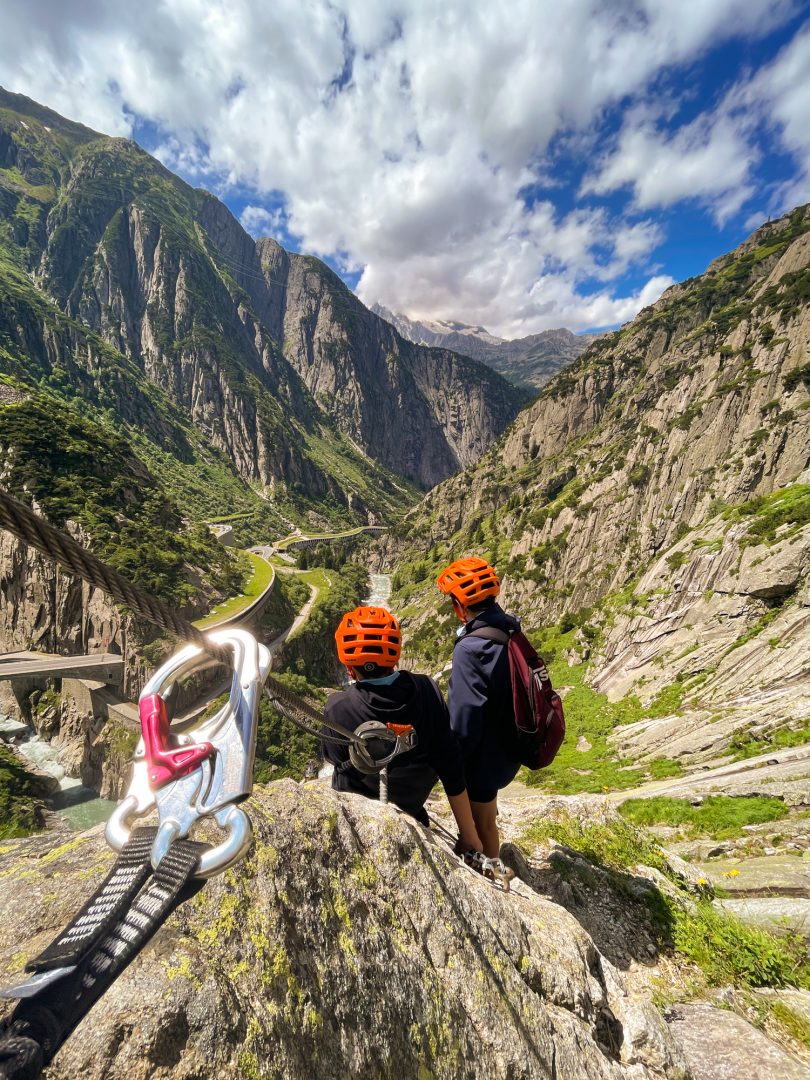
National Parks, Wildlife & Towns, Museums kids will enjoy
I prioritize parks and museums that make nature and culture feel active for kids. Swiss National Park (Engadine) has marked family trails and an educational visitor centre that bring conservation to life while keeping hikes short and doable. The Aletsch area is a UNESCO World Heritage site with sweeping viewpoints of the Aletsch Glacier ≈ 23 km and clear interpretation panels that explain glacial change.
I recommend short, varied stops so children stay engaged: combine a 30–90 minute family hike with a museum visit or playground. For rainy or rest days, I rely on hands-on attractions like the Swiss Museum of Transport (Lucerne), which offers interactive exhibits and IMAX screenings suitable for ages 4+.
Other town-anchored options that work well with kids include:
- Ballenberg Open-Air Museum
- Heidi Village (Maienfeld)
- Chaplin’s World (Vevey)
- Olympic Museum (Lausanne)
- Swiss Vapeur Parc (Le Bouveret)
Trails, wildlife etiquette and practical museum tips
Below are compact, actionable pointers I use when planning family days out:
- Trail picks and duration: aim for 30–90 minute routes, roughly 1–5 km. Keep hikes under 5 km and with under 300 m elevation gain for younger children.
- Sample short hubs: choose family trailheads near Engadine or the Zermatt area for quick access to viewpoints and facilities.
- Wildlife to spot and etiquette: marmots and ibex are common in summer; observe from a distance, don’t feed animals, and use binoculars for safety and better views.
- Seasonal highlight: plan autumn visits to catch alpine meadows and the Alpabzug cattle descent for a memorable cultural moment.
- Museum timing and logistics: book 2–3 hours per museum with breaks; pair visits with nearby parks or playgrounds and check seasonal opening hours and family ticket deals.
- Visual aids: I map parks and museum icons on a simple overlay before travel so kids can pick stops and feel ownership of the day.
I often send families a short printable sheet with trail names, estimated times and a museum checklist. If you want a quick sample itinerary that mixes one national park trail and one hands-on museum, I can draft that next. family activities
Planning, Safety, Gear & Family Logistics
I plan trips around clear seasonal windows so families hit the right activities. Summer (June–Sept) is best for lakes, alpine meadows and cable cars — hiking and boat cruises run in full operation. Autumn (Sept–Oct) brings Alpabzug cattle descent events, lower prices and good foliage; check local dates before you go. Winter (Dec–March) offers skiing, snow parks, sledging and Christmas markets; many cable cars still run to high snow viewpoints. Spring gives lower crowds but some lifts may be closed; wildflowers appear mid‑late spring depending on elevation.
I pick accommodation based on pace and comfort. Options include family hotels, agritourism chalets, mountain huts with family rooms and campsites with playgrounds. For family hotel Switzerland searches, look for kids menus Switzerland and family-friendly facilities. Booking windows matter: book 3–6 months ahead for summer school holiday periods and earlier for peak winter spots like Zermatt. Use the family room example 25–40 m² for 2 adults + 1–2 children as a planning benchmark. Many mountain hotels are reachable by cable car or cogwheel rail and offer luggage transfer services (fees may apply).
I prepare for altitude and emergencies before every high‑elevation day. Jungfraujoch 3,454 m can cause mild altitude effects (headache, mild nausea). I mitigate that by hydrating, moving slowly and allowing acclimatization time. For emergencies use ambulance 144 and general assistance 1414 (police). I always buy travel insurance that covers mountain rescue and medical evacuation for high‑elevation activities. Accessibility varies: trains and public transport are often stroller- and wheelchair-friendly, but last‑mile mountain stations can be steep or have steps — check operator accessibility notes. Switzerland uses Swiss franc (CHF); cards are widely accepted but I carry some cash for small mountain shops.
I build sample itineraries that balance activity and rest.
- Short 3‑day sample:
- Day 1 Lucerne lakeside + steamship (20–90 min) + Swiss Museum of Transport (2–3 hours).
- Day 2 Mount Pilatus cogwheel (30–60 min ride) + summer toboggan.
- Day 3 short family hike or playground and train to next town.
- 5‑day lake to high‑alpine sample:
- Day 1–2 Geneva/Lausanne lakeside + Chaplin’s World/Olympic Museum.
- Day 3 travel to Zermatt; village walk and Matterhorn views.
- Day 4 family cable car to reachable viewpoints.
- Day 5 train to Interlaken + Lake Brienz boat cruise and return.
I allow 6–8 hours for a Jungfraujoch day and prioritise trails under 5 km and under 300 m elevation gain for kids. Travel-time rules of thumb: allow buffer times of 30–60 minutes between connections when traveling with children and plan for 2–3 restful hours midday. Limit to 1–2 major excursions per day for younger children. Example train times: Lucerne to Interlaken ~ 2 hours; Zermatt to Interlaken ~ 2–3 hours.
For practical planning tips and ready itineraries I often point families to a concise guide — see this family trip for ideas.
Packing checklist, gear and apps
I use this packing checklist Switzerland kids as my baseline and never omit the essentials:
- Layered clothing; sun protection; closed-toe shoes for short hikes; small daypack; refillable water bottle; binoculars for wildlife; basic first aid; sunscreen SPF 30+.
I also pack optional kid items that make days smoother:
- Travel potty for toddlers; favorite snacks; compact stroller that folds for trains; child harnesses for crowded viewpoints.
I carry tech and power essentials:
- Portable battery 10,000 mAh recommended for a family day out; download offline maps before you leave.
Recommended apps and one-line usage tips:
- SBB Mobile — buy regional tickets and see platform changes in real time.
- MySwitzerland app — check events and lift info.
- SwissTopo or Komoot — use for detailed trail maps and route planning.
- Jungfraubahnen app — check lift status before heading up.
I check gear fit and comfort the night before. I label bags, test strollers on cobbles, and confirm luggage transfer or cable‑car restrictions early.
Sources: