How Camp Activities Improve Physical Fitness And Coordination
Camps boost kids’ MVPA to 40-90 min/day, closing the gap to WHO’s 60-min guideline via structured activities, FMS blocks and wearable tracking.
Camp Programs and Youth Physical Activity
I have observed that well-designed camp programs can produce concentrated, structured activity blocks that typically generate 40–90 minutes of moderate-to-vigorous physical activity (MVPA) per day. That often moves campers from pre-camp averages (~30–40 min/day) toward or above the WHO 60‑minute guideline. I combine repeated MVPA bouts, multi-activity rotations, focused fundamental movement skill (FMS) blocks (15–30 min, 3–5×/week) and varied sessions such as hiking, swimming, team sports and climbing. This mix improves cardiovascular endurance, muscular strength and endurance, flexibility and neuromotor coordination. I verify gains with field assessments such as PACER and TGMD‑3.
Programming Components
- Concentrated activity blocks: Planned sessions that target intensity and duration to accumulate daily MVPA.
- Multi-activity rotation: Frequent changes in activity to maintain engagement and provide varied movement challenges.
- Focused FMS blocks: Short, deliberate practice sessions (15–30 minutes, 3–5×/week) with specific feedback to accelerate skill acquisition.
- Varied sessions: Incorporate hiking, swimming, team sports and climbing to develop multiple fitness domains.
- Operational supports: Extended outdoor time, screen limits and trained staff who can scaffold progression and safety.
Fitness Outcomes and Measurement
The combined approach targets core fitness components: cardiovascular endurance, muscular strength/endurance, flexibility/mobility, body composition and balance/agility/coordination. To quantify changes I recommend using wearable monitoring (MVPA minutes, steps) alongside field tests such as PACER for aerobic fitness and TGMD‑3 for motor skill development. Report clear pre/post metrics on camper report cards to demonstrate gains.
Key Takeaways
- Camps concentrate daily MVPA (commonly 40–90 min/day), closing the gap between typical youth activity and the 60‑minute guideline.
- Structured elements—planned activity blocks, multi-activity rotation, extended outdoor time, screen limits and trained staff—drive higher intensity and sustained engagement.
- Targeted design focuses on core fitness components: cardiovascular endurance, muscular strength/endurance, flexibility/mobility, body composition and balance/agility/coordination.
- FMS dosing: deliver focused sessions (15–30 minute blocks, 3–5×/week), provide specific feedback and vary practice to accelerate coordination and fundamental motor skill development.
- Use objective measurement: wearable monitoring and field tests (MVPA minutes, steps, PACER, TGMD‑3) to quantify gains and report clear pre/post metrics on camper report cards.
Camps as a high-impact way to meet 60 minutes MVPA per day
The World Health Organization recommends that children and adolescents aged 5–17 get at least 60 minutes of moderate-to-vigorous physical activity (MVPA) each day (WHO, 2020). I watch too many young people fall short: only about 24% of U.S. youth meet that benchmark (CDC surveillance). Typical school or home days often produce far less MVPA than the guideline calls for.
Camps concentrate active time into structured blocks. Day and overnight programs schedule sports, skill sessions, and extended outdoor play so a single camp day can deliver a much higher MVPA dose. Camp MVPA targets typically range from 40–90 minutes per day depending on program type and schedule. Structured programming also shrinks screen time and creates longer continuous activity bouts, while rotating multiple activities keeps engagement high compared with unsupervised free play.
How camps reliably increase MVPA
Below are the practical mechanisms I look for when evaluating a camp’s capacity to boost daily activity:
- Planned activity blocks: several dedicated periods of sports or active games across the day.
- Multi-activity rotation: short cycles between different activities that maintain intensity and interest.
- Extended outdoor time: fewer transitions and more continuous movement increase MVPA minutes.
- Skill-focused sessions: technique coaching raises intensity and builds confidence for sustained play.
- Screen limits and supervised breaks: less sedentary time and more active choice architecture.
- Trained staff: leaders who run high-energy sessions and prompt participation.
I suggest scanning a camp’s daily schedule to confirm those elements. For newcomers, my recommended primer is your first summer camp, which outlines typical daily rhythms and what to expect.
A simple comparative graphic makes the effect obvious: three bars for Guideline (60 min), Average U.S. youth (roughly 30–40 min), and Typical camp day (40–90 min). Annotate the bars with the percentage meeting the guideline to show impact.
- Guideline: 60 min
- Average U.S. youth: roughly 30–40 min
- Typical camp day: 40–90 min
Here’s a short example I use in planning. A hypothetical camper averages 36 minutes MVPA per day before camp. If a two-week day camp delivers 64 minutes daily, their MVPA rises by 28 minutes (+78%) for the camp period. That concentrated increase closes the guideline gap quickly and can jump-start longer-term habit change if families reinforce active routines at home.
Which fitness components camps improve
Core fitness components
Below I outline the primary physical attributes camp activities target and how typical camp formats build each one.
- Cardiovascular endurance: Running games, swim sessions and day hikes raise sustained heart-rate exposure. Repeated bouts of moderate-to-vigorous activity improve aerobic capacity and make sustained play and trekking easier on later days.
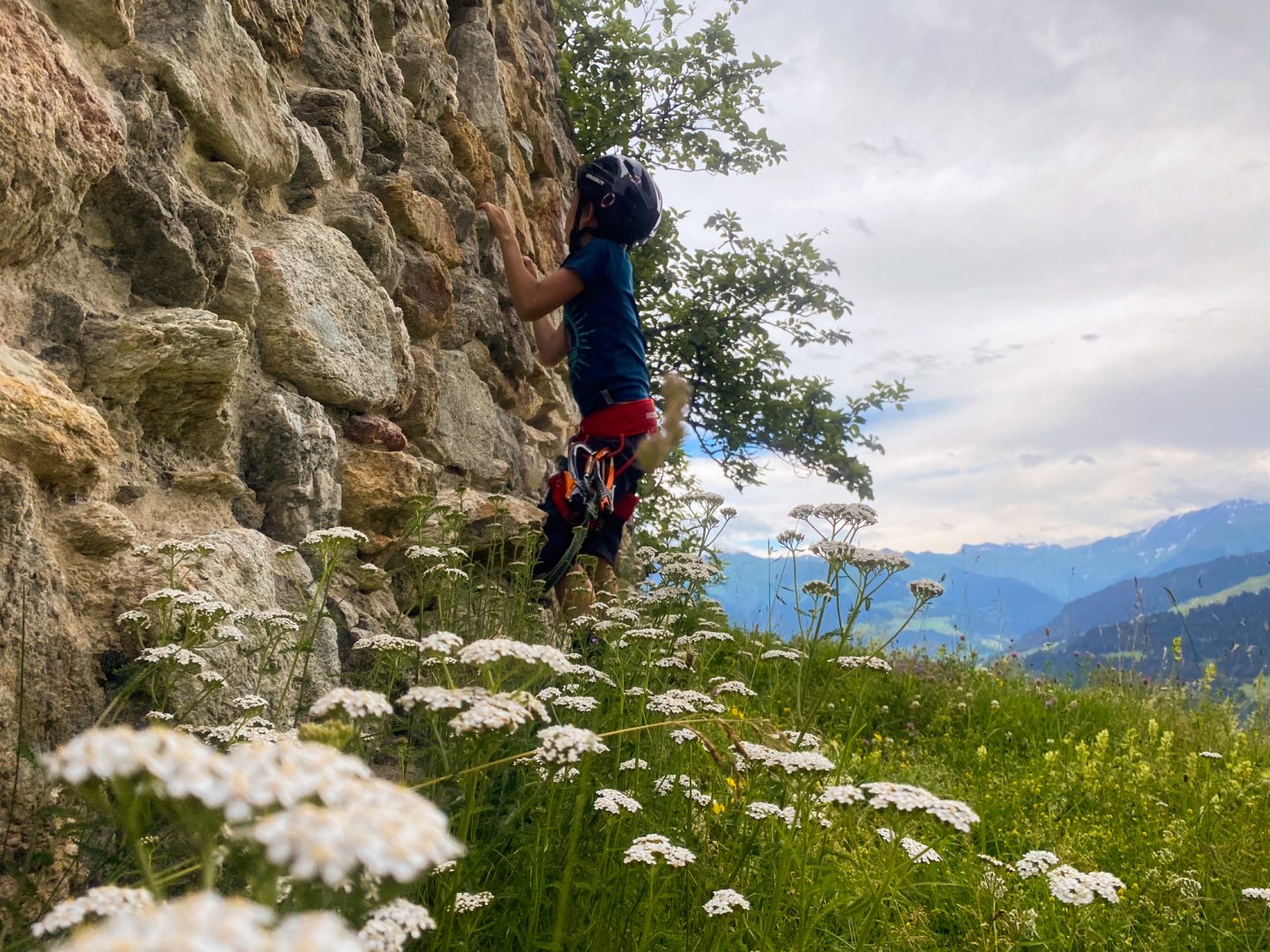
- Muscular strength and endurance: Climbing walls, ropes courses, canoeing and circuit stations load the upper and lower body plus the core. I design multi-directional pulls, carries and bodyweight circuits to produce repeated muscular stimulus across sessions.
- Flexibility and mobility: Short daily warm-ups, dynamic stretching, gymnastics drills and dance sessions widen joint range and lower injury risk. I mix static holds after high-intensity blocks to preserve mobility without blunting performance.
- Body composition: Regular MVPA combined with structured meal and snack timing supports healthier BMI trends during multi-week stays. Camps that keep activity frequent and meals predictable reduce sedentary snacking and encourage energy balance.
- Balance, agility and coordination: Obstacle courses, playground play and ball skills force neuromotor adaptations. These activities refine spatial awareness, reactive balance and limb‑to‑eye coordination faster than isolated drills.
Session design and intensity estimates
I plan sessions so kids accumulate meaningful MVPA while keeping variety high and fatigue manageable. Use repeated station blocks: 20–30 minute station blocks repeated so campers reach 40–90 MVPA minutes per day. That structure simplifies rotation planning and allows progressive overload across the week.
I use three simple tools to estimate intensity and manage load:
- Perceived exertion: Teach campers simple RPE cues (easy, moderate, hard). Young kids learn this quickly when you link it to talk-test ability.
- Heart-rate zones: For older campers I cross-check with HR data when available. Aim for prolonged time in moderate zones with short spikes into vigorous effort during games or laps.
- Steps: I track daily steps to validate overall volume. A common benchmark for children is 12,000–15,000 steps/day (Tudor‑Locke et al.), which aligns with active camp days and helps approximate total MVPA.
Practical tips I use on site:
- Alternate high-intensity games with skill or mobility blocks to manage fatigue.
- Rotate muscle groups across the day—upper-body ropes, lower-body hiking—to spread load.
- Keep warm-ups short and purposeful to protect joints without draining energy.
- Use short scoreboards or timers to nudge intensity during games while keeping it fun.
If you’re planning activities for first-timers, I suggest consulting a short primer on acclimating kids to multi-day activity like this first summer camp guide for practical ideas and pacing.
How camps build coordination and fundamental movement skills (FMS)
I define fundamental movement skills (FMS) as the motor building blocks kids use every day: running, jumping, throwing, catching, kicking, hopping and balancing. These skills are easiest to develop in early childhood — preschool through the early school years — and solid foundations reduce later barriers to sport and activity.
Structured practice yields real gains. Program- and school-based FMS training consistently produces measurable improvements (systematic reviews). I use that evidence to prioritize focused blocks rather than hoping skills will emerge spontaneously.
I recommend a clear dosing strategy for camp schedules. A practical example that works is the “15–30 minute focused FMS block 3–5 times per week for several weeks” — that dosage produces measurable gains. Fit those blocks into warm-ups, dedicated skill stations and short game-based rotations. Change constraints, distances and targets to progress the challenge while keeping sessions playful. I coach with specific feedback, short demonstrations and partner practice so kids get many repetitions with varied contexts.
I plan assessments to track real change and guide instruction.
Assessment tools, metrics and reporting
Use the following tools and measures to quantify progress and communicate results:
- Standardized battery: TGMD-3 for composite motor competence and subskill scoring.
- Skill-specific tests: catch accuracy (targets hit), throw distance and kicking accuracy.
- Balance measures: time-on-one-leg (stork test) or timed balance challenges.
- Locomotor measures: hop distance and timed sprints for running mechanics.
- Testing protocol: conduct pre/post measurement, keep the same test order, and ensure parental consent for any recordings.
Report results in clear, actionable ways:
- Provide percent-change for key metrics (e.g., catch accuracy improved 32%).
- Share TGMD-3 composite score shifts and categorize movement competence (novice → competent).
- Use short video or photo exemplars, with parental consent, to show mechanical changes and to support coaching feedback.
If you’re planning a first summer camp, build FMS into daily rhythm and schedule regular reassessments every 4–6 weeks. I track both group trends and individual progress so I can adapt progressions, split groups by skill level and give targeted drills that accelerate coordination gains.
Typical camp activities and the specific fitness & coordination benefits they deliver
Activity benefits and session targets
-
Hiking / long walks — Benefits: cardiovascular endurance, lower-body strength, and balance on uneven terrain. Intensity: Moderate-to-vigorous. Example session target: 60–90 minutes mixed-grade trail with 30–45 minutes sustained moderate effort; include 4×5-minute hill repeats to boost strength and aerobic load. I often link route planning to the hike and bike guidance for safe trail choices.
-
Swimming — Benefits: high MVPA, full-body muscular endurance, breath control and coordination. Intensity: Often yields 30–60 minutes MVPA depending on session length. Example session target: 45–60 minute swim session with interval sets (6×200 m at moderate pace) to ensure a high proportion of active time.
-
Team sports (soccer, basketball, baseball) — Benefits: agility, speed, anaerobic bursts, and object control (throwing, catching, kicking). Intensity: Moderate-to-vigorous. Example session target: 60-minute practice split 30 minutes drills (skill + coordination) and 30 minutes small-sided games to drive repeated high-intensity efforts.
-
Climbing / ropes courses — Benefits: upper-body strength, core stability, grip strength, balance and psychomotor control. Intensity: Vigorous bursts plus high neuromotor demand. Example session target: 45–60 minutes with focused bouldering circuits and 3–4 pitched climbs. I advise checking helmet and protection standards; see tips on the climbing helmet.
-
Obstacle / ninja courses — Benefits: power, agility, coordination and planning/sequencing. Intensity: Vigorous. Example session target: 30–40 minute circuit with 6 stations, 45–60 second efforts, 30 seconds rest; rotate 3 rounds.
-
Dance / gymnastics — Benefits: flexibility, balance, bilateral coordination and rhythm. Intensity: Moderate-to-vigorous. Example session target: 45 minutes including 15 minutes mobility/warm-up, 20 minutes skill work, 10 minutes choreography or tumbling flows.
-
Canoeing / kayaking — Benefits: core strength, upper-body endurance, and bilateral coordination. Intensity: Moderate. Example session target: 60-minute paddle with 20-minute continuous steady state and 6×2-minute higher-rate intervals.
-
Target sports (archery, riflery) — Benefits: fine motor control, sustained focus and postural control (static balance). Intensity: Low-to-moderate. Example session target: 30–45 minutes of technique drills with 10–15 minute concentration blocks.
-
Skill stations — Benefits: short, focused drills that isolate movement patterns and decision-making. Intensity: “20–30 minute skill station = 10–20 mins MVPA depending on design”. Example session target: 20–30 minute station with 45–60 second active drills and 30 seconds transition.
Quick ranking guidance for program planning
I recommend a simple three-score method to streamline scheduling and resource choices. Assign each activity three ratings from 1 (low) to 5 (high): MVPA intensity, coordination demand, and equipment/safety needs. Use those scores to balance days and manage staff and kit.
How I use the scores:
-
Alternate high-MVPA days with lower-intensity, high-skill days to control fatigue and maximize learning.
-
Reserve high equipment/safety activities (climbing, water sports) for times when certified staff and kit are guaranteed.
-
Mix a high coordination demand activity with a lower-intensity session the same day to consolidate motor skills without driving cumulative load.
Quick example of scoring I might give:
-
Hiking — 4/3/2
-
Swimming — 5/3/3
-
Team sports — 4/4/2
-
Climbing — 4/5/4
-
Obstacle course — 5/5/3
-
Dance/gymnastics — 3/4/2
-
Canoeing — 3/3/3
-
Target sports — 2/5/2
-
Skill stations — 3/4/1
I then plan weekly blocks that distribute the highs and lows and ensure required equipment and supervision are scheduled in advance.
Measuring and communicating campers’ fitness and coordination improvements
Devices and field assessments I use
I combine objective wearables with field tests to get a clear picture. For continuous movement and intensity I deploy accelerometers such as the ActiGraph GT3X and consumer wearables like the Fitbit Ace and Garmin Vivofit Jr to capture MVPA minutes and steps. For heart-rate–based intensity I use the Polar H10 to define HR zones and validate MVPA estimates. I calibrate wearables by confirming wear time (wake-to-bed), setting epoch lengths to 15s–60s, and using consistent cutpoints for MVPA across the cohort.
For structured assessments I run:
- Cardiovascular endurance: PACER for progressive aerobic capacity.
- Fundamental movement skills: TGMD-3 for locomotor and object-control composites.
- Strength: handgrip dynamometer for maximal grip.
- Flexibility: sit-and-reach.
- Balance: stork balance test for single-leg static control.
I train coaches on standardized test administration and repeatability. I schedule the PACER and TGMD-3 in the morning to limit fatigue, and I record anthropometrics on day 1 for normalization. I log device IDs to participant IDs and check data daily to catch non-wear quickly.
Reporting metrics, sample templates, protocol and governance
Below are the clear, parent-friendly metrics I include in each camper report card and the monitoring protocol I follow:
Suggested reporting metrics I deliver:
- Average MVPA minutes/day
- Average steps/day
- PACER laps
- % improvement in TGMD-3 score
- Change in balance time (seconds)
- % of campers meeting 60-min guideline
Illustrative sample metrics I use as templates:
- Average MVPA/day: pre-camp 36 min → during camp 64 min (+28 min, +78%)
- Average steps/day: pre-camp 8,200 → during camp 12,600
- PACER laps: pre 14 → post 19 (36% increase)
- TGMD-3 composite score: pre 42 → post 55 (+31%)
Measurement protocol example I follow:
- Baseline testing on day 1: PACER, TGMD-3, anthropometrics.
- Daily wearable monitoring during camp: ActiGraph GT3X or Fitbit Ace/Garmin Vivofit Jr.
- Post-testing on final day: repeat PACER, TGMD-3, handgrip, sit-and-reach, stork.
I recommend these visualizations: time-series daily MVPA plots, paired pre/post boxplots, and stacked intensity bars by HR zone using Polar H10 data. For parent communication I provide a one-page “Camper Fitness Report Card” showing baseline vs post values, deltas, brief coach commentary, and simple at-home suggestions; you can link that to resources for a smooth start at first summer camp.
I always obtain parental consent for wearables and testing and anonymize individual records before publishing aggregate results. I keep raw identifiers separate and encrypted, and I summarize group-level gains rather than exposing individual raw logs.
Program design, sample schedules, safety and inclusive adaptations
I design programs around three core principles: progressive overload and variability, short focused skill blocks for high-quality repetitions, and mixed formats that combine structured coaching, game contexts, and free play. I ramp load across days and weeks so campers improve without breaking down. I vary drills and games to keep engagement high and to transfer skills to different situations.
I use a concise dosing framework that clubs session length to expected intensity. A compact prescription I use is: “Warm-up 5–8 min, skill block 15–20 min, main activity 20–30 min, target MVPA 40–90 min/day”. I expect frequency of skill blocks to be 3–5x/week, with station lengths of 15–25 minutes. Daily moderate-to-vigorous physical activity (MVPA) goals should sit between 40 and 90 minutes, depending on age and camp type.
Dosing, session structure and sample schedules
I structure every day to hit MVPA targets while balancing recovery. A common session template for all ages is:
- Warm-up: 5–8 minutes (dynamic mobility and activation).
- Skill station: 15–20 minutes (short, high-quality repetitions).
- Main activity: 20–30 minutes (game-based or endurance work).
- Cool-down: 5–10 minutes (mobility, breathing).
Day-camp (8:30–16:00) — estimated MVPA per block
- Morning warm-up & FMS (8:45–9:15): 15–20 min MVPA.
- Skill station rotation (9:30–11:00): 25–35 min MVPA.
- Lunch/low activity (12:00–13:00): 0–10 min.
- Afternoon main activity (13:15–15:00): 30–40 min MVPA.
- Evening games (15:15–16:00): 10–15 min.
Daily total ≈ 60–100 min depending on intensity and transitions.
Sleepaway-camp (full day + evening) — typical block estimates
- Morning swim 45 min: 30–45 MVPA.
- Mid-day hike 45 min: 30–40 MVPA.
- Afternoon skills 30 min: 15–25 MVPA.
- Evening games 30 min: 10–20 MVPA.
Daily total commonly 70–120 min. For planning tips on multi-day camps, see the practical guidance at your first summer camp.
Age-appropriate dosing examples:
- Preschool (3–5): 10–15 min skill circuits; rapid transitions and play.
- Early elementary (6–8): 15–20 min FMS blocks; play-based games.
- Pre-adolescent (9–12): 20–30 min skill stations; small-sided games.
- Teens (13–17): interval sets, resistance stations, sport-specific sessions.
I layer safety and inclusivity into every plan. Dynamic warm-ups and progressive load reduce injury risk. I use movement screening when appropriate and adapt with simplified rules, smaller equipment, spotters for climbing, non-weight-bearing options, and sensory-friendly alternatives for neurodiverse campers. I recommend tracking injuries only where feasible and reporting incidence per 1,000 camp-days if you collect data.
Staff checklist
- Qualified instructors and appropriate ratios.
- Hydration and sun-protection protocols.
- Correct equipment fitting and regular checks.
- Parental consent for testing and wearables.
- Clear emergency plans and communication.
- Pre-built adaptations for different abilities and sensory needs.
Sources:
World Health Organization — WHO Guidelines on Physical Activity and Sedentary Behaviour (2020)
Centers for Disease Control and Prevention — Youth physical activity surveillance
Tudor‑Locke et al. — steps guidance
Lubans et al. — review on FMS and health