How Camps Support Mental Well-being And Stress Relief
Camps reach 14M, boosting youth mental health with outdoor activity, reduced screens, stable peer groups and trained staff building resilience.
Camps as Scalable Preventive Programs
Camps reach nearly 14 million children and teens each year. They act as scalable preventive programs that cut isolation and build resilience. Stable peer groups, predictable routines, and leadership chances make that possible. We pair time outdoors with regular moderate-to-vigorous physical activity (MVPA), minimized recreational screens, consistent sleep, and trained staff who follow referral protocols. Programs lower physiological and cognitive stress and show measurable gains on validated instruments.
Key Takeaways
- Scale and belonging: Camps operate at scale and reduce loneliness and chronic stress by fostering belonging in small, stable groups.
- Nature and activity: Time in nature, structured MVPA, fewer recreational screens, and steady sleep deliver measurable gains in physiology and mood.
- Skills and resilience: Predictable routines, progressive challenges, and leadership roles develop coping skills, self-efficacy, and lasting resilience.
- Safety and referral: Well-trained staff, clear safety protocols, and defined referral pathways are essential. Camps complement clinical care; they don’t replace it.
- Measurement: Measure and report outcomes with validated tools and include activity and sleep metrics.
Recommended Measures and Reporting
- Psychological scales: Use validated questionnaires such as the Perceived Stress Scale, PHQ‑A/CES‑D, and GAD‑7.
- Social measures: Include social-support or loneliness scales to capture belonging and peer connection.
- Behavioral metrics: Report MVPA (minutes per day or proportion meeting guidelines) and sleep metrics (duration and consistency).
- Implementation: Document staff training, safety protocols, and referral pathways to show how camps link to clinical services.
Practical Notes
Camps are effective because they combine social connection, predictable routines, outdoor time, and physical activity with trained staff and clear pathways for escalation. For programs seeking to demonstrate impact, pair validated mental-health measures with objective or reported MVPA and sleep data, and report implementation fidelity.
Camps at Scale: Why They Matter for Mental Health
Nearly 14 million Americans attend day or overnight camps annually (American Camp Association). I use that stat as the opening case for scale: camps reach children and teens in numbers few other settings can match. WHO — depression is a leading cause of disability worldwide. Rising adolescent anxiety and depressive symptoms shown in national surveillance and repeated surveys — summarized under the phrase adolescent mental health trends and flagged in Stress in America reports — make scalable, preventive platforms urgent.
Core benefits at scale
Below are the primary ways camps deliver population-level mental-health impact; each point reflects a clear link between program features and measurable wellbeing gains.
- Social connection: Camps create sustained peer interaction that lowers isolation and builds belonging. This improves mood and reduces chronic stress.
- Stress relief: Activity-based schedules, time away from screens, and structured downtime combine for immediate reductions in physiological and cognitive stress.
- Resilience building: Challenges, skill mastery, and supportive staff let young people practice coping strategies in a safe setting, boosting long-term resilience.
- Outdoor therapy: Time outdoors enhances mood and attention; I encourage programs that embed nature-based activities to amplify therapeutic effects. spend more time outdoors
- Skill development and leadership: Camps teach emotional regulation, problem-solving, and leadership; these are protective factors against depression and anxiety. See practical models in the youth leadership materials.
- Early identification and referral: Trained counselors often detect emerging problems and connect families to care, turning camps into a public-health triage layer.
- Wide reach and equity potential: Because camps serve millions, they’re an efficient delivery mechanism for upstream prevention and promotion.
How I recommend scaling impact
I focus on design, measurement, and outreach to turn camps into reliable mental-health platforms. Start with clear aims: define whether a program prioritizes stress relief, resilience building, or clinical referral pathways. Embed brief, validated measures so you can track outcomes across cohorts. Use pre-post surveys and simple well-being checks during sessions to monitor change.
Partner strategically. Schools, primary care, and public-health departments can expand referrals and funding. I often suggest blending classic camp programming with targeted interventions — short mindfulness sessions, peer-support circles, or leadership challenges — to address specific adolescent mental health trends. Training staff on recognition and supportive responding lets camps extend their preventive reach safely.
Communicate impact in outreach. Lead with the scale stat from the American Camp Association and the WHO framing that depression is a leading cause of disability worldwide. Highlight measurable benefits — camp benefits and stress relief — and use accessible language for parents and funders. Practical resources can help families prepare: guides like your first summer camp and the summer camp 2024 guide reduce barriers to participation.
Leverage program variation to meet different needs. For younger kids, emphasize play-based emotion regulation and family activities that extend learning. For teens, prioritize autonomy, leadership streams and opportunities like those described in the best summer camps selection. Offer multilingual outreach (for example, campamento de verano) to widen access.
Finally, promote location-specific options to match family needs and cultural fit. I point families toward curated regional resources such as summer camps in Switzerland, the Camp Montana guide, and the best summer camp Vaud overview to help match program features to specific mental-health goals.
How Camps Reduce Stress: Nature, Physical Activity, Screen‑Time and Sleep
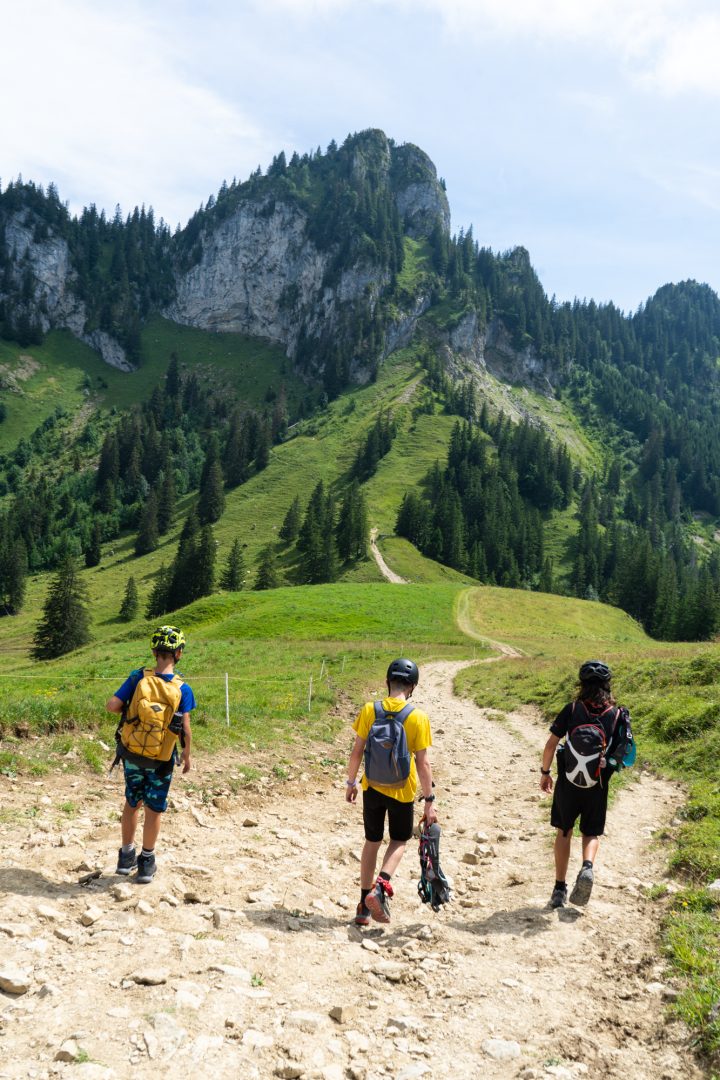
I focus on four mechanisms that explain why camps calm kids: greenspace exposure, sustained physical activity, reduced recreational screens, and consistent sleep. Meta-analytic reviews of greenspace benefits (Twohig-Bennett & Jones) show less anxiety and better mood after regular time in natural settings. Forest‑bathing and nature‑immersion studies (Park et al.) report cortisol reduction and improved autonomic markers, which gives camps a clear physiological pathway to lower stress. I call this nature therapy and outdoor stress relief.
Camps make physical activity part of the day. The CDC — 60 minutes/day recommendation for children and adolescents is evidence‑based, and most kids fall short at home. Camps structure high levels of MVPA through sports, swimming, hiking, and active games. That structure often pushes daily moderate‑to‑vigorous physical activity toward 45–120 minutes, which supports emotional regulation, better sleep, and resilience.
I prioritize screen reduction because it has large downstream effects. Common Sense Media reports ~7+ hours/day entertainment screen use as the current benchmark for U.S. teens. High recreational screen time links to poorer sleep and higher depressive symptoms. Camps with low‑ or no‑screen policies cut evening light exposure and recreational device use. The result is longer sleep, more consistent bedtimes, and improved mood — a simple digital detox that delivers measurable benefits.
Typical day: benchmark comparison
Below are practical estimates I use to compare a typical home day with a structured camp day.
- Typical day at home (school day benchmarks): MVPA ~20–30 min; outdoor time ~30–60 min; screen time (recreational) ~180–420+ min (3–7+ hrs); sleep ~7–8 hrs for teens, ~8–9 hrs for younger children (often fragmented).
- Typical day at camp (structured residential/day program): MVPA ~45–120 min; outdoor time ~180–360+ min; screen time ~0–60 min (policy‑dependent); sleep ~8–10 hrs with more consistent bed/wake times.
When primary accelerometer or diary data aren’t available I rely on these literature benchmarks and Common Sense Media figures. I also recommend collecting wearable data and sleep logs where possible to document camp impact.
Physiological links and practical tips I recommend
Cortisol reduction from sustained time outdoors explains much of the immediate calm kids show after nature immersion. Park et al. measured lower cortisol and improved heart‑rate variability after forest bathing. Greenspace exposure also lowers rumination and boosts attention. I use those findings to design day plans that alternate focused activity with quiet outdoor time.
Practical steps I advise for camps and parents:
- Build at least one prolonged nature session daily. Long walks, unstructured play in trees, or shaded quiet zones produce larger cortisol reductions than short bursts.
- Schedule MVPA in the morning and afternoon. That timing helps consolidate sleep and supports the CDC 60 minutes/day guideline.
- Enforce an evening digital detox window. Reducing recreational device use before lights‑out improves sleep onset and mood.
- Collect simple measures. Use accelerometers for MVPA, actigraphy or sleep logs for sleep, and short mood surveys pre/post session to quantify benefits.
I link training and family resources to encourage more outdoor time; for practical ideas on increasing outdoor play, see this short guide to outdoor time.
Social Connection, Routine and Skill‑Building: Psychological Mechanisms That Reduce Chronic Stress
I focus on three pathways camps use to lower chronic stress: social connection, structured routine with safe challenge, and mastery-driven roles that boost self-efficacy. Each element maps onto specific psychological mechanisms that reduce perceived stress and improve mood.
Social protection and belonging
Social connection is one of the strongest protective factors against chronic stress, depression and worse physical-health outcomes; social isolation and loneliness reliably predict higher morbidity and poorer mental health. ACA research shows the majority of campers report making new friends and improved social skills, and that small daily groups (cabins, activity cohorts) speed friendship formation and repeated interaction. That repeated contact builds belonging and peer support, which directly buffers stress and reduces perceived loneliness. I encourage programs to design predictable grouping and low-barrier activities to maximize group cohesion and making friends at camp making friends at camp.
Routine and graded challenge
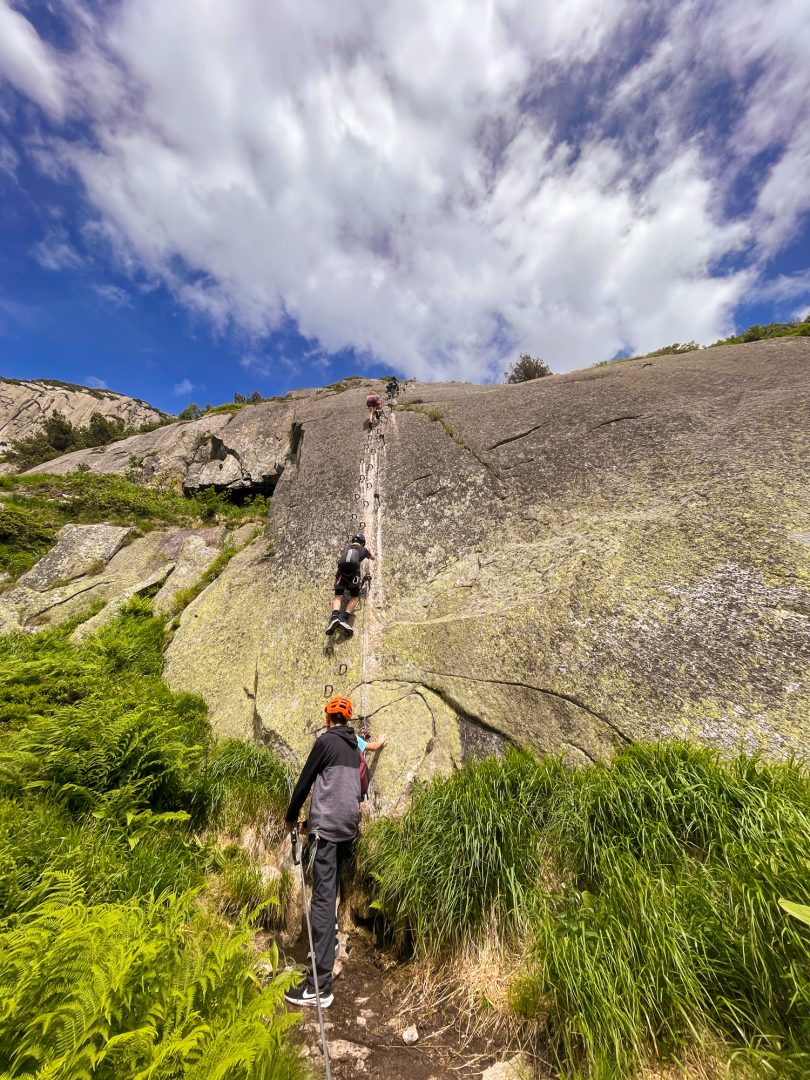
Predictable schedules—regular mealtimes and bedtime routines—lower baseline stress by cutting decision fatigue and removing unpredictability. I pair those routines with experiential challenges (ropes courses, team problem-solving). Those are safe stressors: controlled, graded exposures that teach coping and increase stress tolerance (stress inoculation). I recommend progressive difficulty, clear debriefs, and staff coaching so each challenge becomes a mastery experience rather than a threat.
Mastery, leadership and self-efficacy
Camp roles like cabin leader or activity captain create immediate leadership opportunities and repeated mastery experiences. Those roles increase perceived competence and self-efficacy, which mediate reductions in perceived stress. Programs should track pre/post changes on validated scales such as the Rosenberg Self-Esteem Scale or the General Self-Efficacy Scale to document gains and guide program improvements.
Mechanism model (concise)
Small-group belonging + routine + graduated challenge -> increased social support, improved coping strategies, higher self-efficacy -> lower perceived stress and improved mood.
Recommended measures and reporting
Use the following psychometrics for program evaluation and reporting:
- UCLA Loneliness Scale
- Multidimensional Scale of Perceived Social Support (MSPSS)
- Rosenberg Self-Esteem Scale
- General Self-Efficacy Scale
- Perceived Stress Scale (PSS)
Include clear, quantifiable language in reports and marketing. Useful phrasings I use:
- “X% of campers reported increased confidence in leadership roles after one session.”
- Template pre/post sentence: “After a 7‑day residential session, campers showed a mean decrease of X points (SD Y) on the PSS, representing a Cohen’s d = Z.”
Types of Camps, Staff Training, Safety and Program Design Best Practices
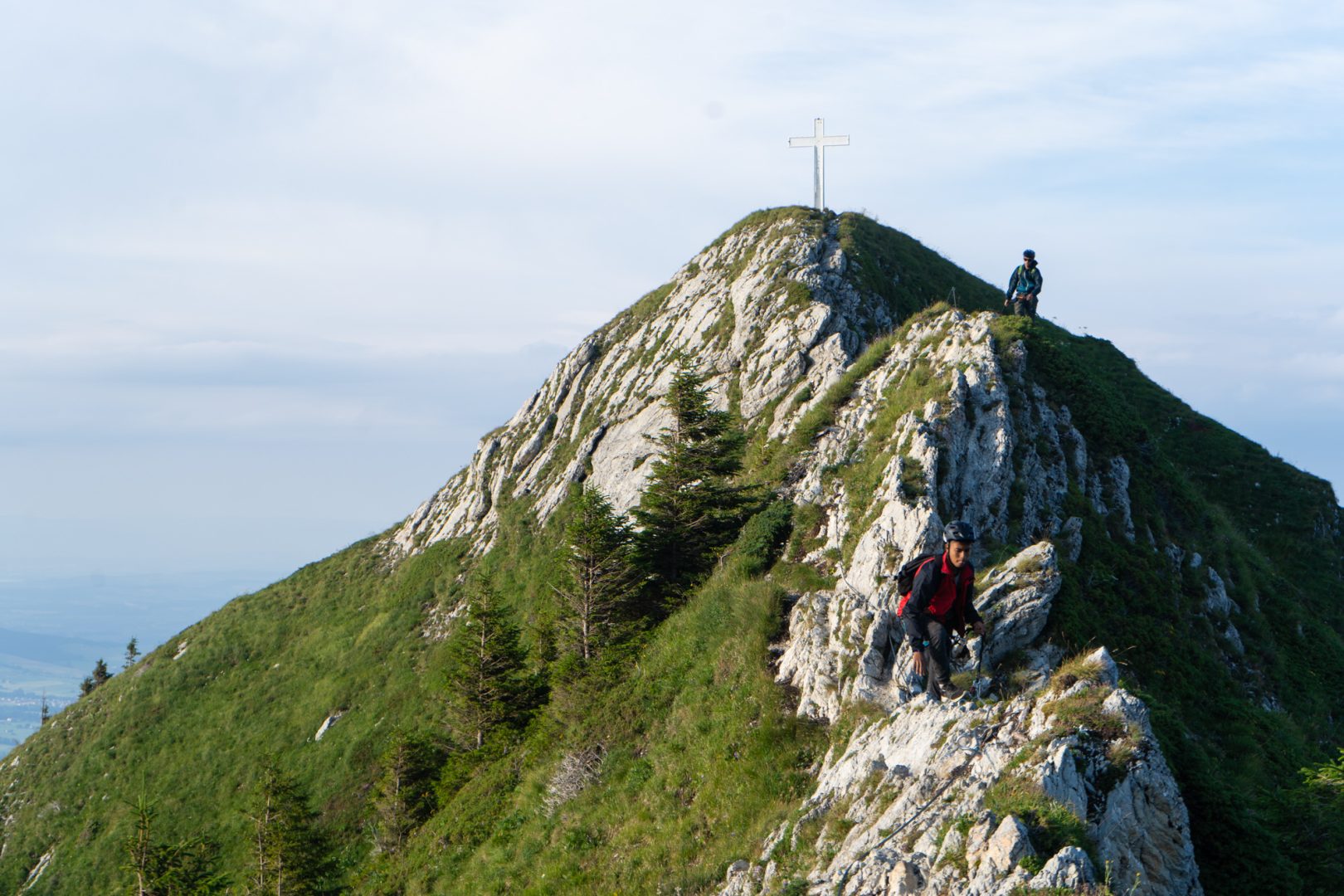
I classify camps by purpose because program design and evaluation hinge on clear distinctions. Day camp runs during daylight hours and focuses on routine, community-building and short-form programming. Residential camp (overnight) adds extended social exposure, deeper group bonds and sleep-related supervision demands. Adventure or nature camps emphasize outdoor exposure and activity-based therapy; they often integrate adventure therapy elements into daily schedules. Therapeutic and target-specific camps — grief camp, chronic-illness camp, behavioral-health programs — typically include licensed clinicians and structured clinical components and have shown measurable reductions in symptoms for targeted populations. I treat those programs as clinical adjuncts, not substitutes for ongoing psychiatric care.
Staff training, accreditation and supervision
I expect camps aiming to support mental well-being to follow recognized accreditation frameworks and publish staff training details. Many programs align with ACA standards and require counselor training in youth development, supervision practices, first aid/CPR and emergency response. I also look for documented mental health first aid or equivalent certifications and clear protocols for suicide and self-harm recognition.
Counselor training should include child-protection policies, confidentiality and referral procedures, trauma-informed approaches, and basic behavior-management skills. Supervision matters: track supervision hours, maintain consistent directorship oversight, and limit frequent staff rotations in small cohorts to protect bonding and continuity.
Practical checklist to publish (staff training, ratios, dos & don’ts)
Below is a concrete set of items camps should publish and follow to meet safety and ethical boundaries. Use these as a public-facing checklist for families and regulators.
Staff training topics — publish hours and certifications, including:
- Child development and behavior management
- Suicide and self-harm recognition and response
- Mental health first aid or equivalent clinical liaison training
- Confidentiality, referral procedures and consent practices
- Trauma-informed approaches and cultural competence
- First aid, CPR and emergency response
Sample staff:camper ratios — state typical ratios and activity exceptions:
- Preschool / young children: commonly 1:4 to 1:6
- Elementary-aged groups: commonly 1:6 to 1:8
- Older youth / teens: commonly 1:8 to 1:12
Note: ratios should vary by activity risk level, clinical needs and accreditation requirements.
Top program-design dos — publish these eight practices publicly:
- Maximize small-group continuity with stable cabins or cohorts.
- Prioritize daily nature exposure and active time.
- Enforce screen-minimization policies and clear family communication.
- Build explicit skill curricula for emotion regulation, problem solving and leadership.
- Ensure staff training in mental-health recognition and referral pathways.
- Include daily reflective processing time such as circles or debriefs.
- Plan post-camp follow-up contact to sustain gains.
- Collect basic outcome metrics annually and share summaries with families.
Top program-design don’ts — publish these boundary markers:
- Don’t treat camps as replacements for clinical treatment of acute psychiatric conditions.
- Don’t allow unstructured high-screen access in the evening.
- Don’t rotate staff frequently in small groups, which disrupts bonding.
- Don’t omit clear referral and privacy policies for elevated-risk youth.
I require protocols that identify, triage and refer campers with moderate-to-severe needs to licensed clinicians. Consent and confidentiality must be explicit; secure parental consent for higher-risk programming and document referral pathways. Cultural competence and ethical boundaries belong in every staff manual. Families appreciate transparency; link to clear orientation materials and basic outcome summaries. For caregivers preparing a child for their first overnight experience, I recommend starting with a focused resource like your first summer camp to set expectations and reinforce safety practices.
Measuring Impact and Reporting: Recommended Instruments, Metrics and Presentation Formats
Recommended instruments and metrics
I list the exact instruments and metrics I use in protocols and reports so teams can replicate findings.
- Perceived Stress Scale (PSS)
- PHQ-A or CES-D for depressive symptoms
- GAD-7 (or age-appropriate anxiety measure)
- Multidimensional Scale of Perceived Social Support (MSPSS) or UCLA Loneliness Scale
- Rosenberg Self-Esteem Scale or General Self-Efficacy Scale
- Strengths & Difficulties Questionnaire (SDQ) for behavioral screening
- Sleep: average nightly sleep minutes (self-report or wearable)
- Physical activity: minutes/day of MVPA (accelerometer or activity logs) at camp vs. baseline
- Qualitative: top 3–5 themes from interviews/focus groups
Author-facing methods appendix: “After a 7‑day residential session, campers showed a mean decrease of X points (SD Y) on the PSS, representing a Cohen’s d = Z.” Always publish sample size, measures used, and follow-up timing.
Design, reporting and presentation
I favor pre/post within-subjects designs with at least one follow-up at 1 month and ideally at 6 months. If feasible, add a comparison group (waitlist, non-attending peers, or matched community sample) to strengthen causal inference. State recruitment strategy, inclusion criteria, and attrition handling up front.
Report these items clearly:
- Sample size and attrition rates, instruments used, timing of assessments
- Raw mean change with SD for each measure
- Percent improved using predefined clinical thresholds
- p-values and effect sizes (Cohen’s d)
I present results visually to aid stakeholders. Use pre/post bar charts with mean values and error bars for PSS, PHQ-A/CES-D and GAD-7. Add a “day at camp vs. day at home” schedule graphic showing minutes of MVPA, outdoor time, screen time, and sleep to demonstrate behavioral shifts. Summarize clinically meaningful improvement and qualitative findings with infographics that highlight the top themes.
For qualitative data, extract the top 3–5 themes from interviews or focus groups and show frequency alongside illustrative quotes. Quantify where possible (e.g., percent of campers reporting reduced worry).
Publish annual summary metrics for transparency: sample N, measures, follow-up timing, effect sizes, and attrition. Provide open summaries for families and stakeholders and include replication-ready methods and assessment instruments. I also link family-facing materials to recruitment and consent pages such as your first summer camp to improve uptake and understanding.
Keywords and metrics for indexing:
- evaluation
- pre/post measures
- PSS
- PHQ-A
- GAD-7
- SDQ
- MSPSS
- UCLA Loneliness Scale
- Rosenberg
- General Self-Efficacy Scale
- MVPA minutes
- effect size
- follow-up
Practical Calls to Action: What Parents, Camp Directors and Policymakers Can Do
Parents — three clear actions I recommend
Parents, consider treating camp as part of a broader mental-health prevention plan. Below are three practical steps to take when choosing and following up on camp experiences.
- Enroll strategically. Treat camp as part of a mental-health prevention plan. Prioritize programs with low recreational screen policies, predictable routines and staff trained in youth mental health. If you’re new to camp selection, see your first summer camp for guidance on what to look for.
- Ask the right questions. Use a short checklist when you interview camps: screen policy; staff training and credentials; staff:camper ratio; emergency and mental-health referral procedures; and whether the camp shares evaluation results.
- Use camp experiences to sustain gains. Request post-camp summaries and suggested follow-up activities. I advise parents to practice emotion-regulation exercises from camp and schedule simple, regular check-ins to reinforce new skills.
Camp directors — three priorities I’d implement
Camp directors should focus on measurable outcomes, staff capacity, and program design to maximize benefits for participants.
- Evaluate and publish outcomes. Collect validated measures (PSS, PHQ-A/CES-D, GAD-7, MSPSS/UCLA, Rosenberg or GSE), plus MVPA and sleep metrics. Publish annual summaries with sample size and timing for follow-up.
- Invest in staff training. Require mental-health-first-aid certification, trauma-informed practice modules and at least one hour annually on recognition and referral. Track and publish training hours so families can see the commitment.
- Program design priorities. Maximize small-group continuity, enforce screen-minimization, emphasize outdoor activity and nature exposure, teach explicit emotion-regulation curricula, and schedule post-camp follow-up contacts for participants.
Policymakers and educators — three system-level moves I push for
Policymakers and education leaders can scale camp benefits by improving access, evaluation, and integration into prevention strategies.
- Expand access and equity. Fund scholarships, sliding-fee models and transport partnerships so underserved youth can attend. Leverage the platform’s scale (nearly 14 million attendees) to extend reach.
- Support evaluation infrastructure. Offer grants or incentives for routine outcome monitoring and public reporting from camps that serve high-need populations.
- Integrate camp into prevention strategies. Include evidence-based camp programs in youth wellbeing initiatives and school-community partnerships so camps contribute to population-level prevention.
Practical checklists to share publicly
Use these short checklists when promoting camps or making policy asks. Share them in outreach materials so stakeholders can act quickly.
Parent checklist to ask camp directors:
- screen policy
- staff training & mental-health certifications
- staff:camper ratio
- published evaluation results
- emergency/medical protocols
Director checklist for immediate action:
- adopt PSS/PHQ-A/GAD-7 baseline and post measures
- require mental-health-first-aid training
- set and publish screen-minimization policy
- arrange post-camp follow-up
Policymaker checklist:
- fund scholarships/transportation
- incentivize outcome reporting
- support workforce training grants
Use these headline facts in outreach: nearly 14 million campers (platform’s scale), 60 minutes/day MVPA (CDC), ~7+ hours/day screen use by teens (Common Sense Media), and depression as a leading cause of disability (WHO). These figures help frame camp benefits and policy requests.
Sources:
American Camp Association (https://www.acacamps.org) – “Research & Resources” (ACA research on camp benefits and camper outcomes)
World Health Organization (https://www.who.int/news-room/fact-sheets/detail/depression) – “Depression” (WHO fact sheet: depression as a leading cause of disability worldwide)
American Psychological Association (https://www.apa.org/news/press/releases/stress) – “Stress in America” (APA Stress in America report/series)
Common Sense Media (https://www.commonsensemedia.org/research/the-common-sense-census-media-use-by-tweens-and-teens-2021) – “The Common Sense Census: Media Use by Tweens and Teens” (report on teen entertainment screen use)
Centers for Disease Control and Prevention (CDC) (https://www.cdc.gov/physicalactivity/basics/children/index.htm) – “How much physical activity do children need?” (CDC guidance: 60 minutes/day)
Twohig-Bennett A & Jones A (2018) (https://doi.org/10.1016/j.envint.2017.09.022) – “The health benefits of the great outdoors: A systematic review and meta-analysis of greenspace exposure and health”
Park B‑J et al. (2010) (https://link.springer.com/article/10.1007/s12199-009-0086-9) – “Physiological effects of Shinrin-yoku (taking in the forest atmosphere or forest bathing): evidence from field experiments in 24 forests across Japan”
Cohen S, Kamarck T & Mermelstein R (1983) (https://pubmed.ncbi.nlm.nih.gov/6668417/) – “A global measure of perceived stress” (Perceived Stress Scale, PSS)
Spitzer RL et al. (2006) (https://pubmed.ncbi.nlm.nih.gov/16717171/) – “A brief measure for assessing generalized anxiety disorder: The GAD-7”
Radloff LS (1977) (https://doi.org/10.1177/014662167700100306) – “The CES-D Scale: A self-report depression scale for research in the general population”
PHQ Screeners / PHQ-A (https://www.phqscreeners.com/select-screener/36) – “Patient Health Questionnaire for Adolescents (PHQ-A)”
Zimet GD et al. (1988) (https://pubmed.ncbi.nlm.nih.gov/2460721/) – “The Multidimensional Scale of Perceived Social Support (MSPSS)”
Russell DW (UCLA Loneliness Scale) (https://www.ncbi.nlm.nih.gov/pmc/articles/PMC3664359/) – “The UCLA Loneliness Scale (version 3)”
Rosenberg M (1965) (overview/resource) (https://en.wikipedia.org/wiki/Rosenberg_self-esteem_scale) – “Rosenberg Self-Esteem Scale”
Schwarzer R & Jerusalem M (General Self-Efficacy Scale) (https://doi.org/10.1007/978-3-642-80910-2_776) – “General Self-Efficacy Scale” (scale description/validation)
Goodman R (1997) / SDQ (https://www.sdqinfo.org) – “The Strengths and Difficulties Questionnaire (SDQ)”
American Camp Association — Therapeutic/Targeted Camp Evaluations (https://www.acacamps.org/resource-library/research) – “Therapeutic and target-specific camp evaluations” (ACA resources and references on therapeutic camps)