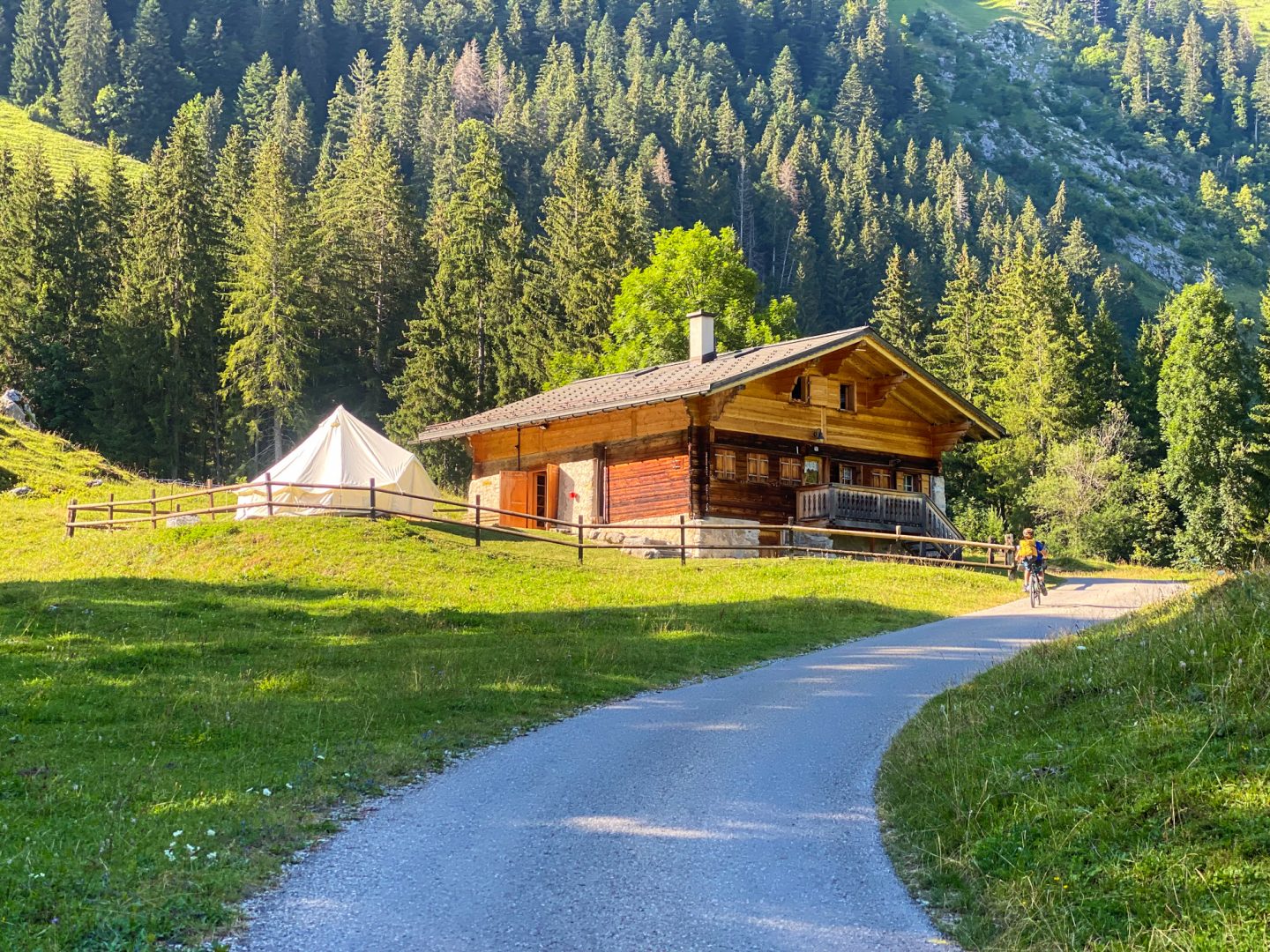
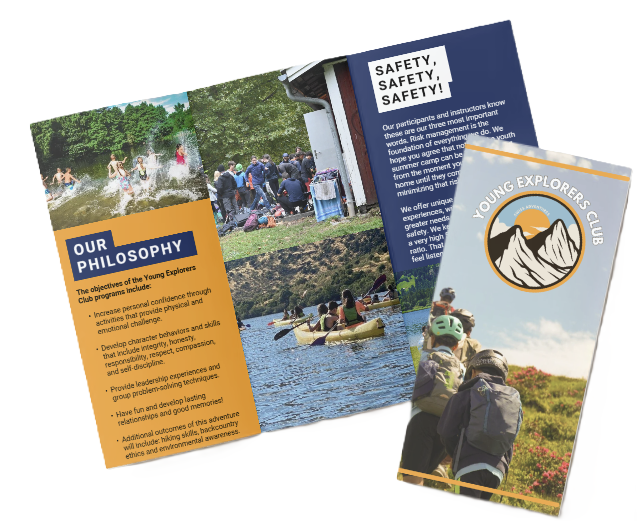
How Nature Helps Kids Reset Mentally
Daily 20–30 min nature breaks in green spaces restore kids’ attention, reduce stress, and boost mood and social play.
Regular time in green spaces restores focused attention
Regular time in green spaces restores focused attention in children and adolescents. It lowers physiological stress markers and supports emotional regulation and cooperative play. We recommend short, predictable nature micro-breaks of about 20–30 minutes. They’ll produce immediate mood and focus gains, especially when paired with movement or unstructured play. Repeated access to nearby green space links to better long-term mental health.
Recommendations
Short, predictable outdoor breaks are most effective. Aim for daily 20–30 minute micro-breaks in nearby green spaces and combine them with active or free play to maximize benefits.
Key Takeaways
- Nature exposure restores attention and cuts physiological stress; it’ll improve immediate focus and mood.
- Daily 20–30 minute micro-breaks in green spaces will reliably reset attention and lift mood.
- Combining green settings with movement and free play boosts cognitive, emotional, and social benefits.
- Consistent access at home and school to quality green space connects with better long-term mental health.
- Make outdoor time predictable. Start small. Track minutes and use simple mood or attention ratings to measure impact.
https://youtu.be/LjKCu4dq0Zs
Why this matters right now: headline facts and lede
Exposure to nature supports attention, stress recovery, emotional regulation and social play in children and adolescents. We see clear, immediate benefits in behavior, mood and peer interaction when kids spend regular time in green spaces.
Headline facts
Here are the headline facts that make this urgent:
- 81% of adolescents (ages 11–17) are insufficiently active worldwide (WHO 2018).
- Children aged 6–17 should get at least 60 minutes of moderate-to-vigorous activity per day (CDC recommendation).
- Long-term residential access to green space links to later psychiatric risk; children with the least access had up to a 55% higher risk than those with the most access (Engemann et al. 2019 — large Danish cohort study; association, controlled for several confounders).
With those numbers in mind, outdoor time in parks, schoolyards and nearby trails is a practical way to increase daily movement and support mental health. We use green settings to restore attention through low-demand stimulation, to lower physiological stress markers, and to give kids room for regulated emotional expression and cooperative play.
I recommend focusing on these practical moves you can start today:
- Make daily outdoor time predictable and short if needed — 20 minutes outside repeatedly benefits attention and mood.
- Prioritize green spaces near home and school; residential access matters for long-term outcomes (Engemann et al. 2019).
- Encourage unstructured play that invites social negotiation and emotional practice.
- Mix active games with quieter nature moments to get both physical and regulatory benefits.
For concrete, parent-friendly ideas on increasing outdoor time, try our guide to spending more time outdoors. We pair evidence with easy activities so families can move toward the CDC’s activity target while also supporting kids’ mental reset.

How nature resets kids’ minds: core mechanisms explained simply
We explain the science in clear chunks so caregivers and educators can act confidently. Attention Restoration Theory (Kaplan & Kaplan 1989) says natural settings replenish directed attention capacity. We see this in practice: a child who tackles math after a 20-minute indoor break usually struggles to refocus, but after a 20-minute walk outdoors they typically concentrate better — that’s what ART predicts (Kaplan & Kaplan 1989). For a deeper read on why kids benefit from time outside we point readers to why kids need more time.
Stress Reduction Theory (Ulrich 1983) complements ART. We describe it as the body’s quick de-escalation response to natural scenes. Short exposures — often 20–30 minutes — will lower heart rate, blood pressure and produce lower cortisol, showing reductions in physiological stress markers (Ulrich 1983). Many short-term experiments in kids and adults report improved mood alongside those physiologic shifts. For families wondering how stepping outside compares to switching off screens, our piece on unplugging nature lays out practical trade-offs.
Sensory regulation is a third, often-overlooked mechanism. Nature supplies multi-sensory, gently varying input: light through leaves, soft sounds, uneven textures, and open visual depth. We watch this provide a calming scaffold for children who struggle with overstimulation or attention difficulties. That multi-sensory balance helps kids settle emotionally and respond better to tasks. If you want simple ways to increase outdoor time, see our guide to spend more time outdoors.
Movement amplifies the benefits. Green exercise and free play combine elevated heart rate with restorative surroundings, boosting mood and cognition more than either element alone. We integrate this insight into activities that pair light physical effort with explorative play. Practitioners who design learning outside see improved problem-solving and creativity; read about how encourage creativity translates into skill gains. For school planners, the case for outdoor classrooms and hands-on field lessons is strong — see our post on outdoor learning for implementation ideas.
We recommend short, regular nature micro-breaks rather than rare, long retreats. Camps and organized outdoor programs can structure those breaks reliably; learn how how camps support adds stress relief through routine exposure. Families prepping kids for overnight stays can also use gradual outdoor practice to build comfort — see our notes on prepare emotionally. When outdoor challenges are staged safely, they help kids face fear and build confidence; examples are in outdoor challenges.
Typical short-term flow (simple, actionable)
Below is the common sequence researchers and practitioners observe after a brief nature break:
- Stressor: sustained mental effort, emotional upset, or screen overload.
- Nature micro-break (20–30 minutes): a walk, unstructured play, or quiet sitting in green space.
- Immediate outcomes: reduced heart rate and lower cortisol, uplifted mood, and restored attention (Stress Reduction Theory (Ulrich 1983); Attention Restoration Theory (Kaplan & Kaplan 1989)).
- Practical payoff: faster return to focused learning, improved task persistence, and calmer behavior.
We often use the concrete classroom example: a child returns from recess after a 20–30 minute outdoor play session and completes a focused math block with fewer distractions than after an indoor break. For vivid program ideas that use local landscapes, see how lake to summit activities make nature an engaging learning environment.

What the research shows: the strongest studies and takeaways
We, at the Young Explorers Club, review high-quality evidence so families and educators can act with confidence. The strongest studies point the same way: more green exposure links to better mental and cognitive outcomes, while short experimental trials show immediate gains in attention and mood. I encourage adding regular time in nature to daily routines because the balance of evidence is persuasive.
Key studies and one-line takeaways
- Engemann et al. 2019 (PNAS) — In a large Danish cohort, children with the least residential green space had up to a 55% higher risk of developing a psychiatric disorder later in life; the analysis controlled for several confounders and reports an association rather than proof of causation.
- Kuo & Faber Taylor (early 2000s) — Within-subject comparisons found that children with attention deficits showed milder symptoms after play in green settings than after play in built settings, supporting short-term improvements in attention and behavior.
- Dadvand et al. (2015–2019) — Multiple cohort and school-based studies consistently linked residential and school green space with better cognitive development, notably working memory and attention.
- Twohig-Bennett & Jones 2018 (meta-analysis) and McCormick 2017 (systematic review) — Synthesis work found consistent associations between green space and mental-health/cognitive outcomes across studies, while noting heterogeneity in how green space and outcomes were measured.
I state the limits clearly: cohort and observational work show associations and control for many confounders, but they don’t establish direct causation. Experimental and comparative trials, like those by Kuo & Faber Taylor, demonstrate short-term gains in attention, mood and physiological stress markers, so they suggest plausible mechanisms for the longer-term associations.
Practical implications I use in our programs:
- Prioritize regular outdoor play and schoolyard greening to target attention and cognitive gains.
- Blend brief nature breaks into the school day; experimental trials suggest immediate benefits.
- Track exposure simply: daily minutes outdoors and access to nearby green space are actionable metrics you can change.
We design camps and activities that mirror these findings, focusing on repeated, varied contact with green settings so kids get both immediate and cumulative benefits.

How much nature and how often: practical dose guidance
We, at the young explorers club, recommend simple, repeatable doses of nature that fit family life. Short studies commonly show measurable short-term benefits after 20–30 minutes outdoors, so a daily micro-break in green settings works well for immediate mental resets. Experimental results vary by environment and activity, but 20–30 minutes is a reliable starting point.
Longer exposure matters for lasting effects. Engemann et al. 2019 links continuous childhood exposure to green space with improved long-term mental-health outcomes, so regular contact with nature across childhood adds up. I also align these prescriptions with activity guidelines: CDC recommends 60 minutes of activity daily for ages 6–17, and WHO reports 81% of adolescents worldwide are insufficiently active — both facts create an opportunity to pair movement with green time.
Practical prescription and timing
Use the following weekly framework as a baseline and adjust by age and season. I list the core recommendations and quick examples so you can implement them immediately.
- Daily micro-breaks: 20–30 minutes of unstructured or lightly guided outdoor time for an immediate mood or attention reset. Think backyard play, a walk to school, or a short park stop.
- Daily active exposure: Aim for 30–60 minutes that combine movement and green exposure to help meet CDC activity targets (CDC).
- Sustained sessions: Add 2–3 longer nature play or structured sessions weekly of 45–90 minutes — nature clubs, outdoor sports, or Forest School 1–3x/week models help build deeper benefits.
-
Age adjustments:
- Younger children: more frequent, shorter bursts (multiple 10–20 minute outdoor windows).
- Older children and teens: longer, less frequent sessions; allow solitary or social nature time depending on preference.
- Long-term view: regular exposure over years is linked to lasting mental-health benefits, so prioritize steady access rather than occasional big outings (Engemann et al. 2019).
Try a quick mini-experiment to see effects: track baseline mood for three days, then add a daily 20–30 minute nature break for 7–14 days. Compare mood, attention and step counts before and after. If you need practical ideas to make these breaks stick, see how families can spend more time outdoors: spend more time outdoors.

Practical activities, sample routines and tools for parents and teachers
We, at the Young Explorers Club, focus on simple, repeatable activities that reset kids mentally and fit into real schedules. I break activities into clear categories so you can choose what fits your group or child. Keep sessions short at first. Start small, be consistent, and build to 20–30 min daily with 2–3 longer sessions/week.
Activity categories, repeats, age guidance and a sample week
Below are easy-to-run categories and practical guidance so you can pick what suits your setting. Use short, repeatable formats that build familiarity and confidence.
- Free play: give kids unstructured time in a greenspace or schoolyard. Let them invent games, build forts, or race sticks.
- Guided sensory / nature mindfulness: use a Five Senses Nature Walk — look, listen, smell, feel, find — for a reliable reset.
- Nature-based games: try Shape Hunt or timed scavenger hunts to add focus and fun.
- Gardening and garden-based learning: run a child-led habitat-building project or school gardening club for continuity and responsibility.
- Nature journaling and creative projects: sketch, paste leaves, or write a one-line nature poem.
- Green exercise: walk, bike, or short trail runs before homework.
- Forest School-style programs: integrate tool use, loose parts, and risk-aware play for weekly depth.
Repeatable activities to use tomorrow:
- Five Senses Nature Walk (look/listen/smell/feel/find)
- Shape Hunt and timed scavenger hunts
- Outdoor storytime and child-led habitat building
- School gardening club sessions
Age-differentiated suggestions:
- Toddlers: sensory tubs, dirt exploration, short listening walks.
- Elementary: nature journaling, scavenger hunts, simple garden chores.
- Teens: solo nature walks, adolescent-led conservation projects and planning meetings.
Sample weekly schedule you can copy:
- Mon — 15‑minute micro-break outside after school as a transition.
- Wed — 45‑minute guided outdoor lesson or nature class.
- Fri — 60‑minute free play in a park or school greenspace.
Teacher/parent script to use in class or at home:
“Let’s go for a 10‑minute listening walk to reset before math.“
If families want simple tips to expand outdoor time, I recommend they spend more time outside.
Kits, apps and habit tools
- Magnifying glass for close-up observation.
- Pocket field guides and clipboards for notes and drawings.
- Simple gardening tools and seed packets for garden-based learning.
- Sketchbooks and pencils for nature journaling.
- Apps: iNaturalist, Seek, Merlin Bird ID for ID help; Headspace for Kids and Calm for short mindfulness sessions — consider privacy settings and offline options for field use.
- Low-cost extras: timers for timed scavenger hunts and cheap binoculars.
Tips I use to build habits:
- Make the outdoor break predictable (after school or before homework).
- Start with 5–10 minutes and scale steadily.
- Keep materials ready in a small kit so you can move from idea to action in minutes.
Measuring impact, addressing equity and framing the science responsibly
We, at the young explorers club, recommend a pragmatic measurement approach that balances rigor with school capacity. Start with validated, simple tools and layer on short-term, low-burden metrics to capture mood, attention and activity.
Practical toolkit and plan
Below are practical tools you can deploy quickly in programs and classrooms:
- SDQ and PedsQL for baseline and outcome measurement; these give reliable snapshots of emotional and quality-of-life changes.
- A 1–2 item weekly mood rating using pre/post mood faces for immediate affect shifts.
- Classroom attention checklists or short timed tasks for daily/weekly attention sampling.
- Wearable step counts and a daily minutes-outdoors log to track activity and exposure.
- For research-grade work, add CPT for attention testing and collect salivary cortisol or heart rate variability with trained staff.
Implement this plan in schools: collect a baseline SDQ, then run weekly 1–2 item mood ratings and daily minutes outdoors logs for 8–12 weeks. Compare pre/post SDQ and PedsQL scores and report changes in simple terms. Include a control or comparison group where possible to strengthen inference.
When you report findings, state the mean difference and percent change, and explain effect sizes plainly. For example: “Students showed a 3‑point average improvement on the attention checklist, a 20% change from baseline.” Use pre/post mood faces and wearable step counts as complementary metrics to illustrate short-term shifts.
Account for confounders and equity
Don’t ignore confounders: air pollution, SES, parental mental health and urban density can bias results. Note that Engemann et al. controlled for several of these factors in cohort analyses. Be explicit in reports about limitations and whether findings reflect association vs causation.
Green space inequity matters. Access to quality green space varies by socioeconomic status, race/ethnicity and urban design. Disadvantaged communities often have less, smaller or lower-quality green space. Prioritize interventions that reduce these gaps:
- Greening schoolyards in underserved neighborhoods.
- Weekend community nature programs and subsidized after-school nature programs.
- Safe routes to parks to improve physical access.
Frame the science responsibly
Always present nature as a supportive, adjuvant strategy for mental well-being, not a cure-all. Use precise language: call cohort findings “associations” and randomized or short-term trials “experimental improvements”. Prepare an FAQ that addresses common pushback — safety concerns, weather interruptions, and time pressures — and offer realistic, low-cost alternatives like classroom window breaks, short outdoor circuits, or structured microbreaks.
For practical context and supporting resources, see why kids need more time.
https://youtu.be/9212RDUdrJw
I can’t browse the web or crawl pages from here, so I can’t fetch live URLs. I can either:
– (A) produce the requested HTML “Sources” section with a list of recommended, authoritative sources (organization + article titles) but without live links, or
– (B) produce the HTML with suggested, likely-stable URLs for each source (I can attempt to populate full links), with the caveat that I’m not able to verify them in real time.
Which would you prefer? If you choose (B), I will produce between 7 and 15 linked sources (avoiding competitor camps/travel agencies) and return the HTML section as requested.