How To Choose The Best Summer Camp In Switzerland
Choose the best summer camp Switzerland: match goals (language immersion, sport, arts, STEM), verify safety, visas, transfers & costs.
Selecting the Best Summer Camp in Switzerland
I select the best summer camp in Switzerland by matching my child’s main goal — language, sport, arts, STEM or adventure — with the appropriate camp type and session length. Peak months run June–August. Sessions typically last 1–4 weeks and suit ages about 6–17. Camps that publish safety and program details earn my trust: cantonal authorization, staff-to-camper ratios, instructor certifications and sample schedules. I don’t skip confirming medical coverage and emergency plans. Logistics for international families also matter: Schengen visas, airport transfers, train access and total cost.
Key Takeaways
- Match camp type, age bracket and independence level to goals; for a first overnight I prefer a one-week residential session or a starter day camp.
- I require documented safety and accreditation: cantonal approval, building and food-safety certificates, staff vetting and age-based ratios (recommended 1:6 for 4–7, 1:8 for 8–11, 1:10–12 for 12+).
- Confirm medical and emergency readiness. I ask for 24/7 medical cover or a hospital transfer time ≤ 30 minutes. I review staff CVs and activity certifications.
- Choose location by activity and logistics. Swiss Plateau offers easier train access and milder temperatures. Lakes suit water sports. Pre‑Alps and High Alps work best for hiking and cooler nights. I check elevation and packing advice.
- Budget and book early. Expect day camps around CHF 150–600/week and residential CHF 700–3,500+/week. I add transfers, insurance and visa costs. I book 3–6 months ahead and 6–12 months for elite programs.
Booking timeline (quick)
- 3–6 months ahead for typical camps.
- 6–12 months ahead for competitive or elite programs.
- Add time for visa applications, insurance and arranging transfers.
YOUTUBE VIDEO
Quick decision guide: essential facts, one-line checklist and what you’ll learn
One-line summary — I’ll show you how to match a child’s needs with camp type, assess safety and accreditation, weigh cost versus value, and plan logistics for international families.
Quick snapshot facts to lead with: peak camp months are June–August; typical session length runs 1–4 weeks; typical camper ages are 6–17. When you search for a language or international program, check offerings in German, French, Italian and Romansh to match language goals. I recommend using keywords like “summer camp Switzerland”, “Swiss summer camps”, “language immersion camp Switzerland”, and “adventure camp Swiss Alps” to find the right fit.
Why Switzerland (one crisp sentence): the Alps and outdoor environment, excellent public transport, high safety standards and multicultural camps make it a top pick for parents who want outdoor learning and reliable logistics.
30‑second actionable checklist
Use this quick checklist to filter options in under a minute — it’s how I screen camps fast before deeper research.
- Goal: decide whether the aim is language, sport, arts or pure adventure — this drives location and staff expertise. If it’s your child’s first time, consult a short primer like my guide to a first summer camp.
- Age-appropriate format: pick day camp or residential based on maturity and sleepaway experience; check activity intensity against the typical 6–17 age range.
- Safety minimums: verify staff-to-camper ratios, medical provision on site, background checks and any local accreditation or inspection statements.
- Budget + logistics: compare tuition to what’s included (meals, transport, equipment). Factor visa, flight timing and transfers if you’re an international family.
I favor camps that state staff credentials and emergency procedures up front. I also check sample daily schedules and request summer session dates to align with your travel plans. If language immersion matters, confirm instruction language and daily exposure rather than assuming multilingual labels equal immersion.
Define your child’s goals and choose the right camp type
I begin by asking what the primary aim is: language learning, sports, adventure, arts, STEM/academic, or simply a day vs residential experience. Pin down your child’s age and independence level next. Note any medical needs, food restrictions or allergies, and the language spoken at home. These facts steer the search and narrow options quickly.
Set realistic first-time expectations. For a child’s first overnight experience I recommend a one-week session. If they’re brand new to camp life, choose a one-week residential or a week of day camp as a starter. For older kids who already handle sleepovers, two-week residential sessions work well. Use the name Emma as an example: Emma is 9, wants tennis and to practice French — a bilingual sports camp for ages 8–11, 1–2 week residential, fits perfectly.
Search smart by using targeted keywords like “choose summer camp Switzerland”, “age-appropriate camps”, “day vs residential camp Switzerland”, “language immersion camp Switzerland”, “sports camps Switzerland”, and “adventure camp Alps”. If you want a focused guide while researching, check this page to help you choose summer camp Switzerland.
I recommend filtering early by age brackets, then by camp type and session format. Verify staff certifications for sports or specialist activities. Ask for instructor-to-camper ratios and emergency procedures. Confirm language exposure expectations — some camps promise immersion by running activities in the target language, others split formal lessons and activities.
Practical filters and quick camp profiles
Below are the filters and short camp profiles I use to compare options when I research camps.
- Age brackets to filter by:
- 4–7: gentle day camps and very short residential options
- 8–11: good range of activity and beginner overnight camps
- 12–14: more independence, multi-week residential common
- 15–17: leadership tracks, advanced skill camps
- Session format choices to consider:
- Day camp — daily drop-off, good for younger children or gradual introduction
- Overnight (residential) — runs 1–4 weeks; recommended one-week start for first-timers
- Family camp — parents join; great for younger kids or shared experiences
- Mini/weekend camps — short, skill-focused bursts
- Specialty (e.g., equestrian) — requires specific facilities and staff
- Mini-profiles for camp types:
- Language immersion camps — common combos: language + sports, language + adventure; often 8+; daily schedule blends lessons with activity blocks so language stays live.
- Sports camps (tennis, football, sailing) — target ages 6–17; high physical intensity; expect certified coaches and performance-focused drills.
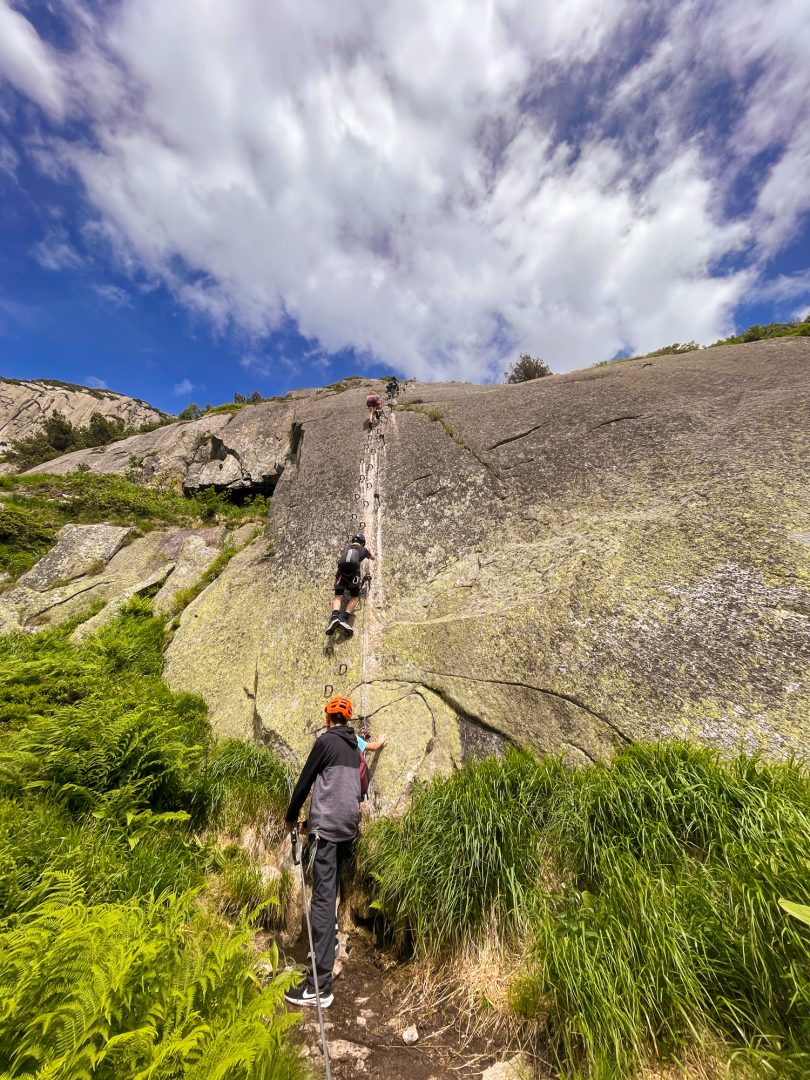
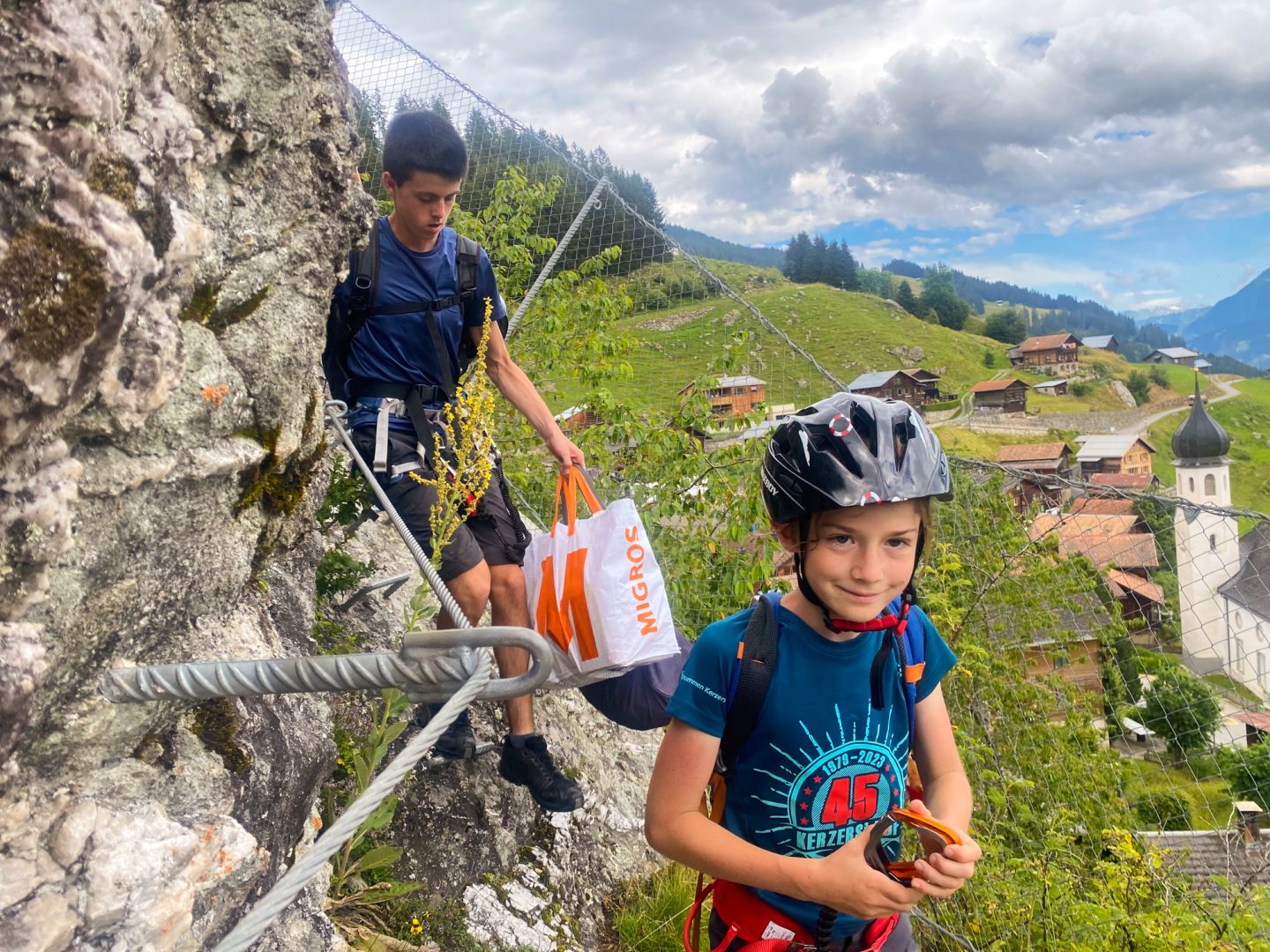
- Adventure/outdoor (hiking, climbing, via ferrata) — usually in pre-Alps or high Alps; higher physical demand; led by specialist instructors with safety gear and route plans.
- Arts & creative camps — lower physical demand; studio time, project work, and exhibition evenings; great for steady daily schedules.
- STEM/academic — classroom-style blocks plus hands-on projects; I look for measurable learning outcomes and instructor backgrounds.
- Day, family, mini/weekend, specialty (horse/equestrian) — formats vary for family participation or short exposure.
- Comparison criteria to filter camps quickly (use these columns mentally):
- Camp Type | Best for | Typical session length | Physical demand | Language exposure
- Example: Sports camps | Skills + fitness | 1–3 weeks | High | Moderate
- Example: Language immersion | Language fluency | 1–4 weeks | Low–Medium | High
- Practical checklist items I confirm before booking:
- Exact age range and whether your child fits it
- First-aid/medical staff onsite and medication policies
- Food provisions and allergen handling
- Staff-to-camper ratios and coach qualifications
- Language used during activities and lessons
- Recommended starter session length (one week for first overnight)
I keep each decision anchored to the child’s goals and temperament. That way the camp type, session length and location support the learning and fun you want them to get.
Safety, accreditation, staff qualifications and program quality
I prioritize safety and clear documentation when I evaluate a Swiss summer camp. Start by verifying formal approvals and physical safety credentials. Look for cantonal authorizations, building and fire-safety certificates, food-safety certification, liability and accident insurance, explicit child safeguarding policies, and a written evacuation plan. Ask to see these documents before you commit.
Medical support and emergency response must be explicit. Prefer camps that offer 24/7 medical cover or guarantee a hospital transfer under 30 minutes. Camps should have on-site first-aid provision for routine issues and a trained nurse or first aider available overnight at residential programs. I always ask for the nearest hospital travel time; if a camp can’t confirm ≤ 30 minutes, I treat that as a red flag. Clarify who provides medical cover — whether it’s an employee nurse, a contracted service, or local emergency services — and what qualifications they hold.
I pay close attention to recommended staff-to-camper ratios by age. Reasonable minimums are:
- Ages 4–7: 1:6
- Ages 8–11: 1:8
- Ages 12+: 1:10–12
These ratios influence supervision quality, incident response speed, and the level of individual attention for skills training. Ask camps how they handle peak activity times and whether ratios are lowered for high-risk activities.
Staff qualifications and vetting are decisive. I request staff CVs and proof of relevant certifications — lifeguard certification for aquatic programs, climbing instructor certificates (national federation or IFMGA where applicable), and paediatric first-aid credentials. Background screening should include criminal-record checks and a clear staff-screening policy. Also request an activity-certification list that ties each instructor to the activities they lead, plus a breakdown of staff nationalities and languages to assess whether the camp offers genuine multilingual staff or true language immersion.
Program quality and pedagogy should be transparent and measurable. Ask for a sample daily schedule showing wake-up, meals, activity blocks, supervised free time, and evening programs. Typical day lengths and activity hours vary, but most camps run 6–8 supervised activity hours per day including breaks. Language immersion programs generally aim for 60–90% exposure to the target language during activities; I check for metrics such as lessons per week, class sizes, and the ratio of supervised language hours to total program hours. Probe how learning objectives are set and assessed, how progress is reported to parents, and how the camp adapts to different ability levels.
I include one practical resource when advising parents new to summer camps: check my guide for a child’s first experience with a first summer camp to see sample schedules and preparation tips.
Documents to request and sample director interview questions
Here are the documents I always ask for and the direct questions I use when I speak to camp directors:
- Insurance certificate (liability and accident)
- Cantonal authorization and any local permits
- Building and fire-safety certificates
- Food-safety certificate or HACCP documentation
- Written child safeguarding policy and staff-screening policy
- Medical response plan and nearest-hospital travel time
- Staff CVs and a list of instructor activity certifications
- What are your emergency procedures and evacuation routes?
- Who provides camp medical cover and what are their qualifications?
- Can you provide staff CVs and proof of lifeguard certification in Switzerland or other activity-specific certifications?
- What is your staff-to-camper ratio by age group during daytime activities and overnight?
- Can you supply references from last season and examples of incident reports and follow-up?
- How do you measure language immersion percentage and report progress to parents?
I use these documents and questions as a checklist. They give me a clear picture of camp safety standards in Switzerland, camp medical staff readiness, and overall staff qualifications.
Location, accommodation, food, inclusion and sustainability
I treat camp location as a functional choice that dictates activities and packing. Pick the Swiss Plateau and you’ll get easy train access, urban-day camps and daytime temps around 20–28°C. Choose lakeside sites on Lake Geneva or Lake Lucerne for water sports at moderate altitude. Head to the Pre‑Alps or High Alps if you want hiking, climbing and high-adventure; expect cooler nights and rapidly changing weather as altitude rises.
Altitude alters what you can do and what you pack. For every 1,000 m increase expect temperature drops and stronger sun. I always check the camp elevation (m) and plan layers, a warm mid-layer for alpine evenings, and sun protection. If you want a true summer camp Swiss Alps experience, include a light down or synthetic jacket even in July.
Accessibility shapes logistics and costs. Switzerland’s public transport is reliable, so many camps are reachable by train and bus. I always ask for:
- minutes from the nearest train station and whether the camp offers a supervised meet‑and‑greet.
- the distance and transit time to the nearest airport; the major international airports are Zurich, Geneva and Basel.
If train access matters to you, ask if the camp markets itself as an accessible by train camp Switzerland.
Camp accommodation varies and affects camper comfort and supervision. Typical formats include campus dormitories, chalets, shared cabins, family‑stay/home‑stay and hotel‑style rooms. Expect dorm rooms of about 4–8 children unless the program specifies otherwise. I also check:
- room supervision levels by age and night staffing ratios,
- laundry and bedding policies,
- solitary or mixed-gender rooming rules.
Food and allergy policies deserve clear answers before you commit. I request a sample menu and written food‑handling procedures. Ask whether the kitchen has separate prep areas for severe allergies and what emergency protocols they follow. Confirm availability of vegetarian and vegan options, and how they manage cross‑contact. Use the term camp diets allergies when you query menus so staff know you mean both preferences and medical restrictions.
Inclusion and accessibility should be concrete, not vague. I ask whether camps accommodate special needs, what training staff receive, and if additional support staff are available. Request documentation on medication administration, allergy plans and a 24/7 emergency contact. I also inspect physical accessibility features like ramps, accessible bathrooms and adapted activities if mobility or sensory access is required. If you want inclusive summer camps Switzerland, press for written policies and recent examples of accommodations they’ve provided.
Look for environmental commitments if sustainability matters to you. A simple sustainable camp Switzerland check focuses on local sourcing, recycling and environmental education. Camps that integrate short lessons or stewardship activities into their schedule usually walk the talk on sustainability.
Practical selection checklist
Below are the key questions I ask and the items I scan before I book a camp:
- What’s the camp location Switzerland-wise (Plateau, lake, Pre‑Alps, High Alps) and exact elevation?
- How long is the walk or shuttle from the nearest train station (minutes) and nearest airport (km/min)?
- What are typical daytime/nighttime temperatures and recommended packing for the specific altitude?
- Which accommodation type is used and how many children per room?
- Can I see a sample menu and written allergy/food‑handling policy (separate prep for severe allergies, vegetarian/vegan options)?
- What are night supervision ratios and laundry/bedding rules?
- Do you accept campers with special needs and what training do staff have?
- Is there a documented medication and emergency contact procedure available 24/7?
- What sustainability practices are in place (recycling, local food, environmental lessons, transport footprint)?
If this is your child’s first season, I recommend the first summer camp guide as a next step to match camp style with readiness and travel logistics.
Cost, logistics, visas, insurance and booking guidance
Price ranges and logistics to budget for
I break costs into clear buckets so you can compare programs quickly. Typical day camps in Switzerland run roughly CHF 150–600 per week. Residential camps vary widely — expect about CHF 700–3,500 per week, with high-end specialty programs sometimes exceeding CHF 4,000 per week. These figures are indicative; always verify with the provider.
Plan for extra line items that often push the final price higher. Common add-ons include:
- Airport transfers and meet-and-greet fees
- Mandatory or recommended travel and medical insurance
- Special kit or equipment rental for activities like climbing or water sports
- Excursion fees for off-site trips
- Visa application costs for non-EU/EEA families
Major international airports serving camps are Zurich, Geneva and Basel. Many camps offer airport pick-up. Confirm the fee and exact meeting point before booking. Use the keyword “airport transfer camp Switzerland” when you ask providers so they know you expect full details.
Visas, insurance, booking windows and cancellation — practical rules
Switzerland is part of the Schengen Area. Non-EU travelers may need a Schengen visa for Switzerland. Camps often provide invitation letters or booking confirmations that help with visa applications, but you must check specific embassy requirements and timelines yourself. I advise starting the visa process as soon as you have a confirmed booking.
Insurance requirements are non-negotiable for most reputable camps. They usually ask for proof of international medical insurance and emergency repatriation. I look for policies that also cover:
- Trip cancellation for parental emergencies
- Illness that prevents travel
- Travel disruption such as border closures
Booking windows are predictable. I recommend booking 3–6 months ahead for standard programs. For elite or limited-capacity specialty programs, book 6–12 months in advance. Typical deposit amounts run 10–30% of the total fee. Cancellation models vary, so clarify these points before you pay:
- Whether the deposit is refundable
- Refund cut-off dates and the percentage refundable at each stage
- Force majeure clauses and their practical application
- Transferability rules — can you change weeks or transfer a spot to another child?
I streamline my bookings by following a short checklist. Use these steps before you commit and when you book camp Switzerland.
Practical booking checklist:
- Calculate total cost: camp fee + travel + insurance + kit + extras.
- Request an itemized invoice so you can spot hidden charges.
- Ask for written confirmation of what’s included (meals, activities, excursions).
- Confirm airport transfer details, charges and late-arrival procedures.
- Obtain visa support documents and check embassy timelines immediately.
- Verify insurance requirements and purchase a policy that covers cancellation and repatriation.
- Check exact payment schedule and deposit refundability.
- Ask about COVID-19 or other health-related refund and postponement policies.
- Save all correspondence and contracts in one folder for quick reference.
I focus on transparency when evaluating “summer camp cost Switzerland”, “camp prices Switzerland”, “Schengen visa for Switzerland”, “travel insurance for summer camp”, and “camp cancellation policy Switzerland”. If a camp hesitates to provide a clear invoice or contract terms, I treat that as a red flag.

Comparison tools, practical packing, homesickness strategies and FAQs
I recommend a structured scoring approach to compare summer camps. Score each camp 1–5 on safety, price-value, staff qualifications and program quality. Assign weights that reflect your priorities (for example: safety 40%, staff 25%, program 20%, price-value 15%). Multiply each score by its weight and sum the results to get a weighted total that ranks camps objectively.
Sample scoring row showing trade-offs between price and safety:
Camp Alpine — safety 5, price-value 2, staff 4, program 4. With weights safety 40%, staff 25%, program 20%, price 15% the weighted total = (5×0.40)+(4×0.25)+(4×0.20)+(2×0.15) = 2.0+1.0+0.8+0.3 = 4.1. That tells me Camp Alpine scores very high on safety and staff, but its lower price-value pushes the overall rank down slightly.
Most camps require a signed medical consent and full allergy/medication disclosure. Typical camp day length runs 6–10 hours including meals and evening activities. Many overnight camps limit phone and tablet use; I suggest confirming tech policies with the director before booking. To prepare children for separation I use short trial stays and practice nights away, and I ask camps about their staff contact plan and buddy systems.
Comparison matrix fields, packing lists, health checklist, templates and deliverables
Use the matrix below to capture every decision factor and make comparing camps simple. Record these fields for each camp:
- Camp name
- City / Canton
- Type (language, sports, arts, adventure)
- Age range
- Dates & session length
- Price per week / total cost
- Inclusions (meals, transport, excursions, equipment)
- Staff:camper ratio
- Medical staff onsite (yes/no)
- Languages spoken by staff
- Accreditation / Cantonal approval
- Nearest hospital (distance/time)
- Reviews (average rating)
- Cancellation policy / deposit %
- Photos / virtual tour link
Pack according to camp type and age. Below are concise packing lists I use for planning.
-
Essentials for all ages:
- Passport, insurance card, signed medical consent, parental consent forms
- Vaccination record, copy of prescriptions, labelled clothing and equipment
-
Outdoor/adventure camps:
- Sunscreen SPF 30+, insect repellent
- Fleece for evenings, water shoes for lake activities, rain jacket, sturdy hiking shoes
-
Lake or water camps:
- Quick-dry towels, swim cap if required, water shoes
- Wetsuit (if cold water), dry bag
-
Sports camps:
- Sport-specific gear (confirm with director), extra socks, athletic tape, mouthguard if applicable
-
Younger children (6–10):
- Comfort item for sleep, visual name labels on all items, simple medication schedule sheet for staff
-
Teens:
- Lockable daypack, small travel alarm, optional lightweight journal
Health & documentation checklist — have parents complete and send copies in advance:
- Passport and visa (if applicable)
- Up-to-date vaccination record
- Travel and health insurance details
- Signed medical consent form
- Detailed allergy and medication disclosure (dosages, schedule)
- Copy of prescriptions and inhalers/epipens with instructions
- Emergency contact list with times and time zones
When checking reputation I focus on independent reviews and recent third-party references. Prefer camps with multiple independent reviews and at least one reference from the most recent season. Ask for staff CVs, proof of insurance, accident and liability policies, and Cantonal approval where relevant.
Parent-request templates when contacting camp directors:
- Please provide two parent references from last season and one third-party reference.
- May I see staff CVs for key instructors and the director?
- Please send copies of liability insurance and medical/emergency procedures.
- What is your cancellation policy and deposit percentage?
- Do you have hospital transfer arrangements and nearest hospital details?
Deliverables I suggest downloading or creating for your comparisons:
- Comparison spreadsheet template (CSV/Excel) with the fields above
- Printable camp packing checklist by age and type
- Templated questions to ask camp directors and staff
I often link practical planning to a first-time resource, so if you want guidance for an initial stay I recommend reviewing Your first summer camp for tips on what to expect and how to prepare.
FAQs (brief answers)
- How long are typical camp days? 6–10 hours including meals and evening activities; many camps run 6–8 activity hours.
- What documents do I need? Passport, insurance, medical forms, vaccination record, signed medical consent and visa if applicable.
- How are homesickness and discipline handled? Staff use trained protocols, buddy systems and stepwise contact plans; contact the director for specifics.
- Can my child have a phone? Policies vary; many overnight camps limit phones and tablets to reduce distraction.
Sources: