Overview
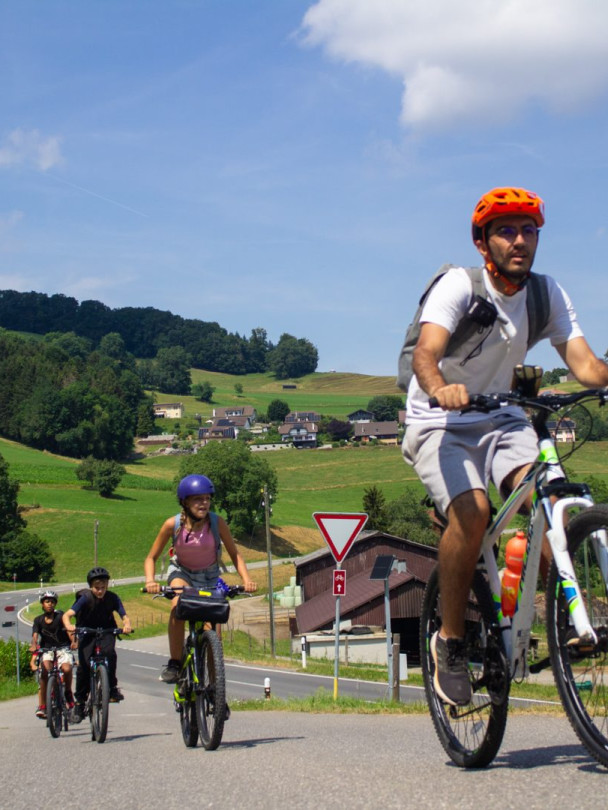
Switzerland combines compact mountain-and-lake geography, four official languages and strict safety standards, creating an efficient, culturally rich setting for high-energy summer camps. These camps blend multi-sport skill-building with outdoor education. At the Young Explorers Club we run age-scaled programs—adventure, biking, climbing, via ferrata, sailing, whitewater and elite academies—using measured activity dosing, certified credentials, clear medical plans and repeatable fitness and skill benchmarks.
Program Offerings
Programs are designed to switch rapidly between mountain and water environments and to give international campers informal language exposure. Core activities include:
- Adventure: multi-activity days mixing land and water challenges
- Mountain biking and trail-running
- Climbing and via ferrata
- Sailing and other paddlesports
- Whitewater sessions and technical water skills
- Performance and elite academies with sport-specific coaching
Age Groups and Daily Structure
Camps are grouped by age to match developmental needs and attention spans:
- 6–8
- 9–12
- 13–15
- 16–18
Typical days include 3–6 hours of structured activity split into sessions of 60–180 minutes. A representative daily schedule:
- Warm-up and skill session (60–90 minutes)
- Main activity block (90–180 minutes)
- Cooldown, education or sustainability module (60 minutes)
Safety and Staffing
Safety is a core pillar: camps require First Aid/CPR and activity-specific certifications, maintain documented emergency plans and use measurable activity dosing. Large operations often provide on-site first aid or nursing.
- Certifications: First Aid/CPR plus activity-specific credentials for climbing, water sports, guiding, etc.
- Emergency plans: written medical and evacuation procedures
- Staffing ratios: generally 1:6–1:10 for general groups and 1:4–1:6 for technical sessions
- Verified credentials: background checks and documented training for staff
Accommodation, Food and Logistics
Camps provide supervised accommodation, three meals plus snacks tailored to activity needs (approximately 1,800–3,000 kcal/day), and management of special diets. Staff coordinate travel logistics and recommend booking windows.
- Meals: balanced, energy-focused menus with allergen management
- Accommodation: supervised dorms or chalets with staff on duty
- Travel coordination: pick-up/drop-off, transfers and paperwork assistance
- Booking lead time: recommended 3–9 months ahead for most families
Outcomes and Reporting
Programs emphasize measurable outcomes and transparent communication with parents. Typical proof points and reporting include:
- Pre/post fitness tests and skill assessments
- Skill sign-offs and activity logs documenting progress
- Sustainability modules such as Leave No Trace principles
- Verifiable progress reports delivered to parents with clear metrics and recommendations
 Watch on YouTube
Why Switzerland for active kids: terrain, language and international appeal
We, at the Young Explorers Club, pick Switzerland for active programs because the setting amplifies skill-building and cultural exposure. The country has a population of about 8.7 million and four official languages, giving children informal language exposure alongside sport.
Terrain and altitude planning
Here are practical altitude planning points we use to keep activities safe and fun:
- Alps cover roughly 60% of the country, with about 1,500 lakes and hundreds of rivers, so kids can switch between mountain and water sports with short travel times.
- Most camp activities run between 400–2,000 m. We avoid pushing groups toward high alpine summits; Dufourspitze (4,634 m) is for specialists, not typical campers.
- Lowland camps (400–800 m) suit younger children and those sensitive to altitude. These sites let us run longer water sessions and easy trail days.
- Alpine basecamps (1,200–2,000 m) unlock ridge hikes, trail-running and alpine skills. We stage arrivals with 1–2 easy activity days and monitor hydration and sleep closely.
Practical on-the-ground rules I use:
- Add gradual vertical gain rather than sudden ascents.
- Keep initial days light to allow acclimatization.
- Schedule extra rest and easy recovery activities.
- Brief staff on altitude signs so adjustments happen fast.
Language mix and international draw
The four official languages create a natural multilingual environment that international families value. Kids pick up phrases through coaches and teammates in real situations, which boosts confidence without formal lessons.
Switzerland Tourism’s mountain and outdoor promotion helps attract families who want multi-sport, language-mixed camps. The country’s compact mountain-lake geography also means short transfers from towns and airports, so time on the bus stays minimal and time on activities stays maximal. For families specifically after nature-first programs, I recommend exploring our outdoor camps as a practical next step.

High-energy program types, age groups and sample daily/weekly schedules
Program types and activity dosing
We run a wide range of high-energy programs to match different interests and fitness levels. Below are the core offerings I schedule most often:
- adventure camp — multi-activity days with hiking, climbing taster sessions and team challenges.
- Mountain biking camp — progressive trail rides and technical skills.
- Climbing camp — indoor technique sessions plus outdoor roped routes.
- Via ferrata programs — guided, protected climbs for older groups.
- Sailing camp — lake handling, boat trim and basic navigation.
- Kayaking/rafting — graded river sections with guide supervision.
- Trail-running & orienteering camps — map skills and endurance intervals.
- Day camps in cities — sports clinics and short excursions.
- Elite/sports-performance academies — focused strength, skills and recovery work.
We dose activity to keep intensity sustainable: campers get about 3–6 hours of structured activity per day. I split activity blocks into 60–180 minute segments; a typical day uses a 60–90 minute skill session, a 90–180 minute main activity, plus shorter technical or recovery sessions. I plan load by age and by prior experience to avoid overdosing young bodies.
Age scaling, concrete metrics and sample schedules
We group campers into four brackets: 6–8, 9–12, 13–15 and 16–18. We scale skills and intensity up through those brackets so younger kids focus on fundamentals and games, while older teens get endurance, technical exposure and leadership tasks.
Examples by activity:
- Mountain biking: trail rides of roughly 10–30 km per day with elevation gains from about 200 to 1,000 m depending on age and level.
- Climbing: 60–90 minute indoor technique sessions for all ages, then outdoor multi-pitch introductions for the 13–18 groups.
- Via ferrata: requires helmet and harness and we typically use guided ratios around 1:6–1:8.
- Whitewater / kayaking / rafting: we select graded river sections and only staff runs with appropriate guide certifications plus swiftwater rescue skills.
- Alpine lake conditions: surface temperatures are usually 18–24°C in summer, so we recommend wetsuits or dry-tops where needed.
Sample daily schedule for 10–13 year olds:
- Breakfast
- Warm-up + 60–90 minute skill session
- Snack
- Major activity (hike or bike 90–180 minutes)
- Lunch + rest
- Afternoon technical session (climbing or sailing 60–90 minutes)
- Free swim or low-intensity play
- Dinner + evening program
- Lights out
Weekly progression follows a clear safety→skills→challenge arc:
- Day 1: safety & basics
- Day 2: skills practice
- Day 3: adventure excursion
- Day 4: rest / light
- Day 5: challenge event
- Day 6: full-day outing (via ferrata or long lake trip)
- Day 7: departure / parent showcase
We adjust pacing daily based on weather, fatigue and group dynamics to keep development steady and fun.
Safety, staffing, certifications and medical requirements
We, at the young explorers club, insist on clear, enforceable safety standards for every high-energy program. Staff training, medical coverage, and written emergency plans form the core of our approach. I expect every leader to hold current First Aid and CPR certification. Activity leads must carry the relevant instructor credentials—mountain guide accreditation or equivalent for alpine routes, sailing instructor certification for lake programs, and raft guide plus swiftwater rescue training for whitewater trips.
Staffing and ratios
Below are the ratios I use to staff programs and keep groups manageable:
- General high-energy/outdoor activities: counselor-to-camper 1:6–1:10.
- Technical alpine activities (climbing, via ferrata, whitewater): technical ratio 1:4–1:6.
- Larger camps (>100 campers): dedicate at least one on-site nurse and have a doctor or nurse on-call.
I require written role descriptions and shift rosters so every supervision gap is visible. I also run regular scenario drills for evacuation and casualty management.
Medical coverage and emergency planning
I place a trained first aider on-site for every session. For camps exceeding roughly 100 residents, I staff a nurse and arrange a doctor on-call. Programs must follow Swiss Council for Accident Prevention (bfu) guidelines and keep up-to-date written risk assessments and emergency evacuation plans. Expect mountain-valley times to hospital of about 30–90 minutes and plan for helicopter medevac options where terrain or weather make ground transfer slow.
Health, insurance and common summer risks
I insist that vaccinations are current. International campers must carry travel medical insurance; evacuation and repatriation coverage is strongly recommended. I monitor for common summer issues and take these precautions:
- Heat and dehydration: enforce regular water breaks, provide electrolyte options, and schedule high-exertion activities for cooler parts of the day.
- Sun exposure: require sunscreen SPF 30+ and reapplication reminders.
- Insects and minor injuries: supply insect repellent, teach bite care, and stock a comprehensive first-aid kit.
- Musculoskeletal strains: use progressive warm-ups and limit repetitive loads.
Medication, paperwork and communication
I require a completed health form before arrival with emergency contacts, allergies, current medications, chronic conditions, asthma and EpiPen details. All medication must come with written dosing instructions; we store and administer meds according to written procedures. Parents authorize standing orders for OTC analgesics and antipyretics if needed.
I encourage program directors to review our operational standards for active kids and link them to program descriptions—see our summer camp in Switzerland for practical examples of staffing, certifications and medical planning in action.
Accommodations, food, travel logistics and on-camp nutrition
We, at the young explorers club, place campers in simple, safe spaces chosen for activity level and group size. Options include residential chalets, mountain huts, family-run guesthouses and school or dorm-style stays in nearby towns. Younger children usually sleep in supervised bunk rooms; older teens get single or smaller shared rooms. Bedding and linen policies vary by site and are confirmed at booking, so check what’s included before you pack.
I plan menus to fuel high-energy days. Camps provide three main meals plus scheduled snacks, with emphasis on carbs at breakfast (porridge, cereals, pancakes, fruit) to refill glycogen stores and sustained-energy options mid-day. Dinners combine protein and carbs — think grilled meat, legumes or eggs with rice, pasta or potatoes. We also lean on snacks and hydration throughout the day: fruit, nut bars, sandwiches and salty snacks for electrolyte balance after long sessions. For intense weeks expect approximately 1,800–3,000 kcal/day depending on age and activity level; we adjust portions and snack rounds for younger campers and for peak training days.
We handle special diets and allergies directly. Parents must list dietary requirements on medical forms and alert us before arrival. Kitchen staff adapt menus for vegetarians, gluten-free needs or other common restrictions. Hydration is non-negotiable: water stations are available across camps and we provide electrolyte mixes for multi-hour outings.
Travel logistics are straightforward but deserve a checklist. Primary entry airports are Zurich, Geneva and Basel. Expect sample rail transfer times such as Zurich to Interlaken at about 2–2.5 hours by train and Geneva to Montreux roughly 1–1.5 hours. Private transfers are available on request and may carry extra fees. We coordinate meet-and-greet windows and publish clear arrival instructions well before travel.
Parent transfer checklist
- Confirm meet/greet times and designated pickup points with us in advance.
- Note airport transfer fees and book private transfers early if needed.
- Provide required documents: copy of passport, completed medical form and insurance card.
- Share flight arrival details and any last-minute changes by phone or email.
- Pack a camper-ready bag with extra snacks, a refillable water bottle and any prescribed meds, labeled and handed to staff on arrival.
For more on outdoor activities and camp structure, see our page about summer camp in Switzerland for kids who love the outdoors (summer camp in Switzerland).

Costs, booking windows, equipment rental and packing checklist
Costs and booking windows
We price day camps at roughly CHF 150–400 per week. Residential weeks typically run CHF 800–2,500+, depending on intensity, location and what’s included. Elite programs and sports academies can exceed CHF 3,000 per week. Expect extra line items: equipment rental CHF 30–150/week for major items, airport transfers CHF 50–200 each way, and activity supplements (rafting, guided climbs) CHF 50–200.
Plan ahead. Book 3–9 months in advance for international families and high-season weeks (July–August). Double-check the inclusions before you pay: meals, laundry, transfers and insurance are the common variables. We price competitively, but Swiss camps generally cost more than many EU alternatives. For an overview of what kids will do on site, see our summer camp in Switzerland.
Packing checklist and rentals
Use the checklist below to pack activity-specific gear and day-to-day clothing. Label every item and include a clear do-not-bring list (valuables and unnecessary electronics).
Essential technical gear by activity:
- Hiking boots
- Helmet (bike/climbing)
- Harness and belay device for climbing
- PFD / life jacket for rafting or paddle activities
- Wetsuit for alpine lakes or river rafting when required
Clothing and sample quantities:
- 3–5 moisture-wicking T‑shirts
- 2 shorts
- 2 long-sleeve layers (for sun and cool evenings)
- 1 warm mid-layer
- 1 waterproof shell
- Sun hat and swimwear
Rental notes and reminders:
- Mountain bikes, paddleboards and climbing shoes are usually available to rent.
- Expect rental costs of CHF 30–150/week for major items.
- Reserve rental equipment ahead of your main booking for peak weeks.
We recommend packing a small repair kit (multi-tool, duct tape, spare laces) and clear labeling for group laundry. Avoid sending jewelry, tablets or gaming consoles; they get lost or cause distraction. Keep copies of medical forms and emergency contacts in both your luggage and with your camper.

Outcomes, sustainability, positioning and measurable proof points for parents
We, at the Young Explorers Club, structure every program so kids meet the WHO 60 minutes/day recommendation for children and adolescents (5–17 years). Camps commonly add an extra 3–10 hours of activity per week, giving noticeable gains in fitness and skill over a single session or week. I track those gains with straightforward, repeatable measures parents can trust.
Health and skill outcomes (measurable benchmarks)
Below are the outcomes I measure and the practical benchmarks I use to report progress to families.
- Cardiovascular endurance: baseline timed hikes or shuttle runs compared to end-of-week results.
- Balance and coordination: obstacle-course times and single-leg stance tests before and after a session.
- Technical outdoor skills: navigation and map-reading assessed via a timed route-finding exercise.
- Climbing competence: basic climbing knot and safe belaying proficiency—typically reached after 3–5 focused sessions.
- Teamwork and leadership: peer-rated tasks and facilitator evaluations during group challenges.
- Confidence and independence: parent and camper self-assessments combined with instructor scoring.
I back these with quantitative records: activity logs, simple fitness tests, video clips for technical skills and instructor sign-offs. That stack of evidence makes progress obvious and verifiable.
Positioning, trade-offs, sustainability and proof points for parents
Switzerland gives us compact access to mountains and lakes, strict safety and regulation standards and a multilingual environment that boosts social learning. Those strengths let us run high-energy, varied days with quick transitions between activities. Parents should know the trade-offs: prices tend to be higher than many EU options and high-altitude weather can force last-minute program shifts. I mitigate that with flexible programming and clear contingency plans so kids still get full activity hours.
Sustainability and outdoor education sit in every itinerary. I run Leave No Trace principles daily and include alpine ecology modules—typical delivery is a 30–60 minute session on local species followed by a trail stewardship project where campers log hours and actions. That hands-on work becomes an exact reportable item for parents.
Suggested measurable proof points I publish and recommend other camps publish:
- Total campers per season (verifiable figure).
- Percentage of international campers.
- Repeat-booking rate by family.
- Injury rate and nature of incidents.
- Parent rating average (example target: 4.7/5).
I pair those metrics with operational proof: pre/post fitness scores, skill-check sign-offs, and incident reports summarized for transparency. Parents can also see daily logs and sample videos; for families wanting a fuller view of activities, the program page about our summer camp offers detailed examples: summer camp.