Summer Camp In Switzerland For Asian Families: Cultural Considerations
Swiss summer camps for Asian families: high safety, bilingual support, alpine & lake programs. Visa, insurance and packing guidance.
Summer camps in Switzerland — Guide for Asian families
Summer camps in Switzerland draw many Asian families. They combine high safety standards, multilingual services and well-developed logistics. Camps mix lake activities with alpine outdoor education that reflects seasonal temperatures and altitude. Families expect structured supervision, regular bilingual communication (WeChat/WhatsApp/LINE/KakaoTalk) and advance notice for dietary or religious needs. We guide families through pre‑booking, visa steps, insurance and custom packing and staffing checks.
Key Takeaways
- Switzerland offers strong safety, multilingual staff and well-developed logistics with alpine and lake programs. Pack layers, high UV protection (SPF 30+) and warm sleepwear for chilly alpine nights.
- Asian families value structured supervision, measurable progress and frequent updates. Confirm the communication cadence and request bilingual staff or translated reports.
- Provide dietary and religious needs 2–4 weeks in advance (halal, vegetarian, vegan, lactose‑free, fasting). Get written confirmation for meal plans, any halal certifications and a prayer space.
- Start visa and logistics early. Follow Schengen 90/180 rules. Apply at least 4–6 weeks before travel, and 6–12 months for premium programs. Secure travel medical insurance with CHF 100,000+ coverage for medical costs and evacuation.
- Vet providers with written evidence. Ask for staff CVs and certifications. Check camper‑to‑staff ratios and onsite medical and evacuation plans. Request itemised costs and clear refund and cancellation policies.
Practical pre‑booking checklist
- Select dates and program: confirm age groups, activities (lake vs alpine) and session length.
- Set communication expectations: request frequency, preferred apps (WeChat/WhatsApp/LINE/KakaoTalk) and bilingual contact persons.
- Submit dietary/religious requirements: provide details and documents (halal certificates, meal plans) 2–4 weeks ahead and obtain written confirmation.
- Start visa and travel paperwork: check Schengen rules and embassy timelines; apply 4–6 weeks early for standard programs or 6–12 months for premium placements.
- Buy travel medical insurance: ensure coverage of CHF 100,000+ including evacuation.
- Pack smart: layers for temperature swings, SPF 30+ sunscreen, sunhat, swimwear, warm sleepwear, and copies of medical/allergy info.
- Vet the provider: request staff CVs, background checks, camper‑to‑staff ratios, onsite medical and evacuation plans, itemised invoices and cancellation/refund terms.
Before finalising bookings, request written confirmation of all special arrangements and a named bilingual liaison at the camp. This ensures clear expectations on safety, communication, dietary and religious accommodations.
At a glance: Switzerland’s appeal and demand from Asian families
We run summer programs in June–August to match Switzerland’s temperate season for lakes and alpine activities. We schedule most lake-based sessions when the Swiss Plateau averages about 24–25°C by day and 12–15°C in the evenings (July). We also plan alpine itineraries with the altitude lapse rate in mind: temperatures drop roughly 6.5°C per 1,000 m, so high-elevation sites often see nights in the single digits.
We point to pre‑COVID international arrivals of about 11–12 million to explain why travel services here are so mature (Swiss Federal Statistical Office tourism report). That volume means camps can access multi‑language staff, international food choices and robust logistics capacity. We also keep specific dietary needs front of mind and guide families to our information on dietary options for camps.
We highlight safety and quality of life as a core selling point. Switzerland generally sits in the top 20 on global peace and safety indices, which Asian families cite when choosing summer programs. We see strong latent demand from Asia: outbound travel from China was around 150 million trips in 2019, and many families already invest in international boarding schools or enrichment programs for their children. Those trends support demand for luxury, educational and adventure camps aimed at Asian markets.
We see international mixes of roughly 20–40% at many Swiss international schools and camps. That range is common, but we always tell partners and parents to confirm exact compositions with individual providers before marketing or enrollment.
We make different operational choices depending on site altitude. On the Swiss Plateau (Zurich, Geneva) we run lake and water-sport days where shorts and T‑shirts are comfortable and evenings call for a light fleece. At alpine venues (Verbier, Zermatt) we expect warm sun at midday but cooler air and chilly nights, so we include more insulated clothing, warm sleepwear and tighter weather monitoring. We also enforce sun‑safety protocols at altitude — SPF 30+ and UV protection are standard gear.
Packing and scheduling tips
Below are practical items and timing tips we give families so students arrive prepared.
- Daytime lake activities (Zurich/Geneva): short sleeves, swimwear, water shoes, hat; bring a light fleece for evenings (day ~24–25°C; night ~12–15°C).
- Mountain days (Verbier/Zermatt): base layers, insulating mid‑layer, waterproof shell, thermal sleepwear, warm socks and an insulated jacket (expect ~6.5°C cooler per 1,000 m).
- Sun and altitude: SPF 30+ sunscreen, UV‑blocking sunglasses and lip balm; schedule strenuous hikes mid‑morning or late afternoon to avoid peak UV and sudden weather shifts.
- Logistics and health: pack a small personal first‑aid kit, any prescription meds in original packaging, and copies of medical forms and emergency contacts.
- Clothing strategy: follow a layering system so campers adapt to warm sun and cool air without overpacking.
We recommend families treat the 11–12 million arrivals figure as a reason to expect multilingual service and varied meal options, but we also instruct them to verify the 20–40% international composition with each camp provider. We, at the Young Explorers Club, use these facts to design programs that feel familiar to Asian families while delivering Swiss safety and outdoor education standards.
Practical logistics and pre-booking checklist (visas, travel, insurance, timelines)
We, at the Young Explorers Club, handle logistics daily and advise families step-by-step. Visa and entry rules are non-negotiable: follow the “Schengen 90/180 rule” — maximum 90 days in any 180-day period for short stays (Schengen Type C).
Visa rules and nationality notes
Visa requirements vary by nationality; many Asian nationals (China, India, Indonesia, Vietnam, Philippines) usually need a Schengen visa, while citizens of Japan, South Korea, Singapore and Brunei are generally visa-exempt for short stays. For country-specific family priorities read our note for Chinese families and why Hong Kong families often prefer active programs.
Timing and lead-times
Apply early. We recommend starting paperwork 4–6 weeks before travel as a minimum; some applicants can open files up to 6 months ahead. Typical lead-times: apply 4–6 weeks before travel; consulate processing can take 2–3 weeks (confirm local timelines). For premium or elite programs start planning 6–12 months ahead; for local or regional camps 3–4 months is usually enough.
Common required documents
Gather these in advance:
- Letter of acceptance from camp
- Notarized parental consent / guardianship letter (sample below)
- Travel medical insurance (see coverage guidance)
- Proof of accommodation and round-trip itinerary
- Proof of funds
Transport hubs and connections
Transport hubs and onward connections matter. Major airports are ZRH (Zurich), GVA (Geneva) and BSL/MLH (Basel-Mulhouse). Swiss Federal Rail (SBB) runs punctual intercity and regional services that make final transfers to alpine towns straightforward. Confirm whether the camp offers arrival transfers and whether they meet your child at the platform or gate.
Insurance guidance
Insurance guidance — minimum standards I recommend:
- Travel medical and repatriation coverage required.
- Policy with at least CHF 100,000 medical coverage plus evacuation/repatriation coverage; confirm exact numbers with the camp or provider.
Practical notes for parents
Practical notes I always pass on to parents:
- Ask camps for arrival transfers and unaccompanied-minor procedures.
- Check transit-visa rules if you connect through other EU countries.
- Request itemized cost sheets, medical and dietary forms; see how we handle common requests about dietary requirements and cultural missteps via cultural guidance.
Sample notarized parental consent (short)
Sample notarized parental consent:
“I/We, [Parent(s) full name(s)], give permission for our child [Child name], born [DOB], passport number [#], to attend [Camp name] in Switzerland from [dates]. We authorize [Camp name]/designated guardian to make emergency medical decisions and provide routine supervision. Parent contact: [phone/email].”
Pre-booking checklist for parents
Start with these actions and tick them off as you complete each item:
- Confirm camp acceptance letter and dates
- Apply for visa (if required) at least 4–6 weeks before travel
- Obtain travel medical insurance (CHF 100,000+ medical + evacuation)
- Prepare notarized parental consent and translated copies if needed
- Book flights and arrival transfers; provide flight details to camp
- Check camp guardianship & supervision policies and emergency contacts
- Request camp itemized cost sheet, medical and dietary forms
Contact the Swiss mission or consulate to verify current rules and any transit-visa requirements before final payments.

Costs, budgeting and value comparison
We break down typical fees, predictable extras and how Switzerland stacks up against UK and US programs so families can budget clearly. This section gives concrete ranges, what’s usually included, common add-ons and practical tips for avoiding surprises.
Typical fees and predictable extras
Below I list the common price bands and the extra items you should plan for:
- Day camps: CHF 200–800 per week — from lower-end local programs to premium day offerings.
- Residential / boarding camps: CHF 1,500–8,000 per week — ranges depend on services, activity mix and instructor ratio.
- Elite multi-week academies / boarding-school summer programs: CHF 10,000+ for multi-week packages.
- Predictable additional costs to add to your budget:
- Round‑trip airfare and airport transfers.
- Schengen visa fees (if applicable) and travel insurance.
- Pocket money, optional private tutoring, and equipment rental.
- Extra excursions, special certifications and any specialist medical care.
What fees typically include, value comparison and budgeting tips
We see most Swiss camp fees cover accommodation, most meals, planned activities, some basic insurance and group transfers — but always check the fine print. Private lessons, specialist excursions, personal equipment rental and extended supervision are common extras. Ask the camp to mark those clearly on the agreement.
Switzerland tends to be 20–50% more expensive than comparable UK/US programs because of higher living costs and alpine logistics such as transport to remote venues, mountain safety staffing and specialist equipment. That premium buys staff trained for mountain environments, rigorous safety checks and the operational overhead of alpine sites. Families wanting reassurance about on-site safety often point to Swiss safety standards; we make that a central conversation when planning.
For budgeting I recommend you request an itemised cost sheet before you commit and confirm the camp’s refund and cancellation policy in writing. Reserve a 10–20% contingency for extras and unexpected charges. Clarify the billing currency, deposit schedule and any taxes or service fees that don’t appear in the headline price. If flights or visas are involved, buy refundable or changeable tickets where possible and get travel insurance that covers activity-specific risks.
We also suggest these quick checks before booking:
- Ask which excursions are included and which are optional.
- Confirm whether equipment (boots, helmets, specialist clothing) is provided or rental-only.
- Check staff-to-camper ratios for the age group and activities you’re paying for.
- Compare what’s included in headline prices across several camps to spot hidden extras.
We at the young explorers club can help interpret itemised quotes and compare real value rather than just the sticker price.

Cultural expectations, communication preferences, and dietary/religious accommodation
We, at the young explorers club, prioritize the parental expectations that matter most: clear safety protocols, measurable academic or skills progress, firm rules and consistent adult supervision, respect for authority, and frequent family updates. I set policies and daily rhythms so parents see structure and can trust staff decisions. I also build regular feedback loops so families feel involved without disrupting camp flow.
Communication platforms, cadence, and templates
I recommend supporting at least one commonly used messaging app to match families’ habits. Use these user figures when you plan parent contact: WeChat ≈ 1.3B users; WhatsApp ≈ 2B users; LINE ≈ 166M users; KakaoTalk ≈ 50M users. Practical mapping works well: WeChat for many Chinese families, KakaoTalk for Korean families, LINE for Japanese and Taiwanese families, and WhatsApp as a broadly accepted international option. Offer bilingual staff or translated reports where possible.
My standard messaging cadence I share with families is:
- Daily: a short photo update and one-line highlight.
- Weekly: a written progress report (sent every Friday).
- Mid-program: an optional 20-minute video call, scheduled mutually.
Use these sample templates and forms as a starting point:
- Dietary request form sample language: “Child name: [ ]. Dietary needs: [halal/vegetarian/vegan/lactose-free/nut-free/other]. Allergies: [list]. Severity: [mild/severe/anaphylaxis]. Special instructions: [ ].”
- Communication plan template: “Daily: photo update via [app]. Weekly: written progress report every Friday. Mid-stay: optional 20-minute video call (schedule mutually agreed).”
- Photo caption example: “Morning hike — child participated in the map exercise; staff: [name]; note: sunscreen applied.”
I keep reports concise, focus on positives first, and add one specific area for growth. Families appreciate that structure and the predictable rhythm.
Dietary and religious accommodation, cultural sensitivity, and practical tips
I plan for common dietary and religious needs like halal, vegetarian, vegan, lactose-free, nut-free options, and fasting schedules for observance. Camps should get minimum 2–4 weeks’ advance notice for special meal planning and supplier arrangements. I confirm any halal certification or special supplier needs in writing before arrival. You can read more about how we approach dietary requirements in our operational notes.
Staff training focuses on culturally sensitive feedback and indirect, face-saving communication. I train teams to lead with positive observations, then offer concise, constructive suggestions. Key documents are translated and bilingual staff are present wherever possible so daily handoffs and urgent messages stay clear.
I give these practical tips to families:
- Submit dietary restrictions and medical/allergy details at registration and request a sample weekly menu.
- Pack a few familiar snacks clearly labeled; check camp policy on external food in advance.
- Ask camps to confirm prayer space availability, halal certification, and fasting support in writing.
We, at the young explorers club, keep communication predictable, respect family customs, and make meal and religious accommodations part of standard planning rather than an afterthought.
https://youtu.be/P6xxnGEblvE
Safety, supervision, health care, activities and packing essentials
We, at the Young Explorers Club, expect camps to be explicit about supervision and staff qualifications. Typical camper-to-staff ratios vary by format: day camps usually run about 10–15:1; residential camps commonly are 4–8:1 for younger children and 8–12:1 for teens. Ask camps for staff CVs, copies of first-aid certification, proof of child safeguarding training and evidence of background checks (fedpol). Insist on named medical leads and an onsite nurse or rapid access to local medical facilities.
Safety verification checklist
Use the following points when you vet a camp — request these items in writing and keep copies.
- Camper-to-staff ratios by age group and program.
- Staff CVs, first-aid and lifeguard certifications, and child protection training.
- Background-check policy and confirmation of checks (fedpol).
- Written first-aid and medication administration policies.
- Details on onsite medical facilities or nearest hospital and nurse availability.
- Emergency evacuation plan and insurer contact procedure.
- Signed parental medical consent, allergy management and food-allergy protocols.
Health, emergencies, activities, packing and daily routines
Emergencies: Switzerland uses 112 (general EU emergency), 144 (ambulance), 117 (police) and 118 (fire). We recommend travelers carry comprehensive insurance that includes evacuation and repatriation; a common recommendation is CHF 100,000 medical plus evacuation coverage. If an incident occurs, contact the camp medical lead immediately; for life-threatening situations call the appropriate emergency number; use your insurer’s emergency hotline for evacuation guidance; then inform parents and consular services if needed.
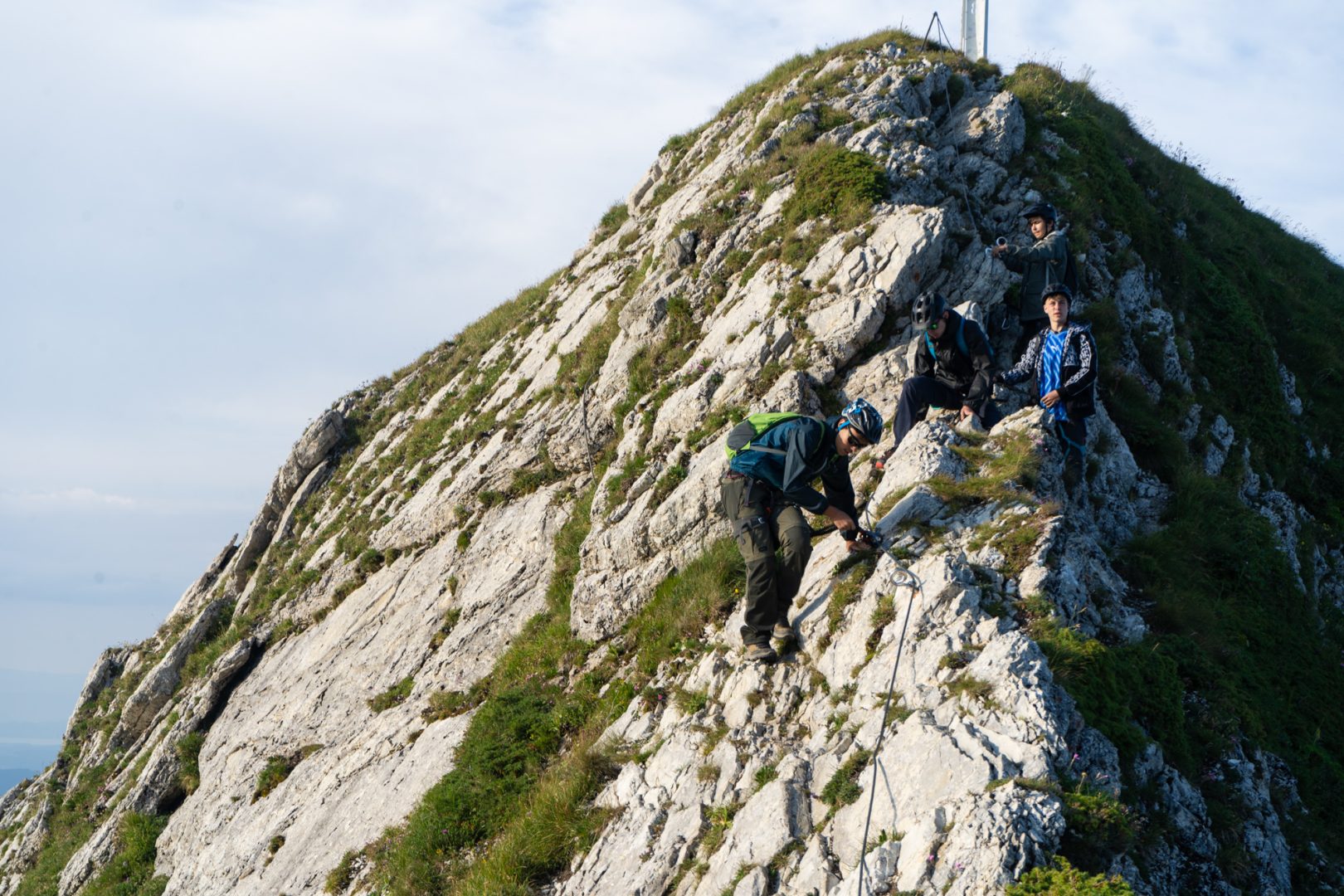
Typical activities blend outdoor adventure and enrichment: hiking, climbing, mountain biking, lake swimming and sailing, tennis, horse riding, ropes courses, leadership challenges, arts and STEAM workshops. We advise parents to confirm the activity syllabus, instructor qualifications and equipment standards before arrival.
Altitude raises UV risk and many mountain sites are sunnier and cooler. Pack and use SPF 30+ sunscreen, sun-protective clothing, wide-brim hats, sunglasses and lip protection. Mosquitoes and ticks appear in some areas; we recommend routine tick checks after hikes and checking TBE guidance if the camp is in a tick zone.
Packing essentials to bring and to remind families about include:
- Layered clothing (base, mid, shell)
- Waterproof jacket
- Sturdy hiking boots
- Sunhat and SPF 30+ sunscreen
- Insect repellent
- Personal medication list with dosages
- Travel adapter (Type C or J plug)
- Photocopies of travel documents
- Swimwear
- Warm sleepwear for alpine nights
- Small comforts for homesickness — familiar snacks, small permitted appliances (confirm camp rules) and translations of medical and dietary notes
For many Asian families, small comforts reduce homesickness — familiar snacks, small permitted appliances (confirm camp rules) and translations of medical and dietary notes help staff respond quickly; see our notes on dietary requirements for handling special requests.
Daily schedule example most camps use: 09:00–12:00 classes or enrichment (2–3 hours); 12:00–13:30 lunch and rest; 13:30–17:30 afternoon outdoor activities (3–4 hours); 18:00 dinner and evening supervision. We suggest parents ask how much outdoor time is genuinely supervised versus free play, and how rest and quiet hours are enforced.
When it comes to medical preparation, we advise families to bring a clear medication list, copies of prescriptions and an English translation of key health details. We also ask camps for their protocol on administering medications, storing epinephrine or insulin, and contacting local emergency services — this saves time if an incident occurs.

Choosing, evaluating and managing expectations before/during/after camp
We evaluate camps against a clear checklist and expect families to do the same. At the Young Explorers Club, we focus on measurable items you can verify before you pay a deposit.
Evaluation checklist for selecting a camp
Below are the items we insist on seeing documented before enrollment:
- Accreditation and formal safety standards, plus any national or international certifications; verify alignment with Swiss safety guidelines and ask about Swiss safety standards.
- Camper-to-staff ratios by age group (day vs overnight).
- Staff qualifications, roles and completed background checks; request lead staff CVs.
- A sample daily schedule and concise activity descriptions so you know how days are structured.
- Food menu and explicit dietary accommodation plans; see details on dietary accommodations for how Swiss camps handle common needs.
- Onsite medical facilities, staff credentialing and a written emergency/evacuation plan.
- A communication plan describing frequency, channels (app/email/phone) and escalation steps.
- Itemized costs, refund and cancellation policies, and any likely extra fees.
We flag vague or evasive responses immediately. If a provider refuses to share reference contacts, or won’t give written policies, that’s a red flag. Providers with no written safeguarding or behaviour policy, or those that avoid providing sample menus or medical/evacuation details, fail our basic trust test.
Pre-camp best practices are simple and non‑negotiable. Attend the provider’s online orientation and confirm any mandatory attendance rules (pre-camp orientation is mandatory for 70–90% of premium camps—confirm with the provider). Arrange a pre-departure meeting with named camp staff. Set clear academic and behaviour goals, and sign a written communication schedule so expectations are locked in.
Recommended communication cadence during camp (default):
- Daily photos
- Weekly written report
- Mid-stay 20-minute video call option
Ask for this as your default unless the camp specifies a different, agreed plan. Confirm who will handle urgent medical updates and how those will reach you.
Post-camp deliverables
Families value concrete post-camp deliverables. Request a final package that includes:
- Final written report with measurable progress metrics.
- Representative photos and certificates of achievement.
- Teacher comments with actionable recommendations for home.
- Specify whether the camp will include pre/post assessment results and hours of instruction per week.
Use a scoring rubric when you compare options so decisions stay objective. We use this weight model when scoring 3–5 camps:
- Safety: 30%
- Cultural accommodation: 30%
- Academics: 20%
- Value: 20%
Copy and adapt these sample messages when you contact camps. They keep requests clear and concise.
Sample expectations email to camp:
“Please confirm language support, daily communication format (app), dietary and religious accommodations, staff ratios and lead staff CVs. We request daily photo updates, a weekly written report and a mid-stay 20-minute video call. Please provide itemized costs and cancellation/refund policy.”
Request for post-camp materials:
“Please confirm delivery of a final written report, hours of instruction per week, pre/post assessment results (if any), photos and any certificates. Are alumni or repeat-family discounts available?”
Practical management tips you can act on right away
- Compare 3–5 shortlisted camps using the scoring rubric and rank them by total score.
- Request references from other international families, ideally from Asia, and follow up with two or three.
- Ask for direct staff contact details for medical and emergency issues and confirm on-arrival guardian/supervision for unaccompanied minors.
- Get written confirmation of any promises about language support, dietary needs and communication cadence before paying any deposit.
- Keep a copy of all correspondence and receipts in a single folder so you can reference commitments quickly if issues arise.

Sources
Note: These links point to authoritative government, international, transport and platform pages relevant to the article topics (tourism statistics, visas, safety indices, health guidance, transport, messaging apps). Please verify the latest figures and page titles on each site before publication.
Swiss Federal Statistical Office — Tourism statistics
State Secretariat for Migration (SEM) — Entry to Switzerland and visas
European Commission — Schengen area
Institute for Economics & Peace — Global Peace Index
World Health Organization (WHO) — Switzerland country profile
Swiss Federal Office of Public Health (FOPH/BAG) — BAG (Federal Office of Public Health)
SBB CFF FFS — Swiss Federal Railways (travel and timetable information)
Zurich Airport — Zurich Airport (ZRH) official site
Geneva Airport — Geneva Airport (GVA) official site
EuroAirport Basel-Mulhouse-Freiburg — EuroAirport official site
Federal Office of Police (fedpol) — fedpol (background checks and policing information)
WeChat — WeChat official site (Tencent)
WhatsApp — WhatsApp official site