

Young Explorers Club — Inclusive Summer Camps in Switzerland
Overview
At the Young Explorers Club, we run inclusive summer camps in Switzerland (June–September) designed for Middle Eastern families. The program combines alpine safety, on-site medical care and flexible 1–4 week sessions located near major transport hubs. Camps provide halal-certified meals, Arabic and English support, prayer-friendly spaces and gender-sensitive programming. We schedule Ramadan-friendly hours and offer modest swim options. Clear intake and accessibility procedures make planning simpler, and we will publish emergency-evacuation and visa guidance to speed preparation.
Halal and Cultural Accommodations
We provide halal-certified menus, dedicated prayer spaces and printed materials in Arabic. Staff fluent in Arabic and English are available on request. Our schedule can be adjusted for Ramadan, and we offer gender-sensitive activity tracks and modest swim options to respect family preferences.
Safety and Medical Standards
Every camp has a dedicated camp nurse and robust first-aid staffing for daily coverage. We publish clear evacuation plans and recommend that families obtain Schengen medical insurance that includes evacuation and repatriation benefits.
Accessibility and Special Support
Intake forms capture medical, communication and mobility needs so we can plan appropriate support. Supported-camper staffing is tailored from 1:1 to 1:6. We provide adaptive equipment and staff trained to support a range of abilities, making inclusion practical and safe.
Logistics and Timing
Sessions run from June–September in 1–4 week blocks. To avoid visa delays, families should book 3–6 months in advance. Primary international transport hubs for arrivals are Zurich, Geneva, Basel and Milan.
Costs and Program Mix
We offer age-based tracks—outdoor adventure, STEM, arts and adaptive options—plus tiered pricing from budget to premium. Expect transparent additional fees for transfers, special diets and equipment, all listed clearly during booking.
Next Steps
We will publish detailed emergency-evacuation procedures and step-by-step visa guidance to help families prepare. For planning, prioritize early booking, obtain appropriate Schengen insurance, and complete intake forms to ensure required supports are in place.
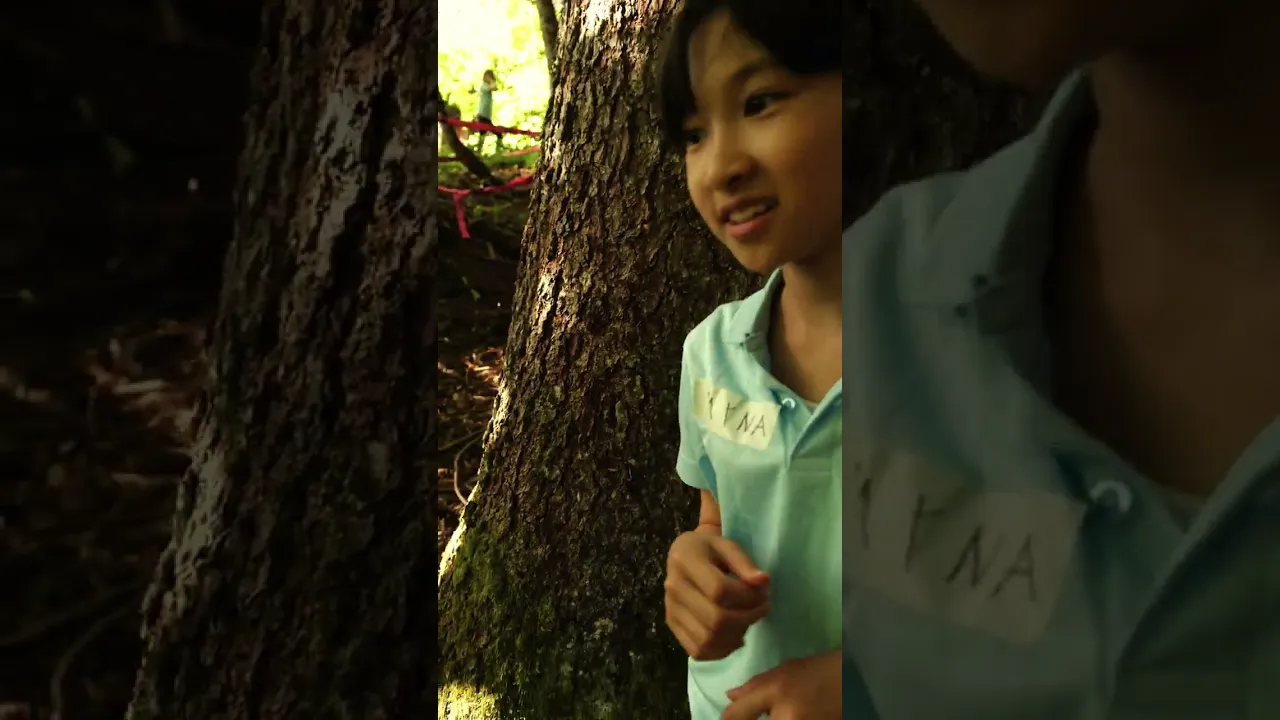 Watch on YouTube
At a Glance
We, at the young explorers club, run inclusive summer camps in Switzerland that prioritise safety, halal food, Arabic/English support and strong medical care in a secure alpine setting. We’re active in June through September with flexible session lengths that match family needs.
Quick facts
Below are the key logistical details you’ll want at hand:
- Season: June–September
- Typical session lengths: 1–4 weeks
- Age groups: 6–8, 9–12, 13–15, 16–18
- Typical price range: see Costs section (typical/indicative—confirm with provider)
- Visa note: Schengen rules—see Travel & Visa section
Why families choose Switzerland
We base our camps near major transport hubs (ZRH, GVA, BSL), with MXP an option for southern locations. We use that connectivity to make arrivals and departures straightforward for families across the Middle East. We provide halal meals and Arabic/English support on request, and we arrange prayer-friendly spaces when needed. For more on our approach, see our inclusive summer camps.
We emphasise safety in mountain activities. We operate in regions with strong mountain safety infrastructure and rapid rescue services. We choose sites that have quick access to high-standard emergency care and local hospitals. We staff with multilingual teams; German, French, Italian and English are common, and we can often offer Arabic-speaking staff on request.
We note that Switzerland has four official languages: German, French, Italian and Romansh. We work within a country of about 8.7 million people and typical camp altitudes sit around 800–2,200 meters. We plan activities with daytime summer alpine temperatures of roughly 15–25°C in mind, and nights that can fall to 5–10°C.
We believe parents from the UK and France often see Swiss camps as lower-risk for alpine programmes because of the mountain safety culture and rescue resources. We find access to emergency healthcare is usually faster in many alpine regions than in comparable areas elsewhere. We also provide a greater availability of multilingual staff, and we can arrange Arabic support on request to ease communication and cultural comfort.
We keep search terms families use in mind, and we optimise our materials for phrases like Switzerland summer camp, halal summer camp Switzerland, inclusive summer programs, Muslim-friendly camps, Arabic-speaking staff, accessible camps, disability-friendly summer camp, and Schengen visa for camps. We advise you to confirm specific dates, prices and medical arrangements with your chosen provider before you book.
Inclusive Program Features: Language, Culture and Religious Accommodation
We, at the Young Explorers Club, make inclusion concrete with clear, actionable commitments on language, faith and cultural comfort. I lay out what we promise, how we intake families, and practical Ramadan adjustments so camps run smoothly for Middle Eastern guests.
Language support and practical steps
I ensure language access from booking to daily life. We state “Arabic-speaking staff available on request” and supply Arabic information packs for parents. We also provide Arabic signage or transliteration for key instructions where requested so routines stay clear for young campers and guardians. I encourage families to request Arabic-speaking counselors when they book; having that option reduces anxiety and speeds integration.
Religious needs and facility features
We guarantee a “prayer room available on site” and hand out daily prayer timetables to any family that needs them. For stays that overlap Ramadan we provide a “Ramadan schedule available for stays including Ramadan” and shift routines to respect fasting and prayer times. We serve halal meals and can adapt menus for other dietary preferences; families can flag these during intake. For more on how we handle food and ritual needs, see our page on dietary requirements.
Gender-sensitive programming and modest options
We offer gender-sensitive activities and changing arrangements on request. Options include:
- Separate male/female activity groups when families prefer single-gender sessions.
- Modest swimwear options and supervised modest swimming times.
- Alternatives to mixed-gender changing rooms, such as private stalls or scheduled same-gender changing blocks.
Operational guidance for staff
I train staff to record and act on preferences collected at intake. Front-line teams receive briefings each morning on prayer timetables, dietary lists and any rooming requests. We use transliterated prompts for Arabic-speaking staff and post key reminders near activity areas so accommodations are consistent.
- Daily briefings for frontline teams.
- Transliterated prompts and visible reminders near activity areas.
- One-page summary per camper with language, dietary and religious notes.
Intake checklist, Ramadan sample program and FAQ
Below I list the intake items we collect, a sample Ramadan-friendly daily pattern, and quick answers to common questions.
Intake template items we request at booking:
- Native language (so we can assign Arabic-speaking counselors if requested)
- Dietary restrictions (including halal meals)
- Prayer needs (times or space requirements)
- Same-gender rooming preference checkbox
- Disability or support needs
Ramadan sample program (operational adjustments):
- Early-morning high-energy sessions (dawn–mid-morning)
- Midday rest/quiet time for fasting campers
- Late-afternoon/evening low-impact activities or skill-based sessions
- Evening group reflection or culturally appropriate programs after iftar
Small FAQ (common requests):
- Q: Is there a private prayer space? A: “Prayer room available on site”; schedule provided.
- Q: Are modest swimwear rules enforced? A: Modest swimming options and alternatives to mixed changing rooms available on request.
- Q: Can I request Arabic-speaking staff? A: “Arabic-speaking staff available on request”.
I keep communication concise and documented so preferences travel from booking through daily operations. Staff get a one-page summary per camper with language, dietary and religious notes. That reduces misunderstandings and makes activity leaders accountable.
I recommend camps add a checkbox for same-gender rooming during booking and a free-text field for special requests. Those two small changes cut follow-up emails and ensure families feel respected from the first contact.
Food, Dietary Restrictions and Halal Options
We, at the young explorers club, set clear standards for halal food and other diets so families can trust what their children eat. All menus are clearly labelled (Halal, Vegetarian, Vegan, Gluten-free, Nut-free) and we offer either a fully halal menu or a vegetarian-only menu on request.
All meals for the halal track will be sourced from certified suppliers and prepared in a designated kitchen area to minimize cross-contamination; menus provided weekly.
We also state plainly: no pork served in halal-designated programs.
Halal certification & kitchen policy
We verify supplier claims by collecting and filing supplier certificates for certified halal ingredients. Records include the certificate image, supplier name, expiry date and contact. Staff review certificates during seasonal menu planning and before accepting new suppliers. We keep a running audit log that inspectors and parents can view on request.
Kitchen practices follow separation rules. A designated preparation area handles the halal track. We use separate utensils, cutting boards and storage shelves for halal items. Where space allows, we run a distinct serving line; otherwise we plate meals individually to avoid cross-contamination. Staff get specific training on handling certified halal ingredients and on the prohibited items list.
We label weekly menus and post them in the dining hall and camp app. Menus list ingredient sources and highlight certified halal items so families can confirm compliance at a glance.
Pantry labels, allergies and operational procedures
Below are the label categories we use for pantry items and plated meals — parents should ask for these labels if they want extra certainty:
- Halal
- Vegetarian
- Vegan
- Gluten-free
- Nut-free
We require parents to declare food allergies on the intake form and to note any EpiPen requirements. Our EpiPen policy explains who may administer an EpiPen, where devices are stored, and the emergency response sequence. We train designated staff to administer an EpiPen and store devices in a known, locked location accessible during meals and activities. Every meal carries allergen labeling and we maintain separate prep zones for high-risk items when needed.
Buffet service raises cross-contamination risk, so we recommend plated service or segregated buffet lines for the halal track. We also advise clearer signage and staff-managed serving to reduce mixing. For transparency, camps should publish a placeholder such as “X% of last season’s campers requested halal/vegetarian” so families understand demand and available capacity.
We prioritize clear communication about vegetarian/vegan choices and food allergies. For families who want more detail on how dietary needs are handled, see our halal options.
https://youtu.be/WNsfsFtJCWo
Accommodation, Gender Rooming and Accessibility
Rooming options and privacy measures
We, at the Young Explorers Club, offer flexible rooming that respects cultural norms and individual needs. Options include same-sex rooms and single-sex cabins, family blocks for families attending with multiple children, and single-parent accommodation choices. Families can request private rooms on request or choose bunk-style accommodation for a traditional camp feel. We also publish private family suite availability as an optional upgrade and outline pricing clearly at booking.
To make booking straightforward we include a “room request” checkbox and a family accommodation request field on the registration form. Guests can flag preferences for gender-segregated sleeping areas, private rooms, or family blocks. Locks on cabin doors, gender-segregated bathroom facilities, and the option to house staff separately from camper housing are standard privacy measures we support when requested.
- Suggested rooming ratios — max 4–6 campers per cabin for ages 6–12
- 2–3 campers per room option for families wanting more privacy
- Supported camper ratios 1:1 to 1:6
We understand cultural privacy needs and why Middle Eastern families value discretion; our team trains to ensure modesty and respectful interactions throughout a child’s stay. When families ask for same-gender rooms, we assign staff and peers to match that preference whenever possible.
Accessibility, intake and supported staffing
Swiss law provides a national framework for accessibility, notably the Swiss Federal Act on the Elimination of Discrimination against People with Disabilities (BehiG). Many camps offer reasonable accommodations, but services vary by site. We publish an accessibility guide with building accessibility ratings, trail difficulty and photos so families can compare facilities before they book. Camps should list mobility-accessible buildings and trails, on-site aides, and available adaptive sports equipment.
Programmatic inclusion examples include:
- Adapted activity tracks
- Staff trained for autism and sensory needs
- Sign-language interpreters
- Adaptive sports gear
We recommend that disability accommodations be requested at booking, since some supports require advance staffing or equipment and may carry an extra fee. Supported camper staffing follows these principles: supported camper ratios 1:1 to 1:6 depending on the level of support required, with fees and exact ratios outlined during the booking conversation.
Use the intake form to capture essential support details. Suggested fields include the following:
- Diagnoses and communication of recent medical summaries
- Mobility needs and required aids (e.g., wheelchair, walker)
- Communication needs (e.g., visual schedules, AAC devices)
- Medication details and administration instructions
- Behavior plans and triggers with de-escalation strategies
- Required aids or equipment to bring and on-site provisioning
- Primary and emergency contacts plus consent for on-site aides
We staff according to need and safety. For low-support campers we may operate at a small-group ratio; higher-support needs trigger 1:1 or 1:2 assignments. Families who require on-site aides or interpreters should request them early so we can confirm availability and any associated fees.
Operational tips we follow and recommend to other camps:
- Publish photos of rooms and bathrooms so families can judge privacy and accessibility.
- Offer clear upgrade pricing for private family suites.
- Provide a pre-arrival call to review sensitive needs and sleeping arrangements.
- Keep staff sleeping quarters separate from camper housing when requested for cultural or privacy reasons.
We balance practical access with a comfortable camp experience, and we update our guides each season to reflect facility changes and new support options.

Safety, Medical Care, Insurance and Staffing/Safeguarding
We, at the Young Explorers Club, set medical safety and safeguarding as non-negotiable priorities. Recommended medical staffing ratios: 1 nurse per camp session + 1 first-aid trained staff per 8–10 children. I always advise camps to exceed the common practice of one medically trained staff per ~40 campers and one first-aid trained staff per cabin/group. A dedicated camp nurse on site reduces risk. We also require 24/7 on-call physician access for every session.
Alpine sites demand explicit emergency planning. Camps must publish helicopter or ambulance evacuation plans and provide nearest hospital distances/time-to-hospital for each site. Confirm the evacuation plan and expected emergency response time before you register. If terrain delays an ambulance, a helipad arrangement or contracted air-evac service should be in place.
Most camps ask for Schengen/Swiss medical travel insurance. I recommend policies that include medical evacuation and repatriation. Note the Schengen visa standard medical insurance minimum: coverage for 30,000 EUR. Carry proof of coverage that explicitly lists evacuation, repatriation and inpatient care limits.
Safeguarding starts with people. Mandatory checks include a “criminal record check or equivalent” and child safeguarding training (examples: DBS or equivalent). Insist on staff training minimums—first aid certification; child safeguarding course (e.g., 8–16 hours). Ask for records showing completion dates and renewal cycles. Cultural competency training and sensitivity modules reduce misunderstandings and improve camper comfort. Background checks and ongoing supervision keep standards high.
I set clear staff-to-camper ratio expectations by age and need. Recommended counselor-to-camper ratios are:
- 1:6–1:8 for ages 6–8
- 1:8–1:10 for ages 9–12
- 1:10–1:12 for teens
For supported campers or specialised inclusion, lower ratios are essential. Supported camper ratios should range from 1:1 to 1:6 depending on the level of support required. That protects both the child and the group dynamic. Always verify whether your chosen session allocates additional support for language, religious practice or dietary supervision.
I monitor several operational details that parents often miss:
- Clear medication administration logs and secure storage for controlled substances
- Written emergency response plan that lists local emergency numbers and nearest paediatric hospital
- On-camp communication protocol for notifying families in an emergency
- Named staff responsible for safeguarding and pastoral care
Parental checklist for medicines and documentation
Below is the paperwork and items I require parents to provide before arrival:
- Copies of prescriptions and dosing instructions for every medication
- Vaccination records
- Physician letter for controlled medications (with Arabic translation if possible)
- Proof of medical insurance and coverage details for evacuation/repatriation
- Signed medication administration consent and emergency contact details
- Summary of the camp’s emergency response plan and nearest hospital distances/time-to-hospital
- Allergy action plans and any equipment (e.g., epi‑pens, inhalers) labeled with the camper’s name
We keep families informed and expect the same transparency in return. For reasons of privacy and trust, many Middle Eastern families appreciate Swiss discretion; I explain how our processes respect that from intake to incident reporting.

Activities, Program Types, Costs, Travel and Booking Logistics
Activity mix and age-differentiated programming
Overview: I’ll outline our core activities and how we split them by age so families can match goals and risk tolerance.
- Alpine hiking, climbing and mountain lake swimming for core outdoor exposure.
- Canoeing, archery and ropes course elements for skill and confidence building.
- Language immersion (English/French/German), STEM summer camp modules, and arts & culture workshops.
- Adaptive activities such as non-competitive outdoor options, sensory-friendly arts and accessible nature walks.
Program tracks: I group program tracks by age to keep challenge appropriate and safe:
- Ages 6–8: low-risk curriculum focused on skills, safety and supervised free play.
- Ages 9–12: mixed adventure plus targeted skill-building (ropes course, canoeing, language immersion).
- Teens 13+: leadership & expedition options, extended hikes and leadership expedition projects.
Progression and balance: We design progressions so kids can move between tracks as they mature. We also build in rest and unstructured time to avoid burnout and to support social development.
Sample daily schedule, activity hours, costs, travel and booking logistics
Recommended daily schedule: 2–3 activity blocks (60–120 minutes each), evening program (45–90 minutes); include rest and 1–2 supervised free-play periods.
Activity hours: Mountain camps typically offer 15–25 hours/week of outdoor guided activity; ask each provider to publish their actual hours so you can compare value.
Typical price ranges (indicative — confirm with provider):
- Budget: €500–€900/week
- Mid-range: €900–€2,000/week
- Premium: €2,000–€4,500+/week
Additional costs: Expect extra costs for airfare, airport transfer and Schengen fees. Additional common charges include local transfers, special-diet fees, insurance and equipment rental. We list optional extras up front and point families to available scholarship and family discount options — examples we’ve seen:
- Family rate: 2nd child -10%, 3rd child -15%
- Scholarships: up to 50% for qualifying applicants — apply by advertised deadline
Travel and visa essentials: Schengen visa standard validity: up to 90 days in a 180-day period; processing time up to 15 days; standard adult visa fee ~€80 (confirm current fee).
International hubs: Switzerland is served by main airports: Zurich (ZRH), Geneva (GVA), Basel (BSL) and nearby Milan (MXP). Camps often provide scheduled pick-ups from major hubs; they should publish typical transfer times given mountain roads and seasonal traffic. We recommend checking published transfer durations before booking and confirming any late-arrival policy — arrivals are often scheduled Sunday between 10:00–15:00; late arrivals may require a hotel stay or special transfer and a charge may apply.
Booking timeline: Recommended booking 3–6 months before travel peak (June–August), especially for families needing visas.
Arrival checklist (documents to carry):
- Passport valid 6+ months
- Completed visa application
- Travel insurance
- Camp invitation letter
- Proof of accommodation
- Parental consent notarization for unaccompanied minors if needed
Logistics lead time: Expect typical processing and logistics to require lead time; we help families compile the required paperwork and liaise with consulates when requested.
Practical climate note and packing tip: Typical daytime alpine temps are often 15–25°C in summer; nights can drop to 5–10°C at altitude. Pack layers, sturdy shoes for alpine hiking and gear that works for both lake swims and cooler evenings. We also respect cultural and privacy needs — read more about our approach to Swiss discretion at Swiss discretion.


