

Overview
Switzerland‘s compact size and low violent‑crime rates make travel safe and easy. Mountain‑rescue teams and high medical standards add another layer of protection. It’s an ideal pick for first‑time international campers who want alpine adventure and language immersion. We recommend first‑time international travellers confirm Schengen visa and passport rules early. Book early for popular July sessions. Get travel insurance that includes adventure coverage. Arrange reliable transfers or airport pickups to avoid last‑minute problems. We’re happy to help with pre‑arrival checklists and transfer options.
Logistics & Assistance
Confirm transfers and share flight details early to reduce stress on arrival. If you’d like, we can provide tailored pre‑arrival checklists and suggest reliable transfer options.
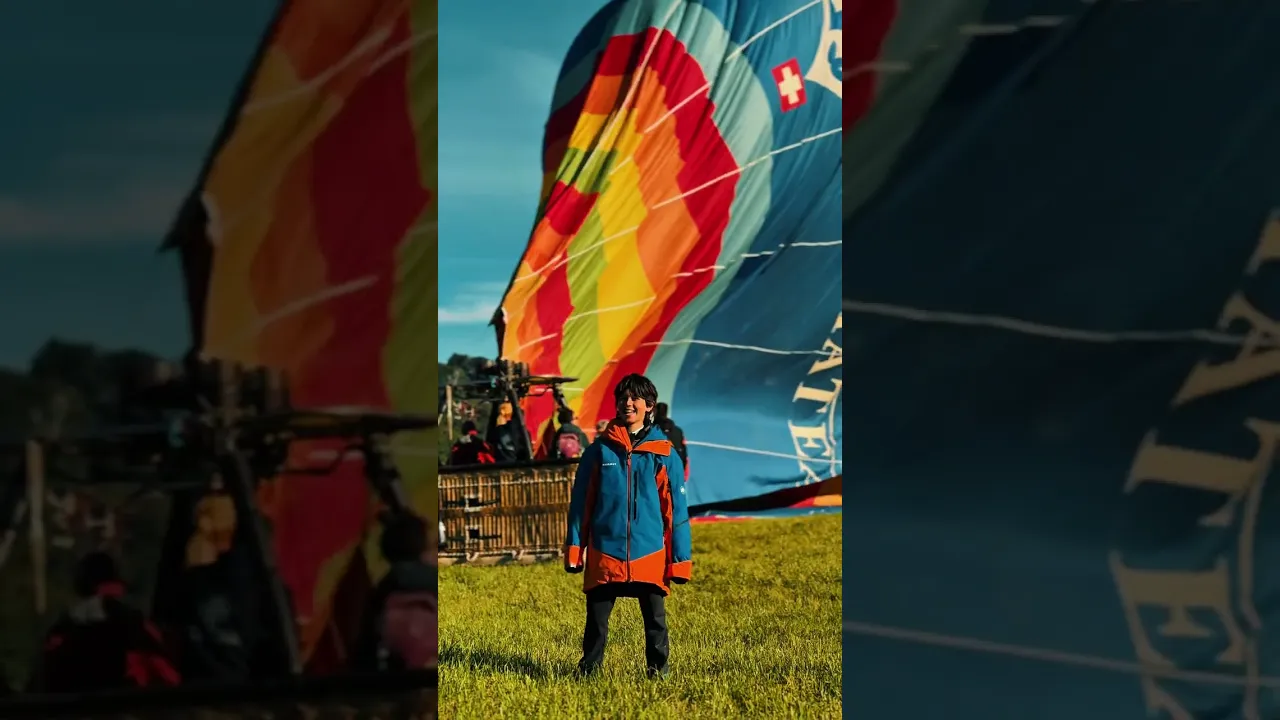 Watch on YouTube
Why choose Switzerland for a summer camp?
We, at the Young Explorers Club, recommend Switzerland because it compresses travel times, raises safety margins, and delivers genuine alpine adventure. The country’s compact geography means short transfers between lakes, valleys and mountain bases, so kids spend more time on activities and less time in transit. Camps commonly operate in German, French, Italian and Romansh areas, which makes multilingual exposure easy and natural.
Switzerland scores very low on violent crime compared with OECD peers (Swiss Federal Statistical Office). I also point out the high standard of healthcare and rapid emergency response in most regions. Mountain guides and local teams bring specialist alpine experience, so technical programs like via ferrata and alpine climbing are run with field‑proven protocols.
Safety, logistics and what parents should expect
Below are the practical advantages families appreciate most at Swiss summer camps:
- Very low violent crime rates (Swiss Federal Statistical Office) and predictable public safety.
- Elevated on‑site medical standards compared with many European destinations; many camps staff qualified medics.
- Fast, reliable transport links—regional trains and shuttle services cut transfer times.
- Mountain rescue networks and local guide certification that support technical activities.
- Multilingual staff and language immersion options that double as cultural education.
I recommend booking early if you want July sessions. Peak demand falls in July, with a typical season from late June through August. That timing affects availability for specialist programs like multi‑day treks or high‑altitude climbing instruction.
Alpine adventure plus language immersion
Swiss camps combine outdoor skill development with language progress. Kids learn ropework, rock movement, and mountain safety while hearing and practicing another language daily. Alpine activities range from hiking and mountain biking to via ferrata, rock climbing and lake sports such as kayaking, sailing and open‑water swimming. Those programs are structured to build competence quickly and safely.
For an English‑language overview and camp options, see Switzerland summer camp. We design our recommendations to balance challenge with medical backup and local mountain expertise, so families get both language immersion and authentic alpine skills.

Visas, travel documents, and booking timeline (what to do first)
Schengen essentials and passport rules
We, at the Young Explorers Club, expect families to understand the Schengen framework before they book. Switzerland sits in the Schengen Area with the standard 90/180 rule: short stays of up to 90 days in any 180‑day period. Citizens of the United States, Canada, Australia, New Zealand, Japan, South Korea, Israel and the United Kingdom are often visa‑exempt; many other nationalities must apply for a Schengen visa.
Schengen visa processing can take up to 15 calendar days. I recommend applying 3–6 weeks before travel to avoid last‑minute stress. Typical short‑stay fees run about €80 for adults and €40 for children, though consulates may change rates. Passports should be valid for at least three months beyond your planned exit from Schengen and must have been issued within the last ten years.
For quick reference on document requirements and common questions, consult our passport and visa page before you start paperwork. Confirm whether your nationality needs a visa before you reserve non‑refundable services.
Booking timeline and checklist
Use this checklist as your booking spine; follow steps in order and meet the deadlines listed.
- Check visa necessity for your nationality as the first action.
- Obtain the camp acceptance/confirmation letter and invoice; camps require these for registration and consulates often demand them for visa files.
- Pay the deposit (commonly 20–30% and often non‑refundable) to secure a place.
- Buy refundable flights if your booking isn’t fully confirmed.
- Purchase Schengen‑compliant travel insurance; minimum medical/repatriation coverage is often recommended at €30,000 and you should verify emergency and adventure sports coverage.
- Book your embassy or consulate appointment and submit the visa application at least 3–6 weeks before travel.
- Make the final camp payment 6–8 weeks before arrival.
Prepare these documents commonly requested by camps and consulates:
- Passport copy (full biographical page)
- Camp acceptance/confirmation letter and invoice
- Accommodation details and round‑trip itinerary
- Proof of funds or bank statements
- Schengen‑compliant travel insurance policy
- Signed parental consent for minors
- Immunization and medical records
Plan early for summer sessions: register and apply by March–April for July camps. I advise tracking deposit and final‑payment deadlines closely so you don’t lose a spot or face higher fees.
https://youtu.be/H5dYnfoTd30
Arrival logistics — airports, trains, transfers and timing
Airports, rails and typical transfer times
We coordinate arrivals from the main international gateways into Switzerland and nearby Italian hubs. The primary airports serving summer camps are Zurich (ZRH), Geneva (GVA), Basel/Mulhouse (BSL/MLH) and Lugano (LUG). Southern Swiss camps are sometimes easiest to reach via Milan (MXP/LIN) in Italy. Swiss Federal Railways (SBB) runs frequent intercity and mountain connections, and regional buses cover the last-mile links reliably.
- Geneva to Verbier or Valais resorts: about 1.5–3 hours (transfer or train + bus).
- Zurich to Interlaken/Jungfrau region: roughly 2–3 hours by train.
- Geneva to Lausanne: roughly 40–60 minutes by train.
We recommend checking specific train timetables on SBB before booking. Trains are punctual, but connections in mountain valleys can add wait time. Factor in luggage handling and local bus schedules for the final leg.
Booking recommendations and practical tips
Many camps offer organized airport pickups. Prices typically run CHF 100–300 each way, depending on distance. Public transport (train + regional bus) is usually cheaper and very dependable. Private transfers or organized pickups are faster and far more convenient for young children, late arrivals or larger groups. Compare costs and convenience, then book what gives the family the best mix of comfort and value.
- Arrive at least one full day before camp start when possible to absorb travel delays and help with time zone recovery.
- Provide the camp with detailed flight information and a passport copy.
- Confirm transfer arrangements 2–4 weeks before arrival.
- Keep one printed and one digital copy of travel confirmations.
- Label luggage clearly with the camper’s name and camp contact details.
- Confirm arrival contact numbers with both the camp and the transfer provider the week before travel.
If the family needs step-by-step prep, we suggest you also prepare for camp well in advance and check the registration timeline so transfers and flights line up with camp logistics.
We at the Young Explorers Club will track unusual flight times and recommend private transfers for arrivals after dusk or very early departures. Keep a clear record of confirmations and contact details to ensure a smooth handover on arrival.
Camp types, daily structure, activities and sample itineraries
We, at the Young Explorers Club, split Swiss summer camps into clear categories so families can match goals and energy levels quickly. Language immersion programs focus on English, French or German and mix classroom work with cultural outings. Alpine adventure camps concentrate on hiking, via ferrata and climbing clinics. Sports camps emphasize tennis, soccer and mountain biking, while water-sport weeks offer kayaking and sailing. Performing arts and STEM weeks blend workshops and showcases. You can also choose boutique boarding school sessions for a campus experience.
Session lengths usually run 1–4 weeks, with many camps standardizing on 2-week blocks. Age groups are commonly juniors 7–9, children 8–12 and teens 13–17; leadership and expedition programs target 15–18. Staff ratios depend on age and activity risk, commonly ranging from 1:6 to 1:12. High‑risk elements require parental consent and graded skill placement. We recommend checking current offerings from trusted providers like Les Elfes International, Aiglon College Summer School and TASIS summer programs before booking.
Daily rhythms are predictable and purposeful. Mornings often host language classes or skills sessions (about three hours). Midday gives a real break for lunch and rest. Afternoons run outdoor activities or excursions for 1.5–3 hours: hikes, climbing clinics or mountain biking. Evenings bring cultural games, team challenges or language practice around a campfire. Safety briefings and equipment checks happen before any technical activity.
I include one quick link with prep tips that families find useful: prepare for camp.
Sample itineraries and activity staging
- One‑day adventure: morning guided hike with packed lunch on the trail; afternoon climbing clinic focused on harness and rope skills; evening group reflection and language games.
- Example week for mixed-language/adventure camp: mornings (3‑hr) language classes by placement; mid‑day skills workshops (1.5–2 hrs) — map reading, knotwork, basic first aid; afternoons half‑day lake or mountain excursions; one full‑day weekend trip such as via ferrata for older groups or a lake day for younger campers.
- Activity tiers and consent: day hikes and orienteering suit beginners; rock climbing and ropes courses move to intermediate; via ferrata and leadership expeditions are advanced and need explicit parental consent and prior experience.
- Logistics tips we use on-site: group warmups, regular hydration breaks, buddy systems, age-appropriate safety briefings and clear equipment lists per activity.
I recommend choosing sessions that balance skill growth with rest, confirming staff ratios and placement testing, and prioritizing camps that publish clear emergency and weather protocols.

Costs, budgeting, payments and sample budget
I break the headline numbers down so families can plan confidently. Typical Swiss camps span a wide range depending on format and level; factor tuition, travel, insurance and gear into your total. Locking a place early usually reduces stress and exposure to exchange-rate swings, so consult the registration timeline as you plan.
Typical price ranges and extras
Below are the common ranges you’ll see when comparing programs and what you should add to your spreadsheet:
- Day camps: approx. CHF 200–600 per week.
- Residential/boarding camps: approx. CHF 900–2,500 per week.
- Premium/elite boarding or academic camps: CHF 2,000–4,500 per week.
- Typical total for a 2‑week international boarding session: CHF 1,800–7,000 (depends on program level).
- Additional costs to budget:
- Airport transfers: CHF 100–300 each way.
- Travel/medical insurance for the session: CHF 30–200. See our guide on travel insurance for coverage tips.
- Visa fee: depends on nationality (see visa guidance in your application materials).
- Equipment rentals (bike, harness): CHF 20–150.
- Local pocket money and optional excursions: usually CHF 50–500 depending on activities.
Payment practices tend to be consistent across providers. Deposits are commonly 20–30% and often non‑refundable. Final balances are typically due 6–8 weeks before the start date. Some programs offer staged payment plans; ask if you need more flexibility.
Practical payment steps
- Pay the deposit promptly to secure the place and the quoted rate.
- Confirm the refund and cancellation policy in writing.
- Use bank transfer (IBAN/SWIFT) for large sums to avoid card fees. Credit cards are accepted by many camps and provide dispute protection, but carry conversion and surcharge costs.
- Keep transaction receipts and note the program’s preferred currency for final payment to avoid surprises.
Sample 2‑week residential budget (realistic mid-range)
- Tuition: CHF 3,000
- Round‑trip transfer: CHF 200
- Insurance: CHF 80
- Gear rental/purchases: CHF 100
Estimated total: CHF 3,380
For a premium 2‑week program expect CHF 4,500–9,000 total once transfers, insurance and extras are included. I advise adding a contingency of CHF 200–500 for incidental expenses or optional excursions.
Currency note: approximate conversion 1 CHF ≈ 1.10 USD — check the live rate when booking and factor in bank conversion fees.

Health, safety, insurance, staff credentials, accommodation, packing and practical tips
We, at the Young Explorers Club, expect families to treat health and documentation as priority items before departure. Routine vaccinations such as MMR and DTP are recommended for most travellers. Hepatitis A may be advised for some campers; check your health authority’s guidance and get any shots well ahead of travel. No country‑entry vaccinations are mandatory for most visitors to Switzerland, but you should bring an up‑to‑date immunization record.
Carry printed and digital medical documentation for camp staff. Essential documents include:
- Signed parental medical consent and GP/paediatrician contact details
- Full immunization record
- Clear allergy and medication instructions with dosages and timing
- Documented allergy action plans or emergency medication (EpiPen) if relevant
Emergency numbers are short and universal across the region: 112 for general European emergencies, 144 for ambulance, and 117 for police. I recommend giving the camp copies of your passport and local emergency contacts, and registering with your embassy before travel.
Insurance is non‑negotiable. Swiss medical care is excellent but expensive. Buy travel/medical insurance that covers:
- Medical evacuation and repatriation
- Adventure activities such as climbing and mountain biking
- Emergency dental work and hospital stays
If your child requires a Schengen visa, ensure your policy meets the typical minimum coverage of €30,000 and confirm the current requirement before purchase. We insist families provide proof of appropriate coverage at registration. For practical guidance on policies, consult our notes on travel insurance.
Ask camps to produce staff credentialing and safety documents before you book. At minimum, request evidence of:
- First aid and CPR certification for frontline staff
- Lifeguard qualification if aquatic activities are offered
- Mountain‑guide qualifications (UIAGM/IFMGA or recognized local guides) for alpine activities
- Child safeguarding policies and background checks for all staff
Demand copies of emergency and evacuation protocols and at least one worked example of risk management (route plans, weather contingency, and nearest hospital details). We also ask for local emergency contacts and parent references; a credible camp will provide them without delay.
Accommodation and meals are straightforward but worth confirming. Many camps use shared dormitories with four to eight beds. Most run full board with three meals plus snacks. Dietary needs such as vegetarian, halal or gluten‑free are usually accommodated if declared in advance. Provide documented allergy plans and confirm special menus about four weeks before arrival so kitchens can prepare.
Money and communications. Carry a mix of Swiss francs and cards. Expect casual meals to cost CHF 15–35 and coffee CHF 3–5. Consider a local SIM or an eSIM for data; options like Airalo and Ubigi work well for short stays. Tell the camp who should receive weekly updates and emergency calls. Many camps post weekly photo updates and schedule parent call slots; remember that daily phone access may be limited during full‑day activities.
Vetting checklist and red flags you can use when comparing camps:
- Ask for staff certifications, child safeguarding policy, emergency procedures and local hospital contacts
- Request parent references and copies of the camp’s insurance and evacuation arrangements
- Red flags include missing staff certifications, no local emergency contact, an unclear refund policy, or vague answers on medical care and emergency drills
Packing checklist and altitude notes
Use this as a practical checklist and cross‑reference our detailed packing guidance for camp packing checklist.
- Layers: base, insulating fleece, and a warm outer layer for nights
- Waterproof jacket and rain trousers
- Sturdy hiking boots and comfortable trainers
- Warm hat and gloves for high‑altitude evenings
- Sunscreen SPF 30+ and sunglasses
- Insect repellent with tick awareness; do daily tick checks
- Swimwear and quick‑dry towel
- Small personal first‑aid kit and any prescription meds in original packaging
- Printed passport copy, signed medical consent, immunization record and allergy action plan
- Swiss Type J plug adapter and phone charger (230V/50Hz)
- CHF cash, debit/credit card, and a local or eSIM for data
Temperatures vary: lowland July highs run about 18–25°C, alpine valleys and higher sites see 10–20°C by day, and nights can drop to 0–10°C above ~1,500 m. Pack layers and warm sleepwear accordingly.


