

Switzerland Summer Camps for Ages 8–12
Switzerland offers many day and residential camps for children aged 8–12. Mountain, lakeside and city programs blend outdoor adventure, sports coaching and English, French or German immersion. Most run during canton school holidays, roughly late June–mid‑August. Parents should match camp dates to their canton calendar. Check supervision ratios and staff qualifications. Confirm medical, allergy and insurance procedures. Don’t wait: book 3–12 months ahead for popular or international weeks.
 Watch on YouTube
Essential facts at a glance: Why Switzerland for a summer camp and key dates
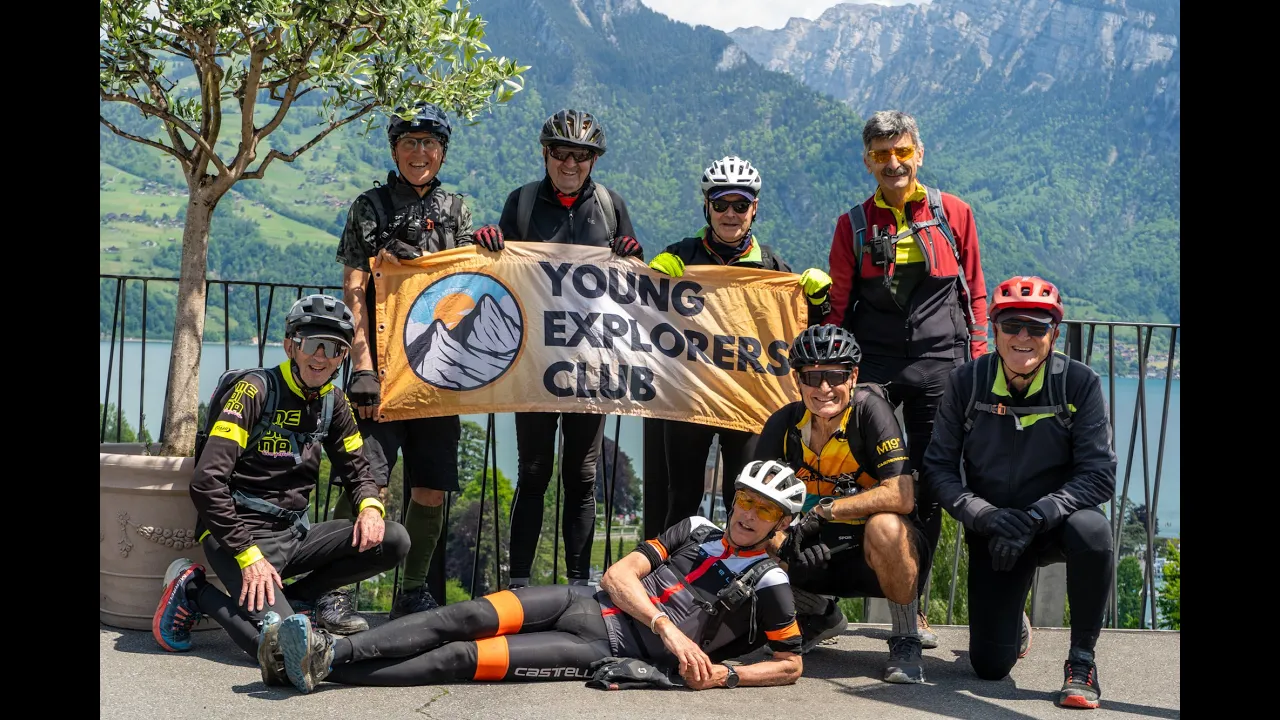
We, at the young explorers club, send campers to Switzerland because the country offers a huge variety of settings and strong program options. Switzerland has mountain and lakeside camps as well as city programs. Many of those focus on outdoor and adventure activities, language-immersion, and international group dynamics. Programs often blend English or bilingual tracks with local-language exposure.
Switzerland commonly accepts children aged 8–12 for mainstream camps, so parents can expect lots of options for this age group. School summer holidays in Switzerland last roughly 5–7 weeks (late June–mid-August). Exact dates change by canton because each canton sets its own calendar. For example, Geneva often starts and finishes earlier than several German-speaking cantons, while Zurich typically runs slightly later. Check the canton calendar before you book and follow the registration timeline to avoid disappointment; our registration timeline explains ideal booking windows.
I recommend parents prioritize these practical checks:
- Confirm camp dates against your child’s school canton.
- Verify daily schedules and activity intensity for the 8–12 age band.
- Ask about language levels if you want immersion rather than casual exposure.
- Review supervision ratios and emergency procedures.
Parental goals camps meet
Here are the common goals parents book Swiss camps for, with brief notes on what to expect:
- Language learning: Many camps offer English-first or bilingual tracks that combine lessons with social immersion so kids practice naturally.
- Outdoor skills and confidence: Mountain or lakeside settings teach navigation, basic climbing, and water safety while building resilience.
- Sports and specialist skills: You’ll find tennis, mountain biking, sailing, and arts-focused weeks aimed at skill progress in a short time.
- Short residential independence experiences: Overnight stays give supervised independence and social growth without long separation.
We always advise asking specific questions about camper grouping, language ratios, and daily routines. If you want a quick checklist of what to bring, review our what to pack guide to avoid last-minute runs and ensure your child has the right gear.
Types of camps, daily programming and language immersion (what kids actually do)
We, at the Young Explorers Club, run both day and residential camps for 8–12 year olds. Each option fits different family rhythms and learning goals. Day camps let kids sleep at home and focus on daily skills. Residential camps build independence with multi-day excursions and nightly programs.
I break down the main formats and what kids actually do.
Camp types and focus
- Day vs residential: Day camps run weekdays with set pick-up times and a concentrated activity schedule. Residential camps include overnight supervision, evening programming and at least one longer trip during a session. Sessions usually span 1–4 weeks and many camps offer multi-week discounts.
- Language immersion: Camps teach in English, French or German. Immersion means language appears in lessons, games and many group activities. For expat families or kids learning a second language, immersion camps speed practical use and confidence.
- Sports and skills camps: You’ll find focused programs in skiing, mountain biking, sailing and technical climbing. These programs combine coaching, safety briefings and on-site equipment.
- International/expat camps: These lean on English as the lingua franca, mix nationalities and emphasize social skills plus language practice.
Activity mix and program balance
I structure days with a blend of taught sessions, guided free time and excursions. Typical activities include:
- Hiking
- Climbing
- Mountain biking
- Sailing
- Canoeing
- Team sports
- Arts & crafts
- Ropes courses
- Language classes
Teachers and coaches balance skill instruction with play so kids practice and recharge. Camps supply specialist gear like boats, harnesses and helmets. Parents usually provide personal items: hiking boots, swimwear and base layers.
Practical points to decide on a camp
I recommend families set priorities—language learning, a specific sport, or social growth—and then compare programs. To help parents choose, see our short guide to choose the best camp. Also check how a camp handles medical care, staff qualifications and homesickness before booking.
Sample daily schedules and session progression
Below are concrete examples for ages 8–12 to show how a day typically flows and how skills progress across sessions.
- Day camp sample (08:30–15:30):
- 08:30 arrival / warm-up games
- 09:00 skill session (climbing or language class)
- 11:00 snack + free play
- 11:30 group activity (team sport or short hike)
- 12:30 lunch
- 13:30 afternoon rotation (water sport or arts & crafts)
- 15:30 wrap-up and pick-up
- Residential sample (07:30–night):
- 07:30 wake-up / breakfast
- 09:00 morning activity (guided hike or climbing)
- 12:30 lunch
- 14:00 structured lesson (language or sport coaching)
- 16:30 free play / supervised workshops
- 19:00 dinner
- 20:30 evening program; night supervision on duty
- 1-week session: Intro to the environment, basic skills, a short local excursion and an end-of-week showcase or campfire.
- 3-week session: Weeks 1–2 focus on skill building and language foundations; week 3 centers on a longer excursion or expedition with assessed progression and a final presentation.
I keep schedules flexible to match weather and group energy. Staff rotate activities so kids repeat key skills and gain confidence across sessions.
https://youtu.be/4yjhBlgkw1U
Costs, booking timing, discounts and refunds (clear ranges and booking advice)
We, at the young explorers club, break costs into clear categories so parents can budget confidently. Plan to book well ahead for popular weeks and international programs; slots fill fast.
Key price points, inclusions, timing and policies
- Typical price ranges (CHF):
- Day camps: approx. CHF 150–600 per week.
- Residential / overnight camps: approx. CHF 800–3,500+ per week depending on prestige, inclusions and program.
- Deposits at booking:
- Common deposit: 20–50% of the total fee. Many camps hold the spot only after the deposit clears.
- Discounts you can expect:
- Early-bird: 5–15%.
- Sibling: 5–10%.
- Multi-week discounts: commonly offered; percentages vary by camp.
- Booking timing advice:
- Standard camps: book 3–6 months ahead.
- Popular or boutique international camps: book 6–12 months ahead. For a clear schedule see our registration timeline.
- What is usually included:
- Meals: Three main meals plus snacks.
- Program: Standard activity programs and basic equipment.
- Transfers: Scheduled on-site transfers or pickups.
- What is usually excluded:
- International air travel: Typically not included.
- Personal purchases: Items like souvenirs or extra snacks.
- Specialist rentals / premium excursions: May be charged extra.
- Refunds and cancellation norms:
- Many camps apply a non-refundable deposit policy.
- Tiered refund schedules: Refund amounts reduce as the start date approaches; last-minute cancellations often receive no refund.
- Read the terms: Check refund deadlines and conditions carefully before you commit.
- Practical financial advice:
- Verify cancellation and refund clauses before you pay.
- Buy travel and medical insurance that covers camp fees and flights, including cancellation and medical repatriation.
- Keep records: Keep proof of all communications and payment receipts in case you need to claim.
We recommend parents request a written fee breakdown and the camp’s full cancellation policy before paying any deposit.

Health, safety, medical care, vaccinations, insurance and special-needs procedures
We, at the Young Explorers Club, make safety a priority and expect parents to do the same. Memorize Switzerland’s emergency numbers: 144 for ambulance, 117 for police and 118 for fire. Camps normally staff trained first-aiders and keep a clear route to the nearest hospital or clinic.
Camps should hold specific certifications. I look for staff with:
- basic first aid and CPR
- Wilderness First Aid (WFA) or Wilderness First Responder (WFR) or an equivalent credential for activities off-site
- lifeguard certification for any aquatic program
Vaccinations and medical documents are straightforward. Switzerland doesn’t require extra routine vaccines beyond standard childhood immunizations. Camps usually ask for proof of those routine shots. EU/EEA families should carry an EHIC or GHIC for emergency care; guests from outside must have travel medical insurance.
Insurance deserves careful attention. I strongly recommend travel insurance that covers:
- medical expenses
- repatriation
- trip cancellation
Confirm the policy explicitly covers adventure and sport activities your child will try. If coverage is unclear, ask the insurer for written confirmation.
Medication and consent must be handled precisely. Camps require written parental consent for administration of meds and for medical treatment. Always send prescription medications:
- labeled and in original packaging
- accompanied by clear dosage instructions
- with a signed consent form from a parent or guardian
Over-the-counter meds should follow the same consent routine. I advise leaving a copy of your child’s medical summary with camp staff.
Special-needs procedures vary by camp. Disclose learning, physical, or behavioral needs well before booking. Provide relevant documentation and an emergency action plan if one exists. Contact the camp to confirm they can meet those needs and discuss staff-to-child ratios, medication handling, and any accommodation required.
For more practical detail on how medical care is handled at our programs, read our medical care at summer camps page.
Quick checklist for parents
- Emergency numbers written down (144, 117, 118).
- Proof of routine immunizations.
- EHIC/GHIC or valid travel insurance policy number.
- Insurance that covers adventure sports and repatriation.
- Signed medical consent form and a copy of medical summary.
- All meds labeled, in original packaging, with dosage instructions.
- Documentation of any special needs and confirmation from camp about accommodations.
- Ask about staff certifications (WFA/WFR, lifeguard, first aid).
https://youtu.be/y1MtieihXwk
Staffing, supervision, child protection, food, allergies and parent communication
At the young explorers club, we set clear expectations for staffing and supervision so parents know what to expect. We require 1:6–1:10 staff-to-child ratios for general activities with younger or higher-risk groups leaning to the lower end. For water-based or other high-risk activities we use tighter supervision, typically around 1:6 or less, and we record those ratios per activity and shift.
Night supervision in residential programs needs a clear plan. We either roster separate night staff or keep an on-call system with trained personnel ready to respond. Each approach has trade-offs: dedicated night staff boost immediate presence, while an on-call model can work if response times are guaranteed and staff live nearby.
Child protection is non-negotiable. We insist camps perform criminal-record checks — for Swiss staff that means a Strafregisterauszug — and keep a written child protection policy that all staff sign. Background checks should be recent and verifiable. I check who reviews the results, how often rechecks happen, and whether volunteers get the same screening as permanent staff. For an overview of evaluation priorities, review the camp’s safety standards before you commit.
Food service should cover nutrition and special diets. Most camps provide three meals plus snacks and can usually handle vegetarian, halal, kosher and allergy-specific menus. Food allergy rates among children are commonly cited around 4–8%, so many camps run nut-free policies and separate preparation areas to reduce cross-contact.
I expect camps to be able to show:
- sample menus and meal schedules
- how they prevent cross-contact in the kitchen
- whether they label foods for allergens
- how they store and transport meals for day trips
Medical readiness matters. Ask for the nearest hospital name and typical transfer time from camp. We verify that staff have first-aid training and that medical supplies and emergency protocols are current. For more details on on-site medical arrangements, see our notes on medical care.
Communication with parents should be explicit and routine. Many camps send daily updates and photos, circulate newsletters, and schedule regular phone or video calls. Residential programs may adopt an emergency-only phone policy to protect sleep and group dynamics; make sure you understand that balance before registration. I confirm the camp’s normal update frequency and ask whether they’ll notify parents for non-emergencies like minor illnesses.
Ask the camp for
- exact staff-to-child ratios broken down by activity and shift
- criminal-record check details, including how Swiss staff are screened (Strafregisterauszug)
- nearest hospital name and typical transfer time
- sample menus and meal rotation for the session
- the allergy action plan and written procedures for allergic reactions
- proof of staff training in anaphylaxis and use of epinephrine auto-injectors
- typical parent-update frequency and examples of past updates
I push camps to put these items in writing. A clear packet reduces surprises and gives you evidence to compare programs.
Locations, travel logistics, packing and recommended programs for research
We, at the Young Explorers Club, recommend flying into one of three major arrival airports: Zurich (ZRH), Geneva (GVA) or Basel (BSL). Transfer times from any of these hubs to Alpine camps typically range from 1–3 hours, depending on where the camp sits in the mountains.
Popular regions we send families to include:
- Valais (Verbier, Leukerbad)
- Interlaken / Grindelwald (Bernese Oberland)
- Lake Geneva region
- Graubünden (Davos)
Transfers and arrivals: Many camps offer scheduled transfers from main train stations and airports. International families often prefer private transfers for door-to-door ease. Always confirm the camp’s meet-and-greet procedures before you travel. Camps usually have contingency plans for late arrivals and flight delays, but you should request those details and written instructions well in advance.
Sample itinerary
Sample itinerary you can use when planning:
- Land: GVA.
- Transfer: expect a roughly 2-hour transfer to Verbier.
- Arrival: arrive at camp for check-in and a brief orientation.
- Meet-and-greet: the camp provides a meet-and-greet point at the station and phone contacts for drivers.
- Delays: if your flight is delayed, call the camp contact and your transfer provider immediately to activate the contingency plan.
Packing essentials
Below are the practical items we insist parents pack and label for kids:
- Passport copy and a photocopy kept separately
- Insurance card (EHIC/GHIC or travel policy details)
- Labeled medication and clear dosing instructions
- Layering clothes: base layers, fleece, and warm jacket
- Sturdy hiking boots and comfortable trainers
- Waterproof rain jacket and rain pants if possible
- Swimwear and quick-dry towel
- Sun protection: SPF cream, hat, sunglasses
- Reusable water bottle and small daypack
- A single small comfort item to reduce homesickness
Check your packing list against the camp’s rules and our packing checklist for Switzerland before departure. Electronic policy varies widely. Many residential camps limit phones and internet time; some allow cameras or e-readers. Ask the camp for their exact electronics policy and plan backups for contact—preload any necessary health forms or emergency contacts.
Programs to research
Programs we recommend researching include:
- Les Elfes Verbier
- Collège du Léman Summer
- Aiglon College Summer
- Le Rosey Summer
- International School of Geneva
Expect elite private-school programs to sit at the top of the price range, roughly CHF 1,500–3,500+ per week. Make choices based on program focus, staff qualifications and how transfers and arrival logistics are handled.


