

Summer camps for 6–8 year olds in Switzerland — at a glance
Summer camps for 6–8 year olds in Switzerland run mainly from June–September, with the busiest weeks in July and August. Programs include day, residential, bilingual/immersion, sports, nature/adventure and arts/STEM options. They typically use short, varied activity blocks and focus on play-based learning. We recommend families book 2–4 months ahead for most weeks and over six months in advance for top residential weeks. Expect day-camp fees of about CHF 40–120 per day and residential fees of CHF 700–2,000 per week. Don’t skip checking verified safety credentials, medical policies and insurance terms. Good baselines are one staff member per six to eight children. Also look for first-aid, paediatric, J+S or SAC certificates and lifeguards where relevant.
Camp formats and what to expect
Common formats
- Day camps: Single-day options up to week-long blocks; popular for families who want local, drop-off care.
- Residential camps: Typically 3–14+ days, often in Alpine or lakeside settings; best booked early for peak weeks.
- Bilingual/immersion: Language-focused weeks (English/French/German/Italian) with play-based language exposure.
- Activity-specialist camps: Sports, water-safety, climbing, nature/adventure, arts and STEM-focused weeks.
Daily routine and pedagogy
Camps for this age use short, varied activity blocks, frequent breaks and emphasis on play-based learning. Expect a mix of free play, guided activities, snack/lunch times and themed learning. Morning and afternoon sessions are common, with flexibility for half-day options.
Booking and cost guidance
When to book
- Research: Start 3–6 months before summer to compare programs, languages and logistics.
- Reserve: Book popular weeks 2–4 months ahead; top residential weeks require 6+ months lead time.
- Last-minute: Some day camps release spots closer to start dates, but choices are limited.
Typical costs
Use these as general guides—prices vary by canton, facilities and included extras:
- Day camps: ~CHF 40–120 per day or CHF 200–600 per week.
- Residential camps: ~CHF 700–2,000 per week, depending on duration, board, transport and activity fees.
Safety, staffing and credentials
What to check
- Staff ratios: Aim for a baseline of 1:6–1:8. Expect tighter ratios for water, ropes or young-age groups.
- Certifications: Look for first-aid, paediatric training, J+S or SAC certifications, and lifeguards where relevant.
- Medical policies: Written procedures for medication, allergies and emergencies; on-site nurse or quick access to paediatric care is a plus.
- Insurance & waivers: Confirm what is covered (accident, liability) and any additional family insurance requirements.
- Safeguarding: Background checks, child-protection policies and clear supervision rules.
Regional differences & inclusion
By canton
- Lake Geneva (Léman): International and bilingual programs common.
- Zurich: Strong selection of sports and local day camps.
- Alpine regions: Residential nature and adventure weeks are frequent.
- Ticino: Italian and bilingual options dominate.
Inclusion and subsidies
Verify whether camps provide support for children with additional needs and whether municipal or cantonal subsidies exist for families. Ask about staff training for inclusion and the main language used each day.
Practical tips for families
- Pack list: Sun protection, sensible shoes, water bottle, spare clothes and any required medication with instructions.
- Visit or trial day: If possible, attend an open day or book a single day before committing to a week-long program.
- Communicate needs: Inform camp staff of allergies, routines and behavioural strategies that help your child.
- Transport & logistics: Check drop-off/pick-up times, bus routes and whether lunch/snacks are provided.
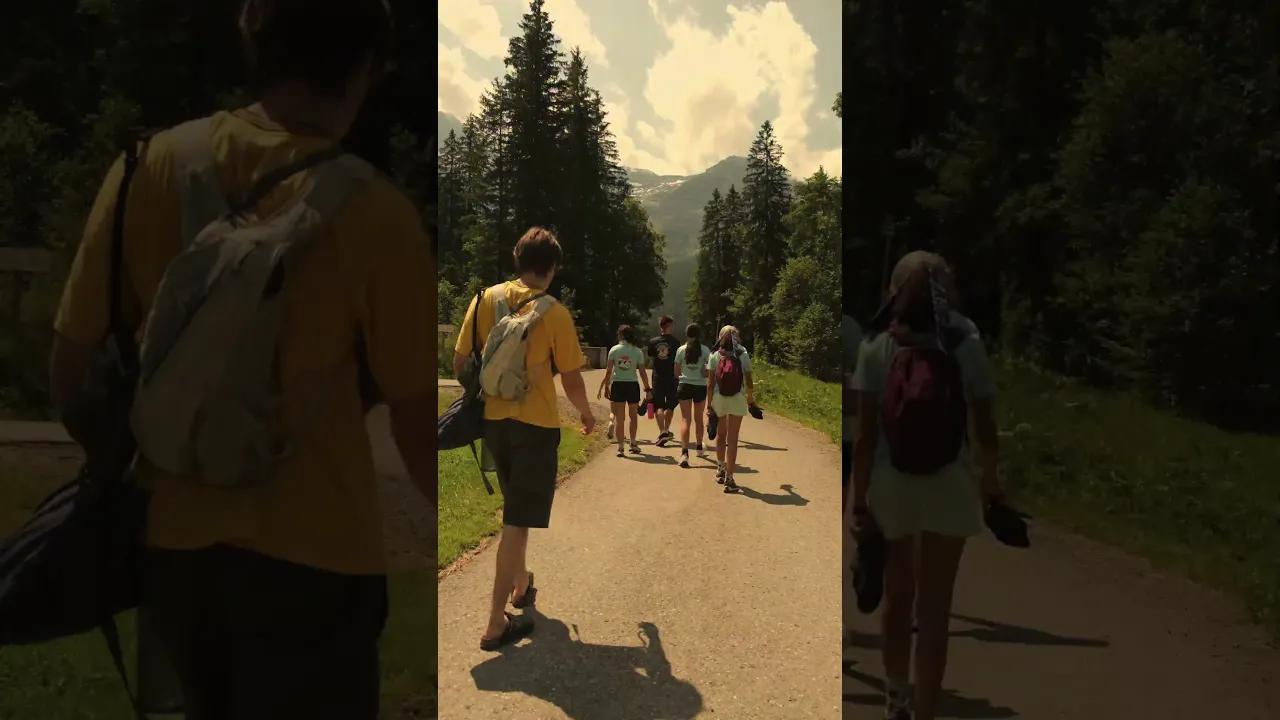 Watch on YouTube
Quick facts: at-a-glance overview
We, at the Young Explorers Club, run programs for children aged 6–8 — the early primary years — and remind families that school-start rules vary by canton. That cohort is approximately 250,000–270,000 children aged 6–8 (Swiss Federal Statistical Office). The main season runs June–September, with peak weeks in July and August. We offer a range of formats and session lengths to match different energy levels and family logistics. For an extended selection of options, see our guide to summer camps in Switzerland.
At-a-glance facts
Below are the most useful quick facts you’ll want when comparing options:
- Age group: 6–8 years (early primary) — check your canton’s school-start rules.
- Cohort size: approx. 250,000–270,000 children aged 6–8 (Swiss Federal Statistical Office).
- Main season: June–September; peak July–August.
- Common camp types: day camps; residential/overnight camps; bilingual/immersion (English + German/French/Italian); sports camps; nature/adventure camps; arts and STEM camps.
- Typical session lengths: single-day, 1 week, 2 weeks, or multi-week/full-summer; most families choose 1–2 week sessions.
- Activity block lengths: usually 30–60 minutes, with some active sessions scheduled for 60–90 minutes.
- Quick booking note: book 2–4 months ahead for popular weeks; allow 6+ months for top residential weeks and peak July slots.
Top camp types, typical activities and developmental benefits
Camp types at a glance
Below are the main camp formats, each giving a quick parent benefit and the usual duration:
- Day camps (half-day or full-day): great for short separation practice and preserving family evening routines — typical duration single-day to 1 week; activities run in 30–90 minute blocks.
- Residential / overnight camps: builds independence and immersive social skills — typical duration 3–14 days (some multi-week).
- Sports camps (Jugend+Sport (J+S) network and local clubs): focused skill development and structured activity — typical duration 1 week to multi-week.
- Nature / adventure camps (Swiss Alpine Club (SAC) youth courses, environmental NGOs): boosts environmental literacy, confidence and resilience — typical duration 3–14 days.
- Bilingual / language-immersion camps (English + German/French/Italian): playful language exposure that grows confidence — typical duration 1 week to multi-week.
- Arts & STEM camps (often at international schools): encourages creativity and basic problem-solving — typical duration 1 week.
Sample day schedule
We schedule activity blocks short and varied for 6–8 year olds. A sample day looks like:
- 09:00–10:30 — morning sports or swim (60–90 minutes)
- 10:30–11:00 — snack
- 11:00–12:00 — craft or language games
- 12:00–13:30 — lunch and quiet time
- 13:30–14:30 — forest school, outdoor games or a STEM project
- 15:00–15:30 — pick-up and a brief debrief
Rotating activities keeps attention high and transitions smooth.
Safety & standards
Inevitably parents ask about safety and standards. For sports sessions we follow Jugend+Sport (J+S) coaching frameworks. Mountain and hiking modules adhere to Swiss Alpine Club (SAC) youth course practices and use low-altitude routes appropriate for this age. Supervised swimming always has a lifeguard on duty; climbing or rope elements run only with certified leaders and matched safety briefings.
Typical activities and developmental benefits
Typical, age-appropriate activities I run include:
- Guided hikes — short, supervised walks that build confidence and basic navigation.
- Nature exploration — fosters environmental knowledge and curiosity.
- Simple crafts — supports fine motor skills and creative expression.
- Basic football or tennis drills — improve gross motor skills and coordination.
- Language games, music and drama — boost communication and second-language confidence.
- Supervised swimming — water safety and physical fitness.
- Introductory STEM experiments — invite hands-on play and early problem-solving.
These activities feed clear developmental gains: gross motor skills improve through sports and outdoor play; social skills grow via sharing, turn-taking and team tasks; short residential stays and challenge activities strengthen independence and resilience; bilingual camps accelerate early second-language confidence; nature weeks build environmental connection.
We keep learning play-based, use frequent rest and transition times, and design routines children recognise. For a closer look at what outdoor weeks feel like, see our Swiss outdoor adventure camp guide.

Cost, booking timeline and availability
We at the Young Explorers Club publish transparent figures so parents can plan. According to Comparis/market observations, day camps run CHF 40–120 per day (typical full week CHF 200–600), half-day programmes CHF 25–60 per day, and residential camps CHF 700–2,000 per child per week depending on facilities and services (Comparis/market observations).
Major cost drivers are clear and repeat across providers. Staff ratios and staff qualifications push price up. Included meals, transport and equipment rentals add value — and cost. Urban versus Alpine location matters: mountain access and specialised instructors cost more. Bilingual or specialist instruction (e.g., skiing or climbing) raises fees. Longer stays, insurance packages and specialised activity equipment increase totals.
I’ll outline practical booking guidance you can act on. Start researching 3–6 months before summer and aim to book 2–4 months ahead for popular July–August weeks; reserve 6+ months early for top residential or international weeks. We recommend placing deposits of 10–50% to secure spots; cancellation policies vary so buy travel/medical insurance where needed. Payments by bank transfer and credit card are common, and many camps accept municipal vouchers or subsidy payments. Some cantons, municipalities, employers or family-support NGOs such as Pro Juventute offer assistance — availability varies by canton (Pro Juventute).
Illustrated price-range (text version, based on Comparis/market observations)
- Low: Day camp CHF 40/day; Week CHF 200.
- Average: Day camp CHF 80/day; Week CHF 350–500.
- High: Day camp CHF 120/day; Residential CHF 1,200–2,000/week.
Booking timeline calendar (text version you can copy into a planner)
- 6+ months before: research residential/international programmes and check subsidy options.
- 3–4 months before: shortlist camps, request staff CVs and safety info, and book popular weeks (see our guide to the best summer camps for timing).
- 1–2 months before: complete medical forms and permissions, arrange transport and equipment.
- 1 week before: final packing and confirm pick-up authorisations and emergency contacts.
Money checklist for parents (include in booking paperwork)
- What’s included: meals, snacks, transport, equipment rentals and day-trip fees?
- Staff: qualifications and staff-to-child ratios at full capacity and during water/rope activities.
- Deposit and cancellation: exact amount, deadlines and refund conditions.
- Insurance: camp liability, and recommended travel/medical cover; confirm claims process.
- Subsidies: municipal or NGO vouchers accepted and how to apply.
- Medical: ability to administer medication, allergy protocols and required documentation.
We advise saving confirmations and receipts for every item on this checklist and adding subsidy paperwork to the same folder.

Locations, regional differences and trusted providers to research
We split Swiss camps into four regional flavours with distinct strengths and practical implications for families. They shape language, activity focus, accommodation style and travel logistics.
Lake Geneva (Vaud/Geneva) mixes international and bilingual programmes. You’ll find many camps run by international schools and local providers; urban day camps are common and convenient for expat families. For a curated round-up of popular options, see our best summer camps.
Zurich and the German-speaking cantons offer a large supply of urban day camps and club-based sport programmes. Many activities link to Jugend+Sport (J+S)-certified coaches, so sports training often meets national standards and can be subsidised.
The Alpine cantons — Valais, Graubünden and the Bernese Oberland favour residential nature and adventure camps. Expect mountain-based programmes, multi-day hut stays and youth courses run by the Swiss Alpine Club (SAC) with a focus on alpine safety and skills.
Ticino provides Italian-language and bilingual Italian/English camps with a strong outdoor and cultural bent. Language practice happens naturally through activities, which is useful for families looking for immersion without full boarding.
Language note: camp language usually follows the canton — German, French or Italian — and bilingual offerings remain the most flexible option for international families. We, at the young explorers club, recommend checking daily language used on activities versus administrative communications.
Trusted provider types and what they offer:
- Jugend+Sport (J+S) supplies coach-certified, sport-focused camps often run by local clubs.
- Swiss Alpine Club (SAC) leads mountain and outdoor youth courses with alpine safety at the core.
- Swiss Youth Hostels (Hostelling International Switzerland) facilitate affordable hostel-based group stays and family programmes.
- International schools (for example International School of Geneva) offer bilingual arts, sports and STEM camps.
- Pro Juventute organises holiday activities and family support resources.
- Municipal Ferienpass schemes provide low-cost local day camps.
Quick provider checklist
- J+S: sport-focused, coach-certified, often local club-based.
- SAC: mountain and outdoor expertise with youth courses and safety-first programming.
- Swiss Youth Hostels: affordable group stays and family-friendly scheduling.
- International school programmes: bilingual options with arts/STEM emphasis.
- Municipal Ferienpass: low-cost day camps that suit local logistics.
Search tips and what to ask: use the canton name plus “Sommercamp”, “ferienlager” or “summer camp” and filter by language, age-group and activity type. When contacting providers, request an example week schedule, staff-to-child ratios and references. Pack guidance matters too; consult our summer packing list for age-appropriate essentials. For safety and standards across regions, read why Switzerland is a safest destination for summer camps.
Safety, staffing, medical requirements and insurance
We insist on clear staffing ratios and documented medical procedures for every 6–8 group. Our baseline ratio for active younger groups is 1:6–1:8, and we require 1:6 or better whenever swimming or rope elements are in use. For water and high-risk activities we confirm lifeguards and certified climbing leaders are on site before we sign off on a programme.
Staff must hold current first-aid certification. Where sports instruction is delivered, we expect J+S certification for instructors. Residential programmes should include staff with childcare or youth-work qualifications, criminal record checks, and documented CVs for inspection. We encourage parents to ask for proof of these credentials during booking.
Written emergency plans and local evacuation routes are mandatory, especially for remote Alpine sites. Camps should collect signed parental consent and medical forms before arrival. Medication must be delivered in original packaging with written instructions and an authorising form; camps should keep a locked, temperature-appropriate storage area and log all administrations.
We require camps to request allergy and medical information in advance and to state food policies clearly; many providers operate nut-free kitchens. For residential stays at least one staff member should have paediatric first-aid certification. Larger programmes should have nurse support on contract or on-call, and we always confirm the nearest medical facility and documented evacuation plan for off-site incidents.
Liability insurance is non-negotiable. Providers must present their policy details and clear parental consent forms. For Alpine or remote residential camps we ask about response times to the nearest hospital and whether they maintain written transport arrangements for emergencies.
Parent safety checklist
Ask these questions when checking references or visiting the site; they’re practical and direct:
- What is the exact staff-to-child ratio at full capacity and during water/rope activities?
- Can you provide staff CVs, qualifications and proof of criminal background checks?
- What first-aid and paediatric certifications do staff hold?
- Do you have liability insurance? Can you show policy details?
- What is the written emergency plan and nearest medical facility? What’s the evacuation procedure for remote sites?
- How are allergies and medications handled (forms and on-site storage)?
- Are lifeguards present for swims and are climbing leaders certified?
Watch for red flags: no written safety policies, no emergency plan, inability to show staff vetting, or vague medication and allergy procedures. We, at the young explorers club, publish practical expectations for parents and link useful resources on running safe outdoor programmes like this short guide to a Swiss outdoor camp.

How to choose the right camp: questions to ask, inclusion, sample day and packing checklist
Inclusion and essential questions to ask providers
We, at the Young Explorers Club, expect clear answers before we commit. Ask for the exact staff-to-child ratio and insist on the specific ratios for swimming and rope activities. Request written proof of staff qualifications, background checks and any first-aid or paediatric certificates. Confirm whether lifeguards and climbing leaders hold activity-specific certifications.
Clarify medical and allergy procedures in detail. Ask who administers medication, how epi-pens are stored and whether staff follow individual medical plans. Get the camp’s emergency protocols and the location of the nearest medical facility in writing. Check arrival, pick-up and emergency contact procedures — ask how late changes are handled, who may collect your child, and how the camp confirms ID at pick-up.
Be explicit about what the fee covers: meals, snacks, transport, activity equipment, and any optional extras. Confirm deposit amounts, cancellation windows and the refund schedule. If you need financial help, ask whether the camp accepts municipal or NGO subsidies and which documentation they require.
Watch for red flags. If a provider can’t show a written emergency plan, refuses to share staff training or won’t provide references, treat that as a warning sign. If policies around safety or medication are vague, get them in writing before booking.
Start inclusion conversations early. Municipal support and canton procedures vary, so begin 3–6 months before the camp starts. Ask whether staff have experience with behavioural support, one-to-one assistance and medical needs, and whether they can implement individualised plans. If your child will need extra support, request examples of past arrangements and names of any external specialists the camp works with.
Practical parent checks you can do quickly:
- Visit the site or request a video tour and meet staff if possible.
- Read recent reviews and ask for parent references.
- Confirm pick-up authorisation lists and keep copies of all medical forms.
- If your child is new to overnight stays, try a trial week or a day camp first.
Printable checklists and sample day
Use the lists below when you call or visit a provider — they’re designed to be easy to print and take with you.
Sample daily schedule (illustrative for ages 6–8):
- 08:30 Arrival / free play
- 09:00 Morning circle / group game
- 09:30 Activity block 1 (sports/swim/hike) – 60–90 min
- 11:00 Snack & free time – 20–30 min
- 11:30 Activity block 2 (crafts/language) – 45–60 min
- 12:30 Lunch (supervised)
- 13:15 Quiet time / story time / light craft
- 14:00 Activity block 3 (outdoor games/forest school) – 60 min
- 15:30 Pick-up & debrief
Top 10 questions to ask your camp (printable checklist):
- Exact staff-to-child ratio (including water/rope ratios)?
- Staff qualifications and criminal background checks?
- First-aid and paediatric certifications on site?
- Safety/emergency plan and nearest medical facility?
- What is included in the fee (meals, transport, equipment)?
- Deposit amount and cancellation policy?
- Allergy/medical procedures and medication handling?
- Are lifeguards/climbing leaders certified for those activities?
- Inclusion experience and availability of one-to-one support?
- References from other parents and a sample weekly schedule?
Packing checklist — Day camp:
- Labeled water bottle
- Sun hat and sunscreen (apply before arrival)
- Spare clothes and name labels
- Closed-toe shoes (trainers)
- Waterproof jacket and layers for changeable Swiss weather
- Swim costume and towel (if swimming)
- Small backpack and comfort item for rest time (optional)
- Name tags and any medication in original packaging with instructions
Packing checklist — Residential camp (add to day list):
- Sleeping bag/linen or pillowcase as instructed
- Torch/headlamp with spare batteries
- Small daypack for hikes and extra layers
- Name-labeled toiletries and insect repellent
- Any specialist gear (bike helmet, sport-specific shoes)
A quick tip: consult our summer packing list for detailed item suggestions and labelling strategies. Keep copies of all written policies — safety, cancellation and medical — and store them where you can access them during the camp week.


