Summer Packing List For Kids Attending Swiss Camps
Swiss summer camp packing checklist — 2‑week basics: 7 T‑shirts, 10 socks/underwear, sleeping bag 5–10°C, waterproof layers, SPF & Icaridin.
Swiss Summer Camp Packing — Compact 2‑Week Checklist
I summarize essential gear and practical quantities for kids attending Swiss summer camps. The checklist is compact and focused on a two‑week stay (for example: 7 T‑shirts, 10 underwear/socks, a sleeping bag rated ~5–10°C, and a 12–18 L daypack). I base packing choices on Swiss summer conditions: rapid temperature drops with elevation, frequent rain, strong UV at altitude, and active ticks. I prioritize layering, waterproof breathable rainwear, sun protection (SPF30–50), and Icaridin 20% repellent.
Key Takeaways
-
Start with the 2‑week baseline counts:
- 10 underwear
- 10 socks including 3–4 hiking socks
- 7 T‑shirts
- 2–3 long sleeves
- 2 fleeces and one insulating mid‑layer
- Rain jacket and rain pants (waterproof, breathable)
- Two swim suits
Tip: Check laundry availability at the camp and reduce quantities if washing is provided.
-
Use a three‑layer system:
Base: moisture‑wicking (avoid cotton). Mid: insulating layers (I pack two). Shell: waterproof breathable jacket and pants. Also pack a sleeping bag rated ~5–10°C plus a small warm hat or liner for cold alpine nights.
-
Waterproof and protection:
Bring a waterproof breathable rain jacket with seam‑taped seams and matching rain pants. Include a waterproof sack (dry bag) for electronics and documents. Plan for many rainy summer days in the mountains.
-
Sun and insect safety:
Prioritize broad‑spectrum SPF30–50 sunscreen, a wide‑brim hat, and UV sunglasses. Pack Icaridin 20% repellent, a tick removal tool, and perform daily tick checks.
-
Daypack sizing and packing limits:
Choose an age‑appropriate daypack: 8–12 L for under‑8s, 12–18 L for ages 8–12, and 18–25 L for teens. Aim to keep pack weight to 10–15% of body weight. Label all items and organize health forms, prescriptions, and emergency contacts.
YOUTUBE VIDEO
Must‑Pack Essentials and Compact 2‑Week Checklist
Printable 2‑Week Grab‑and‑Go Checklist
Print or copy this compact checklist for a 2‑week camp with possible laundry; quantities shown are the baseline.
- ☐ Underwear — 10
- ☐ Socks — 10 pairs (including 3–4 hiking socks)
- ☐ T‑shirts — 7
- ☐ Long‑sleeve shirts — 2–3
- ☐ Lightweight fleece layers — 2
- ☐ Insulating mid‑layer (puffer / warm fleece) — 1
- ☐ Rain jacket — 1 (waterproof breathable)
- ☐ Rain pants — 1
- ☐ Hiking shoes / boots — 1 pair
- ☐ Camp shoes / sandals (closed‑toe preferred) — 1 pair
- ☐ Quick‑dry towel — 1
- ☐ Sleeping bag (comfort ~5–10°C) — 1
- ☐ Small daypack — 12–18 L
- ☐ Headlamp — 1 (spare batteries)
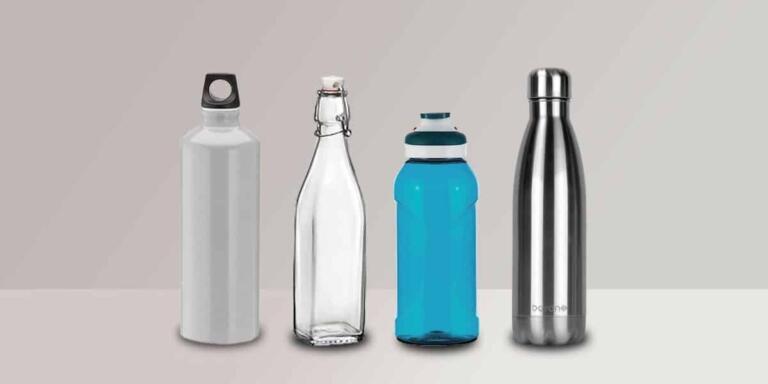
- ☐ Water bottle — 1 L
- ☐ Sunscreen (broad‑spectrum) — SPF30–50
- ☐ Insect repellent — Icaridin 20%
- ☐ Swimwear — 2
- ☐ Shorts — 2–3
- ☐ Long pants — 2
- ☐ Pajamas — 1–2
- ☐ Small personal first‑aid items (see Health section)
- ☐ Label all items (name tags)
I recommend confirming laundry availability before you pack; camps with in‑house laundry can cut clothing counts to about 5–7 days. I always label everything — lost gear usually turns up if it’s clearly named.
Practical packing tips I use myself: choose a waterproof breathable rain jacket, bring a lightweight insulating mid‑layer rather than a heavy coat, and pick closed‑toe camp shoes for mixed activities. Keep spare headlamp batteries in a sealed bag. A 12–18 L daypack handles a water bottle, jacket, snack and camera without bulk.
Remember these quick phrases as packing checkpoints:
- “7 T‑shirts, 10 pairs socks/underwear”
- “2‑week camp packing quantities”
- “sleeping bag 5–10°C”
- “12–18 L daypack”
- “sunscreen SPF30–50”
- “Icaridin 20%”
If this is your child’s first summer camp, I suggest reviewing the camp’s gear list and any health forms right away so I can adjust quantities or add specialty items.
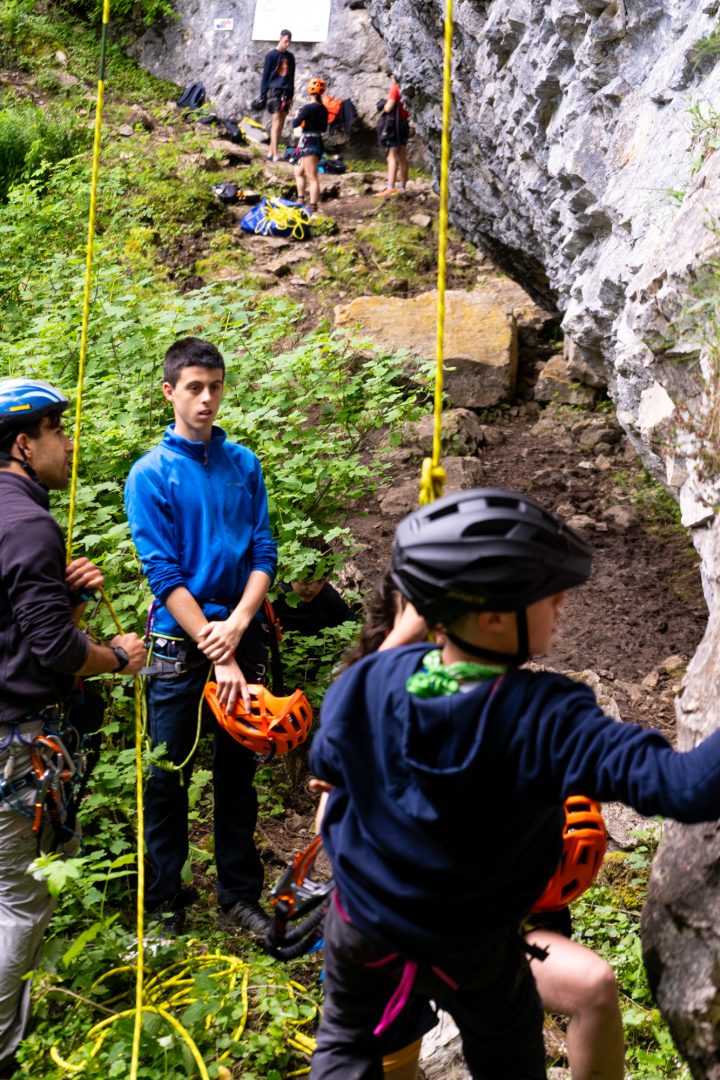
Swiss Summer Climate & Why Layering Matters
The Swiss Plateau averages about 18°C in July (MeteoSwiss). Temperatures fall rapidly with elevation because the mountain lapse rate is roughly −6.5°C per 1,000 m, so you can expect substantial differences between lowland and alpine locations. At around 400 m (the Plateau) you’ll see those mid‑teens to high‑teens summer days; at 1,500 m temperatures can be roughly 10°C lower, and at 2,000 m or above daytime readings commonly run 8–12°C cooler than the lowlands while nights can approach 0–5°C.
Rain in summer is frequent: many lowland areas record about 11–12 rainy days per month from June to August. The UV index in summer commonly sits between 7 and 9 and climbs with altitude, so sun exposure is a real risk on high trails and during alpine activities. Ticks are active from April through October, so grassy and wooded areas call for extra vigilance.
Packing choices that respond to the climate
I recommend a clear layering system and specific items that handle temperature swings, sun, rain, and ticks:
- Layer system: lightweight moisture‑wicking base, insulating mid‑layer (fleece or lightweight down), and a waterproof breathable shell. I pack at least two mid‑layers for cold nights at altitude.
- Sleeping bag: choose one rated for about 5–10°C to cover cool mountain nights.
- Rain protection: waterproof shell plus rain pants. I always bring rain gaiters for muddy trails.
- Sun protection: sunscreen SPF 30–50, broad‑brim hat, and UV‑blocking sunglasses. I treat high‑altitude days like high‑UV days.
- Tick precautions: long pants tucked into socks for hikes through grass, a tick removal tool, and daily body checks after outdoor time.
- Footwear and socks: waterproof hiking shoes and several pairs of moisture‑management socks to prevent blisters and exposure.
- Extras for cold: warm hat, light gloves, and a packable down vest — small items that make nights and high passes comfortable.
- Practical kit: lightweight towel, spare zip bags for wet clothing, and a compact repair kit.
If you want a full checklist that matches Swiss camp conditions, see my what to pack guide for Switzerland.
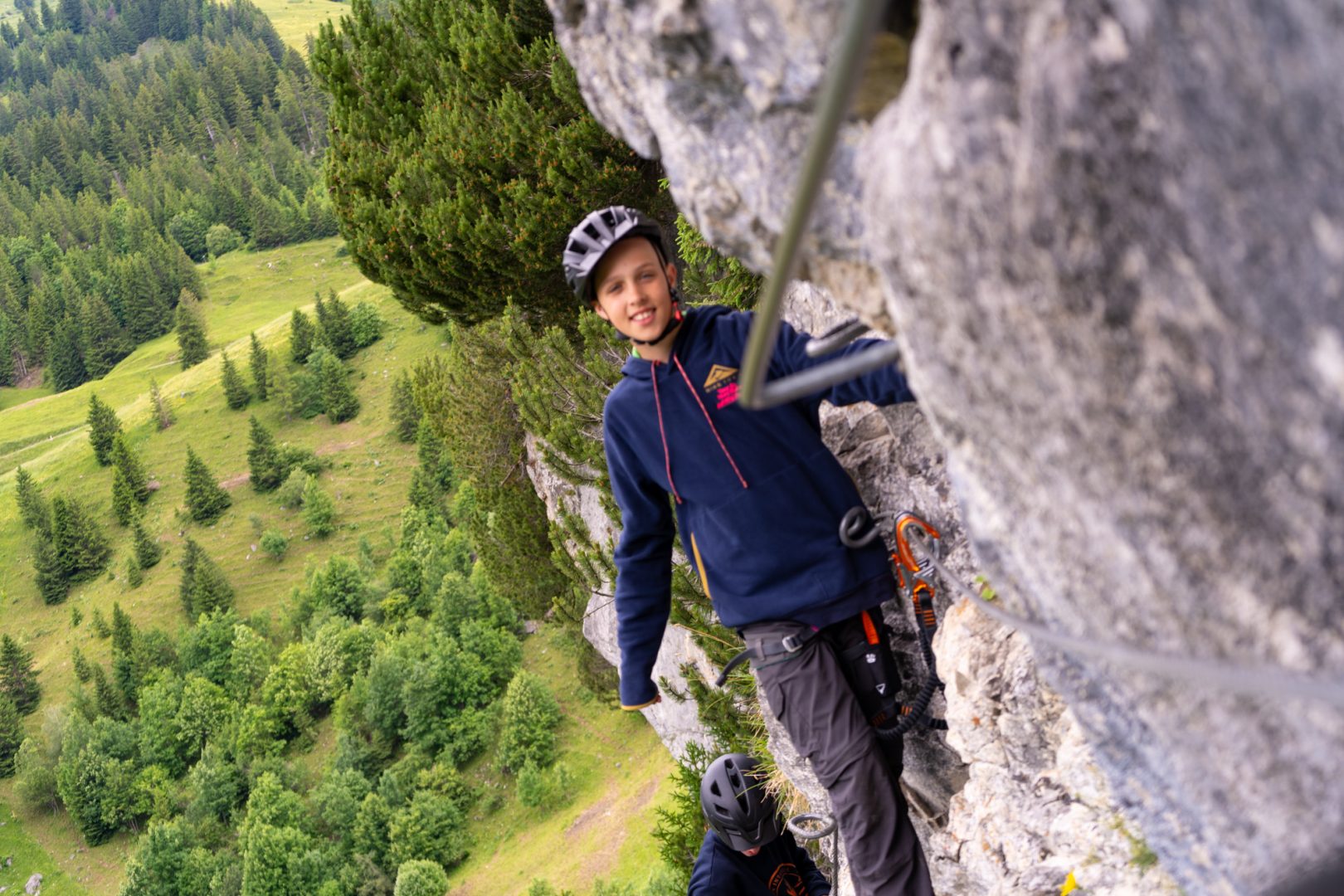
Clothing, Layering and Footwear (How Many Items and What Kind)
Packing counts for a 2‑week camp
I use these counts as a base guideline for a 2‑week camp that may have laundry available:
- Underwear: 10
- Socks: 10 (include 3–4 hiking socks)
- Short‑sleeve shirts (T‑shirts): 7
- Long‑sleeve shirts: 2–3
- Lightweight fleece: 2
- Insulating mid‑layer (puffer or warm fleece): 1
- Rain jacket: 1 and rain pants: 1
- Shorts: 2–3
- Long pants: 2
- Swimwear: 2
- Pajamas: 1–2
I expect camps with in‑house laundry to reduce counts to 5–7 days, so check with the camp to confirm. I also recommend labeling every item; it saves time and avoids lost-gear headaches.
Layering, fabrics and footwear guidance
I follow the simple layering principle: base, mid, shell. Base layers should be moisture‑wicking merino or synthetic—no cotton—so garments dry fast and resist odor. Mid layers provide insulation; pack two light fleeces and one warmer mid‑layer for cold evenings. The shell must be waterproof and windproof; pick a jacket and rain pants that compress easily.
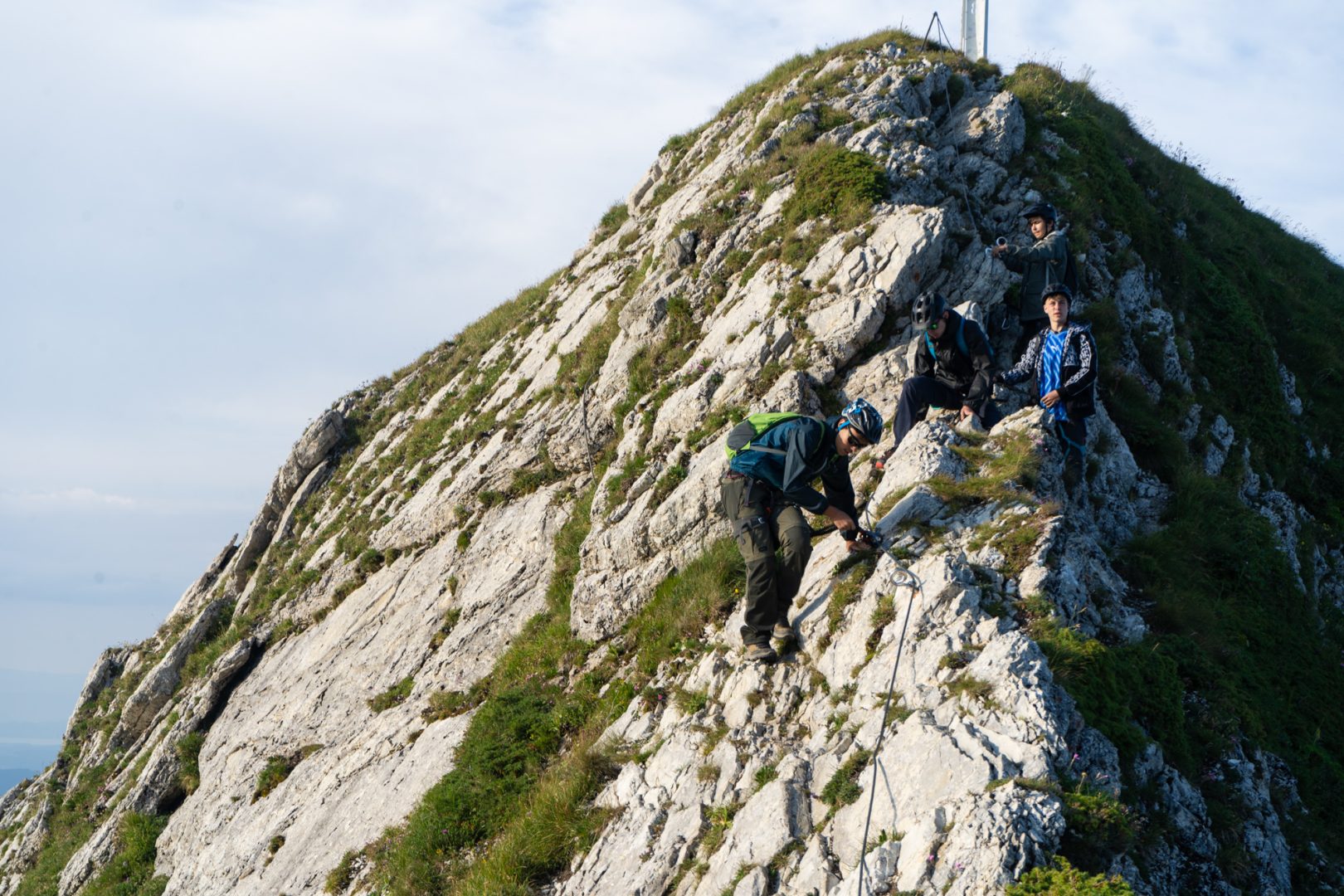
For footwear I always pack at least three types: a sturdy pair for hiking, a closed‑toe camp shoe, and water shoes or sandals. For multi‑day mountain hikes I prefer mid‑cut hiking boots for added ankle support. For lighter trails, trail runners work fine and weigh less. Fit matters: allow about 1 cm (roughly a half size) extra room in hiking footwear to avoid toe bruising on downhills. Break in any new boots or shoes before camp to prevent blisters.
I favor multi‑use, quick‑dry pieces that reduce total items. Merino wool is my go‑to for base layers and socks because it balances warmth, breathability and odor control. For kids who sweat a lot, synthetic shirts work well and dry very fast.
Product examples I recommend for hiking and camp use include:
- Salomon X Ultra Jr
- Keen Targhee Mid WP Kids
- Lowa Innox GTX Mid Junior
- KEEN Newport H2 for water and camp shoes
I also carry a lightweight pair of closed‑toe camp shoes for cabin time and shower use.
If you want a broader checklist that covers gear and extras, see what to pack.
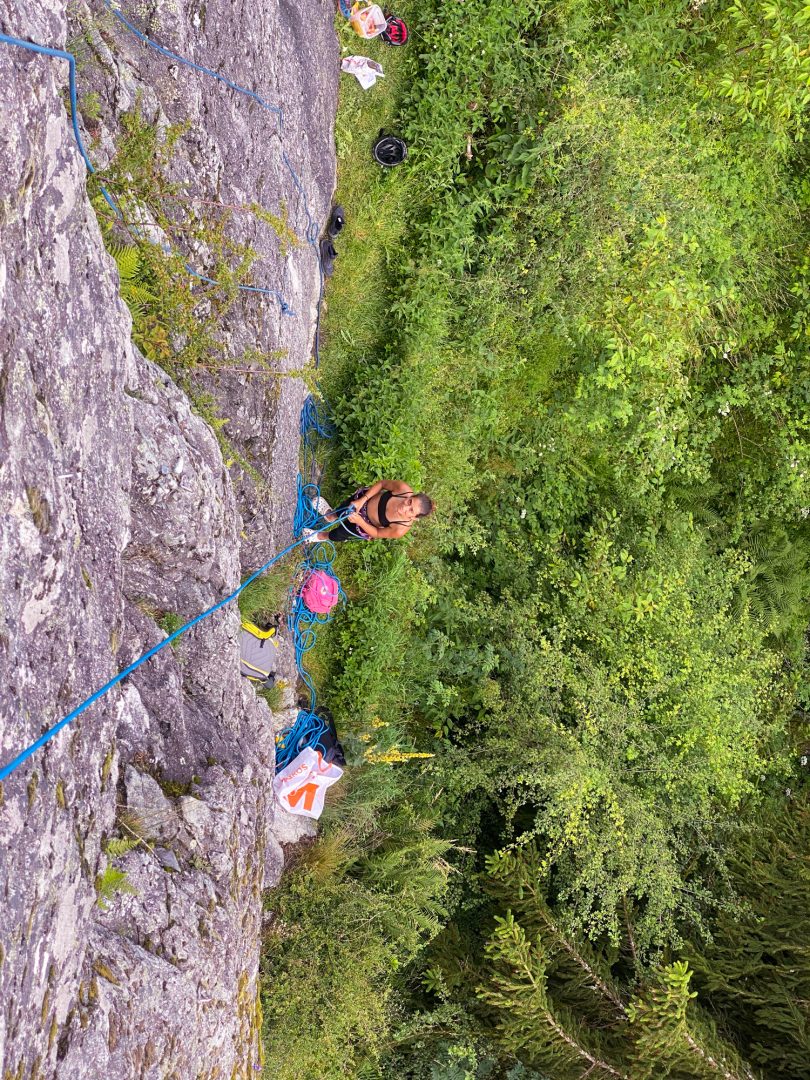
Rain, Waterproofing and Sleep Gear (What Protects Kids Day and Night)
Rain and waterproofing
I insist on at least one waterproof breathable rain jacket and a pair of rain pants per child. Choose seam‑taped construction and a Gore‑Tex or similar membrane for prolonged mountain storms. Breathability matters because kids run, hike and play — a waterproof layer that traps sweat becomes useless fast. Make sure hoods adjust, cuffs seal, and zippers have storm flaps.
Summer rainy days are common (~11–12 rainy days per month), so pack waterproofs even if the forecast looks good. I also recommend a lightweight waterproof stuff‑sack for electronics and documents; keep it with you on wet hikes. Check the camp’s packing list and policies, then cross‑reference with my short guide on what to pack: what to pack.
Product suggestions, sleep ratings and packing tips
Below are focused recommendations and functional guidelines to help you choose built items and sleep systems.
- Rain gear picks I trust: Patagonia Torrentshell Kids for a dependable jacket, Columbia kids’ rain jackets for value, and Helly Hansen rain pants for solid protection.
- Sleeping bags and pads I recommend: Therm‑a‑Rest Spark Jr and Sea to Summit Spark Jr for kids who need compact warmth; Therm‑a‑Rest Trail Lite sleeping pads for R ≈ 2 ground insulation.
- Sleeping bag ratings explained: “comfort” is the temperature most people sleep comfortably at; “lower limit” is the colder threshold experienced sleepers can tolerate. Aim for a bag with a comfort rating around 5–10°C for general summer camp use. If camp involves high Alpine nights that can approach 0–5°C, choose a bag whose comfortable lower limit sits near 0–5°C.
- Pad guideline: use a lightweight sleeping pad with an R‑value of about 2 or greater for summer alpine nights to avoid conductive heat loss to the ground.
- Practical packing tips: store electronics and travel documents in dedicated waterproof sacks. Keep sleeping bags in a breathable storage sack at home and compress them only for travel to preserve loft and insulation. Always confirm with the camp whether they provide sleeping bags or linens before buying new gear.
I favor gear that balances durability, weight and warmth. I check seals, test zippers and compress the kit for a trial pack to ensure everything fits a child’s kit bag.
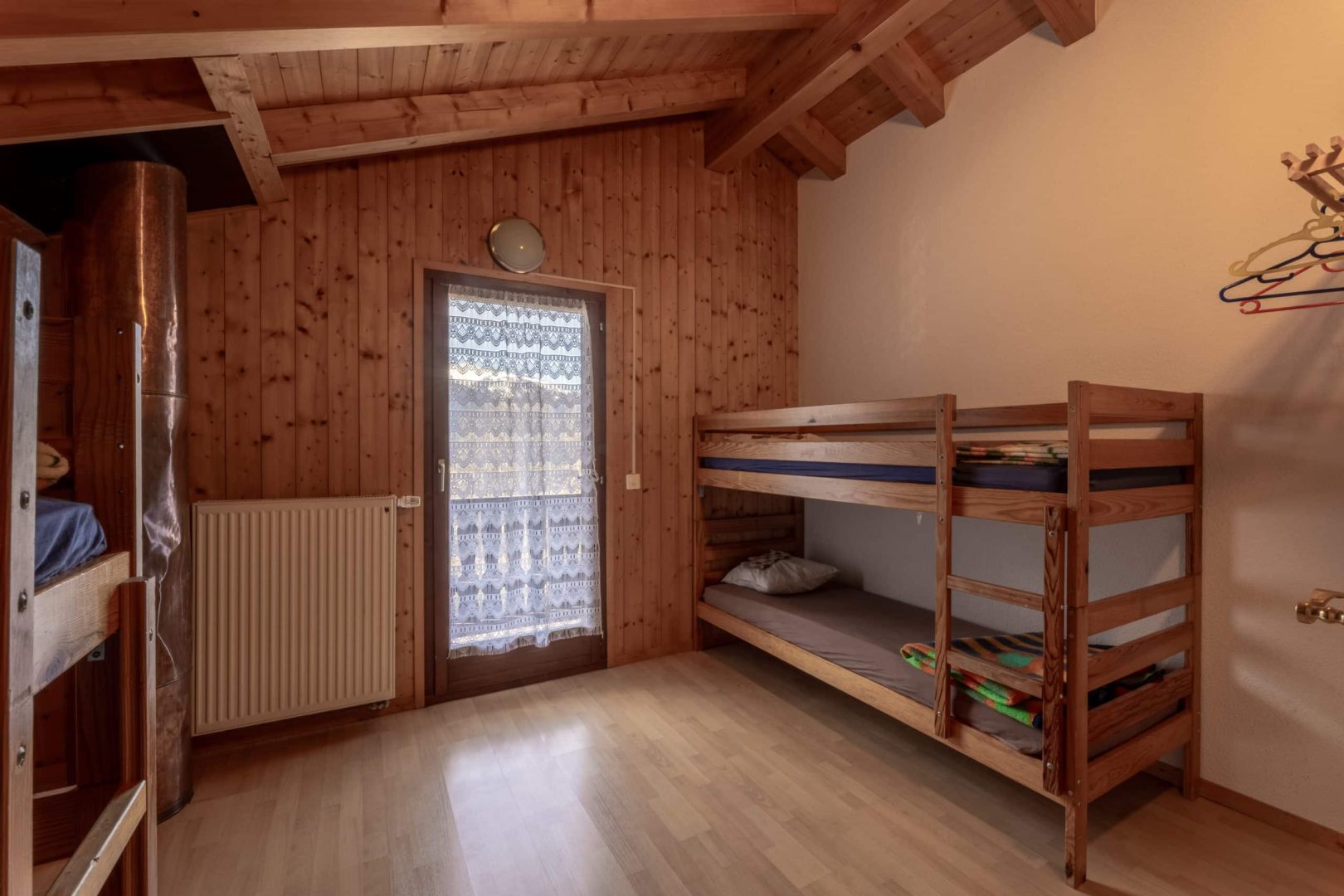
Daypacks, Weight Limits, Sun & Insect Protection (Practical Safety Rules)
Daypacks, safe weight and hydration
I set clear limits so kids stay comfortable and safe on hikes. Here’s the practical sizing, weight rules and hydration guidance I use:
- Daypack size by age: under 8 years — 8–12 L; ages 8–12 — 12–18 L; teens 12+ — 18–25 L.
- Safe pack weight guideline: children should carry no more than 10–15% of their body weight for day hikes. Use this formula: child weight × 0.10–0.15 = max pack weight. Do a packing test: have the child walk 15–20 minutes at home with the loaded pack and adjust if they complain of strain.
- Water capacity: minimum 500–750 ml for short hikes; 1–2 L for longer days or hot weather. Choose a bottle that your child can open easily.
- Practical gear examples I recommend: Deuter Junior 10 and Osprey Daylite for daypacks; Nalgene or CamelBak bottles for hydration.
For a full items checklist, see what to pack.
Sun protection and insect/tick precautions
I prioritize both sun and insect safety because Swiss camps spend hours outdoors. Use broad‑spectrum sunscreen SPF 30–50. Apply it 15–20 minutes before sun exposure and reapply every 2 hours and after swimming or heavy sweating. Pack a lip balm with SPF and a wide‑brim hat. If you prefer extra coverage, choose UV‑protective clothing for long sessions in the sun.
For insect and tick defense, I favor repellents with Icaridin 20% or DEET 20–30%. Icaridin tends to irritate skin less, so I pick it for younger or sensitive children. Ticks are active April–October, and daily tick checks after outdoor activities are essential. Teach kids to check common sites: behind knees, groin, scalp and armpits. Carry a simple removal tool such as a Tick Twister or tick key and know the removal steps before camp starts.
- Layer clothing choices to reduce bites: light‑colored garments show ticks easily, and long pants tucked into socks prevent attachment.
- Consider permethrin treatment for clothing if the itinerary includes dense undergrowth, but follow label instructions and test a small area first.
- Practice tick removal and sunscreen application at home so kids are confident and caregivers can spot issues early.
Health, Documents, Toiletries, Electronics, Money, Safety and Packing Tips
I treat health paperwork as the top priority. Most camps insist on a completed health form and a medication list. I carry prescription details and a doctor’s note for controlled meds, plus a photocopy of any prescriptions. Keep routine vaccinations current; Swiss guidance recommends tetanus for outdoor programs. I pack a labeled meds pouch with dosing instructions and an extra copy of prescriptions, and I hand medication and clear instructions to camp medical staff on arrival.
I always include a small personal first‑aid kit. I add blister plasters (Compeed), adhesive bandages, antiseptic wipes, an oral antihistamine, child‑dose pain/fever reducer, and a spare EpiPen if the child needs one. That kit stays accessible in a daypack while the main meds go to staff.
I prepare and organize key documents before travel. Bring health insurance details, a copy of passport or ID, all signed consent forms, and a printed emergency contact list. I also note Swiss emergency numbers in an obvious spot: 144 (ambulance) and 112 (general/EU emergency). I tuck a second ID into clothing for quick ID retrieval if items get misplaced.
Many Swiss camps limit electronics. I confirm the camp’s rules on phones, tablets, and drones well before packing. If the camp allows devices, I recommend a simple, sturdy device with a protective case and a basic charger. I suggest pocket money of CHF 20–100, depending on length and optional extras, and I bring a small amount of Swiss francs (CHF) in cash for tuck shop purchases or snacks.
I keep safety rules strict. Leave knives, lighters, vaping devices, fireworks, expensive jewelry, drones (often restricted), and any illegal substances at home. Instead, pack these essentials in the daypack for hikes and activities:
- Whistle
- ID card
- Insurance information
What to ask your camp
Before finalizing a kit, I run through these quick questions with camp staff:
- Is laundry available and how often? Can counts be reduced to 5–7 days?
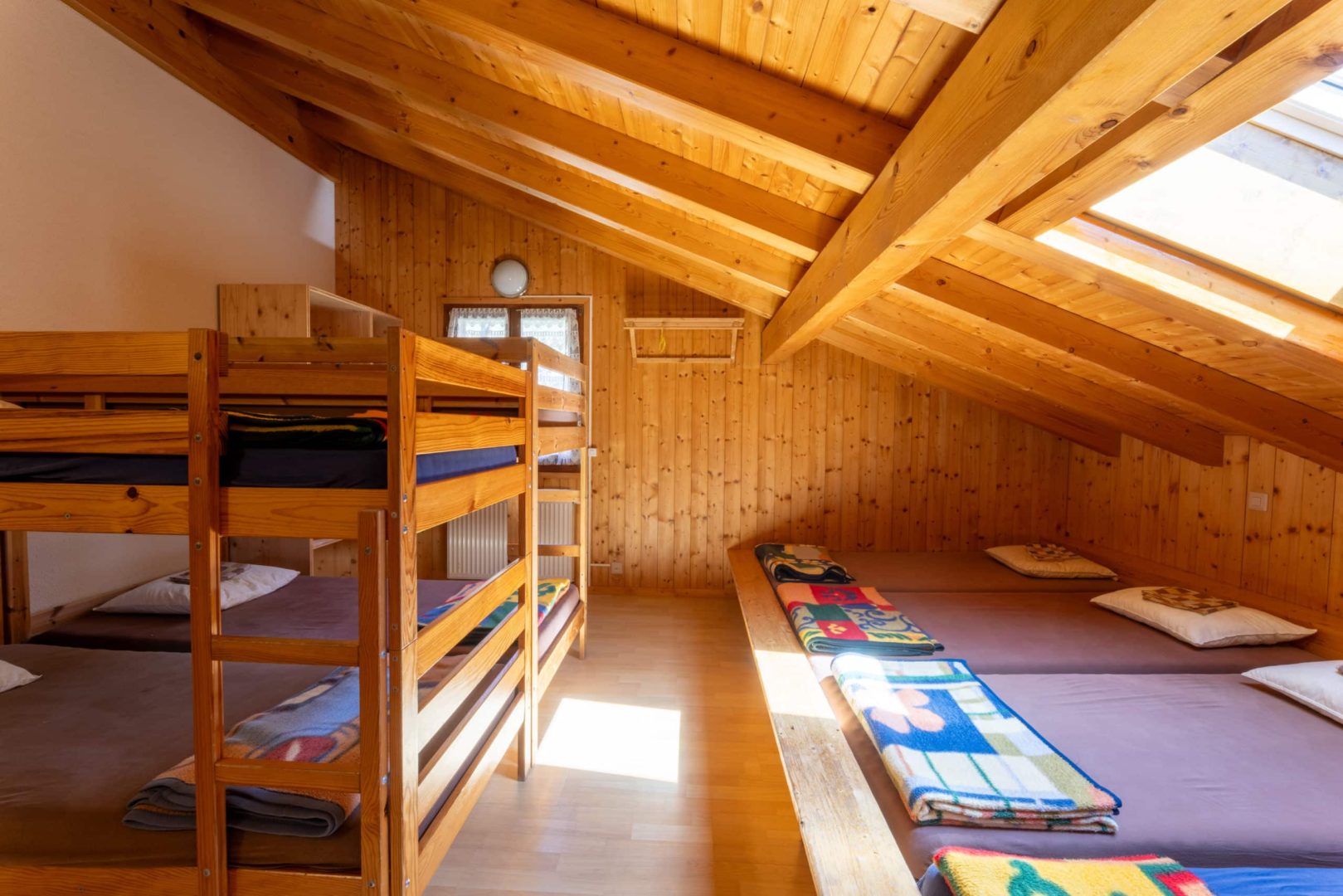
- Are sleeping bag or linen provided, or must I bring them? (If bringing a sleeping bag, aim for comfort around 5–10°C.)
- What’s the electronics and phone policy? Are charging and secure storage provided?
- How is medication handed over and stored? What on‑site medical care is available?
- What are your weather and emergency procedures? Do helmets fit with rain hoods or alternative gear?
Practical packing techniques and gear examples
Label everything. Use sewn‑on labels or strong adhesive tags, and add a second name label inside clothing. Camps report many lost items, so this step saves time and hassle. I use compression sacks for bulky clothes and a zip‑lock system for toiletries to prevent leaks. Heavier items go low and close to the pack’s back panel; that keeps the bag stable. I always test pack weight and have the child carry the loaded bag for a short walk. That reveals if the load’s too heavy. New hiking shoes get a proper break‑in period at home.
For equipment, I recommend reliable, simple items rather than luxury extras. Examples I trust:
- Headlamp — Petzl Tikkina
- Water bottles — Nalgene 500–750 ml or CamelBak Eddy Kids
- Tick removal tool — Tick Twister
- Sunscreen — La Roche‑Posay Anthelios SPF50
- Insect repellent — Autan or Icaridin 20%
- Quick‑dry towel — PackTowl
- Name labels — Name Bubbles or StuckOnYou
- Small first‑aid — Adventure Medical Kits small hiker kit
I pack one outfit for wet weather and one warm layer for cold nights.
I also point parents and guardians to a basic camp packing primer if they want a full checklist for children attending their first camp: your first summer camp. That resource helps confirm items like sleeping bag specs, laundry frequency, and electronics rules before departure.
Sources:
MeteoSwiss
World Health Organization (WHO)
European Centre for Disease Prevention and Control (ECDC)
Swiss Federal Office of Public Health (FOPH)
American Academy of Pediatrics
Patagonia
Columbia
Helly Hansen
Deuter
Therm-a-Rest
Sea to Summit
Salomon
KEEN
Lowa
Osprey
La Roche-Posay
Autan
Nalgene
CamelBak
PackTowl
Petzl
Tick Twister
Adventure Medical Kits
Name Bubbles
StuckOnYou
Compeed