Teen Summer Camps In Switzerland (ages 13-17)
Teen summer camps in Switzerland (13–17): language immersion & alpine adventure, 1–4 week sessions. Verify medical, insurance & evacuation cover
Teen summer camps in Switzerland (ages 13–17)
Teen summer camps in Switzerland for ages 13–17 blend focused language immersion with alpine and outdoor adventure. Typical programs provide 15–25 hours/week of language classes plus about 5–7 activity sessions weekly. Most sessions run 1–4 weeks, while intensive leadership or academic tracks extend 2–8 weeks. Camps take advantage of Switzerland’s high safety and medical standards, multilingual settings and efficient transport to run programs reliably.
Program structure
Language instruction
Language-focused tracks emphasize immersive practice, integrating classroom time with conversational activities and excursions. With 15–25 hours/week of target-language use, measurable gains are common—about 0.5–1 CEFR level after 3–4 weeks.
Activity schedule
Adventure schedules typically include a mix of daily skill sessions, supervised excursions and progressive clinics. Expect roughly 5–7 activity sessions per week, with preparation and debrief briefings each day to reinforce safety and learning.
Session lengths
Most camps offer sessions of 1–4 weeks. Longer, specialized tracks—such as leadership, academic credit or intensive language programs—often run 2–8 weeks.
Safety and staffing
Staffing ratios
Camps maintain staff-to-camper ratios to match activity risk levels: roughly 1:6 for high-risk activities and approximately 1:8–1:12 for general supervision.
Medical and evacuation plans
Switzerland’s medical system supports reliable on-call care, but you should still confirm each camp’s medical plans, insurance requirements and evacuation policies before booking. Ask for details on first-aid training, local clinic access and crisis communication procedures.
Transport and logistics
Efficient public and private transport in Switzerland helps camps run consistent transfer schedules. Verify pick-up/drop-off points, airport transfer options and whether transfers are included in the listed price.
Cost and budgeting
Prices vary with accommodation, program intensity and included services. Typical ranges are:
- Day camps: CHF 200–600/week
- Standard language/adventure residential: CHF 700–2,000/week
- Premium residential or all-inclusive programs: CHF 1,500–6,000+/week
Additional costs commonly include transfers, equipment rental, optional excursions, travel insurance and administrative fees. Confirm what is and isn’t included before you pay.
Booking and preparation
- Book early: reserve 3–12 months in advance for popular dates and programs.
- Complete paperwork: submit medical forms, consent documents and any medication instructions promptly.
- Verify visas and insurance: confirm visa requirements for your nationality and purchase appropriate travel and health insurance.
- Check safety credentials: request staff background checks, emergency plans and evacuation procedures from the camp.
Key Takeaways
- Session lengths: 1–4 weeks for most camps; 2–8 weeks for intensive leadership or academic programs.
- Language gains: immersion commonly produces ~0.5–1 CEFR level improvement after 3–4 weeks with 15–25 hours/week.
- Adventure safety: schedules focus on daily briefings, progressive skill clinics and staff ratios of ~1:6 for high‑risk activities.
- Budget widely: day camps CHF 200–600/week; standard CHF 700–2,000/week; premium CHF 1,500–6,000+/week; extras include transfers, equipment rental, insurance and excursions.
- Enrollment checklist: book early (3–12 months), complete medical/consent paperwork, verify visas and insurance, and request camp safety, staff background and evacuation policies before enrolling.
Immediate at-a-glance facts
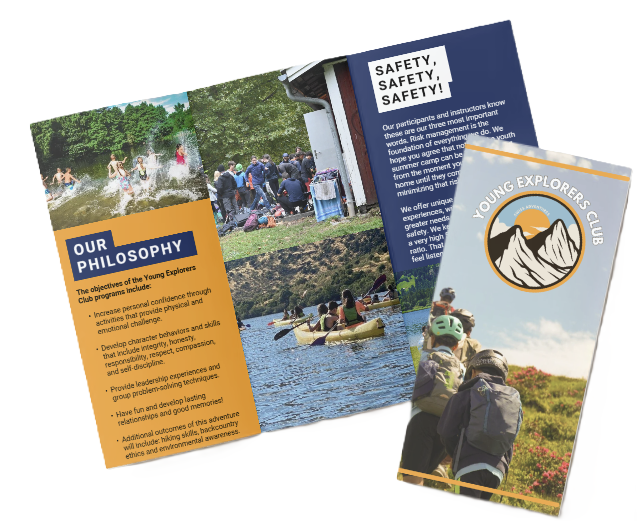
At the Young Explorers Club, we list core facts for quick decisions. Our focus is teens aged 13–17. We offer typical session lengths of 1–4 weeks, while some intensive and leadership programs run 2–8 weeks. We detail full program breakdowns on summer camps in Switzerland.
Quick reference figures we use
Below are typical, approximate figures we use for planning:
- We serve ages 13–17 — the standard bracket for teen programs.
- Session length: 1–4 week sessions are the common format; we also deliver 2–8 week intensive or leadership tracks for deeper immersion.
- Language immersion: about 15–25 hours per week for focused progress.
- Adventure camps: plan 5–7 activity sessions per week to balance skills, challenge, and recovery.
- Staff-to-camper ratios: 1:6 for high-risk activities and 1:8–1:12 for general residential supervision.
For planning, we recommend matching session length to a teen’s maturity and goals: short stays to sample, longer stays for stronger language gains and leadership growth.

Why Switzerland is ideal
We, at the young explorers club, choose Switzerland because it blends top safety standards, dramatic alpine scenery and multilingual regions that accelerate language learning and outdoor-skill development for teenage campers. Families trust the country’s regulatory and medical systems. Camps often host international campers 20–30 nationalities, so teens form global friendships fast.
Key advantages
These features make Switzerland stand out:
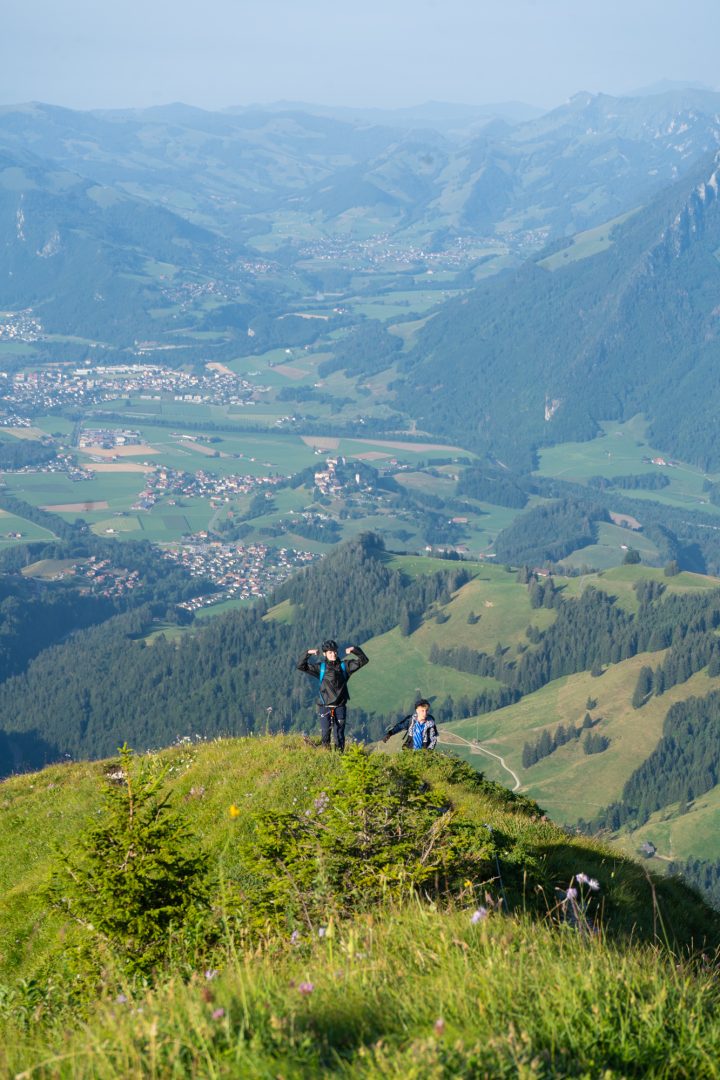
- Alpine adventure access: direct entry to hiking, climbing, paragliding and white-water rafting from many camp bases. Teens can move from basecamp to high-mountain routes in a day, which maximizes skill practice and confidence.
- Transport and connectivity: a dense rail network and international airports let families reach remote valleys without long road transfers. Efficient public transport also supports day trips and safety evacuations if needed.
- Multilingual environment: camps operate in German, French, Italian and English. Staff and locals switch languages naturally, creating genuine language immersion that accelerates fluency.
- High regulatory and medical standards: Swiss health services and inspection regimes mean parents can relax about on-site care and emergency procedures.
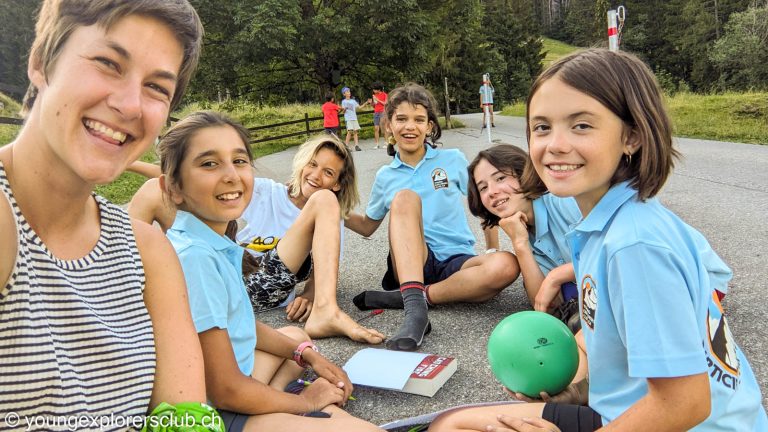
- International diversity: with many programs hosting international campers 20–30 nationalities, cultural exchange becomes part of daily life — meals, challenges and team projects all get broader perspectives.
Practical notes for families
Plan early for peak weeks; alpine activities and specialist instructors fill quickly. Pack layers for variable mountain weather and include a daypack, waterproof jacket and sturdy boots. Check vaccination and insurance requirements well before departure. Expect mixed-language cabins and activity groups; we encourage campers to try conversing in short exchanges — it builds real-world language immersion. I recommend reviewing our guide to summer camps in Switzerland for specifics on locations and program types.

Types of Camps, Typical Program Structures and Learning Outcomes
I’ll break down the common camp types you’ll find in Switzerland for ages 13–17, explain how a typical week runs, and state the outcomes you can expect. We, at the Young Explorers Club, run and coordinate programs across these formats and use these structures to guide curriculum and safety planning.
Language immersion (English / French / German)
I structure immersion programs around 15–25 hours of classroom instruction per week, plus cultural excursions and social activities conducted in the target language. Students live the language in supervised contexts: meals, games, project work and excursions all reinforce speaking and listening. Immersion combined with 24/7 target-language use accelerates speaking ability more than classroom-only models. Many providers report average improvements of about 0.5–1 CEFR level after a 3–4 week intensive course; always ask for baseline and post assessments.
Adventure / outdoor camps
I program adventure camps with a strong safety-first culture. Typical activities include:
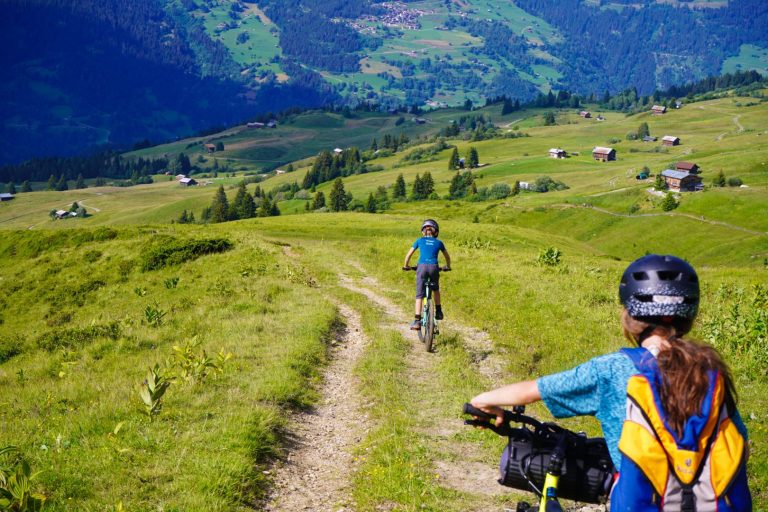
- Hiking, climbing, rafting, paragliding and mountain biking.
- Usually 5–7 activity sessions/week with daily safety briefings.
I classify risk roughly as:
- Low: hiking, lake kayaking
- Medium: via ferrata, mountain biking
- High: whitewater rafting, paragliding
Sessions combine skill clinics, leader-led practice and equipment checks to keep risk managed while allowing real skill gains.
Boarding-school style academic / summer school
I design these for academic focus and enrichment. Sessions often run 2–6 weeks with structured morning academic blocks (usually 3 hours), afternoon activities or sports, and supervised study periods in the evening. This format suits students who want an academic boost while experiencing campus life.
Sports specialty camps (tennis, soccer, multi-sport)
I run daily training sessions of 1–3 hours/day focused on technique, conditioning and match play. Coaching is progressive: drills in the morning, tactical sessions in the afternoon, and competitive play to consolidate skills.
STEM / tech camps (robotics, coding)
I schedule 15–20 contact hours/week for hands-on project work and end-of-week presentations. Projects emphasize problem-solving, teamwork and portfolio-ready outcomes that students can show to schools or employers.
Leadership & gap-year prep
I combine classroom modules with community projects and multi-day outdoor expeditions. These programs focus on leadership frameworks, practical planning, group decision-making and reflection exercises that turn experience into concrete skill.
Typical weekly schedules — quick samples
Below are clear weekly templates I use to set expectations and evaluate progress.
- Language Immersion: 20 classroom hours + 4 afternoons of cultural excursions + weekend day trip.
- Adventure / Outdoor: mornings safety briefing + 2 activity sessions, afternoon skill clinics, evening reflection/socials.
- Boarding Summer School: morning academic blocks (3 hrs), afternoon activities/sports, supervised study time at night.
- Sports Specialty: daily training sessions (1–3 hours/day) + match play/competition.
- STEM / Tech: 15–20 contact hours/week with project work and a final presentation.
- Leadership / Gap-Year Prep: leadership modules, community project work, multi-day expedition.
Learning outcomes and measurable gains
I measure success across language proficiency, technical skills and soft skills. Expect:
- Language: reported gains often sit around 0.5–1 CEFR level after a 3–4 week intensive course; ask providers for baseline/post assessments to verify.
- Technical skills: sport or STEM campers leave with demonstrable improvements (skill tests, project demos, match results).
- Soft skills: independence, leadership, teamwork, cross-cultural competence and resilience improve through real responsibilities and structured reflection.
Accommodation and amenities
I match accommodation type to program intensity and family preference. Typical setups include:
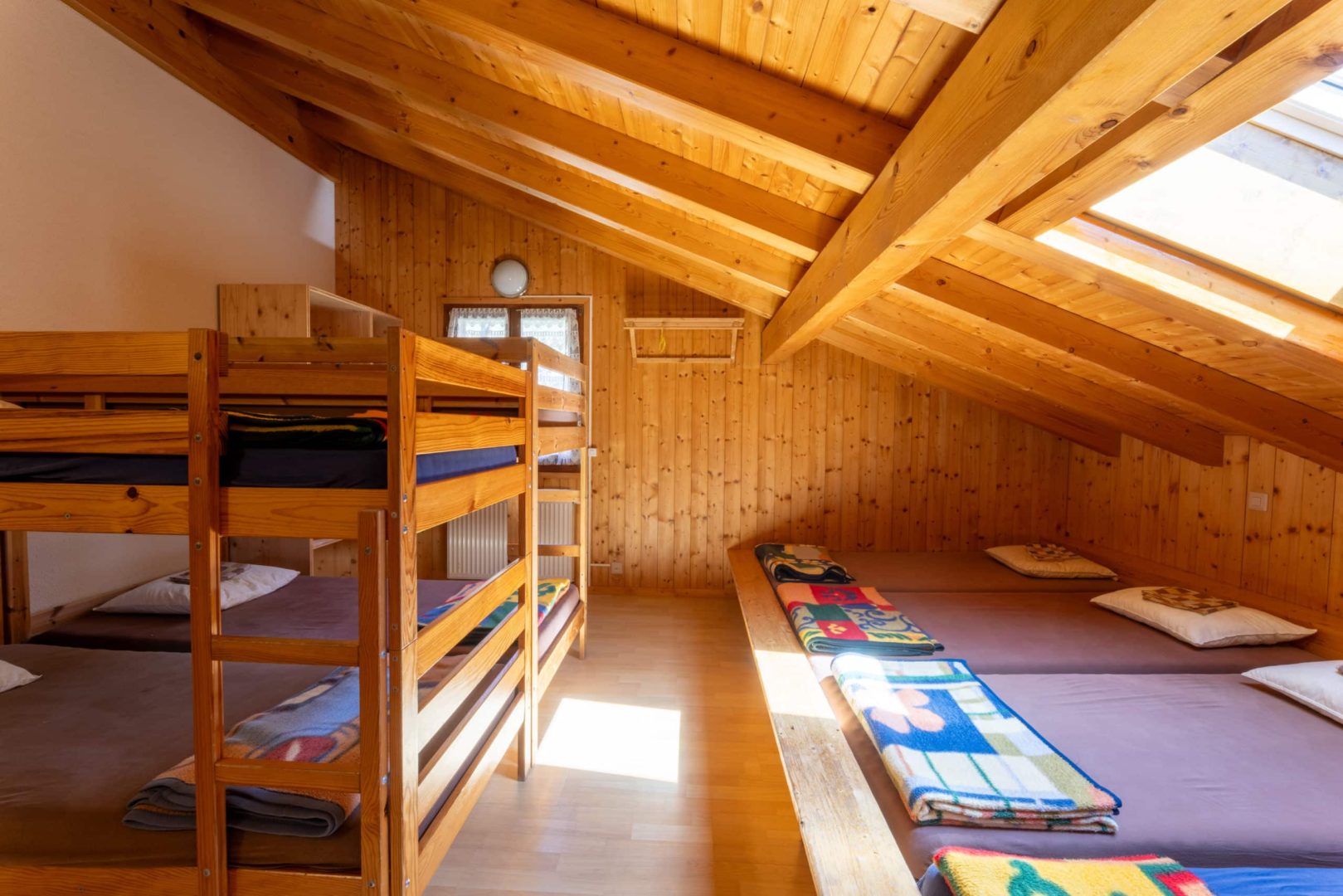
- Shared dormitories (2–4 beds)
- Single rooms for premium options
- Host families for some language immersion placements
Amenities usually include a dining hall with three meals/day, study rooms and Wi‑Fi, although connectivity may be limited in remote mountain locations.
If you want a program focused on language learning, consider our English camp option. For leadership-focused placements, explore our youth leadership program to see session calendars and sample assessment tools.

Costs, Inclusions and How to Budget
We price camps to reflect activity level, accommodation and staff ratios. Week-by-week ranges you’ll commonly see are:
- Day camps: CHF 200–600 per week
- Language and multi-activity camps: CHF 700–2,000 per week
- Premium residential / boarding-style programs: CHF 1,500–6,000 per week
A typical 2-week program usually falls between CHF 1,400–7,000 depending on type and inclusions.
We include core items in most standard packages:
- Accommodation
- Meals
- Daily activities
- Some local excursions
Extras that frequently add up are:
- Airport transfers
- Special excursions (for example trips to high-alpine sites)
- Equipment rental
- Insurance
- Visa fees
- Personal spending
Always ask each provider what’s “included” versus “optional” so you can compare apples to apples. For practical tips on selecting a program, we suggest you review how to choose the best summer camp and check the camp’s safety certifications and references.
Sample budgets and key value drivers
Below are realistic 2-week examples and the main factors that drive value. Use these to build your own budget.
- Lower-cost language day camp (2 weeks): Tuition CHF 800 (CHF 400/wk) + transfers CHF 100 + insurance CHF 60 + spending CHF 140 = ~CHF 1,100 total.
- Mid-range residential (language/adventure) 2 weeks: Tuition CHF 2,400 (CHF 1,200/wk) + transfers CHF 150 + equipment rental CHF 80 + insurance CHF 100 + spending CHF 200 = ~CHF 2,930 total.
- Premium boarding program 2 weeks: Tuition CHF 8,000 (CHF 4,000/wk) + transfers CHF 200 + insurance/evac CHF 200 + spending CHF 300 = ~CHF 8,700 total. (Reflects CHF 1,500–6,000+ per week premium range.)
Primary value drivers you should weigh when comparing programs:
- Staff ratios and staff training credentials: Better ratios mean more supervision and individualized support.
- Accommodation type: Shared dorms cut cost; single rooms increase comfort and price.
- Included excursions and transfer arrangements: Programs that bundle popular trips reduce surprise spend.
- Provider reputation, certifications and on-site medical support: These affect safety and long-term value.
We recommend asking camps for a full cost breakdown and a sample invoice. If leadership development matters, explore our youth leadership program for options that mix skills training with outdoor challenge. Plan for contingencies: add 10–15% to your estimated total for unexpected fees or extra excursions, and confirm refund and insurance policies before you pay.

Popular Camp Locations, Local Highlights and Travel Times
We, at the Young Explorers Club, pick sites that combine strong outdoor programs with easy access and realistic travel windows for families. Each region offers a different focus so you can match activities to a teen’s skills and interests.
Interlaken / Bernese Oberland
Interlaken adventure camps center on high-energy activities. The valley is an adventure-sports hub for rafting, canyoning and paragliding, and it works as a travel hub between lakes and mountains. The village layout makes same-day multi-activity itineraries feasible, so we’ll run a morning canyoning trip, an afternoon paddle on the lake and an evening language workshop without long transfers.
Verbier / Valais
Verbier mountain biking programs take advantage of high-altitude trails and glacier access. The terrain is ideal for alpine hiking and technical descent practice. Teams can use Verbier for altitude training blocks and skills clinics that progress over a week.
Zermatt / Matterhorn region
Zermatt Matterhorn camps emphasize glacier hikes, high-mountain circuits and scenic railway travel. The village is car-free, which simplifies on-site logistics and keeps the environment quiet for evening programs. Expect alpine safety workshops and glacier navigation sessions here.
Geneva / Lausanne / Lake Geneva
Geneva French immersion camps mix language classes with water sports on Lake Geneva and cultural city experiences. The lakeside setting is perfect for sailing, stand-up paddle and weekend trips into museums and historic towns.
Lucerne / Central Switzerland
Lucerne programs focus on lake activities with easy day trips to Rigi and Pilatus. The region is ideal for mixed-skill groups who want both water time and moderate alpine challenges.
St. Moritz / Engadin
This region suits alpine sports plus higher-end boarding-school-style programs. St. Moritz supports technical winter-style training in summer and refined residential experiences.
Airports and logistics matter for planning. Major arrival points to consider are Zurich (ZRH), Geneva (GVA), Basel (BSL) and Bern (BRN — smaller). Zermatt’s car-free policy means a final train transfer; Verbier and Interlaken are straightforward by car or rail. For full program options we, at the Young Explorers Club, recommend reviewing our list of the best summer camps for precise offerings and dates.
Typical travel times with short itineraries
Below are practical travel examples and a single-day itinerary idea for each region.
- Interlaken — Zurich to Interlaken ~2 hours by train. Sample day: morning canyoning, afternoon stand-up paddle, evening language circle.
- Verbier — Geneva Airport to Verbier ~2–2.5 hours by car or train. Sample day: morning skills clinic, afternoon guided trail ride, evening cultural talk.
- Zermatt — Zurich to Zermatt (Visp + train) ~3.5 hours. Sample day: morning glacier hike, afternoon alpine safety workshop, evening film on mountain ecology.
- Geneva / Lausanne — Geneva Airport to Lausanne ~45–60 minutes. Sample day: morning French class, afternoon lake sailing, weekend cultural city tour.
- Lucerne — Zurich Airport to Lucerne ~1–1.25 hours. Sample day: morning lake session, afternoon Rigi day trip, evening team debrief.
- St. Moritz / Engadin — travel times vary more by route; plan for longer transfers from Zurich or regional hubs. Sample day: altitude-adapted conditioning session, afternoon technical skills, evening study group.
I advise planning arrivals around midday so teens have time to settle before evening orientation. We schedule airport pick-ups with buffer windows and use train transfers where they reduce road congestion and teach independence. For car-free or remote locations, pack a simple checklist for teens:
- Layered clothing
- Sturdy shoes
- Reusable water bottle
- Small daypack
- Sun protection (hat, sunscreen)
Duration, Typical Daily Timetables and Sample Schedules
We, at the Young Explorers Club, run flexible session lengths to fit different goals and family schedules. Our options include 1-week mini-camps, 2-week standard sessions, 3–4 week intensives and longer 6–8 week leadership or academic programs. Our shorter sessions focus on fun and quick progress. Longer sessions build fluency, skills and leadership. For the extended stays we offer a youth leadership program that combines practical leadership training with immersive experiences.
Sample daily schedules
Here are representative timetables parents and teens can expect; they show exact time blocks and weekly hours for each program type.
- Language camp sample: 09:00–12:30 classes (15–20 hrs/week), 14:00–17:30 activities and cultural excursions in the afternoon, 19:00 evening social sessions for informal language practice and games.
- Adventure camp sample: 08:30 safety briefing, 09:00–12:30 morning activity (hiking, climbing or water sports), 14:00–17:00 skill clinics or a second activity session, 19:00 evening reflection and socials around the campfire.
- Boarding school program sample: 08:30–11:30 academic blocks (3 hrs), 14:00–17:00 sports and supervised activities, 19:00–21:00 supervised study time with tutor support and quiet review periods.
We design each day to balance concentrated learning with active breaks and free-time for social bonding. Our language blocks use immersive techniques and small groups to hit the 15–20 hours language classes/week target. Adventure days prioritize safety briefings and progressive skill clinics, so teens build confidence without long, draining hours. Academic boarding schedules mirror school-day rhythms while keeping evenings for guided study and social life.
We advise families to plan travel around the session start and finish. Early arrival or late departure may require extra nights of accommodation and transfers; we charge accordingly. We recommend arriving one day before the program start for orientation, settling in and altitude or timezone adaptation. For many parents the single extra night prevents first-day fatigue and speeds social integration.
We commonly run a typical 09:00–17:30 schedule across day programs, and offer 1–4 week sessions as standard choices. When you book, ask us for downloadable timetables and a sample week; we provide them to help families plan flights, transfers and pre-camp preparation.
Admissions, Booking, Safety, Health, Visa and Legal Essentials
We, at the Young Explorers Club, run programs for ages 13–17 and usually split cohorts (13–14 and 15–17). Camps fill fast. I recommend booking early—aim for 3–12 months before arrival and expect popular sessions to sell out by December–March for summer. Deposits are commonly 20–50% with the balance due 4–8 weeks before the start date. Many programs treat deposits as non‑refundable, so I advise buying travel insurance that covers cancellation and medical evacuation.
Admissions require a completed application, a medical form, emergency contact details and travel consent for minors. Some camps add placement items: language placement tests or skill assessments for high‑risk sports. Send clear, legible documents and accurate medication instructions; missing paperwork can delay check‑in.
Safety, health and staff qualifications are non‑negotiable. I expect:
- High‑risk adventure activities to run at roughly 1:6 or better staff‑to‑camper ratios.
- General supervision and boarding ratios closer to 1:8–1:12.
Camps should have on‑site first aid and Wilderness First Aid or WFR certification for excursion leaders. All staff ought to pass background checks (DBS/FBI or Swiss equivalents), and the program should provide written evacuation and emergency plans plus 24/7 on‑call medical support. I always confirm whether the camp carries a formal incident reporting process and how they contact parents in an emergency.
Swiss emergency numbers and medical logistics you should know:
- Ambulance/rescue: 144
- Police: 117
- Fire: 118
- EU emergency (mobile): 112
Parents must confirm their child’s existing health insurance will cover treatment in Switzerland. I suggest adding supplemental travel/medical and evacuation cover; many families opt for Rega membership for helicopter evacuation when mountain rescue is a possibility.
Visas, parental consent and travel documents need early attention. Switzerland is in the Schengen Area, so non‑EEA nationals may require a Schengen Type C visa—check the Swiss embassy rules for your country well in advance. Visa processing often takes 2–6 weeks; factor that into your timeline. If the teen travels without both parents, prepare a signed travel consent letter and copies of parent ID. Keep photocopies of passports, visa grants and insurance with you and upload them to the camp portal if available.
Packing, arrival and administrative timeline
Below are concise checklists and a sample timeline to follow.
Packing and arrival checklist:
- Passport copies and visa documentation.
- Full insurance details and Rega membership if applicable.
- Completed medical form and any prescription meds in original packaging with clear instructions.
- Signed travel consent letter if required and parent ID copies.
- Layered clothing, waterproof jacket, sturdy hiking boots, daypack.
- Travel adaptor, small amount of Swiss Francs and card.
- Arrival buffer: plan to arrive one day before program start to handle delays.
Administrative timeline (sample):
- 6–12 months before: research programs and select dates; see our page to choose the best camp.
- 3–6 months before: submit the application and pay the deposit (20–50%).
- 4–8 weeks before: pay final balance, secure visas, obtain full safety and insurance policies from the provider.
- 1 week before: reconfirm arrival times and transfer details; send flight itineraries to camp.
I also advise parents to request specific documents before enrolling:
- Full camp safety policies and emergency procedures.
- Summary of staff background checks (DBS/FBI or Swiss equivalent).
- Details on medical staffing and evacuation plans.
- Copies of the camp’s liability and insurance coverage.
As standard practice, we provide these documents on request and are happy to walk parents through any element of our safety or visa process.
Sources
Switzerland Tourism — Summer in Switzerland: activities, mountains & lakes
Swiss Federal Office of Public Health (BAG) — Travel and health (Reise‑medizin)
Swiss Federal Railways (SBB) — Timetables and travel information
Rega — Swiss Air-Rescue (membership & emergency services)
Swiss Red Cross — First aid and health guidance
State Secretariat for Migration (SEM) — Schengen visa information for Switzerland
Council of Europe — Common European Framework of Reference for Languages (CEFR)
European Commission — Language learning and policy in Europe
ch.ch — Emergency services and numbers in Switzerland
Interlaken Tourism — Summer activities & outdoor sports in the Bernese Oberland
Verbier — Summer activities & mountain biking in Valais