Camp Formats and Focus
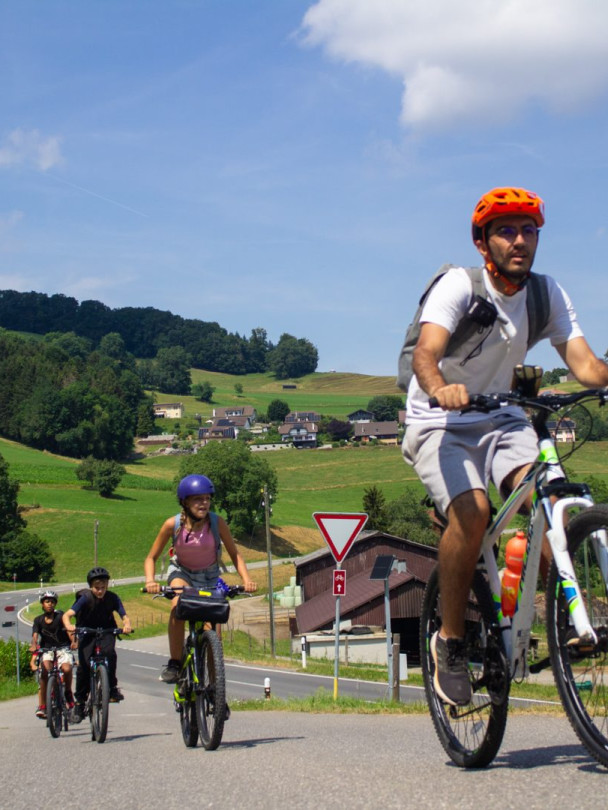
We separate traditional camps and adventure camps by format and focus. Traditional camps run from fixed sites that deliver arts, sports, waterfront and cabin activities, where daily routines remain predictable. Adventure camps operate expedition-style, with backpacks, climbing and paddling featuring in schedules; these programs emphasize technical skills and self-reliance. Match the camp type to a child’s age, fitness and goals. Traditional formats suit younger campers who want routine and variety, while adventure programs demand higher physical and mental readiness and staff with specific certifications. Families can expect larger gains in leadership and resilience from adventure settings.
Key Takeaways
Core model
Traditional camps run from a site and offer varied daily activities. Adventure camps operate in wilderness or mobile expedition settings and emphasize concentrated outdoor skills and expedition planning.
Daily rhythm and intensity
Traditional days follow predictable activity blocks and cabin cohorts. Adventure days start early, feature long activity windows, flexible timing and terrain-driven plans that require adaptability.
Session length and target age
Traditional options include day programs and 1–8+ week overnight sessions that typically suit younger children. Adventure programs run from 3-day expeditions to multi-week or semester terms and are generally aimed at teens.
Safety and staffing
Traditional staff usually hold lifeguard, first-aid and CPR certifications and operate with standard staff-to-camper ratios. Adventure leaders need wilderness medical training such as WFA (Wilderness First Aid) or WFR (Wilderness First Responder), technical instructor credentials and satellite communications; formal risk assessments guide their plans.
Outcomes and selection
Traditional camps build social skills, creativity and confidence through varied activities. Adventure camps drive measurable gains in leadership, problem-solving and resilience. Choose based on a child’s temperament, prior experience and the program’s intended goals.
 Watch on YouTube
What Traditional and Adventure Camps Are (Quick Definitions and Key Differences)
We define traditional camps as organized, camp-site based programs that offer a broad mix of activities and a steady daily routine. We run programs that include arts and crafts, waterfront and sports, campfire programs, cabin life and a structured schedule. We offer two common formats: day camps (single-day up to 8–9 weeks of daily summer programming) and overnight or sleepaway camps (sessions from one week to 8+ weeks, with 1–2 week sessions most common). We keep activities varied to suit younger children and families looking for routine and variety.
We describe adventure camps (wilderness or adventure education) as programs centered on outdoor challenge activities and experiential learning. We focus on backpacking, rock climbing, canoeing, high-ropes and expedition-style multi-day trips. We often run programs in remote locations and prioritize skill-building and self-reliance. Typical adventure formats include short expeditions (3–7 days), multi-week expeditions (10–28+ days) and semester-length gap programs for older teens. We expect higher physical and mental intensity and concentrated technical training.
We track participation trends and note that roughly 14 million children attend camps annually in the U.S., which shows how common both formats are. We use that scale to design safe, age-appropriate offerings and to help families choose the right fit.
We recommend parents match the camp type to the child’s readiness and goals. We suggest younger children start with day or sleepaway traditional camps to build social skills and confidence. We guide teens who want independence, technical skills or extended challenge toward adventure programs. For a practical preview of an adventure camp, we encourage families to read program itineraries and staff qualifications closely.
Quick comparison checklist to use when choosing
- Setting: site-based campsite and cabins versus wilderness or mobile expedition environments.
- Typical activities: varied arts, sports and camp traditions versus concentrated outdoor skills like climbing, paddling and navigation.
- Session length: day camps run daily up to multi-week summers; overnight camps span 1–8+ weeks; adventure programs run 3 days to multiple weeks or semester terms.
- Intensity: low–moderate routine and supervision versus moderate–high physical and mental challenge with skill progression.
- Typical camper profile: younger kids and families seeking routine and variety versus teens and older youth seeking challenge, independence and technical skills.

Daily and Weekly Rhythms: How a Typical Day Differs
We organize days to reflect different goals: predictable learning and social rhythm in traditional camps, and movement, decision-making, and endurance in adventure programs. Our traditional daily schedule locks into repeating activity blocks and cabin cohorts, which gives kids stability and easy-to-follow transitions. By contrast, our expedition days demand an early wake, flexible timing tied to travel and terrain, and emphasis on practical skill sessions and real-time risk management. I’ll lay out concrete examples and practical notes so families and staff can plan reliably.
Typical day examples and practical notes
-
Traditional overnight camp (sample): wake ~7:00 AM; breakfast; two morning activity periods; noon lunch; rest/siesta; two afternoon activities; evening program such as a campfire or performances; cabin time and lights out. This example day spans ~7:00–20:30 and relies on consistent routines and cabin cohorts for group cohesion.
Practical tip: predictable wake and lights-out help younger kids build sleep habits and recover for scheduled activity blocks.
-
Traditional day camp (sample): typical hours often run 9:00 AM–4:00 PM with morning and afternoon activity blocks plus a midday snack/lunch. The shorter day reduces overnight logistics and fits school-break schedules.
Practical tip: pack layers and a refillable bottle; transitions between blocks mean quick changes and fast hydration.
-
Adventure expedition-style day (sample): 6:00 AM pack-up; 6:30–10:30 AM trek or paddle; a midday break of 30–90 minutes for food and rest; afternoon skill sessions or route-finding; camp setup and debrief; evening instruction and reflection. Adventure expedition days commonly begin before sunrise and may include 6–10 hours of physical activity per day.
Practical tip: train gradually for longer activity windows, focus on sleep quality, and practice efficient pack-up and short, restorative breaks.
How we adapt schedules
-
Weather and terrain drive the minute-to-minute plan. A storm shortens travel windows; heat expands rest intervals.
-
Camper age and program goals change emphasis. Younger groups get more frequent rests and shorter excursions. Teen programs increase self-reliance and navigation practice.
-
Safety checks are scheduled around exertion: regular hydration stops, route checks, and gear inspections bookend long stretches of activity.
Operational notes for staff and parents
-
Pack-up discipline matters. We drill quick and consistent pack-up routines so mornings run on time without sacrificing safety.
-
Skill sessions are placed when attention is highest. That usually means mid-morning in traditional camps and late afternoon in expedition days after the hardest travel.
-
Debrief and reflection are non-negotiable. We use evening debriefs to consolidate learning, adjust the next day’s plan, and maintain group morale.
Expectations and recommendations
-
Communicate clearly with families about early wake times and physical demands for expedition days; this reduces surprises.
-
Encourage layered clothing and lightweight, high-energy snacks for long activity days.
-
Use the schedule to teach self-management: responsibility for gear, awareness of pace, and simple route-finding. For a deeper preview of what this looks like on program, see expedition day.

Activities, Skills Taught and Certification Expectations
We, at the Young Explorers Club, split activities differently between traditional and adventure camps so each delivers a clear learning arc. Traditional camps pack variety and adventure camps focus depth to build competence over time.
Traditional camps include a broad mix of daily offerings to encourage creative expression and social play:
- Arts and crafts
- Swim instruction at a supervised waterfront
- Canoeing
- Team sports
- Nature study
- Drama and music
- Campfire programming
- Cultural/theme days
Most traditional camps include 4–8 activity types per day. That schedule gives kids broad exposure and many chances for creative expression and social play.
Adventure camps favor concentrated learning to develop technical competence and expedition skills. Typical staples include:
- Map and compass / backcountry skills
- Vertical skills such as rock climbing and rappelling
- Paddling and whitewater
- Multi-day backpacking
- High ropes and group problem-solving courses
- Structured leadership development and formal risk-management challenges
Adventure programs typically emphasize 1–3 core activity genres daily (for example: backpacking + navigation + group skills). This approach lets participants build real competence on multi-day objectives rather than merely sampling activities.
Certification and safety expectations
Certification and safety expectations differ by program type and we train staff accordingly.
For traditional camps, expected qualifications usually include:
- Lifeguard certification and waterfront safety for swim programming
- Standard first aid and CPR
- Background checks for staff
For adventure programs we require higher technical and medical preparation:
- Wilderness First Aid or Wilderness First Responder (WFR) depending on remoteness
- Technical instructor certifications (AMGA or equivalent local climbing credentials) for ropes and climbing
- Swiftwater or canoe/kayak instructor certifications for moving-water programs
- Training on satellite communication and emergency devices
- Formally documented risk assessments and route plans for expeditions
Staff development is practical and incremental: we pair novice instructors with experienced leaders, run scenario-based safety drills, and require refreshers before each season. That approach reduces error and builds confidence in higher-risk settings.
Learning progression examples
Below are typical week-by-week and day-by-day progressions used to compare how skills scale in each model.
-
Traditional swim instruction:
- Week 1 — water comfort and basic floating
- Week 2 — stroke fundamentals
- Week 3 — endurance swims and basic rescue awareness
- Week 4 — lifesaving drills for advanced swimmers
-
Expedition-based water safety:
- Day 1 — river reading and gear checks
- Day 2 — self-rescue drills and controlled swims
- Day 3 — team rescues and throw-bag practice
- Multi-day — applying river skills on a guided stretch
-
Land navigation (adventure):
- Day 1 — compass basics and map symbols
- Day 2 — triangulation and pacing
- Day 3 — route planning and micro-route corrections
- Multi-day — lead leg of a backcountry route using on-route navigation skills
-
Team-building vs. leadership development:
Traditional team games emphasize cooperation and social confidence. Adventure programs layer individual leadership roles, formal debriefs, and real-time risk decisions so leadership development occurs under pressure.
I recommend parents match a child’s temperament and goals to the program model. Kids who want broad creative outlets thrive with arts-and-crafts and mixed schedules. Those seeking deep skill growth—backcountry skills, high ropes, and expedition experience—should opt for focused adventure weeks. For help deciding, see how to choose.
We hold every program to clear learning outcomes: measurable skills, documented certifications, and graded progressions. That structure makes it simple to track growth, build self-efficacy, and ensure safety across both traditional and adventure formats.

Intended Outcomes and Measurable Benefits
We, at the young explorers club, target clear social-emotional gains that both traditional and adventure camps deliver. Those shared outcomes include increased self-confidence, stronger peer relationships, greater independence and improved social skills. Evidence supports this: 70–90% of campers report increased confidence and social skills (camp outcome studies).
Adventure settings extend those effects into more specific, measurable domains. Programs that emphasize challenge and decision-making show larger gains in leadership, problem-solving, resilience and risk-management. Short nature-based activity produces measurable improvements in mood and self-esteem (green exercise literature). Longer adventure programs—multi-week expeditions—are associated with larger measurable improvements in leadership and resilience metrics versus single-week recreational stays (reported by outdoor-education institutions).
Practical measurement helps show impact and guide program design. For examples of daily activities that yield these outcomes, see our Swiss outdoor adventure.
How to measure and present results
Use these practical metric examples and reporting tips when you prepare articles, funding summaries or parent reports:
- Confidence — before-and-after self-rating scale (0–10). Report mean change and percent of campers with clinically meaningful gains.
- Teamwork — observer rating during group tasks, using a short rubric for communication, role-taking and cooperation.
- Leadership — behavior checklist captured during challenge scenarios (initiative, delegation, calming peers, decision clarity).
- Resilience — brief pre/post survey focused on persistence and reframing setbacks; include a 4–6 week follow-up where possible.
- Risk-management — scenario-based assessment scored by staff for hazard recognition and adaptive choices.
Keep presentation simple and credible:
- Use pre/post measures with clear anchors and a consistent scoring window.
- Combine quantitative scores with one short qualitative vignette to humanize results.
- Report sample size, age-range and program length; indicate if outcomes are tied to single-week or multi-week stays.
Include a camper voice to illustrate change. For example: “I learned I could lead the team across rough terrain and still stay calm — that changed how I see myself,” — attributed to a teen after a week-long expedition.
We recommend pairing numeric effect sizes with a short quote and one visual (before/after bar or simple radar chart). That mix convinces parents and funders faster than numbers alone and shows how SEL, resilience and leadership translate into real behavior.

Safety, Staff Qualifications, Ratios and What Parents Should Ask
Safety standards at adventure camps differ from traditional camps because the activities are more technical and often take place far from hospital access. We plan for that by setting clear staff-to-camper ratios, enforcing certification requirements, and keeping transparent emergency procedures. Adventure programming demands staff with technical skills and medical training; traditional camps usually rely on general first aid and life‑skills supervision.
I set expectations around ratios you should see. Common staff ratios range from 1:6 for young children up to 1:12+ for teens. Typical age-based standards look like this:
- Ages 5–7: about 1:6
- Ages 8–10: about 1:8
- Ages 11–14: about 1:10
- Ages 15–18: about 1:12–1:15 for older teen programs
Certification and accreditation requirements vary by activity. Many camps seek ACA accreditation and many jurisdictions require state licensing for day camps. Staff should universally hold first aid and CPR certifications. Waterfront programs must have staff with lifeguard certification. For high-angle, remote, or wilderness activities I expect adventure staff to hold Wilderness First Responder (WFR) or Wilderness First Aid (WFA) and relevant technical credentials for ropes, climbing, or paddling.
We vet staff thoroughly. Background checks are standard for hiring and should be recent. Training schedules should include pre-camp orientation, ongoing in-season refreshers, and scenario-based emergency drills. We log all training and make templates available to parents on request.
Checklist for parents and questions to ask on a camp tour
Use this short checklist with staff when you tour a camp; it helps compare traditional and adventure programs quickly.
- Ask to see the camp’s staff-to-camper ratio and how it changes by age group. staff-to-camper ratio should match the activity risk.
- Request copies of staff certifications: first aid/CPR, lifeguard certification for waterfront, and WFR/WFA or technical certificates for adventure staff.
- Confirm recent background checks and the camp’s vetting timeline.
- Review the emergency response plan, including evacuation procedures and nearest medical facility.
- Ask to view lifeguard logs and maintenance records for equipment.
- Ask for sample risk-assessment procedures for each adventure activity.
- Check the communication policy: how and when parents are notified of incidents or delays.
- Verify accreditation status, such as ACA accreditation, and any relevant state licensing.
- Ask about staff training schedules and how often refreshers or drills are run.
- Inspect the medical facility or first-aid station and ask about staff medical authority and medication protocols.
I recommend prioritizing transparent answers and documentation. If a camp hesitates to show logs or certification, treat that as a red flag. For adventure camps, insist on seeing technical training records and recent WFR/WFA certification for staff leading remote activities. For waterfront programs, always verify active lifeguard certification and rescue drill frequency.
Costs, Facilities, Logistics and Age Suitability
We, at the Young Explorers Club, price camps with clear tiers so families can compare value and risk. Typical ranges you should expect are: day camp roughly $150–$400 per week; traditional overnight sleepaway programs around $800–$1,500 per week; adventure multi-week expeditions commonly $1,500–$8,000+ depending on length and remoteness; and gap-year or semester-length outdoor programs often fall in the $6,000–$20,000+ range. Short expedition trips sometimes run $300–$1,500, while extended 2–6 week courses frequently land in the $2,000–$8,000+ band. These figures reflect tuition and expedition fees at different commitment levels.
Costs usually bundle core services but often exclude personal extras. Families should ask exactly what tuition covers and what will be billed separately. I recommend checking scholarship, sliding scale and financial aid options early; many programs offer payment plans or need-based assistance. Always budget for travel to pick-up/drop-off and for any optional certifications or personal gear.
What typical tuition covers — and what it often doesn’t
Below I list common inclusions and exclusions so you can budget realistically.
-
Commonly covered:
- Meals
- On-site instructor staffing
- Basecamp facilities (cabins, dining halls, waterfront access for traditional camps)
- Core on-site activities
- Basic group gear
- Some local transport and permit fees
-
Often not covered:
- Personal equipment like sleeping bags or hiking boots
- Travel to and from camp
- Optional certifications (e.g., advanced first aid or climbing certs)
- Elective excursions outside the standard itinerary
- Emergency evacuation costs beyond standard insurance
-
Administrative notes:
- Ask whether expedition fees include remote communications, permit surcharges for public lands, or specialist staffing for technical routes.
Facilities differ dramatically between models and that affects both cost and logistics. Traditional camps are site-based with cabins, dining halls, sports fields and waterfronts to support large groups and routine schedules. Those infrastructures let you scale to more campers with predictable staffing and lower per-week tuition.
Adventure camps operate more like mobile programs or remote expedition bases. I handle logistics for route permits, emergency evacuation planning, and satellite communications when teams go off-trail. Remote expedition work tends to raise costs: permits, specialist guides, transport to trailheads and extra safety staff all add up. Expect less creature comfort but much more time in real backcountry settings and basecamp setups optimized for small groups.
Age suitability and readiness
Age suitability and temperament drive the best fit. Traditional camps commonly serve ages 5–15 and work well for younger kids who need stable routines and a broad activity mix. Adventure programs commonly target ages 12–18; they reward teens ready for challenge, independence and technical skill-building. Use these readiness indicators to judge fit:
- Prior overnight or multi-night camping experience.
- Basic fitness and the ability to handle 6+ hours of active days.
- A willingness to sleep outdoors, tolerate simple meals, and follow safety protocols.
I suggest families consult program-specific expectations and visit facilities when possible. For a realistic preview of daily life in an expedition-style program, compare what kids should expect to your child’s temperament and prior experience.