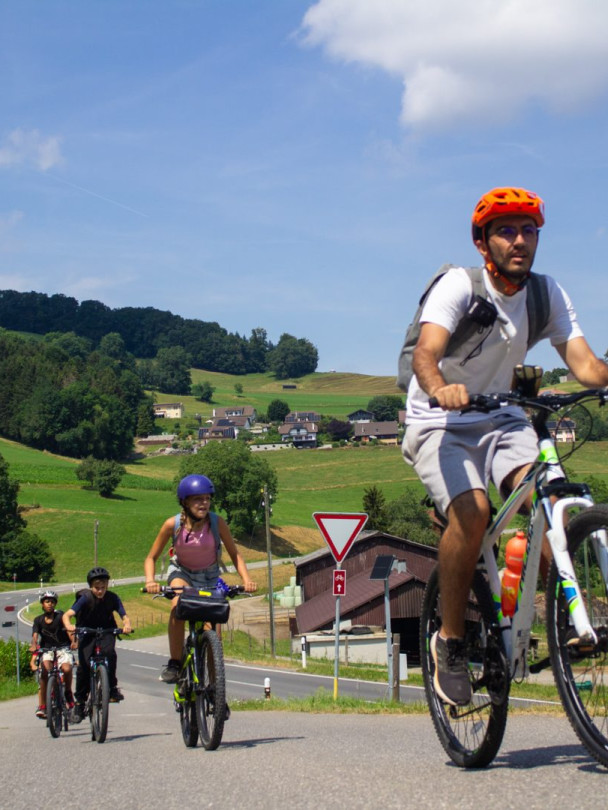
Preparing for camp can feel overwhelming, but with the right checklist, paperwork and a clear timeline you can turn planning into confidence. This guide consolidates practical, Switzerland-focused advice — from choosing a camp and managing health paperwork to packing smartly and handling homesickness — so your family can focus on the fun and learning ahead.
Quick camp snapshot — Why preparation matters (overview / quick facts)
Camp types — quick pros and cons and a short decision checklist
We break down common camp formats so you can match your child’s needs, your budget and your logistics.
- Day camp — Pros: lower cost, easier logistics, minimal homesickness; Cons: less overnight independence, limited immersive bonding. Ideal ages: 4–12 for introductory outdoor skills; older kids use day camps for specialty skills. Typical sessions: single day to multi-week (1–3 week sessions common).
- Overnight / residential camp — Pros: strong independence gains, immersive social learning; Cons: higher cost, greater chance of homesickness, more packing and travel. Ideal ages: 7+ with increasing responsibility by 10–12. Typical sessions: 1 week to 8+ weeks (most residential sessions run 1–3 weeks); teen leadership programs often 4+ weeks.
- Specialty camps (sports, arts, STEM) — Pros: targeted skill development, motivated peer groups; Cons: variable cost and intensity, may focus narrowly on one interest. Accreditation: look for Jugend+Sport (J+S) or equivalent for sports camps in Switzerland. Cost and duration vary by focus.
- Travel / adventure camps — Pros: cultural exposure, real-world challenges; Cons: higher logistics and safety planning, passport/medical prep if international. Great for teens seeking autonomy and language practice.
Before you book, we recommend this quick decision checklist to compare options.
- Commute tolerance — can your child handle daily drop-offs or do you prefer a single travel date?
- Independence level — would short overnight stays help build confidence?
- Budget range — are you looking for economical day camps or immersive residential experiences?
- Desired specialty — do you want broad outdoor exposure or focused skill development?
How many kids, session lengths and a Swiss-specific snapshot
About 14–15 million children attend camps in the U.S. each year, which shows how common camp experiences are. Session lengths vary by type: day camps can be a single day or run for multiple weeks; overnight camps typically last 1 week to 8+ weeks, with many residential offerings in the 1–3 week sweet spot. Teen leadership and specialist programs often require 4+ weeks.
In Switzerland the summer season runs mainly June–August. Alpine elevations keep nights cooler even in July and August, so pack layers. Popular regions for camps include the Bernese Oberland for classic mountain activities, Valais/Wallis for alpine and water sports, the Lake Geneva / Lac Léman region for bilingual camps, Ticino for Italian-language programmes and Zurich / Ostschweiz for plentiful day camps. We advise checking whether sports camps carry the Jugend+Sport (J+S) accreditation — it’s a strong quality mark here.
Prices vary widely. To give a broad example for planning only:
2-week day camp: $100–$400 per week (~CHF 90–360/week). 2-week overnight camp: $500–$2,000+ per week (~CHF 450–1,800+/week). Expect Switzerland-specific pricing to skew higher for residential camps, especially in popular alpine areas and bilingual programmes.
Age-appropriate tips we use when advising parents:
- Preschool (3–6): choose short day camps or single-night stays to test separation gently.
- Early primary (6–9): try 1-week residential stays or theme-based day camps to build confidence.
- Older kids / teens (10–16+): offer 1–3 week residential or travel camps; consider 4+ week leadership or specialist tracks for skill depth and CV-building.
Practical next steps: prepare a travel checklist children will actually use, and draft a camp packing guide that prioritises layers, sun protection and a small comfort item. Start a simple packing list now: sunscreen (SPF 30+), refillable water bottle, light fleece for cool nights, sturdy shoes, swimwear, personal meds with clear instructions, and a name label on everything.
Choosing the right camp (camp selection, counselor-to-camper ratio, accreditation)
Accreditation & safety standards
We always start by checking formal credentials. In Switzerland, look for J+S (Jugend+Sport) affiliation or other recognised Swiss provider credentials; abroad, ACA accreditation is a common benchmark for camp safety and staff training. Ask the camp what their accreditation actually certifies — for example, staff training hours, lifeguard qualifications, risk assessments, incident reporting and emergency plans.
We recommend you request written proof of any accreditation and a short explanation of the standards it covers. When you call or email, ask for:
- which organisation issued the credential;
- the date of the last audit or inspection;
- whether accreditation covers individual activities (climbing, water sports, overnight trips) or the whole programme.
Swiss context matters for emergency planning. We ask camps to confirm the local Spital/Notfall arrangement — name the closest hospital (for example Inselspital Bern, Universitätsspital Zürich or Hôpital de Genève) — and whether the camp coordinates directly with ambulance (144) and police (117). That clarity proves they’ve thought through serious incidents and transport.
Counselor-to-camper ratio, medical coverage & program fit
Use this checklist when you tour a camp or speak with organisers. It helps you compare programs quickly.
- Typical counselor-to-camper ratios: expect between 1:4 and 1:10 depending on age and activity. For younger children (6–8 years) insist on ratios closer to 1:4–1:6; older kids and low-risk activities may be 1:8–1:10.
- Staff qualifications and vetting: ask about background checks, references, adult first aid/CPR certification and child safeguarding training. Request the process for hiring seasonal staff and the percentage of staff who are full-time versus volunteers.
- Medical coverage: confirm whether there’s an on-site nurse or designated medical lead, and whether the camp has 24/7 on-call physician access or a standing arrangement with a local clinic. Get the name and distance of the nearest Spital and the protocol for emergencies.
- Emergency procedures: demand a copy of the camp’s emergency action plan. Check whether staff carry emergency contact lists, how they communicate with parents, and whether they run regular emergency drills.
- Language and program fit: confirm language(s) of instruction — DE/FR/IT/EN — and whether language support is available. Match activity intensity to your child’s age and experience; reserve specialty camp or expedition-style sessions for older, experienced teens.
- Session length and age groups: younger kids do well in 1-week or day sessions; teen leadership and expedition programs usually run 4+ week sessions and assume prior camping experience.
- Costs and policies: day camp $100–$400/week and overnight camp $500–$2,000+/week are typical ranges. Ask about deposit amounts at registration, and note that the balance is usually due 30–60 days before camp. Check refund rules, cancellation fees, and extra charges such as transport, laundry or special trips.
We advise you to request answers in writing and to keep them in your records. Visit the site if you can. Watch how staff interact with kids and how routines run at pick-up and drop-off. Finally, compare at least three camps on accreditation, counselor-to-camper ratio, medical coverage and total cost before you decide.
Registration, essential paperwork & pre-camp timeline (registration checklist, timelines)
Core documents to prepare
Gather these items early so nothing gets forgotten at drop-off.
- Signed registration form — complete every field and keep a copy for your records.
- Physical exam within 12 months — many camps require a doctor’s clearance dated within the last year.
- Up-to-date immunization records — bring the Swiss Kinderimpfpass or equivalent; camps often request specific vaccines on file.
- Medication authorization — written instructions for any meds, dosing schedule, and where we should store them; include blister packs or original pharmacy labels.
- Food Allergy Action Plan — clear emergency steps and an emergency epinephrine plan if applicable; sign-off from the child’s physician helps staff trust the plan.
- Emergency contact list — primary, secondary and local contacts (daycare, grandparents) with phone numbers and SBB-compatible meeting points if using public transport.
- Insurance card copy — Swiss AHV/insurance number or private policy details and claim phone numbers.
- Pickup authorization — list of adults allowed to collect your child with ID requirements and relation to the child.
- Photo/video release form (if applicable) — tick the option you’re comfortable with and note restrictions for social media use.
- Additional activity permissions — signed waivers for water sports, climbing or high-alpine hikes (Canton-specific signatures may be required).
Timeline, payments, Swiss language & practical handling tips
Start early and follow a clear timeline to avoid last-minute stress.
8 weeks before — we recommend finalising camp choice, submitting the deposit and any preliminary forms. Ask for a receipt for the deposit and confirm the refund window in writing. Many Swiss camps require a deposit to secure a spot; note the balance due 30–60 days before start date.
4 weeks before — complete the physical exam within 12 months and update immunization records if needed. Finalise medication authorization and upload any physician-signed Food Allergy Action Plans. If your child needs emergency meds (for example, epipen), request a secondary supply held by camp staff and label everything in both German/French/Italian if the camp is bilingual.
2 weeks before — confirm arrival logistics and who will drop off and pick up. Verify authorised adults, pickup times and any bus or transport options. For Swiss camps, ask whether they arrange pick-up from main stations like Zürich Hauptbahnhof, Genève Cornavin or Bern Hauptbahnhof, or if they meet at a local SBB point. Check extra fees for transport or late pickup.
3 days before — pack and label all items; double-check medication doses, paperwork and scanned files. We suggest scanning documents to PDF and uploading them to the camp portal, plus keeping originals in your hand luggage. Print two sets: one for the camp and one for your own bag.
Day of — bring originals of the physical exam, immunization record and consent forms. Leave a copy with the camp and keep another copy easily accessible. For children under 7, plan to stay until staff confirm your child’s comfort; for teenagers, confirm whether they may travel independently by SBB and what ID they should carry.
Language & Canton considerations — municipal and cantonal rules vary. Some cantons demand extra permissions for lake swimming or alpine hikes (we see this with councils in Valais and Graubünden). Fill forms in the camp’s operating language (German, French or Italian) and request translated versions when needed. If forms are bilingual, keep both copies. Ask for Canton-specific clarifications if your child will join high-mountain or water-based activities.
Document handling & financial tips — scan and upload to the camp portal, email a copy to the camp office, and keep originals in your hand luggage. Request receipts for deposits and written confirmation of refund and cancellation policies. Create a downloadable checklist with physician contacts, medication doses, and emergency steps so camp staff can access it quickly.
Arrival logistics & pickup authorisations — confirm exact drop-off/pick-up times, list of authorised adults, and whether the camp provides bus pickups from local railway stations. Ask about public-transport meeting points and whether the camp offers supervised meets at Hauptbahnhof locations. Note extra fees and where to pay them before arrival, and provide clear instructions if another adult will collect your child unexpectedly.
Immunizations & health requirements (vaccines, physical exam, Swiss guidance)
Camps in Switzerland often follow the Federal Office of Public Health (FOPH/BAG) immunization guidance and cantonal rules, so we check both national and local requirements well before camp starts.
Common vaccine requirements & how to present records
Below are the vaccines camps commonly require or strongly recommend, plus practical steps for paperwork and special cases.
- Tdap — tetanus/diphtheria/pertussis booster. We recommend this for school-age children and adolescents (often required for teens and older campers).
- MMR (2 doses) — measles, mumps, rubella. Camps usually expect two documented doses for school-aged children.
- Varicella (2 doses) — or verified history of chickenpox. We advise two doses or a note from your pediatrician confirming past infection.
- Hepatitis A — two doses. Some camps or international programs recommend it, especially for younger children or trips with varied food/water exposures.
- Seasonal Influenza — annual flu vaccine. We encourage this for campers and household contacts during flu season.
- Meningococcal ACWY — often required for older teens in overnight or international programs; we confirm program-specific rules for adolescents.
- COVID-19 vaccination — recommended and required by some camps. We follow the camp’s stated policy and FOPH/BAG recommendations.
- Physical exam within 12 months — many camps ask for a recent physical or health form signed by the pediatrician; we schedule this early to avoid last-minute issues.
- Documentation tips — bring both a printed copy and upload a clear scan or photo to the camp portal. We translate immunization records into German or French when attending camps in German- or French-speaking cantons to speed verification.
- Where to check Swiss rules — consult the FOPH/BAG immunization schedule and your Cantonal Gesundheitsdirektion (e.g., Kanton Zürich Gesundheitsdirektion, Canton de Genève Direction générale de la santé, Dipartimento della sanità e della socialità del Cantone Ticino) for local nuances.
- Requesting the camp’s policy in writing — always ask for the exact requirements. We use short, polite messages such as:
- German: “Könnten Sie mir bitte die schriftliche Impf- und Gesundheitsrichtlinie für das Camp zusenden?”
- French: “Pourriez-vous, s’il vous plaît, m’envoyer la politique écrite sur les vaccinations et l’état de santé pour le camp?”
- Italian: “Potrebbe gentilmente inviarmi la politica scritta sulle vaccinazioni e sui requisiti sanitari per il campo?”
- Exemptions & special cases — medical or religious exemptions require paperwork. We contact the camp and our pediatrician early, obtain any required forms (medical certificate, cantonal exemption form), and submit them before arrival. Camps may still require additional precautions if an exemption is granted.
- Presenting records — label documents with camper name and birthdate, include the pediatrician’s signature where possible, and provide translations. We always keep a photocopy in the camper’s luggage and a digital version accessible to caregivers.
- On-site screening & outbreak protocols — ask camps how they screen for illness on arrival, where isolation occurs, and their plans for flu or COVID outbreaks. We confirm who they’ll notify and whether household contacts should receive vaccines or testing.
- Household vaccination — we encourage vaccinating family members per FOPH/BAG recommendations to reduce risk to the camper and community.
We recommend contacting your pediatrician and the camp at least 8–12 weeks before departure to sort vaccinations, schedule the physical, and complete forms. We also suggest checking cantonal guidance for any last-minute rule changes and asking the camp for their intake checklist in writing so nothing gets missed.
Medications, allergy management & on-site medical care (med handling, EpiPen rules)
Medication handling, labels and paperwork
We make medication logistics simple so camps can give meds safely and staff know what to do in an emergency. Camps in Switzerland and internationally usually insist on pharmacy-labeled containers and a physician-signed medication authorization before any drug is accepted.
Follow these practical steps to prepare medication packets for camp:
- Get the camp medication form — request it early and read every field.
- Have your clinician sign the form so you have a physician-signed medication authorization that matches dosing instructions.
- Ensure all medications come from the Apotheke/pharmacy in original pharmacy-labeled containers showing the child’s name, medication name, dosing schedule and expiry (Verfallsdatum).
- Pack extra doses for travel and any extended stay; include a copy of the prescription and check expiry dates (especially for EpiPens and inhalers).
We recommend sending morning and evening meds in separate clearly labeled bags and keeping a duplicate dose in checked luggage for longer trips. For controlled substances, discuss secure storage with the camp — Swiss camps often require central storage with the camp nurse.
Allergy management, EpiPens, inhalers and on-site medical care
We ask about allergies on registration and request a Food Allergy Action Plan for any food allergy. That plan should be signed by your physician and outline triggers, symptoms and step-by-step treatment so camp staff follow the same protocol you use at home.
If your child has a history of anaphylaxis, bring two EpiPens (Epinephrine auto-injectors). We recommend one stay with the child if the camp allows self-carry for their age, and one be kept centrally in the camp’s Notfallset (German for “emergency kit”). Check both EpiPens’ expiry dates the week before departure and replace any that are near or past the Verfallsdatum.
For asthma, we ask parents to provide a current asthma action plan and a clearly labeled rescue inhaler. Bring a spacer if your child uses one — younger children (typically under 12) often need a spacer and assistance. Confirm whether the camp permits campers to self-carry inhalers or whether staff store them centrally; in Switzerland many camps require parental and physician authorization for self-carry.
We always verify on-site medical arrangements before arrival. Ask the camp these specific questions:
- Is there a camp nurse on site during the day and night?
- Is a physician on call, and how quickly can they access the Spital/Notfall (local hospital/emergency department)?
- Where is the camp’s Notfallset kept and who is trained to use it?
Print a one-page medical summary for the camp that includes:
- Child’s full name, birthdate and known allergies
- Current medications with dosing times and pharmacy label info
- Emergency contacts and primary pediatrician name and phone
- Copies of Food Allergy Action Plan and asthma action plan
We also remind Swiss families about emergency numbers: ambulance 144, police 117 and fire 118. Share these with older campers and local staff if you’ll be out on excursions in remote regions like the Alps or Jura. Finally, ensure the camp team knows whether your child can self-administer medications; for younger children we usually recommend central storage and supervised administration to avoid missed or double doses.
The ultimate packing checklist — clothing, footwear, bedding & counts (camp packing list kids camp)
We at Young Explorers Club recommend packing to the week while planning for the Swiss microclimate where mountain nights and midday heat can both show up. Camps in Valais or Graubünden often sit at higher elevation, so nights get chilly; camps near Geneva or Ticino can be humid and warm, so choose items that layer well.
One-week baseline checklist (scale for 2–3+ weeks) — download our 1/2/3-week printable checklist from the site and adjust if the camp offers laundry
Below is a compact, actionable list to pack for a one-week session. Increase counts proportionally for 2–3+ weeks, or reduce counts if the camp runs a laundry service (ask about extra fees up front — read our tips for parents.)
- Clothing — 1-week baseline (scale up for longer stays):
- Underwear: 7–10 pairs (we recommend 7 for active older kids, 10 for ages 6–9)
- Socks: 7–10 pairs (include 2–3 athletic/merino pairs)
- T-shirts: 5–7 (quick-dry synthetics work best)
- Shorts: 3–5
- Long pants/jeans: 1–2 (lightweight hiking pants preferred)
- Sweatshirt/fleece: 1–2
- Pajamas: 2
- Swimwear: 2 suits (rotate wet/dry)
- Rain jacket + packable poncho: 1 each
- Footwear:
- Closed-toe shoes (sneakers/hiking shoes): 1–2 pairs — sturdy trainers for day hikes
- Water shoes or sturdy sandals: 1 pair
- Flip-flops for showers (optional): 1 pair
- Bedding & sleep gear:
- Sleeping bag (30°–50° rated) — choose based on climate/elevation
- Fitted twin sheet
- Pillow + pillowcase
- Extra blanket
- Small mattress pad optional (Therm-a-Rest Z Lite pad recommended)
- Toiletries & personal care:
- Toothbrush + toothpaste
- Biodegradable soap & travel shampoo
- Hairbrush/comb
- Feminine supplies (pack extras)
- Quick-dry towel + small washcloth
- Shower caddy
- Basic first-aid items (plasters, blister pads)
- Camp gear & activity-specific items:
- Daypack (20–30L for kids)
- Water bottle (Nalgene / Hydro Flask / CamelBak)
- Headlamp/flashlight (Petzl Tikkina or Black Diamond Spot)
- Water shoes, swim cap, goggles
- Optional: small binoculars, reusable snack bag
- Note: include sun protection and insect repellent in toiletry kit (see next section)
- Labeling & documentation:
- Waterproof name labels on every item (we prefer iron-on or stick-on thermo labels)
- Photocopy of health card/insurance and any medication instructions — many Swiss camps require a signed medication form
We recommend quick-dry synthetic fabrics over cotton for T-shirts and shorts because they dry fast after water activities and reduce chill. Younger children (6–9) should pack an extra full outfit and a comfort item; for tips on emotional preparation see how to prepare emotionally; teens usually prefer fewer items and one extra pair of shoes. If the camp offers laundry, ask whether it runs weekly and if there’s an additional fee — reduce counts accordingly but still bring backups for travel days and weather changes.
For alpine camps in Graubünden or Valais expect night temperatures near freezing in early summer; choose a lower-temperature sleeping bag rating and consider a thin mattress pad for insulation. For lakeside camps near Geneva or Ticino bring extra sun-safe clothing and a rash guard. We post a downloadable checklist scaled for 1/2/3-week sessions on the site — print it and tick items as you pack.
Final packing tip: waterproof name labels on socks, jackets and every water bottle save time at drop-off — stick labels on before zipping the bag and put a spare label inside shoes.
Toiletries, sun protection & insect safety (SPF and DEET guidelines, tick checks)
Sun protection — rules, timing and what to pack
We pack sun protection first because Swiss summers can be intense, especially above 1,000 m in the Alps and on bright lake days around Geneva or Lake Lucerne. We recommend broad-spectrum sunscreen SPF 30+ and encourage families to choose SPF 50 for high-altitude days or children who burn easily (see your first summer camp).
We follow simple application rules: apply sunscreen 15–30 minutes before sun exposure and reapply every 2 hours and after swimming or heavy sweating. For week-long camps, plan about 3–4 oz (90–120 ml) of sunscreen per child per week; bring extra for long hikes or daily lake swims. See also our what to pack for Switzerland.
Before a trip we pack these sun essentials:
- Broad-spectrum sunscreen SPF 30+ (or SPF 50 for high altitude). Product examples we use: Neutrogena Sport SPF 50, Blue Lizard SPF 30, Coppertone Kids SPF 50.
- SPF lip balm and a wide-brim hat or cap with neck protection.
- UV-protective rash guard or long-sleeve shirt for water play and windy mountain days.
- Small pump or lotion tubes rather than aerosols if the camp restricts sprays (label each tube with your child’s name).
We teach older kids to self-apply and practice at home so they’re ready at camp. For younger children under 6 months we recommend keeping them shaded and covered — check with your pediatrician before using any sunscreen on infants.
Insect repellents, tick prevention and camp logistics
We treat insect protection as equally important in Swiss grassy and forested areas where tick season runs May–Oct. For active campers we recommend DEET 20–30% or Picaridin 20% on exposed skin; those prefer natural options can try Repel Lemongrass Oil but should accept shorter protection times.
We follow these practical rules and precautions:
Apply repellent to exposed skin only, avoiding eyes and mouth, and follow label directions. We never apply permethrin directly to skin — we treat clothing, backpacks and tent fabrics ahead of time with permethrin-treated clothing or sprays according to the product instructions. Permethrin-treated clothing offers long-lasting protection on hikes through high grass, such as in the Emmental or along forest trails near Zürichberg.
We pack specific repellent products and logistics items for camp:
- Sawyer Picaridin 20% or OFF! FamilyCare DEET 25% for everyday use.
- Repel Lemongrass Oil as a natural alternative for short periods or sensitive skin.
- Permethrin spray to treat jackets, trousers and socks at home before departure (label treated items and keep separate in your luggage).
- Fine-tipped tweezers in a small first-aid kit for tick removal and a clear note to check for ticks after hikes.
We remind parents that some Swiss camps restrict aerosols for safety or allergy reasons. Confirm the camp’s policy on pump vs spray sunscreens and whether staff will help reapply. When storage is limited, we label all tubes and place them in a waterproof toiletry bag; leave larger bottles at home and send travel sizes if the camp prefers small containers.
We make daily tick checks part of the routine after any forest or meadow activity. Check behind ears, along hairlines, the back of knees and the groin. If you find a tick, remove it with fine-tipped tweezers, pulling straight out; clean the area and monitor for signs of redness or fever. Camps also help support mental well-being. Always check with your pediatrician or the camp nurse for age-specific repellent guidance and post-bite care. For more advice see tips for parents.
Electronics, communication & camp policy (no-phone camps, scheduled calls)
We recommend checking the camp’s electronics policy well before packing. Many Swiss camps — from day camps on Lake Zürich to overnight programmes in the Jungfrau region or summer weeks near Lake Geneva — either restrict or ban smartphones and connected devices to encourage outdoor time and reduce homesickness.
Ask specifically about phones, smartwatches with cellular capability, standalone cameras, and social media rules. Some camps run a strict no-phone policy and collect devices at drop-off, while others allow scheduled phone calls or access to a single landline once a week. Kantonal youth services and the Swiss Federal Act on Data Protection (FADP) make camps more conscious about images and consent, so camps often have clear photo and sharing rules.
We suggest age-appropriate guidance: for primary-school children (approx. 6–11 years) we support no-phone camps and a simple watch for timekeeping. For tweens (11–14) consider a basic phone left with staff or a non-cellular smartwatch. For teens (15+) negotiate limited, scheduled access and explicit online behaviour expectations.
Set expectations with your child before arrival. Explain what the camp allows, why the rules exist, and how they’ll reach you in an emergency. Provide a written emergency contact plan and a short parent-to-counselor email with medical notes, behaviour cues and contact numbers so staff have everything at hand.
Below is a short sample email we use to send to counselors before arrival; copy, edit and send it to the camp admin or head counselor:
Hello [Counselor name],
We’re looking forward to [Child’s name] attending your session. Medical notes: [allergies, medications, dosage times, inhaler/EpiPen location]. Behaviour notes: [sleep habits, separation concerns, sensory triggers]. Emergency contacts: Parent 1 [name, phone, relationship], Parent 2 [name, phone], Local emergency contact in Switzerland [name, phone]. Insurance policy number: [insurer & number]. Our child is allowed to [swim/hike] unless staff advise otherwise. Please contact us first by [email/phone] for any non-urgent matters. In an emergency, call [primary phone]. Thank you — [Parent names, home canton].
Practical checklist and actions to replace phones, manage money and protect privacy
Use this checklist when you prepare for drop-off; it covers communication alternatives, valuables handling and photo/privacy points.
- Electronics policy: Confirm in writing whether the camp enforces a no-phone policy, collects devices, or allows scheduled phone calls. Note rules about smartwatches and cameras.
- Pack one of the following depending on age — disposable film camera or inexpensive digital camera for younger kids; basic point-and-shoot or a simple tablet without SIM for older campers. Add spare batteries or a small power bank if allowed.
- Stationery & mail: Include pre-addressed stamped envelopes and postcards so your child can write home. Many Swiss camps schedule mail calls; label envelopes clearly with your child’s name and the session dates.
- Scheduled phone calls: If the camp offers weekly calls, confirm day/time in advance (e.g., Sundays 4–5 pm CET). For camps in remote Valais or Ticino locations, plan Swiss-compatible phone numbers and time zones.
- Emergency contact plan: Provide the camp with a list of three contacts (parents, secondary Swiss contact, family doctor), plus insurance and GP details. Ask how the camp handles emergencies — single urgent call, immediate Swiss emergency services (144) or parent notification only after on-site triage.
- Valuables & money: Most camps discourage cash and valuables — leave them at home. If money is required, limit cash to CHF 10–18 (approximately $10–$20) per week. Place cash in a labeled envelope with instructions for staff (e.g., “Spending money: CHF 15 for tuck shop; remaining returned at end”).
- Label and lock: Put any allowed device or money in a clearly labeled pouch. If the camp offers a storage locker, ask whether staff hold keys or whether campers keep them.
- Photo & social media policy: Ask for the camp’s photo permission form. Explain Swiss privacy considerations to your child and get consent before sharing their images online. Teach them to ask before posting photos of friends.
- Smartwatch & GPS trackers: Treat trackers like phones — ask the camp if GPS or cellular features are permitted. Many overnight camps ban them to protect other campers’ privacy and the group’s dynamics.
- Prepare your child: Role-play calls and messages, set rules about what to say, and rehearse how to handle homesickness. Reinforce that absence of a phone is normal and that staff will contact parents for real emergencies.
Food, special diets & allergy communication (Allergy Action Plan, nut-free policies)
Allergy Action Plan, EpiPen(s) and who does what
We always ask for a physician-signed Allergy Action Plan before camp starts. Bring one copy for the camp office, one for the kitchen and one that travels with the group on hikes or day trips.
Make sure EpiPen(s) are clearly labeled with your child’s name and expiry date. Provide at least two devices for younger children and for multi-day trips. We advise giving one to the camp nurse/first-aider and one to the group leader when the child is old enough to self-administer under supervision.
Check staff training and legal context in your canton. Many cantonal Gesundheitsämter expect written instructions and trained personnel for children with anaphylaxis. Ask the camp to confirm:
- who is trained to administer an EpiPen;
- whether staff can carry and administer medication under local rules;
- how emergency transport to the nearest hospital (Kantonsspital) is arranged.
Age-appropriate recommendations:
- Ages 3–7: we suggest two EpiPens, full supervision, and staff briefing on signs and injected practice with a trainer pen.
- Ages 8–11: we encourage a written agreement on whether the child carries an EpiPen; staff should also carry a spare.
- Ages 12+: if the child is responsible and able, we support self-carrying with written permission and a secondary device held by staff.
Confirming special diets, nut-free policies, packing snacks & sample kitchen checklist
Many Swiss camps accommodate gluten-free, dairy-free and vegetarian diets. Ask for written confirmation and request sample menus before arrival. Menus in parts of Switzerland—especially in Valais, Graubünden and rural Bernese Oberland—can be cheese-heavy, so check dairy substitutions carefully.
Clarify nut policies in writing. Some camps (for example larger city camps in Zürich or Geneva) maintain nut-free kitchens throughout. Other camps manage allergens at table level—allowing staff to avoid serving nuts to certain children while nuts may still be present on-site. Ask for specifics and put the policy on the registration form.
If snacks are allowed, pack a few sealed, labeled safe options. Ask about refrigerator access and any labeling rules before you pack perishable items. We recommend these practical steps:
- Provide labelled containers and an inventory sheet of contents (name, diet, any heating instructions).
- Ask whether the camp fridge is monitored for cross-contact and if storage is segregated.
- Label allergens in the local language on the form: DE “Allergie”, FR “Allergie”, IT “Allergia”.
Use the checklist below as a ready-to-send email to the camp kitchen and camp director. Paste, adapt and request written confirmation.
- Child’s name, date of birth and cabin/group number.
- All diagnosed allergies: list foods explicitly (e.g., peanut, tree nuts, gluten, milk).
- Typical reactions (skin hives, vomiting, difficulty breathing) and usual time-to-onset.
- Allergy Action Plan attached (physician-signed) and copy for kitchen and group leader.
- EpiPen(s) provided: number, expiry dates and where they’ll be stored during activities.
- Dietary accommodations requested (gluten-free, dairy-free, vegetarian) and any safe substitutes your child accepts.
- Any cross-contact precautions you require (separate prep area, labelled utensils, no shared spreads).
- Refrigeration needs and labelling instructions for snacks we’ll send.
- Physician contact: name, phone, language of correspondence; emergency contact at home.
- Request written confirmation of the above and names of staff trained in anaphylaxis response.
Emotional & behavioral readiness, skills & activity prep (homesickness, swim lessons, horse safety)
Reducing homesickness and the 4‑week pre‑camp timeline
We know many children experience mild homesickness; small, steady steps build confidence. Start early and use practical rituals and practice stays to make separation feel safe.
Use the timeline below as a practical roadmap in the month before camp. Follow each week’s task and adapt it to your child’s age and the camp type (day, residential, specialty camp).
- Weeks 4–3: practice independence skills
- Start simple self-care: packing a small bag, choosing clothes for a day, putting on shoes and a hat.
- Run short solo activities: a morning at a local Spielgruppe or a half-day at a Gemeindebad with a trusted instructor.
- Introduce a goodbye ritual — a photo, a small comfort item or a folded note in their pocket — to anchor them emotionally.
- Week 2: involve your child in packing and camp orientation
- Let them help pack and label gear; review the camp brochure and map together (point out cabins, dining hall, lakes or trails).
- Confirm paperwork: parental consent forms for Swiss cantons, medical forms, and any kantonale rules about medications or allergies.
- Check whether the camp requires a swim test for lake or pool activities and book lessons if needed.
- Week 1: overnight-away exercise
- Arrange an overnight practice stay with relatives or a friend’s family, or a short night at a local youth hostel in Zurich or Interlaken. This overnight practice stay helps children experience being away in a safe, familiar setting.
- Role-play goodbyes and returns; keep the goodbye ritual consistent. Reassure them it’s a practice run for camp.
- What to teach your child to do independently
- Packing and unpacking a daypack and suitcase, with labeled compartments.
- Personal hygiene: washing hands, brushing teeth, changing clothes, and managing wet swimwear.
- Applying sunscreen correctly (we show them to apply every two hours) and wearing sun hats when outdoors.
- Speaking up: notifying a counselor or group leader when they feel unwell, scared, or left out.
Activity-specific prep, social skills and cabin-life practice
We tailor training to the activities your child will do at camp. Practical preparation reduces anxiety and improves safety.
For swimming: many Swiss camps run lake or pool sessions and may require a swim test. We recommend 3–6 swim lessons for non-swimmers to reach basic confidence. Use local Schwimmschulen or the Gemeindebad — and practise open-water skills if the camp uses lakes (Lake Geneva, Lake Zurich or Lucerne waters require different awareness of currents and temperatures).
For horseback activities: book basic riding lessons and ensure helmet fit before camp. Confirm the riding instructor’s qualifications — many reputable Swiss Reitbetriebe and camps employ trainers with recognized Swiss riding instructor certificates. Follow horse riding safety: fitted helmet, closed-toe boots, simple grooming chores and clear rules about approaching horses.
For adventure conditioning: build stamina with regular walks in nearby regions such as the Jura or the Bernese Oberland, plus core-strength exercises at home (planks, squats, stair climbs). We suggest gradually increasing walk length to match the camp’s expected daily mileage.
Prepare activity-specific gear and checks:
- Pack swim goggles and a trusted swim cap; confirm whether the camp enforces a swim test on arrival.
- Bring a certified riding helmet or check the camp’s helmet policy; include gloves and boots for horse riding safety.
- Label all equipment; include spare socks and blister plasters for hiking days.
Social skills and cabin life need rehearsal. We practice sharing, basic cabin chores and simple conflict resolution with short role-plays. Use these sample scripts aloud with your child:
“When I feel sad, I’ll tell my counsellor: ‘I miss home today. Can we sit together for a minute?’”
“If someone takes my thing, I’ll say: ‘Please can I have that back? I don’t like it when that happens.’”
We also coach children on meeting peopleWhat’s your favourite game?” and on asking for help: “I’m not sure where this goes. Can you show me?”
Finally, verify camp staff credentials: look for Jugend+Sport (J+S) trained leaders or Erste Hilfe (first aid) certification among counsellors. Ask the camp for their emergency plan and how they handle homesickness so you can mirror approaches at home.
Safety, first aid, labeling & anti-loss strategies (camp nurse, emergency plan, labels)
Essential first-aid items, medications & labeling
We ask parents to pack a small, clearly labeled health kit and to check camp rules before departure. Below are the items we recommend you include and label.
- Basic kit: assorted plasters/band-aids, sterile wipes, antibiotic ointment (if allowed), blister pads, tweezers, small roll of tape.
- Pain/allergy meds: paracetamol (acetaminophen) and ibuprofen only if authorised in writing by a physician and the camp; antihistamine tablets for mild allergies.
- Serious allergy gear: spare EpiPen(s) if your child has anaphylaxis risk — bring two if travelling by public transport or staying in remote alpine locations.
- Personal medicines: inhalers, topical creams, prescribed tablets in original packaging with clear dosing instructions.
- Documentation to include inside the kit: brief medical summary (diagnoses, allergies, meds and dosages), photocopy of Versicherungskarte / Carte d’assurance maladie, consent for treatment form signed by you and the child’s physician when required.
- Labeling tools: waterproof name labels (Mabel’s Labels, Stuck on You, Name Bubbles), a Sharpie permanent marker for inside clothing tags, and a small roll of iron-on or sew-on name tape for sleeping bags and towels.
We always follow the camp’s medication policy. Many Swiss camps require notarised physician authorisation for prescription and some over-the-counter meds; check with the camp director or camp nurse. For younger children (ages 4–8) we recommend the parent pack extra supplies and leave dosing instructions; older children (12+) can self-carry meds only with explicit written permission and training.
Emergency contacts, evacuation plans, lost-and-found and insurance
We make sure the camp has an up-to-date, printed emergency summary for each child. That record should list: camp director and camp nurse contact info, local ER address/phone, your child’s paediatrician and at least two parent emergency contacts. For Swiss emergencies, include 144 (ambulance), 117 (police) and 118 (fire) on the top of the page.
Ask the camp about their evacuation and natural hazard procedures. We ask whether staff run regular drills, where meeting points are, and what plans exist for floods, rockfall, or wildfire risk in alpine regions. For camps near Geneva, Zurich or Bern we often confirm the nearest emergency departments such as Hôpital Cantonal de Genève, Universitätsspital Zürich or Inselspital Bern and add their addresses and phone numbers to the child’s emergency card.
Before drop-off we photograph every packed item and save the photos in a labelled album on our phone. We also keep a short inventory of high-value items and check our home and travel insurance policies for coverage of lost valuables; bring the Versicherungskarte and a scanned copy of your child’s passport if they’re international.
Lost-and-found procedures vary by camp. We always ask how long they hold items and whether they ship unclaimed gear. Many camps hold lost items for months but require postage payment to send them home. To claim an item, contact the camp director or lost-and-found coordinator by email with the child’s full name, session dates and photos of the item; confirm payment method for postage and provide a return address. If an item’s value is high, we suggest arranging insured shipping and noting any liability limits the camp has listed in their terms; camps commonly limit liability for valuables left unattended.
Use the following quick emergency template on a single printed card you leave with the camp: child’s name, DOB, allergies/medical conditions, current meds and dosages, camp director name & phone, camp nurse name & phone, nearest ER name/address/phone, paediatrician name/phone, two parent emergency contacts, and local alternate contact (grandparent/neighbor). We keep one copy in your child’s kit, one in their suitcase, and one with the camp on arrival.
Pre-camp & day-of practical how-to (packing, drop-off, goodbye script)
We, at the Young Explorers Club, walk families through a calm, practical rhythm before first summer camp so kids arrive confident and parents feel prepared.
Start early and keep tasks small. Confirm camp details, deposits and travel plans well before summer; that prevents last-minute stress. Schedule a physical if your child hasn’t had one in the past 12 months and get medication paperwork completed by your doctor.
For age-appropriate preparation: for 5–8 year-olds we recommend practice sleepovers and lots of reassurance (see our guide to make friends quickly); for 9–12 year-olds involve them in packing and labeling; for teens assign responsibility for personal electronics and discuss contact expectations.
Printable timeline, packing order, day-of checklist and travel notes
Use the compact timeline and checklists below when you plan; they’re the ones we hand out at registration. See our summer packing list for extra detail on durable labels and gear choices.
- 8+ weeks — Finalise camp spot and pay deposit; book travel (SBB/rail) and any chaperoned transfers; start shopping for gear (sleeping bag, hiking shoes, rain jacket). For Swiss pick-ups, note major meeting points like Zürich HB (Hauptbahnhof), Genève-Cornavin or Bern HB and confirm local bus connections.
- 4 weeks — Arrange a physical if none in the past 12 months; ensure immunizations are current; obtain signed medication paperwork and emergency action plans from your paediatrician (bring original prescriptions). Confirm with camp whether they accept generic meds or require original pharmacy labels.
- 2 weeks — Label everything and buy durable name labels suitable for laundry; practice an overnight stay (for younger kids) and rehearse the arrival routine so your child knows where to go at drop-off. Pack extra EpiPens or inhalers if your child needs them and leave a spare with us if the camp allows it.
- 3 days — Final pack using the packing order below; photograph all packed items for insurance and lost-property claims; confirm paperwork, directions and bus/train times; check whether your camp runs cross-border trips and, if so, confirm passport/visa validity for international families.
- Day of — Bring medications in original containers with clear labels and a signed med form in hand; arrive early for check-in and a quick health conversation; take a photo of your child with their counsellor only if camp policy allows; keep goodbyes brief and upbeat.
- Packing order (printable) — Pack in this sequence to make first-night setup simple: bedding (sleeping bag + pillow) goes in first; rolled clothes in packing cubes with name label on each cube; toiletries, spare shoes and rain gear next; meds in hand carry with a copy of the med form; leave valuables and non-essential electronics at home.
- Photograph items — Take clear photos of clothing, gear and labels before sealing bags; store photos in a cloud folder for insurance and recovery if items are lost.
- Day-of departure tips & quick goodbye script — Use a short, loving ritual (a high-five or special phrase), say a succinct script and leave confidently. Sample script: “We’re so proud of you. Have fun, learn lots, and we’ll call on Thursday evening. We love you!” Set an exact time for next contact. Avoid prolonged goodbyes; they increase separation anxiety and make departures harder for both child and parent (read how to prepare emotionally).
- Travel logistics for Swiss families — Confirm whether chaperoned transfers are offered from stations like Zürich HB or regional hubs. Check SBB group-travel options and whether the camp provides staff to meet trains or arranges local PostBus (PostAuto) pickups. If no chaperone is provided, plan an adult escort or ask the camp for a named contact at the meeting point. When choosing a provider, our guide on how to choose the best summer camp in Switzerland is helpful.
- International travel notes — If the itinerary crosses borders (France, Italy, Austria, Germany), verify passports and visas now. Keep copies of travel documents and emergency contacts in both digital and printed form. For families planning long transfers, read our tips for overnight camp abroad.
- Multi-week / long-stay camps — Increase supply counts (underwear, socks, sunscreen), send extra EpiPens/meds and plan care packages with postal addresses and expected arrival windows. Confirm laundry schedules and any fees so you pack enough clothing between washes.
Post-camp — returning home checklist & debrief (post-camp debrief)
Practical post-camp checklist
We start by tackling the essentials: unpack, clean, check health items and capture lessons while memories are fresh. Below is a compact, actionable checklist to work through in the first 48 hours after camp.
- Wash all bedding and clothes immediately. Use a hot wash for sleeping bags and duvet covers where fabric allows, or follow the camp’s care notes. For delicate items, air and sun them on a balcony or in a garden in Zürich, Lausanne or Basel to refresh fabrics and reduce odors.
- Perform a thorough tick check, especially after stays in the Swiss countryside — from the Emmental to Ticino, and near lakes like Lac Léman. Check scalp, behind ears, behind knees, groin and the nape of the neck. For younger children, we inspect their scalp part-by-part while they lie down.
- Inspect for bedbugs or other signs of infestation. Look along seams of mattresses, inside sleeping bags and in pockets. Isolate suspicious items in sealed bags and launder or treat them before reintroducing to the bedroom.
- Refill medications and check EpiPen expiration dates. Note expiration dates and order replacements early; Swiss pharmacies (Apotheke) can often prepare a repeat prescription within a day. Verify that any carry-on medication used at camp is topped up for the next outing.
- Check for any new cuts, blisters or rashes. For camps with water or adventure activities, watch for post-exposure symptoms such as persistent cough, unusual fever, skin irritation or swelling, and contact your paediatrician promptly.
- Collect receipts and note reimbursements. Save travel receipts (SBB, PostAuto), any itemised camp fees and volunteer driver tips. Confirm reimbursements with the camp office within the camp’s stated timeframe.
- Retrieve lost-and-found items. Contact the camp coordinator first; many camps hold items for only a few weeks before donating or discarding.
- Update the paediatrician if needed. If a camp reported a head injury, a tick bite that was partially removed, or a suspected infection, we call our child’s paediatrician or the local kantonale Gesundheitsamt.
- Document what gear was missing or unnecessary. Note sock counts, waterproof layers, or a different sleeping pad for next year. Store that list in a dedicated folder or app so packing counts improves each season.
- Save smile-worthy mementos. Stick a badge or photo in a scrapbook and keep a small “camp box” for collected treasures.
We follow age-specific approaches as we debrief and reintegrate children back home. For ages 4–7, we lead unpacking and talk gently about highlights while they sort clothes. For ages 8–12, we prompt them to write a short ‘what I learned’ note and collect contact details only with permission. For teens, we offer space and ask open questions; they often prefer sending messages to new friends themselves.
We aim for an emotional debrief that feels relaxed. We sit together over a snack and ask three simple prompts: What did you love? What was hard? Who would you like to see again? We encourage keeping mementos and photos, and we suggest the child write a brief ‘what I learned’ note to reinforce independence and new skills.
We keep an eye on health and safety in the days after camp. For camps involving lakes (Limmat, Geneva or Lake Brienz) or river activities, we watch for unusual fatigue, persistent cough, rashes, or sore eyes. If anything worries us, we call our paediatrician or the local emergency number. We also check medication stocks — inhalers, allergy meds, and EpiPens — and replace expired items before the next outing.
We wrap administrative follow-up into our routine. We confirm any promised reimbursements, reconcile card or cash expenses, and update contact permissions for new friends if parents allowed sharing. We also log practical lessons for next year: which programs to repeat, which gear to upgrade, and any packing counts to change.
Additional structural & content recommendations to include within article
We suggest practical, Swiss-focused additions that make the article actionable for parents planning camp in Zürich, Geneva, Valais, Graubünden and Ticino. These elements speed decisions, reduce last-minute stress, and help you match a child’s age and needs to the right camp.
We recommend explicit links to official guidance (FOPH/BAG and Jugend+Sport) and to international references where appropriate (CDC/ACA for international parents), and we remind parents to confirm final medical and regulatory details with their paediatrician and the camp.
What to include (tables, checklists, templates, product callouts and local tips)
Below are concrete structural elements and content blocks to add inside the main article.
- Comparison table (Day camp vs Overnight camp vs Specialty camp) — include rows for cost, independence, homesickness risk, language exposure and session length.
- Printable/checklist placements — one-page quick checklist near the top and extended 2-page checklist in the packing section with item counts.
- Registration & health templates — editable medication authorization, Food Allergy Action Plan and vaccination checklist templates for parents to copy.
- Product & gear list — callouts to useful brands and items: Nalgene, Hydro Flask, Neutrogena Sport SPF 50, Sawyer Picaridin 20%, REI Trailbreak 30, Petzl Tikkina, Mabel’s Labels.
- Multilingual templates & phrase lists (DE/FR/IT) — translate key medical terms and short phrases used in camp forms.
- Seasonal & geographic specifics — alpine nights, tick season, cold lakes above 1,000 m and suggested gear per region.
- Age-appropriate callouts — sidebars for toddlers, school-age children and teens with tailored advice.
- Placement and UX tips — pin the one-page checklist near the top and offer downloadable PDFs for printable templates.
Conclusion & Next Steps
You’re ready to make a confident decision. Use this guide as your operational checklist: confirm accreditation, secure documents and immunizations, pack with labelled items and practice short separations if needed. Prioritise clear written agreements with the camp for medications, allergies and electronics.
Next steps: pick three camps to compare, request written accreditation and medical policies, and download the printable packing checklist from Young Explorers Club to start labelling and packing today.
Call to action: Visit Young Explorers Club to download the printable 1/2/3-week packing checklist, email the ready-to-use registration & medical templates to your shortlisted camps, or book a 15-minute planning call to walk through your child’s needs and the camp options. Make this summer a safe, joyful and confidence-building adventure.