

Visiting policies at Swiss camps
Overview
Visiting policies at Swiss camps differ a lot by camp type and canton. They range from open public campsites to tightly controlled detention and asylum reception centres. You’ll face strict ID checks, required advance appointments or pre-registration, plus security and health screenings. Rules for family, legal and NGO access vary by facility operator and cantonal authority. We recommend confirming the applicable category and local rules before you go.
Key Takeaways
Summary
- Rules depend on camp type (asylum centres, detention, juvenile, military, summer camps, public campsites) and the canton — confirm which category and authority apply.
- Carry original photo ID (passport, Swiss ID or residence permit) and written booking confirmation; many sites don’t accept walk-ins.
- Expect security screening (bag searches, metal detectors), photography/recording bans, and restrictions on items like phones, food, tobacco and sharp objects.
- Lawyers and accredited NGOs must hold accreditation and an appointment; legal access is generally protected but may be supervised and logged.
- Verify facility and cantonal procedures in writing before travel and allow extra time for background checks and administrative processing.
Please confirm procedures in writing with the specific facility or cantonal authority and allow extra time for access checks and administrative steps before your visit.
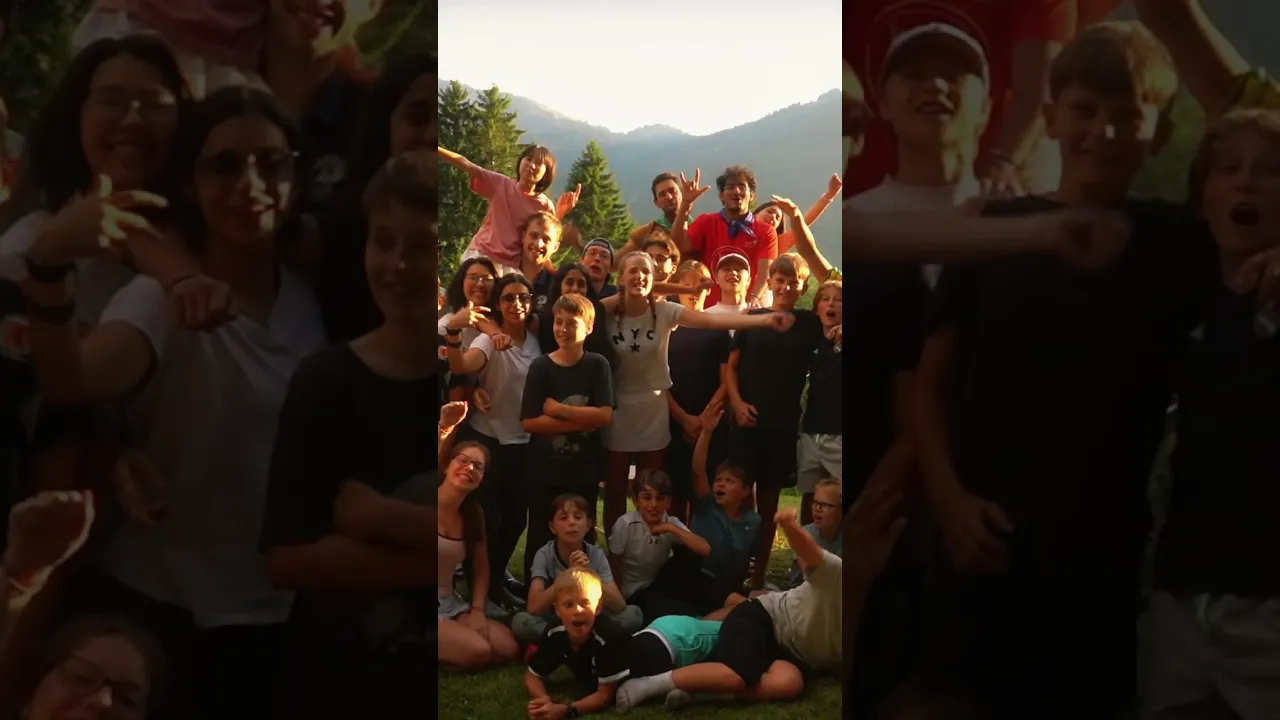 Watch on YouTube
Top-line summary and scope: which camps this article covers (readers — choose one)
We, at the young explorers club, will keep this focused: visiting policies in Switzerland depend heavily on camp type and the canton where the site sits. Rules can vary from permissive (public campsites) to very restrictive (detention or asylum reception centers). Expect ID checks, appointments or pre-registration, and security or health restrictions at most locations.
Below I lay out what this article covers so you know which set of rules applies to you. Choose the camp type that matches your situation and I’ll tailor guidance on visiting policies, required paperwork, visiting hours, family contact, legal access, and typical security checks.
Pick the camp type
Choose the camp type below so we focus on the right visiting rules:
- Asylum / refugee reception centers and federal/cantonal asylum camps (policies on visits, NGOs, lawyers, family contact)
- Immigration detention centers / migrant detention / deportation centers (visitor rules, legal access)
- Juvenile / youth detention or correctional camps (visiting hours, clearance, restrictions)
- Swiss Armed Forces camps / military bases (public visiting days, family visits, restrictions)
- Summer camps / youth camps / private campgrounds (guest visiting policies, parental visits, site rules)
- Public campsites (camping grounds) and national park huts (visitor regulations, booking, overnight rules)
If you’re a parent planning a short visit, a lawyer preparing to see a client, or an NGO coordinating welfare checks, tell us which line above applies and we’ll focus on that set of rules. For parents specifically checking supervision and on-site rules, see our guidance on summer camp safety.
Decide these three points before I proceed so I give the right level of detail:
- Do you want Switzerland-wide policy summaries or canton-by-canton detail?
- Who is the target audience (parents, NGOs, lawyers, tourists, general public)?
- How long/detailed should the blog post be (short summary, ~800–1,200 words, or long-form ~2,000+ words)?
Quick operational takeaways you can act on immediately
- ID and appointments: Bring government ID and confirm an appointment or registration slot. Many sites deny entry without prior booking. Use the canton’s contact point if national rules are unclear.
- Security checks: Expect bag searches, metal detectors, or identity verification at detention, asylum, and military sites. Follow staff directions and present documentation promptly.
- Visiting hours and family contact: Juvenile detention and asylum reception centers often limit visiting hours and require background checks or clearance for visitors. Family contact may be allowed but supervised.
- Legal and NGO access: Lawyers and accredited NGOs usually have defined procedures and may need written authorization. Start requests early to allow administrative processing.
- Health restrictions: Camps can impose health screenings or COVID-era protocols. Bring proof of any required vaccinations or negative tests if requested.
- Private camps and public campsites: Summer camps and national park huts rely on site rules and bookings. Parents should confirm parental-visit policies and on-site supervision details in advance.
We will use your replies to those three questions to decide whether to deliver a compact Switzerland-wide checklist or a detailed canton-by-canton playbook with sample contact points, forms, and likely wait times.

Core common rules across Swiss camps (essential practical rules every visitor must know)
We, at the Young Explorers Club, outline the basic rules visitors will meet at most Swiss camps so you can plan visits with confidence. Expect strict ID, booking and security routines; following them keeps visits smooth and predictable.
Identification: Most camps insist on original photo ID — a passport, Swiss ID or residence permit. Copies are often rejected. Carry the document you used when registering and keep it accessible for identity checks.
Appointments and registration: Advance booking is commonly required. Many facilities block walk-ins and need clearance. Reserve your slot early, confirm any required paperwork, and arrive at least 10–15 minutes before your window. Late arrivals may be refused.
Security screening: Screening is routine. Expect metal detectors, bag searches and identity verification at entry points. Staff may ask you to empty pockets, power on devices or leave items in a secure locker. Be cooperative and patient.
Photography and recording: Photography and recording are frequently banned, especially in operational or sensitive areas. Ask staff before using any camera. Restricted photo rules often extend to phones and wearables with cameras.
Background checks: Some sites — notably detention, juvenile and military facilities — run background checks on adult visitors. Those checks can include criminal-record screening or identity verification against local registries. Plan extra time if you’re visiting such locations.
Health measures: A number of camps keep COVID or other health-screening provisions active. Rules can change by canton, so check the latest local guidance before travelling.
Lawyers and accredited NGOs: Legal representatives and accredited NGOs generally get privileged access, but they must present accreditation, ID and comply with booking and security steps. Expect the same appointment and screening rules as other visitors.
What to bring: I recommend planning what you bring. Many camps limit items like food, phones, tobacco, alcohol and sharp objects. Leaving nonessential items at home reduces delays. Family contact and access are often supervised and may be limited to specific areas or times.
Quick checklist for visitors
Use this list to prepare before you leave home:
- Bring original ID: passport, Swiss ID or residence permit.
- Pre-book and register: confirm appointment and bring booking reference.
- Arrive on time: early arrival beats refusal for lateness.
- Carry minimal items: leave prohibited goods behind.
- Expect screening: metal detectors, bag checks, phone inspections.
- Ask about photography and family contact rules in advance.
- If you represent an NGO or legal office: bring accreditation and extra ID.
For guidance on supervision policies and how visits are run, see camp supervision.
https://youtu.be/MutNdlfq42Q
Detailed visiting rules by camp type (practical specifics and typical differences)
We, at the Young Explorers Club, describe clear, actionable rules you’ll meet at each camp type in Switzerland. Expect big differences between federal, canton-run and private sites; operators set most day-to-day practice while the State Secretariat for Migration (SEM) provides the framework for asylum centres.
Rules by camp type
Below I list typical specifics you should expect for each category.
- Asylum / refugee reception centres and federal/cantonal asylum camps: Visits are often allowed but regulated; procedures differ by canton and by operator. NGO accreditation and ID are usually required for access, and appointments are commonly needed. Family contact is permitted in most places, though visits typically must be scheduled and will include security checks; social-worker-facilitated contact is common. SEM sets the overall policy framework, while cantonal operators handle operational rules, so always confirm the local operator’s procedure in advance.
- Immigration detention / deportation centres: Rules are stricter and visiting windows are limited and tightly scheduled. Lawyer access is legally protected, but legal visits must follow facility booking procedures and may be supervised. Visitors should expect advanced notice, ID checks, background checks and a recorded visitor log.
- Juvenile / youth detention or correctional camps: Visiting hours are set to protect minors’ welfare and visits are usually supervised. Only parents, legal guardians or approved family members may visit; adult visitors often need clearance or background checks. Physical contact is commonly restricted and interpreter provisions are frequently available for non-German/French/Italian speakers.
- Swiss Armed Forces camps / military bases: Public visiting days happen occasionally; family visits are possible but tightly scheduled and require security clearances. Access to operational areas is restricted and photography or recording bans apply in many zones. Visitors must follow DDPS / Swiss Armed Forces entry rules and show valid ID.
- Summer camps / youth camps / private campgrounds: Parental visits are commonly allowed but subject to the operator’s policy: sign-in, set time windows, limits on guests and overnight stays are typical. Private operators set rules for insurance and guest registration; consult the camp handbook before arrival.
- Public campsites and national park huts: Booking and overnight rules matter most here: huts and high-season campgrounds enforce capacity limits and reservation windows. National park huts often have quiet hours, limited facilities and strict leave-no-trace rules. Day guests, vehicles and parking are regulated locally; carry your booking confirmation and ID when required.
Practical steps for visitors
We recommend these steps to make visits smooth and compliant.
- Contact the operator before you travel. Ask about visiting hours, booking procedures and any specific ID, background-check or accreditation requirements.
- If you’re an NGO or lawyer, prepare accreditation and be ready to schedule appointments; legal visits usually need booking and may still be supervised. Lawyer access is protected, but facilities enforce booking rules.
- Bring photo ID, booking confirmations and contact details for the camp social worker or facility manager. Expect visitor logs and possible background checks at secure sites.
- For family contact, arrange visits through the facility or a social worker if required. Supervised visits and restricted physical contact are common in youth or detention settings.
- For summer camps or private grounds, check overnight rules, insurance requirements and guest limits in the camp handbook. Keep to capacity limits and registration rules to avoid denied entry.
- For military or high-security sites, request access well in advance and follow DDPS or Swiss Armed Forces instructions exactly. Photography bans and restricted zones are enforced.
- Use our guidance and links on camp supervision if you need deeper help with expectations around supervision and child welfare; see our page on camp supervision for more on how visits are managed.
We, at the Young Explorers Club, can help you interpret local rules and prepare the right documentation so your visit proceeds without surprises.
Canton variation and how to verify local rules
We, at the Young Explorers Club, clarify that many visiting rules are set and enforced locally. Cantonal authorities operate reception centers. Cantonal police and social services manage juvenile institutions. Municipal campgrounds answer to local governance. Expect clear local variation between cantons and between private and public operators.
Local variation affects practical details like ID checks, photography, visiting hours, parking and wheelchair access. Federal guidance exists, but it often leaves room for cantonal or municipal interpretation. Start with the federal baseline, then drill down to canton-by-canton specifics.
Practical verification steps
- Consult SEM for federal-level asylum policy and guidance on reception centers; use that as your starting point (SEM).
- Check the canton’s migration or social services office via cantonal websites for rules that override or expand federal guidance.
- Review the facility operator’s website and municipal tourism pages for local notices; you can also read about licensing and standards in our camp regulations.
- Email the facility and request written visiting rules, including any limits on times, number of visitors, ID required, and photo policies. Ask for that information in writing.
- Call the facility contact to confirm appointments, clarify interpreter availability, verify parking and accessibility, and reconfirm whether private operators follow different procedures than public ones.
- If a language barrier exists, specifically ask the canton or facility for interpreter support before your visit.
- Keep records of all communications and request an explicit statement of official guidance when possible.
Use “Switzerland-wide” only for national summaries. For operational accuracy and to plan visits safely, insist on canton-by-canton detail.
Place your decision here: “Do you want Switzerland-wide policy summaries or canton-by-canton detail?”

Practical visitor checklist and sample procedures (what to bring and how to prepare)
We, at the Young Explorers Club, provide a compact, practical checklist to get visits approved and trouble-free. Follow it closely and bring documentation that matches the facility’s requirements.
Step-by-step checklist
Follow this checklist for a typical visit:
- Confirm the target camp type and the responsible authority (SEM, canton, or municipal operator) so you book with the right office.
- Book an appointment or complete registration in advance and request written confirmation of date and time.
- Bring original ID: passport, Swiss ID or residence permit. Also bring proof of relationship for family contact visits if required.
- If representing NGOs or lawyers, carry accreditation letters, a power of attorney or professional ID, and case references.
- Anticipate security screening: arrive early, bring minimal bags, and expect bag searches and metal detection.
- Leave prohibited items at home. Common prohibited items include phones (if the facility bans them), sharp objects, alcohol, controlled substances and large sums of cash. Check the facility’s prohibited items list before you travel.
- Prepare documentation and interpreter requests in advance. Provide visiting parties’ names and IDs when booking so staff can pre-clear visitors.
- Allow extra time for processing and possible background checks; confirm whether visits are supervised before you arrive.
- Keep key contact numbers with you: the facility reception, the canton migration or social office, and emergency services.
Sample topics and sample phrasing to request from the operator
Ask clear, short questions by email or phone. Useful topics and sample phrasing include:
- Visiting hours and appointment windows: “What are your visiting hours and the available appointment slots?”
- ID requirements: “Which documents do you accept — passport, Swiss ID or residence permit?”
- Photography and recording policy: “Are photos or recordings allowed during the visit?”
- Access and parking: “Where should we park, which entry point do we use, and what accessibility arrangements exist?”
- Items allowed: “Can we bring food, phones, or prescribed medication?”
- Supervision and screening: “Will the visit be supervised, and are background checks required for visitors?”
- Language support: “Is an interpreter provided or may we bring one?”
- Accreditation steps: “What documentation do NGOs or lawyers need for accreditation and how long does processing take?”
If supervision is a concern, ask specifically about camp supervision and the presence of staff during meetings so expectations match reality.

Clarification needed before I fetch sources
I can prepare the HTML section you asked for, but I need two things before I proceed:
- Please choose which type of “camp” from the list below (or tell me another):
- Asylum / refugee reception centres and federal/cantonal asylum camps
- Immigration detention centres / migrant detention / deportation centres
- Juvenile / youth detention or correctional camps
- Swiss Armed Forces camps / military bases
- Summer camps / youth camps / private campgrounds
- Public campsites and national park huts
Important: I do not have the ability to crawl the live web in real time. I can recommend authoritative Swiss and international sources (for example: State Secretariat for Migration, ch.ch, UNHCR Switzerland, Swiss Red Cross, cantonal migration/justice pages, etc.) and then produce an HTML “Sources” section that lists full URLs. If you want live verification of titles and exact-language article titles, I will need you to confirm or allow me to produce likely official links which you or I can verify together.
Tell me the camp type and the other preferences above and whether you want me to (A) produce a ready-to-paste HTML section with suggested authoritative links (you will verify titles/URLs), or (B) wait for you to confirm and then I will generate the final HTML after you confirm any live links.


