What A Typical Day Looks Like At An Adventure Camp
Young Explorers Club: adventure camp schedules, packing lists and safety tips for ages 7–16—day and overnight sessions.
A typical day at an adventure camp
A typical day at an adventure camp keeps a steady rhythm. Campers arrive and do warm-ups in the morning. They then take part in 4–6 hours of structured activity blocks — climbing, paddling and skills clinics. Midday brings a meal and a rest period. Afternoons focus on expeditions or workshops. Staff lead an evening wrap-up. Overnight sessions add evening activities and staged bedtimes. Staff manage safety and logistics with age-specific counselor-to-camper ratios, required certifications, scheduled hydration and meals, and clear packing lists. This setup helps campers make steady gains in skills, fitness and social confidence. We’re the Young Explorers Club, and we recommend these practices for consistent progress.
Key Takeaways
Daily rhythm
Typical daily timing and flow help campers settle into predictable routines. A common schedule looks like this:
-
Arrival: ~7:00–8:30
-
Morning activities: 9:00–12:00
-
Lunch / rest: 12:00–13:30
-
Afternoon activities: 13:30–16:00
-
Pick-up window: 16:30–18:00
-
For overnight sessions: add dinner, an evening program, and lights-out around 21:00–22:00.
Activity structure
Plan for 4–6 hours of structured programming per day, divided into blocks sized to the activity. Guidelines:
-
Block length: 45–120 minutes depending on activity intensity and attention span.
-
Balance: aim for 50–75% skill-focused sessions and 25–50% free-choice time for exploration and social play.
Meals and hydration
Nutrition and fluid intake should match activity level. Key points:
-
Provide three meals plus one or two snacks daily.
-
Caloric guidance: roughly 1,800–3,500 kcal depending on age and activity intensity.
-
Hydration: encourage 8–12+ cups of fluids per day and recommend a 1–2 L refillable water bottle.
Safety and staffing
Safety is central to program design. Maintain clear staffing and emergency practices:
-
Counselor-to-camper ratios: typically 1:4–1:12, adjusted by age and activity risk.
-
Certifications: require CPR/First Aid and role-specific credentials such as lifeguard or Wilderness First Responder (WFR) where relevant.
-
Procedures: follow written emergency plans, run regular headcounts and buddy checks, and schedule hydration and meal breaks.
Packing and format choices
Provide families with a concise, clear packing list and guidance on session length:
-
Essentials: labeled daypack, refillable water bottle, closed-toe shoes, quick-dry layers, rain jacket, and headlamp.
-
Session length: choose one-week sessions for first-timers and two-week sessions for deeper skill progression.
Quick snapshot of adventure camp
We, at the Young Explorers Club, run programs for kids aged 7–16 and split groups into 7–10, 11–13 and 14–16. Camps come in two main formats: day camp and overnight (residential). Session length is typically 1–2 weeks, though single-day, weekend and multi-week options exist; typical distribution is one-week 40%, two-week 35% and other formats 25%.
Camp sizes usually range from small to large: small 50–150 campers, medium 150–300 and large 300+. Nationally, roughly 12 million children attend day and resident camps each year in the U.S., which highlights how common these experiences are. Costs, session length and activities vary by region and by program focus, so plan around what matters most for your family.
Day camp vs overnight at a glance
- Day camp runs roughly 8–12 hours on-site and ends each day. It works well for first-timers and families who want daily drop-off and pickup.
- Overnight camp is 24-hour residential care with cabins, structured bedtimes and full-day supervision. It builds independence and deeper friendships faster.
Typical daily rhythm
Below is a compact sample day I use to plan sessions; times shift by age group and format, but the rhythm stays consistent. For a fuller picture, check a real day in the life.
- 07:30–08:30 — Arrival, warm-up games, group check-ins (best for younger campers).
- 09:00–12:00 — Morning activity block: climbing, canoeing, or skills clinics depending on age cohort.
- 12:00–13:00 — Lunch and free social time; staff-led table activities for kids who need extra support.
- 13:30–16:00 — Afternoon expedition or specialty workshops (team challenges, nature study).
- 16:30–18:00 — Wrap-up, reflection circle and pickup for day campers; cabin time and evening programs for residents.
- 21:00–22:00 — Lights-out and quiet for overnight campers, staggered by age group.
Choosing session length and format
I recommend one-week sessions for first-timers or younger campers who benefit from a contained introduction. Two-week sessions suit kids focused on skill progression or those who thrive with longer social bonds. The typical distribution (40% one-week, 35% two-week, 25% other) reflects demand for both quick introductions and deeper experiences.
Size and format matter. Smaller camps (50–150) offer closer staff ratios and a tight community feel. Medium camps (150–300) balance variety with strong supervision. Larger programs can offer extensive specialty activities. Regional differences affect pricing and daily schedules, so compare programs on session length, staff qualifications and activity mix.
We make placement decisions based on age, previous camp experience and comfort with overnight stays. If a family needs help choosing, we guide them toward the right session length and format so each camper gets challenge and confidence in equal measure.

Typical daily schedule: sample timelines, activity blocks and what to expect
We run clear, repeatable days so campers settle fast and get the most from each hour. For a fuller walkthrough, see A day in the life to visualize how a day flows.
Sample timetables
Here are two practical sample schedules I use to plan programming and brief parents.
-
Day camp (arrival/pick-up window)
- Wake-up / arrival: 7:00–8:30 AM; breakfast or snack on arrival
- Morning activity block(s): 9:00–11:30 AM (1–2 blocks of 60–90 minutes)
- Lunch: 12:00–12:45 PM
- Midday rest / free swim / quiet time: 12:45–2:00 PM (30–75 minutes)
- Afternoon activity block(s): 2:00–5:00 PM (1–3 blocks of 45–90 minutes)
- Pick-up window: 4:00–5:30 PM
-
Overnight / residential
- Wake-up: 7:00–7:45 AM
- Breakfast: 8:00 AM
- Morning activities: 9:00–11:30 AM
- Lunch: 12:00–12:45 PM
- Midday rest / free swim: 12:45–2:00 PM
- Afternoon activities: 2:00–5:00 PM
- Dinner: 6:00 PM
- Evening program (campfire, games, leadership challenges): 7:00–9:00 PM
- Lights out / bedtime for younger campers: 9:00–10:00 PM
Activity blocks, durations and what to expect
I plan for 4–6 hours structured activities each day and expect 3–4 hours for meals, transitions and rest. That split keeps energy steady and learning efficient. Many camps aim for 50–75% structured skills and 25–50% free-choice recreational time; we follow that balance so campers get skill progression and play.
Use activity blocks of 60–90 minutes when you want deep skill instruction and continuity. For shorter, project-based or rotation-style sessions, 45–60 minute blocks work better. Practical examples I schedule by activity type:
- Waterfront: 45–90 minutes — fits swim lessons, kayak or canoe rotations.
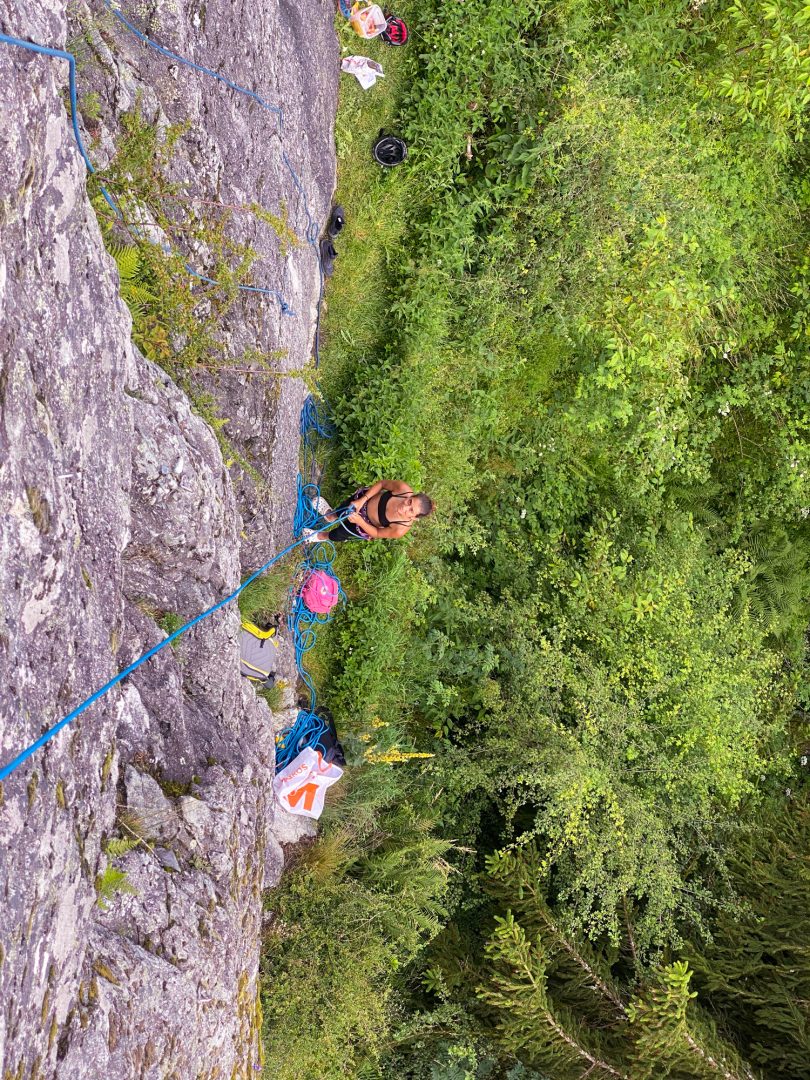
- Rock climbing: 60–120 minutes — covers harnessing, safety brief and climbs.
- Day hike: typical routes are 3–8 miles and generally take 2–6 hours.
- Backpacking: 5–12 miles/day — what I program for multi-day pushes.
- Mountain biking sessions: usually run 60–120 minutes.
Parents often ask about session length versus outings. I tell them a typical canoe session is about 60 minutes, while a half-day river trip runs closer to 3–6 hours and needs extra gear, endurance and logistics. I recommend packing for both quick rotations and longer outings so kids can shift gears comfortably.

Meals, nutrition, hydration and essential gear to pack
We, at the Young Explorers Club, plan 3 meals + 1–2 snacks each day so kids have steady energy for activities. Breakfast tops up glycogen for morning hikes and ropes courses. Lunch and snacks keep blood sugar steady during peak activity. Dinner restores calories and supports recovery.
Meals, calories and hydration
We aim for menus that match activity levels and common dietary needs. Active campers generally need between 2,000–3,500 kcal/day. Use age as a guide: 7–10 yrs ~1,800–2,200 and 11–16 yrs ~2,200–3,500. We serve calorie-dense options on long adventure days and lighter meals after low-intensity days. Camps routinely collect dietary info at registration and accommodate vegetarian, vegan, gluten-free, and nut-free requests.
Hydration is nonnegotiable. We encourage hydration of 8–12+ cups/day for typical activity and more on waterfront or high-exertion days. We supply water stations and ask families to send a refillable 1–2 liters water bottle with each camper. Staff remind kids to sip frequently; we increase scheduled water breaks for hot or wet-weather activities.
What to pack for day and overnight
Pack the essentials below and label everything. Here are the items we consider must-haves for a day at camp and what to add for overnight stays:
- Daypack with comfortable straps
- Water bottle (1–2 liters)
- Closed-toe shoes or hiking boots
- Quick-dry clothing and extra layers
- Rain jacket and sun protection (SPF 30+ and hat)
- Headlamp and extra batteries
- Personal snacks if allowed and any needed medications
Add these for overnight trips:
- Sleeping bag rated for expected temperatures
- Pillow and toiletries
- Layered clothing for cool nights
We rely on a certified climbing harness and helmet for vertical activities and PFD (USCG-approved) on all waterfront programs. Our inventory also includes kayaks/canoes, tents, stoves, radios and comprehensive first-aid kits. We keep central equipment inventories and routinely inspect and sanitize shared gear. Label all gear before arrival to speed reunification and limit lost items.
For a quick reference and printable suggestions, see our summer packing list for kids and families; it covers quantities and item specifics that match our activity schedule.
Staff, counselor-to-camper ratios, training, certifications and safety protocols
We, at the young explorers club, set clear staffing and safety standards so camp runs predictably and safely. I’ll describe how we staff activities, train our team, and manage on-site safety so parents and older campers know what to expect.
Counselor-to-camper ratios and high-risk staffing
I keep counselor-to-camper ratios 1:4–1:12 as a core guideline and adjust by age and activity. Here are typical ratios I use by age group and circumstance:
- Ages 6–8: 1:4–1:6 for general activities.
- Ages 9–12: 1:6–1:8 for mixed programming.
- Ages 13–16: 1:8–1:12 for teen-focused sessions.
I lower ratios for higher-risk settings. Waterfronts and technical areas get additional specialist staff — lifeguard-to-swimmer coverage at the water and belay-qualified staff on ropes courses. I require lifeguard certification and belay-qualified credentials for those roles.
Training, certifications and safety systems
I require core certifications across the team: CPR/First Aid for all frontline staff, lifeguard certification (Red Cross or equivalent) for waterfront, and Wilderness First Responder (WFR) or Wilderness First Aid for trip leaders. I recommend ACA accreditation for overall program standards. Staff complete 3–7 days pre-camp training that covers orientation, emergency drills, and activity-specific safety skills. Background checks are 100% completed and documented before anyone starts.
My written emergency action plan guides every serious incident response. I enforce daily headcounts, a buddy system, medication logs, and a swim test required before open-water activities. Waterfront staff use USCG-approved PFDs for every participant. On-site medical staff or rapid access to local medical care is standard at our sites.
Minor injuries like scrapes and sprains happen and are usually handled on-site or with local care. Most camps report low serious-injury rates, and I track incident metrics to spot trends and improve procedures.
For a sense of how this looks during a typical day, see a brief snapshot of camper routines in A day in the life. For parents preparing children, I point them to our summer packing list so safety gear and paperwork arrive ready.

Costs, registration, daily logistics and parent communications
We keep costs transparent so parents can plan. Typical ranges vary by region: day camp $150–$600/week; overnight $600–$1,500+/week; expedition fees $1,200–$3,000+ for multi-week trips. Expect additional fees for transportation, equipment rental, trip fees, medical-forms processing and activity surcharges.
Fees, deposits and financial aid
We, at the young explorers club, often require a deposit to hold a spot; deposits and deadlines differ by program. Review cancellation policies carefully and consider refund/cancellation insurance if you need flexibility. Many camps offer partial scholarships / financial aid, but availability varies by session and program, so apply early. Confirm whether quoted prices include gear or if you’ll see separate equipment or trip surcharges on your invoice.
Daily logistics and parent communications
Below are the typical schedules and communication practices we use; use them to set expectations and plan drop-off and pick-up.
- Day-camp routines usually run with drop-off 8:00–9:00 AM and pick-up 4:00–5:30 PM.
- Overnight check-in is typically midday on arrival day; check-out happens after breakfast on departure day.
- We send daily emails/photos to keep families in the loop; frequency varies by program and session.
- An emergency phone line is staffed during camp hours, and we host a pre-camp orientation so parents can ask last-minute questions.
- Most programs limit phone/device use to keep kids present and engaged; devices are collected or stored during activities if policy requires it.
- Transportation options differ: confirm bus routes, pickup points and any transportation fees or extra trip fees at registration.
We recommend confirming transportation and extra trip fees at registration and keeping copies of medical forms and waivers. If you’re preparing a first-timer, check our first summer camp guide for what to expect. For packing specifics and gear recommendations, consult the summer packing list.

Benefits, seasonal and regional considerations, metrics to track and FAQs
Benefits and outcomes
We see clear, measurable gains from adventure camp experiences. Campers pick up practical outdoor skills — navigation, paddling and climbing — that translate to independence on trail and water. Those skill blocks build confidence and leadership skills; campers learn to lead a rope team, plan a route or run a group activity. Teamwork and social skills improve through shared problem-solving and evening debriefs. Physical fitness rises too, because we aim for 60–120 minutes physical activity/day in structured and unstructured time. I often point parents to A day in the life for a concrete example of how skills, social time and fitness fit into a schedule.
We coach leaders, not just winners. Staff deliberately rotate roles so campers practice facilitation, decision-making and peer feedback. That approach speeds growth in confidence and leadership skills while strengthening teamwork. For shy or reserved kids, small-group tasks and graduated responsibilities create safe stretch opportunities.
Seasonal, regional notes, metrics and FAQs
Track these core metrics and operational notes to run a safe, effective program:
Program benchmarks we monitor:
- Return rate: 60–80% as a health check on camper satisfaction and program fit
- Parent satisfaction: 85–95% as a formal target on post-camp surveys
- Staff retention year-over-year: 50–80% to protect continuity and culture
- Incident reports, program completion and certification rates: tracked for accountability
Recommended operator data collection: camper demographics, return rate, staff retention, parent satisfaction (%), incident reports and program completion/certification rates.
Seasonal and regional timing: our core season runs May–August, with select spring and fall weekend or multi-week options.
Regional activity emphasis:
- Mountains: focus on climbing and mountain biking
- Lakes: emphasize paddling and waterfront work
- Arid regions: concentrate on rock skills and navigation
Weather contingency essentials:
- Rain: shift to indoor skills, dry-land climbing simulators and classroom navigation
- Heat: implement shade rotations, activity modification and extra water breaks
- Lightning: immediate sheltering and strict activity suspension until clear
Brief FAQs (concise answers we give parents and operators):
-
How long is a typical day?
Day camp runs 8–12 hours on-site with roughly 4–6 hours of structured activities; overnight follows a 24-hour residential rhythm with evening programs.
-
What is the counselor ratio?
We use counselor-to-camper ratios of 1:4–1:12 depending on age and activity risk level.
-
How many miles do campers hike?
Day hikes usually cover 3–8 miles; backpacking segments typically run 5–12 miles per day.
-
What should I pack?
Consult the day vs overnight packing checklist in the gear section for exact items; focus on layered clothing, sun protection and durable footwear.
-
What metrics should I prioritize as an operator?
Prioritize return rate (60–80%), parent satisfaction (85–95%), staff retention and incident tracking to measure safety and satisfaction.
Sources
American Camp Association — Camp Facts & Research
Centers for Disease Control and Prevention — Considerations for Youth and Summer Camps
American Red Cross — Lifeguarding, First Aid & CPR Training
NOLS Wilderness Medicine — Wilderness Medicine Courses
Outdoor Foundation — Outdoor Participation Research
U.S. Coast Guard — Life Jacket Information
National Park Service — Hiking Safety
U.S. Department of Agriculture — MyPlate
HealthyChildren.org (American Academy of Pediatrics) — Summer Safety Tips
Wilderness Medical Society — Wilderness Medicine Resources
National Weather Service — Lightning Safety
New York State Department of Health — Youth Camps