

Alpine summers with kids
Alpine summers give children long sunny days, cool nights and easy access to varied mountain terrain. That terrain boosts motor skills, sparks imaginative free play, strengthens social connections and restores attention. We, at the Young Explorers Club, recommend planning season-aware days with layers, strong sun protection, regular hydration and gradual elevation gain. This approach lets families enjoy easy hikes, lake swims, lift rides and hands-on cultural activities safely while keeping outings both fun and educational.
Planning for alpine days
Clothing and sun protection
Layering is essential: mornings can be cool, afternoons warm. Pack a base layer, insulating mid-layer and a wind/rain shell. Always include high‑SPF sunscreen, broad-brim hats and UV‑blocking sunglasses for every family member.
Hydration and nutrition
Higher altitude increases dehydration risk. Bring more water than you think and plan frequent snack breaks. Electrolyte options and easy-to-eat finger foods help sustain energy on the move.
Elevation and pacing
Limit early elevation gain and let kids acclimatize gradually. Watch for symptoms like headache, nausea, or unusual tiredness. When in doubt, descend and rest.
Activities that work well
- Easy family hikes on varied terrain to encourage motor skills and exploration.
- Lake swims and safe water play in supervised areas — check water temperature and depth.
- Cable cars and lift rides for panoramic views with minimal effort.
- Biking on groomed trails or family-friendly routes.
- Hands-on cultural activities like alpine farms, local markets and mountain festivals to deepen learning.
Recommended activities by age
- Toddlers (0–4): short walks, nature scavenger hunts, gentle playground time and supervised shoreline play.
- Young kids (5–9): longer easy hikes, lake paddling, short lift rides and guided nature programs.
- Older children (10–15): longer day hikes, beginner mountain biking, via ferrata only with professional guidance and proper gear.
Safety checklist (quick)
- Pack layers, sun protection and extra water.
- Plan for frequent rest and snack breaks.
- Monitor for altitude symptoms; descend if they appear.
- Choose activities appropriate for your child’s age and ability.
- Teach and model leave-no-trace behaviour and respect for local customs.
Teaching moments and local culture
Use alpine outings to teach low-impact outdoor ethics, local mountain traditions and basic navigation or wildlife awareness. Simple activities — like counting wildflowers, identifying birds or visiting a family-run alpine farm — build knowledge and connection.
Wrap-up
With simple planning—layers, sun protection, hydration and gradual elevation gain—families can safely enjoy the many benefits of alpine summers: improved motor skills, restored attention, stronger friendships and rich cultural experiences. The Young Explorers Club encourages season-aware, age-appropriate outings that keep fun and learning at the center.
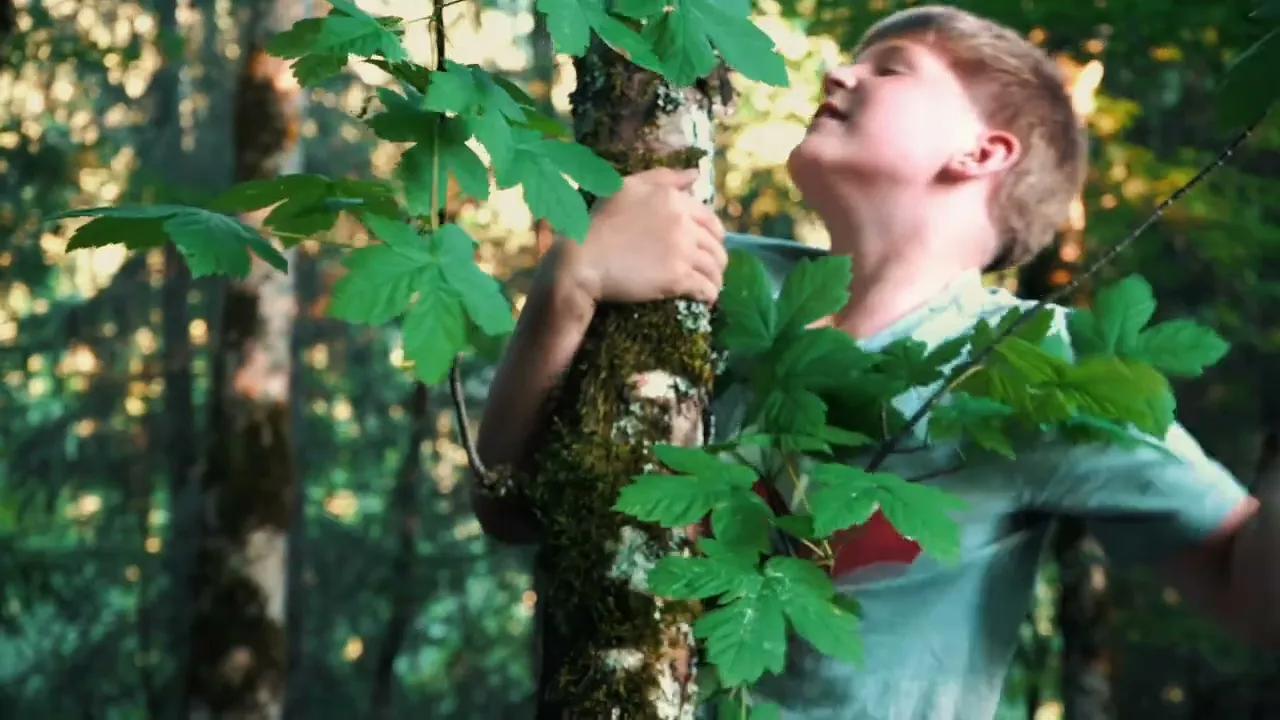 Watch on YouTube
Alpine Snapshot and Why Summers Are Ideal for Kids
The Alps stretch about 1,200 km and cover roughly ≈200,000 km² across 8 countries. The range reaches its highest point at Mont Blanc 4,808 m. The region draws roughly ≈120 million visitors annually. Long-term change is visible too: Alpine glaciers ~50% volume loss since 1850. I point these out because scale and change shape how families plan trips and educational experiences.
What summer offers for children
Summer opens up safe, accessible access to varied terrain and close-to-home wild spaces. I see five key advantages that matter for development and wellbeing — I list them below and include the relevant guidance.
- Motor skills and physical fitness: Trail play, scrambling and cycling build balance and coordination while children meet the 60 minutes daily activity WHO guideline (WHO recommendation).
- Creativity and problem-solving: Unstructured outdoor play prompts improvisation, tool use and imaginative games — a major part of outdoor play benefits AAP (AAP policy statements).
- Social development: Group challenges and cooperative exploration strengthen communication and conflict-resolution skills.
- Mood and regulation: Time outdoors lowers stress and supports emotion regulation; I rely on principles from attention restoration theory to explain how natural settings replenish cognitive resources.
- Focus and attention: Exposure to varied natural stimuli supports attention restoration theory, which helps kids return to tasks with improved concentration.
Practical considerations I use when planning
I balance adventure with safety and learning. I choose routes and activities that match age and skill. I prioritize shade, hydration and pacing at altitude. I include short nature-based tasks to reinforce observation and reflection. For inspiration on family-friendly options, I refer families to relevant family activities that suit different ages and interests.
Summer Climate Kids Love
Alpine summers give kids long sunny days and cool nights that make outdoor time comfortable and safe. The core season runs June–August, and shoulder months May and September are often mild in many valleys.
Valley daytime averages typically sit around 15–25 °C. Temperatures fall with elevation at the environmental lapse rate, roughly 6.5 °C per 1,000 m. For example, 22 °C at 500 m translates to about 12 °C at 2,000 m. Mountain spots also show large diurnal swings; nights can drop into single digits at higher elevations, so evenings feel much fresher than afternoons.
Sun strength climbs with altitude, so UV exposure is a real consideration: UV +10%/1000 m. That means sunburn risk rises quickly on alpine trails and at high viewpoints. Snowfields and glaciers often persist above the summer snowline, generally around snowline ~2,500–3,000 m, so bright reflective surfaces can intensify UV further.
I focus on simple season-aware planning that keeps kids comfortable and safe while maximizing adventure. Dress in layers for changing temps. Treat midday sun as the strongest and plan high-exposure activities for mornings or late afternoons when possible. Bring sun protection and teach kids to reapply sunscreen after sweating or swimming. Expect sudden showers and brief thunderstorms in the afternoons; that’s normal and can cool the day fast.
Quick tips for parents
Below are practical items I pack or check before any alpine trip:
- Layering: lightweight base, insulating mid-layer, waterproof shell for each child.
- Sun protection: broad-spectrum sunscreen, hats, UV-blocking sunglasses — remember higher altitude increases risk.
- Hydration and snacks: extra water and salty snacks for warmer valley hikes and higher-effort climbs.
- Night comfort: warm pajamas and a fleece for cool evenings, even in summer.
- Altitude sense: start with easier activities on day one to help kids adjust to elevation.
- Weather plan: monitor local forecasts and avoid exposed ridges during thunderstorms.
- Gear checklist: I consult a packing guide for specifics; see what to pack before you go for a quick reminder.

Activities That Make Alpine Summers Magical for Kids
I focus on activities that combine easy access, big views and hands-on fun. Short climbs, cable cars and lakes let kids feel like explorers without pushing limits. I recommend planning days around a clear finish line — a picnic spot, a swim or a toboggan ride — so motivation stays high.
Top family activities and safety notes
Below I list the most reliable options with age and safety guidance so you can pick what fits your crew.
- Easy family hikes and nature trails — Aim for family hikes 3–8 km with 100–700 m elevation gain. Easy hikes: 3–8 km, suitable for ages ~4+ if terrain is smooth and with breaks; choose trails with <500 m cumulative ascent for younger children. I pack extra snack stops and set a slow pace. Use lifts to shorten approach distances where needed.
- Alpine lakes & paddling — Many mountain lakes are cooler than lowland lakes but swimmable in summer. Lifeguard coverage varies by lake, so I check local signs and never leave small children unattended. Consider neoprene vests for timid swimmers.
- Mountain biking and e‑biking — The Alps offer everything from flat family trails to gentle descents. I choose routes labeled family-friendly and confirm shuttle or lift options. Helmets are mandatory; child-sized gear matters.
- Summer toboggan runs and adventure parks — These are high-reward, low-effort afternoons. Age limits vary, so I check height and weight rules before booking. Supervision or staff-monitored sessions increase safety.
- Guided glacier or ice‑cave tours — Glacier walks guided are for older kids only. I only join certified guide-led tours with helmets and crampons. Never attempt on your own.
- Wildlife watching and farm visits — Kids love meeting alpine cows, goats and watching cheesemaking demos. These visits teach seasonal rhythms and are usually low-risk.
- Via ferrata routes designed for families — Via ferrata family options exist, but they demand kid‑appropriate kit and continuous supervision. I use proper harnesses, short lanyards and pick routes with lower exposure for first timers.
- Cable cars & panoramic lifts — Cable cars enable summit access without long climbs and are practical for 3–6 year‑olds. I plan takeoffs when kids are rested to avoid fuss during the ride.
I always prefer guided experiences for glaciers and via ferrata; check age/height/weight rules for adventure parks before you arrive. If you want more ideas for family outings and organized options, see my recommendations for a memorable family trip.
Sample half-day family itinerary:
- Cable car to mid‑station
- 3–5 km easy hike with picnic
- Descent
- Lake swim as a reward
For a shorter loop try the half‑day hike + cable car + picnic + lake swim pattern; it gives variety, clear goals and a water reward at the end.

Safety, Health Guidelines & Practical Prep for Kids
I treat basic health and safety as the foundation of every alpine day with children. Children should get around 60 minutes of moderate-to-vigorous exercise daily, and I plan activities that meet that target without overdoing it (WHO).
Health, altitude and sun rules I follow
I watch for signs of altitude problems because kids can be affected. Acute mountain sickness becomes more likely at altitude >2,500–3,000 m. I look for headache, nausea, vomiting, dizziness, fatigue and poor sleep and I act fast when symptoms appear. I use the principle “climb high, sleep low” and limit overnight elevation gain to about 300–500 m/day above those heights.
Sun and UV are stronger in the mountains. I insist on SPF 30+ and reapplication — reapply every 2 hours — and I make reapplication part of every snack or water break. I also remember that UV rises roughly +10% per 1000 m and adjust protection accordingly. I pack wide‑brim hats, UV‑blocking sunglasses and protective clothing for kids and I schedule peak sun exposure outside the midday window when possible.
Hydration matters more than many parents expect. Kids have higher relative fluid needs during activity, so I encourage frequent small drinks and set regular water breaks. For insect and tick safety I practice daily tick awareness: I check children every evening after grassy or brushy areas and use age‑appropriate repellents.
I plan pacing, snacks and rest so activity adds up to the daily target without pushing kids into fatigue. If you’re putting together a multi‑day itinerary, I also recommend reading a concise guide on a family trip in Switzerland to align routes and accommodations with these guidelines.
Quick safety checklist I pack
I keep a compact checklist that I review before every outing:
- sunhat
- SPF 30+ sunscreen (and a small bottle to reapply every 2 hours)
- sunglasses with UV protection
- lightweight warm layers
- waterproof shell
- reusable water bottle
- small first‑aid kit
- snacks
- insect/tick repellent
I check gear fit on kids before departure and replenish sunscreen and water throughout the day. I also brief older children on how to recognize symptoms of altitude sickness and insist they tell me immediately if they feel off.
Where to Stay, When to Go, and Packing Essentials
I plan an Alpine summer around timing first. The best months, June–September, give warm days and open high‑mountain lifts. Late June–August are peak months. I advise aiming for early July or late August if you want fewer crowds and reliable weather.
I pick a base village by elevation and how quickly kids adapt. Many family base villages sit between 600–1,800 m, which balances easier hiking and good acclimatization for children. I choose lower villages for gentle valley walks and higher ones for quick access to alpine trails and lifts.
I prefer accommodation that fits how we want to spend our days. Options I recommend:
- Family-run mountain huts — authentic mountain life and direct trail access.
- Alpine farms (agritourism) — for farm activities and local food.
- Family hotels — offer kids’ services, play areas and babysitting.
- Self-catered apartments — when you need flexibility and kitchen access.
Always check which resorts offer kids’ clubs, child-friendly menus and play equipment, and book those amenities early. If the trip is during high season, reserve lift passes or guided tours in advance to avoid sold-out days.
Packing essentials — compact checklist
Below are the items I never leave home without; I pack light but smart.
- Base layer, insulating layer, waterproof shell — follow a layers-for-kids system so they can add or remove clothing quickly.
- Waterproof shell with taped seams — essential for sudden mountain rain.
- SPF 30+ sunscreen — pack SPF 30+ and reapply during long outdoor days.
- UV sunglasses and a wide‑brim hat to protect young eyes.
- Sturdy shoes or trail runners with good grip; bring one lighter pair for village strolls.
- Reusable water bottle and small snacks for energy on hikes.
- Simple first‑aid kit with plasters, antiseptic wipes and blister care.
- Insect and tick repellent for grassy meadows and forest edges.
I also bring a daypack with rain cover, a compact map or app, and a small reward for kids at the summit. If you’re organizing a larger group or planning activities, I find it helpful to book family amenities and services well ahead. For inspiration on family bases and activities, see this family trip.
Teaching Kids About Culture, Sustainability, and Quick Parent Tips
I take kids to alpine farms for hands-on experiences like cheese making and butter or cream demonstrations. I let them watch animals move to the summer pasture and join simple tastings. I make time for alpage festivals so they hear traditional music, see local crafts, and learn why these traditions matter to mountain communities.
I frame these moments as stories about place. I explain how a cheesemaker follows seasonal rhythms and why shepherds bring livestock to high pastures each summer. I show children how a simple craft or song connects to local identity. I encourage questions and give them small roles — stirring curds, helping press butter, or trying a folk tune — so they feel part of the activity.
The Alps face real stress from mass tourism and climate shifts: they receive roughly 120 million visitors per year, and glaciers have lost about 50% of their volume since ≈1850. I use those facts to teach low-impact behaviours that protect mountain habitats. I promote sustainable travel choices like using public transport to mountain resorts and staying locally when possible. I favour cable-cars and lifts over driving every day and pick certified eco-friendly activities and operators. I also show kids how fragile high-altitude ecosystems are, and we learn together about glacier retreat and local wildlife.
For practical trip planning and family-focused ideas I often point parents to resources about a family trip in Switzerland that highlight kid-friendly options and transport links.
Quick parent tips (callout)
Use these concise reminders on every alpine day:
- Aim for at least 60 minutes of active play each day (WHO).
- UV is stronger at altitude: UV +10%/1000 m — use SPF 30+ and reapply every 2 hours.
- Watch for altitude symptoms above 2,500–3,000 m and ascend gradually: climb high, sleep low 300–500 m/day.
- Pack layered clothing and a waterproof shell; plan frequent water and snack breaks.
- Teach kids simple sustainability actions: pick up one piece of litter per hike, stay on marked trails, and learn about glaciers and local wildlife.
I keep directions clear and routines simple. I plan shorter first-day excursions at higher elevations. I choose operators who explain local ecology and traditions, so every activity becomes both fun and educational.
Sources:
American Academy of Pediatrics — AAP policy statements on outdoor play and children’s health
https://www.aap.org/
World Health Organization — Physical activity recommendation for children and adolescents (60 minutes/day)
https://www.who.int/


