What Parents Should Know About Camp Supervision
Require written counselor-to-camper ratios, dated background checks, staff CPR/lifeguard certifications and incident rates per 1,000 camper-days.
Before You Enroll: Documentation to Request
We urge parents to get written, dated proof of core supervision practices before enrolling. That includes counselor-to-camper ratios broken down by age and by activity, and background-check policies with completed dates. Request records of staff CPR and lifeguard certification, including recertification dates, and ask for details on onsite medical staffing and emergency communication protocols. Compare incident rates normalized per 1,000 camper-days. Review sample rosters and equipment inspection logs for higher-risk programs. Treat refusal or vague answers as a major red flag.
Core items to request
- Counselor-to-camper ratios — written, dated, and broken down by age group and activity.
- Background-check policies — including dates when checks were completed for current staff.
- Staff certifications — CPR, lifeguard, and other relevant credentials with recertification dates.
- Medical staffing and hours — who is onsite, qualifications, and daily coverage hours.
- Emergency communication protocols — how the camp notifies families and coordinates emergency response.
- Incident data — aggregate incident counts normalized per 1,000 camper-days, plus counts of reportable incidents and emergency transports.
- Sample rosters and staffing plans — show backup/float staffing, documented night checks, and turnover records.
- Equipment and activity safety — daily inspection logs, lifejacket and helmet policies, certified instructors, and independent inspections for ropes courses.
How to verify implementation
- Ask for recent, dated documentation and verify dates against current staff lists.
- Request aggregate incident metrics and calculate rates per 1,000 camper-days to compare seasons and programs.
- Review sample rosters to confirm actual counselor-to-camper ratios during activities and nights.
- Inspect equipment logs and independent inspection reports for adventure activities.
- Confirm licenses, accreditation, and current insurance certificates directly with issuing organizations if possible.
Key Takeaways
- Require written, dated documentation of counselor-to-camper ratios, background-check policies, staff certifications (with recertification dates), and medical staffing hours.
- Request aggregate incident data normalized per 1,000 camper-days for recent seasons, plus counts of reportable incidents and emergency transports.
- Verify implementation by reviewing sample rosters, backup/float staffing plans, documented night checks, and recertification and turnover records.
- Confirm activity-specific safety: certified instructors, daily equipment inspection logs, lifejacket and helmet policies, and independent inspections for ropes courses.
- Treat refusal or vague responses as a red flag; insist on licensing/accreditation, insurance certificates, and written special-needs accommodation plans.
If a camp refuses or gives vague answers, consider that a major warning sign. Insist on clear, dated documentation and on verification of licenses, insurance, and accommodation plans before enrolling your child.
What to Ask First: Essential Supervision Details Every Parent Needs
We require written answers before we enroll a child. A verbal assurance isn’t enough. Put every key supervision item in writing and keep a copy.
Ask for these details in writing:
- counselor-to-camper ratio (by age and by activity)
- background check policy and the date checks were run
- percent of staff with CPR/First Aid certification and their recertification dates
- presence and credentials of onsite medical staff plus scheduled hours
- waterfront and high-risk activity certifications and activity-specific ratios
- emergency communication protocol and expected timelines
- incident reporting transparency with aggregate data from past seasons
We include the term counselor-to-camper ratio in our questions and expect a clear answer.
We insist camps provide aggregate incident data for the last 1–3 seasons. Request:
- injuries requiring professional medical care per 1,000 camper-days
- number of reportable incidents (sexual misconduct/abuse) in the past 3–5 years
- number of emergency transports
Normalize comparisons by camper-days so numbers are comparable across programs. Use those normalized figures when you compare camps.
Watch for immediate red flags. Refusal to provide written ratios is unacceptable. No background checks or vague descriptions of checks is a deal-breaker. Lack of medical staff or missing training documentation should make you pause. If emergency communication or incident policies are vague, ask for specifics; reluctance to provide even aggregate incident numbers is a major warning.
Verify standards and licensing for your state or country agency. Ask whether the camp holds external accreditation and what that means in practice. If the camp claims standards but won’t name them or show documentation, press further. We also look for staff turnover and recertification schedules; high turnover with poor training records raises concerns.
What to say on the call — ready-made parent scripts
Use these exact prompts to get clear answers:
- “Can you tell me your counselor-to-camper ratio for 8-year-olds at the pool? How many lifeguards are on duty for X campers?”
- “Do you perform fingerprint-based FBI checks? What checks are included and when were they last run?”
- “Is the camp ACA-accredited? If not, what standards do you follow?”
We recommend asking for incident rate and injuries per 1,000 camper-days by season and comparing those figures across programs. For deeper guidance on choosing a program with the right ratios and safety practices, see our page on counselor-to-camper ratio.
Counselor-to-Camper Ratios and Staffing Patterns
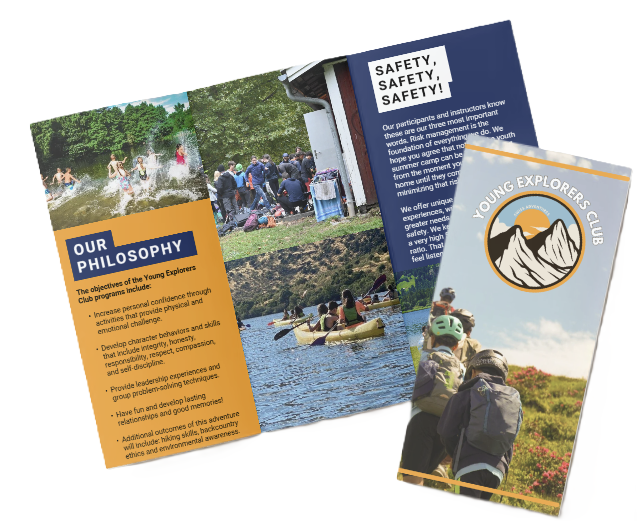
We, at the Young Explorers Club, set clear expectations for counselor-to-camper ratio and supervision density and share them with parents. I recommend you ask for both the written policy and examples of how those ratios look in daily rosters.
Recommended age-based and activity-specific ratios
Below are common industry guidance ranges you should request from any camp:
- Ages 4–5: 1 counselor : 4–6 campers (age-based ratio)
- Ages 6–8: 1 : 6–8
- Ages 9–11: 1 : 8–10
- Ages 12–14: 1 : 10–12
- Ages 15–17: 1 : 12–15
- Swimming/waterfront: 1 : 4–6 depending on depth and age (activity-specific ratio)
- Adventure/ropes/climbing: 1 : 4–8 plus certified belayer(s)
- Special needs campers: 1 : 1 to 1 : 3 depending on assessed needs
Overnight staffing requires round-the-clock coverage. Expect cabin supervision, scheduled nighttime checks, and added health-center coverage. Day camp staffing concentrates on arrival/departure peaks and supervision during activity blocks. Ask how they staff peak windows and how many float staff support transitions.
Request concrete implementation, not just policy statements. Ask to see:
- Sample rosters that map counselors to camper groups for a typical day and a high-demand day.
- Backup staffing plans that show who covers sick calls, late arrivals, and activity transitions.
- How float/relief staff are assigned and deployed across activity areas.
Also ask about staff credentials and certifications tied to ratios: lifeguard or waterfront certification for water roles, certified belayers for ropes, and medical or behavioral training for special-needs supervision. Insist they describe how ratios shift if a specialist leaves mid-day.
When you speak with camp leadership, bring the figures you want confirmed: the age-based ratio ranges (1:4–1:15 by age), the water ratio (1:4–1:6), and the expectation for actual staff rosters and backup staffing plans. I also suggest reading our practical tips for parents to prepare questions and set priorities before you visit.

Staff Screening, Training, Nighttime Supervision and Child Protection
We, at the young explorers club, hold screening to a high standard. Our goal is that 100% of direct-care staff have documented background checks before they work with campers.
Screening and background checks
Ask camps to confirm these screening components and to show documentation proving completion within a clear timeframe. Useful items to request include:
- Criminal background check (name- and/or fingerprint-based)
- Sex-offender registry check
- Minimum two reference checks
- Employment history verification
- Motor vehicle record check when staff transport campers
- Drug screening where applicable
- Social media screening for public posts and accounts
Clarify whether checks are fingerprint-based (FBI) or name-based. Request a written date stamp such as “All background checks completed within X months of hire.” That date stamp prevents surprises from stale results and shows ongoing oversight.
Keep this standard in mind: camps that say “we run checks” should be able to show paperwork. If they can’t, press for specifics.
Training, child protection and nighttime supervision
We expect training targets that match the screening goal. Aim for 100% CPR/First Aid certification among direct-care staff and 100% lifeguard certification for waterfront personnel. Typical pre-camp orientation runs 16–40 hours. Specialized roles get extra training; wilderness staff often hold Wilderness First Aid or Wilderness First Responder credentials. Activity-specific instructor certifications (archery, climbing), medication administration training, and mandatory reporter/child protection coursework should be part of the package.
We enforce firm rules on boundaries. Key protections include:
- Two-adult rule — no private one-on-one time in private spaces
- Mandatory reporter training for all staff
- Written code of conduct
- Limits on electronic communication between staff and campers
- Designated safeguarding officer
- Anonymous reporting mechanism
Ask camps to describe their reporting flow and who handles allegations.
Nighttime safety must be explicit in a camp’s policies. Typical practices we expect:
- Night checks every 30–60 minutes for younger campers or any time there’s a post-incident concern
- Clear sleeping-arrangement policies: whether staff sleep inside cabins with campers or in an adjacent room
- Cabin supervision ratios of about 1:6–10, depending on camper age and risk level
- Rules that limit one-on-one interactions after lights-out and require same-sex staff for cabin supervision
When camps describe night checks, ask how they document rounds and how supervisors review those logs. If a camp uses mobile check-in or electronic logs, confirm redundancy so paper records exist if systems fail.
Practical parent questions to use on calls or tours:
- “Do you perform fingerprint-based FBI checks? What checks are included and when were they last run?”
- “Where do counselors sleep? Are staff allowed to be alone with a camper? How are late-night incidents reported?”
- “Can I see your staff training schedule and the list of certifications for this summer’s team?”
We recommend parents review guidance on preparing for a first camp visit; see our your first summer camp page for practical tips and questions to bring.

Supervision During High‑Risk Activities and Equipment Safety
We require written, activity-specific safety plans and certified lead staff for every high-risk program. The activities we cover include waterfront/swimming, boating, ropes courses, climbing, archery/target sports, equestrian work, and wilderness trips. Each activity must have spotters and an equipment inspection log on file.
We set clear waterfront supervision rules. A lifeguard plus attendants must staff every swim session, and lifeguard certification is mandatory for primary guards. We run swim tests for all campers, document swim-level assessments, enforce a buddy system, and lock access to water outside supervised times. For young children we recommend a waterfront ratio of 1:4–6. We also require documented PFD storage and regular checks of personal flotation devices (PFDs).
Ropes courses and climbing get equal attention. Lead belayers need ASTM or industry-recognized training. We require mandatory helmet use, at least one additional belayer for groups, and a recommended ratio of 1:4–8 for climbers. Daily gear inspection logs must be kept, and fixed ropes courses must have third-party periodic inspections and maintenance records available for review.
Boating policies emphasize certified equipment and trained staff. We insist on US Coast Guard–approved PFDs for every person on the water. Staff must be trained in boating safety appropriate to the vessel. Ratios and supervision levels are set based on vessel type and camper ages.
Equipment inspection and documentation are non-negotiable. We maintain daily equipment inspection logs for all high-risk gear. Camps must produce maintenance and certification records on request. For ropes courses we want third-party inspection certificates on file and proof that any corrective actions were completed. Spotters should be assigned whenever activities involve height, projectiles, or moving mounts.
High-Risk Activity Checklist for Parents
- Ask: How are swim levels assessed and documented?
- Ask: How many lifeguards per waterfront and what is their lifeguard certification?
- Ask: Where are daily equipment inspection logs kept and can I view them?
- Ask: Are belayers ASTM-certified or industry-trained?
- Ask: What PFDs are used and are they US Coast Guard–approved?
- Ask: What is the helmet policy and are helmets inspected daily?
- Ask: What spotter and belayer ratios apply (water 1:4–6 for young children; climbing 1:4–8)?
- Ask: Are fixed ropes courses subject to third-party inspections and can I see those certificates?
We encourage parents to review these items before enrollment. For practical prep and expectations, consult our your first summer camp page.

Health, Medication, Medical Supervision, and Illness Policies
Medical staffing and on-site care
We expect clear answers about who provides clinical care at camp. Many overnight camps have at least one RN or LPN onsite; larger programs run a health center with physician oversight. Day camps usually post a trained medical responder during program hours. Ask each camp for staff credentials and the scheduled hours of medical coverage. Confirm whether the camp posts a camp nurse or health center phone number you can contact after hours. We at the young explorers club make staffing and coverage a standard part of enrollment conversations, and you should require the same transparency from any camp you consider. For a practical parent checklist see your first summer camp.
Medication, chronic conditions, immunizations, and documentation
We require secure medication storage, written medication authorization, and documented medication administration for all prescription drugs. Our operational goal is that 100% of campers with prescription meds arrive with written medication authorization and have every dose logged. Expect trained staff who can administer EpiPens and insulin and follow written emergency action plans for asthma, diabetes, and severe allergies. Ask whether medication administration is done by a camp nurse, a licensed staff member, or a delegated nonmedical staffer — state rules vary on who may give meds.
Provide the following items before arrival:
- A current medication list with dosing times and administration instructions.
- A signed written medication authorization for each prescription.
- Emergency action plans for asthma, diabetes, and severe allergies.
- Allergy-specific instructions and any required EpiPen(s) labeled for the camper.
- Insurance information and the camper’s primary care physician contact.
We also expect camps to maintain an immunizations policy. Many require up-to-date routine immunizations and enforce exclusion rules after exposure to communicable diseases. Ask how the camp implements its communicable disease policy: what isolation or quarantine arrangements exist, how staff track exposures, and how they respond to GI or respiratory outbreaks. Verify the camp’s protocol for parental notification and when a physician will be consulted.
We recommend confirming all policies in writing and keeping a copy of every document you submit. Clear documentation speeds medication administration and reduces risk during an emergency.
Transparency, Licensing, Accreditation, Incident Data and Parent Checklist
Licensing, accreditation and insurance
We, at the Young Explorers Club, always verify state licensing requirements because they vary widely by state. Ask the camp whether they’re American Camp Association (ACA)-accredited; if not, ask what standards they follow and for documentation of comparable policies. The American Camp Association evaluates health and medical care, program design, emergency management, and staff training, so accreditation is a clear sign that someone checked those areas.
Confirm insurance and waiver coverage. Camps should carry general liability and participant medical coverage. Ask what waivers cover and what they don’t—especially liability gaps for day trips, high-risk activities, or staff-supported medical tasks. Request certificates of insurance and the exact waiver language so you can review exclusions.
Request incident data before enrolling. Ask for:
- Injuries requiring professional medical care per 1,000 camper-days for the last 1–3 seasons
- Number of reportable incidents in the past 3–5 years
- Number of emergency transports and their outcomes
If the camp resists providing aggregate numbers, consider that a red flag. For children with disabilities, medical needs, or behavioral challenges, demand individual accommodation plans, options for one-to-one staffing (1:1 to 1:3) depending on needs, nurse availability, and staff experience in special education or behavior management.
Practical parent checklist
Use this measurable list as a verification tool before you enroll; we recommend bringing these requests to your meeting or site visit. I’ll also point you to our parent checklist for practical tips.
- Written counselor-to-camper ratios for my child’s age and activities; ask for actual staff rosters.
- Background check policy and recency; goal: 100% of direct-care staff screened before working with campers.
- Percent of staff CPR/First Aid certified and dates (goal: 100%); provide last recertification dates.
- Presence and credentials of onsite medical staff (RN/LPN) and coverage hours.
- Waterfront and high-risk activity certifications, ratios, and daily equipment inspection logs.
- Emergency communication protocol and parent notification timelines.
- Incident reporting transparency: past season aggregate data (injuries per 1,000 camper-days) for 1–3 seasons.
- Staff training hours and topics (typical: 16–40 hours orientation) and child protection policy (two-adult rule, mandatory reporter training).
- Special needs accommodation plan with examples and references.
- Request documents, schedule a site visit, and consider a trial day or short stay first.
Use this sample follow-up script when you call: “Can you provide your written ratios and last season’s aggregate incident data (injuries per 1,000 camper-days) before I finalize registration? I’d like copies of staff CPR/lifeguard certifications and your medication authorization form.”
Consult the American Camp Association, American Red Cross, Centers for Disease Control and Prevention, state Departments of Health, and camp-management platforms like CampDoc or CampMinder for verification.

Sources
American Camp Association — Accreditation Standards
American Red Cross — Lifeguarding
American Red Cross — CPR & First Aid
Centers for Disease Control and Prevention — Operating Youth Programs and Camps
Centers for Disease Control and Prevention — Healthy and Safe Swimming at Camps
New York State Department of Health — Youth Camps
U.S. Consumer Product Safety Commission — Playground Safety
NOLS Wilderness Medicine — Wilderness Medicine Courses
CampDoc — Camp Health & Medical Records
CampMinder — Camp Management Software
UltraCamp — Camps & Recreation Software
Child Welfare Information Gateway — Reporting Child Abuse and Neglect
HealthyChildren.org (American Academy of Pediatrics) — Camping Safety