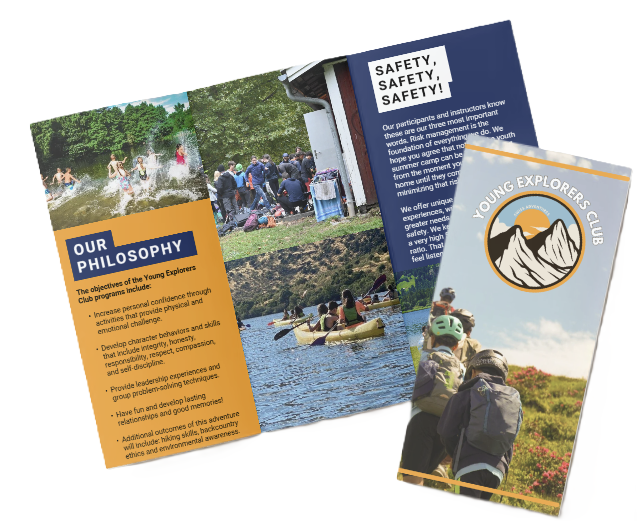
Why Belgian Families Appreciate Nearby Swiss Options
Brussels to Geneva/Zurich in ~3h door-to-door—weekend escapes for Belgian families: Swiss specialist care, international schools, Alps & lakes.
Short Brussels to Swiss Weekend Escapes: Geneva and Zurich
Short travel times from Brussels to Geneva and Zurich—about 1h20–1h30 in the air and roughly 2h50–3h30 door‑to‑door—make Friday‑to‑Sunday escapes realistic for Belgian families. We recommend Swiss options for focused specialist healthcare, multilingual international schools, and dependable family activities on mountains and around lakes. Expect higher local costs and plan logistics and insurance checks in advance.
Key Takeaways
- Door‑to‑door time: Flying from Brussels to Geneva or Zurich keeps door‑to‑door time under about four hours. We suggest flying for short trips. Driving takes about 6.5–9 hours and suits weeklong stays or heavy luggage.
- Compare costs and time: A return flight for a family of four runs about €300–€1,200. Trains take 6–10 hours each way and often fall in a similar price range. Driving round‑trip can be around €350–€800, including fuel and tolls.
- Healthcare: Swiss university hospitals and specialist clinics in Geneva, Zurich and Bern deliver excellent paediatric and specialist care. They offer international patient desks and language support. We recommend asking for written cost estimates and confirming cross‑border insurance coverage before you travel.
- International schools: Schools in Geneva, Zurich, Lausanne and Basel run IB and multilingual programs. They provide short‑term and boarding options. Day tuition usually ranges CHF 15,000–45,000 per year. Top boarding fees often exceed CHF 40,000 per year.
- Family activities: Resorts and regions such as Lake Geneva, Verbier, Zermatt and Interlaken build child‑focused infrastructure. You’ll find ski schools, beginner slopes and stroller‑friendly hikes. Short transfers from hubs like Geneva reduce travel fatigue.
Practical tips
Plan logistics—book transfers and local transport in advance to minimise turnaround time. Check airline baggage rules for families and verify any medical appointments before travelling. Confirm that your health insurance covers treatment abroad or obtain travel insurance with medical evacuation where relevant.
Bottom line: For Belgian families seeking a short, restorative escape combined with access to specialist services, flying to Geneva or Zurich is usually the most efficient option, while driving or taking trains works better for longer stays or heavy luggage.
https://youtu.be/Hg6e28rzzfA
Opening facts & scale
We set the frame with clear numbers so families can pick smart breaks. Brussels → Geneva flights take about 1 hr 20 min; Brussels → Zurich about 1 hr 30 min.
Add typical door-to-door transfer time of 1.5–2 hours and short breaks look like this: Brussels–Geneva ≈ 2h50–3h20 door-to-door; Brussels–Zurich ≈ 3h00–3h30 door-to-door.
Belgium and Switzerland do not share a land border, which makes those extra transfer minutes important.
We call these options “nearby Swiss options for Belgian families” because they genuinely fit weekend schedules. For true “weekend-friendly Switzerland” you want total travel under ~4 hours; both Geneva and Zurich clear that bar from Brussels, so a Friday evening to Sunday evening getaway is realistic.
Travel times & choices — quick reference
Below are compact figures we use when planning family escapes. Use them to judge whether to fly or drive.
- Brussels → Geneva by air: 1h 20m flight; door-to-door ≈ 2h50–3h20. Driving: ~700 km, ≈ 6.5–7.5 h.
- Brussels → Zurich by air: 1h 30m flight; door-to-door ≈ 3h00–3h30. Driving: ~820–850 km, ≈ 7.5–9 h.
- Note on borders: Belgium and Switzerland do not share a land border, so cross-border drive times can be longer than map estimates.
We recommend flying for weekend-friendly Switzerland trips because the door-to-door window keeps most of the weekend for activities. Driving pays off for weeklong stays or when you want flexible pace, lots of luggage, or multiple stops en route. For families who prefer a hybrid approach, consider driving one way and flying back, or pick a single hub like Geneva and base day trips from there.
We, at the young explorers club, suggest checking total door-to-door times rather than flight duration alone when you plan. Families looking for inspiration can click through to our short family trip ideas for practical itineraries and activity-ready timing: family trip.

Travel and accessibility options: flights, trains and road trips
Flights and timing practicalities
We favour air travel for Belgian families who want fast transfers to Switzerland. Flights Brussels→Geneva take about 1h20 airborne; Brussels→Zurich about 1h30 (roughly 80–90 minutes in the air). Airlines operate several (3–8) direct flights/day on those routes, with seasonal variation and higher frequency in peak windows. Allow for door-to-door travel time by adding 1.5–2 hours for airport transfers, check‑in and security. Typical door-to-door estimates are Brussels→Geneva ≈ 2h50–3h20 and Brussels→Zurich ≈ 3h00–3h30. Peak ski season (Dec–Apr depending on resort) and Belgian school holidays push demand and fares up. I recommend booking 1–3 months ahead for normal holiday weekends and 3–6 months ahead for peak ski periods or big school breaks.
Comparative door-to-door time and family-of-four cost ranges
Below I list practical, conservative estimates so families can compare time and costs easily.
- Flight (Brussels → Geneva, return) — estimates: airborne 1h20 each way; door-to-door ≈ 3h each way. Family of four travel cost ranges (return): ≈ €300–€1,200. Assumes economy fares; luggage and seat selection extra.
- Train (Brussels → Geneva/Zurich, return) — estimates: 6–10 hours each way depending on connections (Brussels→Paris→Geneva/Zurich). Family of four travel cost ranges (return): ≈ €400–€1,200. Overnight trains reduce daytime pressure and suit kids who sleep.
- Car (Brussels ↔ Geneva round‑trip ~1,400 km) — driving time: 6.5–7.5h to Geneva; 7.5–9h to Zurich. Cost example (estimates): fuel (7 L/100 km at €1.80/L) ≈ €176; French tolls ≈ €140–€220 round‑trip; Swiss vignette CHF 40 (annual). Total round‑trip driving cost example: ≈ €350–€800, depending on vehicle and route.
We factor time cost as well as money. Driving gives flexibility and luggage space but adds fatigue on multi‑day trips. Trains offer spacious seats and city‑centre arrivals; for local transfers and transport tips see getting around. Flights win on speed for short family breaks, but ticket prices spike in high season.
We advise families to treat the numbers above as estimates and to update fares and timetables before booking.
Healthcare & specialist medicine
We, at the Young Explorers Club, see Belgian families choose Swiss care for concentrated specialist expertise. Swiss hospitals and specialist clinics enjoy strong international reputations in orthopaedics, paediatric subspecialties, oncology and dental/maxillofacial surgery.
Leading referral points include Geneva University Hospitals (HUG), University Hospital Zurich (USZ) and Inselspital Bern, each with active international patient desks and multilingual teams. These centres offer international patient services that streamline appointment booking, medical records transfer and interpreter support. French dominates in Romandy (Geneva/Lausanne), German in Zurich/Bern, and English is widely available at university hospitals — always ask the international desk about language support or interpreters.
Some Belgian families travel for second opinions, specialised surgery or access to paediatric subspecialist expertise. Cross-border options often let patients consult private clinics or use privately-brokered arrangements that can shorten waits for elective procedures; we recommend checking waiting-time figures with OECD or national reports before finalising plans. Swiss residents are covered by mandatory health insurance (LAMal), while international access usually runs through private-pay routes, private clinics or negotiated cross-border insurance agreements.
Practical steps — checklist for Belgian residents
Use this checklist when you contact Swiss hospitals or clinics:
- Contact the hospital international patient desks in advance: Geneva University Hospitals (HUG), University Hospital Zurich (USZ), Inselspital Bern.
- Prepare identity and medical paperwork: passport/ID, referral letters from your Belgian GP or specialist, recent medical reports and imaging (DICOMs preferred), current medication list and vaccination record.
- Clarify payment and insurance: ask whether the visit is private-pay, covered via a Belgian cross-border arrangement or requires pre-approval from your insurer. Expect a written cost estimate for consultations and procedures.
- Request language support: confirm the preferred language and whether the hospital will provide an interpreter.
- Plan logistics: schedule follow-up care in Belgium, and consult our family trip in Switzerland page for travel tips and family-friendly logistics.
- Keep a single file with all confirmations, estimates and contact names from the international patient services team.
Costs, insurance and what to expect
Outpatient specialist consultations and diagnostics vary widely by clinic and specialty. We always ask for a written fee schedule before committing to appointments. For surgery and inpatient stays, request a pre-authorisation and a detailed estimate that lists surgeon, anaesthesia, implants and room charges. Cross-border reimbursement rules differ between Belgian sickness funds and private insurers, so confirm coverage rules and required paperwork in advance.
Expect private clinics to require upfront payment or a deposit in many cases. University hospitals with international patient desks often provide a written quote and can help with invoices in English or French. Keep copies of all bills and treatment summaries for Belgian insurers. We suggest checking whether your Belgian health insurer or supplementary policy offers partial reimbursement for care abroad and whether prior approval is mandatory.
We stay practical: plan language support, secure clear written cost estimates, and liaise early with both the Swiss international patient services and your Belgian insurer. This reduces surprises and keeps care focused on the child or family member who needs it most.
Education & international schools: multilingual curricula and short-term options
Swiss cities — Geneva, Zurich, Lausanne and Basel — host established international schools that offer the International Baccalaureate (IB) and strong multilingual education. We, at the young explorers club, see Belgian families choose these schools for language continuity, flexible short-term enrollment and clear boarding options. Notable names include the International School of Geneva, Zurich International School, La Côte International School and Collège du Léman (Geneva). These institutions commonly provide language support programmes and termly or boarding enrollments for expatriate families.
Schools, admissions and practical points
Consider these practical points and estimated costs (as of 20 April 2026):
- Language fit: Belgian families often adapt quickly because Dutch, French and German at home ease switching to Swiss French, German or Italian. Geneva and Lausanne are predominantly French; Zurich and Basel are German; Lugano is Italian.
- Short-term enrollment & boarding: several schools offer termly or short-stay options and boarding options. Contact admissions early to confirm age suitability and vacancy. We recommend asking about minimum stay lengths and arrival/departure windows.
- Tuition estimates (illustrative): Day tuition: CHF 15,000–45,000 per year depending on school and age. Boarding adds substantially — top-school totals often reach CHF 40,000+ per year. Additional costs (transport, lunches, uniforms, extracurriculars) commonly add several thousand CHF annually. Request up-to-date fees from each school’s admissions office.
- Regional supply: the Geneva region hosts several dozen international schools; verify the precise count when you finalise plans.
- Class sizes and ratios: these vary by institution; schools will supply current student–teacher ratios and class-size figures on request.
- Admissions timing: demand spikes for peak terms. We advise early contact and preparing documents (previous school records, immunisation, passport). For practical travel logistics during a family trip, align arrival dates with school term dates to avoid gaps.
We recommend families reach out to each school’s admissions office for verified figures and programme details, and to confirm support for multilingual transitions. We’ll help coordinate questions about curricula, bilingual tracks and temporary boarding when you need assistance.
https://youtu.be/TxzJUThsDGE
Family leisure and outdoor recreation: Alps, lakes and kid-friendly adventures
Switzerland packs mountains, lakes and resort infrastructure that fit weekend or week-long breaks for Belgian families. We, at the young explorers club, call it weekend-friendly Switzerland because travel times are short and activities suit mixed-age groups. Short transfers from Geneva or Basel keep travel fatigue low.
Lake Geneva region: Montreux and Vevey give calm lake promenades, easy access to lake cruises and family-friendly Alpine day trips. Zermatt, Verbier and Interlaken deliver classic Alpine experiences — skiing, gondolas and glacier access such as Zermatt’s Matterhorn Glacier Paradise with year‑round mountain access. Verbier sits about a 1.5–2 hour drive from Geneva, so you can be on the slopes the same afternoon you arrive. Around Lake Zurich and Basel you’ll find compact options for short breaks and plenty of water-based activities that suit younger children.
Resorts here invest in child-friendly infrastructure. Expect:
- ski schools and group options that focus on beginners
- family ski lessons and tailored beginner areas
- children’s snow parks and gentle nursery slopes
- stroller/pram-friendly easy summer hikes for strollers/prams and family huts reachable by cable car or short walks
Typical core ski season runs December–April, though altitude and local conditions vary by resort, so we check specific resort calendars before booking.
Sample itineraries & practical notes
- 48‑hour Geneva + Alpine day‑trip (weekend-friendly): Day 1 arrive Geneva morning (door-to-door ~3h from Belgium); afternoon lake promenade, museum or short lake cruises for kids. Day 2 short Alpine excursion by mountain railway or gondola within 1.5–2h — suitable from age 4+.
- 3–4 day family ski break (Geneva gateway): Drive or transfer 1.5–2h to resorts like Verbier; book family ski lessons and morning kids’ groups. Ideal for beginners and children aged 3+ with half‑day options.
- 7‑day summer lake-and-mountain program: Base in Montreux/Vevey for lakeside play and one or two mountain day trips via cogwheel trains and gondolas. Works for mixed-age families from infants to teens.
Cost cues: look for lift‑pass family discounts and ski‑school group rates; adult lift passes are usually the biggest line item. Accommodation ranges roughly: budget B&B/self‑catering CHF 100–200/night, mid-range CHF 200–400/night, and higher for family chalets in peak season. For trip planning and packing advice we point families to our family trip in Switzerland guide.

Practical logistics, costs, cultural fit and quality-of-life considerations
Border, ID, money, safety and travel rules
We advise Belgian families to travel with a valid ID because Switzerland participates in the Schengen travel rules and border controls are minimal but ID checks can still occur. Keep passports or national ID cards handy for everyone. At the young explorers club we remind you to check expiry dates well ahead of departure.
Currency: CHF is used nationwide, so plan card and cash access around that. Card acceptance is widespread in shops, restaurants and hotels, but small mountain vendors may prefer cash. Call your bank to notify travel dates and ask about foreign transaction fees. Carry a small amount of CHF for remote areas and markets.
Expect a higher cost of living than in Belgium. As an estimate, accommodation and meals commonly run 20–50% more on average; verify with current CPI data for planning. Factor in extras like mountain lifts, parking and local tourist taxes when budgeting.
Families cite low crime rates and strong public transport punctuality as major draws. Switzerland also scores highly on quality of life rankings and environmental standards. When you need to quote exact crime or OECD figures for official materials, we’ll include date-stamped sourced numbers after verification.
Driving here uses right-hand driving and you’ll need a vignette for Swiss motorways. The annual vignette cost typically sits around CHF 40—check the current price before travel. Observe local speed limits, child-seat laws and winter equipment rules in Alpine regions; bring snow tyres or chains when required. Keep vehicle documents and your driving licence accessible.
Bring EHIC/GHIC or private insurance details for health visits. Swiss public care entitlements differ from Belgium’s, so confirm coverage for planned treatment and carry authorisation contacts from your Belgian sickness fund where relevant. We recommend scanning documents and storing them securely on your phone.
Practical checklist for family travel
Use this checklist to streamline packing and planning; print or save a copy to your phone.
- Passport/ID for each family member
- EHIC/GHIC or private insurance details (digital and paper)
- Driving licence and vehicle documents, plus a vignette for Swiss motorways
- Credit/debit cards (notify bank) and some CHF cash for remote areas
- Child-seat(s) and stroller compatibility for trains and regional transport
- Winter kit: snow tyres/chains if visiting Alpine areas in season
- Parking reservations for Alpine resorts during peak times
- Emergency contacts and local embassy/consulate info
- Copies of bookings, lift passes and any medical authorisations
Plan trips with flexibility. We suggest using public transport for most routes because of exceptional punctuality and coverage, but keep a car option for remote valleys and large gear. For family-focused ideas and route tips, see our family trip recommendations.

Sources
Swiss Federal Statistical Office — Health statistics
Federal Office of Public Health (FOPH) — Federal Office of Public Health
Hôpitaux Universitaires de Genève (HUG) — International patients
University Hospital Zurich (USZ) — International patients
Inselspital Bern — International patients
Switzerland Tourism — Official travel guide (MySwitzerland)
Brussels Airport — Flight schedules
Geneva Airport — Flight schedules
Zurich Airport — Flight schedule
Brussels Airlines — Brussels to Geneva