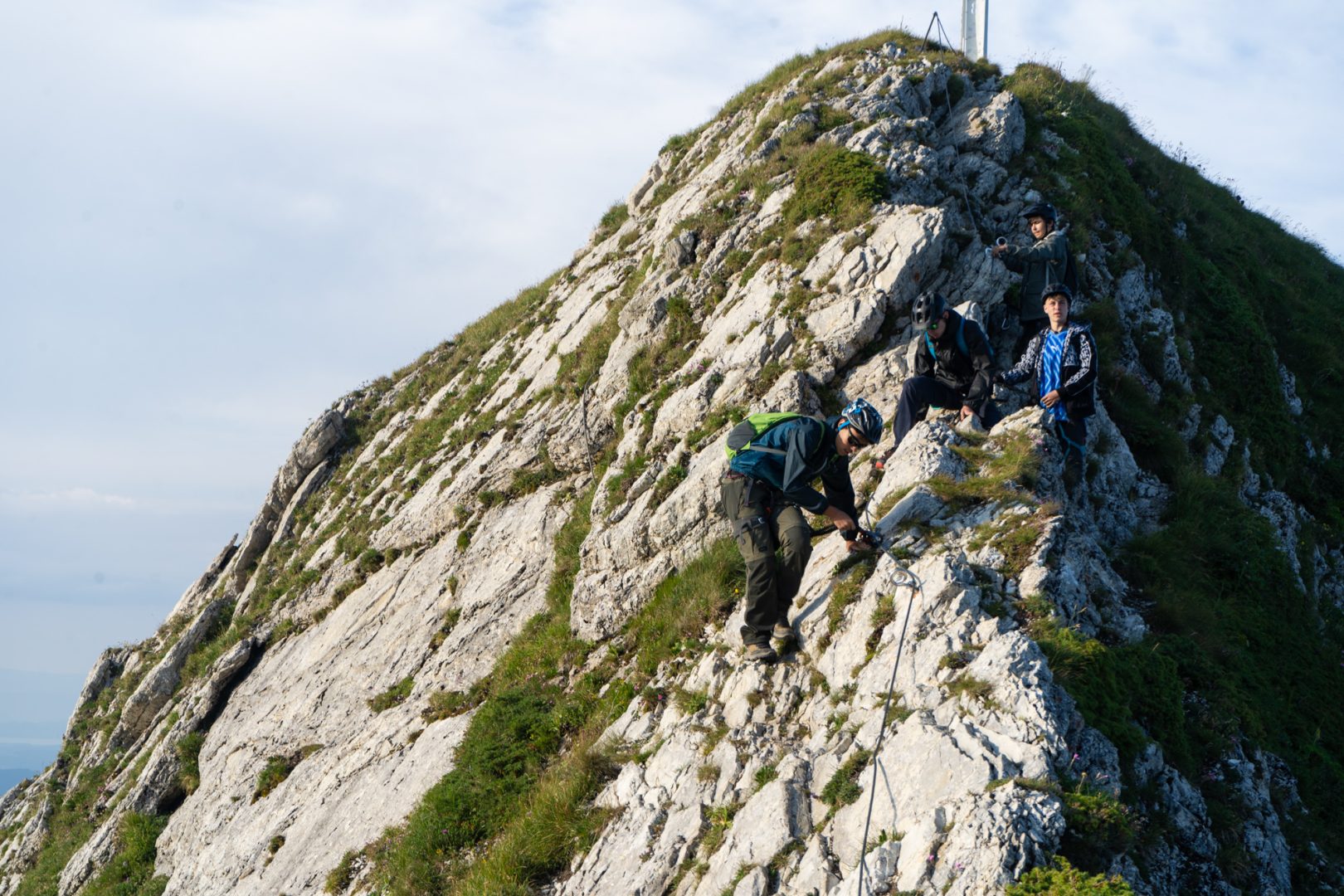
Why Belgian Families Appreciate Nearby Swiss Options
Belgian families: Brussels→Geneva/Zurich flights (door‑to‑door ~3–3.5h) enable Swiss weekend breaks, quick specialist care & international schools.
Belgian families and nearby Swiss options
Belgian families prize nearby Swiss options because door-to-door travel stays short. Flights from Brussels to Geneva (≈1h20) or Zurich (≈1h30) mean about 3–3.5 hours end-to-end. That makes weekend breaks and brief medical trips realistic. Switzerland offers well-regarded specialist hospitals, established international schools, and compact alpine and lake leisure. Those services suit Belgian multilingual households. Costs and some logistic steps mean we’re recommending early planning.
Key Takeaways
-
Travel times and modes
Door-to-door air travel (Brussels→Geneva/Zurich) usually takes about 3–3.5 hours. That’s perfect for 48–72 hour family escapes. Driving takes roughly 6.5–9 hours and suits longer stays or lots of luggage. Trains run from about 7 to 11+ hours and work for more relaxed trips.
-
Healthcare access
Swiss hospitals give quick access to orthopaedics, paediatric subspecialties and cancer centres with international patient desks. Expect higher private-pay fees. We advise verifying EHIC/GHIC validity and insurer agreements before travel.
-
Education
International schools in Geneva, Zurich, Lausanne and Basel run IB and multilingual programmes that suit Belgian children. Contact admissions early for short-term places or boarding.
-
Family leisure
Skiing, hiking, lake cruises and other activities come in compact, child-friendly packages. You can plan short itineraries. Book lessons, childcare and transport well ahead in peak season.
-
Practical preparation
Carry valid ID, EHIC/GHIC and medical records. Buy a Swiss motorway vignette if you drive. Budget 20–50% higher daily costs. Request written cost estimates for medical care and verify any insurer arrangements before you travel.
Opening facts and scale
We, at the Young Explorers Club, see travel time as the single biggest predictor of whether Belgian families will go for a short break. Flights from Brussels to Geneva take about 1h20; Brussels to Zurich runs about 1h30.
Door-to-door, add roughly 1.5–2 hours for transfers, check-in, security and local transit, so flights end up around 3–3.5 hours end-to-end — ideal for weekend escapes or short specialist visits. Belgium and Switzerland do not share a border, so air and road remain the main practical options.
Travel time breakdown and quick comparisons
Below I list the typical segments that shape total travel time and the common driving alternatives.
- Airport transfer and check-in: 45–90 minutes depending on time of day and whether you use public transport or drive.
- Flight sector: 1h20 to Geneva, 1h30 to Zurich.
- Arrival formalities and transfer to town: 30–45 minutes for a straightforward connection.
- Driving distances if you prefer the car: Brussels→Geneva ~700 km (about 6.5–7.5 hours); Brussels→Zurich ~820–850 km (about 7.5–9 hours).
These figures explain why a flown weekend to Switzerland looks like a true short break for Belgian families, while the car works better for longer stays or when you need more luggage and flexibility.
Practical takeaways I recommend
- For a 48–72 hour family break, choose an early outbound flight and a late return. You’ll get almost two full days on site.
- If kids and gear make airports stressful, drive and plan an overnight stop en route; you’ll trade time for comfort.
- Use local trains at the Swiss end when possible — they’re fast and save parking hassles. For planning a longer family itinerary, see our family trip in Switzerland guide.
- Reserve specialist appointments mid-morning; you’ll avoid rush-hour transfers and keep the schedule flexible.

Travel and accessibility options: flights, trains and road trips
We, at the young explorers club, recommend choosing the option that matches your family’s rhythm and luggage needs. Air travel is fastest in pure flight time. Brussels→Geneva runs about 1 hr 20 min and Brussels→Zurich about 1 hr 30 min (80–90 minutes). Airlines operate roughly 3–8 direct flights per day on those routes depending on season; always verify current timetables. Expect door-to-door air travel of roughly 3–3.5 hours each way once check-in, security and transfers are included.
Trains suit families who prefer space and fewer luggage hassles. Typical rail routes go via Paris or other hubs and commonly take 6–10 hours with transfers — examples include Brussels→Paris→Geneva or Brussels→Paris→Zurich. You can choose daytime high-speed links or overnight services. Door-to-door time usually lands in the 7–11+ hour range. Book sleeper berths or seat reservations for longer trips to free up time at your destination.
Driving gives the most control over stops and gear. Distances run roughly 700–850 km one way. Driving time varies by route and traffic, typically 6.5–9 hours. Factor in French motorway tolls on routes to western Switzerland and the Swiss motorway vignette, which is required for motorway use. Fuel consumption and parking can swing costs, so run a quick estimate before you commit.
Peak ski season and school holidays push demand and prices up. Book early to secure the best schedules and fares and to avoid last-minute stress. We also suggest packing familiar snacks, a compact first-aid kit and chargers for screens to keep kids comfortable across modes. For practical on-ground tips and local transport options, see Getting around Switzerland.
Comparative door-to-door examples (estimates)
- Flight (family of four, economy return Brussels–Geneva or Zurich): fares roughly €400–€1,200; add transfers/taxis €60–€200; total door-to-door cost ≈ €500–€1,500; total time ~3–4 hours each way.
- Train (family of four, return via high-speed connections): typical fares €480–€1,000; door-to-door time ~7–11 hours; consider sleeper or seat reservations.
- Car (family car return trip, 700–850 km each way): fuel + tolls + vignette per roundtrip ≈ €320–€600. Example fuel estimate: 7 L/100 km at €1.70/L for ~800 km ≈ €95 one-way; motorway tolls and parking add cost. Door-to-door time 6.5–9 hours each way.
Always verify live timetables and fares before booking and look for seasonal deals to reduce costs.

Healthcare & specialist medicine
We, at the Young Explorers Club, see why Belgian families turn to Swiss hospitals for specialist care. Swiss centres are known worldwide for orthopaedics, paediatric subspecialties, cancer centres and dental/maxillofacial surgery. Families often mention Geneva University Hospitals (HUG), University Hospital Zurich (USZ) and Inselspital Bern by name for complex cases.
The Swiss system basics are simple to explain. Residents use mandatory health insurance (LAMal). International patients can often access private clinics or private-pay paths that speed appointments and procedures. Many hospitals run international patient desks that offer French, German and English support.
I recommend this practical approach for cross-border care. Contact the hospital international patient desk early and ask about:
- required documents and language support
- estimated timelines and written cost estimates
- whether an international patient coordinator can manage logistics and second opinions
Costs and insurance routes require careful checking. Cross-border coverage is limited. Belgian patients should verify EHIC/GHIC entitlements and call their private insurer to discuss direct-billing or reimbursement options. Expect private-pay rates in Switzerland to be substantially higher than in Belgium, and ask for an itemised cost estimate before you commit.
Swiss centres can offer shorter waits for some elective procedures, but wait-time performance shifts over time. We advise checking up-to-date comparisons from the OECD or national health reports before citing specific numbers.
Most large Swiss hospitals will consult in French, German or English. Request an international patient coordinator to arrange appointments, interpretive support and perioperative logistics. Prepare digital copies of imaging and reports to speed assessment and reduce repeat tests.
Practical checklist for a cross-border medical visit
Use this checklist to prepare and avoid last-minute problems:
- Passport / ID
- Referral letters and latest medical reports
- Imaging (digital files preferred)
- Insurance policy details and emergency contact numbers
- Consent forms if already provided by your Belgian clinician
- Payment method for deposits or private-pay arrangements
You can often combine medical travel with a short family stay. For practical family planning tips, see our family trip advice.

Education & international schools
We, at the Young Explorers Club, see Swiss cities — Geneva, Zurich, Lausanne and Basel — hosting long-established international schools that suit Belgian families looking for short-term or full international curricula. These schools commonly offer the International Baccalaureate (IB) and multilingual programmes. Examples include the International School of Geneva, Zurich International School, La Côte International School and Collège du Léman (Geneva).
Swiss language environments complement Belgian multilingualism. French-speaking Geneva and Lausanne, and German-speaking Zurich and Basel, create daily immersion in the same language combinations Belgian children already use. That helps new pupils settle faster and makes short-term enrollment far easier. Boarding options are available at several institutions if families need temporary placements while based near Switzerland.
Admissions and practical support
Many schools run language support programmes for newcomers and dedicated admissions teams who manage short-term placement and boarding enquiries. Contact admissions early: peak intake windows commonly occur before the school year starts and again after major holiday breaks. Expect questions about language level, previous curriculum, passport/visa status and desired start date.
Financial guidance (estimates)
- Day-school tuition commonly ranges from CHF 15,000–40,000 per year depending on age and school (2024–2026 estimate).
- Boarding and full international curricula typically come in at CHF 40,000–80,000+ per year (2024–2026 estimate).
- Anticipate extra charges for transport, lunches and uniforms. Treat these as estimates and confirm current figures with each school.
Operational items to check with admissions
Below is a short checklist I suggest you run through with schools before applying:
- Application deadlines and peak intake windows
- Availability for short-term or mid-year enrollment
- Typical class sizes and teacher-to-student ratios
- Language support programmes and assessment processes
- Boarding availability, boarding fees and pastoral care details
- Full fee schedule and incidental costs (meals, transport, exam fees)
- Required documentation and timing for visas or residency permits
I recommend asking for sample timetables and recent school reports so you can match pedagogy to your child’s needs. Arrange a virtual or on-site visit if possible; that reveals pastoral culture faster than documents alone. For family logistics, consult our family trip resources to plan visits and align school tours with travel dates: family trip.
Classroom and curriculum notes
IB programmes provide continuity for internationally mobile families and are widely recognized across Belgium and Europe. Expect robust language options: many schools offer English-medium instruction with second-language tracks in French or German. For younger children, reception or foundation years often include daily bilingual exposure. For older students, IB Diploma pathways give clear university progression.
Practical enrollment tip
Start the conversation with admissions as soon as relocation plans firm up. I advise preparing academic records, language assessments and a clear proposed start date. Admissions teams will often block provisional places for short-term needs, but those hold spots only for limited periods — confirm timelines in writing.
https://youtu.be/4yjhBlgkw1U
Family leisure and outdoor recreation: Alps, lakes and kid-friendly adventures
We, at the Young Explorers Club, recommend Switzerland for Belgian families because it packs alpine thrills and calm lake days into compact travel times. Mountain skiing, summer hiking, lake cruises and child-focused resorts are all easy to combine into a weekend or a full-week holiday. Resorts suit both toddlers in carriers and teens craving adventure.
Expect family-focused resort features
- Group and private ski lessons for young beginners, children’s snow parks and gentle beginner slopes.
- Well-marked easy trails, family huts and cable cars that take strollers partway up the mountain.
- On-site childcare, beginner practice areas and equipment hire at most larger resorts.
Key destinations to consider
Consider Lake Geneva (Montreux, Vevey), the Swiss Alps hubs of Verbier, Zermatt and Interlaken, plus Lake Zurich and areas near Basel for shorter breaks. For family planning around Basel, see our family-friendly programs for local options. Zermatt gives year-round mountain access via Matterhorn Glacier Paradise, making it a safe summer or winter pick. Verbier is roughly a 1.5–2 hour drive from Geneva, so you can be on the slopes quickly after arrival.
Core ski season usually runs December–April but varies by altitude and resort; high-altitude venues can extend skiing beyond these months.
Budget cues and practical tips
- Accommodation ranges: roughly CHF 100–250/night for budget self-catering, CHF 150–400/night for family B&Bs or hotels; chalets run higher.
- Ski lift family discounts commonly sit between 10–30%. Ski-school group rates often fall in the CHF 150–350 per child/week window.
- Always factor in equipment hire, childcare and local transfers when you total costs. These add-on items can shift a budget significantly, especially for short stays.
- Book family ski lessons and childcare early; slots fill fast during school holidays. We advise checking current seasonal prices before committing.
Sample itineraries and recommended ages
Below are compact itineraries you can adapt for age and pace:
- 48-hour weekend (children 4+): Fly Brussels→Geneva (door-to-door ~3–4 h). Overnight in Geneva, day-trip to a nearby mountain resort for a ski taster or lake cruise. Good intro for little skiers and those who prefer mixed activities.
- 3–4 day winter break (children 3+): Fly to Geneva, transfer ~1.5–2 h to Verbier. Two to three days of family ski lessons, short trail walks and sledging. Ideal for first-time skiers and parents wanting structured lesson blocks.
- 7-day summer program (infants to teens): Base in Lake Geneva or Interlaken. Alternate stroller-friendly hikes, lake cruises and child-friendly cable cars. Combine lazy lakeside days with one mountain excursion for a balanced week.
Pratique : logistique, coûts, adéquation culturelle et qualité de vie
Nous, au Young Explorers Club, rappelons que les citoyens belges circulent en Suisse selon les règles Schengen ; il n’y a pas de contrôles systématiques aux frontières, mais il faut toujours porter une carte d’identité valide. Pensez à emporter aussi tout document d’inscription ou d’identification scolaire pour faciliter les démarches locales.
Logistique et santé
- Devise : la franc suisse (CHF). Les cartes bancaires sont largement acceptées en ville. J’insiste pour que vous gardiez un peu de cash pour les zones rurales et les cols alpins.
- Conduite : achetez la vignette autoroutière annuelle avant d’emprunter les motorways. Emportez l’attestation d’assurance du véhicule et la carte grise. Prévoyez des frais de stationnement et des fermetures saisonnières ou des restrictions d’accès en altitude.
- Assurance santé : emportez votre carte EHIC/GHIC et/ou les détails de votre assurance privée. Vérifiez à l’avance ce qui est couvert pour les soins transfrontaliers et emportez tout document médical utile ou lettre de recommandation du médecin traitant.
Pour des conseils pratiques sur les liaisons locales, consultez notre guide sur les transports.
Coûts et comparaison
La Suisse est généralement plus coûteuse que la Belgique : attendez-vous à des tarifs d’hébergement, de restauration et de services supérieurs d’environ 20–50% selon les postes de dépense. Planifiez un budget plus large pour les repas et les activités touristiques, et cherchez les options familiales ou les repas préparés pour réduire la facture.
Qualité de vie et adéquation culturelle
La Suisse obtient régulièrement de bons classements en matière de sécurité, de propreté et de qualité de vie. La ponctualité des transports publics facilite les déplacements avec des enfants. Le paysage linguistique (français, allemand, italien, romanche) ressemble à l’expérience belge en régions multilingues : envoyer un enfant à Genève ou Lausanne sera naturellement plus simple pour des familles francophones, tandis que Zurich ou Bâle conviendront mieux aux germanophones.
Vérification des chiffres
Pour des données précises sur la criminalité, le coût de la vie ou les temps d’attente, vérifiez les sources officielles comme Crime Index ou l’OCDE et datez vos références avant de publier des chiffres.
Checklist pratique pour les familles belges
- Pièce d’identité (carte d’identité)
- EHIC/GHIC ou attestation d’assurance privée et numéro de police
- Documents médicaux et recommandations
- Permis de conduire et papiers du véhicule
- Vignette autoroutière suisse
- Quelques CHF en espèces
- Numéros utiles : bureaux patients internationaux, admissions scolaires, hébergement
Nous, au Young Explorers Club, conseillons d’imprimer cette liste et de la garder accessible lors du voyage.
Sources
Swiss Federal Statistical Office — Health statistics
Federal Office of Public Health (FOPH) — Federal Office of Public Health
Hôpitaux Universitaires de Genève (HUG) — International patients
University Hospital Zurich (USZ) — International patients
Inselspital Bern — International patients
Switzerland Tourism — Official travel guide (MySwitzerland)
Brussels Airport — Flight schedules
Geneva Airport — Flight schedules
Zurich Airport — Flight schedule
Brussels Airlines — Brussels to Geneva