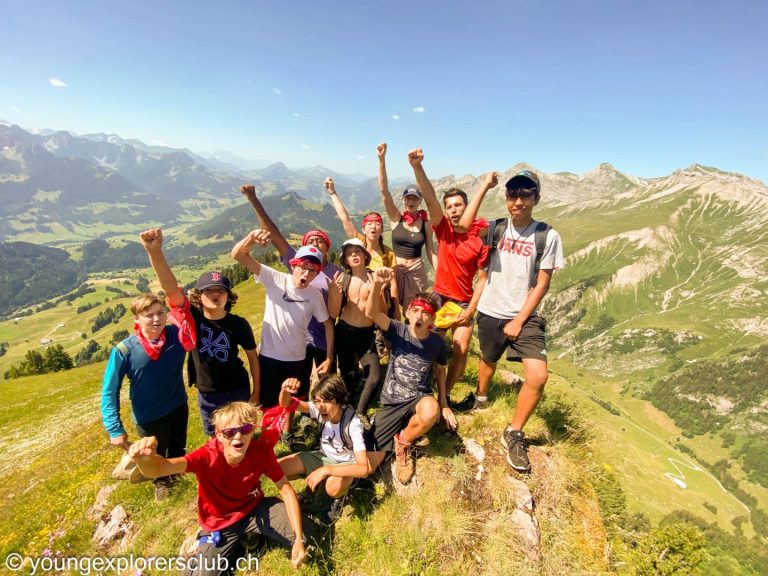

Why Qatari Families Choose Mountains Over Beach Camps
Qatari families prefer mountain camps (Jebel Jais): 8–12°C cooler, private cabins, family‑friendly activities—best Nov–Mar escapes.
Recommendation
Qatari families favor mountain camps because elevation cools the air by about 8–12°C at peaks like Jebel Jais. Cooler temperatures extend comfortable outdoor time and reduce heat stress for children and older adults. Private, enclosed accommodations combine with a broader mix of mixed‑age activities and doable weekend logistics from November–March. We recommend mountain trips for multigenerational groups.
Key Takeaways
- Elevation cooling (≈11–12°C at Jebel Jais) cuts daytime temperature and humidity, extending comfortable activity windows.
- Mountain accommodations (private cabins, glamping pods, villas) give the privacy and enclosed sleeping spaces multigenerational families prefer.
- Mountains deliver a wider, age‑friendly activity mix—easy hikes, scenic drives and stargazing; beaches suffer from heat and peak crowds.
- Plan around weekend drive times (4–6 hours to Ras Al Khaimah/Jebel Jais), border formalities, vehicle requirements and warm layers. These factors keep trips safe and smooth.
- Families accept a modest price premium for mountain stays. They’ll pay more for extra comfort, on-site amenities and higher perceived value during the Nov–Mar peak season.
Practical Planning Checklist
- Timing: Target November–March for best temperatures and activity windows.
- Transport: Account for 4–6 hour drive times, potential border waits and suitable vehicles for mountain roads.
- Accommodations: Prioritize private, enclosed units—cabins, villas or glamping pods—for multigenerational comfort.
- Packing: Bring warm layers for evenings and lightweight sun protection for daytime outdoor activities.
- Activities: Choose age‑friendly options—short hikes, scenic drives, family stargazing, and easy on-site programs.
Why this works for multigenerational groups
Comfort and safety are the primary drivers: cooler mountain air reduces heat stress, while private accommodations and a mix of gentle activities make it easier to include both children and older adults. Logistics and perceived value during peak season make mountains a preferred choice even at slightly higher cost.
Concise data-backed comparison and sample itinerary
Climate and practical takeaways
We, at the Young Explorers Club, compare winter daytime averages to explain why Qatari families pick mountains over beach camps. Doha winter days sit around 20–25°C. Jebel Jais, at roughly 1,900–1,934 m, averages about 10–15°C. That translates to roughly an 8–12°C drop in daytime temperatures.
I calculate the drop using a standard lapse rate of about 6–7°C per 1,000 m, which yields roughly a 12°C difference at Jebel Jais’ elevation—consistent with those observed daytime ranges.
Cooler air matters for family comfort and activity windows. It reduces heat stress for young children and gives parents longer, more comfortable outdoor hours.
Other practical advantages driving family choice toward mountains:
- Stronger privacy and family-focused amenities at mountain glamps and cabins, with private majlis or BBQ areas.
- Wider activity mix: gentle hikes, scenic drives, stargazing, and supervised play spaces that suit mixed-age groups.
- Perceived value: cooler weather extends daytime activities, so a short stay often feels like a longer escape.
Many operators report that the majority of family bookings lean toward mountain stays across November–March. Those figures vary by platform; exact booking-share data should be pulled from local platforms or tourism authorities before publication.
Example 2-night family itinerary — Jebel Jais (tangible preference)
Use the following sample to plan a quick family escape. I recommend this for families who want privacy, ease of travel from Doha, and a balanced mix of activity and rest.
- Friday evening: Arrive by private SUV, check into a private glamping cabin, unpack, and enjoy a relaxed dinner on-site.
- Saturday morning: Easy family hike to a nearby viewpoint; keep the route under 60–90 minutes round-trip for younger kids.
- Saturday midday: Return for rest and supervised children’s play; consider a shaded picnic or nap time for littles.
- Saturday late afternoon: Short scenic drive along the ridge for sunset photos and minimal walking stops.
- Saturday evening: Private majlis or BBQ at the cabin, followed by stargazing—bring a simple red-light torch and a blanket.
- Sunday morning: Light nature walk with a short, interpretive activity (leaf/rock spotting) suited to kids.
- Sunday midday: Checkout and drive back to Doha.
I suggest these operational tips when booking:
- Book a private cabin or small-group glamp for more control over meal times and sleeping arrangements.
- Choose accommodations with on-site play areas or a private courtyard to keep children contained and safe.
- Plan travel windows to avoid peak heat if you mix mountain and lowland days.
For families exploring outdoor options more broadly, see this short guide on why choose outdoor camps and match the facilities to your family’s age mix and mobility needs.

Typical trip profile: mountains vs. beach camps
Trip basics and logistics
Peak season runs Nov–Mar for both camp types. Most family trips fall inside that window, since temperatures and daylight suit outdoor plans. Typical stays are short — we usually see 2–4 nights for both mountain and beach getaways, which fits long weekends and school-break windows.
We coordinate multigenerational groups frequently. Grandparents, parents and children travel together, so privacy and easy access matter. Families favor private cars and SUVs for flexibility; weekend drives are common. Cross-border road runs into the UAE or Oman happen often, so we plan border times and vehicle paperwork in advance. For longer transfers, we recommend packing chargers, spare snacks and a compact first-aid kit to keep kids comfortable.
Accommodation and activities
Below are the typical options and how they shape the experience:
-
Mountain stays: self-catered cabins, glamping pods, small lodges and private villas with enclosed sleeping areas. These options give families quiet, shade and secure spaces for naps and evening socializing.
-
Beach stays: open tents, public campsites or resort beach tents. They’re great for daytime play but can feel exposed during heat peaks and busy weekends.
-
Activity mix in mountains: hiking, sightseeing and cooler-weather social time around a fire or covered terrace. Trails suit mixed-age groups if you pick graded routes and rest points.
-
Activity mix at beaches: water sports and sand play dominate, but heat and crowds often limit mid-day activity windows. Early morning and late-afternoon sessions work best.
We advise choosing accommodation that matches the group profile. For multigenerational trips, book enclosed sleeping areas and on-site kitchens in mountains to control meals and schedules. For beach trips, reserve shaded camps or resort tents near facilities to reduce walking with small children.
We, at the Young Explorers Club, help families pick the right balance of activity and downtime and can recommend routes and properties that fit a 2–4 night plan. For ideas on planning a relaxed multigenerational stay, see our family trip guide with practical checklists and destination tips.
Climate and comfort: the decisive factor for family choice
We, at the Young Explorers Club, see climate as the single biggest reason Qatari families choose mountain camps over beach trips. Summer highs in Qatar often top 40°C. That extreme heat pushes families to prefer milder settings once the cooler season arrives.
The useful seasonal window for family camping runs November–March. During those months temperatures drop in Qatar and mountain areas become reliably comfortable. Families plan around that window so kids, grandparents and caregivers avoid heat stress and disrupted sleep.
Elevation cooling explains the appeal in plain terms. Air cools roughly 6°C for every 1,000 metres climbed (standard environmental lapse rate). Applied to high peaks, that gain becomes obvious. Jebel Jais sits around 1,900–1,934 metres, so you can expect it to be about 11–12°C cooler than sea level most days. That shift turns a stifling hot day into a pleasantly crisp one, and it reduces humidity in ways that help younger and older family members.
I use one practical link to highlight the point: families often seek a reliably cooler climate when they plan winter escapes.
Key figures and practical implications
Below are the core numbers and what they mean for family comfort and planning:
- Peak summer highs in Qatar: often exceed 40°C — this encourages off-season trips.
- Main family camping season: November–March — plan activities and bookings in this window.
- Lapse rate: ~6°C per 1,000 m — a simple rule to estimate mountain cooling.
- Jebel Jais elevation: ≈1,900–1,934 m → expected cooling ≈11–12°C versus sea level.
- Comparative winter daytime temps: Doha ≈20–25°C → Jebel Jais ≈10–15°C — days feel noticeably fresher.
- Night-time chill: mountains drop several degrees lower at night, which improves sleep for children and the elderly but means you should pack warm layers.
I recommend these practical steps based on the numbers:
- Schedule trips in November–March to maximize comfort and outdoor activity time.
- Always pack thermal layers and a good sleeping bag; night-time chill is real.
- Choose accommodations with heating options for older relatives and infants.
- Favor camps and huts at higher elevations when families want sustained daytime cool and lower humidity.
These figures explain why many Qatari families trade beaches for higher ground. Cooler daytime temperatures, reduced humidity and crisp nights make mountain camps safer and more enjoyable for multigenerational groups.

Privacy, culture and family composition
Cultural priorities and family composition
We, at the Young Explorers Club, see privacy as a top priority for Qatari families booking camps. Families prefer family-only areas, private campsites and gender-segregated spaces at certain sites. Extended households travel together frequently. Grandparents, parents and children often share one booking and expect enclosed spaces for rest and socializing. Family privacy regularly ranks as a top booking request among operators serving Gulf families (local operator/PSA data). I recommend specifying multigenerational travel needs at booking time so operators can allocate adjoining rooms, private courtyards or single-villa stays. For planning multigenerational trips, consult our family trip guidance to match accommodations with cultural requirements.
Mountain facilities that respect privacy
Below are the typical mountain features that make camps preferable to beaches for privacy-conscious families:
- Private lodges and villas with locked entrances and enclosed grounds.
- Glamping pods or pod clusters set apart from public campsites.
- Separate majlis or shaded family courtyards for private gatherings.
- Dedicated BBQ areas that can be reserved for one group.
- Enclosed sleeping quarters with individual bathrooms or private facilities.
- Options for female-only staff or gender-segregated service on request.
These facilities contrast with crowded public beaches and open tent rows, which offer little separation or private social space. I advise booking early for peak dates and confirming gender-sensitive staffing and physical separation in writing. We can coordinate requests for private majlis areas, secure compounds and adjacent units so families keep their routine and privacy intact.
Activities and experiential differences
We watch Qatari families choose mountains for a mix of calm and thrill. Mountains offer hiking trails and viewpoints that fit all ages. Trails range from easy lookout paths to short ridge walks that take 45–90 minutes. Off-road routes and scenic drives add variety for parents who want a relaxed pace with big views. Nature walks let kids discover plants and insects at their own speed. Canyons and terraces introduce dramatic landscapes — think Jebel Akhdar terraces and rose gardens — while high-adrenaline attractions like the Jebel Jais Flight zip-line satisfy adults craving a rush. Nights bring clear skies ideal for stargazing; we advise bringing a blanket, a small torch, and a star chart.
Beaches deliver a different rhythm. Families get swimming, water sports and sand play in a compact activity window. Heat limits long beach days in shoulder seasons, so mornings and late afternoons become busy. Toddlers often enjoy shallow water and sand setups in mild months, which is why some families still pick beaches for very young children. Older kids and teens usually prefer mountain options that mix hiking, easy climbs and adventure attractions.
We guide families toward the right balance by matching activities to age and energy levels. For cooler, lower-intensity outdoor days, mountains win. They support scenic picnics, mixed-age programming and short exploratory hikes. If adults want occasional thrills, they can add a zip-line or an off-road loop without upsetting a relaxed family schedule. For heat-sensitive toddlers, we recommend shaded picnic spots, sheltered cabins or glamps and short nature sessions.
Practical tips we give on planning and safety:
- Schedule active time in the morning and late afternoon to avoid midday glare.
- Book high-demand attractions like the Jebel Jais Flight in advance.
- Pack layers; mountain mornings and evenings cool down fast.
- Keep hydration and sun protection front and center even at altitude.
- Choose trails marked as family-friendly and confirm difficulty before you go.
- Bring binoculars and a simple guide to spot birds and constellations for added engagement.
Sample daily family mountain day
- Morning: easy 45–90 minute hiking trails or a lookout visit with panoramic views.
- Midday: rest in a private cabin or glamp for lunch and quiet time.
- Late afternoon: supervised kids’ nature activity — rock-spotting, leaf ID or a short scavenger hunt.
- Evening: family majlis or BBQ, then stargazing with hot drinks.
Families curious about seasonal mountain advantages can read our note on alpine summer to plan the best timing and activities.
https://youtu.be/seKxX3KbGYw
Accessibility, safety and travel logistics
We, at the young explorers club, see many Qatari families choose mountain camps because they combine cleaner air and milder evenings with manageable travel. Many drive across the border to UAE and Oman mountain destinations; organized weekend trips and operator transfers are common, and we arrange several outdoor camps each season. Trip patterns vary, but weekend trip planners dominate family schedules.
Typical drive time from Doha to Ras Al Khaimah / Jebel Jais is roughly 4–6 hours, depending on border formalities and route. Oman mountain destinations often take a similar amount of time or longer. Always allow extra time for border checks. Visa and permit rules depend on nationality and residency status; confirm requirements before you travel.
Vehicle needs are simple to state but important in practice. Private SUVs and 4x4s are the norm for families heading into mountain areas. Off-road tracks and rocky access routes often demand high-clearance vehicles and specific permits for protected zones or military-access roads. If you plan any off-piste driving, fit recovery gear and ensure your insurance covers cross-border and off-road use.
Safety trade-offs matter. Mountains reduce sun and heat exposure and remove sea-hazard risks like strong currents and jellyfish. They do introduce other hazards: winding roads, sudden weather shifts, higher altitudes, and loose terrain. Remote sites may have limited mobile coverage, so plan for delayed communications and identify local emergency numbers in advance.
Practical checklist (recommended)
Below is a practical checklist I use and recommend for cross-border mountain trips; adapt it for specific destinations and the length of your stay.
- Valid passports and visas (check entry rules well before departure)
- Vehicle papers, insurance documents and permits for cross-border travel
- Spare tire, jack, and vehicle recovery gear (tow straps, traction boards)
- First-aid kit with altitude-aware supplies and any family medications
- Ample water and hydration solutions; extra jerry cans for longer drives
- Sunscreen and sunglasses for high‑altitude UV exposure
- Warm layers and sleepwear for cool mountain nights
- Lifejackets if your itinerary includes rivers, wadis or reservoir activities
- Local emergency contacts and the nearest medical facility details
- Portable charger, satellite communicator or offline maps for areas with poor mobile coverage
- Fuel planning: sample roundtrip fuel cost example — QAR 200–350 (verify current prices before you go)
I recommend rehearsing border-crossing steps and checking vehicle readiness before any weekend trip. Confirm permit requirements for protected zones and camping sites, and brief drivers on slower descents and narrow passes. When families know drive time, border crossing habits, 4×4 needs and mobile coverage limits up front, they enjoy mountain camps with far less stress.
Accommodation, cost, perceived value and environmental/social drivers
We, at the young explorers club, see clear differences in what families get for their money and how that shapes choices. Mountains give a higher chance of private, enclosed sleeping quarters—glamping pods, private cabins, boutique lodges and villas. Beaches more often mean public campsites, resort tents or private beach villas that trade privacy for shoreline access.
Accommodation types
Below I list the typical options families compare:
-
Mountain options: glamping pods, private cabins, boutique lodges, villas with enclosed spaces. These often include on-site play areas, fireplaces and dedicated family rooms.
-
Beach options: public campsites, resort tents, private beach villas, many with open-plan sleeping or shared facilities.
-
Practical note: families looking for a private camp vibe usually pick mountain glamping or a private villa to secure a lockable sleeping space.
Cost, perceived value and seasonality
I present illustrative price signals you can use for planning. Nightly rate ranges commonly seen run from QAR 600–2,000 depending on level of comfort. Expect food and activities to add roughly QAR 200–600 per day per family. Fuel and transport typically fall around QAR 200–350 roundtrip.
A sample 3-night comparison shows why families often choose mountains for perceived value:
-
Mountain trip (illustrative): transport QAR 300, accommodation 3 nights @ QAR 800 = QAR 2,400, food/activities QAR 600 → total ≈ QAR 3,300.
-
Beach trip (illustrative): transport QAR 150, accommodation 3 nights @ QAR 600 = QAR 1,800, food/activities QAR 600 → total ≈ QAR 2,550.
Those numbers show that for a modest premium families usually get more enclosed space and on-site leisure in mountain stays. Peak occupancy falls Nov–Mar, and operators typically raise rates in that window because demand climbs.
Social and environmental drivers push choices beyond price. Many families seek novelty and different landscapes. Mountain camps also carry social cachet on social media and can signal a premium family experience. Growing interest in sustainable tourism affects decisions too. I recommend families follow simple steps to reduce impact:
-
Leave-no-trace practices: pack out waste, minimise campfire impact and use existing sites where possible.
-
Comply with local guides: follow advice to protect sensitive flora and fauna and respect cultural norms.
-
Limit routes: avoid creating new trails on fragile slopes and rotate use of sites to prevent erosion.
Those actions help preserve landscapes and keep future trips possible.
For parents focused on child development benefits and seasonal suitability, see this short note about an alpine summer that often complements the privacy and activity mix mountains offer.

Sources
Planning and Statistics Authority (State of Qatar) — Statistics and Data
Visit Qatar — Research and reports
Climate-Data.org — Doha climate: Average Temperature, Weather by Month, Qatar
World Meteorological Organization — WMO public weather and climate resources
UNWTO — World Tourism Barometer
Visit Ras Al Khaimah — Jebel Jais
Jebel Jais (official) — Jebel Jais Flight (zipline) / What to do
Oman Ministry of Heritage and Tourism — Visit Oman (regions and mountain destinations)
The National — Travel (UAE/Oman travel coverage and features)
Gulf News — Travel (features on mountain getaways in the Gulf)
Oxford Business Group — Qatar: tourism and leisure analysis (The Report)