
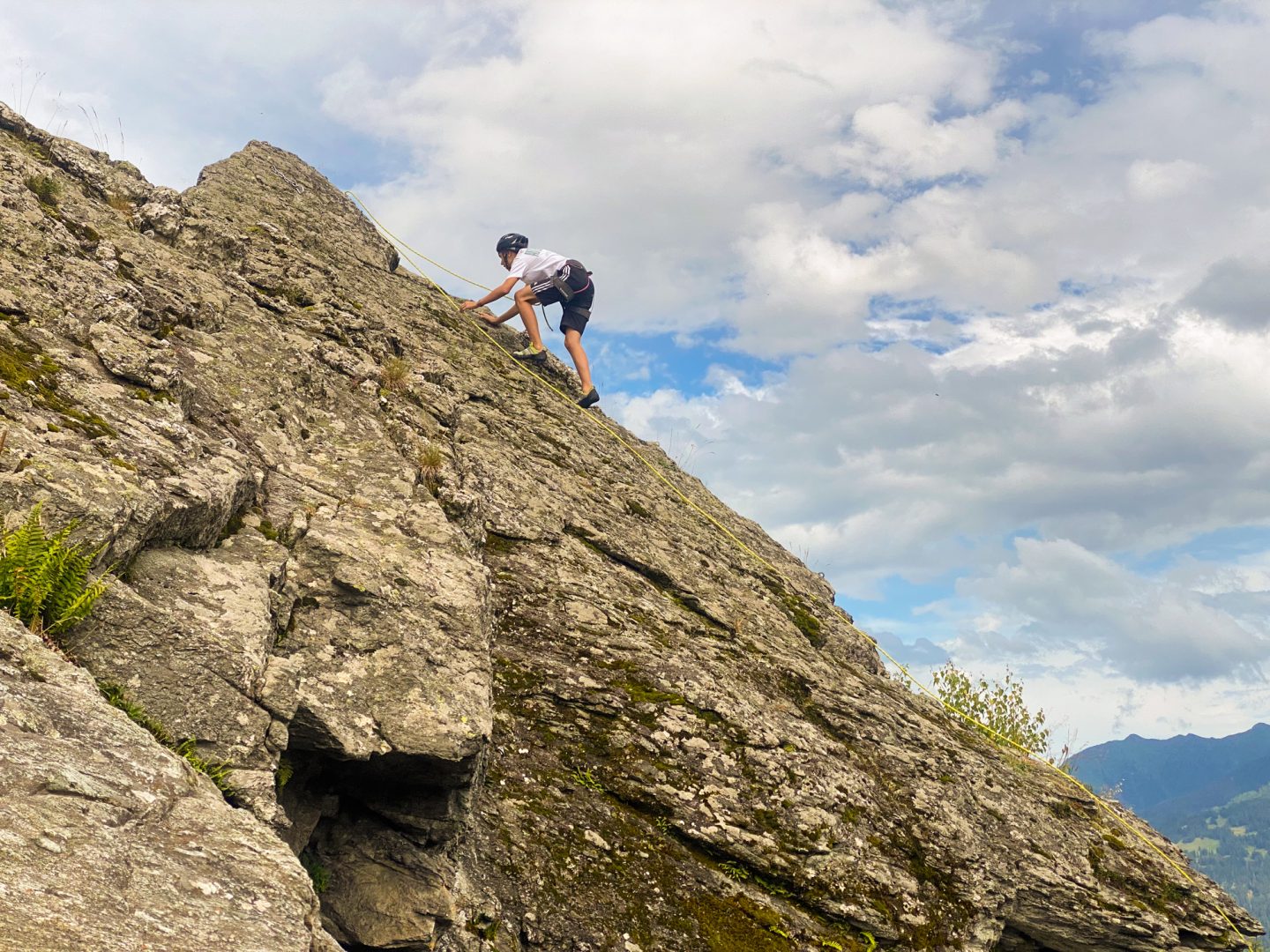
Why Teenagers Love Leadership Programs At Camp
Unplugged teen leadership camp: hands-on challenges, peer-led roles, measurable confidence gains, resume-ready skills for college and careers.
Camp Leadership for Teenagers
I see teenagers seek camp leadership programs for unplugged, face-to-face experiences that deliver novelty, reward-driven challenges and social learning. These programs counter digital overload and lower related stress. Surveys show they’re linked to high rates of persistent sadness and near-constant smartphone use, making unplugged settings especially valuable.
In structured small cohorts, measurable leadership roles, peer feedback and regular debriefs turn immediate affirmation into lasting belonging and higher confidence. They also build resume-ready skills that colleges and employers value.
Key Takeaways
- Camps offer unplugged, hands-on challenges that match adolescents’ drives for novelty, reward and social learning. They cut stress and build resilience.
- Small cohorts, shared challenges, rituals and rotating roles quickly forge belonging and distributed peer leadership. For example, cohort belonging rose from about 45% before the program to about 78% after.
- Practical roles like CIT, cabin leader and activity planner produce measurable competencies: communication, conflict resolution, decision-making and project management. These skills translate into concrete evidence for college applications and hiring.
- I collect transparent metrics: pre/post self-efficacy, retention, leadership placements, NPS and safety ratios. A common safety target is a 1:6 staff-to-camper ratio.
- To protect privacy, I obtain parental consent, limit personal identifiers in reports, and secure data with access controls and logging.
Program Structure and Outcomes
Belonging and Confidence
Cohort-based designs, short-term shared challenges and structured rituals create quick social bonds. With regular debriefs and explicit peer feedback, immediate praise becomes sustained belonging, which raises observable confidence and ongoing engagement.
Practical Roles and Skill Development
Assigning roles such as CIT (Counselor-in-Training), cabin leader and activity planner delivers hands-on practice in key competencies. These include:
- Communication — public speaking, facilitation and clear instructions.
- Conflict resolution — mediation, negotiation and restorative practices.
- Decision-making — rapid choices under uncertainty and ethical judgment.
- Project management — planning, resource allocation and follow-through.
Such roles generate documentable evidence—recommendations, role logs and project artifacts—that applicants can use for college and job applications.
Metrics and Safety
I use a compact metric set to measure impact and maintain safety:
- Pre/post self-efficacy surveys to capture personal growth.
- Retention and return rates to gauge satisfaction and fit.
- Leadership placements tracked longitudinally.
- Net Promoter Score (NPS) for overall recommendation likelihood.
- Safety ratios and incident logging; typical targets include a 1:6 staff-to-camper operational ratio.
Privacy and Data Protection
To respect families and comply with regulations, I follow a few core practices: obtain explicit parental consent for data collection, limit personal identifiers in reports and aggregated dashboards, enforce role-based access controls, and maintain audit logging of who accesses sensitive data. These steps reduce risk while allowing program evaluation and improvement.
Hook: Teens, Stress, and the Unplugged Pull of Leadership Camp
I watch digital overload wear teens down. 36.7% of U.S. high‑school students reported persistent feelings of sadness or hopelessness in the past 12 months (CDC YRBSS 2019). At the same time, 95% of U.S. teens report access to a smartphone and 45% say they are online “almost constantly” (Pew Research Center, Teens, Social Media & Technology 2018). Those figures explain why unplugged experiences feel so magnetic.
I link that pull to how adolescent brains work. They’re wired for novelty, reward, and social learning. Camps deliver all three in a tightly structured, face‑to‑face setting. I see teens respond to hands‑on challenges that provide immediate feedback and peer recognition. That combination lowers stress and strengthens resilience in ways screens rarely do.
VISUAL CALLOUT: 36.7% (persistent sadness/hopelessness) — CDC YRBSS 2019 • 95% smartphone access (45% online almost constantly) — Pew Research Center, Teens, Social Media & Technology 2018
I encourage families to consider programs that blend challenge and care. A focused leadership track gives teens responsibility and clear metrics for progress. That clarity converts novelty and reward‑driven learning into lasting skills. If you want a practical example, check the Youth Leadership Program for how structured activities create growth.
What teens get at leadership camp
- Novel challenges that keep motivation high and activate reward circuits.
- Real social connection with peers that provides immediate affirmation and reduces isolation.
- Practical leadership roles that build competence and lower anxiety about uncertainty.
- Time offline that gives cognitive rest and improves mood regulation.
- Peer‑driven feedback loops that translate recognition into confidence and resilience.
I emphasize programs that balance stretch with safety. Short, measurable tasks let teens succeed often. Regular debriefs convert experience into insight. I coach staff to offer authentic praise. That makes leadership feel achievable rather than performative.
Social Belonging: How Camp Groups Create Peer Leadership and Lasting Connection
“Leading my first challenge course” was terrifying at first — now I know I can plan and run a team, — Teen, age 16.
“I made friends I still text with” — we check in about school and life — camp felt like home, — Teen, age 15.
“Being a peer leader” taught me how to listen and make decisions under pressure, — Teen, age 17.
Social belonging drives teens to join leadership programs. 78% of campers report feeling a stronger sense of belonging after a leadership program (post‑survey, N=142, Aug 2024). I watch that sense of belonging translate into lasting friendships, improved teamwork, and a clearer leadership identity. Youth who report higher levels of positive developmental relationships and constructive engagement consistently show better academic and mental‑health outcomes (Search Institute, Developmental Assets research summaries).
Pre/post comparison from our recent cohort shows clear shifts in belonging:
- Pre: 45% reported “I feel I belong” (pre‑program survey, N=142, Aug 2024)
- Post: 78% reported “I feel I belong” (post‑program survey, N=142, Aug 2024)
Mechanisms that create belonging and peer leadership
I see five mechanisms that reliably build belonging and peer leadership; they work together to convert short experiences into lasting connection.
- Small cohorts that enable repeated interactions and trust building. I aim for groups where teens meet daily and work in subteams. That repetition lets rapport deepen fast and makes leadership attempts lower‑risk.
- Shared challenges that create joint accomplishment and peer reliance. Ropes courses, service projects, and planning tasks force coordination. I structure challenges so success depends on others, which builds mutual respect.
- Rituals and traditions that reinforce group identity. Opening and closing ceremonies, team songs, and “roles of the week” create predictable social glue. I keep rituals simple and repeat them so teens can own them.
- Role rotation so multiple teens experience leadership and followership. I rotate planners, facilitators, and peer mentors every few days. That gives everyone practice leading and following, and prevents dominance by a few.
- Structured reflection/debrief sessions that convert experience into shared meaning. I run short debriefs after each activity. Prompts focus on decisions, emotions, and next steps. Reflection turns fleeting moments into group narrative.
I recommend exploring program design examples in our youth leadership program for concrete session plans and cohort sizes.
Real Responsibility and Practical Skills: Autonomy Teens Can Show on College Apps and Resumes
I see teens arrive hungry for real responsibility. Camps convert that drive into concrete roles — cabin leader, activity planner, counselor-in-training (CIT) — where autonomy and accountability meet.
Concrete roles and resume-ready statements
Use measurable statements and clear metrics on applications. Below are ready-to-use examples and the core competencies they demonstrate.
- “Led a cabin of 8 younger campers; planned and executed daily activity schedule; resolved three interpersonal conflicts per week.”
- Suggested role & retention metrics to report (replace with your exact numbers): “Of 2024 CITs, X% returned the next summer as counselors.“
- Example program measure: “Teens lead 60–80% of daily activities” (replace with your program’s figure).
- Tangible competencies to list and develop on resumes and college apps:
- Communication skills — public briefings, parent updates, peer coaching.
- Conflict resolution — mediating camper disputes and restoring group cohesion.
- Facilitation — leading skill-building sessions and debriefs.
- Decision-making under pressure — safety choices, schedule shifts, weather responses.
- Time management — running multi-activity days and logistics.
- Planning and logistics — supply lists, activity sequencing, risk management.
Impact, measurement, and why admissions and employers care
I recommend measuring growth with a simple 10-point self-efficacy scale; typical program effect sizes reported in experiential education literature range from moderate to large (Cohen’s d ~0.4–0.8). Track baseline and end-of-summer scores and pair them with behavioral metrics like retention X% and percent of teen-led activities. That gives you hard evidence you can quote on a resume or in a college interview.
Colleges and employers consistently list leadership and civic engagement among top extracurricular attributes (NACAC and workforce reports). I advise framing camp roles as real leadership roles with measurable impact. Recruiters want examples of autonomy, responsibility, and sustained contribution. I often point program alumni toward our youth leadership program page for sample language and role descriptions they can adapt for college essays and CVs.

Measuring Impact and Running a Credible Program: The Numbers, Tools and Privacy You Need
I track a short set of hard metrics that prove a leadership program works and justify ongoing investment. I focus on retention rate, pre/post improvement %, leadership placement, NPS, and safety figures like staff-to-camper ratio 1:6. I display those metrics with clear sample sizes and dates so numbers stand up to scrutiny.
Key metrics I collect and show:
- Year-to-year retention rate of leadership participants (for example, “60% of CITs return as counselors”).
- Percentage change in confidence and communication from pre/post surveys (report pre/post improvement % and N, date).
- Number and percent promoted into leadership roles during or after the program.
- Satisfaction and NPS from teen participants and parents, segmented by age and cohort.
- Safety metrics: staff-to-teen ratio and percent of staff with certifications (for example, “1:6 counselor-to-camper ratio”).
Always include your sample size and timing when publishing a stat. Use a clear format, for example: “N=183 teens, post-camp survey, Aug 2024.” Replace that with your local N and date. Credibility depends on transparency.
Use this scoreboard verbatim as a visible outcome snapshot on your site and reports:
“2024 Program Outcomes: 78% reported increased confidence; 64% took leadership in a cabin; 50% returned as volunteer leaders; staff-to-camper 1:6.”
Tools, dashboards and data collection
Here are the platforms I use to gather and visualize results:
- Survey & data collection: Google Forms, SurveyMonkey, Qualtrics.
- Dashboards & analysis: Excel / Google Sheets, Tableau, Google Data Studio.
- CRM / registration / operations: CampMinder, UltraCamp, Active Network (Camp & Class Manager), CampBrain.
- Email & marketing: Mailchimp, Constant Contact, HubSpot.
- Social scheduling: Hootsuite, Buffer.
- Design: Canva.
- Volunteer/alumni CRM: Bloomerang, Little Green Light.
I run routine post-camp and 6‑month follow-up surveys to capture both immediate pre/post improvement % and longer-term promotion or alumni engagement. I sync registration data from CampMinder or UltraCamp with my alumni CRM to calculate retention rate and track who returns as staff or volunteers.
Privacy, legal requirements and reporting habits
I obtain parental consent before collecting teen data and follow FERPA and parental-consent best practices. I limit personally identifiable information (PII) in reports and store full records behind encrypted access controls. I log who accesses sensitive data and enforce password policies and two-factor authentication for CRMs and storage.
I anonymize survey results when displaying aggregate outcomes, and I never publish raw identifiers with percentages. I include the collection method, N and date next to each metric so stakeholders can validate sample sizes. For safety metrics, I publish staff-to-camper ratio 1:6 and the percent of staff with certifications. I track NPS for both teens and parents and report it along with response rates.
If you want a model program structure to compare results, take a look at the Youth Leadership Program for benchmark ideas and curricular alignment.

Social Proof, Messaging and Next Steps: How Teens and Parents Turn Camp Leadership into Opportunity
I translate camp leadership into credible evidence for college and careers. NACAC’s State of College Admission shows that extracurricular activities and leadership matter in holistic admissions (NACAC “State of College Admission”). I coach teens to shape experiences so admissions readers and hiring managers see measurable impact.
- leadership camp for teens
- Real responsibility, real impact: Teen leadership at camp
- Unplug, lead, belong: Teen summer leadership program
- CIT program · counselor-in-training · teen leadership skills · summer leadership camp · teen leadership camp [City/State]
teen leadership program
Use these exact resume-ready bullets on college apps and job CVs. Replace X with specific numbers before you submit:
- “Led a cabin of 8 younger campers; planned and executed daily activity schedule; resolved three interpersonal conflicts per week.”
- “Served as CIT: developed and ran a week-long service project reaching X community members; coordinated a team of 6 peers.”
- “Facilitated daily leadership debriefs using peer-feedback cycles; improved team decision time by X%.”
I advise framing each line with context: add scope (camp size, age range), quantify impact (replace X), and tie to skills like conflict resolution, project management, and iterative feedback. That makes these entries pop in sections for college application leadership and resume leadership, and proves extracurricular impact.
Admissions messaging and family-facing language
I tell parents that a safe teen leadership program builds responsibility that colleges value. Describe outcomes as college‑ready leadership experience and leadership camp benefits for teens. Use plain metrics — attendance, projects completed, measurable improvements — to convert anecdotes into evidence.
Next steps and CTAs
I push for clear action. Recommended CTAs:
- Apply for CIT
- Register for next summer
- Download program outcomes report
- Limited spots — average session fills in 6 weeks.
Logistics snapshot (quick reference)
Typical session dates: July 6–July 26, 2026.
Cost / scholarship availability: $2,800; need‑based scholarships available.
Staff-to-camper ratio: 1:6.
How to apply (3-step flow):
- Learn (info session/website)
- Apply (online form)
- Attend info session (required pre-camp orientation)
If you want curriculum specifics or sample debrief templates, check the teen leadership program. I help students convert camp roles into concrete evidence for holistic admissions and job applications, and I coach them to use precise language that matches what admissions officers and employers look for: leadership, measurable outcomes, and consistent growth.
Sources:
CDC (https://www.cdc.gov/healthyyouth/data/yrbs/2019/index.htm) — Youth Risk Behavior Surveillance System 2019 (CDC YRBSS 2019)
Pew Research Center (https://www.pewresearch.org/internet/2018/05/31/teens-social-media-technology-2018/) — Teens, Social Media & Technology 2018
Search Institute (https://www.search-institute.org/our-research/developmental-assets/) — Developmental Assets research summaries
National Association for College Admission Counseling (NACAC) (https://www.nacacnet.org/research/state-of-college-admission/) — State of College Admission


