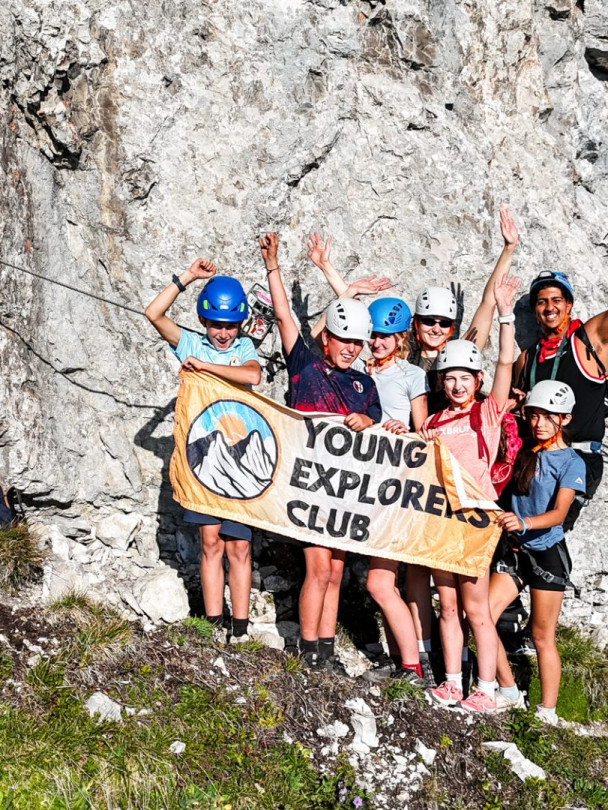
Weekend Adventure Camps: Growth & Impact
Overview
Weekend adventure camps (48–72 hours) have become popular. They offer high-impact, short stays that fit busy family schedules. Families face lower upfront costs and less perceived risk. We’ve seen enrollment climb because camps deliver clear child benefits: more physical activity, stronger social-emotional skills, and reduced screen time. Market and tech trends speed that growth—growing adventure tourism, mobile booking, digital waivers, and targeted social advertising cut the time from discovery to sign-up.
Key Takeaways
Highlights
- Short time commitment (48–72 hours) and lower price make weekend camps accessible and attractive to time‑pressed families.
- Programs produce measurable benefits: concentrated physical activity, social‑emotional learning, and screen‑time displacement.
- Market and technology drivers (growing adventure tourism, mobile booking, digital waivers, social discovery) enable faster scale and higher conversion.
- Weekend formats act as a low‑risk gateway to weeklong camps, boost trial‑to‑return conversion, and widen operator reach.
- Operators should highlight safety credentials and staff‑to‑child ratios, use outcome‑focused messaging and high‑quality visuals, and optimize mobile checkout to reduce enrollment friction.
 Watch on YouTube
Why Weekend Adventure Camps Are Booming
Approximately 14 million children attend camps in the U.S. each year (day and overnight combined) (American Camp Association).
One-sentence thesis (verbatim): Weekend adventure camps are growing because they combine low time-cost (2–3 days), strong parental appeal (flexible scheduling, lower cost), and measurable benefits (physical activity, social skills, reduced screen time).
I see three practical forces driving the surge. First, parents want high-impact experiences that don’t eat a week of family time. Weekend camps—short-stay camps that run 48–72 hours—fit a busy calendar and a tighter budget. Second, programs deliver clear outcomes: more physical activity, social-emotional learning (SEL), and meaningful unplugged time for kids. Third, the broader travel and outdoor sectors are expanding, so operators can scale weekend offerings faster than traditional weeklong camps.
Quick snapshot
- Rising demand: short-stay experiential travel and micro-adventures are increasing, driven by time-pressed families seeking quick escapes.
- Health & education benefits: weekend camps boost physical activity, social-emotional learning (SEL), and reduce screen time for children.
- Market growth: adventure tourism and outdoor-recreation segments are expanding, creating more supply and varied programming.
- Marketing & tech drivers: search and social growth, mobile booking, and digital waivers make enrollment fast and low-friction.
Weekend camps (48–72 hours) vs weeklong camps (5–7 nights) — shorter commitment, lower per-family time cost, higher accessibility. I recommend sliding weekend options into your program mix if you want to widen your catchment, improve conversion, and give families a low-risk trial of your full-length offerings.
Operational advantages are concrete. Weekend formats let me run the same instructor-to-child ratios across multiple sessions, increase facilities utilization on shoulder dates, and iterate programming faster. They also reduce logistics for families: less prep, fewer packing lists, and lower cost outlays for childcare or travel.
Participant benefits
- Concentrated skill-building: deliver focused modules (e.g., navigation, team challenges) in a tight timeframe.
- Lower barrier to entry: ideal for first-time campers and anxious families.
- Gateway effect: many campers sign up for weeklong programs after a positive weekend trial.
Marketing and enrollment
Marketing these programs pays if you focus on the right messages. Highlight time commitment (48–72 hours), affordability compared with weeklong options, and measurable benefits like increased activity and social skills. Use mobile-first ads, social proof from parents, and fast booking flows. I suggest linking registration pages directly from paid posts and using digital waivers to remove friction.
Visuals help sell the idea quickly. I advise producing an infographic titled “Benefits at a glance” with three clear icons: time commitment (48–72 hours), cost (lower than weeklong), and benefits (health, social, skills). Use that asset across email, landing pages, and social.
If you need a starter resource for families new to short-format outdoor programs, I point them to this primer on weekend adventure camp. For program designers, keep sessions tight, focus on measurable outcomes, and schedule clear handoffs to parents at pickup so the perceived value is immediate.
SEO & copy keywords
Keywords to emphasize in copy and SEO: weekend adventure camp, weekend camps, outdoor education, short-stay camps, family weekend getaways.
Market Trends and Demand Drivers
I track several market signals that explain why weekend adventure camps are surging in popularity. Experiential travel and micro-adventures are driving demand for short, local escapes and pushing growth in the adventure tourism market.
Macro drivers
Experiential travel now ranks high on consumer wish lists. Short-stay travel appeals to families and professionals who want meaningful experiences without long absences. The post-pandemic lift in outdoor recreation fuels that appetite; people prefer nature-based activities that feel safer and offer visible health benefits. Multiple 2022–2030 forecasts report roughly a 13% CAGR for adventure tourism (Grand View Research / Allied Market Research). The Outdoor Industry Association (OIA) also highlights significant consumer spending and jobs supported by outdoor recreation, reinforcing the commercial case for weekend programs.
Digital and marketing drivers
Search interest and social platforms accelerate discovery. I see Google Trends and review sites act as referral engines that convert curiosity into bookings. Mobile booking workflows, digital waivers, and automated email follow-ups reduce friction and increase conversion. Strong camp marketing now combines dynamic ads, short-form social content, and reputation management on review sites to shorten the path from discovery to sign-up.
Sustainability and social trends
Parents and guardians increasingly choose programs that emphasize environmental education and inclusive access. There’s a clear shift toward screen-free family time and local adventures that fit busy calendars. Camps that highlight responsible practices and tangible learning outcomes capture more interest and higher retention.
Tech stack and data-visual recommendations
Below are practical tools and charts I recommend for program growth and reporting:
- Tech stack examples:
- CampMinder, CampDoc, CampBrain
- Payments and bookings via Stripe
- Email/CRM through Mailchimp
- Recommended charts:
- 3-year comparison (pre-pandemic vs pandemic vs recovery) for searches and bookings
- Bar chart showing market-size growth and projected CAGR (~13% cited)
- Line chart tracking search interest for outdoor recreation growth and experiential travel over time
- Quick implementation tips:
- Instrument landing pages for attribution
- A/B test messaging around “short-stay travel” offers
- Automate post-booking sequences to reduce no-shows
I link practical guidance on program design and family-facing messaging in short-stay travel, which can help convert first-time bookers into repeat campers.
Parental Motivations, Cost and Convenience
I see parents pick weekend adventure camps for practical, immediate benefits. They want flexible scheduling that fits work and family life while keeping separation short for younger children. Flexible scheduling and short-stay camps reduce the friction of signing up, and many families view a weekend as a lower-risk step toward longer stays.
Short separations also align with core parental goals. Parents enroll to reduce screen time, build independence, and deliver intentional outdoor skill-building without committing a full week. That mix of developmental focus and manageable time away makes weekend formats attractive to families testing out overnight experiences.
Time‑and‑cost comparison
I use simple comparisons to explain value. A typical weekend camp runs 48–72 hours; a weeklong overnight session runs 5–7 nights. Sample pricing ranges (illustrative) show weekend adventure camps at $150–$500 per child for a 2‑day weekend, versus $600–$1,800+ for a 7‑day session. Label these as illustrative
I often translate those figures into cost‑per‑day to show tradeoffs: a $250 weekend equals $125/day, while a $1,200 week equals $171/day (illustrative). That math helps parents see that weekends offer lower upfront cost and lower perceived financial risk. Operators I talk with report higher trial‑to‑return conversion for weekends because families can sample a program without taking vacation days or making a big financial commitment.
I recommend thinking about suitability by child age and goals rather than only price. Weeklong camps suit older kids ready for longer immersion and deeper skill-building. Weekend camps fit younger children, families with tight schedules, and those aiming to reduce screen time without a long separation.
I also suggest reading practical guides before booking; for a focused primer on short stays, check Your first summer camp.
Compact logistics checklist for parents
Use this checklist to confirm readiness before you register:
- Drop-off/pick-up times and exact location.
- Packing list: day clothes, layers, hiking shoes, water bottle.
- Medication administration form and storage instructions.
- Completed digital waiver and emergency contact info.
- Dietary restriction form, if applicable.
Child Development, Health Benefits and Safety
I prioritize clear links between activity, mental health, social growth, and safety so parents can decide with confidence. Physical activity is foundational: the CDC recommends children get 60 minutes of moderate-to-vigorous activity daily (CDC). Weekend adventure camps compress well-designed, varied movement into concentrated blocks, so kids often meet or exceed that daily target during camp hours. I design sessions that mix aerobic play, skills practice, and active free time to build endurance and movement confidence without wearing kids out.
Outdoor exposure has measurable benefits for attention and stress. Peer‑reviewed research consistently associates green-space time with lower physiological stress markers and improved sustained attention in children. I use low-distraction outdoor tasks, scaffolded challenges, and short reflection pauses to translate those gains into better focus and mood back home. For parents who want background reading, I direct them to resources about outdoor learning in beginner camp planning; see my guide to outdoor learning for practical ideas.
Team-based adventure activities accelerate social-emotional learning (SEL). I structure challenges so every participant practices:
- Leadership by rotating roles,
- Communication through guided check-ins,
- Problem-solving with timed, small-group tasks,
- Resilience by facing manageable risk and reflecting on setbacks.
Those deliberate SEL moments convert a fun weekend into concrete growth in confidence and collaboration.
Screen-time displacement is a clear, immediate benefit. Common Sense Media documents high baseline daily screen use for kids and teens, and a weekend away replaces those hours with active, relational time. I recommend that families treat camp as a predictable screen break: set expectations before departure, have kids pack devices only for emergencies if at all, and use journal prompts or photos for low‑tech reflection.
Safety essentials address the top parental concern directly. Typical staff-to-child ratios for higher‑risk adventure activities commonly run from 1:6 to 1:10 (ACA/state guidance). I require visible certifications on site and in pre‑camp materials; common ones I expect to see include:
- Wilderness First Aid (WFA)
- Wilderness First Responder (WFR)
- CPR/AED
- Lifeguard certification where water is involved
- ACA accreditation
- State camp licensure
I also expect programs to publish insurance details, signed waivers, and clear emergency protocols that include onsite medical access or a rapid transfer plan to emergency services.
Evidence highlights and visuals I recommend including in marketing and parent packets:
- Evidence box summarizing key outcomes: outdoor time linked to reduced stress, better attention, and improved peer interactions (based on peer‑reviewed findings).
- Infographic “hours of active time gained” in a 48‑hour weekend camp showing structured activity, free play, and sleep.
- Safety‑badge icons that display certifications and staff ratios so parents can scan for credentials at a glance.
Safety checklist (use on marketing materials)
To keep safety transparent, include this checklist for parents and registration pages:
- Staff certifications and ongoing training listed.
- Staff-to-child ratios per activity disclosed.
- Background checks for all staff.
- Equipment inspection and maintenance schedules.
- Clear medical and emergency protocols; onsite med staff or rapid-access plan to emergency services.
- Liability insurance and waiver process explained.
Is it safe? I answer that for worried parents by naming the controls I require: certified staff, published staff-to-child ratios, documented emergency protocols, and comprehensive insurance and waiver procedures.

Program Variety, Case Studies and What’s Working
I design programs so kids build real skills fast and want to return. Skills-progression weekends and multi-weekend series move participants from beginner to advanced. They create clear next steps, boost retention, and increase lifetime value. I recommend structuring curricula as a three-tier path (intro, consolidate, challenge) and selling the next level at checkout.
Program types and age guidance
Below are the core program types I run or recommend, with what kids learn and suggested ages.
-
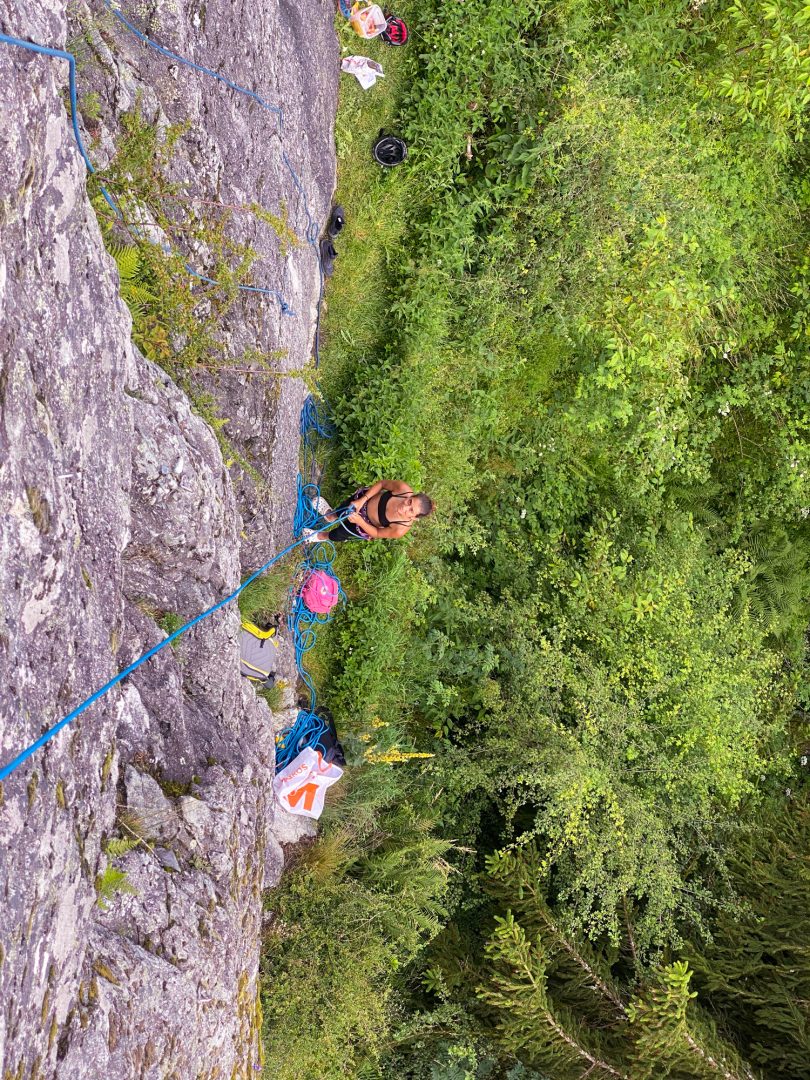
Rock-climbing weekend — Builds strength, route-reading and problem-solving. I focus on lead-up drills, belay competence, and partner checks. Suggested ages: 8+. Keyword: rock-climbing weekend.
-
Whitewater/kayaking introductory weekend — Teaches water safety, basic strokes and self-rescue techniques. Difficulty determines minimum age. Suggested ages: 10+ (dependent on river grade). Keyword: kayaking weekend.
-
Backpacking/overnight hike weekend — Navigation, campsite setup, food planning and lightweight skills. I include map-and-compass drills during the day and campcraft at night. Suggested ages: 10+. Keyword: backpacking weekend.
-
Mountain biking weekend — Emphasizes bike handling, braking and trail etiquette. I run progressive skill lines so riders build confidence fast. Suggested ages: 8+.
-
Wilderness survival/skills weekend — Firecraft, shelter-building, tracker basics and Leave No Trace principles. I stress safety and ecological respect. Suggested ages: 10+.
-
Multi-activity adventure weekend — Ropes course, zipline, and orienteering combined for varied skill transfer. Suggested ages: 8+.
-
Environmental education / eco-camps — Field ecology, species ID and simple citizen-science projects. I use short surveys to give kids measurable outcomes. Suggested ages: 6+.
-
Family adventure weekends (parent+child) — Shared skills, cooperative challenges and bonding time. I encourage mixed-age tasks so everyone contributes. Suitable for: all ages with a caregiver. For enrollment resources I point parents to your first summer camp.
I always label sessions as beginner → intermediate → advanced. That makes progression obvious and increases repeat sign-ups.
Weekend camp case study snapshots
-
Park-district example — Challenge → Low weekend awareness. Intervention → Launched targeted weekend adventure clinics promoted with community ads and a simplified signup funnel. Results → operator-reported: filled to 90% capacity within weeks of launch.
-
Small operator example — Challenge → Low conversion from interest to booking. Intervention → Added mobile booking and digital waivers to remove friction at checkout. Results → operator-reported increase in enrollments after implementation.
-
Family weekend example — Challenge → Low average order value. Intervention → Introduced parent+child weekend packages with bundled pricing and optional add-ons. Results → operator-reported higher average order value and improved repeat bookings.
I present these as practical templates. Use short, measurable pilots before scaling. Label non-public metrics as operator-reported so your team stays transparent.
Conversion assets and quick operational tips I recommend
-
Use photos and short video clips of each program type on landing pages and social ads to lift conversions. Visuals should show kids learning skills, not staged group shots.
-
Highlight the next skill level on confirmation emails to encourage series enrollment.
-
Keep group sizes small and list exact staff-to-child ratios on the page to reduce parental friction.
-
Offer fast mobile checkout, digital waivers, and an FAQ with safety protocols up front.
I focus on clear outcomes, simple progression, and high-quality visuals. Those three levers are what’s working now for skills weekends and family camps.

How to Launch, Market and Measure Success (Actionable Checklist)
I focus on a pragmatic startup sequence that gets a pilot weekend running fast and safely. Start with market research: validate local demand, map competitors, and test price sensitivity with short surveys or Facebook ad experiments. Design a modular curriculum that supports weekend builds and optional standalone workshops so families can progress across sessions. Recruit instructors with relevant experience and certifications — WFA/WFR, CPR/AED, lifeguard credentials where water is involved. Lock insurance and any required state camp licensure before you accept enrollments.
I use a simple break-even worksheet: fixed costs ÷ (price − variable cost per camper). For pilots expect a 50–70% fill rate; after refinement aim for 80–95%. Set a repeat-rate target of 20–40% returning attendees. Track fill rate, CPEC (cost-per-enrolled-camper), LTV, conversion, repeat rate, and NPS/parent satisfaction weekly.
Actionable checklist and launch tasks
Use this checklist as your immediate to-do list before launch:
- Market research: run local surveys, competitor pricing audit, and a two-week ad test to confirm demand.
- Curriculum: map modular sessions, define skill progression, and create age-appropriate options.
- Staffing & certification: hire instructors, verify WFA/WFR/CPR/AED/lifeguard as needed, and publish bios.
- Insurance & licensing: secure liability, participant accident coverage, and state camp licensure.
- Pricing models: set single-weekend, multi-weekend bundles, family packages, and reserve scholarship slots.
- Pilot weekend: test logistics, enrollment flow, safety drills, and staffing ratios.
- Tech stack: implement booking with CampMinder, Active Network, CampBrain or CampDoc; use Stripe, Square or PayPal for payments; Calendly or FareHarbor for scheduling; Mailchimp, ConvertKit or HubSpot for email/CRM.
- Funnel: paid ad → landing page → digital waiver → email onboarding sequence; build landing pages with geo keywords like “” and add event schema for dates.
- Pre-launch timeline: run a 6–8 week marketing campaign, collect pilot metrics, then iterate.
- Measurement & testing: A/B test headlines, safety badges, and pricing displays (bundles vs single). Track daily ad spend and weekly enrollments.
- Assets: prepare downloadable packing checklist, sample schedule PDF, 60–90 second testimonial videos, a safety & accreditation page with prominent badges, and clear pricing/scholarship/refund policies.
- FAQ scripts: have copy-ready answers for safety, comfort zones, food/medical handling, and value-for-money for weekend formats.
- Reporting cadence: weekly enrollment and ad spend, monthly LTV and repeat-rate reviews; maintain a simple break-even worksheet and a 6–8 week marketing timeline template.
I point hesitant parents to Your first summer camp for orientation content and packing tips that reduce objections during sign-up.
Sources: