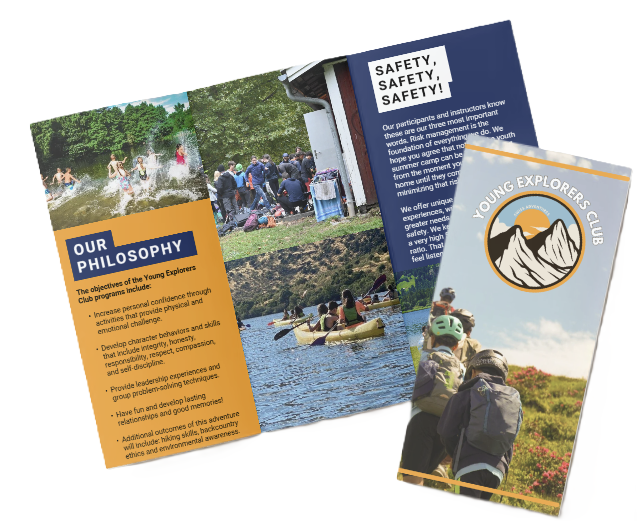
What is a travel camp? A parent’s guide to adventure camps
Discover what travel camps are, how they work, and whether they suit your child. Compare formats, learn benefits, and prepare for international adventure programs.
As parents explore summer options beyond traditional camps, you might wonder what makes a travel camp different. Travel camps combine international adventure, cultural immersion, and experiential learning in mobile programs that move between destinations rather than staying at one fixed site. For children aged 8 to 17, these programs offer unique opportunities to build independence, develop leadership skills, and gain global perspectives through activities like mountain biking, rafting, and language courses. This guide clarifies what travel camps are, how they work, and whether they suit your family’s goals.
Table of Contents
- Key takeaways
- Understanding what a travel camp is
- How travel camps work: structure, safety, and learning
- Comparing travel camps with traditional and day camps
- Benefits and challenges of travel camps for children aged 8 to 17
- Explore international travel camps with Young Explorers Club
- Frequently asked questions
Key Takeaways
| Point | Details |
|---|---|
| What travel camps are | They are mobile summer programs for youth that move between destinations and blend adventure activities with cultural immersion and hands on learning. |
| Unique features | Programs travel to multiple regions, emphasize experiential learning, include adventure sports, offer language immersion, and keep small groups to ensure close supervision. |
| Safety and supervision | Programs maintain ratios between 1 to 8 and 1 to 12 and require staff to hold current first aid certifications and background checks. |
| Youth benefits | The experience builds resilience, confidence, and leadership through real world problem solving and independent decision making. |
Understanding what a travel camp is
A travel camp is a mobile summer program for youth aged 13 to 18 involving group travel, adventure sports, experiential learning, and sometimes language immersion. Unlike traditional camps anchored to one location, these programs move through multiple destinations, creating dynamic experiences that challenge participants physically and culturally. The format appeals to families seeking summer camp for teens who crave adventure beyond typical recreational activities.
Travel camps target specific age ranges depending on program intensity. Most programs serve teens aged 13 to 18, though some accept children as young as 8 for less demanding itineraries. The Road Less Traveled notes that these camps prioritize experiential learning over passive entertainment, pushing participants to navigate unfamiliar environments and solve real-world problems.
Key features distinguish travel camps from conventional options:
- Mobile itineraries visiting multiple regions or countries rather than one fixed campus
- Adventure sports including rafting, rock climbing, mountain biking, and wilderness hiking
- Cultural immersion through local interactions, service projects, and sometimes language courses
- Small group sizes typically ranging from 8 to 15 participants per leader
- Phone-free or limited-technology policies to enhance focus and interpersonal connection
These elements create what experts call transformational travel, where participants return home with expanded worldviews and enhanced self-reliance. The difference between traditional camps and adventure camps becomes clear when you examine daily schedules that prioritize challenge over comfort.
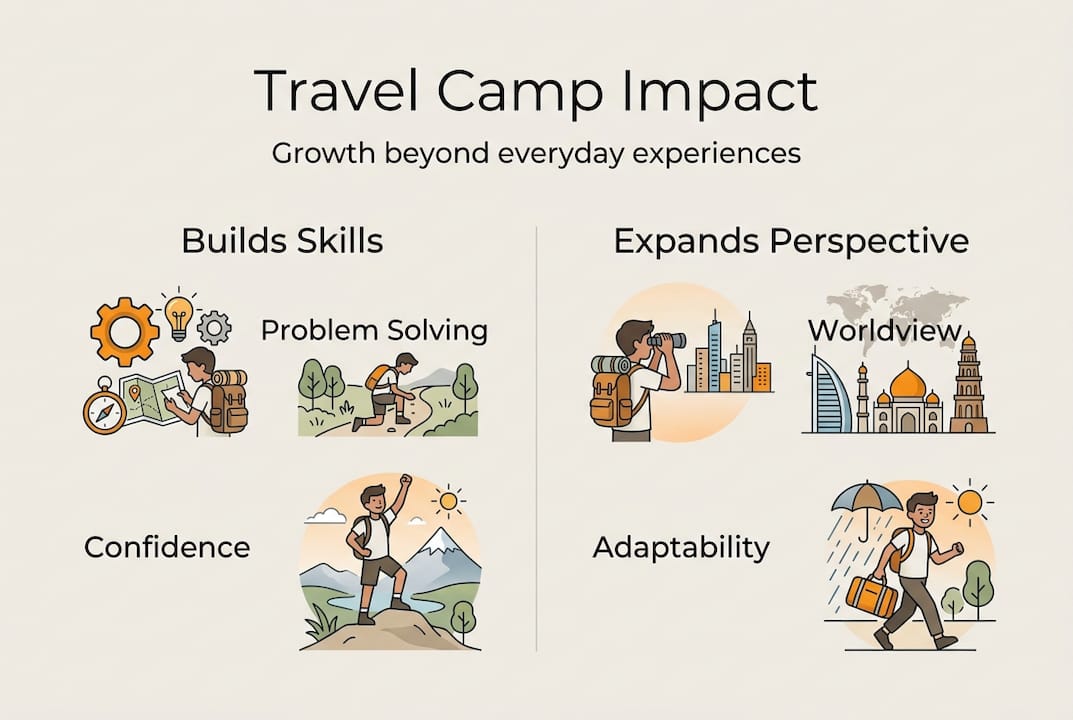
Travel camps also emphasize environmental stewardship through Leave No Trace principles, teaching participants to minimize their impact on natural spaces. This educational component extends beyond outdoor skills to include cultural sensitivity, as campers learn to respect local customs and engage meaningfully with host communities. The combination of physical challenge, cultural learning, and environmental awareness creates a comprehensive development experience that traditional camps rarely match.
Now that we understand what travel camps are, let’s look at how they operate in practice, including structure and safety.
How travel camps work: structure, safety, and learning
Travel camps operate with carefully structured programs featuring small groups, professional leadership, and detailed itineraries that balance adventure with reflection. Most programs maintain camper to instructor ratios between 1:8 and 1:12, significantly lower than traditional camp ratios. This close supervision allows leaders to provide personalized attention while ensuring safety during high-risk activities like whitewater rafting or alpine hiking.
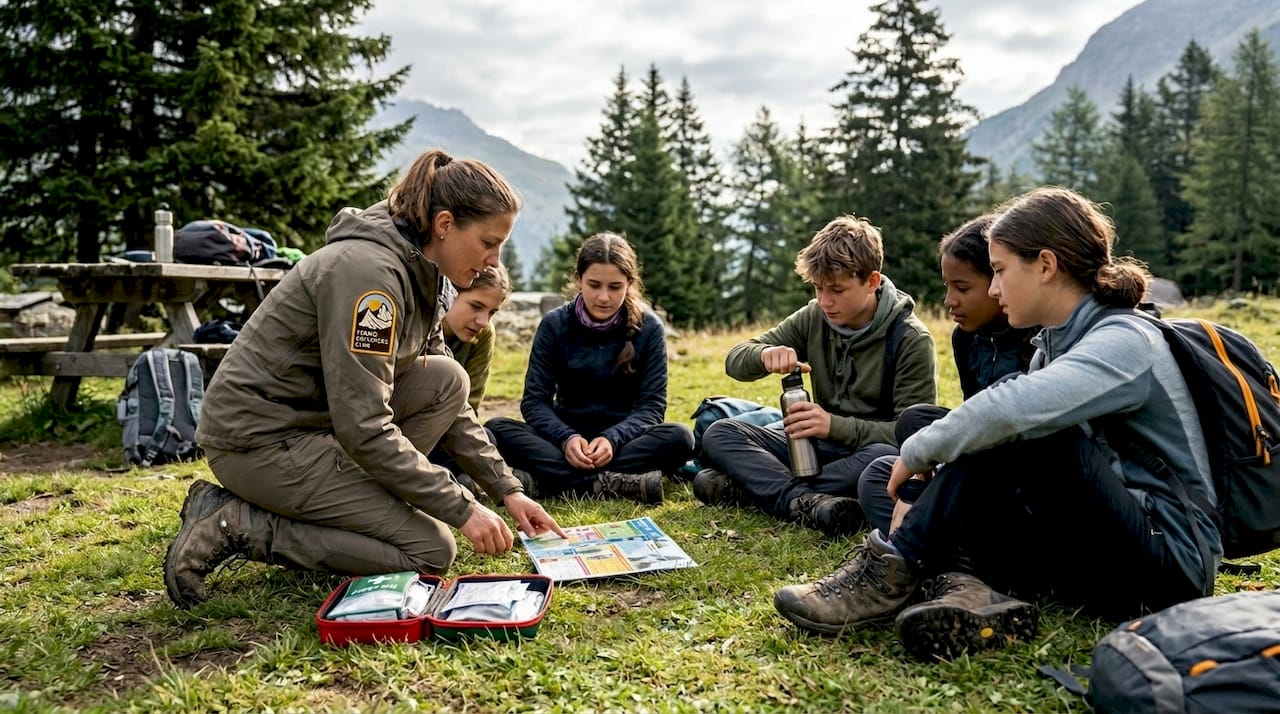
Professional leaders bring specialized certifications in wilderness medicine, outdoor education, and activity-specific skills. Young Explorers Club and similar programs require staff to hold current first aid certifications, background checks, and experience managing youth groups in remote settings. These qualifications create safety nets that address both physical risks and emotional challenges participants might face far from home.
Daily itineraries follow predictable patterns that help participants adjust to the mobile lifestyle:
- Morning briefings covering the day’s destination, activities, and safety protocols
- Physical adventures like hiking to a new campsite or tackling a climbing route
- Midday breaks for meals, rest, and informal cultural interactions
- Afternoon service projects or structured learning sessions about local ecology or history
- Evening reflection circles where participants share experiences and process challenges
- Preparation for the next day’s journey including gear checks and route planning
This rhythm creates predictability within an otherwise dynamic environment, helping children manage the stress of constant change. The adventure-based learning philosophy underlying these schedules emphasizes experiential education where mistakes become teaching moments rather than failures.
Many programs incorporate Leave No Trace principles as core curriculum, teaching participants to camp on durable surfaces, dispose of waste properly, and minimize campfire impacts. These lessons extend environmental awareness beyond abstract concepts to practical skills participants use daily. Service projects might include trail maintenance, invasive species removal, or community development work that benefits host regions.
Language immersion adds another learning dimension in international programs. Some camps offer structured language classes, while others create immersive environments where participants practice conversational skills with local guides and community members. This real-world application accelerates language acquisition far beyond classroom learning.
Pro Tip: Review a typical day at adventure camp with your child before enrollment to set realistic expectations about physical demands and daily routines.
Parent communication protocols vary by program but typically include regular updates via email or dedicated portals, emergency contact systems, and scheduled phone calls at predetermined intervals. These systems balance keeping parents informed with maintaining the immersive, phone-free environment that enhances participant focus and social connection.
Understanding the program structure helps contrast travel camps with traditional options, highlighting unique benefits and considerations.
Comparing travel camps with traditional and day camps
Travel camps and traditional fixed-location camps serve different developmental goals, each offering distinct advantages depending on your child’s readiness and interests. The Road Less Traveled explains that travel camps prioritize journey and cultural immersion, while traditional camps focus on routine activities at one site. This fundamental difference shapes every aspect of the experience from daily schedules to skill development.
Traditional camps excel at creating structured environments where children build competence through repetition. A child might take archery lessons every afternoon, gradually improving accuracy over two weeks. Travel camps sacrifice this repetitive skill-building for breadth of experience, exposing participants to diverse activities and cultures without deep specialization in any single area.
| Feature | Travel camps | Traditional camps | Day camps |
|---|---|---|---|
| Location | Multiple destinations | Single fixed site | Local, no overnight |
| Duration | 1 to 6 weeks | 1 to 8 weeks | Daily, summer season |
| Independence | High, constant adaptation | Moderate, stable routine | Low, return home daily |
| Activities | Adventure sports, cultural immersion | Recreational, arts, sports | Recreational, age-appropriate |
| Cost | Higher due to travel | Moderate to high | Lower, no boarding |
| Developmental focus | Resilience, global perspective | Skill mastery, social bonds | Social skills, safe introduction |
Day camps serve as safe introductions to group activities without the emotional challenge of overnight separation. Super Mom Hacks notes that day camps suit younger children or those testing their comfort with structured programs. However, they lack the independence-building aspects that make travel and traditional overnight camps transformational.
The physical demands of travel camps exceed traditional options significantly. Participants might hike 8 to 12 miles daily carrying backpacks, sleep in tents regardless of weather, and navigate challenging terrain without the comfort of permanent facilities. Traditional camps offer air-conditioned cabins, predictable meal times, and lower physical intensity, making them more accessible for children with varying fitness levels.
“Travel camps provide deeper immersion in independence and global perspective versus traditional camps’ routine and structure, but they are more physically and emotionally demanding, requiring greater readiness and maturity from participants.”
Emotional demands also differ substantially. Travel camp participants face constant environmental changes, new social dynamics as groups shift, and the challenge of problem-solving without familiar support systems. Traditional camps provide stable peer groups and consistent routines that reduce anxiety for children who struggle with transitions.
The benefits of adventure camps become most apparent in leadership development and cultural competence. Travel camp alumni often report enhanced comfort with ambiguity, improved cross-cultural communication skills, and greater confidence tackling unfamiliar challenges. These outcomes stem directly from the mobile format that forces adaptation.
Parents should consider several factors when choosing between formats:
- Child’s previous overnight experience and comfort with separation
- Physical fitness level and willingness to endure discomfort
- Interest in cultural exploration versus skill mastery
- Emotional maturity and ability to self-regulate without immediate parental support
- Budget constraints, as travel camps typically cost more due to transportation and international logistics
Homesickness affects participants in all camp formats but manifests differently in travel camps. The constant movement and new experiences can distract from missing home, yet the lack of stable routines might intensify loneliness for some children. International summer camps that boost confidence and independence report that most homesickness resolves within the first week as participants bond with peers and engage in compelling activities.
Seeing these differences helps parents decide which camp style best fits their child’s needs and goals.
Benefits and challenges of travel camps for children aged 8 to 17
Travel camps deliver measurable developmental benefits that extend far beyond vacation experiences. Young Explorers Club Switzerland reports that 70 to 90 percent of participants show significant gains in resilience, leadership, and confidence based on post-program surveys. These outcomes result from structured challenges that push children beyond comfort zones while providing expert support to ensure success.
Real-world problem solving becomes unavoidable in travel camp settings. When a rainstorm floods the planned campsite, participants must collaborate to find alternative shelter, adapt meal plans, and maintain group morale despite discomfort. These scenarios teach adaptability and creative thinking that classroom education rarely replicates. The consequences feel immediate and meaningful, cementing lessons more effectively than hypothetical exercises.
Cultural adaptability develops through daily interactions with unfamiliar customs, languages, and social norms. A teen navigating a Swiss train system, ordering meals in basic German, or participating in a local festival gains practical cross-cultural competence. These experiences build global citizenship and empathy that serve participants throughout their lives, particularly as workplaces become increasingly international.
Leadership opportunities emerge naturally as programs rotate responsibilities among participants. One day your child might lead navigation using map and compass, the next they coordinate meal preparation for the group. This distributed leadership model ensures everyone practices decision-making and accountability rather than designating permanent leaders.
Common challenges require proactive preparation:
- Physical demands including multi-hour hikes, variable weather exposure, and basic camping conditions
- Homesickness intensified by limited communication technology and unfamiliar environments
- Cultural adjustment to different food, social customs, and language barriers
- Group dynamics challenges when living in close quarters with peers for extended periods
- Managing personal belongings and hygiene without parental oversight
Pro Tip: Start building physical endurance three months before camp through regular hiking or biking with a loaded backpack, gradually increasing distance and weight to match program expectations.
Parents can ease these transitions through thoughtful preparation. Discuss realistic scenarios your child might encounter, from blisters on a long hike to disagreements with tentmates. Role-play problem-solving strategies and coping mechanisms for homesickness. Ensure your child understands that discomfort is temporary and part of the growth process, not a sign of failure.
Program support systems address challenges through multiple channels. Regular check-ins with leaders create opportunities to voice concerns before they escalate. Peer support develops as participants bond over shared experiences. Many camps also provide mental health resources including counselors trained in adolescent psychology who can intervene when participants struggle emotionally.
Building confidence through adventure requires balancing challenge with achievable goals. Effective programs scaffold difficulty, starting with manageable tasks that build competence before progressing to more demanding objectives. This approach prevents overwhelming participants while maintaining engagement through appropriate challenge levels.
Physical safety remains paramount despite inherent adventure sport risks. Accredited programs follow industry standards for equipment maintenance, leader certifications, and emergency protocols. Parents should verify that prospective camps hold relevant accreditations and insurance, maintain transparent incident reporting, and employ leaders with current wilderness first responder or equivalent certifications.
The importance of outdoor activities extends beyond immediate skill development to long-term health and environmental awareness. Research shows that children who participate in outdoor programs demonstrate increased physical activity levels, reduced screen time, and stronger environmental stewardship attitudes years after program completion. These lasting impacts justify the investment and temporary discomfort of challenging travel camp experiences.
Choosing accredited programs with experienced leaders is crucial for maximizing benefits while minimizing risks. Look for camps affiliated with recognized organizations, transparent about safety records, and willing to provide references from previous participants. The right program transforms challenges into growth opportunities that shape your child’s character and capabilities for years to come.
With a clear view of benefits and challenges, parents can confidently select and prepare for the best travel camp experience.
Explore international travel camps with Young Explorers Club
Young Explorers Club offers multi-week international summer camps in Switzerland that combine alpine adventure, cultural immersion, and structured learning in one of Europe’s most stunning settings. Our programs serve children and teens aged 8 to 17 through carefully designed itineraries that balance physical challenge with age-appropriate support.
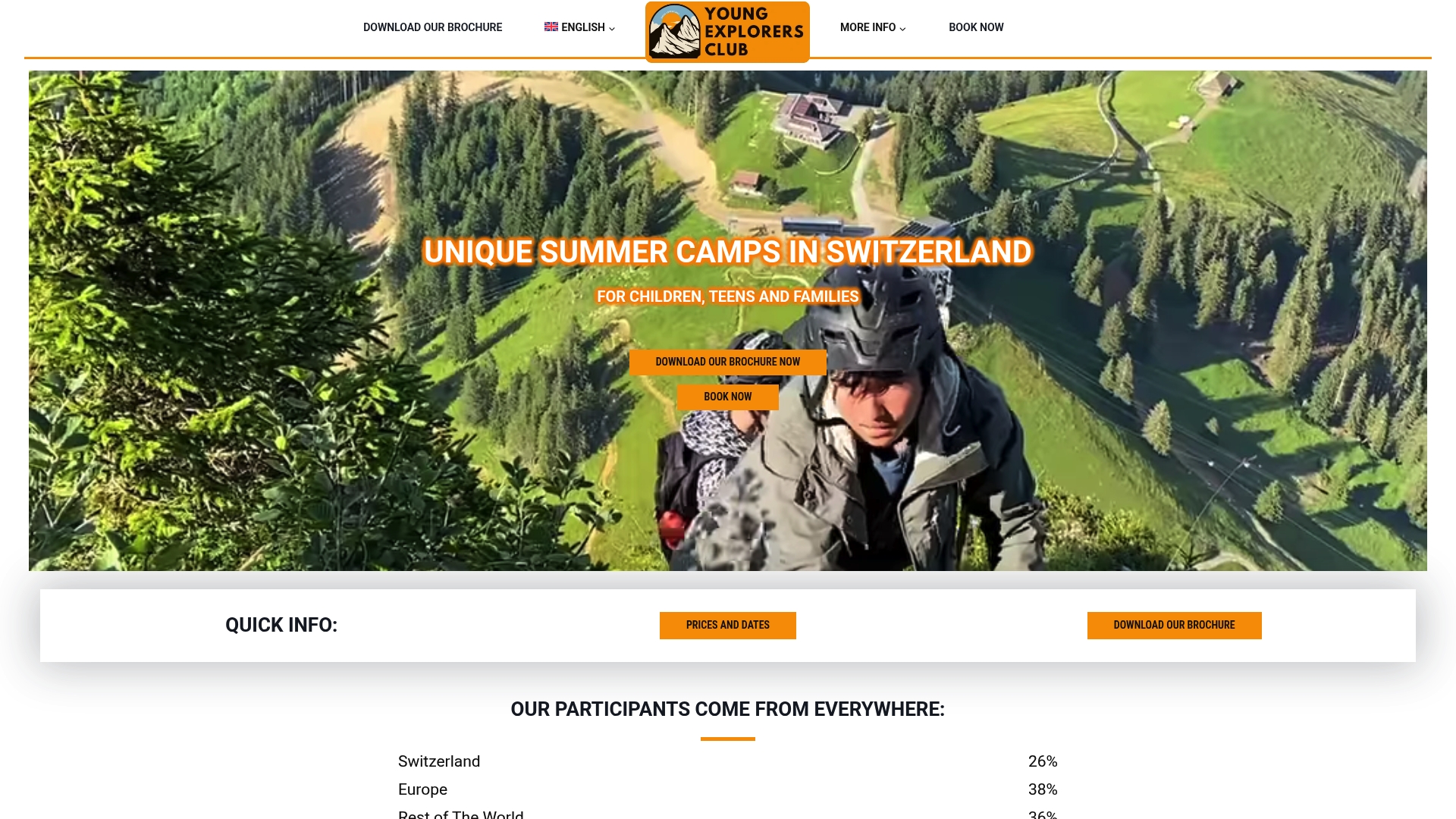
Certified mountain guides and outdoor educators maintain low camper-to-staff ratios, ensuring personalized attention during activities ranging from glacier hiking to mountain biking. Optional summer camp German language courses integrate language learning with daily adventures, accelerating acquisition through real-world practice in Swiss communities.
Our bilingual environment and global community summer camps attract participants from over 30 countries, creating rich cross-cultural exchanges that extend beyond typical tourist experiences. Visit our website to explore programs, review safety protocols, and prepare your child for a transformational summer that builds confidence, independence, and global awareness.
Frequently asked questions
What is the age range for travel camps?
Travel camps typically serve youth ages 8 to 18, though most programs focus on teens aged 13 to 18 due to physical and emotional demands. Younger children might qualify for less intensive itineraries with shorter travel distances and lower altitude activities. Always verify specific age policies and prerequisites with individual programs, as requirements vary based on activity intensity and destination remoteness.
How safe are travel camps compared to traditional camps?
Safety standards in accredited travel camps match or exceed traditional camp protocols through small group sizes, expert leadership, and comprehensive emergency planning. ACA-accredited camps report fewer than 1.5 incidents per 1,000 camper-days, with most incidents involving minor injuries like scrapes or blisters. Travel camps emphasize leader certifications in wilderness medicine, conduct thorough background checks, and maintain detailed emergency communication systems. Parents receive regular updates and can contact program directors 24/7 for urgent concerns.
What types of activities do travel camps include?
Activities span adventure sports like whitewater rafting, rock climbing, mountain biking, canyoneering, and multi-day backpacking trips through wilderness areas. Programs also incorporate service projects such as trail maintenance or community development work, cultural experiences including local festivals or homestays, and sometimes structured language immersion courses. Experiential learning components teach navigation, wilderness survival, environmental science, and leadership skills through hands-on practice rather than classroom instruction.
How can parents help children prepare for a travel camp?
Support building independence through age-appropriate responsibilities at home, such as managing personal belongings, planning meals, or navigating public transportation with supervision. Encourage regular physical activity including hiking, biking, or team sports to build endurance for demanding itineraries. Discuss homesickness strategies like journaling, connecting with peers, and reframing discomfort as temporary growth opportunities. Preparing kids for summer camp includes reviewing basic phrases if language immersion is involved and ensuring children understand cultural differences they might encounter.
Recommended
- Travel Summer Camps 2026: 30% Confidence & Skills Boost
- The Difference Between Traditional Camps And Adventure Camps | Young Explorers Club Switzerland
- Why Camps Are A Safe Space For Personal Growth | Young Explorers Club Switzerland
- Acampamentos De Férias Na Europa: Seu Guia Definitivo E Detalhado Para Aventuras De Verão Inesquecíveis | Young Explorers Club Switzerland