

Why International Summer Camps Inspire Growth in Switzerland
Discover why international summer camps in Switzerland foster personal development, language skills, and multicultural friendships for youth ages 8-17.
Every parent faces the question of how to give their child a summer break that means more than just time off. With schools out, kids crave excitement and connection, yet finding a safe, enriching space where they can build confidence, speak English or French, and connect with peers from across Europe can feel overwhelming. Swiss international summer camps create transformative experiences, blending outdoor adventure, bilingual immersion, and multicultural friendships that help children thrive far beyond the classroom.
Table of Contents
- What Are International Summer Camps?
- Types Of Camps And Unique Features
- Key Benefits: Adventure, Learning, And Language
- Personal Growth And Multicultural Connections
- Costs, Safety, And What Parents Should Know
Key Takeaways
| Point | Details |
|---|---|
| International summer camps offer immersive experiences | These camps provide structured environments for personal development, language practice, and outdoor adventures among peers from various cultures. |
| Emphasis on bilingual education | Camps often include instruction in English and French, enhancing participants’ language skills in practical, social contexts. |
| Focus on personal growth through challenges | Activities like rock climbing and survival training not only teach skills but also promote confidence, resilience, and teamwork among diverse groups. |
| Robust safety and communication protocols | Swiss camps prioritize safety with trained staff and clear communication policies, ensuring parents remain informed and children are well-cared for. |
What Are International Summer Camps?
International summer camps are specialized residential or travel-based programs that bring together young people from different countries for immersive outdoor and educational experiences. These camps operate during summer months and typically last from one to four weeks, creating structured environments where children and teenagers develop skills, friendships, and confidence.
Unlike typical vacation experiences, international summer camps combine adventure activities with personal development goals. Participants engage in activities like mountain biking, rock climbing, survival skills training, and multisport challenges while living alongside peers from Europe and beyond.
The camps emphasize bilingual environments, often offering instruction in English and French. Many include optional language courses, allowing participants to improve communication skills while learning from native speakers in authentic settings.
What makes these camps “international” is their diverse participant base and cross-cultural focus:
- Campers come from multiple European countries and beyond
- Daily interactions happen across language and cultural backgrounds
- Collaborative activities require teamwork among young people with different perspectives
- Shared meals, evening programs, and group challenges build genuine friendships
These programs go beyond typical day camps or sports schools. They’re designed as transformative experiences that challenge participants outside their comfort zones. Unlike school-based learning, camps use experiential education—learning happens through doing, trying, and reflecting.
Swiss-based international camps hold particular advantages. Switzerland’s dramatic Alpine landscape provides natural classrooms for outdoor skill-building. The country’s central location makes it accessible for European families while its reputation for safety and organization ensures quality programs.
International summer camps transform summer break into a development opportunity, combining outdoor adventure with meaningful cultural exchange and language practice in one immersive experience.
Parents often choose these camps because they address multiple goals simultaneously. Your child practices language skills, builds resilience through outdoor challenges, develops independence, and creates international friendships—all in one summer.
Pro tip: When evaluating camps, ask specific questions about activity schedules, language instruction methods, accommodation types, and staff backgrounds. Request detailed daily itineraries and communication policies so you understand exactly what your child will experience each day.
Types Of Camps And Unique Features
Swiss international summer camps offer varied formats to match different interests, ages, and family preferences. Understanding the options helps you choose the experience that best fits your child’s personality and goals.
Residential camps are the traditional immersive experience. Campers live on-site for the entire duration, typically one to four weeks. Your child sleeps in shared accommodations, eats group meals, and participates in scheduled activities from morning to evening. This setup maximizes friendships, independence, and continuous engagement with peers.
Travel-based camps combine residential stays with exploration. Groups move between different Alpine locations, climbing mountains, biking through valleys, and staying in various accommodations. These camps suit adventurous teens who want geographic variety alongside personal development.
Family camps bring parents and siblings into the experience. While children participate in age-appropriate activities, adults join selected programs, meals, and evening events. This option works well for families wanting to explore Switzerland together while children build confidence.
Here’s how Swiss international summer camp formats compare:
| Camp Type | Main Focus | Typical Age Group | Key Advantage |
|---|---|---|---|
| Residential | Full immersion | 8–17 | Builds independence |
| Travel-based | Exploration & variety | 12–17 | Adventurous experiences |
| Family | Family participation | All ages | Shared family bonding |
| Specialized Focus | Single theme | Varies | Rapid skill development |
Unique features set Swiss camps apart from alternatives elsewhere:
- Alpine outdoor classrooms: Mountains provide natural settings for climbing, hiking, survival training, and risk management
- Bilingual instruction: English and French daily immersion accelerates language learning through real conversation
- Small group dynamics: Limited group sizes ensure personalized attention and meaningful friendships
- Certified instructors: Mountain guides and educators hold professional qualifications in outdoor safety
- Cultural integration: Swiss hospitality and local community connections enrich the experience
Multisport programs combine activities across disciplines. One week might include rock climbing, mountain biking, and kayaking. Children discover new passions and develop versatile outdoor skills rather than specializing in one activity.
Specialized focus camps concentrate on specific interests. Some emphasize adventure sports like climbing or biking, while others highlight survival skills, team leadership, or language development. When researching summer camp adventure options, you’ll find programs matching nearly any passion.
Age groupings matter significantly. Camps organize participants by age bands—typically 8-12, 12-15, and 15-17—ensuring activities match developmental stages and social dynamics. Younger children focus on foundational skills and confidence building, while teens tackle advanced challenges and leadership roles.
Different camp formats serve different goals. Residential camps maximize growth through full immersion, while travel-based and family options provide flexibility without sacrificing adventure and language development.
The safety reputation of Swiss-based programs attracts European families. Switzerland’s strict standards for youth programs, professional instructor certification, and emergency response infrastructure provide genuine peace of mind.
Pro tip: Match camp format to your child’s temperament. Introverts often thrive in residential settings where friendships develop gradually over weeks, while more extroverted children enjoy the variety and social rotation of travel-based camps.
Key Benefits: Adventure, Learning, And Language
International summer camps in Switzerland deliver three interconnected benefits that work together to inspire genuine growth. These aren’t separate experiences—they reinforce each other across every day.
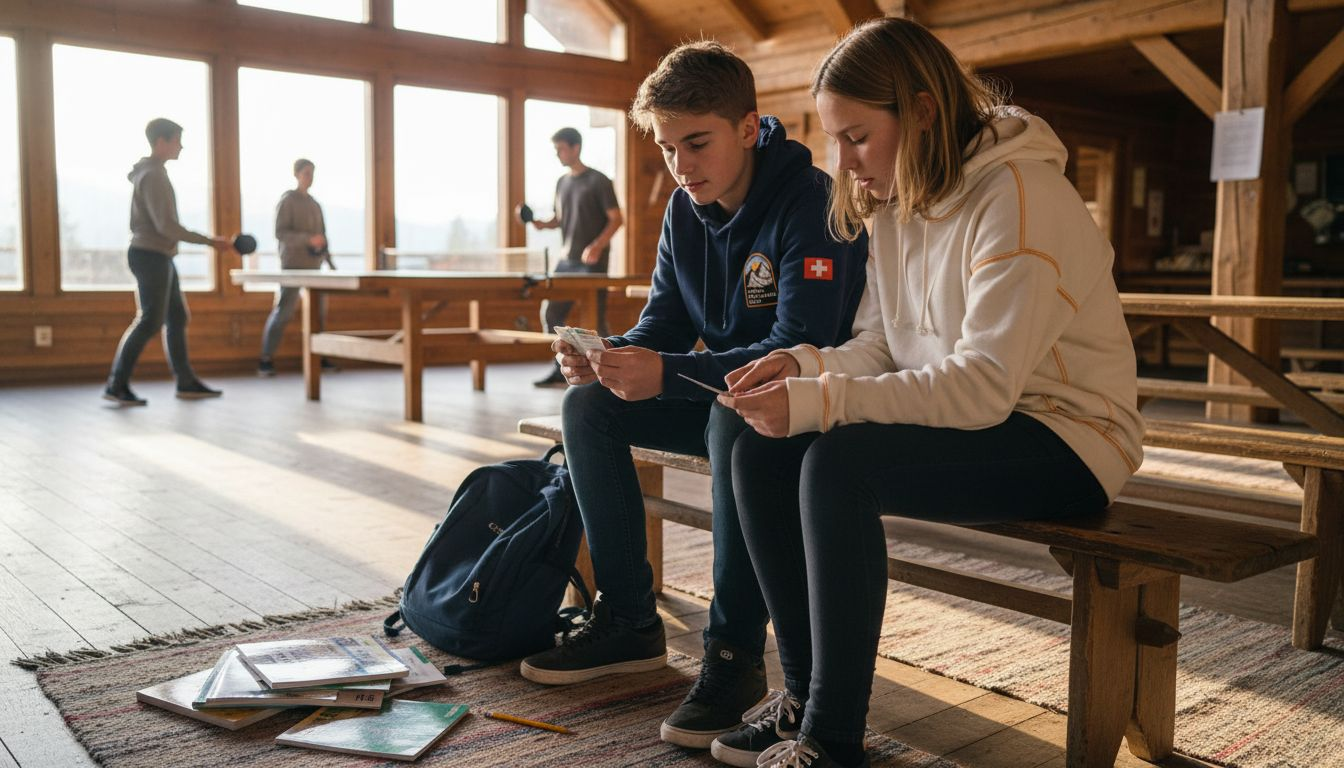
Adventure activates real learning. When your child climbs a rock face, they’re not just gaining physical skills. They’re solving problems, managing fear, building trust with teammates, and discovering capabilities they didn’t know existed. Outdoor challenges become classrooms where lessons stick because they matter immediately.
Mountain biking through Alpine trails teaches balance and persistence. Rock climbing requires focus and courage. Survival skills training builds practical confidence. These aren’t abstract lessons—your child experiences consequences and victories in real time.
Swiss camps provide authentic multicultural immersion that happens naturally through daily living. At meals, in dormitories, and during activities, children interact constantly with peers from different countries and backgrounds. Language learning stops being textbook exercises and becomes communication necessity.
Language learning accelerates dramatically in immersive settings. Your child speaks English or French all day because that’s how they access activities, friendships, and camp life. Mistakes don’t feel risky—they’re normal parts of communication. Fluency develops faster than traditional classroom instruction because stakes matter and repetition compounds daily.
Bilingual instruction means instructors teach climbing or teamwork in multiple languages. Your child picks up technical vocabulary naturally while learning life skills. The combination creates deeper retention than studying language in isolation.
Key benefits of this three-part approach include:
- Confidence building: Success in adventure activities transfers to academic and social confidence
- Problem-solving skills: Outdoor challenges require creative thinking and adaptability
- Resilience: Facing difficulty and overcoming it shapes mental toughness
- Independence: Living away from parents forces self-reliance and decision-making
- Global friendships: Shared experiences create bonds across cultural boundaries
- Language proficiency: Immersion accelerates vocabulary and fluency faster than classroom learning
Adventure-based learning creates emotional engagement that makes skills stick. Your child doesn’t just learn resilience—they experience it, feel it, and own it.
Research shows Swiss summer camps foster holistic development through balanced curriculum combining learning and leisure. The structure prevents burnout while maximizing growth. Rest periods follow intense activities. Social time balances skill-building time. This rhythm creates sustainable development rather than exhaustion.
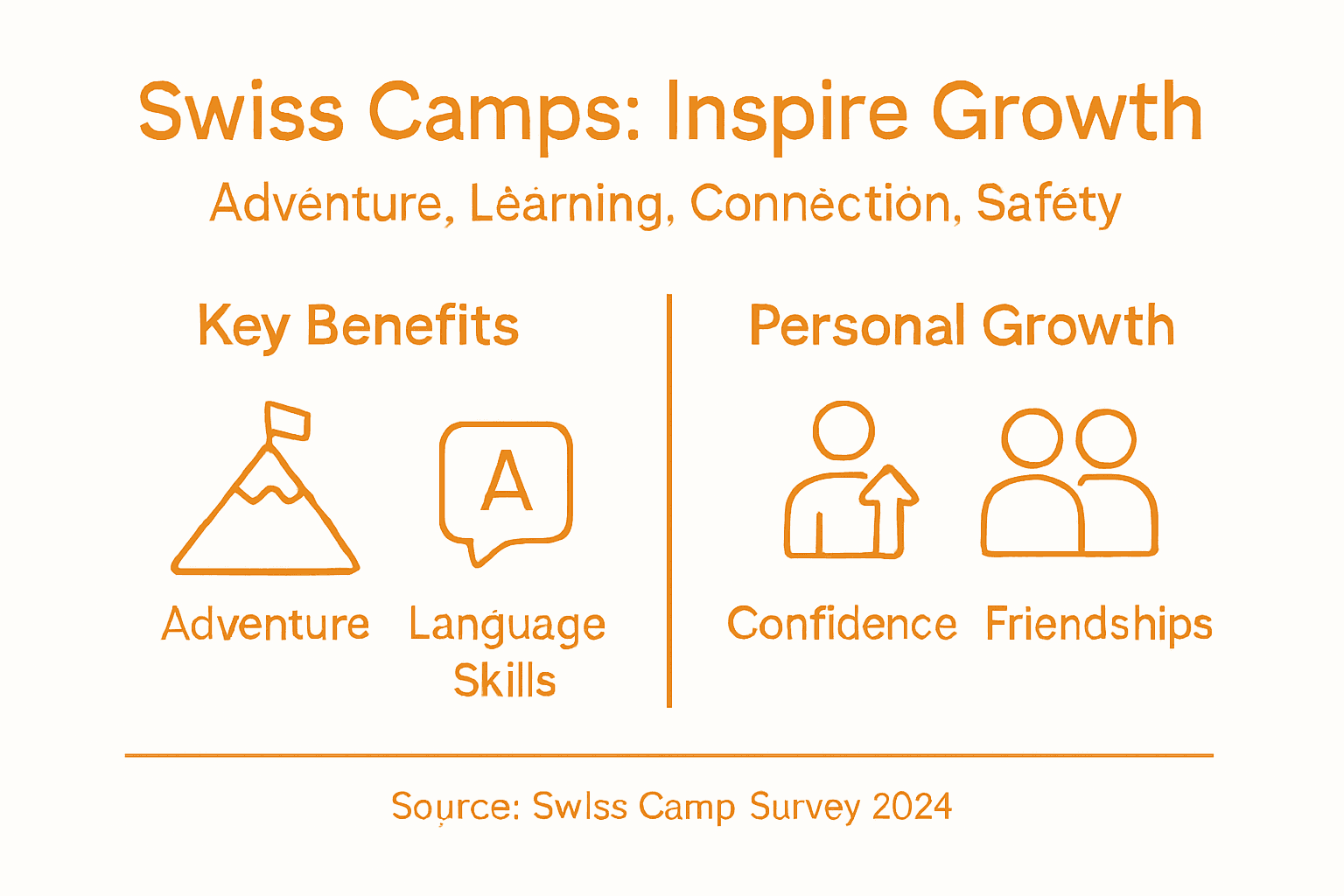
Your child returns home changed. Not just temporarily energized, but genuinely transformed. They’ve proven themselves capable of challenges they previously avoided. They’ve built friendships across language and cultural barriers. They’ve discovered passions and strengths in outdoor environments. These aren’t temporary camp feelings—they’re foundational shifts in self-perception.
Pro tip: Before enrollment, ask specifically about how instructors integrate adventure activities with skill development—whether climbing instruction teaches problem-solving alongside rope technique, and how language learning connects to daily camp experiences rather than existing separately.
Personal Growth And Multicultural Connections
International summer camps transform how children understand themselves and others. The multicultural environment isn’t just a backdrop—it’s the engine driving personal growth.
Your child lives alongside peers from Spain, Germany, France, Italy, and beyond. They navigate differences daily: different languages, food preferences, humor styles, and ways of solving problems. This constant exposure builds social intelligence that classroom diversity simply cannot replicate.
Swiss camps leverage linguistic and cultural diversity to help children develop genuine comfort across cultural boundaries. When your child shares a dormitory with someone from another country, they’re not learning about culture abstractly—they’re living it.
Stepping outside comfort zones accelerates growth. In familiar environments, children develop comfortable patterns. Camp disrupts these patterns intentionally. Your child eats unfamiliar foods, participates in different traditions, and communicates across language barriers. Each small discomfort builds capability.
This isn’t about hardship. It’s about discovering that you’re more adaptable than you believed. You can make friends without shared native language. You can try activities that seemed impossible. You can be uncomfortable and still thrive.
Research from Zurich University of Teacher Education shows camp participation enhances personal resources like empathy and emotional control. Children develop assertiveness while becoming more collaborative. They build optimism through facing challenges successfully. These aren’t abstract traits—they’re practical skills applied daily.
Multicultural friendships last. Your child exchanges contact information with peers from five countries. They maintain friendships across time zones and languages. These connections expand worldview permanently. Your teenager doesn’t just understand that other cultures exist—they’re genuinely invested in people within those cultures.
Personal growth happens through specific mechanisms:
- Shared vulnerability: When everyone’s struggling with language or trying a new activity, status hierarchies dissolve
- Collaborative problem-solving: Mixed-nationality groups solve challenges together, learning different approaches
- Cultural curiosity: Proximity creates natural questions about why peers do things differently
- Mentorship from leaders: Supportive instructors model cross-cultural respect and communication
- Success together: Climbing a mountain as an international team builds bonds stronger than shared nationality
Your child returns home seeing themselves differently. They’ve proven they belong in international spaces. They’ve contributed meaningfully to a diverse community. They understand their own culture better by seeing it through others’ eyes.
Multicultural camps don’t just teach tolerance—they build genuine relationships across differences, creating confidence that transfers to any diverse environment your child encounters.
Pro tip: Ask camps about their approach to group composition. The best programs intentionally mix nationalities in sleeping and activity groups rather than allowing friend groups from the same country to dominate, maximizing cross-cultural interaction and friendship formation.
Costs, Safety, And What Parents Should Know
International summer camps represent significant investment. Understanding pricing structures and what’s included helps you evaluate value and plan finances realistically.
Comprehensive fees typically cover major expenses. Quality Swiss camps bundle accommodation, meals, instruction, activities, and airport transfers into one fee structure. This means fewer surprise costs compared to camps with à la carte pricing. One clear invoice beats nickel-and-diming you throughout summer.
Fees vary based on duration and program type. One-week programs cost less than three-week sessions. Residential camps with high staff ratios and Alpine locations run higher than basic day camps. Budget between 1,500 and 4,000 Swiss Francs per week depending on program specifications and accommodations.
What’s typically included in camp fees:
- Accommodation in shared dormitories
- All meals and snacks
- Instruction and equipment for listed activities
- Language classes (if offered)
- Airport transfers or shuttle services
- Evening programs and social activities
- Basic first aid and medical oversight
Optional costs requiring separate budgeting include travel insurance, additional excursions beyond standard activities, equipment purchases (climbing shoes, specialized gear), and personal spending money for camp store purchases.
Safety is paramount in Swiss programs. Reputable camps maintain 24/7 supervision with staff ratios around 4:1, ensuring constant oversight. Modern facilities meet strict Swiss safety standards. Professional instructors hold certifications in their disciplines—mountain guides for climbing, lifeguards for water activities, first aid trainers for emergency response.
Swiss regulations require documented safety protocols, equipment inspections, and emergency procedures. Camps operate under government oversight, not self-regulation. This regulatory framework protects your child genuinely.
Communication during camp matters deeply. Ask about contact policies before enrollment. Quality programs balance independence with parental reassurance. Most camps provide weekly check-ins, email updates, or online portals showing daily activities and photos. Some offer scheduled phone calls at specific times.
Healthcare logistics deserve attention. Verify how camps handle medications, allergies, and minor illnesses. Ask about insurance coverage and what’s required from families. Get emergency contact procedures in writing.
Below is an overview of major aspects parents should consider when evaluating international summer camps:
| Factor | Why It Matters | Impact on Experience |
|---|---|---|
| Staff Training | Ensures safety, expertise | Provides peace of mind |
| Group Diversity | Promotes cross-cultural skills | Broader global understanding |
| Communication | Keeps parents informed | Reduces family anxiety |
| Fee Structure | Avoids hidden costs | Simplifies budgeting |
| Health Protocols | Addresses emergencies/allergies | Supports well-being |
Questions to ask camps before committing:
- Staff qualifications and background check processes
- Camper-to-staff ratios during activities and overnight hours
- Communication frequency and methods
- Medical facility access and nearby hospitals
- Behavioral standards and discipline approaches
- Medication management and allergy protocols
- Cancellation and refund policies
- What happens if your child becomes homesick
Transparent pricing and clear safety information indicate professional camps. Ask detailed questions—quality programs answer readily.
Switzerland’s reputation for safety extends to summer programs. The country’s infrastructure, cultural emphasis on security, and regulatory standards create genuinely safer environments than many alternatives. Your child benefits from Swiss standards without assuming unnecessary risk.
Pro tip: Request references from previous campers’ parents, not just testimonials from the camp itself. Direct conversations with families who’ve enrolled reveal whether communication was actually regular, how homesickness was handled, and whether the experience matched marketing claims.
Unlock Your Child’s True Potential with International Summer Camps in Switzerland
The article highlights the transformational power of international summer camps in fostering personal growth, resilience, and multicultural friendships through immersive adventure and bilingual learning. If you are looking for a comprehensive program that addresses these exact goals like confidence building, language immersion, and outdoor challenges set in the breathtaking Swiss Alps, then the Young Explorers Club offers exactly what you need. Our carefully designed residential and travel-based camps provide a safe environment where children and teens develop real-world skills by doing, reflecting, and connecting with peers from across Europe and beyond.
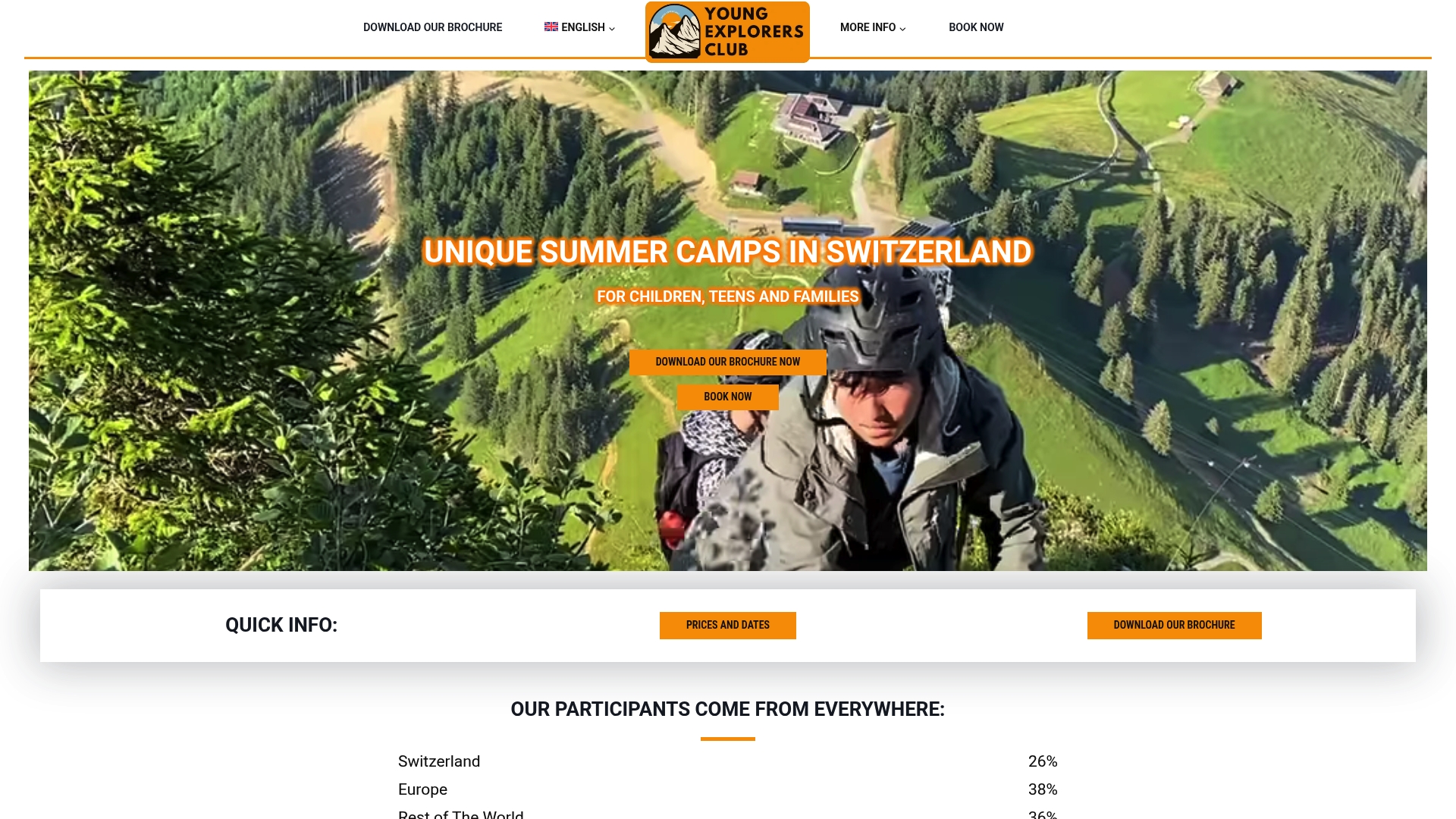
Take the next step to ensure your child experiences genuine adventure and growth this summer. Discover how our unique blend of adventure activities, expert instructors, and bilingual instruction creates lasting impact. Explore our program details, download brochures, or register online now at Young Explorers Club. Give your child the chance to thrive in an international setting where challenge meets support and lifelong friendships are born.
Frequently Asked Questions
What are international summer camps?
International summer camps are residential or travel-based programs that bring together young people from different countries for outdoor and educational experiences, fostering personal growth and cultural exchange.
How do international summer camps promote language learning?
These camps immerse children in bilingual environments, offering instruction in English and French, and facilitating daily interactions that encourage language practice and fluency in real-life situations.
What types of activities are typically offered at international summer camps?
Participants typically engage in adventure activities like mountain biking, rock climbing, and survival skills training, combined with personal development goals such as teamwork and confidence-building.
What benefits do children gain from attending an international summer camp?
Children develop essential life skills such as resilience, independence, and problem-solving, while also making global friendships and experiencing cultural diversity, which contributes to their overall personal growth.
Recommended
- How Camps Encourage Creativity And Problem-solving | Young Explorers Club Switzerland
- Por Dentro Do Institut Le Rosey: Explorando O Prestígio Do Internato De Elite Da Suíça | Young Explorers Club Switzerland
- Sélection Des Meilleurs Camps D’Été 2024: Activités Et Aventures Pour Enfants | Young Explorers Club Switzerland
- Why Switzerland Is The Safest Destination For Summer Camps | Young Explorers Club Switzerland
