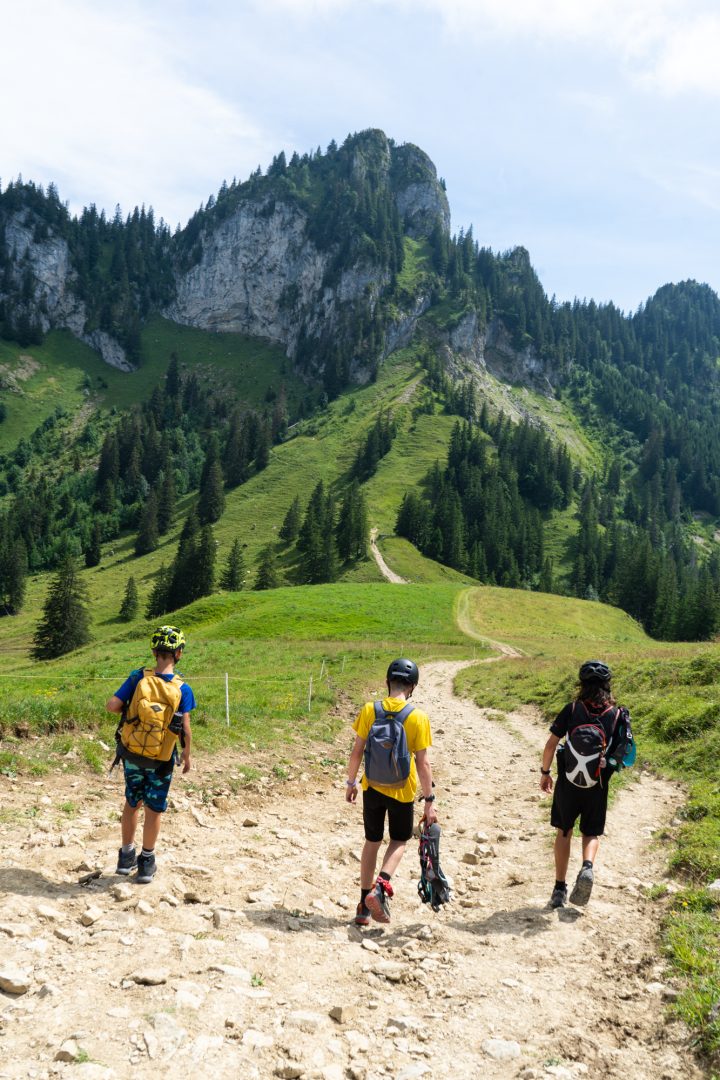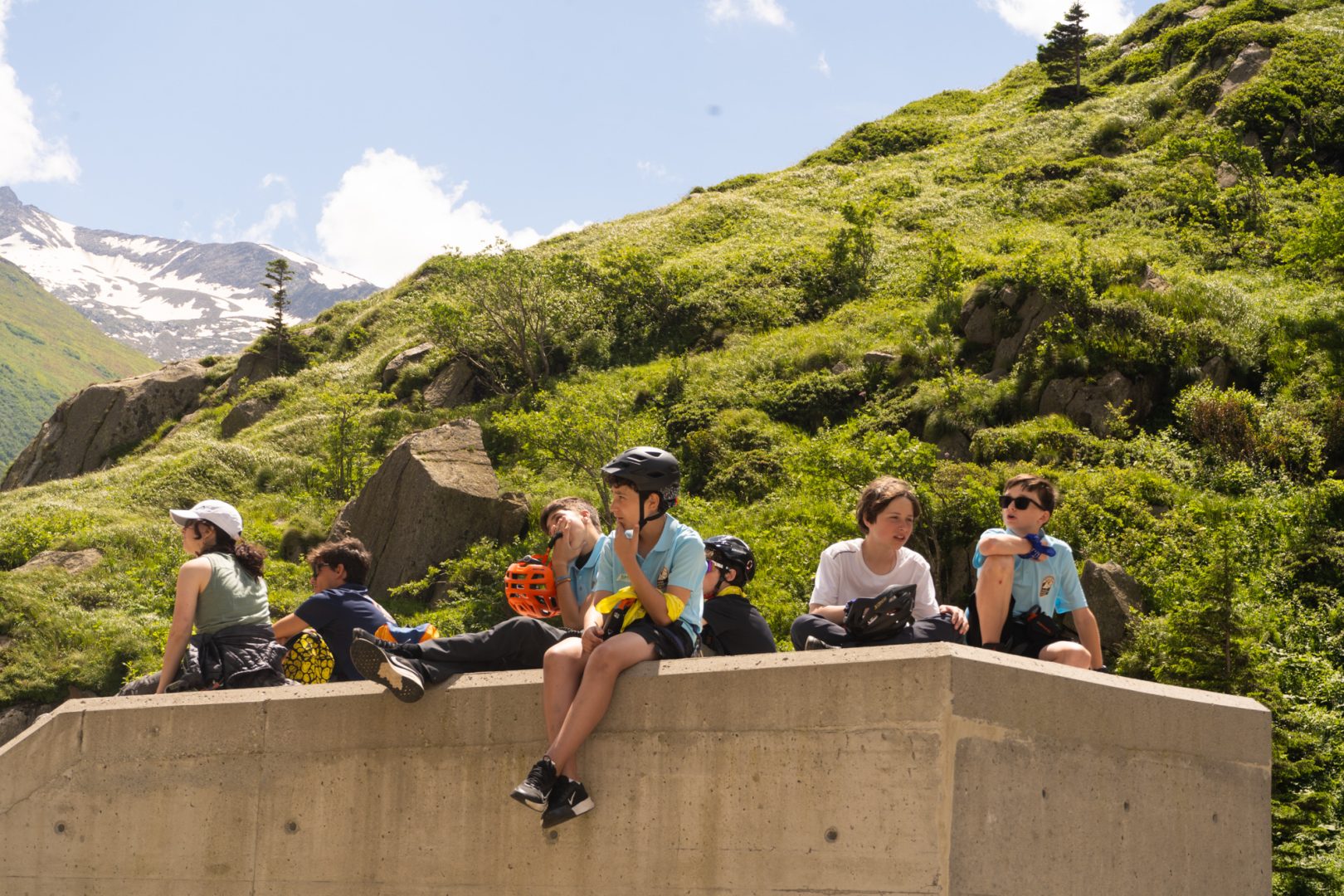
Family Hiking In Zermatt: Trails Kids Will Love
Family hiking in Zermatt: stroller-friendly Sunnegga/Leisee, Five Lakes & Riffelsee tips, lift shortcuts and Täsch shuttle advice.
Family Hiking in Zermatt
Family hiking in Zermatt mixes a car-free village, short lift rides and stroller-friendly lakeshore loops with iconic Matterhorn views. We help families choose outings from toddler-friendly Sunnegga/Leisee loops to longer Five Lakes and Riffelsee hikes for older kids. Plan arrivals via the Täsch shuttle. Use the Sunnegga, Gornergrat and Blauherd lifts to shorten approaches. Prioritize summer mornings and watch weather and altitude effects on children.
Key Takeaways
- Use lifts (Sunnegga, Gornergrat, Blauherd) to reach short, child-friendly routes such as the Leisee/Sunnegga loop, Riffelsee and parts of the Five Lakes Walk.
- Plan logistics: book Täsch parking or the shuttle during busy weeks, and check lift timetables plus station services before you go.
- Time hikes for mornings in the summer season (late May–mid‑October). Expect snow patches at high elevations and frequent afternoon thunderstorms in July–August.
- Watch altitude: limit time above about 2,500 m, keep toddlers generally below about 2,300 m, pace walks with regular rests, water and snacks, and descend immediately if symptoms appear.
- Pack essentials and safety gear: layers and waterproofs, sun protection, sturdy footwear, at least 1 L of water per person, snacks, a small first‑aid kit and the right child carrier or stroller for the trail type.
Practical Planning & Safety
When to go
For the best conditions, aim for late May–mid‑October. Mornings are cooler and drier; afternoons can bring thunderstorms in July–August. High trails may still have snow patches early and late in the season.
Transport & lifts
Arrive via Täsch if driving — park and take the frequent shuttle into Zermatt. Use the valley lifts (Sunnegga, Blauherd) and the cog Gornergrat railway to shorten approaches and turn long hikes into family-friendly outings. Check timetables and station facilities in advance.
Altitude and children
Altitude affects young children more quickly. Keep toddlers generally below about 2,300 m, limit total time over 2,500 m, and watch for signs of headache, nausea, dizziness or unusual tiredness. Pace walks, take frequent rests, offer water and snacks regularly, and descend if symptoms appear.
Packing & equipment
Bring layered clothing and a waterproof shell, sun protection (hat, sunscreen, sunglasses), sturdy footwear and at least 1 L of water per person. Carry a small first-aid kit, snacks, and the right child carrier or stroller: use a fully rugged child carrier on rough trails and a all‑terrain stroller for lakeshore loops like Leisee.
Suggested Family Outings
- Leisee / Sunnegga loop — short, largely stroller-friendly lakeshore loop with close-up Matterhorn views; ideal for toddlers.
- Riffelsee — accessible via train to the Gornergrat area and a relatively short walk; great reflections of the Matterhorn for older kids.
- Five Lakes Walk (part or all) — pick lower sections for younger children; full route suits older, experienced kids and families comfortable with longer days.
Final Tips
Start early, keep daily distances realistic, and remain flexible — switch to a lift ride or shorter loop if weather or energy levels change. With simple planning and the right gear, Zermatt offers memorable, family-friendly alpine experiences with spectacular Matterhorn scenery.
Quick Essentials & Getting There (what families must know first)
We keep this short and practical so families can plan with confidence. Zermatt sits at 1,608 m and the Matterhorn towers at 4,478 m — those elevations shape weather, trail choices and how kids feel on the trail. Car-free Zermatt makes streets safe and quiet for little explorers and stroller breaks.
Plan your arrival. Most visitors park in Täsch and take the shuttle train to Zermatt; the Täsch–Zermatt shuttle takes about 12 minutes. Taxis and luggage services run between Täsch and Zermatt if you need door-to-door help. We advise booking parking ahead during peak summer weeks.
Use lifts to shorten hikes and keep kids happy. Key lift options include:
- Gornergrat (3,089 m) via the Gornergrat Bahn cog railway — quick access to big views.
- Sunnegga (2,288 m) via the SunneggaExpress funicular — ideal for family trails and lake-side play.
- Additional seasonal lifts such as Blauherd and Klein Matterhorn open many shorter, child-friendly routes.
Mind the season and weather. The best window for family hiking is the summer hiking season, late May–mid-October, but snow can linger at high elevations into June and may return as early as mid‑September. Afternoon thunderstorms are common in July and August. We start hikes early, check forecasts, and keep plans flexible if storms are forecast.
Inevitably altitude matters. Kids may tire faster and experience runny noses or headaches. We set modest distance and elevation goals, let kids set pace and schedule regular snack and water stops. Many family-friendly hikes begin at lift stations so you avoid long climbs from the valley floor — use those options when you want a quick, scenic outing.
Quick checklist for families
Use the checklist below before you leave or as you plan each day:
- Confirm travel: reserve Täsch parking and shuttle seats if needed.
- Check lifts: openings and timetables for Gornergrat, Sunnegga, Blauherd and Klein Matterhorn; seasonal services change.
- Weather check: look at mountain forecasts and plan to be off exposed ridges by early afternoon.
- Clothing/gear: layers, sun protection, rain shells, and sturdy shoes; consider poles for older kids on steeper descents.
- Altitude prep: shorter first-day excursions and extra rest if anyone feels off.
- Logistics: know luggage transfer options or taxi windows between Täsch and Zermatt.
- Trail choices: pick hikes that start from lift stations to limit ascent for small legs.
We, at the young explorers club, recommend exploring our notes on routes kids will love for more trail ideas and family activities, and we always double-check lift status before departure.

Top Kid-Friendly Hikes (clear start points, times, ages — at-a-glance)
We recommend the Leisee / Sunnegga Loop as your first warm-up. We start at Sunnegga (“Sunnegga 2,288 m”), reachable by funicular. The loop is short — Leisee loop approx. 1.5 km · 20–45 minutes — and very easy. We find surfaces near the restaurants are stroller-friendly, so toddlers can nap in the pushchair while older siblings splash. There’s a playground at Sunnegga and places to swim or paddle at Leisee, plus classic Matterhorn views from the shore. We also note restrooms and a restaurant at Sunnegga, so you can plan a relaxed snack break.
We treat the Five Lakes Walk (5-Seenweg) as the big day out for school-aged kids. Start at Blauherd (approx. 2,571 m) accessed by cable car from Sunnegga/Fluhalp. The whole route is Five Lakes Walk approx. 9 km · 2.5–4 hours with stops; many families do sections in 1.5–2.5 hours. Difficulty is moderate with some rocky sections and short climbs and descents, so we recommend it for ages 5+ — younger children can manage short sections. Kids love the mirror-like lakes (Stellisee is a highlight), the mini adventures between lakes, and the chance to spot alpine wildlife. We advise carrying children or using carriers on steeper bits.
We treat Riffelsee & Riffelberg as a quick, high-impact option. Start at Riffelberg station (via the Gornergrat Bahn) or Riffelalp. The walk to the lake is short — Riffelsee 30–60 minutes depending on your start — and mostly flat. We recommend it from about age 4. The mirrored Matterhorn makes for unforgettable photos, and the Gornergrat Bahn ride adds excitement for train fans.
We suggest a short stop at Gorner Gorge for families based in town. The trail is near Zermatt village and takes approx. 1–2 km (about 20–45 minutes). We find the paved wooden walkways and bridges make it perfect for toddlers, and toilets are available nearby. The gorge delivers dramatic scenery without a long walk.
We include Zmutt Village Walk for a cultural, easy outing. We can start from Zermatt village and walk about 2–4 km in 45–90 minutes. The trail has minimal ascent and feels gentle for all ages. Kids enjoy the traditional hamlet vibe and simple, safe paths.
We often use Findeln and the Sunnegga meadows for half-day fun. From Sunnegga or Findeln you can choose short loops of 30–90 minutes. We pick routes that visit flower meadows and mountain restaurants with playgrounds. These short loops let little legs run and let parents relax with food and views.
Quick at-a-glance stats for planning
- Leisee / Sunnegga Loop — Start: Sunnegga (“Sunnegga 2,288 m”); Time/Distance: Leisee loop approx. 1.5 km · 20–45 minutes; Difficulty: very easy; Ages: toddlers–young children; Features: minimal elevation, stroller-friendly, restrooms and restaurant at Sunnegga.
- Five Lakes Walk (Blauherd ↔ Sunnegga) — Start: Blauherd (approx. 2,571 m); Time/Distance: Five Lakes Walk approx. 9 km · 2.5–4 hours (do sections 1.5–2.5 hours); Difficulty: moderate; Ages: 5+; Notes: variable elevation, some rocky/steep bits — carry children when needed.
- Riffelsee & Riffelberg — Start: Riffelberg station / Riffelalp; Time/Distance: Riffelsee 30–60 minutes; Difficulty: easy–moderate; Ages: 4+; Features: great for reflections and photos; reachable by Gornergrat Bahn.
- Gorner Gorge — Start: near Zermatt village; Time/Distance: approx. 1–2 km — 20–45 minutes; Difficulty: easy; Ages: toddlers+; Features: paved walkways and bridges; toilets nearby.
- Zmutt Village Walk — Start: Zermatt village; Time/Distance: approx. 2–4 km — 45–90 minutes; Difficulty: easy; Ages: all ages; Features: cultural hamlet experience.
- Findeln / Sunnegga meadow loops — Start: Sunnegga or Findeln; Time/Distance: 30–90 minutes; Difficulty: easy; Ages: family-friendly; Features: playgrounds and mountain restaurants.
Planning tip: We plan routes by matching distance and technical difficulty to the kids’ ages and moods. For more ideas on family hiking and day trips, see our guide to a family trip.
Family Itineraries by Age & Stamina (one-day plans parents can scan)
One-day plans by age
Toddlers (ages 0–4): we keep the day short and lift-based. Morning: take the Sunnegga funicular to Leisee — Sunnegga to Leisee 20–45 minutes (Leisee loop approx. 1.5 km). There’s a playground and easy picnic spots. Afternoon: a brief visit to Gorner Gorge in the village (20–30 minutes) if little legs still have energy. Total walking time: short and easy. We recommend the Sunnegga funicular for its quick access and frequent toilets and restaurants at the stations.
Young kids (ages 5–8): we mix cables and gentle hiking. Morning: ride Sunnegga to Blauherd by cable car and do 1–2 lakes on the easier sections of the Five Lakes Walk — plan for 1.5–2.5 hours with breaks even though the full Five Lakes Walk 2.5–4 hours (do sections in 1.5–2.5 hours). Afternoon: a short Riffelberg stroll to Riffelsee — Riffelsee 30–60 minutes. Total walking time: moderate (roughly 2–3 hours active), with lifts to shorten approach legs. We suggest combining Sunnegga→Blauherd and, if desired, a short Gornergrat Bahn segment.
Older kids (ages 9–12): we aim higher but keep options flexible. Morning: take the Gornergrat railway to the summit viewpoint — Gornergrat 3,089 m — then descend on foot toward Riffelberg and Riffelsee for a 3–4 hour outing including train time. Afternoon: reward them with playground time and ice cream in the village. Total walking time: higher (about 3–4 hours active); expect more elevation gain. We recommend the Gornergrat Bahn and advise close attention to short stays at altitude and monitoring kids for any symptoms.
For multi-day inspiration or different route ideas see our short guide to a family trip in Switzerland.
Common itinerary details
Use the quick facts below before you set off:
- Walking time and lifts: each plan above lists approximate walking time and the recommended lifts (funicular, cable car, cog railway).
- Facilities: toilets and restaurants are available at major lift stations and in the village; plan regular comfort stops.
- Bad-weather alternatives: indoor options include Zermatlantis, museum visits or long lunches in mountain restaurants.
- Safety notes: bring layers for sudden temperature changes; stay hydrated and snack often. We always tell parents to check lift timetables and local conditions before heading out.

Safety, Altitude & Weather: Clear rules to protect kids
We, at the young explorers club, set firm rules so families can enjoy Zermatt without unnecessary risk. Altitude affects children sooner than adults; plan with that front of mind.
Altitude guidance and limits
- Be aware of altitude sickness above 2,500 m. Limit time at high summits and favour short visits.
- Toddlers: keep below approx. 2,300 m where possible.
- School-age kids: up to approx. 3,000 m with close monitoring and conservative pacing.
- Use intermediate stops at 1,600–2,300 m to let bodies adjust before going higher.
High stations — practical notes
- Gornergrat 3,089 m — OK for short visits and older kids (8+). Monitor for symptoms and avoid heavy exertion right after arrival.
- Klein Matterhorn 3,883 m — plan only brief stays and watch children closely; altitude effects escalate above 3,500 m.
- Short, controlled visits to high stations work if you: limit time, sit and rest on arrival, and descend at the first sign of trouble.
How to pace a family hike
Ascend slowly and keep walks easy. Stop frequently for snacks, water, and play. Children distract easily; use that to keep them moving at a gentle pace. If anyone shows tiredness or slowed breathing, pause and reassess. We recommend spending a full day at an intermediate altitude before attempting higher points.
Symptoms to watch for and actions
Watch for: headache, nausea, dizziness, or marked tiredness.
- Descend immediately to the last comfortable altitude.
- Rest and give plain water; avoid alcohol and heavy food.
- If symptoms worsen or include vomiting, severe breathlessness, or altered behaviour, seek help from mountain rescue or descend to the valley without delay.
Weather timing and seasonal cautions
Prioritize mornings for hikes. Afternoon conditions change fast; afternoon thunderstorms July–August are common and bring lightning and sudden rain. Expect cold at altitude: snow possible at high elevations into June and it can return in early autumn. Pack warm layers and waterproofs even on a sunny morning.
Practical lift and logistics tips
Always check lift timetables before you commit to a plan. Timetables change with weather and season, and last runs can affect whether you can descend comfortably. We, at the young explorers club, also suggest familiarising yourself with the platform and station layouts before you arrive.
One-line station guidance
- Short visits to high stations are acceptable for older children if you keep them brief and calm: Gornergrat 3,089 m — OK for short visits and older kids (8+) — monitor for symptoms; avoid strenuous exertion immediately after arrival.
- For Klein Matterhorn 3,883 m, limit exposure and watch closely for early signs of altitude stress.
Quick Safety Checklist (printable)
Use this checklist before you set off:
- Check lift timetables the evening before and the morning of the hike.
- Check local mountain weather forecasts both the evening before and the morning of the hike.
- Pack extra layers and waterproofs for every child.
- Bring snacks and 1L+ water per person; up the water on hot days.
- Keep to marked trails and obey signage.
- Supervise kids at steep sections and around lakes.
- Know the signs of altitude sickness and descend if symptoms appear.
- Plan intermediate acclimatisation at 1,600–2,300 m before higher ascents.
- For longer stays, consult our family trip in Switzerland guide for route ideas and pacing recommendations.
Gear, Accessibility & Facilities
Essentials checklist (and why)
Below are the items I insist you pack for family hikes in Zermatt, with a short reason for each.
- Waterproof walking boots for kids — they give grip and keep feet dry on wet trails.
- Layered clothing (base + mid + waterproof shell) — weather changes fast on alpine slopes.
- Sunhat & SPF 50 sunscreen — the alpine sun is strong and reflects off rock and snow.
- Sunglasses — glare at altitude can fatigue young eyes quickly.
- Small first-aid kit — blisters and scrapes happen; treating them early keeps kids moving.
- Reusable water bottle — bring 1L+ water per person for half-day to stay hydrated.
- Snacks — frequent, calorie-dense snacks keep energy and moods steady.
- Map or offline map app — signal can be spotty, so have a local map or downloaded route.
Child carriers, strollers, accessibility, rentals and facilities
I recommend specific carriers for comfort and ventilation: Deuter Kid Comfort, Osprey Poco AG, Thule Sapling — these models balance support, airflow and storage for day hikes. For paved valley promenades or gentle lakeside paths, consider all-terrain strollers such as Thule Urban Glide 2, Baby Jogger City Mini GT, or Mountain Buggy Terrain. Note that Leisee is stroller-friendly, but many mountain trails are not suitable for standard strollers; choose a path and stroller accordingly.
I advise calling lift operators or checking lift timetables and official lift pages before you go, because lift and restaurant wheelchair access varies. Expect restrooms at lift stations and major restaurants on most routes, but carry tissues and hand sanitizer as some smaller stops are basic.
For food, head to mountain restaurants with playgrounds at Sunnegga and Findeln for kid-friendly breaks; plan to avoid crowds by arriving before peak lunch times 11:30–14:30 to secure tables.
Hiking boots and poles can be rented in Zermatt village from local rental shops; renting saves space in your bags and lets you test gear before buying. I also recommend packing a lightweight emergency blanket and a small dry bag for electronics — storms can come on fast and those items cost little weight but pay off if weather turns.
For practical on-trail decisions I follow two rules: keep daily distances conservative for children, and plan shorter loops with clear bailout options. If you want route ideas and inspirations for a family trip, check this family trip resource for Switzerland to match trails to ages and preferences: family trip.

Keeping Kids Engaged on the Trail (games, learning and quick activities)
We keep hikes lively by mixing short games, simple lessons and small goals. Kids lose interest fast if a walk feels endless. Break the day into bite-sized challenges. Offer clear tasks, quick rewards and plenty of praise.
Start with simple learning moments that double as fun. Point out a glacier’s snout or a ribbon of meltwater and give a two-sentence explanation of how glaciers shape valleys. Show an alpine plant close-up and name one quick identifying feature — leaf shape or flower color — then let kids touch from a safe distance. For marmots we explain their whistling signals, where they live and why you must watch them from afar; a well-timed marmot sighting becomes a highlight without disturbing wildlife.
I set up two five-minute activities that win back attention fast:
- Matterhorn reflection photo challenge — Hand a child a simple camera or phone and give them three angles to try: low by the water, close on the peak’s mirror image, and a wide shot including a foreground rock. Keep instructions simple and time-box to five minutes.
- Quick nature bingo — Make a one-row bingo of common finds (a yellow flower, a cloud shape, running water). Kids mark items as they see them. The game ends when someone gets a row.
We suggest a few quick, active games that require no gear. Small rock-balance contests by a lakeshore, a short scavenger hunt, and a two-minute storytime about mountain animals all reset energy and mood. Rotate activities every 10–20 minutes on flat stretches and at scenic stops.
Ready-to-print scavenger lists
Below are two concise lists you can print and hand to kids. They work as low-effort checkpoints that keep attention on the trail.
Toddlers:
- Find an alpine buttercup
- Spot three different shaped clouds
- Hear running water
- Find a wooden bridge
Older children:
- Spot a marmot (watch from distance)
- Find the Matterhorn reflection in Stellisee
- Count five different wildflowers
- Identify one stream and one lake
Bring small prizes for completed lists. Stickers, healthy treats or a special badge work well and keep motivation high. We also recommend scheduling regular snack and rest stops so kids have predictable breaks and look forward to them.
Practical tips that actually help on the ground
- Carry at least 1L+ water per person and add extra for hot or long days.
- Pack extra layers; mountain weather can shift quickly.
- Use a simple camera or phone for the photo challenge and set a short timer so kids don’t keep taking pictures for too long.
- Keep instructions for each activity to one or two sentences so impatient kids can start immediately.
We encourage checking external information before leaving. Always verify lift timetables and current trail conditions with Gornergrat Bahn, Zermatt Bergbahnen and Zermatt Tourism before departure. For more ideas on family play and kid-friendly route options, see family activities.
Sources
Zermatt Tourism — Hiking in Zermatt
Gornergrat Bahn — Gornergrat Railway: timetable and facts
Zermatt Bergbahnen / Matterhorn Glacier Paradise — Lift operations and mountain info
SwitzerlandMobility / MySwitzerland — Five Lakes Walk (5-Seenweg) – route description
MySwitzerland / Swiss Travel System — Hiking with children in Switzerland
Lonely Planet — Zermatt travel guide / family travel tips
AllTrails — Zermatt family trails and user route reports
Rick Steves Europe — Zermatt travel advice
Zermatt Village — Boot and pole rental in Zermatt (equipment rental)
MeteoSwiss — Weather and mountain forecasts
Zermatt Tourism — Täsch to Zermatt shuttle / Parking in Täsch