

Camps and Social-Emotional Learning
Camps reach millions through thousands of programs. They create immersive, high-contact peer settings. Multi-day sessions, cabin living, and rotating activity groups let children rehearse social behaviors across meals, activities, and downtime. Trained counselors scaffold low-stakes practice, mix structured lessons with free play, and rotate leadership roles. Those elements produce measurable gains in communication, teamwork, conflict resolution, empathy, and resilience. We’ll track those gains with simple pre/post surveys and observational rubrics.
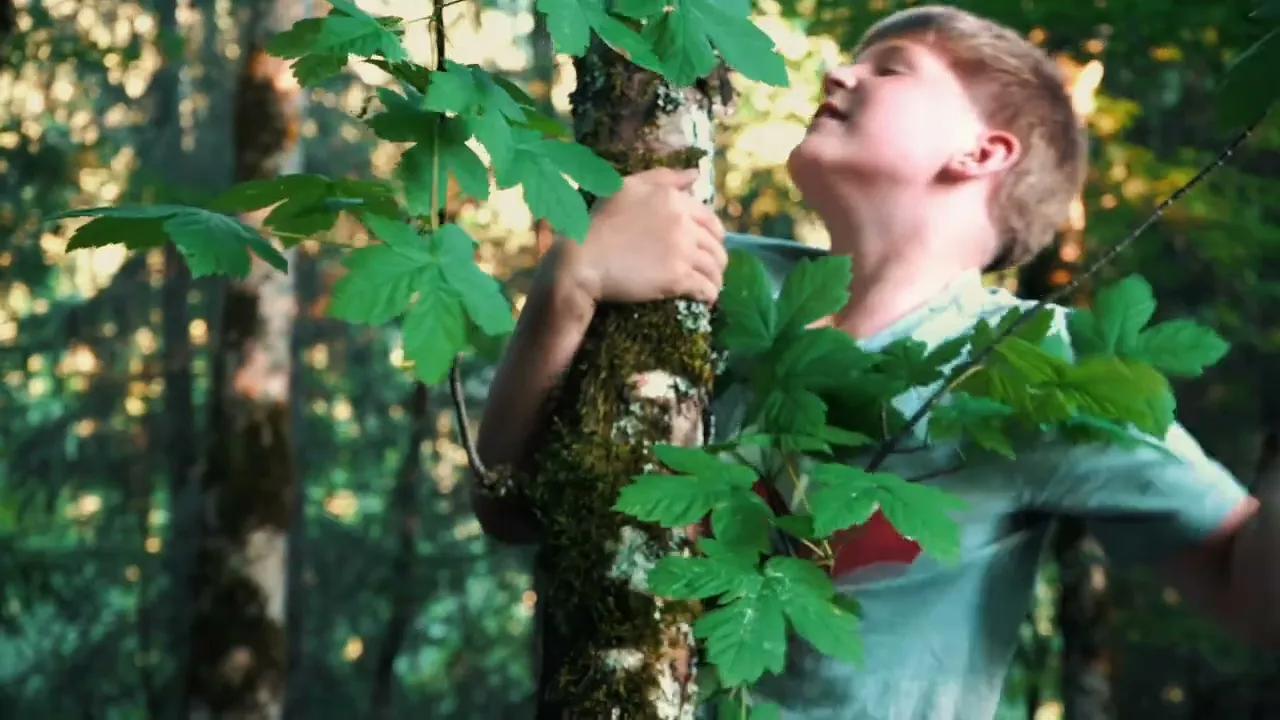 Watch on YouTube
Camps at scale and why they matter
We, at the Young Explorers Club, watch scale change outcomes. Camps serve 14.3 million children, teens and adults in the U.S. each year (American Camp Association). About 26,000 camp programs operate nationwide (American Camp Association). Those figures show camps reach a sizeable slice of young people outside formal schooling. That reach matters because roughly 1 in 6 children (≈17%) of school-age kids experience a mental, emotional, or behavioral disorder in a given year (public-health estimates). Camps offer natural social contexts where peers practice skills over days or weeks, not minutes.
Camps act as extended social labs that complement classroom social-emotional learning (SEL). Classrooms teach concepts. Camps let kids try them in real time: conflict resolution around a cabin, leadership during a ropes course, empathy during a group challenge. I use the phrase social skills deliberately; repetition helps program teams focus curriculum and staff training on measurable behaviors.
How scale amplifies practical social practice
Camps scale SEL by creating repeatable, peer-driven opportunities. Below are the main mechanisms I highlight for outreach and program framing:
- High contact hours: multi-day sessions let campers practice interactions across moods and contexts.
- Diverse peer networks: larger program networks expose kids to varied backgrounds and social styles.
- Low-stakes rehearsal: daily activities create frequent, low-pressure chances to try new behaviors.
- Role variety: rotating roles (leader, facilitator, supporter) accelerate skill transfer.
- Staff scaffolding: trained counselors cue and coach social moments into teachable events.
I point these out when I explain how camps extend school learning into lived practice, and when I outline metrics for impact reporting.
Practical implications for outreach and program design
I recommend highlighting scale and need in communications. Use the ACA numbers—14.3 million and 26,000 camps—to demonstrate reach and credibility. Tie messaging to the mental-health stat (1 in 6 children ≈17%) to show demand for informal social learning spaces. Emphasize measurable social outcomes: cooperation, turn-taking, perspective-taking, conflict management. Train staff to convert everyday moments into SEL teachables. Track simple indicators like:
- peer nominations
- conflict resolution attempts
- role rotations
rather than complex instruments.
We also weave program pathways that lead from summer experiences into year-round supports. Offer parents short debriefs and resources so learning continues at home. When we promote programs, we link practical benefits—how camps build healthy social skills—that parents can understand and act on: build healthy social skills. For teen programs, emphasize pathways to responsibility and influence and encourage leadership through targeted modules: encourage leadership.
How camps naturally create intensive social-learning opportunities
We design schedules around peer group immersion so campers live and learn together for long stretches. Days run 6–10 hours/day, which stacks repeated, varied social moments—meals, activities, transitions and downtime—into a single cycle of practice. Each session commonly spans 1–8 weeks, and many camps add shorter 1–2-week options to give repeated low-stakes practice across days and weeks.
Each counselor uses adult scaffolding to coach, model and step in when conflicts need framing. Staff rotate through small groups to keep interactions safe but challenging. Typical staffing falls in the 1:6–1:12 staff-to-camper ratio, which lets us intervene gently, give targeted feedback and run cooperative tasks without crowding the group. Counselors point out what worked, redirect language, and scaffold next steps so skills stick.
We balance structured lessons with free play because both are essential. Structured activities teach turn-taking, shared goals and role clarity. Unstructured time gives peer negotiation, rule-setting and natural leadership chances. That mix creates a learning loop: coached practice in structured sessions, then immediate transfer during spontaneous play.
Interaction math: how opportunities multiply
Consider this concrete example to see scale and density.
- Typical day setup: an 8-hour day with a cabin of 8–12 campers plus rotating activity groups produces many encounters.
- Cabin interactions: each camper has daily, repeated exchanges with 7–11 cabinmates across meals, hygiene routines and bunk talks.
- Activity rotations: two or three different activity groups per day introduce fresh peers and cooperative tasks, adding dozens of short collaborations and problem-solving moments.
- Weekly total: multiplied over a 5–7 day week and across 1–8 weeks, a camper moves through dozens to hundreds of meaningful interactions that build fluency and confidence.
I link these interaction patterns directly to outcomes when we help kids build healthy social skills; counselors use the density of experience to speed learning and make risks low-cost.

Social skills camps foster (with measurable examples)
Core skills and metrics
Below I outline the primary social skills we develop at camp and the clear, trackable measures we use to prove progress.
-
Communication: Structured conversation drills teach campers to ask clarifying questions, give and follow directions, and use respectful language. Metric example: number of structured conversation activities per week and percentage of campers demonstrating clear turn-taking during observations.
-
Teamwork & cooperation: Ropes courses and team games force planning, role negotiation, and mutual support. Metric example: team completion rate on challenge courses and observed cooperative behaviors per session.
-
Conflict resolution & emotional regulation: Cabin life produces interpersonal friction that becomes learning material. Metric example: number of mediated cabin conflicts tracked and resolved, plus counselor-rated improvements in emotional regulation.
-
Leadership & initiative: We rotate roles like team captain and activity leader so kids practice leading and delegating. Metric example: average number of leadership roles per camper per session and frequency of peer-nominated leaders.
-
Empathy & perspective-taking: Mixed-ability activities encourage noticing others’ needs and adjusting behavior. Metric example: percentage of campers reporting increased empathy on post-camp surveys.
-
Resilience & independence: Overnight routines accelerate self-reliance through real responsibilities. Metric example: parent-reported improvements in independence and night-by-night reductions in assistance requests.
How we track change and report impact
I use pre/post surveys and simple observational rubrics to make results clear. We ask parents and counselors to complete short, consistent rating forms so progress is comparable across sessions. Common items include “% of parents reporting improved peer relationships” and “% campers saying they made a new friend” on the post-camp survey.
We combine quantitative counts (like mediation cases resolved) with qualitative notes from counselors. That mix helps me spot trends fast and adjust programming the next week. For practitioners who want a quick primer on practical outcomes, I suggest reading about how camps help build social skills and then adapting the short survey items we use.
Evidence and how to measure camp outcomes
We, at the Young Explorers Club, treat evidence as a practical tool, not an academic exercise. Large organizational reports and peer-reviewed studies consistently link camp participation to gains in social competence, friendship formation, leadership, confidence and resilience. The American Camp Association (ACA) and camp-research briefs commonly report high proportions of campers or parents noting positive changes—often 70%–90%—in areas such as teamwork and self-confidence (ACA and camp-research briefs). Those headline ranges reflect multiple studies and program evaluations; they vary because populations, ages, camp types and measurement methods differ.
I use a three-part measurement strategy: simple quantitative tracking, focused qualitative collection and use of validated constructs. Each part tells a different story and makes claims more credible.
Recommended measurement approaches
Read these as pragmatic options you can mix and match.
- Simple quantitative methods: use pre/post measures with parent-reported outcomes and camper self-reports, counselor ratings, counts of leadership roles taken, and tracking the number of resolved conflicts. Pre/post measures are efficient and let you show change over time.
- Qualitative methods: run camper focus groups, collect counselor narratives and gather family testimonials. These add context for shifts in friendship, social competence and confidence that numbers alone miss.
- Validated constructs and scales: include items for social competence, emotional regulation and peer acceptance. Use validated SEL scales and items aligned to CASEL competencies whenever possible to improve comparability and interpretability.
When you report results, follow clear reporting best practices so others can judge the quality of your claims. Always state sample size (n), timing (for example: immediately after camp; 3 months later), and who reports (camper, parent, counselor). Include the exact survey wording in appendices or methods notes. When you present percentages add the format “(n= )” and give context for confidence—say whether estimates are point-in-time or sustained. For example: cite parent-reported outcomes as “78% (n=312) reported increased confidence immediately after camp” rather than just “78% increased confidence.”
Be careful with ranges like 70%–90%. Explain why the range exists: different age groups, residential versus day camps, instrument sensitivity and whether outcomes were parent-reported or counselor-rated all change estimates. Attribute the figures to their source: state that the 70%–90% range comes from the American Camp Association and related camp-research briefs (ACA and camp-research briefs). That keeps claims honest and traceable.
I recommend combining short validated scales with a two-item social snapshot you can repeat quickly. For example, pair a brief CASEL-aligned set with a one-question global rating of friendship and one on leadership behavior that counselors can tick daily. That hybrid reduces respondent burden while giving you both standardized data and program-specific indicators of leadership and confidence.
We also track follow-up windows. Immediate post-camp gains are useful, but a second check at around three months shows whether increases in social competence, friendship maintenance and leadership persist. When designing follow-ups, balance feasibility with signal: a 3-month follow-up tends to capture sustained change without excessive attrition.
Use visual dashboards that show both counts and narratives. Dashboards should display pre/post means, the percent improving, and selected qualitative quotes that illustrate changes in confidence or new friendships. When you quote percentages on a dashboard, append “(n= )” and note the reporter type so funders and families see what the number means.
Finally, document limitations. Note sample bias, response rates and any changes to survey wording. Transparent reporting strengthens credibility and makes your camp outcomes easier to compare across programs. For guidance on practical program-level benefits and how camps help children form stronger friendships, see our resource on how camps build healthy social skills: build healthy social skills.
Camp designs, activities, and actionable choices for parents and directors
We, at the young explorers club, design environments that build social skills by default. Small-group living creates daily accountability and reciprocity; cabins 6–12 campers help kids learn to take responsibility for shared space and moods. I pair that model with a recommended staff-to-camper ratio of 1:6–1:12 so each child gets consistent adult attention without losing peer-led problem solving.
I structure activity mixes to force real social practice. Ropes courses and cooperative games present low-stakes risk and require explicit communication. Arts & performance give campers safe chances to practice voice, role-taking, and public feedback. Sports and cooperative games teach rule-following and shared-goal negotiation. Service projects create perspective-taking by shifting focus off the self. Mixed-age mentoring accelerates empathy and leadership as older kids guide younger ones.
Camp rhythm matters. Intentional reflection—brief debriefs after a challenge or a nightly reflection circle—turns experience into learning. I make those SEL moments short, frequent, and consistent so campers expect reflection as part of play. I also balance structured sessions with free time; unstructured social moments let friendships form organically.
Use the checklist below to inspect programs or to reframe your director planning. The lists include the most actionable, measurable items to ask about or report.
Actionable checklists and measurable indicators
Checklist for parents — ask camps:
- What is your average cabin size? (look for cabins 6–12)
- What is your staff-to-camper ratio? (aim for 1:6–1:12)
- How long are sessions? (confirm 1–2-week sessions and options up to 1–8 weeks)
- Do you schedule intentional reflection/debrief times?
- What counselor training do you provide in conflict mediation and SEL?
Practical steps for directors — implement and track:
- Schedule short reflection circles after rope or team challenges and after arts & performance events.
- Train counselors in mediation and feedback techniques; run role-play and micro-coaching.
- Build regular cooperative challenge blocks—ropes courses, problem-solving stations, and cooperative games—with clear learning goals.
- Create mixed-age mentoring pairings and log leadership opportunities.
Measurable indicators to request or report:
- Average cabin size and distribution (target: cabins 6–12).
- Frequency of cooperative problem-solving sessions per week.
- Ratio of structured vs. unstructured time.
- Incidence of peer mentoring pairings and hours logged.
- Pre/post brief SEL surveys to measure shifts in perspective-taking and confidence.
We encourage parents and directors to use these metrics to compare programs and to keep social-skill outcomes visible. For deeper examples and program language, see our piece on healthy social skills.
Human stories, common objections, and ethical presentation of data
I pair clear numbers with short human anecdotes so readers see both scale and impact. A typical pairing starts with a parent-reported stat, then a one-line vignette and a counselor-observed quote that gives texture.
A shy 10-year-old who rarely spoke up at school led a camp skit by week two after practicing in drama workshops. This change matched a parent-reported increase in confidence—70% of parents report increases in confidence (camp evaluation). A counselor-observed note read, “She surprised herself and the cabin with a calm, clear voice onstage,” which made the anecdote measurable and relatable.
A camper who struggled with peer conflict learned mediated negotiation during nightly cabin meetings and later brought those tools home. Parents reported improved peer relationships in program follow-ups, and the counselor-observed progress showed fewer escalations and more collaborative problem solving. That story underscores how repeated, practical social opportunities translate into everyday behavior.
Common objections and rebuttals
Objection: Camps are just fun — they don’t teach real skills.
Rebuttal: I point to program evaluations and peer-reviewed studies that document durable gains in social competence and leadership. Those reports show measurable gains that last beyond the summer and cite both parent-reported and counselor-observed outcomes.
Objection: Kids can learn social skills at school.
Rebuttal: Schools teach SEL, but camps deliver immersive practice in concentrated peer contexts. Camp days often run 6–10 hours/day and programs span 1–8 weeks, which creates repeated opportunities for practice, reflection, and role-shifting that typical school periods rarely provide.
Objection: Only extroverts benefit.
Rebuttal: Camps scaffold exposure so introverted children can try small steps in safe settings. Qualitative reports and measurement outcomes show inclusive benefits across personality types, with introverts often gaining confidence through low-pressure roles and one-on-one mentoring.
I use the phrase immersive practice deliberately; you can read more about how this approach builds social habits in our summary on immersive practice.
Template for pairing anecdote, quote, and data
- Stat line (brief, parent-reported or study figure).
- One-sentence vignette that names age and the social challenge.
- Short counselor quote that captures observable change (counselor-observed).
- Source attribution (report or survey name and year when available).
Ethical notes on storytelling and data presentation: I always obtain consent for anecdotes and protect identities by removing names and specific locations for minors. I avoid sensationalizing. When I report percentages I include the original source and sample size (n) if the source provides them. I tag items as anecdote, quote, parent-reported, or counselor-observed so readers can judge weight.


