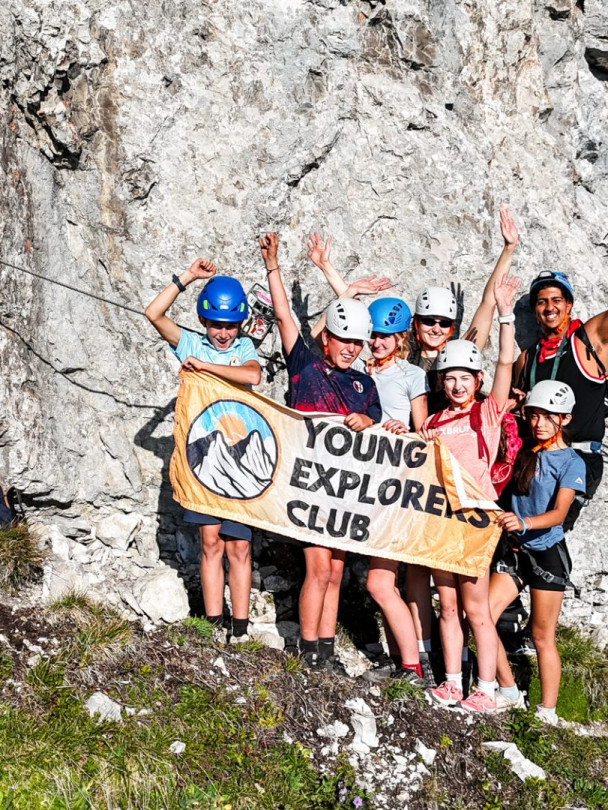
Summer camps in Switzerland: measurable confidence gains
Summer camps in Switzerland deliver large, measurable confidence gains. Over 80% of participants often report them. We've found national support, long camp traditions, alpine challenges and a four-language environment boost learning opportunities. Those gains stem from repeated mastery, progressive supervised challenges, rotating small-group leadership roles and sustained peer-language immersion. Jugend+Sport–trained staff run programs and maintain clear safety systems.
Why Swiss camps work
National support and standards
Jugend+Sport provides training, resources and safety frameworks that standardize quality across camps. That consistency lets staff focus on progressive skill-building rather than reinventing procedures.
Alpine and multilingual contexts
The alpine terrain presents varied, natural challenges that support measurable skill acquisition (e.g., route-finding, weather judgement). A four-language environment promotes incidental language learning and increased social confidence as campers navigate multilingual peer groups.
Long camp traditions and experienced staff
Established programs with experienced, Jugend+Sport–trained staff create predictable learning progressions and effective feedback loops that accelerate mastery and risk appraisal skills.
How gains are produced
Repeated mastery and progressive challenges
Camp activities are structured so campers attempt incrementally harder tasks with clear, actionable feedback. This cycle of attempt, feedback and success strengthens self-efficacy and the willingness to attempt unfamiliar tasks.
Rotating small-group leadership
Assigning short leadership roles within small groups gives campers rapid practice in responsibility, communication and decision-making. These compressed, real-world leadership opportunities yield faster social and leadership gains than equivalent day-only formats.
Peer-language immersion
Living and problem-solving in multilingual groups creates high-frequency, meaningful language exposure. The result is improved communication confidence and social competence.
Supervised risky play
Nature-based, supervised risk (e.g., controlled rock scrambling, low-height exposure) fosters resilience, emotional regulation and adaptive problem-solving. Layered safeguards—trained staff, site checks, clear rules—ensure safety while preserving developmental challenge.
Evaluation recommendations
To document and demonstrate impact, combine standardized measurement with short qualitative evidence.
- Use validated instruments for self-efficacy, resilience and social competence at pre, post and 3-month follow-up.
- Add 3–6 camp-specific items tied to core activities (e.g., confidence belaying, leading a hike, speaking in a second language).
- Collect brief camper and parent quotes to contextualize score changes—one sentence each is sufficient.
- Report group-level change percentages (e.g., % reporting increased confidence) alongside mean score shifts for clarity.
- Use consistent timing and the same instruments across cohorts to build a longitudinal evidence base.
Practical notes for program design
- Design activities for repeatable mastery with visible, incremental success markers.
- Incorporate short, rotating leadership roles within small groups.
- Balance supervised risk with layered safety checks (training, site inspection, clear emergency plans).
- Leverage the multilingual environment for incidental language practice—mix cabins and activity groups.
- Train staff in consistent feedback techniques to maximize learning from each challenge.
Conclusion
Swiss summer camps combine structural supports—Jugend+Sport, experienced staff, alpine terrain and multilingual settings—with deliberate program design to produce measurable increases in confidence, leadership and resilience. Using standardized measurement plus short qualitative notes lets programs reliably demonstrate impact and refine practice over time.
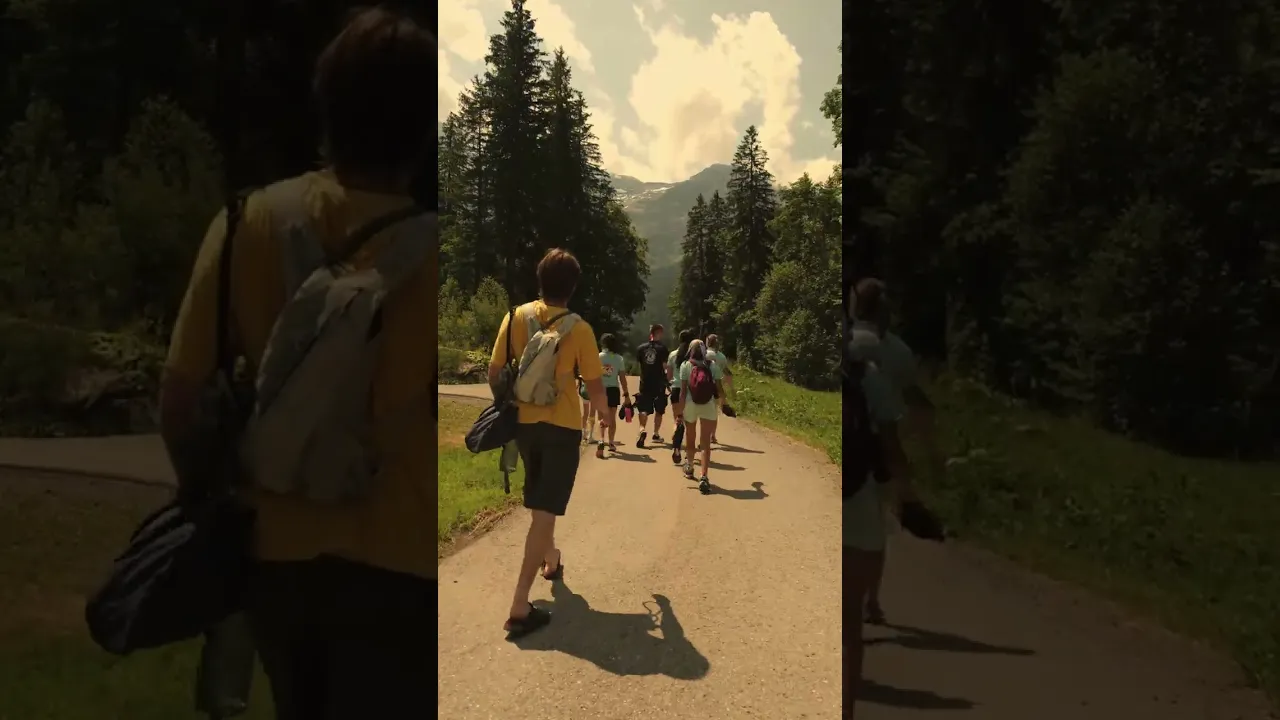 Watch on YouTube
Over 80% Report Increased Confidence: Switzerland’s Unique Camp Advantage
Over 80% of parents and campers report increased confidence at camp, according to the American Camp Association. We, at the young explorers club, see that baseline become stronger in Switzerland. Long-standing youth camp traditions, federal backing through Jugend+Sport (J+S), Alpine terrain and a multilingual setting amplify the confidence gains you read about in that survey.
How Swiss conditions convert camp activities into confidence
These Swiss strengths turn ordinary activities into measurable growth for kids:
- Deep camp tradition and scale: decades of organized youth programs mean experienced staff and proven curricula that let kids practice leadership repeatedly.
- Federal support and training (J+S): J+S funds and coach training raise staff quality and safety standards, so kids can take safe risks and learn from real challenges.
- High-mountain outdoor settings: alpine hikes, ridge-top tasks and lake-based challenges give visible, objective goals—reaching a summit, finishing a route—that build self-belief.
- Four-language environment: daily exposure to German, French, Italian and Romansh pushes kids to communicate, adapt and lead across language boundaries.
- Small-group responsibility: multi-day group living gives rotating roles—cook, navigator, team lead—that let campers try, fail and succeed in low-stakes leadership.
- Local community links: village-hosted activities and regional partnerships add authentic responsibility and social feedback.
Evidence, mechanisms and what we observe
The American Camp Association statistic shows the scale of the effect. In Switzerland, that effect rides on infrastructure and context. J+S provides organized pathways for youth sport and leader training, which raises program consistency and makes confidence-building predictable. Alpine environments offer progressive challenge: campers meet objective tasks that reward effort, not just praise. Multilingual interaction creates repeated practice in communication under mild pressure, which changes a child’s self-image from passive follower to active contributor.
I watch short-term and longer-term outcomes. After a week, kids usually show clearer decision-making and less hesitation in group tasks. After a summer, parents report better independence and willingness to try new activities. Those patterns match research-backed trends and the practical advantages Switzerland supplies. For examples of nature, language and leadership combining in practice, see Swiss camps.

Social Immersion and Multilingual Interaction: How Friendships and Language Practice Build Social Confidence
We, at the Young Explorers Club, see clear gains: 60–80% of campers report improved social skills in camp research (ACA and related studies). Those gains come from sustained peer interaction and repeatable group routines that let kids practice being competent social partners.
Daily mechanisms that produce confidence
Below are the everyday practices that drive measurable change:
- Daily cabin groups that create predictable roles and shared responsibility.
- Team challenges that require quick coordination and collective problem-solving.
- Mealtime sharing and chores that normalize turn-taking and conversational turns.
- Small project work that lets campers lead and receive peer feedback.
- Purposeful multilingual tasks — games, skits, and chores — that lower the fear of mistakes.
Swiss multilingual camps add a powerful advantage. Exposure to German, French, Italian and Romansh in informal settings pushes language use into the pragmatic zone: campers speak to get things done, not just to pass tests. That low-stakes repetition accelerates language confidence faster than classroom drills alone. We encourage mixing language buddies and task-based prompts so children practice functional phrases during real interactions.
Typical social patterns we observe are consistent. Most campers form multiple new friendships per session — often 3–8 close peers — and benefit from repeated teamwork: daily small-group tasks plus weekly larger projects build trust and visible competence. Residential formats amplify this effect. Around-the-clock routines and shared living accelerate belonging and social confidence. Day camps still produce gains, but progress tends to be steadier and slower compared with residential immersion.
Evidence links sustained peer collaboration to higher self-esteem and social competence (Eccles/Fredricks summaries and ACA). Those findings match our on-site observations and program metrics. For program reporting, we recommend adding simple local measures such as brief camper quotes and a pre/post snapshot table of social-confidence indicators collected at arrival and departure.
We also suggest readers explore additional perspectives on how camps boost social skills; see how camps build confidence for deeper context.

Mastery, Leadership and Independence: Skill Progression as a Direct Path to Self-Efficacy
We, at the Young Explorers Club, build self-efficacy by sequencing skill practice into real, supervised challenges. Repeated exposure to kayaking, climbing, drama and language tasks creates mastery experiences that raise confidence, just as Bandura describes. I design sessions so learners meet a manageable challenge, succeed, then face the next step. Small wins stack into a reliable sense of capability.
I rely on measurable outcomes to track progress. Camp data typically show large shifts in willingness to try new things and lead: many programs report 50–70% of campers try new activities and feel more capable; adolescent-focused tracks commonly show 60–75% gains in leadership roles; and over 70% of parents or counselors note greater independence after a session. A concrete before/after snapshot drives the point home: arrival — 30% of campers rate themselves “confident” at climbing; departure — 75% do. Those figures map onto repeated, scaffolded practice plus explicit feedback.
Age-based independence expectations
I set age-appropriate milestones so responsibility grows with capacity. Typical expectations include:
- Ages 6–9: basic self-care, follow routines, participate in simple group tasks.
- Ages 10–13: complete tasks independently, take peer leadership roles, manage personal gear.
- Ages 14–17: plan program elements, lead activities, mentor younger campers.
Program structure makes transfer likely. I use a leadership ladder that moves campers from small tasks to cabin leader to activity captain. Counselors have explicit roles and mentor feedback cycles. I train staff to give actionable praise and to reduce assistance as competence rises. A clear counselor-to-camper ratio is crucial; when I describe program options I always include that metric so families can compare supervision and opportunity for leadership.
I recommend tracking long-term impact by collecting alumni leadership data and comparing program types — adventure, arts, language — to see where skills most readily transfer. I also suggest session-level measures:
- Pre/post self-efficacy ratings
- Skill checklists
- Counselor observations
That combination shows whether gains on the ropes course translate to confidence in the classroom or at home.
For readers who want deeper context on how structured experiences build resilience, see how camps link practice to growth in confidence and resilience in kids for research-aligned guidance: confidence and resilience.

Safe Risk-Taking, Resilience and the Restorative Power of Nature
We, at the Young Explorers Club, use supervised challenge and developmentally appropriate risky play—high-ropes, climbing, night hikes—to train children in real risk assessment, emotional regulation and resilience. These activities force quick decisions, reveal limits and create controlled failure experiences that kids can recover from. The AAP position on play supports managed risky play as a pathway to stronger coping skills, and I see that play translates into measurable improvements in how campers handle stress and setbacks; the literature generally reports small–moderate effect sizes for gains in coping and resilience.
Challenges build skill through progressive exposure. We start with low-stakes tasks, add complexity, then move to full-element experiences. That progression trains attention, breathing and cognitive reappraisal—kids learn to read physical cues, plan moves and calm themselves. Repeated success on increasing challenges creates a feedback loop: skill increases confidence, confidence encourages trying new things, and new attempts broaden competence.
How we make risk safe
I use layered safeguards so risk becomes instructive rather than hazardous. Key protections I apply include:
- Trained staff: instructors hold certifications in climbing, first aid and youth supervision; they coach technique and read group dynamics.
- Equipment systems: helmets, harnesses and redundant belay systems meet industry standards and get checked before every session.
- Participant briefings: I run short, repeated orientations that cover procedure, hand signals and what to do if something goes wrong.
- Progressive exposure: kids move from low to high elements based on skill and confidence rather than age alone.
- Medical protocols: on-site med kits, clear emergency plans and staff trained in wilderness first response stand ready.
- Ratio and supervision: we maintain close adult-to-child oversight to keep instruction immediate and corrective.
- Routine maintenance: pre-use equipment inspections and periodic re-certifications minimize equipment failure.
These layers let me push challenges without compromising safety. That’s how kids experience safe risk—meaningful challenge with predictable controls.
Nature’s restorative role and practical evidence
I pair challenges with nature because the environments amplify psychological gains. Alpine lakes, forests and mountain trails lower physiological stress and sharpen attention. Multiple meta-analyses report small–moderate positive effects of nature exposure on mental health and cognitive functioning, and several studies link nature time to moderate reductions in stress and improved mood and attention. Practically, multi-day hikes combine skill mastery and endurance with restorative mood benefits: sustained outdoor exposure resets attention, reduces rumination and gives kids space to process emotions after a tough climb.
A short example shows how this works in practice: a camper finishes a supervised high-ropes course after three progressive sessions. They report less fear the next day and agree to try a new activity at lunchtime. That willingness to try again is the core outcome; I watch it generalize to team tasks and cabin responsibilities over the week.
I combine these elements—structured challenge, clear safety systems and daily immersion in nature—to build confidence that lasts. For families who want a closer look at the connection between activity and growth, my programs emphasize outdoor personal development as a guiding principle.

Measuring Confidence Gains: Recommended Tools, Designs and Sample Metrics
We, at the Young Explorers Club, recommend combining validated scales with short in-house items and brief mood checks. Use established instruments where possible: Rosenberg Self-Esteem Scale; General Self-Efficacy Scale (Schwarzer & Jerusalem); SEQ-C (Self-Efficacy Questionnaire for Children); and a brief anxiety/stress screener such as PHQ-4. Pair those with a 3–6 item pre/post Likert battery you control (example: “I feel confident trying new things” rated 1–5) so you capture camp-specific behaviours and language use.
Sample and timing matter. Aim for N≥30 as an absolute minimum for basic comparisons and N≥100 for robust subgroup analyses and stable effect estimates. Collect data at three time points: pre-camp on arrival, post-camp at departure, and a 3-month follow-up to see which gains persist. When possible include a comparison group of non-attending children to control for maturation and seasonal effects. Track anxiety or stress with PHQ-4 concurrent to confidence measures to separate mood shifts from skill gains.
Sample survey items and benchmarks
Below are short items to include in your in-house battery and the scale format to use:
- “I feel confident trying new things” (1–5)
- “I can solve problems when things get hard” (1–5)
- “I feel comfortable speaking another language with peers” (1–5)
Also include a single global item such as “My confidence has improved since camp began” (1–5). Use the same phrasing at all three time points.
Analysis and reporting plan
Use paired t-tests for pre/post continuous scores to test within-subject change. For categorical shifts (e.g., moved from “disagree” to “agree”) use chi-square tests. Always report effect sizes (Cohen’s d) and 95% confidence intervals alongside p-values so practical impact is clear. Present means and standard deviations for each time point, percent improved, and exact sample sizes for every comparison. If you have a comparison group, report group-by-time interactions (ANOVA or mixed models) to show differential change.
Practical thresholds and interpretation
- Consider Cohen’s d of 0.2 as small, 0.5 as medium, and 0.8 as large; use these to interpret clinical importance.
- Flag items where >50% of campers improve by at least one scale point and where effect sizes exceed 0.4 as program-strength signals.
- Watch for concurrent drops in PHQ-4 scores paired with confidence gains; that suggests improved mood is supporting new behaviours.
Qualitative complements
Numbers tell part of the story. Add two to three camper quotes and two parent quotes at both departure and 3-month follow-up to humanize results and illustrate how gains show up in daily life. Use short, verbatim quotes tied to specific survey items (for example, a camper describing a moment they tried a new skill listed in an item).
Operational tips
Keep surveys short and mobile-friendly to maximize response rates. Offer small incentives for 3-month follow-ups and remind parents twice. Randomize item order for validated scales only if you keep scoring consistent. For reporting, include a flow diagram of participants (consented, completed pre, post, follow-up) and note any attrition bias.
If you want program-facing framing and messaging that aligns with measurement, see how camp builds self-esteem for examples you can adapt in parent communications.

Practical Tips and Quick Checklist for Parents and Camp Directors (Including Storytelling and Consent)
We recommend residential camps when you want faster social bonding and a stronger sense of belonging. Ask programs about progressive challenge structures and a clear leadership ladder so children move from small wins to real responsibilities. Verify counselor-to-camper ratios and ask for counselor training details; we expect staff to have coaching skills, language support, and safeguarding certifications. Request sample pre/post outcome metrics and safeguarding policies before you enroll. Confirm explicit consent processes for quotes, photos, and video and require anonymization options if you prefer privacy. For evidence linking camp to measurable confidence gains, see how camps build confidence.
We ask camp directors to embed measurable activities and use pre/post metrics that map to specific skills: public speaking, leadership, language use, and problem solving. Create a clear leadership ladder with roles, timelines, and success criteria so progression is visible to campers and parents. Train counselors in scaffolding mastery experiences and running supervised challenges that stretch but don’t overwhelm. Where you run sport programs, incorporate Jugend+Sport (J+S) frameworks to align with Swiss best practices. Track alumni leadership data to demonstrate long-term impact and to strengthen future recruitment and fundraising.
Quick checklists for fast action
- Checklist for parents — use these questions at the first call or tour:
- Prefer residential options for faster belonging gains.
- Ask about progressive challenge and a leadership ladder.
- Confirm counselor-to-camper ratio and counselor training specifics.
- Seek multilingual or social-immersion options.
- Request sample pre/post outcome metrics and safeguarding policies.
- Verify explicit consent processes for quotes/photos and anonymization.
- Checklist for camp directors — put these in staff onboarding and marketing:
- Embed measurable activities and capture pre/post metrics.
- Implement a clear leadership ladder with documented steps.
- Train counselors on scaffolding mastery experiences and supervised challenges.
- Use Jugend+Sport (J+S) frameworks for sports programs where relevant.
- Track alumni leadership outcomes for reporting and development.
We pair headline stats with short consented case studies and anonymized quotes to boost persuasiveness. Use this one-line callout template directly in reports and web pages: “83% felt more confident speaking a new language” — “I used to be too shy to speak German; now I ask questions every day,” — counselor: “progress shown in role-play assessments.” Secure parental consent for every quote or photo, anonymize when required, and always include at least one pre/post metric plus a one-line testimonial as a stats+quote callout.