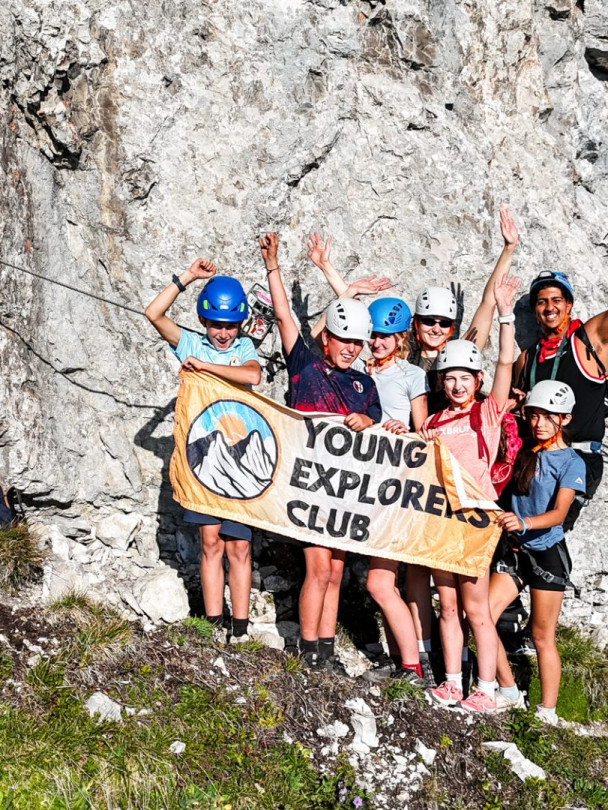
Swiss summer camps: Food planning as an operational priority
At Swiss summer camps, we treat food planning as an operational priority. Meals need more energy for long outdoor days and must meet strict food-safety and allergy rules. Menus, portion sizes and snack schedules change with camp type, age and activity level. We’ve backed those plans with HACCP workflows, hydration protocols and written accommodations for dietary and cultural needs.
 Watch on YouTube
Quick overview — Why food planning matters at Swiss summer camps
We, at the Young Explorers Club, treat camp food as an operational priority. Switzerland has roughly 8.7 million residents. Camp sizes vary widely: day camps usually host 20–200 kids; residential camps run 30–300. Many children at camps get 60+ minutes of activity daily, so energy needs rise well above a typical school day. WHO guidance recommends daily physical activity for children, and camps often push intensity higher and keep kids outdoors, so menus must reflect that extra demand.
Safety sits at the top of our goals. That means strict allergy controls, clear labeling, and rigorous temperature rules; see our guidance on food allergies at camp for practical steps. Nutrition follows: meals must supply higher calories, balanced macronutrients, and adequate micronutrients to support growth and recovery. We also prioritize variety and local culture so kids get familiar tastes alongside new options.
Operational callouts by camp type
Key practical differences by camp type are:
- Day camps — Rely on packed lunches and multiple snacks. Supervision is limited during off-site activities and hot-hold equipment is rarely available. Insulated bags, ice packs, and clear packing lists are essential.
- Residential/overnight — Use an on-site hot kitchen that gives us portion control, temperature control, and easier allergen segregation. Continuous supervision allows scheduled warm meals and second-helping options.
- International language camps — Mix day and residential models and bring diverse dietary requests. Menus must be flexible and culturally sensitive.
- Packed vs hot-prepared food — Packed lunches demand robust food-safety packing and clear labeling; hot kitchens let us standardize portions, manage cross-contact, and adapt recipes on the fly.
Menu planning implications are immediate and practical. We scale calories and snacks by activity blocks and schedule snacks before high-energy activities. We enforce stricter food-safety workflows for transport and service. Portion sizes and micronutrient density get adjusted for age and exertion. We also accommodate dietary preferences and restrictions, including vegetarian options, to keep meals inclusive and satisfying.
Daily meal structure, energy needs and portion guidance
We plan meals around energy distribution: Breakfast 20–25%, Lunch 30–35%, Dinner 25–30% and Snacks 10–20%. For a 2,000 kcal day that becomes Breakfast 400–500 kcal; Lunch 600–700 kcal; Dinner 500–600 kcal; Snacks 200–400 kcal.
We set total energy by age and activity. Typical daily ranges are:
- Ages 4–8: 1,200–1,800 kcal.
- Ages 9–13: 1,600–2,200 kcal.
- Ages 14–17: 2,000–3,000 kcal.
We adjust for sex and how active each child is.
Portion-size guidance
We follow clear serving sizes so staff and parents can match energy targets. Key portions used in menus and packing lists include:
- Fruit: 80–100 g or one medium piece.
- Vegetables: 80–150 g per serving (use larger portions for raw veg).
- Protein: 30–80 g cooked meat, fish or legumes per meal depending on age.
- Dairy: 200 ml milk, 125–150 g yogurt or 30–40 g cheese per serving.
- Bread/cereal: 50–70 g (about 1–2 slices or one small roll).
We aim for protein intake around 0.95–1.1 g/kg bodyweight for school-age children and ensure each main meal contains a protein source.
Activity adjustments, meal logistics and food safety
We add 10–25% total kcal for highly active kids. As an example, applying +15% to a 2,000 kcal baseline gives 2,300 kcal: Breakfast 460–575 kcal; Lunch 690–805 kcal; Dinner 575–690 kcal; Snacks 230–460 kcal. We scale portions rather than swapping food groups.
We handle packed lunches differently from hot-kitchen service. Packed lunches need safe non-perishable choices or insulated bags with ice packs, pre-portioned servings and clear allergen labeling. Hot kitchens let us control portion sizes, hold hot food safely and reheat when needed, but they require HACCP procedures, a certified cook and strict cross-contamination controls. We require clear labeling for food allergies and communicate special requests at pickup.
We enforce simple temperature rules:
- Perishable packed foods left over two hours at room temperature risk bacterial growth.
- Cold holding must stay below 5°C.
- Hot holding must stay above 60°C.
- Reheating should reach 75°C when required.
Staff training and clear portion plans keep meals safe and energy-appropriate for daily activities.
https://youtu.be/MutNdlfq42Q
Sample camp menus, seasonal Swiss produce and kitchen yields
Sample menus for ages ~6–12 (energy-targeted examples and swaps)
We, at the young explorers club, build menus that hit energy and nutrient needs while keeping familiar flavours. Below are practical, ready-to-run examples and simple swaps.
- Omnivore (example for 9–12-year-olds): Breakfast — muesli with 200 ml milk + banana (100 g). Snack AM — apple (1 medium). Lunch — wholegrain pasta 70 g dry with tomato-vegetable sauce + 80 g cooked chicken. Snack PM — yogurt 125 g + carrot sticks. Dinner — rösti + steamed seasonal vegetables 120 g + cheese 30 g.
- Vegetarian: Keep the same structure; swap 80–100 g tofu, tempeh or mixed legumes for the chicken. Pair legumes with a vitamin C-rich vegetable or fruit (tomato, pepper, strawberry) to help iron absorption. For more on vegetarian handling see our vegetarian options.
- Allergen-free / top-8-free: Replace cow’s milk with fortified soy or oat drink, use seed butter instead of peanut, and swap to gluten-free pasta if needed. We train staff to label meals clearly and keep separate prep zones; see our guidance on food allergies for procedures.
Portion-size rules
Portion-size rules we follow across menus:
- Fruit: 80–100 g
- Vegetables: 80–150 g depending on meal
- Protein: 30–80 g by age
- Dairy: 200 ml liquid, 125 g yogurt or 30–40 g hard cheese
- Bread portions: 50–70 g
Seasonal Swiss summer produce to feature (June–August)
Seasonal Swiss summer produce is abundant and kid-friendly. Below are high-impact choices we rotate into menus:
- Fruit: Strawberries, cherries, apricots, raspberries, blueberries — great for snacks and desserts.
- Vegetables: New potatoes, zucchini, tomatoes, cucumbers and leafy greens for mains and salads.
- Herbs: Fresh herbs for brightening simple dishes without extra salt.
We emphasize Swiss staples and familiar flavour notes so children recognize meals: rye and wholegrain breads, Emmental, Gruyère and raclette-style cheeses, plain yogurts and milk, plus dried cereals for breakfasts and snacks.
Menu planning and sourcing tips
Menu planning and sourcing tips we use in camp kitchens:
- Include at least two seasonal ingredients per weekly menu to boost freshness and acceptance.
- Source locally from farmers’ markets or regional distributors to reduce transit time and improve flavour.
- Rotate a familiar item each day (cheese, muesli or yogurt) to anchor the menu while introducing one new seasonal element.
Kid-friendly hot recipe scaled for 30 children — Vegetable and lentil stew (basic yield)
We scale recipes for group service and test them in advance. Below is a tested basic yield for 30 children.
Ingredients (basic yield for 30)
- Red lentils (dry): 4.5 kg
- Mixed vegetables (potatoes, carrots, zucchini, tomatoes, onions): total 15 kg
- Vegetable oil: 300 ml
- Vegetable stock: 12 L
- Canned/diced tomatoes: 6 kg
- Garlic, herbs, salt, pepper: to taste
- Lemon juice or vinegar: 200–300 ml
- Serve with: bread rolls (30–45 rolls, 1–1.5 per child depending on size) or 50–70 g cereal portion.
Basic method
- Sweat the onions and garlic in oil until soft.
- Add diced vegetables and cook 5–10 minutes.
- Add stock, diced tomatoes and lentils.
- Simmer 15–20 minutes until lentils are tender.
- Finish with lemon for brightness and adjust seasoning.
Yields, testing and food safety
Yields, testing and food safety we enforce every season. We always run a test batch to confirm final weight and portion counts in our kitchen. Hot-hold temperatures must stay above 60°C. All allergens get clear labels and separate service lines when required. Portion children by age-appropriate guidance and monitor acceptance rates to tweak menus quickly.
https://youtu.be/MutNdlfq42Q
Snacks, hydration and timing for activity days
We, at the Young Explorers Club, plan snacks to supply roughly 10–20% of a child’s daily energy. That translates into 2–3 snack breaks per day: mid-morning, mid-afternoon and a short recovery snack after intense activity. For routine days those timings keep energy steady and focus high.
I map snack calories to the daily total so portions match activity. For a 2,000 kcal day, snacks should total about 200–400 kcal. Split that as:
- two breaks: 100–200 kcal each
- three breaks: ~66–133 kcal each
Hydration targets depend on age, heat and exertion. Younger children should aim for about 1–2 liters per day. Older children and teens need roughly 1.5–3 liters, with the higher end for hot, active days. We encourage sipping all day and provide visible water stations so kids can refill without delay. Our policy requires a personal water bottle at all times. We place refill points every 200–400 meters in activity zones and staff prompt children every 30–45 minutes on hot days.
For heavy sweating or long hikes we add electrolyte options. Diluted fruit juice works for light replenishment. For longer or more intense exertion we carry oral rehydration solutions to restore salts and fluids efficiently. Staff monitor signs of dehydration and increase fluid reminders when needed.
I track intake on high-activity days and adjust snack portions or add an extra bite for long treks. Staff schedule reminders and log snacks when exertion is above normal. We also train counselors to watch for kids who skip snacks; catching that early prevents energy crashes.
Snack examples and recovery pairings
Below are practical, portable choices I use every day:
- Fruit: bananas, apples, berries — quick carbs and potassium.
- Sandwiches/wraps: lean protein plus wholegrain for sustained energy.
- Yogurt: protein and carbs; good paired with fruit after activity.
- Vegetable sticks + hummus: fibre and plant protein for satiety.
- Low-sugar cereal bars: quick fuel that’s easy to carry.
- Recovery pairings: after intense activity combine a fast carb with protein (for example, banana + yogurt or a small wrap with turkey).
We also ask parents to communicate food preferences early so we can plan suitable snacks and hydration strategies. Staff keep common substitutes on hand and rotate options to encourage variety without risking intolerances or allergies.
https://youtu.be/5n7h0J-X1WI
Managing allergies, intolerances, religious and lifestyle diets
We, at the young explorers club, treat dietary safety as a top priority. Child food allergy affects roughly 6–8% of children, with the top eight allergens being milk, egg, peanut, tree nuts, wheat, soy, fish and shellfish.
Anaphylaxis readiness is non-negotiable: we maintain an emergency action plan (EAP), require epinephrine auto-injectors on site, and mandate staff training in recognition and administration of epinephrine.
Inevitably some campers have intolerances rather than allergies. Lactose intolerance is common, so we stock lactose-free dairy and fortified plant milks and offer those at every meal. For religious and lifestyle diets we plan Halal and kosher options and fully accommodate vegetarian and vegan meals; Swiss Muslim families represent roughly 4–5% of the population, while vegetarian households are estimated at about 3–8%. We adapt menus to cultural needs and label them clearly.
Kitchen workflows and controls must reduce risk and speed service. We implement:
- separate prep zones for allergen-free meals when possible
- color-coded meal tickets and fridge labels
- dedicated utensils, cutting boards and storage for allergen-free items
- a no-nut policy if peanuts or tree nuts appear in the camper cohort
Staff training covers practical response steps. Our module includes basic allergen awareness, recognizing anaphylaxis, administering an auto-injector, calling emergency services, documenting incidents and notifying parents and clinicians. We run drills before camp starts and brief meal staff every day.
I require documentation before arrival and enforce practical rules to keep kids safe. Families must complete intake forms, confirm EpiPen availability on site, and update medication lists if doses change. We also train counselors to check labels and enforce hand-washing and surface cleaning between meal services. To reduce misunderstandings we ask families to communicate food preferences clearly during registration.
Mandatory intake and emergency checklist
- Child name and DOB
- Parent/guardian contact details
- List of allergies and intolerances (specific foods)
- Typical reaction and severity description
- EpiPen possession (yes/no) and exact location at camp
- Current medications and written dosing instructions
- Physician allergy letter for severe cases (if available)
- Emergency contact and GP details
- Signed consent to administer epinephrine and other emergency meds
- Religious or lifestyle dietary restrictions and preferences
We enforce pre-camp form completion, confirm EpiPen presence at drop-off and run meal briefings so all staff know which children need special handling.
https://youtu.be/CQ0P2d38mDM
Food safety, staffing, budgeting and sustainability metrics
We at the Young Explorers Club build every menu and procedure around a HACCP-based food-safety plan. Control points include strict temperature rules (cold <5°C, hot >60°C and reheating to at least ≥75°C), clear separation of raw and ready-to-eat foods, and enforced handwashing protocols with monitored compliance. I keep daily temperature logs, batch records and cleaning schedules so inspectors and staff can trace any issue quickly.
Cantonal food-safety inspections happen regularly, with national oversight from BLV/FSVO. I make sure records — supplier invoices, temperature charts and cleaning sheets — are current and easy to access. Emergency documentation includes an Emergency Action Plan (EAP) in a labeled binder and a synced digital copy for managers on call.
Staffing and training are non-negotiable. Each kitchen has at least one qualified food handler or certified cook. All front-line staff complete a short training agenda covering food hygiene, HACCP basics, first aid and anaphylaxis/EpiPen response. I maintain verified EpiPen competence records and require a signed EpiPen confirmation and medication consent before camp starts. Parents can easily communicate special needs; we point them to a simple guide on how to communicate food preferences so no detail gets missed.
Costs vary by program style and dietary needs. Expect approximate food costs of CHF 7–18 per child per day. Major cost drivers include organic or local sourcing, meat and fish, special-diet accommodations, labor for cooks, and whether you run an on-site kitchen or use an external caterer. I recommend obtaining at least three quotes from local caterers before committing.
I require a pre-camp dietary questionnaire for every camper. That form must list allergies, intolerances and any EpiPen prescriptions. Staff keep a daily log of who needs medication and where it’s stored.
Operational checklist, sample budgets and KPIs
Below are quick, actionable lists you can use at camp.
Food-safety checklist:
- Cold chain: maintain <5°C for chilled items and record temps twice daily.
- Hot-hold: keep hot food >60°C; reheat to at least ≥75°C when served.
- Allergen control: separate prep areas or perform a full clean between batches.
- Packed lunches: use insulated bags with ice packs and never leave perishable foods >2 hours at room temperature.
- Hygiene: visible handwashing stations, glove use policy, and handwashing audits.
Staff-training agenda (brief):
- Food hygiene fundamentals and HACCP basics.
- EpiPen/anaphylaxis recognition and response.
- First-aid for food-related incidents.
- Emergency procedures and where to find the EAP binder/digital file.
Sample budget scenarios (indicative per child/day):
- Low — CHF 7/day — basic packed-lunch model, limited fresh meat, bulk purchasing.
- Medium — CHF 12/day — mixed hot meals, seasonal produce, some organic choices.
- High — CHF 18/day — higher organic/local sourcing, more meat/fish, special-diet accommodations, higher staff ratios.
Waste reduction and sustainability actions:
- Aim to cut food waste 30–50% with portion control and composting.
- Weigh food waste weekly and log kg/week per camper.
- Choose reusable dinnerware for residential camps and track durability and replacement costs.
Key KPIs to publish on a one-page dashboard:
- Allergy incidents (target: zero).
- Percent of campers finishing hot meals.
- Food waste kg/week per camper (track weekly).
- Parent satisfaction score (target ≥85% positive).
Procurement tip and record-keeping: Request three local quotes and compare unit costs, delivery schedules and food-safety credentials. Keep supplier invoices, batch records and temperature logs for inspections and audit trails.