
Young Explorers Club — Beginner-Friendly Swiss Summer Camps
We, at the Young Explorers Club and similar Swiss programs, run beginner-friendly summer camps that do not require prior experience. These camps mix supervised multi-activity outdoor days with daily language exposure to build confidence fast. Sessions run mainly June–August, peaking mid-July to late August. For logistics we use Zurich, Geneva and Basel for short regional transfers and maintain clear safety protocols, medical coverage and appropriate staff-to-student ratios for ages roughly 6–17.
Practical Notes
Registration tip: Peak weeks fill quickly — early booking secures preferred weeks and transfer options. Insurance: Confirm travel and activity coverage before arrival. Equipment: Basic rental is often available, but bringing personal comfortable outdoor clothing and footwear speeds check-in.
 Watch on YouTube
Quick Overview: Switzerland Summer Camps at a Glance
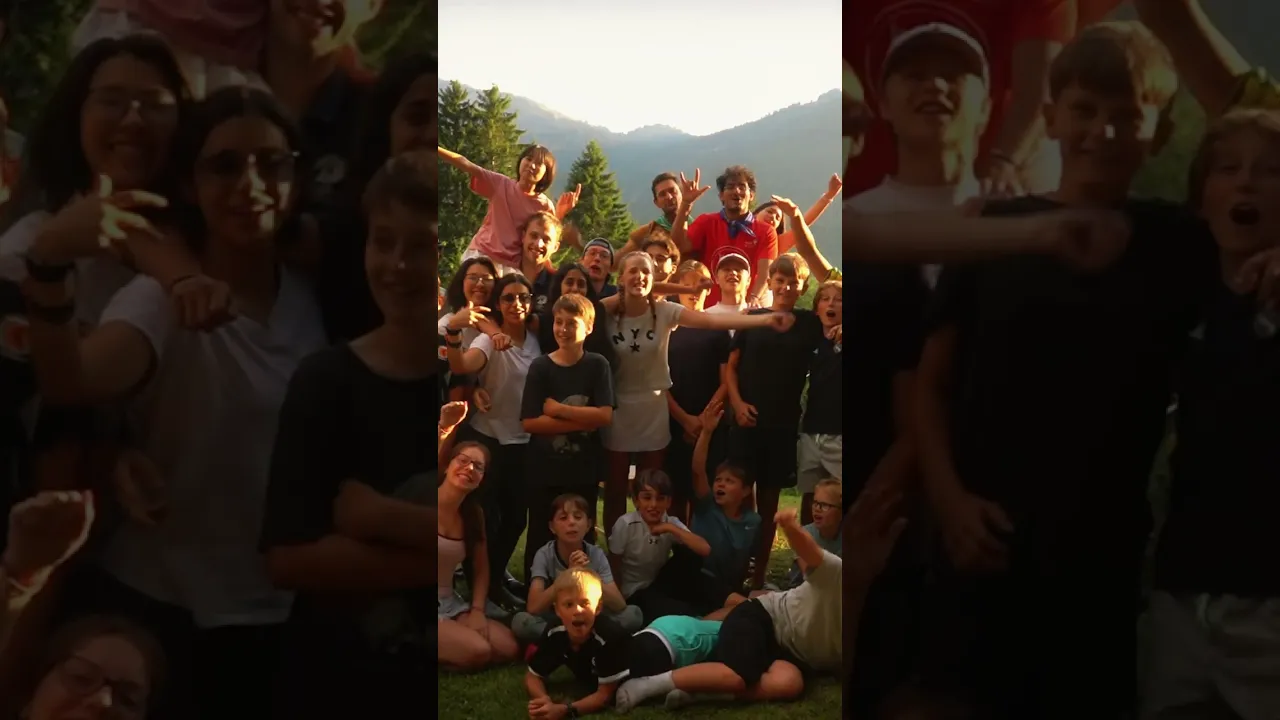
We, at the young explorers club, run safe, scenic, beginner-friendly summer camps in Switzerland where no prior experience is required. Our programs mix multi-activity days with language exposure, so newcomers build confidence fast.
At a glance
Keep these core facts handy before you book or pack:
- 4 official languages: German, French, Italian, Romansh.
- Currency: Swiss franc (CHF).
- Time zone: CET (UTC+1) and CEST (UTC+2) in summer.
- Main international airports: Zurich (ZRH), Geneva (GVA), Basel (BSL).
- Main camp season: June–August, with peak weeks from mid-July to late August.
Why this matters for parents and participants
Travel logistics shape arrival plans and comfort. Choose the airport that has the best connections for your route and factor in transfer time to camp. We recommend booking peak weeks early to secure space and better flight options.
Language exposure accelerates learning without pressure. Camps in multilingual regions let beginners practice casually in daily activities. That immersion works well for both children in a beginner summer camp and older teens in an international summer school Switzerland setting.
Seasonal timing affects weather and altitude readiness. Days are warm in June–August, but mountain nights can be cool. Pack layered clothing and sun protection, and prepare younger campers for higher-altitude effects like stronger sun and slightly cooler evenings.
Practical tips we always give:
- Carry some CHF for small purchases; cards work widely but small vendors may prefer cash.
- Allow a day to adjust to CET/CEST to reduce travel fatigue.
- Prioritize travel insurance that covers outdoor activity and altitude-related issues.
- Check arrival windows and emergency contacts so transfers run smoothly.
If you’re arranging flights and transfer logistics for first-time international travelers, consult our guide to summer camp Switzerland for specifics on paperwork and airport pick-ups.
 Watch on YouTube
Why Switzerland? Safety, Scenery and Accessibility
At the Young Explorers Club, we choose Switzerland because parents can relax about safety. The country scores highly on peace and quality-of-life indices (Global Peace Index). We point to that record when we explain medical readiness and emergency procedures at our camps.
We use the mountains as a classroom. The Alps cover roughly 60% of Switzerland’s surface area and the roof of the range is Dufourspitze at 4,634 m. We run alpine-led activities that scale to beginners and build confidence fast. Trails, lakes and clear air let kids try kayaking, via ferrata and short hikes without long transfers.
We design logistics around Switzerland’s transport strengths. Three main international gateways — Zurich, Geneva and Basel airports — feed short regional transfers. We rely on the dense, punctual rail network (SBB / CFF / FFS) to move groups reliably. For families coming from elsewhere in Europe, we’ll point out often shorter travel times than UK or US options and smoother ground transfers.
We value daily language exposure. Camp life mixes German, French, Italian and English, so campers pick up practical phrases naturally. That multilingual setting matters for social confidence and makes communication with local staff easier.
Key advantages at a glance
Here are the practical benefits we deliver on site and in planning:
- Safety and healthcare: structured medical coverage, local clinics on call, clear emergency protocols.
- Alpine variety: beginner-friendly lakes and lower-elevation trails plus scenic views of peaks like Dufourspitze.
- Travel ease: arrivals via Zurich, Geneva, Basel airports and reliable rail links for punctual transfers.
- Shorter transfers for many Europeans compared with transatlantic camps; more time outdoors, less time in transit.
- Multilingual immersion: daily use of German, French, Italian and English in activities and routines.
- Parent communication: regular photo updates and progress notes — parents tell us this builds trust quickly.
“On week two our beginner group learned basic kayaking on a crystal-clear lake below snow-capped peaks — parents loved the steady progress and daily photos.” We use that kind of steady, visible progress to reassure families.
We encourage parents to read our first-time camper guide for concrete packing and arrival tips, and we handle transfers and medical briefings so families can focus on the experience rather than logistics.

Choosing the Right Beginner Camp: Types, Ages, Staff and Top Picks
We, at the young explorers club, break beginner options into clear types so families can match goals and comfort levels. Typical formats include:
- Day camp — short daily attendance, good for families wanting daily pick-up and lower commitment.
- Residential camp (sleepaway) — full immersion with overnight stays and round‑the‑clock supervision.
- Language immersion / summer schools — focused on language plus activities and classroom time.
- Multi-activity adventure camps — mix of sports, outdoor skills, and general activity programming.
- Specialist sports or arts camps — concentrated training in one discipline for motivated beginners.
I recommend noting whether a camp markets itself as beginner-friendly before you proceed.
Expect standard age brackets: 6–10 (younger junior), 11–13 (middle), and 14–17 (teens). Many programs accept ages 7–17. Session lengths commonly run 1–4 week sessions; some camps offer 1-week taster options for very young beginners. Balance shorter taster sessions with longer stays if you want faster social and skill gains.
Safety and staffing matter most. Beginner-friendly camps normally advertise a staff-to-student ratio of about 1:6 to 1:12. Check staff qualifications, and confirm First Aid or Paediatric First Aid certification for on-site leaders. Ask about emergency medical plans, on-campus nursing, and how they manage medication. Watch for red flags: vague safety policies, unclear staff credentials, poor reviews, or opaque cancellation terms.
Use a simple decision matrix to guide choice. I recommend weighting factors like this:
- Safety — 30%
- Staff quality and qualifications — 25%
- Activities and curriculum — 20%
- Cost/value — 15%
- Location/logistics — 10%
Apply those weights to each camp to create a ranked shortlist. If you want a practical scoring sheet, see how to choose a camp using weighted scores and totals.
How to assess programs quickly:
- Ask for staff CVs and ratios for the exact age group.
- Request sample daily schedules to check activity balance.
- Confirm session length options and whether they offer taster weeks.
- Verify medical provisions and evacuation plans.
- Read recent parent reviews and ask for references.
Top beginner-friendly programs to research
Below are camps I routinely recommend families research; type, age range and headline price band are noted but you should confirm current pricing and beginner programming directly with each provider.
- Les Elfes International Summer Camps — multi-activity / residential; ages ~6–17; mid–high price range; strong on sports and activities for newcomers.
- Aiglon College Summer School — boarding / language & activities; teens; premium; ideal for older beginners wanting structured academics plus activities.
- La Garenne International Summer School — language & activities; children / younger teens; mid-range; great for language immersion with pastoral care.
- Institut Montana Summer School (Montreux) — language & multi-activity; ages ~9–17; mid–high; balanced schedule and international mix.
- St. George’s International School summer programs — camp/school hybrid; juniors & teens; mid-range; good for transitional first-time overnight stays.
- St. Moritz / Engadine beginner outdoor camps — alpine/outdoor; ages vary; mid–high; best for outdoor skills with progressive difficulty.
- Local municipal day camps (Zurich, Geneva, Lausanne) — day camp options; younger children; low–mid cost; convenient for families wanting daily pick‑up.
I always advise contacting each camp for latest pricing, availability, confirmation of beginner programming, staff certification, and medical arrangements.

Typical Activities, Language Teaching and a Sample Weekly Schedule
We, at the young explorers club, run beginner-friendly programs that mix outdoor skills, creative sessions and language immersion. I set expectations clearly: most afternoons contain 2–4 hours of structured activities, and language-focused mornings run about 1–2 hours.
Common activities and true-beginner options
- Hiking — gentle trails and short, guided walks at lower altitude; most beginner outings stay below ~2,500 m or follow adapted routes.
- Kayaking / canoeing — flat-water lake sessions with lifejackets and instructor supervision.
- Climbing — supervised climbing walls and low-angle routes for first-timers.
- Mountain biking — easy singletrack and gravel loops on beginner trails.
- Ropes courses — low elements and guided belays to build confidence.
- Sailing — basics on protected lakes with instructor-led drills.
- Swimming — supervised lake or pool time with skill-based groups.
- Language classes (English / French / German) — short morning lessons that reinforce outdoor vocabulary.
- Arts & crafts — low-pressure creative projects to unwind.
- Team sports — short, fun games that focus on teamwork over competition.
- Cultural excursions — village visits, local food tastings or short museum stops.
I always label sessions by intensity. That helps parents and campers pick the right pace and prevents overreach for beginners.
Language teaching, placement and a sample residential week
I offer bilingual programs and camps that use English as the working language. Intensive language options average 10–15 hours per week; lighter options run 5–10 hours per week. Instruction emphasizes immersion, communicative approaches and small groups of about 6–10 students. We place campers by a short online pre-test or a placement day on arrival so classes match ability and confidence.
Sample residential beginner weekly schedule I use for planning:
- Mornings: 1–2 hours of language class focusing on practical vocabulary and speaking drills, followed by a skills session or workshops (e.g., map reading, knot-tying, basic safety).
- Lunch and rest: unstructured time to recharge and practice phrases with peers.
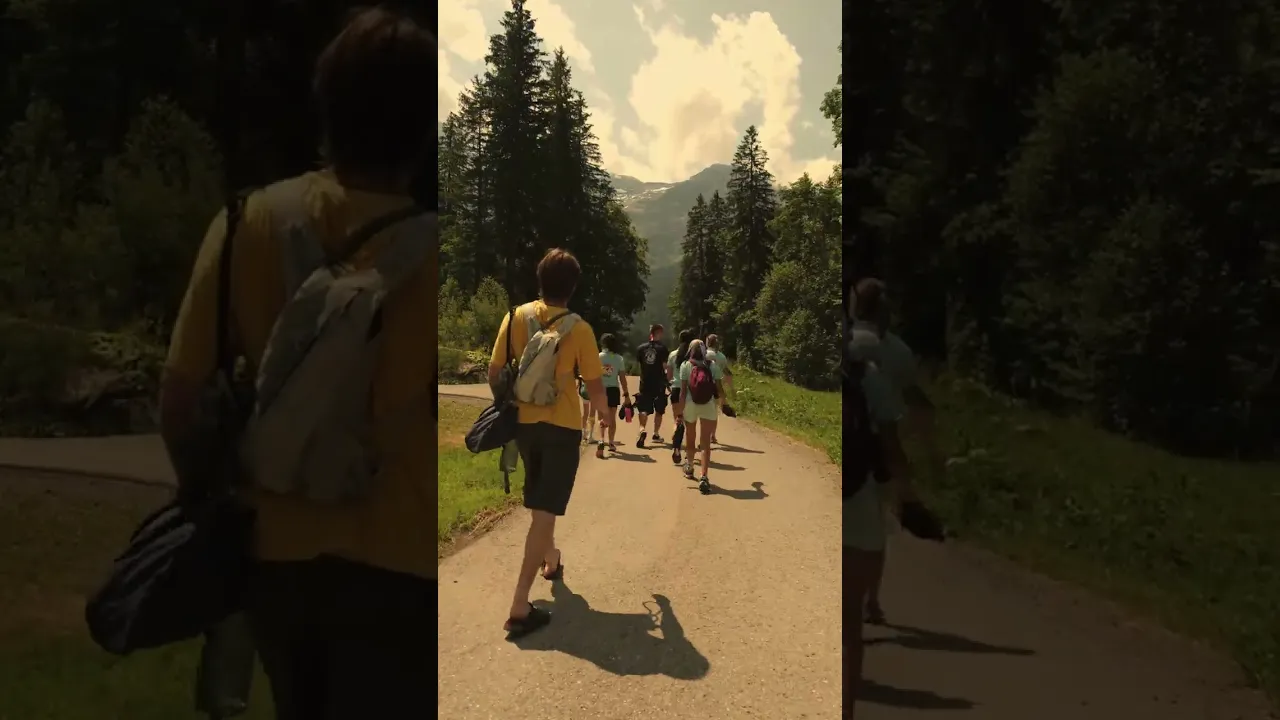
- Afternoons: 2–4 hours of outdoor activities — for beginners this might be a gentle hike, a supervised climbing wall session or lake kayaking with short circuits. I keep sessions modular so we can shorten or lengthen them based on weather and energy levels.
- Evenings: group games, a talent show or a short local excursion to a village market or viewpoint. These low-stress activities reinforce language immersion and social bonding.
- Weekend: a cultural trip or a full-day low-altitude hike with regular stops and picnic breaks.
I plan alternate lower-intensity days and always have shaded rest spots and water breaks built into schedules. For true beginners I recommend focusing on lake swimming, gentle hikes, supervised climbing walls and basic mountain biking trails. If you want help preparing, check our guide on how to prepare for camp to match expectations, equipment and language goals.

Costs, Budget Examples and Additional Fees (typical ranges 2024)
We, at the Young Explorers Club, list typical 2024 price bands so you can plan with confidence. Day camps usually run CHF 150–500 per week; what’s included varies a lot by location and whether meals or transport are covered. Residential or boarding weeks typically cost CHF 800–3,500 per week, and popular multi-week sessions commonly fall in the CHF 2,000–8,000 range for 1–3 weeks or longer. Language summer schools (tuition plus activities) generally sit between CHF 1,000–4,000 per week depending on boarding and facilities.
Expect these common additional fees and how they affect a final price:
- Airport transfers: CHF 80–300 one-way, distance dependent.
- Travel and medical insurance: CHF 30–100 per week.
- Equipment rental (bikes, skis, wetsuits): CHF 20–100 per week.
- Flights: vary by origin; budget separately.
Discounts often reduce headline prices. Early-bird offers frequently give 5–15% off. Sibling discounts commonly run 5–10%. A few camps provide limited scholarships or bursaries.
I outline a few concrete examples so you can see totals quickly. For packing and prep, check your first summer camp for practical guidance.
Quick budget examples
Below are sample scenarios you can adapt to your family’s plans:
- Mid-range 2-week residential — CHF 1,800/week × 2 = CHF 3,600 tuition + CHF 600 flights (Europe) + CHF 150 transfers + CHF 100 insurance + CHF 200 pocket money ≈ CHF 4,650 total (this shows the CHF 3,600 example and approx CHF 4,650).
- Low-cost option — local day camp with minimal extras: roughly CHF 300–800 per week.
- High-cost option — premium boarding, private lessons and extras: single-week costs can exceed CHF 4,000–6,000, and multi-week premium programs reach CHF 2,000–8,000 per session.
Balance price with what you value most: supervision ratios, activity quality, included meals, and transport. We recommend building a buffer for unexpected extras like late transfers or specialist equipment hire.
 Watch on YouTube
Dates, Booking, Travel, Safety, Accommodation and Packing Checklist
Dates, booking and travel logistics
We, at the Young Explorers Club, run main sessions June–August. Peak weeks are mid‑July through late August, so demand spikes then. Popular programs usually fill 3–6 months ahead; competitive international sessions often need 6–12 months lead time. Session capacity typically ranges from 30–300 campers, with boutique camps on the smaller end.
Don’t wait to check cancellation and refund policies. Confirm deposit amounts and full‑payment deadlines before you commit. Ask for specific staff ratios and medical provisions when you book. For international travelers, remember Switzerland is in Schengen: short‑stay rules generally allow up to 90 days in any 180‑day period — verify requirements with your local Swiss embassy or consulate. Major arrival hubs are Zurich (ZRH), Geneva (GVA) and Basel (BSL); all offer reliable train links to camp regions. For unaccompanied minors, camps commonly provide airport pick‑up/drop‑off; prepare guardian consent letters and passport copies in advance.
Accommodation, safety and packing checklist
Below are the practical items and administrative documents I expect every family to prepare before arrival:
- Clothing and kit: layered clothing, waterproof jacket, sturdy hiking shoes, swimwear, sun protection, small daypack.
- Specialty gear: consider renting poles, helmets or wetsuits on site instead of packing bulky equipment.
- Luggage recommendation: one large suitcase, one carry‑on and one daypack.
- Sleeping and rooms: expect dormitory cabins or shared rooms (2–4 campers); single rooms are rare.
- Meals and dietary needs: camps provide 3 meals/day plus snacks; notify us of allergies or special diets in advance.
- Supervision and medical staff: 24/7 supervision is standard with activity leaders, residential supervisors and on‑site medics; many programs require First Aid‑certified staff.
- Health and vaccines: no special entry vaccines are mandatory; keep routine childhood immunizations current.
- Altitude note: altitude sickness becomes a factor above ~2,500 m; most beginner camps operate well below that or adapt activities accordingly.
- Emergency numbers and medical care: keep 112, 144, 117 and 118 saved in your phone; Swiss healthcare is high quality and many camps have a medic or nurse on site.
- Documents to pack and label: passport copy, completed medical form, vaccination record, parental consent letter for minors, emergency contacts and insurance details. Label clothes and gear with name tags.
- Electricals: Switzerland uses Type J plugs, 230 V, 50 Hz — bring an adapter if needed.
- Medications: bring prescriptions in original containers with clear instructions and a copy of dosing schedule.
I recommend families review the camp’s medical and cancellation policies closely and confirm transfer arrangements for arrivals. For a detailed packing list, consult our packing list.


