

Swiss Alps Summer Camps
We’re running summer camps in the Swiss Alps from mid‑June to late August, based in towns such as Interlaken, Grindelwald, Zermatt, Saas‑Fee and Verbier. Camps combine valley hikes, lake sports and high‑alpine excursions. Schedules account for frequent afternoon storms and sharp temperature swings. Programs target specific age groups and follow stepwise skill progressions. Strict safety and medical protocols include certified guides, set staff ratios and clear emergency plans. Each camp provides detailed gear and packing lists. Fees typically range from CHF 150–4,500 per week, depending on format and inclusions.
Key Takeaways
Season and weather
Season: Camps run from mid‑June to late August. Plan major hikes for the morning to avoid afternoon storms. Expect regular afternoon thunderstorms and rapid temperature drops, especially above 2,500–3,000 m. Allow time to acclimatize when spending multiple days at higher elevations.
Locations and activities
Primary bases:
- Interlaken
- Grindelwald
- Lauterbrunnen
- Zermatt
- Verbier
- Saas‑Fee
- Crans‑Montana
Typical activities include:
- Hiking (valley to high‑alpine approaches)
- Via ferrata and rock climbing
- Mountain biking
- Kayaking or SUP on alpine lakes
- Glacier approaches (where appropriate and roped)
Safety and staffing
Staffing and qualifications: All trips use certified guides and, where required, on‑site medics. Staff rehearse evacuation and emergency response plans and actively monitor for altitude sickness and weather risks.
Typical conservative staff‑to‑child ratios:
- 1:6 for ages 6–8
- 1:8 for ages 9–12
- 1:10–12 for teens
Formats, sizes and costs
Formats: Choose from day camps, one‑week sessions or multi‑week resident programs. Resident camps typically host 20–80 children; day camps can serve up to 200.
Costs: Prices vary by length, accommodations and included activities—expect CHF 150–4,500 per week. Note that some extras (special transport, equipment rental, optional excursions) may be billed separately.
Logistics and packing
Transport and meeting points: Camps rely on the Swiss public transport network. Confirm exact meeting points and any transfer steps in advance.
Essential packing checklist:
- Layered clothing (base, insulating, waterproof shell)
- Broken‑in boots or sturdy hiking shoes
- 20–30 L daypack
- Sun protection (sunglasses, high‑SPF sunscreen, hat)
- Clearly labelled gear and spare socks
- Required medical and insurance documents, plus any prescribed meds
Booking timeline: Book 3–6 months ahead to secure places, preferred sessions and required transfers.
Practical notes
Program design: Activities are structured with age‑appropriate progressions and learning outcomes so children build skills safely over time.
Weather contingency: Daily schedules are flexible; expect more indoor or low‑exposure options during stormy afternoons. Guides use conservative decision‑making around weather and altitude.
Questions? If you’d like a sample itinerary, a detailed packing list for a specific age group, or pricing for a particular location and week, tell me the age range, preferred dates and base town and I’ll provide tailored details.
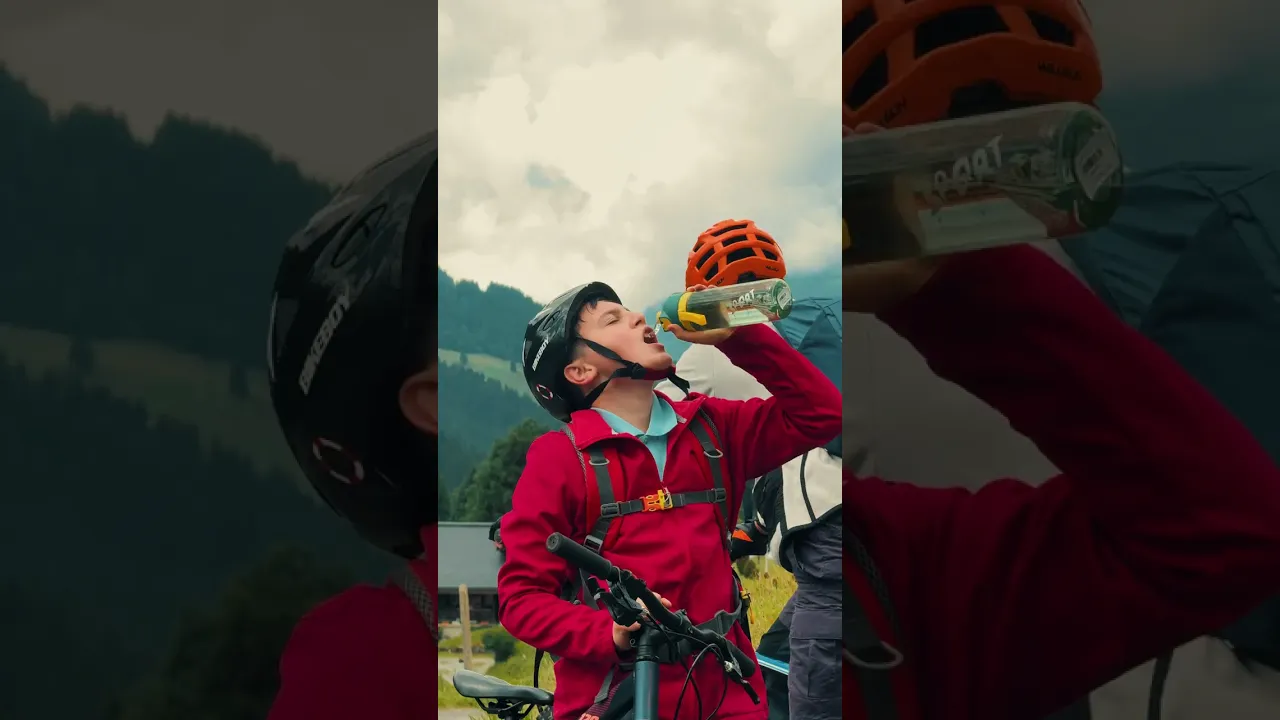 Watch on YouTube
Why the Swiss Alps are Ideal for Kids’ Summer Camps
The Alps cover roughly 60% of Switzerland’s land area, so we, at the young explorers club, can offer huge variety inside short travel times. Peaks like Dufourspitze (4,634 m) and the Matterhorn (4,478 m) frame a landscape where valley hikes start near low-altitude floors and progress to true high‑alpine excursions. That mix gives me flexibility: gentle nature walks one day, glacier-lookout treks the next.
Summer camp season runs mid‑June to late August, with a peak in July. Typical valley temperatures sit between 15–25°C (59–77°F), and temperatures drop noticeably with altitude — roughly 6–10°C per 1,000 m. Expect frequent afternoon thunderstorms in June–August and rapid evening cooling; I schedule major hikes in the morning and reserve high‑exposure terrain for steady weather windows.
Altitude planning matters. Risk of altitude sickness climbs above about 2,500–3,000 m. Most kid-friendly day hikes stay below 2,500 m, while glacier and high‑alpine zones often sit above 3,000 m and require certified guides and specific kit. I always build acclimatization into itineraries that approach or exceed 2,500 m and brief families on symptoms and rest strategies.
Camp formats, sizes and quick practical tips
Below are the typical formats and sizes I use, plus concise guidance for parents and leaders:
- Camp formats:
- Day camps: 1–5 days, great for local families or first‑timers.
- One‑week sessions: balanced activity load with rest days.
- Multi‑week sessions: 2–4 weeks for deeper skill-building and longer acclimatization.
- Typical sizes:
- Resident camps: commonly 20–80 children.
- Day camps: often 20–200 participants depending on location.
- Practical tips I recommend:
- Gear:
- Layered clothing, waterproof shell, sun protection, and a warm hat for evenings.
- Scheduling: plan high-altitude outings in the morning and keep afternoons flexible for storms.
- Health: watch hydration, sleep, and gradual elevation gain; have emergency oxygen and a trained leader on any trip near 2,500–3,000 m.
- Instruction: require guides and glacier equipment for any glacier crossings or routes above 3,000 m.
- Gear:
I place registration and detailed itineraries on our Swiss Alps summer camp page so families can match goals and comfort levels.

Where Camps Base: Towns, Altitudes and How to Get There
We, at the young explorers club, place camps in towns that give quick access to trails, lakes and lifts. Base choice affects daily activity, acclimatization and travel logistics. I lay out the common towns, typical altitudes and practical arrival advice so families can plan confidently.
Common base towns and signature attractions
The camps typically base in these towns; each spot suits different activities and age groups:
- Interlaken — water sports on lakes Thun and Brienz; ideal for multi‑sport weeks and easy transport links. See our Interlaken kids camp for examples.
- Grindelwald — classic glacier views and direct access to high trails; perfect for alpine hiking and mountain introductions.
- Lauterbrunnen — the valley of waterfalls and a handy base for lifts into high pastures. Great for short hikes and first cable‑car experiences.
- Zermatt — Matterhorn views in a car‑free village; access from Täsch via the Täsch shuttle must be planned in advance. Best for families wanting iconic scenery.
- Verbier — extensive trail network and summer mountain sports; suits older kids who want varied terrain.
- Saas‑Fee — glacier access and high‑alpine training; expect cooler temps and glacier‑specific gear.
- Crans‑Montana — plateau views, biking and family activities; good for mountain biking weeks and gentler slopes.
Altitude and what that means for activity and gear
Valley towns sit between 500–1,200 m. Resorts and high‑alpine bases usually range up to 1,500–1,800 m. Glacier zones exceed 3,000 m. Expect:
- Faster weather swings and cooler nights above 1,500 m.
- Longer warm‑up times and shorter exertion windows above 3,000 m.
- Simple layering and sun protection work in valleys; add insulated layers and crampon awareness near glaciers.
Transport, timing and logistics
Swiss public transport is extensive and reliable. Many camps are within 10–30 minutes of a train station or cable car. Typical transfer times from Zurich or Geneva to alpine towns run about 1.5–3.5 hours by rail or road. Practical tips we follow:
- Use a Swiss Travel Pass for flexible family travel, especially if you’re changing trains, buses and cable cars the same day.
- Check exact meeting points and arrival windows. We confirm whether luggage moves separately or if families must carry gear for a final stretch.
- For Zermatt, plan car logistics around the Täsch shuttle. Park at Täsch and take the shuttle; private cars can’t enter Zermatt.
- Expect multi‑stage transfers for remote huts: train + bus + cable car + possible short hike. Ask camps for a step‑by‑step arrival plan.
Remote hubs versus transport hubs — choose with care
Camps near transport hubs let families arrive same day with minimal fuss. They reduce transfer costs and speed emergency access. Remote or high‑alpine bases often deliver exceptional terrain and quieter nights but usually require more coordination and may enforce weight or packing limits for final transfers.
Arrival recommendations we give families
To make arrivals smoother, we advise:
- Confirm exact GPS coordinates and the nearest station.
- Arrive a day early for camps with longer transfers, especially for families traveling from abroad.
- Label luggage clearly and verify whether camps arrange shuttle pickups.
- Pack a small daypack with essentials for the final transfer (snacks, rain shell, water, basic meds).
- Factor extra time for weather or seasonal schedules; lifts and shuttles can run less frequently in shoulder seasons.
Keywords to keep in mind when planning: Interlaken kids camp, Zermatt family camp, Grindelwald youth camp, Swiss Travel Pass, train to Alps.

Activities, Age-Appropriate Programs, Sample Days and Learning Outcomes
We run a balanced mix of classic Alpine pursuits and structured learning so kids build skills and confidence. Our core activities include day hikes, via ferrata for older children, indoor and outdoor rock climbing, mountain biking, ropes courses and ziplines, orienteering, lake kayaking and SUP, plus nature and wildlife workshops. We follow the SAC hiking scale T1–T6 and recommend routes below T3 for children under 12.
Safety and trail grading guide every program decision. Our guides assess route difficulty, exposure and weather each morning. For younger groups we limit terrain, require helmets and harnesses, and keep groups small so leaders can monitor pace and hydration.
Age groups, activities and learning outcomes
-
Ages 6–8: easy hikes (T1–T2), low ropes, nature crafts, supervised lake play.
- Learning outcomes: basic map skills, following group safety routines, improved gross motor coordination, outdoor curiosity and elementary environmental stewardship.
-
Ages 9–12: moderate hikes (T2–T3), basic climbing and belaying introduction, mountain biking on easy trails, orienteering.
- Learning outcomes: compass and map navigation, basic belaying/climbing technique, teamwork, increased endurance and Leave No Trace principles.
-
Ages 13–17: via ferrata, multi-day treks, glacier approach with guide, advanced mountain biking and optional paragliding tandems (often 14+ with consent).
- Learning outcomes: route planning, leadership roles, advanced outdoor skills, risk assessment and environmental leadership.
Typical activity metrics and sample itineraries are straightforward and predictable. A typical children’s hike is 6–10 km with 300–600 m elevation gain and lasts 2–4 hours.
Sample day (9–12-year-olds):
- 08:00 breakfast
- 09:00 skills session
- 10:00 hike 3–6 km (300–400 m gain)
- 13:00 lunch
- 14:00 rock climbing or ropes course
- 17:00 return
- 19:00 dinner
- 20:30 group reflection
Sample one‑week progression:
- Day 1: orientation and acclimatization
- Day 2: local hike and skills
- Day 3: lake day plus water safety
- Day 4: via ferrata or rock climbing
- Day 5: longer trek (6–10 km, up to 600 m ascent)
- Day 6: community project and nature education
- Day 7: reflection and return
I focus on practical nutrition and hydration planning. Active kids may need 2,000–3,000 kcal/day depending on exertion; we plan meals with quality carbs, protein and snacks for steady energy. Hydration targets are 1–2+ L/day on base days and higher during long hikes. Parents can read more about what to expect in our pre‑camp notes on what kids should expect.

Safety, Medical, Staff and Emergency Protocols
We keep safety central to every mountain program. Swiss emergency numbers are 144 (ambulance), 117 (police) and 118 (fire); 112 works EU‑wide. We plan for helicopter evacuations and coordinate with REGA for alpine rescues.
We monitor altitude carefully. Altitude sickness risk rises around 2,500–3,000 m, so we build acclimatization days into itineraries, track symptoms daily, and enforce immediate descent if required. Medical monitoring includes baseline vitals on arrival and regular checks after strenuous days. Parents get clear guidance on when to contact their pediatrician and must submit medical forms 4–6 weeks before camp.
Staff qualifications and ratios
We staff trips with trained leaders and at least one medic holding advanced first‑aid credentials. Key expectations include:
- Wilderness First Aid or First Aid + CPR certifications.
- At least one staff member with advanced medical training on multi‑day stays.
- Clear delegation for medication administration and record keeping.
We maintain conservative staff‑to‑child ratios and follow ACA‑style benchmark recommendations for supervision:
- Ages 6–8: 1:6
- Ages 9–12: 1:8
- Teens: 1:10–12
I verify certifications and credentials before each season and I brief families on who will be present and their medical responsibilities.
Medical paperwork, insurance and emergency planning
I require detailed medical forms that list allergies, chronic conditions, current prescriptions and explicit permission to administer medications. Vaccination guidance follows FOPH recommendations; parents should update shots and consult their pediatrician 4–6 weeks ahead. Proof of travel and health insurance is mandatory. I advise family liability and accident insurance because medical care in Switzerland can be expensive.
Ask camps for written emergency plans and evacuation routes. I confirm transport options (train, cable‑car, helicopter) and review on‑site evacuation maps. We rehearse emergency drills with kids and staff and keep a single, accessible incident log for any medical event. Before you commit, request:
- Copy of the camp’s emergency plan and recent incident report summaries.
- Names and qualifications of medical staff and lead guides.
- Confirmation of REGA or local mountain rescue arrangements.
I encourage parents to read our hiking safety guidance to prepare kids for altitude, weather and route difficulty. I handle risk pragmatically, communicate clearly, and act fast — which keeps kids safe and parents confident.
https://youtu.be/y1MtieihXwk
Accommodation, Meals, Facilities, Gear and Packing
Accommodation, meals and sleeping arrangements
We at the Young Explorers Club run programs in a wide range of alpine settings, so expect variety in lodging and comfort. Options span authentic mountain huts (refuges) with a rustic feel and limited privacy, family-run chalets or hostels with a homely vibe and moderate comfort, purpose-built camp centres with practical, program-ready spaces, and occasional hotel takeovers that offer greater comfort at higher cost. For a quick overview of daily life at camp see what kids should expect.
Full-board service is standard and we provide three meals per day plus snacks. Swiss menus focus on balanced options — bread, cheese, cured meats, muesli and fruit are common. Tell us about allergies or special diets well in advance and we’ll accommodate needs. Tap water is generally potable at camp sites, so reusable bottles work fine.
Dorm-style sleeping is typical. Rooms usually hold 4–12 beds, with a few private rooms reserved for staff or family bookings. Expect bunk beds in refuges and simple mattresses in some huts. Heating and hot water vary by site; I recommend bringing a light sleeping bag liner even where bedding is provided.
Hygiene and facilities depend on lodging type. Chalets and camp centres tend to have proper showers and running water. Mountain huts may have limited washing facilities and a shared toilet. I advise small hygiene packs, quick-dry towels, and hand sanitizer for remote stretches.
Gear, packing and on-site provisioning
Below is a compact packing guide I use with families and leaders to keep kids safe and comfortable on Alpine adventures:
Essentials to bring:
- Sturdy hiking boots (break them in well before camp)
- Daypack 20–30 L
- Waterproof shell jacket
- Warm mid-layer (fleece or light down)
- Hat and sunscreen SPF 30+
- Water bottle(s) 1–2 L total capacity
- Headlamp with spare batteries
- Basic first-aid kit and blister plasters
Activity-specific items:
- Climbing helmet and harness (Petzl recommended)
- Walking poles for steep trails
- Sleeping bag with 0°C–5°C comfort rating for higher-altitude nights
- Bike helmet (Giro or Kask) for mountain-biking days
- Life jacket for any water-based sessions
Brand examples I trust:
- Backpacks: Osprey, Deuter
- Boots: Salomon, Lowa
- Jackets: Patagonia, Arc’teryx
- Harnesses/helmets: Petzl
- Sleeping bags: Marmot, The North Face
- Water bottles: Nalgene, Sigg
We often provide basic technical gear on-site — helmets, harnesses and sometimes bikes are available to rent locally. Still, bring high-quality personal boots and a well-broken-in pack. Label every item with the child’s name. I recommend a sewn-in tag or a durable marker on gear to avoid losses.
Finally, prep matters. Break in boots on progressively longer walks. Pack layered clothing for sudden weather shifts. Place essentials like sunscreen, a hat and a spare base layer at the top of the daypack each morning so kids can access them quickly.
Cost, Booking, Sustainability, Vetting Camps and Practical Registration Steps
Typical costs and what’s included
We set clear expectations on price so families can plan. Typical summer camp costs in Switzerland range broadly by format:
- Residential/oriented camps: CHF 800–3,500 per week.
- Specialist/adventure camps (mountaineering, multi‑day treks): CHF 1,200–4,500 per week.
- Day camps: CHF 150–500 per week.
Common inclusions and extra costs are distinct, so read the fine print. Most programmes include accommodation, three meals per day, guided activities, basic equipment use and some on‑site accident coverage.
Typical inclusions:
- Accommodation
- Three meals per day
- Guided activities
- Basic equipment use
- Some on‑site accident coverage
Common extras often billed separately:
- High‑altitude rope‑guide fees
- Cable‑car or train fares to start points
- Mandatory kit purchases
- Travel to and from camp
- Travel insurance
Expect the full price range CHF 150–4,500 per week depending on camp type and included services.
Booking timing, documents, cancellations, sustainability and vetting
Book early. Popular July sessions often sell out, so we recommend booking three to six months ahead. For international families, confirm visa needs well in advance; non‑EU/EEA participants may require a Schengen or Swiss visa, so check the consulate rules. Prepare the following documents and keep both digital and paper copies with the child.
- Passport or EU/Schengen ID
- Health insurance card
- Immunization records
- Parental consent forms
- Emergency contact forms
Ask the camp for their cancellation and refund policy before you pay. Cancellation terms vary; request specific answers on refund windows, transfer options and what qualifies as a medical cancellation. Insist on details about required medical documentation and the timeline to file claims.
- Refund windows
- Transfer options between sessions or years
- Medical cancellation criteria and documentation timeline
Sustainability practices matter on Alpine trips. Many camps follow Leave No Trace principles, use local produce, run recycling programmes and include eco‑education modules. Note that some excursions cross protected areas where strict rules apply—Swiss National Park regulations prohibit activities like off‑trail camping and pets. Confirm whether planned routes enter protected zones and what measures the camp takes to comply.
We vet camps rigorously and expect parents to do the same. Key checks include:
- Verify staff qualifications and background checks.
- Check emergency procedures and insurance coverage.
- Ask about staff‑to‑child ratios and maximum group sizes; smaller groups reduce risk on technical terrain.
- Request a sample menu to confirm dietary handling and recent parent testimonials for real feedback.
- Insist on seeing first‑aid certificates and a written evacuation plan.
- Ask for references from the last 12 months and specific answers to questions such as “What is your maximum group size?” and “Can I see staff first‑aid certificates?”
For families weighing options, our curated list of the best summer camps highlights programmes across the Alps and clarifies inclusions versus add‑ons. When you register, pay attention to liability waivers and insurance add‑ons; we recommend purchasing travel insurance that covers alpine rescue and medical evacuation for high‑altitude activities.
https://youtu.be/


