Young Explorers Club — Alpine Programs Overview
We’re the Young Explorers Club. That pairing emphasizes low staff-to-child ratios, internationally certified instructors, and full-service concierge logistics. It delivers specialized sports, arts, and academic immersion in high-altitude alpine settings. Programs run June–September in 1–4 week sessions. We most commonly offer 2–3 week stays. Families can choose 6–8 week residencies for deeper skill development and family-focused accommodation with personalized wellness options.
Key Takeaways
Staffing, Safety, and Credentials
Premium programs keep low staff-to-child ratios, employ internationally certified mountain guides and activity instructors, and station on-site medics. They maintain formal emergency plans and offer 24/7 pastoral care. We recommend confirming those credentials and protocols before you book.
Session Formats and Outcomes
Session formats focus on measurable outcomes. Choose the length that aligns with your goals:
- 1–4 week stays — short-term gains and sampling experiences.
- 2–4 week immersion blocks — advance language and technical skills.
- 6–8 week residencies — intensive athletic or academic development and stronger continuity.
Alpine Sites and Travel Logistics
Alpine sites typically sit between 1,000–2,200 m. They provide natural classrooms, reliable mountain rescue, and nearby medical facilities. Expect private transfers of roughly 1–3 hours from major Swiss airports. Multilingual staff simplify logistics, so factor travel time into planning.
Luxury Accommodation and Concierge Services
Luxury accommodation ranges from five-star hotels to private chalets. Expect gourmet catering, spa services, and personalized wellness programs. Concierge services often include private chefs, transfers, and babysitters.
Program Mix, Pricing, and Booking
Programs mix alpine sports, water and equestrian activities, leadership/STEM/arts enrichment, and signature experiences. Prices typically range from about CHF 2,500 to CHF 12,000+ per week. Plan to book peak weeks 3–9 months ahead, and reserve early if you want top instructors or private chalets.
 Watch on YouTube
What Premium Swiss Summer Camps Offer at a Glance
Unlike budget camps that group many children under basic supervision, we structure premium programs around low staff-to-child ratios, expert instructors and full-service logistics. We aim at affluent families and international clients from Europe, the Middle East, Asia and North America who want specialized experiences and worry-free family luxury travel. We combine alpine settings with high-end facilities so kids get genuine outdoor challenge plus refined comforts.
We design programs for the June–September season. Sessions usually run 1–4 weeks, with 2-week and 3-week stays most common. We also offer multi-week and full-summer residencies (6–8 weeks) for intensive skill development and deeper community bonds. Those longer options suit families looking for immersion or academic and athletic advancement.
- Low staff-to-child ratios and vetted, often internationally certified instructors for sports, arts and academics.
- Curated activity tracks: elite sports coaching (tennis, sailing, skiing conditioning), arts masterclasses, outdoor leadership and STEM labs.
- Gourmet catering with dietary management and culinary options that respect cultural preferences.
- Concierge logistics: airport transfers, custom packing lists, medical coordination and parent communications.
- Luxurious accommodation choices: alpine chalets, boutique residences and on-campus suites with private amenities.
- Safety and accreditation standards, plus mental-health-aware staff and 24/7 medical access.
Typical features and session formats
Below are the core features families can expect from our premium alpine summer camp programs:
- Session lengths: 1–4 weeks typical; 2- and 3-week sessions most popular; 6–8 week residencies available.
- Age ranges covered with age-specific curricula and progression pathways.
- Activity balance: intensive training blocks plus unstructured outdoor time to build resilience.
- Language immersion options and international peer groups to boost cultural fluency.
- Personal development focus: leadership, teamwork and goal-setting built into daily routines.
- Family services: concierge support, bespoke pickup/drop-off and optional parent stays.
We encourage readers to compare program specifics and amenities against priorities like coaching level, accommodation standard and concierge scope; for an in-depth comparison, see our guide to luxury summer camps.

Why Switzerland: Geography, Safety and Travel Connectivity
We, at the young explorers club, choose Switzerland for luxury summer programs because the physical setting and infrastructure let us deliver high-impact outdoor learning with predictable safety and logistics. The Alps and the many glacial lakes create program sites at altitude—most luxury camps sit between 1,000–2,200 m—so we can run high‑altitude hiking, climbing, alpine sports and water activities across a long season. The terrain gives natural classrooms for skill-building and character development that you can’t replicate in lowland settings.
Swiss safety systems raise the baseline for any high-altitude program. Mountain rescue teams operate with rapid response times across alpine areas. Resort towns typically have 24/7 medical facilities and medevac capability, so we can escalate care quickly if needed. We schedule activities knowing that emergency services and high health standards are available locally, and we plan routes and staffing with those response profiles in mind.
Getting families and staff to camp is straightforward. Major international airports—Geneva, Zurich, Basel and Bern—are generally within a 1–3 hour private transfer to most premium resorts, which keeps travel windows short and predictable. We coordinate arrival and departure logistics to match typical flight schedules and reduce time on the road. Because Switzerland’s public and private transport systems are reliable, last‑mile transfers are easier to guarantee than in many mountain regions.
Multilingualism simplifies communication. English is widely spoken at luxury camps and in tourist towns, and local teams commonly speak French, German and Italian. That makes registration, medical intake and daily communication easier for international families. We use local language skills to smooth customs of arrival, explain safety briefings, and liaise with local medical providers when needed.
Practical implications for families and program design
What that means practically
-
Arrival windows: We recommend flights that land with at least a two‑hour buffer before scheduled private transfers to account for customs and baggage.
-
Acclimatization: Plan for a light first day at altitude—most kids adapt quickly at 1,000–2,200 m, but we factor in rest and hydration.
-
Medical readiness: Bring up‑to‑date medical forms and any prescriptions; local 24/7 clinics and medevac services are available but efficient handoffs depend on good documentation.
-
Transfers: We arrange private transfers from Geneva or Zurich to keep transfer times within the typical 1–3 hour range and to avoid complicated public connections.
-
Communication: Consider an international SIM or roaming plan; local multilingual staff bridge language gaps, but families like direct contact access.
-
Insurance: Confirm evacuation and health coverage for alpine activities; Swiss medical standards are high, but evacuation costs can be substantial without insurance.
-
Packing and gear: Layered clothing and footwear rated for alpine terrain cover most weather scenarios; we provide gear lists tailored to specific elevation and water activities.
I encourage families wanting a deeper operational breakdown to consult our Parents guide for arrival checklists, medical form templates and transfer timetables that align with the Swiss travel network.

Luxury Accommodation, Hospitality and Family Wellness
We, at the young explorers club, place accommodation and family wellbeing at the center of every premium program. I describe the common tiers and how they affect comfort, privacy and daily rhythm.
Accommodation tiers and rooming formats
Camp properties range from a five-star hotel to private chalet stays, purpose-built luxury residences and boutique boarding facilities. Each offers a different mix of service and privacy:
- Five-star hotel: full concierge, on-site restaurants and spa access.
- Private chalet: exclusive living space for single families or small groups.
- Purpose-built residences: modern rooms with shared common areas and child-focused facilities.
- Boutique boarding: school-style rooms with upscale finishes and structured routines.
Rooming formats commonly include single/twin rooms, family suites and entire private chalets. Single occupancy rooms are routinely available; shared rooms usually host 1–2 children. I recommend single rooms for younger campers or families who want clear separation between adult and child sleep spaces.
Amenities, catering and wellness programming
I expect three gourmet meals plus snacks daily and menus that appeal to kids while meeting high culinary standards. Camps provide gourmet kids menus and sports-focused nutrition for active days. Custom dietary plans are available on request, covering allergies as well as halal and kosher needs. If you need a private chef or special meal plan, ask early so we can arrange it.
Typical amenities and services include the following:
- Spa access and kids spa treatments.
- Heated pools, cinema rooms and private gardens.
- Secure gating, daily housekeeping and in-house laundry.
- Butler or private chef options and babysitting services.
- Sports physiotherapy and dedicated nutrition planning.
Wellness programming blends child-friendly sessions with family options. Kids’ spa treatments, yoga, sports physio and nutrition workshops are usually scheduled 1–3 times per week. Private family add-ons — adult classes, guided excursions and babysitting — are commonly available for extra flexibility. I advise booking wellness add-ons at reservation to secure preferred times.
For families considering a private chalet stay, I highlight privacy and on-demand service; the chalet works well with larger family groups or when a private chef is desired. Explore our selection of luxury choices at private chalet to match lodging with your wellness goals.

Activities, Academic Enrichment and Signature Experiences
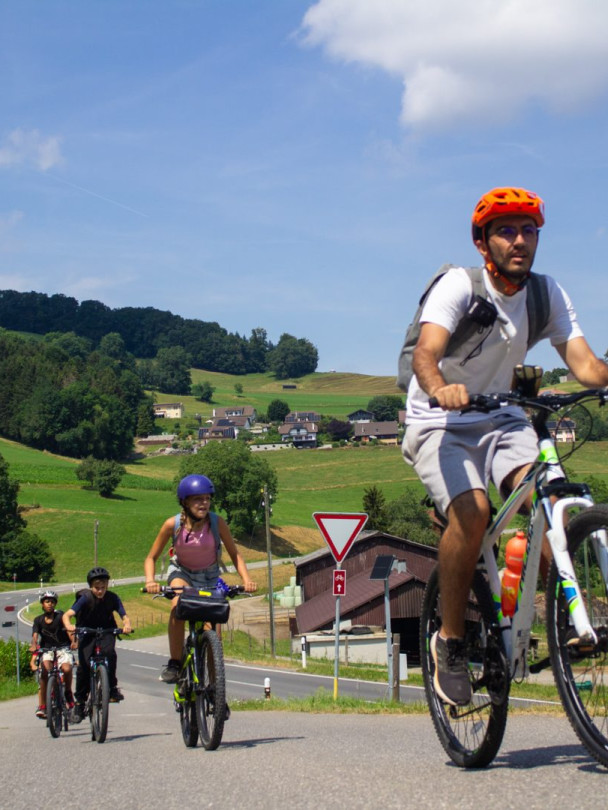
We, at the Young Explorers Club, build programs that pair high-adrenaline outdoor sports with serious academic and personal development. Our programs include alpine hiking, mountain biking and rock climbing alongside leadership courses and language immersion in English, French and German. Programs balance daily variety with focused skill-building to produce fast, visible progress.
Typical schedule and volume are straightforward. Typical schedules offer 3–5 activities per day and 1–3 full-day excursions each week. Sessions frequently present 20–30 activity choices across a session, letting families mix high-energy days with calmer enrichment blocks. Intensive enrichment tracks deliver 10–20 classroom hours per week; we recommend multi-week programs of 2–4 weeks for measurable language gains.
The typical activity mix
Below are the core activity options you’ll see across premium sessions:
- Alpine hiking — graded routes that build stamina and route-finding skills.
- Mountaineering basics — ropework, crampon use and glacier awareness.
- Mountain biking — trail technique and controlled descents.
- Rock climbing and via ferrata — indoor and outdoor progressions.
- High ropes and adventure courses — confidence and team problem-solving.
- Lake-based activities (sailing, stand-up paddleboarding, swimming) — coached water time.
- Horse-riding and private equestrian lessons — flatwork and trail hacks.
- Tennis and golf — technique clinics and elite coaching options.
- Summer glacier/ski experiences where available — short glacier traverses and dry-slope practice.
Instructors and safety measures are non-negotiable. We hire UIAGM/IFMGA mountain guides and British Mountaineering Council–certified instructors for alpine and climbing programs. Certified lifeguards staff all water activities. Coaches for tennis and golf include professionals with tournament experience and national-level credentials. I insist on small group ratios for technical activities so each participant gets focused feedback.
Enrichment offerings expand beyond sport. Leadership courses combine outdoor decision-making, expedition planning and public-speaking practice. STEM and robotics workshops run project-based modules that students can showcase. Arts and design sessions pair creative briefs with gallery-style crits. Culinary masterclasses teach technique, nutrition and plating. Language immersion blends classroom time with coached activity-language use to accelerate fluency.
Signature luxury experiences give premium programs their edge. Options often include a private yacht trip on Lake Geneva, a glacier walk guided by a UIAGM/IFMGA mountain guide, private equestrian lessons at top stables and pro-tennis coaching sessions. Families can explore these premium touches and how they fit into a session on our page about luxury summer camps.
Plan by outcomes. If language acquisition is the priority, pick a 2–4 week immersion block with 10–20 classroom hours weekly. For skill development in a sport, look for programs that schedule consistent daily practice plus 1–3 major excursions per week. We balance challenge and recovery so kids improve fast while still enjoying downtime.

Staffing, Safety, Medical Coverage and Legal/Insurance Essentials
We, at the Young Explorers Club, set staffing and safety standards that match premium expectations. We maintain staff-to-child ratios of 1:4–1:8 for high-risk and adventure activities, and 1:6–1:10 for general daytime programmes. We provide 24/7 pastoral staff and on-call medical staff as a baseline for every session.
Core credentials, checks and on-site roles
We require the following core credentials and checks:
- UIAGM/IFMGA mountain guides for alpine and technical routes.
- British- or Swiss-qualified activity instructors for climbing, sailing and technical sports.
- Certified lifeguards (ILS/NPLQ or equivalent) for all aquatic programming.
- Pediatric first-aid certified staff across cabins and activity teams.
- An on-site nurse or medic during full residential sessions.
- DBS or European equivalent background checks and formal safeguarding frameworks.
- Clear child protection policies and GDPR-compliant data and media consent procedures.
We station medics and trained first-aiders on site and keep a formal escalation path to local emergency services. We plan for hospital transfer times of roughly 30–60 minutes by vehicle in most resort areas and coordinate evacuation procedures with local mountain rescue teams. We run regular emergency drills and maintain written evacuation and medical-response protocols that staff practise every season.
We recommend parents purchase comprehensive travel insurance that explicitly covers adventure activities, medical evacuation and repatriation. Providers such as Chubb and similar insurers are commonly used by premium programmes for this reason. We also collect detailed parental waivers and indemnities before arrival and store consent records securely to meet GDPR rules.
We keep communication lines clear and fast. Parents receive 24/7 emergency contact details, daily health summaries when relevant, and immediate notification for any incident requiring medical attention. We document incidents, follow-up care and return-to-activity decisions, and we share those records with parents on request.
We balance strong legal safeguards with practical access. Our registration packs include the parental waiver, insurance guidance, media-consent forms and a summary of our safeguarding policy. Families who want a deeper comparison of offerings can learn more about our approach to premium programmes by visiting Luxury summer camps.

Booking, Pricing, Logistics and Practical Parental Checklist
Pricing, packages and booking logistics
At the young explorers club, we recommend booking 3–9 months in advance for peak weeks to secure preferred accommodation and activities. Our standard premium package often sits around CHF 3,500 per week and typically includes activities and a shared room. Private chalet VIP options can reach CHF 9,000–CHF 12,000 per week and usually add a private chef, exclusive spaces and dedicated transfers. Expect the full market spectrum to span CHF 2,500–CHF 12,000+ per week depending on room type, program length and inclusions.
We flag these common extra costs so families don’t get surprised:
- Private transfers: CHF 300–CHF 1,200 one-way depending on distance and vehicle class.
- Equipment rental and specialized coaching fees.
- Travel and health insurance or supplements for high-risk activities.
Typical transfer times from international airports to alpine camps run 1–3 hours by road. For top-tier clients, private-jet or helicopter options are available and providers will coordinate logistics on request. Schengen visa rules apply for many families; providers commonly supply invitation letters and notarized parental consent for unaccompanied minors to simplify immigration checks. Some camps accept rolling enrollments outside peak weeks, but we advise confirming availability early for popular dates.
Practical parental checklist
Use the following lists to prepare efficiently for an alpine program.
Essential documents and admin
- Valid passports and any required Schengen visas.
- Vaccination records and completed medical forms.
- Signed parental consent forms and, if needed, notarized authorizations.
- Proof of insurance and copies of emergency contacts.
Packing essentials and health items
- Layered outdoor clothing and waterproof mountain boots suitable for variable alpine weather.
- High-altitude sun protection (SPF, lip balm, sunglasses) and swimwear.
- Chargers, adapters and a small supply of favorite devices, plus clear guidance on screen time.
- Personal medications with prescriptions, plus basic first-aid items.
Key operational questions to ask a provider before booking
- What are staff credentials and child-to-staff ratios?
- Can you share an emergency response protocol and typical response times?
- May we see a sample week timetable and activity risk assessments?
- How are dietary needs and medical conditions handled day-to-day?
- What are the cancellation, refund and insurance policies?
For families comparing options and program fit, we suggest reviewing our roundup of the best summer camps to align expectations with price and service levels.