Summer Camps in Switzerland — July Overview
July is the busiest month for summer camps in Switzerland. School holidays and warm lowland weather compress demand into many consecutive 1–3 week sessions, so availability shifts fast. We recommend families book 3–9 months ahead to lock preferred weeks and room types. Expect deposits of 20–50% and balances due 30–90 days before arrival. Plan for weather-driven scheduling, clear safety protocols and higher Swiss pricing.
Practical tips: confirm cancellation and refund policies, verify health and safety protocols, and check transfer options for airports or train stations. Booking early and preparing for variable mountain weather will improve the camp experience.
 Watch on YouTube
July Peak Season Snapshot and Booking Essentials
We, at the Young Explorers Club, treat July as the busiest month for summer camps in Switzerland. School holidays across most cantons and reliably warm lowland weather concentrate demand. Camps commonly run multiple consecutive sessions through July and August, so availability changes fast.
We schedule typical session lengths at 1–3 weeks to fit varied family plans. Residential camp capacity usually sits between 40–120 campers per session, while day camps often serve 20–200 participants each day. Popular programs fill up quickly, so we plan staffing and spaces well ahead.
Booking behavior you should expect is predictable. Most popular camps sell out 3–6 months in advance. International families often book 6–9 months ahead, so I recommend you book 3–9 months ahead to secure choice of dates and room types. Many camps require a deposit of 20–50%, with full payment due 30–90 days prior to the start date. Cancellation and refund rules vary by operator. For overseas bookings, we insist on travel insurance to protect against last-minute interruptions.
Quick numbers and actions
Use this checklist to act fast and secure a spot:
- Session lengths: 1–3 weeks
- Residential camp capacity: 40–120 campers
- Day camp daily participants: 20–200
- Typical sellout window: 3–6 months (international: 6–9 months)
- Book timeframe: book 3–9 months ahead
- Deposit required: 20–50%
- Balance due: 30–90 days prior
- Recommendation: purchase travel insurance for international bookings
We also suggest checking our when to book page for detailed timing and session options. We adjust session counts and capacities each year based on demand, so early booking gives you the best choice of weeks and activities.

Weather, Altitude and Safety: What July Means for Activities
We, at the Young Explorers Club, plan activities around July conditions in Switzerland. Our daily schedules match temperature, rainfall and UV patterns so campers stay safe and comfortable.
Lowland daytime temperatures typically sit between 18–26°C. Higher-altitude sites (1,200–2,200 m) usually see daytime temps of 10–20°C, with nights often dropping to 5–10°C. July is one of the wettest months; expect frequent afternoon showers and thunderstorms. Monthly rainfall in the lowlands commonly falls in the 100–160 mm range, and alpine sites can be wetter. UV index values often reach 7–9 or higher, especially at elevation.
We use the average lapse rate of ~6.5°C per 1,000 m to estimate temperature change with elevation. For a quick rule: subtract about 6.5°C for every 1,000 m climbed. That means a lowland day of 24°C at 300 m will feel roughly 17–18°C at 1,300 m. We check these calculations when we set route difficulty and clothing lists.
Icing on safety: thunderstorms concentrate in the afternoons. We schedule long hikes, ridge walks and exposed climbs for early morning. We move campers to sheltered or indoor activities from midday onward when convective clouds build. We avoid summits, ridgelines and open water during active storms and instruct campers to seek lower ground and sheltered buildings if lightning approaches.
Sun protection is non-negotiable. We require broad-spectrum sunscreen SPF 30–50, a broad-brimmed hat and UV-blocking sunglasses for all outdoor hours. We also rotate sunscreen reapplication after swimming or heavy sweating. For packing guidance, we point families to our what to pack page to align gear with alpine conditions.
Layering is essential because daytime warmth can flip to chilly nights. We recommend:
- A lightweight base layer for moisture wicking.
- An insulating midlayer like fleece.
- A waterproof, breathable shell for sudden showers.
Altitude acclimatization matters at our higher camps. We phase activity intensity across the first 24–48 hours, limit heavy exertion on arrival and monitor for symptoms such as headache, nausea or excessive fatigue. We treat any persistent symptoms seriously and have protocols to descend if needed.
Staffing and medical coverage reflect risk. Camps typically have first-aid trained staff on site. For higher-risk programs—technical climbing, long alpine hikes or remote locations—we assign medical staff or maintain on-call doctor access. We run regular drills so staff respond quickly to injuries, severe weather or altitude issues.
Practical checklist
- Layered clothing system for 10–26°C swings.
- Waterproof shell and quick-dry garments for frequent rain.
- Sunscreen SPF 30–50, hat and UV sunglasses.
- Warm night layer for 5–10°C alpine nights.
- Plan strenuous hikes early; reserve afternoons for low-exposure activities.
- Allow 24–48 hours for altitude acclimatization; limit hard exertion on day one.
- Lightning safety briefings and clear shelter plans for storms.
- Confirm presence of first-aid trained staff; check medical staffing for higher-risk programs.
We build daily itineraries and emergency plans around these points so campers get the most from July in Switzerland while we keep risks low.
 Watch on YouTube
Types of Camps, Activities and Typical Daily Schedules
I offer a full range of camp formats in July to match different interests and energy levels. Our core types include:
- Outdoor adventure (hiking, climbing, mountain biking)
- Multi-activity
- Language immersion (English, French, German)
- Sports (football, tennis, sailing)
- STEM/robotics
- Arts and music
- Leadership/trekking programs
We also run alpine-focused weeks with activities such as:
- via ferrata
- glacier walks (qualified guides required)
- high-rope courses
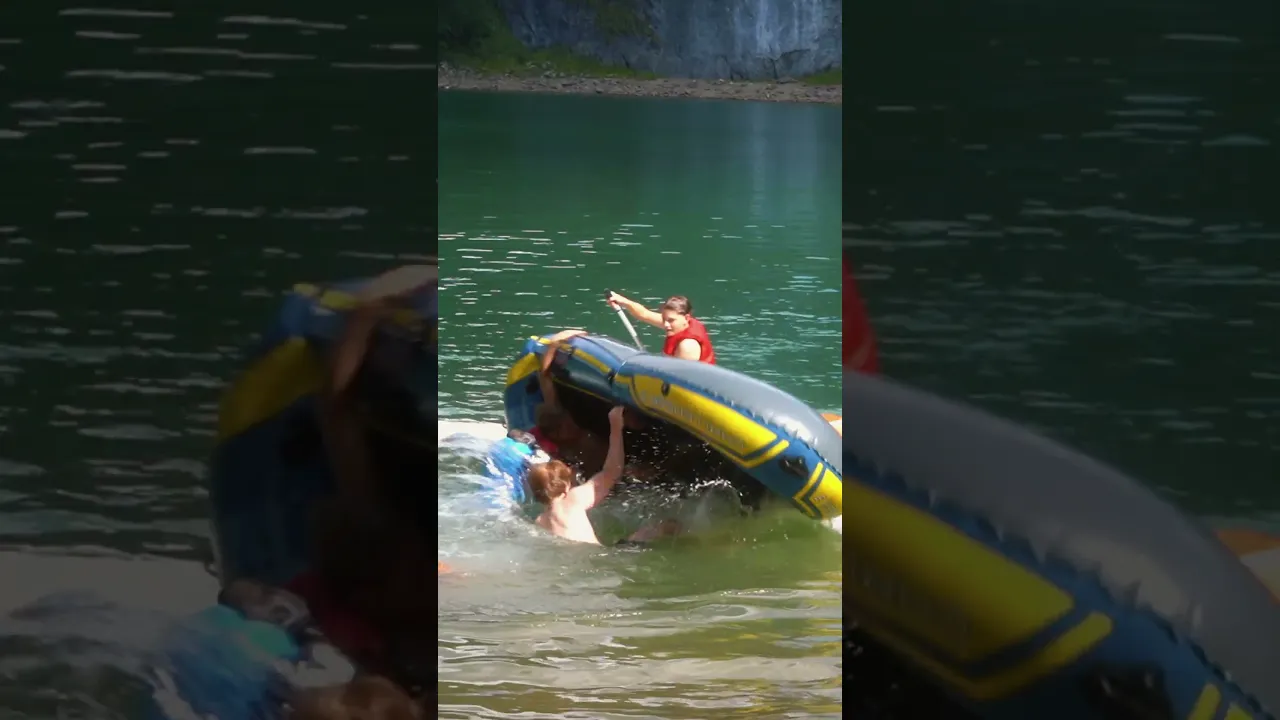
- lake-based sports like swimming, kayaking and paddleboarding
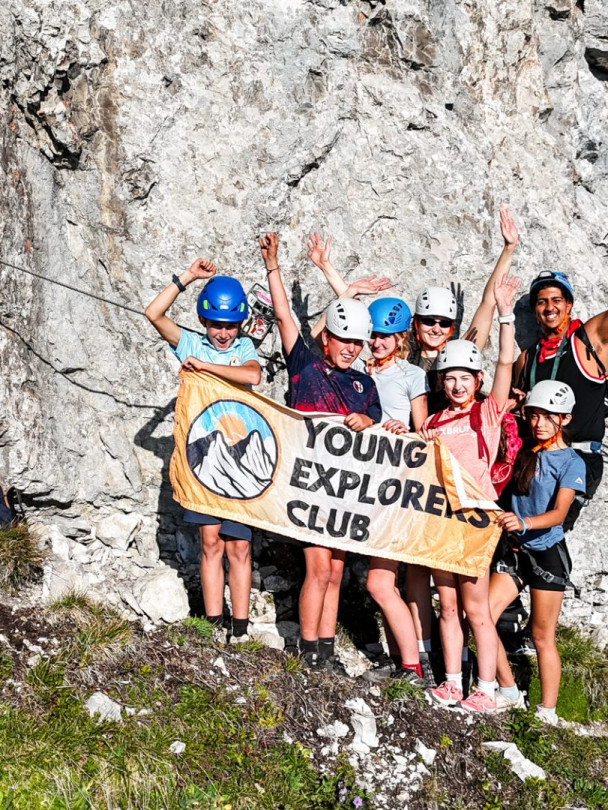
Safety and regulations matter on alpine trips. Glacier walks always use certified mountain guides and require specialist equipment. Via ferrata sessions require helmets and harnesses and are led by staff trained in ropework and rescue. I ask parents to tell me about medical needs and prior experience at booking so I can assign the right group and kit.
We split campers into three typical age groups: 6–9, 10–13 and 14–17. Grouping keeps instruction age-appropriate and supports progressive skill development. Younger groups get more frequent rests and lower exposure routes. Older teens take on multi-day treks and leadership tasks.
For a clear picture of accommodation and daily life, see the residential camp life page for photos and staff ratios.
Sample daily schedule (residential adventure camp)
Below is a typical day for an adventure residential week. Times and activities may shift by location and weather, but the structure stays similar.
- 07:30 — wake-up & breakfast
- 09:00 — morning skills session (climbing/biking) — 2-hour morning session
- 12:30 — lunch
- 14:00 — afternoon excursion (lake swim / guided hike) — 3-hour afternoon excursion
- 18:30 — dinner
- 20:00 — evening program (games, campfire, language practice for immersion weeks)
- Curfew: varies by age; typical curfew for younger campers is 20:30+
Prepare properly if your camper plans back-to-back activity days or a trekking block. I recommend brief conditioning before arrival: regular hill walks, light strength work and a few full-day outings with a loaded daypack. Please state the expected activity level when booking so I can advise on kit and pre-camp fitness. For extra prep resources, parents can also prepare for camp with our checklist and conditioning tips.
I adapt intensity to age and experience. Sessions for 6–9 year olds emphasize skill-building and fun. For 10–13 year olds I increase technical challenge and independence. Older teens (14–17) get leadership roles and multi-day alpine objectives. If a camper has specific goals — learning via ferrata technique, trying glacier travel, or progressing in sailing — tell me during registration so I can plan a safe progression and confirm required certifications.
 Watch on YouTube
Accommodation, Staffing, Food and Medical Provisions
We, at the Young Explorers Club, run residential camps with shared rooms and dorms as the standard sleeping arrangement. Facilities typically include a dining hall, sports courts, climbing walls, lake access and nearby trails; you can read more about our typical camp life. I keep facility tours short and focused during parent visits so families see sleeping, eating and activity spaces before booking; check our current dates & prices before you plan travel.
Accommodation and staffing levels
We staff each session to match camper age and activity risk. Our camper-to-staff ratio generally ranges 6:1–10:1, with lower ratios for younger children and higher-risk activities. I expect front-line leaders to be trained in outdoor skills and child supervision. Many larger or higher-risk camps add dedicated medical staff or an on-call doctor to that mix. Parents should ask camps specifically for:
- Exact camper-to-staff ratios by age group
- Staff certifications (first-aid, lifeguard, instructor licenses)
- Staff background checks and supervision structure
If you want a deeper look at how age affects programming and supervision, see our rundown of ages & activities. Want advice on booking timing or seats during July peak? Consult our registration timeline and the early-bird discounts page to lower costs.
Meals, dietary options and medical provisions
I design meal service around three meals plus snacks, served in a central dining hall. Camps routinely offer vegetarian, vegan and allergy-friendly options, but you must request these in advance. When you register, complete dietary and medical fields fully and attach any care plans.
Typical meal structure and dietary handling:
- Breakfast, lunch and dinner plus mid-afternoon and evening snacks
- Clear labeling for common allergens and separate prep areas for major allergies on request
- Standard vegetarian and vegan menus available if requested before arrival
Medical provisions focus on fast, competent response. Camps maintain on-site first-aid trained staff at minimum and often a higher level of medical coverage for larger groups or activities with added risk. We keep:
- First-aid trained staff present in camp at all times
- Written protocols for medication administration and emergency response
- Clear procedures for epinephrine use and allergy management, which parents must verify before arrival
Families with special medical needs should disclose allergies, chronic conditions and current medications during registration and bring written instructions plus medication in original packaging. I always advise parents to confirm epinephrine and allergy protocols directly with medical staff, and to verify whether the camp can store and administer prescription meds. For practical prep, consult our guides on how to prepare for camp and what to what to pack so medications and emergency items aren’t forgotten.
If you want a sense of a daily routine that shows staffing and meal flow in action, take a look at a typical day in the life. For families traveling from farther afield, I recommend reviewing our travel and logistics notes and the reasons why ultimate adventure experiences in Switzerland are popular during July peak season.

Costs, Value and What’s Typically Included in July Programs
We, at the young explorers club, set July pricing to reflect activity intensity, accommodation level and Switzerland’s premium safety and infrastructure. Day camps typically run CHF 150–600 per week depending on location, activity mix and whether equipment is included. Residential programs range from CHF 800–3,500 per week, which I use as a higher-cost benchmark for Switzerland because of international boarding options and specialty programs.
Booking strategy and discounts are straightforward. Early-bird discounts commonly sit at 5–10%, so reserving early saves real money — check our early-bird discounts for dates and deadlines. Sibling discounts sometimes appear at 5–15% and can reduce the total family cost substantially. Expect extra charges for specialist items and excursions: equipment rental and special trips often range CHF 50–400.
I break the hard numbers down and explain what they cover so you can compare true value. You should always confirm which services are included in the headline price and which are optional add-ons. Switzerland’s higher costs buy visible benefits: tighter safety procedures, well-maintained facilities, smaller staff-to-camper ratios and reliable transport links — all of which reduce risk and improve the experience.
What’s typically included (and common extras)
Below I list the core inclusions you should expect, then common extras to watch for.
- Accommodation (for residential weeks): dorms or shared rooms with on-site staff supervision.
- Meals: three main meals plus snacks daily.
- Basic equipment: standard gear for general activities (helmets, life jackets, basic sports kit).
- Local transfers: some camps include short shuttle services between nearby sites.
- Supervision and medical care: trained staff, first-aid provision and emergency protocols.
Common extras you’ll often pay for:
- Specialist equipment rental (e.g., high-end climbing kits, wetsuits): CHF 50–400.
- Airport or longer train transfers: charged per trip rather than included.
- Insurance: travel and cancellation insurance usually sold separately.
- Optional excursions and premium instruction: specialist coaches, guided tours.
Practical checks I recommend before you book:
- Ask for an itemized invoice so you know what’s included and what’s extra.
- Compare the full-week cost, not just the nightly or daily rate.
- If you need specialist kits, confirm whether rental covers safety-certified gear or casual-use items.
- Factor in travel to Switzerland and any transfer fees; they add up fast.
- Use a sibling discount if you qualify and claim early-bird savings when possible.
Value judgment: higher price often equals higher certainty. Camps charging CHF 800–3,500/week typically invest in staff training, facility upkeep and safety systems that I consider essential for July’s peak attendance. If budget is critical, a well-chosen day camp (CHF 150–600/week) can still deliver excellent instruction and fun; just verify supervision ratios and equipment policies.
For packing and prep tips that keep extra costs down, see our checklist on what to pack.

Transport, Logistics, Sustainability and Final Practical Tips
Airports and group transfers
We, at the Young Explorers Club, route most arrivals through Zurich, Geneva and Basel airports. Ground transfers from those hubs are straightforward and frequent. Many camps arrange group transfers from major train stations and airports, so check that option before booking independent taxis.
Train travel and passes
Train travel is reliable and often the quickest way to reach mountain camps. Typical rail times include Zurich–Interlaken ~2 h, Zurich–Zermatt ~3.5 h (train plus shuttle) and Geneva–Verbier ~2–2.5 h. Consider the Swiss Travel Pass if families plan extra regional travel; it often pays off on multi-day itineraries and gives flexibility for last-minute route changes.
Transfers & meeting points
We coordinate group transfers when possible and recommend confirming pick-up points and fees in writing. Camps commonly meet groups at the station platform or airport arrivals hall and handle luggage stowage. Expect staffed transfers for international arrivals during peak windows in July.
Packing and equipment
Pack smart for wide temperature swings. Temperatures in summer camps can vary from about 5–26°C, so bring layers, a waterproof jacket and sturdy hiking boots for mountain programs. Sun protection matters at altitude: pack SPF 30–50 sunscreen, a wide-brim hat and quality sunglasses. Many camps supply specialist gear for activities, but you should confirm exactly what’s provided. If rental is needed, budget CHF 50–400 depending on the kit and duration.
Sustainability and local practices
We emphasize local respect and low-impact behavior in every camp. Swiss programs commonly teach Leave No Trace practices, run recycling and composting systems, and source food locally where possible. Remember that roughly 60% of Switzerland is alpine terrain; that makes education about slopes, weather and habitat essential. Encourage campers to follow trail rules and wildlife guidelines from day one.
Families, age groups and peak season
Our families come from domestic and international markets: UK, Germany, France, Benelux, the Middle East, North America and Asia. The busiest age groups are 8–14 and 14–17. July is peak season, so availability tightens fast; aim to book early and confirm transfer slots.
Practical checklist
- Book 3–9 months ahead; see our guide on when to book.
- Confirm what the fee covers: meals, transfers, insurance and on-site medical care.
- Verify camper-to-staff ratios and aim for 6:1–10:1.
- Double-check group transfer options and exact meet-up times.
- Pack layers for 5–26°C, waterproof outerwear, hiking boots and sun protection; more detail on what to pack.
- Budget CHF 50–400 for any equipment rentals if the camp doesn’t include them.
- Expect afternoon thunderstorms in the mountains; plan big hikes and via ferrata for mornings.
- Carry basic travel insurance and a list of medications with dosage instructions for staff.
We advise families to get confirmations in writing, keep digital copies of travel documents, and share emergency contacts before departure. We handle logistics proactively and stay reachable during arrivals, so parents can relax once transfers are confirmed.