

Top adventure activities for teens: outdoor fun with purpose
Discover the top adventure activities for teens in 2026. Compare NOLS, Outward Bound, and more to find the best outdoor camp for growth, skills, and fun.
Finding an adventure camp that’s genuinely challenging, educational, and safe is harder than it sounds. Plenty of programs promise excitement, but far fewer deliver real skill-building, personal growth, and lasting memories. The difference between a forgettable summer and a life-changing one often comes down to a single choice: which program you pick. This guide walks you through the top adventure activities for teens, what makes each one worth your time, and how to match the right experience to your teen’s goals, personality, and readiness for challenge.
Table of Contents
- How to choose an adventure program for teens
- NOLS wilderness expeditions: Leadership through challenge
- Outward Bound: Teamwork, perseverance, and self-discovery
- Wilderness Adventure: Specialty camps for every interest
- Overland Summers: Travel exploration meets adventure challenge
- Quick comparison: Which adventure camp is right for you?
- How to decide: Matching your teen’s goals with adventure options
- Ready for adventure? Explore teen camps that change lives
- Frequently asked questions
Key Takeaways
| Point | Details |
|---|---|
| Growth leads fun | The best adventure programs for teens prioritize skill-building and personal growth as much as excitement. |
| Choose for fit | Match your teen’s personality, passions, and learning goals to program focus and group style. |
| Challenge builds resilience | Programs that support teens through hard moments create the biggest growth in confidence and leadership. |
| Multiple options exist | From wilderness expeditions to specialty camps, there’s an adventure for every interest and schedule. |
How to choose an adventure program for teens
Not every outdoor program is built the same. Some focus purely on fun, while others are designed to push teens past their comfort zones in structured, supported ways. Knowing what to look for saves you from wasting a summer on something that doesn’t deliver.
Here are the key criteria to evaluate any adventure program:
- Safety standards and certifications: Are instructors certified in wilderness first aid? What’s the emergency protocol?
- Instructor qualifications: Look for experienced, trained staff with youth development backgrounds.
- Group size: Smaller groups mean more personal attention and stronger friendships.
- Activity variety: A mix of challenges keeps energy high and builds multiple skills.
- Physical challenge level: Is it appropriate for your teen’s current fitness and experience?
- Learning outcomes: Does the program track growth in leadership, teamwork, or resilience?
The best programs balance teamwork with self-reliance. They don’t just keep teens busy. They create situations where teens have to problem-solve, communicate, and push through discomfort. As the adventure education guide explains, experiential learning outside the classroom builds skills that textbooks simply can’t replicate.
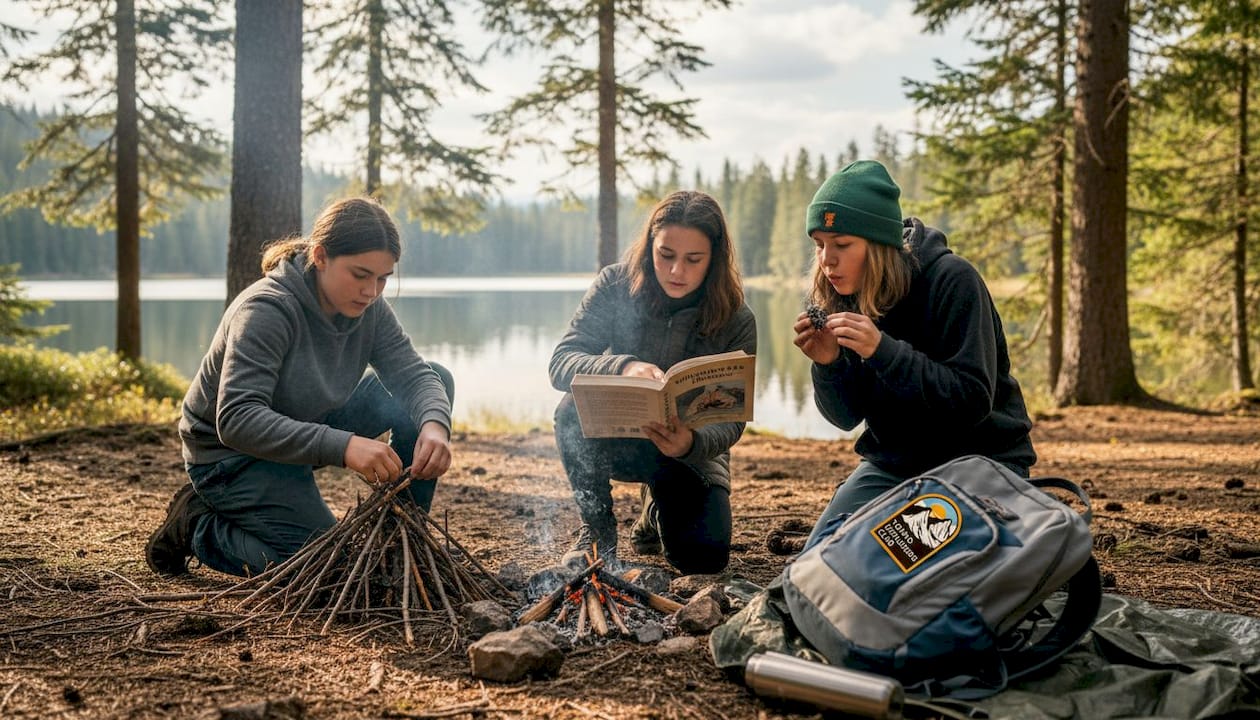
Program quality indicators at top wilderness programs predict whether teens actually achieve meaningful outcomes. Crucially, it’s the hard moments, not the easy ones, that drive the deepest growth.
Parents should also weigh logistics: travel distance, cost, supervision ratios, and communication policies. Understanding the benefits for teens before committing helps set realistic expectations for both you and your teen.
Pro Tip: Ask any program director how they handle a teen who wants to quit mid-expedition. Their answer tells you everything about their coaching philosophy.
Once you know what matters when choosing an adventure program, the next step is exploring the top options available for teens.
NOLS wilderness expeditions: Leadership through challenge
NOLS (National Outdoor Leadership School) is one of the most respected wilderness programs in the world. It’s built for teens who want more than a fun trip. They want to come home genuinely changed.
NOLS offers expeditions for teens aged 14 to 17, including:
- Backpacking: Multi-day treks covering up to 75 miles through remote terrain.
- Whitewater rafting: Up to 80 miles of river navigation with real technical skill-building.
- Multi-sport expeditions: Two to four week programs combining multiple disciplines.
- Core skills: Navigation, wilderness first aid, Leave No Trace ethics, and team leadership.
What sets NOLS apart is its philosophy. Instructors don’t solve problems for teens. They guide them through solving problems themselves. That approach builds confidence in teens that carries far beyond the trail.
“Low-point experiences, like conflict, bad weather, and exhaustion, drive deeper identity reflection and growth through relationships and natural consequences.” — More Than Just Memories
The outcomes are measurable. NOLS graduates show a 96% college completion rate, well above national averages. That’s not a coincidence. Learning to lead under pressure, manage failure, and keep going when things get hard translates directly into life success.
If NOLS models deep outdoor challenge and leadership, Outward Bound builds on these foundations with a distinctive emphasis on belonging and personal discovery.
Outward Bound: Teamwork, perseverance, and self-discovery
Outward Bound has been running expedition-style programs for decades, and its impact data is hard to ignore. Programs serve teens aged 12 to 18 and combine backpacking, canoeing, rock climbing, and solo reflection periods.
Key highlights:
- Age range: 12 to 18 years old.
- Activities: Backpacking, canoeing, rock climbing, and structured solo time.
- Confidence growth: 92% of participants reported gaining new confidence.
- Continued curiosity: 93% said they wanted to keep learning about themselves and others.
- Social value: Every $1 invested in Outward Bound programs produces $9 in measurable social value.
The crew-based model is what makes Outward Bound special. Teens don’t just share a tent. They solve real problems together, navigate disagreements, and celebrate shared wins. The “solo” period, where teens spend time alone in nature with minimal gear, is often described by graduates as the most powerful experience of their lives.
For parents, the adventure camp benefits go beyond the summer. Teens return with stronger assertiveness, social responsibility, and a clearer sense of who they are.
Beyond big expedition programs, some teens thrive with more specialized or shorter experiences. That’s where Wilderness Adventure steps in.
Wilderness Adventure: Specialty camps for every interest
Not every teen wants a three-week wilderness expedition. Some want to go deep on one specific skill. Wilderness Adventure runs specialty camps for ages 13 to 17 that let teens focus on what excites them most.
Camp options include:
- Rock climbing: Technical skill-building on real routes.
- Mountain biking: Trail riding with progressive difficulty.
- Kayaking: Flatwater and whitewater paddling fundamentals.
- Caving: Underground exploration that builds nerve and spatial awareness.
Sessions run one to two weeks, with flexible pricing ranging from $1,920 to $3,880. Each camp blends outdoor skill development with teamwork challenges and independence-building exercises. Teens leave with a specific, tangible skill set and the confidence that comes from mastering something genuinely hard.
Pro Tip: Specialty camps are perfect for teens who want to explore a new passion before committing to a longer, more intense expedition program.
For those who want the best of several worlds, adventure, travel, and small-group challenge, multi-day travel programs like Overland Summers are a perfect fit.
Overland Summers: Travel exploration meets adventure challenge
Overland Summers takes a different approach. Instead of staying in one location, teens travel through multiple destinations while tackling adventure activities along the way. Programs like Rocky Mountain Explorer and Teton Challenge combine hiking, rafting, and climbing with cultural exploration stops.
Standout features:
- Age range: 13 to 17 years old.
- Group size: Just 12 students per group, maximizing safety and connection.
- Duration: Two to three week programs.
- Destinations: Across the US and into Europe.
- Activities: Hiking, rafting, climbing, and exploration at each stop.
The small group structure is a major advantage. With only 12 teens per group, friendships form fast and go deep. Instructors can give personalized attention, and the group dynamic becomes a powerful growth engine on its own.
For families considering international options, Switzerland activities for teens offer a stunning backdrop for adventure, and the youth adventure tourism guide covers everything parents need to know about planning a safe, rewarding trip abroad.
Pro Tip: International camps deliver huge cultural growth alongside outdoor skills, but plan ahead for logistics, passport requirements, travel insurance, and budget.
These are some of the top structured options, but how do they compare side-by-side? The next section helps you evaluate and choose the best fit.
Quick comparison: Which adventure camp is right for you?
Use this table to compare programs at a glance. Self-reported gains in confidence and leadership reach 92 to 96% across top programs, with long-term outcomes like college completion rates that far exceed national averages.
| Camp | Age range | Duration | Main activities | Key skills | Unique highlight |
|---|---|---|---|---|---|
| NOLS | 14 to 17 | 2 to 4 weeks | Backpacking, rafting, multi-sport | Navigation, first aid, leadership | 96% college completion rate |
| Outward Bound | 12 to 18 | 1 to 4 weeks | Backpacking, canoeing, climbing | Teamwork, perseverance, self-discovery | $9 social value per $1 invested |
| Wilderness Adventure | 13 to 17 | 1 to 2 weeks | Climbing, biking, kayaking, caving | Specific outdoor skills, independence | Specialty focus, flexible pricing |
| Overland Summers | 13 to 17 | 2 to 3 weeks | Hiking, rafting, climbing, travel | Cultural awareness, adaptability | 12-student groups, travel format |
Choosing by personality:
- Extroverts and social connectors: Outward Bound’s crew model is ideal.
- Budding leaders: NOLS builds the deepest leadership foundation.
- Solo explorers and niche athletes: Wilderness Adventure’s specialty camps fit perfectly.
- Curious travelers: Overland Summers combines adventure with cultural discovery.
With these comparisons in mind, it’s important to consider how to choose the right program for your teen’s unique needs and goals.
How to decide: Matching your teen’s goals with adventure options
Choosing the right program comes down to honest self-assessment. Here are the key questions to work through before booking:
- What’s the primary goal? Personal growth, specific skill-building, social connection, or travel experience?
- What’s the right challenge level? Is your teen a beginner, intermediate, or experienced outdoor adventurer?
- How long is realistic? One week, two weeks, or a full month-long expedition?
- What’s the budget? Factor in program fees, travel, gear, and insurance.
- What group size fits best? Some teens thrive in large groups; others need smaller, tighter communities.
- What are the logistics? Domestic or international? How far from home? What’s the communication policy?
- What does your teen actually want? Their buy-in matters more than any other factor.
For teens: think about where you want to stretch, not just where your friends are going. The camps that feel slightly scary are usually the ones that change you the most.
For parents: weigh growth opportunities alongside safety and supervision. Adventure camps build real-world skills that matter in college, careers, and life. The travel camp guide is a great resource for understanding what to expect from different program formats.
The final tip is simple: being challenged and supported beats being entertained every single time.
Ready for adventure? Explore teen camps that change lives
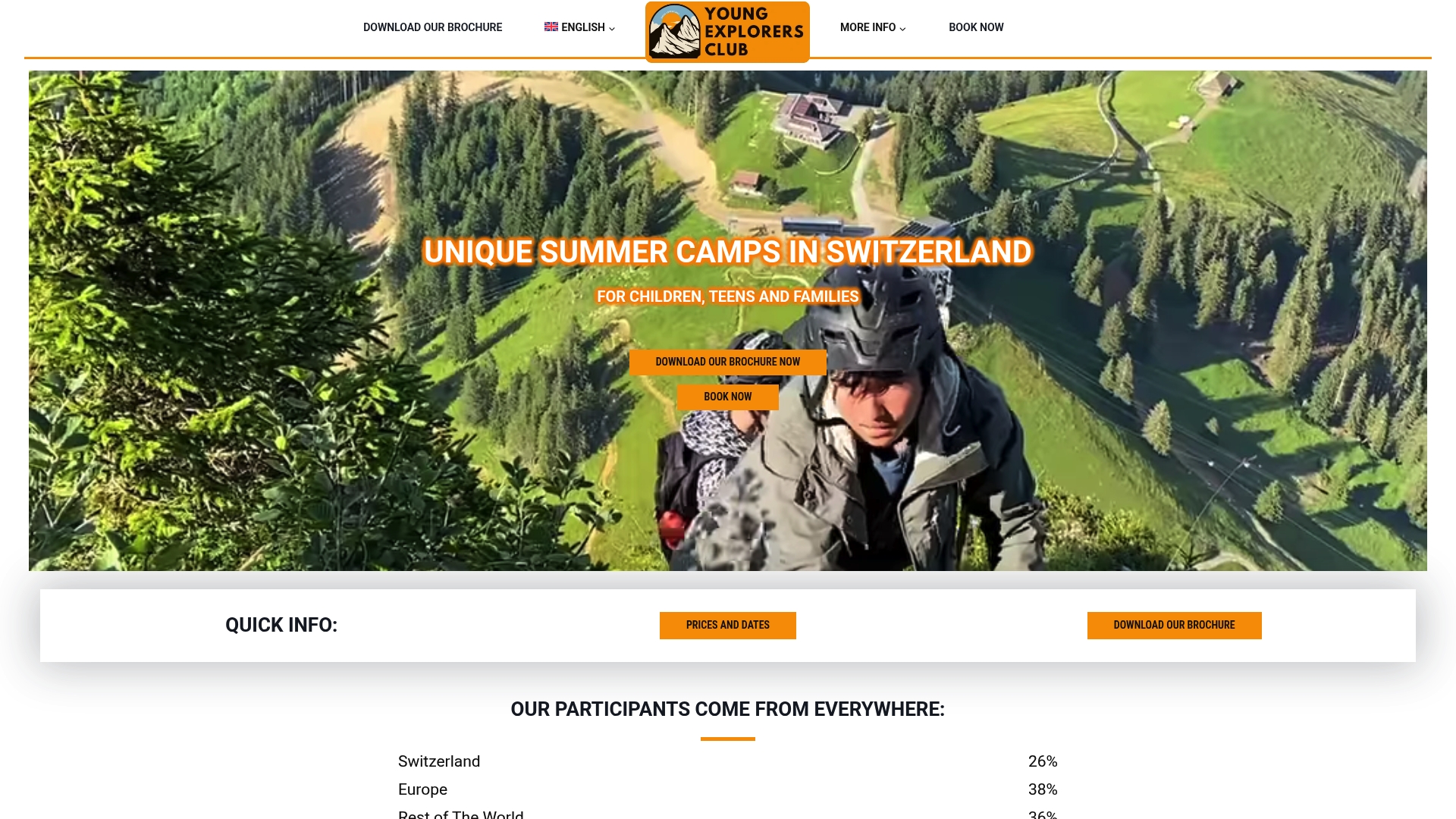
If this guide has you excited about what’s possible, Young Explorers Club is worth a close look. Based in Switzerland, the program combines mountain biking, climbing, survival skills, and multisport adventures in one of the most stunning outdoor environments in the world.
Whether your teen is ready for their first outdoor challenge or looking to level up their skills in an international setting, teen summer camp options cover a range of programs designed for real growth. Explore international camp and travel offerings, or check out weekly activities for teens to find the right starting point. Adventure that builds confidence, resilience, and lifelong friendships is waiting.
Frequently asked questions
What age is best for a teen adventure camp?
Most top adventure camps accept teens between 13 and 17, though Outward Bound starts at 12 and NOLS begins at 14 for most wilderness expeditions. The right age depends on your teen’s maturity and readiness for challenge.
Can teens earn educational credit from adventure camps?
Many programs offer credit for leadership, physical education, or outdoor learning. Some camps provide high school PE or leadership credit, so ask each provider directly before enrolling.
Are these adventure activities safe for beginners?
Yes. Programs like NOLS and Outward Bound are designed for all skill levels, using progressive skill-building that starts with fundamentals and advances at each teen’s pace under expert supervision.
How do adventure camps promote personal growth?
Low points and team relationships are the real growth drivers. Facing discomfort, resolving conflict, and pushing through hard moments with support builds confidence, resilience, and leadership that lasts well beyond the summer.
What’s the cost range for these camps?
Wilderness Adventure sessions start around $1,920 for one to two week programs. Multi-week and international programs like NOLS and Overland Summers cost more, so factor in travel, gear, and insurance when budgeting.
Recommended
- What Is Adventure Education: Guide For Parents Of Kids
- Advanced Riding Programs For Teen Equestrians | Young Explorers Club Switzerland
- Activités D’aventure Et Estime De Soi Chez L’enfant | Young Explorers Club Switzerland
- 6 Key Benefits Of Adventure Camps For Kids And Teens
- Why Adventure Tourism in Morocco: Complete Guide


