Why Camp Brochures Are Important for Parents in 2026
Discover why camp brochures are important for parents in 2026. Learn how they simplify camp decisions, ensuring a safe and rewarding experience.
TL;DR:
- Camp brochures provide families with a clear, organized snapshot of a summer camp’s offerings, safety policies, and logistics, serving as essential initial comparison tools. They should include session dates, pricing, safety details, staff ratios, and contact information, enabling efficient evaluation and follow-up questions. While they reflect organizational professionalism and authenticity, brochures are only starting points; thorough verification through further communication and site visits remains crucial.
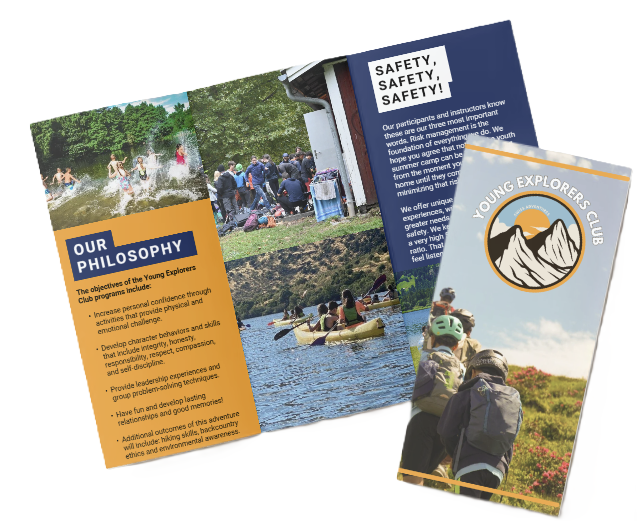
Camp brochures are structured documents that give parents an immediate, organized snapshot of what a summer camp offers, making them the single most practical starting point for any family’s decision-making process. Before you visit a website, attend a camp fair, or speak to a director, a well-designed brochure tells you whether a program is even worth your time. Understanding why camp brochures are important means recognizing that they do far more than advertise. They communicate safety policies, daily schedules, pricing structures, and the genuine character of a camp in one place. For families comparing programs like those offered by Youngexplorersclub, YMCA camps, or any international residential program, brochures are where the evaluation begins.
Why camp brochures are important for family decision-making
A camp brochure functions as a structured first snapshot of the camp experience, and structured information with prominent dates is what separates a useful brochure from one that gets discarded. That distinction matters because parents researching summer programs are often comparing five or more options simultaneously. A brochure that buries its session dates, pricing, or registration link forces you to work harder than necessary, and most parents simply move on.
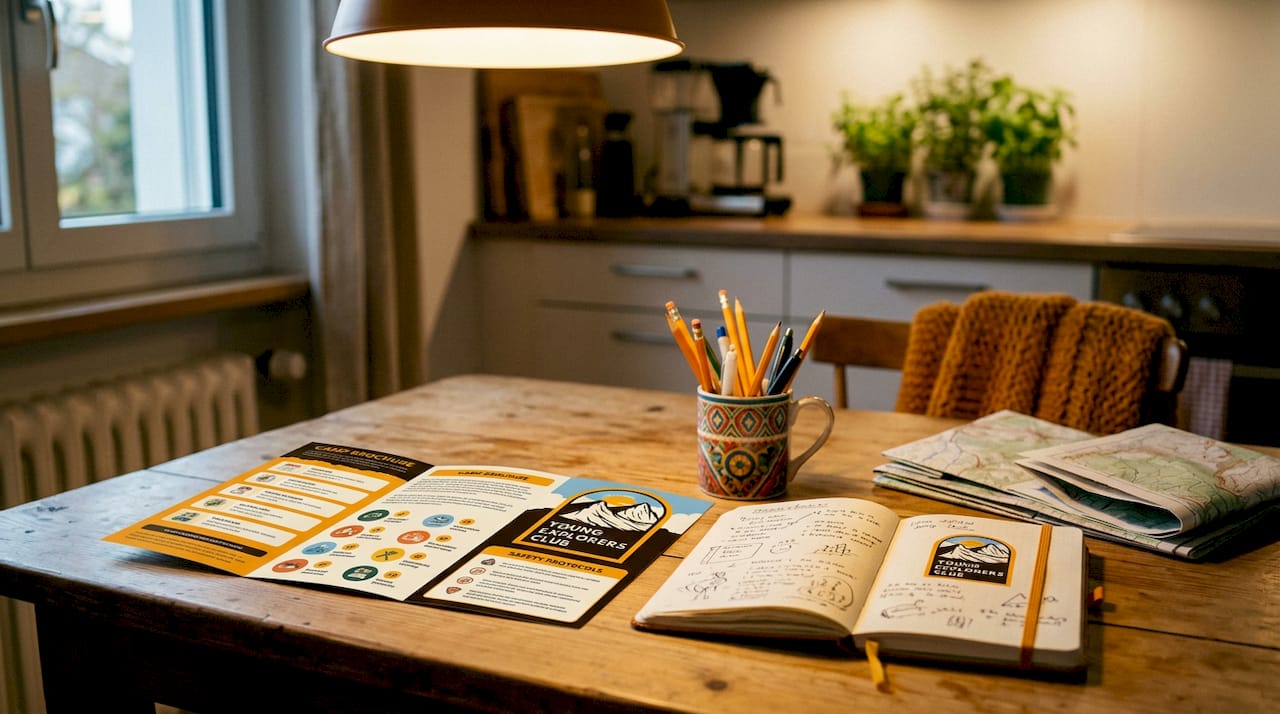
The benefits of camp brochures go beyond convenience. They create a reference document you can return to after a camp fair, share with a co-parent, or revisit weeks later when making a final decision. At events like regional camp fairs, easy-to-read flyers help parents remember specific programs long after the event ends. Memory and recall are real factors in enrollment decisions.
Effective camp brochure design also signals organizational quality. A camp that presents its information clearly, with logical sections and readable typography, is demonstrating the same attention to detail it presumably applies to its programs. Conversely, a cluttered or vague brochure raises legitimate questions about how the camp manages its operations.
Here is what a well-structured brochure should include at minimum:
- Session dates and duration with clear start and end times
- Pricing and what is included, broken down by session or program type
- Contact information and registration links, placed prominently
- Staff credentials and supervision ratios by age group and activity
- Emergency protocols and medical support available on site
- Daily schedule overview so families understand the rhythm of camp life
- Accreditation status and any relevant certifications
Pro Tip: When reviewing a brochure, flip directly to the back page first. Camps that bury their contact information or registration link often have equally disorganized enrollment processes.
Digital brochures with QR codes improve accessibility and link directly to registration pages or video tours, which is a significant advantage for international families who cannot attend in-person events. For Summer 2026, expect the best programs to offer both print and digital formats.
How brochures help you evaluate camp safety and quality
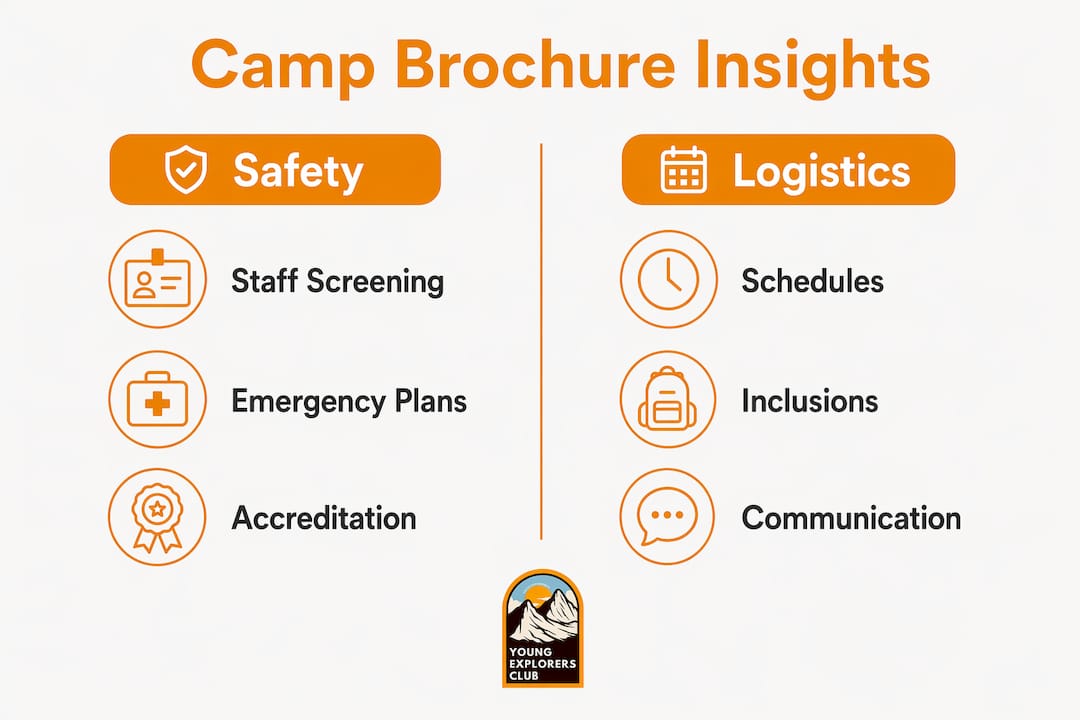
Camp brochures are safety screening tools, and parents should read them with that specific lens. Written confirmation of safety policies in a brochure gives families a baseline for comparison and a record to reference if questions arise later. A camp that documents its emergency procedures, staff training requirements, and medical support in print is making a verifiable commitment.
The most common mistake parents make is treating a generic safety statement as sufficient. Phrases like “your child’s safety is our priority” carry no operational weight. What you need to see is concrete detail.
A brochure that lists staff-to-camper ratios by activity type, not just a single headline figure, tells you far more about how a camp actually operates than any marketing tagline ever could.
Specific elements that signal genuine safety commitment in a brochure include:
- Staff-to-camper ratios listed by age group and activity, not just a single average
- Background check and screening policies for all staff and volunteers
- Named emergency protocols for medical events, weather, and off-site excursions
- On-site medical personnel or proximity to medical facilities
- Allergy and dietary accommodation procedures
A critical point worth understanding: accreditation alone does not guarantee safety. ACA accreditation, for example, sets minimum standards but does not audit every operational detail. A brochure that references accreditation without providing the underlying specifics is using a credential as a substitute for transparency. The specifics matter more than the badge.
Brochures also serve as a prompt for follow-up questions. If a brochure’s safety section is vague or incomplete, that is not necessarily a disqualifier. It is an invitation to contact the camp directly and ask for written clarification. Safety questions should be answerable within a single email exchange. If a camp cannot or will not provide written operational details, that tells you something important.
How brochures communicate inclusivity and logistics
A brochure’s job is not only to sell a program. It also needs to tell families whether the program is actually feasible for their specific situation. This is where the importance of camp marketing shifts from promotion to genuine service.
YMCA camp brochures are a strong reference point here. YMCA brochures prominently highlight need-based financial assistance and inclusion offerings, which signals to families with budget constraints or children with special needs that they are welcome to inquire further. That single design choice expands enrollment by reaching families who might otherwise assume a program is out of reach.
For families evaluating logistics, a well-designed brochure should walk through the following in clear sequence:
- Drop-off and pick-up procedures, including exact times and designated locations
- Communication methods during the session, such as camp apps, email updates, or scheduled phone calls
- Packing lists and prohibited items, so families can prepare without guessing
- Financial assistance availability and how to apply
- Special accommodations for dietary needs, medical conditions, or learning differences
- Transportation options for families traveling from outside the region
Daily schedules and communication methods described in a brochure set realistic expectations before a child ever arrives at camp. This matters because mismatched expectations are one of the leading causes of early withdrawals and negative parent experiences. A brochure that honestly describes a typical day, including rest periods, meal times, and structured versus free activity blocks, prepares both parents and children for what is actually coming.
Families with children who have specific needs should use the brochure’s inclusivity section as a starting point, then follow up directly with the camp to confirm that accommodations are genuinely operational rather than aspirational. The family camp selection workflow at Youngexplorersclub outlines exactly this kind of step-by-step verification process.
Comparing camp brochures: what to look for
Using brochures to compare camps side by side is one of the most practical applications of camp marketing materials, and most parents underuse this approach. The goal is not to find the most visually impressive brochure. It is to extract comparable data points across programs.
| Comparison factor | What to look for in the brochure |
|---|---|
| Pricing transparency | Itemized costs vs. a single total figure |
| Session structure | Half-day, full-day, weekly, or residential options |
| Activity specifics | Named activities with supervision details per activity |
| Safety documentation | Ratios, protocols, and medical support listed explicitly |
| Communication policy | Specific tools named (app, email, phone) with frequency |
Cross-checking pricing and session structure across brochures prevents the most common enrollment surprise: discovering that a lower headline price excludes meals, transportation, or specific activities that a competitor includes. Always verify what the quoted price actually covers before making any assumptions.
Authenticity in brochure content is also a meaningful signal. Parents compare camps based on emotional impression, not just logistics. A brochure filled with genuine camper stories, real photographs, and honest descriptions of what a typical week looks like builds more trust than polished marketing copy. If a brochure reads like a sales pitch from start to finish, treat that as a flag worth noting.
Pro Tip: Request brochures from three to five camps in the same category, then read them in a single sitting. Patterns become obvious quickly. The camps that provide the most specific operational detail are almost always the ones that are most organized on the ground.
Use brochures as your index, not your final authority. A brochure opens the conversation. Your follow-up questions, site visits, and conversations with current or former camp families close it. The family camp checklist from Youngexplorersclub is a practical tool for structuring that verification process beyond the brochure stage.
Key takeaways
Camp brochures are the most efficient tool parents have for comparing summer programs, evaluating safety, and confirming that a camp fits their family’s specific needs before committing to enrollment.
| Point | Details |
|---|---|
| Brochures as first snapshots | Structured brochures with clear dates and contact info enable fast, efficient camp comparison. |
| Safety screening function | Look for specific ratios, named protocols, and medical support rather than generic safety claims. |
| Inclusivity and logistics | Brochures should address financial assistance, accommodations, and communication methods explicitly. |
| Comparison tool | Use brochures side by side to compare pricing, inclusions, and session structure across programs. |
| Starting point, not final word | Treat brochures as indexes that prompt follow-up questions, not as complete operational guarantees. |
What I’ve learned from watching families choose camps
I have seen families make confident enrollment decisions based on a single well-designed brochure, and I have seen families walk away from genuinely excellent programs because the brochure failed to communicate what made them special. The document carries more weight than most camp directors realize.
The most common mistake I observe is parents treating a brochure’s safety section as a checkbox rather than a starting point. A brochure that lists ACA accreditation without specifying staff ratios by activity type is giving you a credential, not a guarantee. The families who ask the follow-up questions, the ones who email the camp director after reading the brochure and request written confirmation of emergency protocols, are the ones who arrive on drop-off day with genuine confidence rather than residual anxiety.
I also think the authenticity gap in camp brochures is underappreciated. The programs that use real photographs, honest descriptions of challenging moments alongside the fun ones, and genuine camper voices in their materials are telling you something important about their culture. A camp that is comfortable showing you the full picture in its brochure is a camp that is comfortable with transparency in general. That correlation holds up.
One more thing worth saying directly: a beautiful brochure does not make a great camp. It signals organizational competence and marketing investment, both of which matter. But the brochure is the beginning of your research, not the end of it. Use it to build your shortlist, then do the work to verify what it claims.
— Guillem
See what a detailed camp brochure looks like in practice
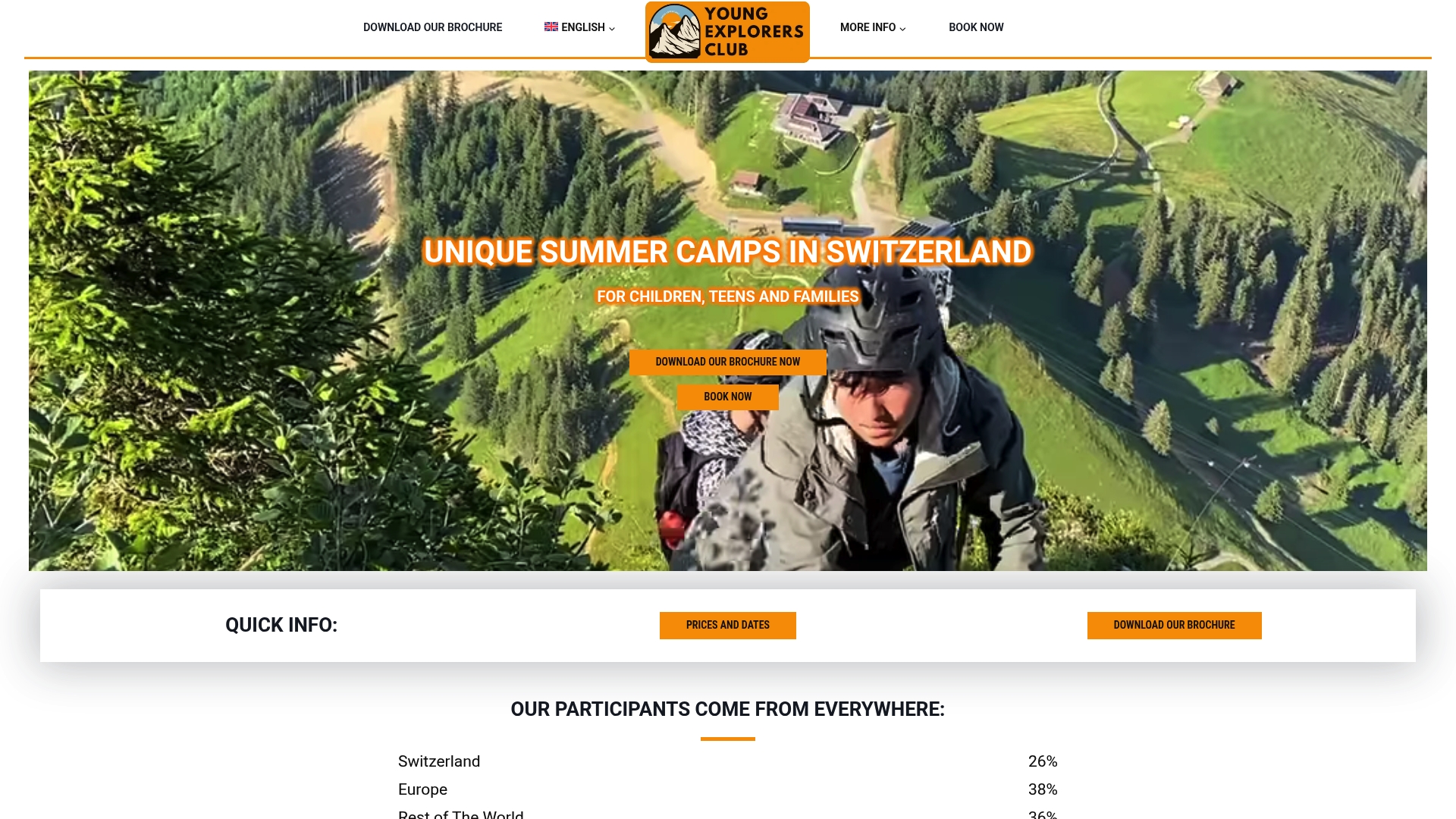
Youngexplorersclub publishes detailed program information for its Switzerland-based summer camps, covering everything parents need to evaluate: weekly activity schedules, staff supervision structures, language program options, and logistics for international families. The weekly camp programs in Vaud are designed for children and teens who want genuine outdoor adventure combined with personal development, and the program materials reflect that specificity. If you are building your shortlist for Summer 2026, reviewing the Youngexplorersclub program details gives you a clear, honest picture of what the experience actually involves. You can also explore the camp FAQ for answers to the operational questions that brochures sometimes leave open.
FAQ
What should a camp brochure always include?
A camp brochure should always include session dates, pricing with a clear breakdown of inclusions, staff-to-camper ratios, emergency protocols, and contact information with a registration link. These elements allow parents to make a direct comparison across programs without needing to contact each camp individually.
How do camp brochures help with safety evaluation?
Brochures help parents screen for safety by presenting written operational details such as staff screening policies, supervision ratios by activity, and on-site medical support. Vague or missing safety details in a brochure are a signal to request written clarification directly from the camp before enrolling.
Are digital camp brochures better than print versions?
Digital brochures offer advantages for international families because they include QR codes and direct links to registration pages, video tours, and additional program details. Print brochures remain useful at camp fairs and for families who prefer a physical reference when comparing multiple programs.
How do I compare multiple camp brochures effectively?
Read three to five brochures in a single sitting and focus on comparable data points: pricing transparency, what is included in the session fee, named activities with supervision details, and communication policies. Cross-referencing session structure and pricing prevents enrollment surprises after you have already committed.
Can a brochure tell me if a camp is the right fit for my child?
A brochure can tell you whether a camp is worth pursuing further, but it cannot confirm fit on its own. Use the brochure to assess alignment with your child’s interests, your family’s logistics, and your safety standards, then follow up with direct conversations and, where possible, a site visit or reference check with current families.