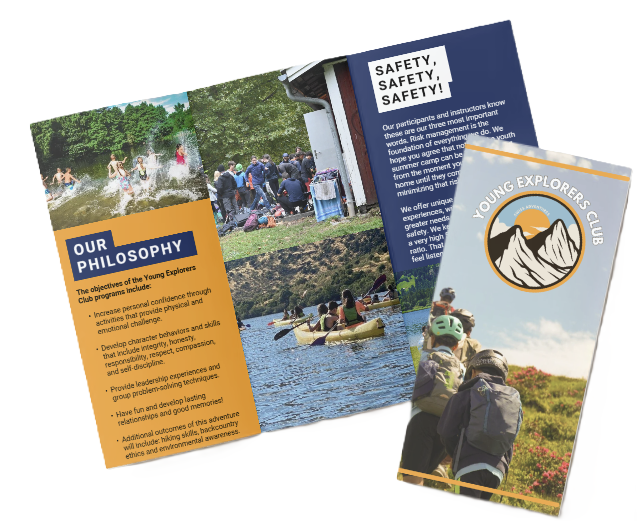
How to plan travel for summer camp: a 2026 parent’s guide
Master international summer camp travel planning for 2026 with this complete parent’s guide covering preparation, logistics, arrival strategies, and troubleshooting tips for safe, enriching experiences.
Planning international summer camp travel feels overwhelming when you want everything perfect for your child’s adventure. Between coordinating flights, managing documentation, and ensuring your child feels emotionally ready, the logistics can pile up fast. This guide walks you through every step of preparing for, traveling to, and settling into an international summer camp in 2026, focusing on accredited programs with bilingual immersion and outdoor adventure activities that build confidence and skills.
Table of Contents
- Understanding Summer Camp Options And Prerequisites
- Preparing Your Child And Trip Essentials For Summer Camp Travel
- Travel And Arrival: Managing Logistics And First-Day Success
- Common Challenges And Troubleshooting During Summer Camp Travel
- Explore Adventure Summer Camps In Switzerland With Young Explorers Club
- How To Plan Travel For Summer Camp Questions
Key takeaways
| Point | Details |
|---|---|
| Accredited camps matter | Bilingual immersion accelerates language 0.5-1 CEFR levels in just four weeks naturally. |
| Preparation reduces stress | Organized documentation, packing lists, and emotional readiness create smoother camp experiences. |
| Low ratios improve safety | Camps with fewer children per staff member provide better supervision and personalized attention. |
| Travel logistics need planning | Early flight bookings, confirmed transfers, and 24/7 support contacts prevent last-minute chaos. |
| Troubleshooting saves the day | Knowing common challenges and solutions helps parents and children adapt quickly. |
Understanding summer camp options and prerequisites
Choosing the right international summer camp starts with understanding what makes programs truly valuable for your child’s growth. Accredited camps meet rigorous safety standards, maintain qualified staff, and follow proven educational frameworks. Accreditation signals that independent organizations have verified the camp’s facilities, emergency protocols, and staff training meet international benchmarks.
Low child-to-staff ratios directly impact your child’s experience. Camps maintaining ratios of 5:1 or 6:1 for adventure activities ensure instructors can provide individualized attention during rock climbing, mountain biking, or survival skills training. This personalized approach helps children progress faster while staying safe during challenging outdoor pursuits.
Bilingual immersion environments deliver measurable results. When children spend four weeks surrounded by peers and counselors speaking both English and French, they naturally acquire vocabulary and conversational skills. Bilingual immersion accelerates language 0.5-1 CEFR levels in just one month, equivalent to six months of traditional classroom instruction.
Before selecting a camp, verify these prerequisites:
- Age requirements matching your child’s developmental stage
- Medical clearance forms and vaccination records
- Baseline language proficiency expectations
- Activity-specific prerequisites like swimming ability for water sports
- Insurance coverage for international travel and adventure activities
Pro Tip: Request detailed emergency protocols before booking. Camps should provide written procedures for medical emergencies, natural disasters, and communication blackouts. Ask specifically about 24/7 on-site medical staff and evacuation plans.
Explore specialized programs like travel teen camps that combine adventure with cultural immersion. These programs structure activities to build independence while maintaining robust safety frameworks. The combination of outdoor challenges and bilingual environments creates ideal conditions for personal growth and language acquisition.
Preparing your child and trip essentials for summer camp travel
Successful camp experiences begin weeks before departure with thorough preparation covering documentation, gear, and emotional readiness. Start with essential paperwork at least eight weeks before travel dates.
Complete this documentation checklist in order:
- Verify passport validity extends six months beyond return date
- Obtain travel authorization letters if only one parent accompanies the child
- Complete camp medical forms with current physician signatures
- Secure international health insurance covering adventure activities
- Compile emergency contact cards with multiple phone numbers and time zones
- Copy all documents and store digitally in cloud storage accessible offline
Packing for adventure-focused bilingual camps requires balancing practical gear with comfort items. Bilingual immersion accelerates language 0.5-1 CEFR levels naturally when children feel comfortable and confident, so familiar items reduce stress.
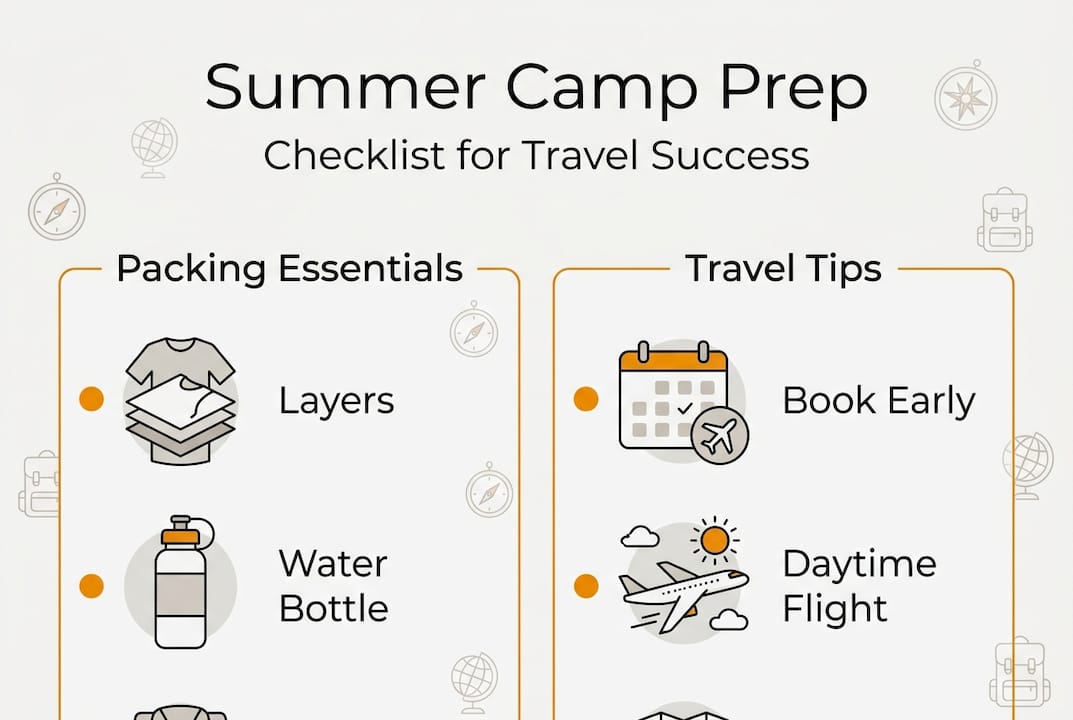
Pack these adventure essentials:
- Moisture-wicking base layers for hiking and climbing
- Sturdy hiking boots broken in at least two weeks before departure
- Sun protection including hat, sunglasses, and SPF 50+ sunscreen
- Reusable water bottle marked with child’s name
- Small daypack for excursions
- Headlamp with extra batteries
- Quick-dry towel and toiletries in travel sizes
- Bilingual dictionary or translation app loaded on phone
- Comfort item like a favorite book or small stuffed animal
- Labeled laundry bag for dirty clothes
Emotional preparation matters as much as physical packing. Use the summer camp preparation checklist to guide conversations about expectations, homesickness, and making friends. Start discussing camp three weeks before departure, gradually increasing frequency as the date approaches.
Address separation anxiety through structured preparation. Visit the camp website together, watch videos of activities, and read testimonials from previous campers. Role-play scenarios like introducing themselves to new friends or asking counselors for help. These rehearsals build confidence and reduce first-day jitters.

Follow guidance from emotional camp preparation resources to normalize feelings about leaving home. Acknowledge that missing family is normal while emphasizing the exciting adventures ahead. Create a countdown calendar where your child marks off days and lists one thing they’re excited to try at camp.
Pro Tip: Involve your child in packing decisions to build ownership and excitement. Let them choose which comfort item to bring and which adventure activities they want to prioritize. This involvement transforms packing from a chore into an engaging part of the adventure.
Book flights at least three months ahead for better prices and seat selection. Choose daytime flights when possible to help children stay alert during travel and adjust to new time zones more easily. Confirm airport transfer arrangements directly with camp coordinators, verifying pickup locations, timing buffers, and backup contact numbers.
Travel and arrival: managing logistics and first-day success
Travel day requires careful coordination to ensure smooth transitions from home to camp. Confirm all logistics 48 hours before departure, including flight times, gate changes, and ground transportation schedules.
Coordinate these arrival details:
- Airport pickup location with specific terminal and meeting point
- Camp transport driver contact information and vehicle description
- Backup plan if flights delay or cancel
- Check-in window at camp and late arrival procedures
- First meal timing and dietary accommodation confirmation
Provide your child with a travel information card containing camp address, phone numbers, and your contact details in both English and the local language. Laminate this card and attach it to their daypack for easy access during travel.
Bilingual immersion accelerates language 0.5-1 CEFR levels in just four weeks, but this requires active participation from day one. During first-day orientation, encourage your child to sign up for optional language sessions and conversation partners. These structured opportunities complement natural immersion happening during meals and activities.
Camps with 24/7 on-site support and low camper-to-staff ratios create environments where children feel safe taking risks, trying new activities, and practicing new languages without fear of judgment or inadequate supervision.
Help your child set specific goals for their camp experience during the first evening. Goals might include trying three new activities, making friends from two different countries, or learning ten new phrases in the immersion language. Writing these goals down and reviewing them mid-session keeps motivation high.
The first week determines how quickly children adapt and thrive. Follow strategies from amazing camp experience tips to support this transition remotely. Most camps limit parent communication during the first few days to help children bond with peers and counselors rather than focusing on homesickness.
Trust the camp’s communication schedule. Structured updates through photos, videos, or brief calls provide reassurance without interrupting the immersion experience. Resist the urge to contact your child outside scheduled times unless genuine emergencies arise. This boundary helps children develop independence and resilience.
Encourage counselors to share observations about your child’s adjustment during scheduled check-ins. Ask specific questions about participation levels, friendship formation, and comfort with activities rather than general questions. Specific feedback helps you understand their experience and address concerns promptly if needed.
Common challenges and troubleshooting during summer camp travel
Even with thorough planning, unexpected challenges arise during international camp travel. Recognizing common issues and having solutions ready reduces stress and helps children adapt quickly.
Typical challenges include:
- Flight delays disrupting carefully timed transfers
- Homesickness peaking during the first three days
- Language barriers creating initial communication frustration
- Activity difficulty levels not matching child’s current abilities
- Lost luggage containing essential gear
- Dietary restrictions not fully accommodated
- Time zone adjustment affecting sleep and energy
| Challenge | Proactive Solution |
|---|---|
| Flight delays | Book flights with 3+ hour buffer before camp pickup deadlines; share backup contact numbers |
| Homesickness | Pack comfort item; practice coping strategies before departure; trust camp counselors’ experience |
| Language barriers | Load translation app; encourage gestures and patience; celebrate small communication wins |
| Activity misalignment | Review selecting camp activities before booking; communicate skill levels honestly |
| Lost luggage | Pack essentials in carry-on; label all bags inside and out; file claims immediately |
| Dietary needs | Confirm accommodations in writing pre-arrival; pack safe snacks for first days |
| Jet lag | Adjust sleep schedule gradually week before travel; encourage outdoor time upon arrival |
Bilingual immersion accelerates language 0.5-1 CEFR levels naturally, but initial frustration is normal. Remind your child that communication improves daily and that gestures, smiles, and patience bridge gaps while vocabulary builds. Most children report feeling comfortable with basic camp communication within five days.
Camps with robust 24/7 support systems handle emergencies efficiently. Staff trained in crisis management, first aid, and child psychology respond to medical issues, emotional struggles, and logistical problems promptly. Verify before booking that camps maintain on-site medical facilities and established relationships with local hospitals for serious situations.
Address homesickness proactively by normalizing the feeling without dismissing it. Counselors use proven techniques like buddy systems, engaging activities, and structured check-ins to help children work through difficult moments. Most homesickness resolves within 72 hours as children bond with peers and engage in exciting activities.
Pro Tip: Pack a small travel kit containing familiar snacks, family photos, and a stamped postcard addressed to home. These comfort items provide emotional anchors during adjustment periods without enabling avoidance of camp activities. Encourage your child to write the postcard on day three, reflecting on their favorite experience so far.
Teach basic public transportation etiquette before departure if camps include excursions using trains or buses. Understanding cultural norms around queuing, speaking volumes, and seat selection helps children navigate new environments confidently. Practice these behaviors during local outings in the weeks before camp.
Maintain perspective when challenges arise. Minor setbacks like forgotten items, brief homesickness, or initial activity struggles are normal parts of the camp experience. These moments teach problem-solving, resilience, and adaptability. Trust that accredited camps with experienced staff guide children through difficulties while keeping parents informed of significant concerns.
Explore adventure summer camps in Switzerland with Young Explorers Club
Now that you understand how to plan successful international summer camp travel, discover programs designed specifically for adventurous, growth-focused experiences in 2026. Summer camp Switzerland through Young Explorers Club combines bilingual immersion with outdoor activities that build confidence, teamwork, and resilience.
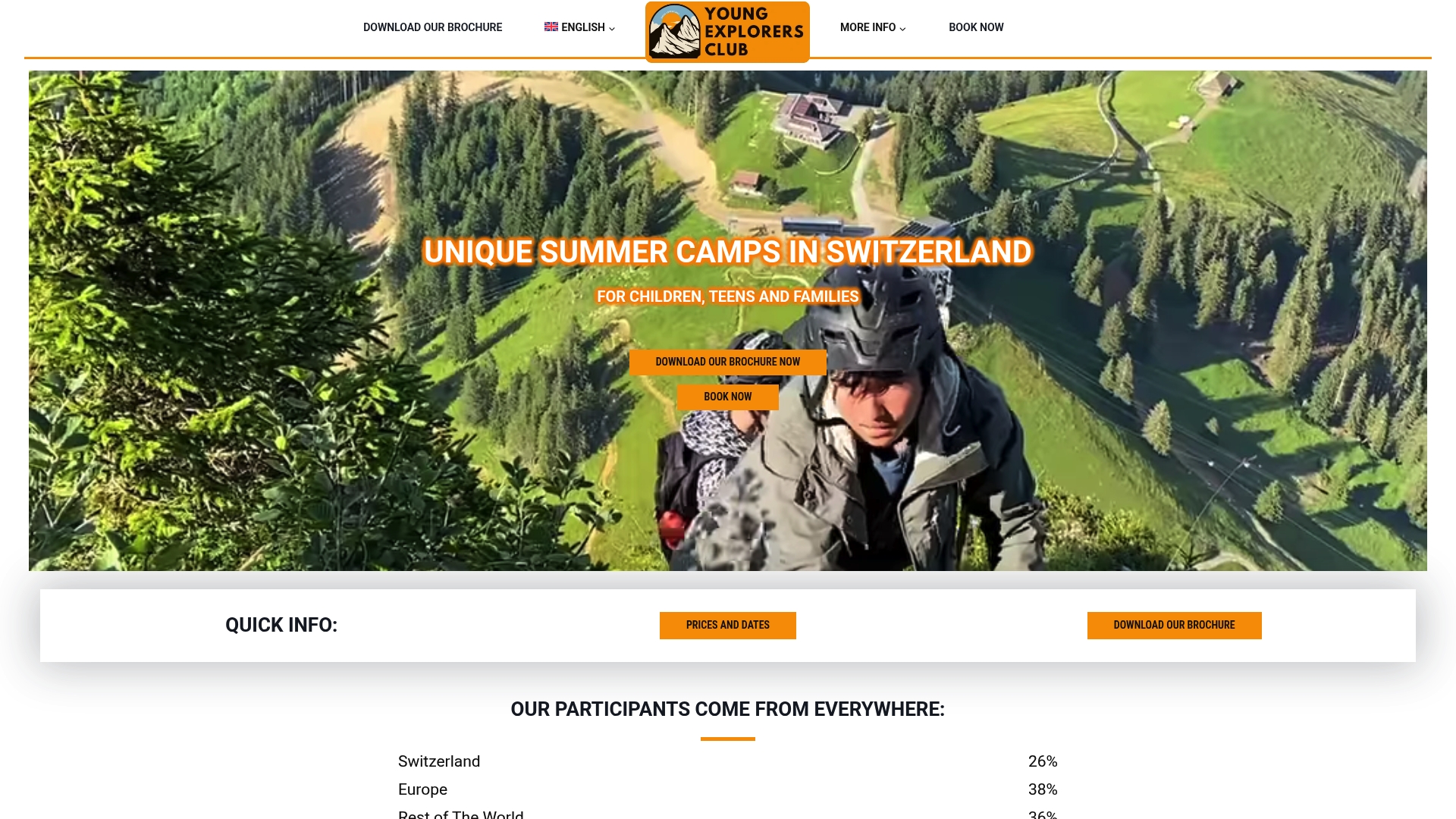
Programs feature accredited instruction, 24/7 on-site support, and low child-to-staff ratios ensuring personalized attention during mountain biking, climbing, survival skills, and multisport adventures. The bilingual environment accelerates language acquisition while children engage in experiential learning outside traditional classroom settings.
Explore specialized options like learn German at summer camp that add structured language instruction to immersive outdoor programs. These combinations deliver measurable language gains alongside adventure skills and international friendships.
Join the international summer camps in Switzerland community where children from around the world develop independence, cultural awareness, and outdoor competencies in Switzerland’s stunning alpine environment. Registration for 2026 sessions opens early, so secure your preferred dates and programs now.
How to plan travel for summer camp questions
What documents are needed for international summer camp travel?
You need a valid passport extending six months past your return date, completed camp medical forms with physician signatures, international health insurance covering adventure activities, and emergency contact information. If only one parent travels with the child, carry a notarized travel authorization letter from the other parent. Store digital copies of all documents in cloud storage accessible offline during travel.
How can I help my child overcome homesickness at camp?
Normalize homesickness by discussing it before departure and practicing coping strategies like deep breathing or journaling. Pack one comfort item from home but encourage engagement with camp activities and new friends. Trust camp counselors who use proven techniques like buddy systems and structured check-ins. Most homesickness resolves within 72 hours as children bond with peers and immerse themselves in exciting activities.
What should I pack for an adventurous bilingual summer camp?
Pack moisture-wicking layers, broken-in hiking boots, sun protection, a reusable water bottle, and a headlamp with extra batteries. Include a bilingual dictionary or translation app, quick-dry towel, and one comfort item. Label everything with your child’s name and use a laundry bag for dirty clothes. Check the camp’s specific gear list for activity requirements like climbing harnesses or swimwear.
How early should we book flights and camp spots?
Book camp spots six to nine months ahead for popular programs and preferred session dates. Reserve flights at least three months before departure for better prices and seat selection. Choose daytime flights to help children stay alert and adjust to new time zones. Confirm airport transfers and ground transportation with camp coordinators at least two weeks before travel.
What safety measures do accredited camps offer?
Accredited camps maintain low child-to-staff ratios, employ qualified instructors with current certifications, and follow verified emergency protocols. They provide 24/7 on-site medical staff, established relationships with local hospitals, and comprehensive insurance coverage. Safety equipment meets international standards and receives regular inspection. Camps conduct background checks on all staff and maintain detailed incident reporting systems.
Recommended
- Our Dates And Prices
- Travel Summer Camps 2026: 30% Confidence & Skills Boost
- Acampamentos De Férias Na Europa: Seu Guia Definitivo E Detalhado Para Aventuras De Verão Inesquecíveis | Young Explorers Club Switzerland
- The Ultimate Checklist For Preparing Your Child For Summer Camp | Young Explorers Club Switzerland
- #7 Tips voor een Stressvrije zomervakantie met je kids