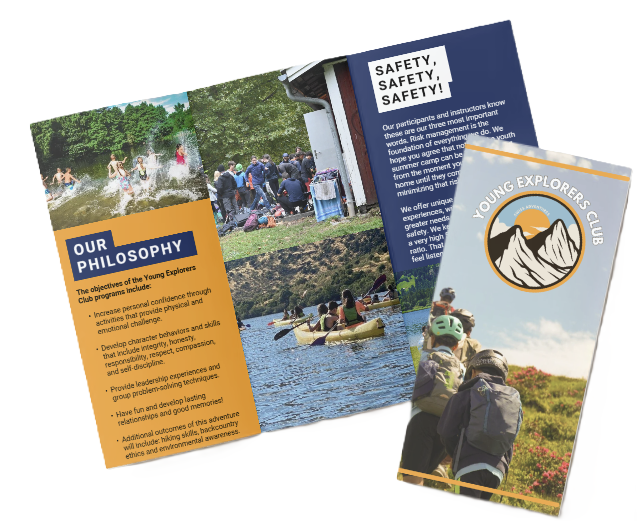

The Best Summer Camp In Switzerland For Leadership Development
Young Explorers Club: Switzerland alpine leadership summer camps—staged expeditions, expert safety, measurable skills for ages 11–19.
Young Explorers Club — Alpine Leadership Expeditions
We, at the Young Explorers Club, use Switzerland’s alpine terrain and short 1–3 hour transfer windows to run staged valley-to-high-alpine expeditions. These expeditions act as a progressive leadership classroom, delivering measurable skill growth and building confidence through hands-on experiences.
Key Takeaways
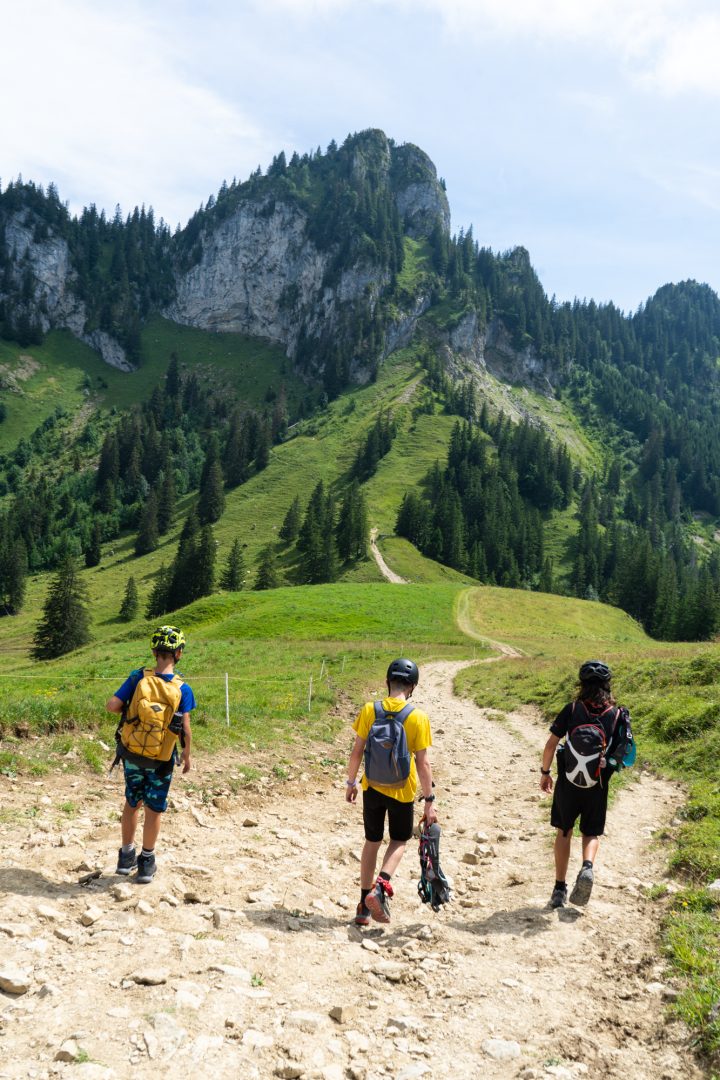
- Alpine setting: Switzerland’s terrain and short transfers let us stage expeditions across valley and high‑alpine zones. Participants encounter varied problem-solving environments — lakes, scrambling sections and glacier edges — that support stepwise leadership progression.
- Layered safety: We implement layered safety systems. On-route medics accompany teams, verified evacuation plans are in place, and we coordinate with Swiss rescue services. Staff-to-camper ratios tighten for higher-risk legs.
- Core competencies: The curriculum targets communication, resilience, project management, team-building, decision-making and ethical leadership. Outcomes are measured with objective metrics like navigation accuracy, completed leadership tasks and 360 feedback.
- Formats & contact hours: Programs range from 1-week tasters to 3–4 week intensives. Typical contact hours are roughly 20–40; 80–120; and 180–400+ respectively. Age-graded tracks include 11–13, 14–16 and 17–19. Typical industry costs range approximately CHF 500–1,500; CHF 3,000–8,000; and CHF 7,000–18,000+.
- Family guidance: Families should verify accreditation and staff credentials (for example IFMGA/Mountain Leader, WFA/WFR), confirm mandatory insurance with evacuation cover (we recommend CHF 100,000+), and ask to see published emergency plans, sample schedules and pre/post outcome data before booking.
Program Details
Program structure
The curriculum combines layered medical and mountain-rescue support with multilingual team challenges. Instructional time splits roughly into 20–30% theory, 50–60% experiential work and 10–20% reflection, creating a cycle of practice and debrief that supports steady leadership development.
Safety & risk management
Safety is managed through multiple layers: on-route medics, verified evacuation plans, coordination with local rescue services and dynamic staffing ratios for higher-risk sections. All emergency procedures are documented and available to families on request.
Curriculum & assessment
We assess progress using a mix of tools: pre/post measures, instructor 360s, and tangible project deliverables across age tracks (11–19). Objective metrics include navigation accuracy, completed leadership tasks and peer/instructor feedback.
Formats & costs
Offerings run from short tasters to long intensives. Typical contact hours and cost bands are:
- 1-week tasters: ~20–40 contact hours; CHF 500–1,500.
- Intermediate intensives: ~80–120 contact hours; CHF 3,000–8,000.
- Extended expeditions: ~180–400+ contact hours; CHF 7,000–18,000+.
Family checklist (what to verify before booking)
- Accreditation & staff credentials: Ask for verifier credentials (IFMGA, Mountain Leader, WFA/WFR).
- Insurance requirement: Confirm mandatory evacuation cover; recommended minimum CHF 100,000+.
- Emergency plans: Request published emergency and evacuation plans.
- Sample schedules: Review daily itineraries and transfer windows.
- Outcome data: Ask for pre/post assessment summaries and example instructor 360 reports.
https://youtu.be/CQ0P2d38mDM
Why Switzerland Is the Best Setting for Leadership Summer Camps
We, at the Young Explorers Club, choose Switzerland because the landscape itself becomes a leadership classroom. Alpine terrain, large lakes and multi-day trekking routes let us stage progressive outdoor challenges that build competence and confidence. Valley floors sit around 400–600 m while high-alpine areas reach 2,000–4,000 m, so we can design gradual acclimatization and stepwise expedition difficulty across a single session. Regions we regularly use include the Bernese Oberland (Interlaken), the Lake Geneva corridor (Montreux / Vevey), the Mont Blanc approaches (Chamonix / Argentière) and Verbier.
Typical transfer times you can expect are: Zurich to Verbier ~2.5 hours; Geneva to Montreux ~1 hour; Zurich to Interlaken ~2 hours; Geneva to Chamonix ~1–1.25 hours — many camp transfers fall in a 1–3 hour window, which supports short-session arrivals and manageable travel days.
Switzerland’s emergency response and mountain rescue systems give parents clear reassurance and let us push learning safely. Swiss mountain rescue Rega provides strong heli-rescue capability, and median ambulance response times in urban areas are under 15 minutes (ambulance response <15 minutes (urban)). We plan programs assuming rapid evacuation options, layered medical cover on every trip and staff trained to escalate quickly. That lets us use steeper terrain and longer routes without compromising safety, and it shortens the margin for error compared with remote wilderness locations.
The multilingual, multicultural setting adds real leadership value. With German, French, Italian and Romansh present and high English proficiency in alpine and tourist areas, we run core leadership exercises in English while offering optional French or German practice. That builds cross-cultural communication skills and gives international cohorts a chance to lead across language lines. Camps become intensive social labs where conflict resolution, public speaking and team negotiation happen naturally.
Accessibility for international families factors into our program design. Major international hubs in Zurich and Geneva, plus a reliable rail and road network, keep transfers short and consistent. Shorter transfers reduce travel fatigue and let us slot in short-session arrivals and departures without losing instructional time. For a clear starting point on our approach, see our youth leadership program for program structure and examples.
What this setting allows us to deliver
Below are concrete program advantages we exploit when designing leadership curricula:
- Staged expedition profiles that move from valley hikes to high-alpine ridges over multiple days, enabling measurable progression.
- Clear logistics windows (1–3 hour transfers) that make short camps and modular session lengths practical for international families.
- Layered safety protocols leveraging local rescue resources, trained medical staff and on-route evacuation plans.
- Language-mixed challenges where teams must complete tasks using English and optional local-language prompts to sharpen cross-cultural leadership.
- Varied environments — lake-based problem solving, technical scrambling, glacier-edge navigation — that let us assess and develop different leadership competencies under controlled risk.
We structure each activity with learning objectives, assessment moments and debriefs so leaders-in-training leave with specific skills and evidence of growth. We keep groups small, rotate roles frequently and use objective metrics — navigation accuracy, time management on multi-day treks, peer feedback scores — to measure progress.

What Leadership Skills, Curriculum Elements and Measurable Outcomes to Expect
Core competencies and curriculum structure
We, at the young explorers club, focus on a tight set of leadership competencies that translate to school, sports and community life. Below I list the primary skills we develop and why they matter.
- Communication: clear briefings, public speaking and active listening.
- Resilience: coping strategies, stress exposure and recovery routines.
- Project management: planning, resource allocation and milestone tracking.
- Team-building: role rotation, trust exercises and cross-team collaboration.
- Decision-making: risk assessment, rapid choice drills and debriefs.
- Ethical leadership: values-based scenarios and accountability practices.
- Conflict resolution and emotional intelligence: mediation drills and empathy training.
Our curriculum splits time to maximize learning transfer. Expect roughly 20–30% classroom-style theory, 50–60% experiential challenges, and 10–20% reflection plus coaching. For a typical two-week session I plan for 80–120 contact hours. That includes daily workshops of 1.5–3 hours, a 3–6 day outdoor expedition and 2–4 individualized coaching sessions per camper. I anchor activities in Kolb’s experiential learning cycle and use a challenge-by-choice approach so campers opt into stretch experiences while staying safe. Every session ends with a project-based leadership deliverable — usually a final pitch or a community service project — that shows teams can plan, execute and reflect.
For specifics on program formats and age brackets, see our leadership development programs.
Measuring outcomes and evidence
I measure impact with a mixed-methods approach. That usually includes pre/post self-assessments, an instructor 360-degree evaluation and concrete deliverables such as a completed group project. Programs typically set a target of 2–5 leadership tasks per camper during a session so practice is measurable. Expect follow-up surveys at 3–6 months to check retention and real-world application.
Be cautious about headline claims. When percent changes are reported they usually come from self-reported measures; I recommend treating those as indicators of perceived growth rather than absolute proof unless independently verified. For practical monitoring, I track:
- Change on specific competency scales (pre vs. post)
- Number and quality of leadership tasks completed
- Instructor 360 feedback trends
- Presence of a finished group deliverable
I use these measures to refine programming, assign targeted coaching and provide families with clear, actionable reports after camp.

Program Formats, Ages, Durations and Typical Costs
Age brackets and recommended goals
We structure progression into three clear tracks and align outcomes to age and readiness. Below are the age brackets and core goals for each track:
- Ages 11–13 — Junior Leaders: build confidence, practice foundational team skills and basic decision-making, and try short leadership tasks during activities. See our youth leadership program for examples.
- Ages 14–16 — Mid‑teens: apply leadership in group expeditions, lead small teams, and learn conflict resolution and peer mediation. Relevant curriculum is covered in our leadership development tracks.
- Ages 17–19 — Senior / College‑prep: manage multi-week projects, explore ethical leadership, and build college‑readiness portfolios and references. I recommend reviewing our summer camp in Switzerland offerings for intensive portfolio options.
Durations, contact hours, group sizes and costs
Programs run as short tasters, in-depth workshops, or intensive project tracks. Typical formats and contact hours are:
- 1‑week tasters: roughly 20–40 contact hours for introductions and skill sampling.
- 2‑week courses: about 80–120 hours, mixing workshops with an expedition leg and measurable skill growth.
- 3–4 week intensives: 180–400+ hours to finish a project and earn credentials. Long‑term and multi‑session options support sustained mentorship and alumni networks; details live on our leadership in camps page.
I check staff ratios closely. For residential and teaching contexts, expect 1:6–1:10 staff‑to‑camper. Higher‑risk expedition legs use tighter staffing—typically 1:4–1:6. Clarify whether ratios refer to residential staff, teaching staff, or expedition leaders when you compare programs. Our approach to outdoor skill training and confidence work is outlined under outdoor leadership and the related leadership qualities list.
Typical industry cost ranges (confirm 2026 prices with each camp) are:
- CHF 500–1,500 for a 1‑week taster.
- CHF 3,000–8,000 for a 2‑week in‑depth course.
- CHF 7,000–18,000+ for 3–4 week intensives that include expeditions and project mentoring.
Financial aid and pricing notes I highlight for families:
- Early‑bird discounts commonly run 5–15%; sibling discounts often 5–10%.
- Scholarships and institutional aid can cover roughly 10–50% depending on need. See our personal development guidance for parent FAQs.
- Typical deposit is 20–30%. Cancellation and refund windows vary by program; I advise checking terms and considering travel insurance.
For practical prep and evaluation, review our skills checklist, read about mentor impact, and learn how outdoor sports support social‑emotional learning.
Safety, Health, Insurance and Staff Credentials to Verify
We, at the young explorers club, require camps to show clear, verifiable medical capability before we accept participants. Expect on-site medical personnel or trained first responders available 24/7.
Typical camp ratios run about 1:50–1:100 depending on size; for high-risk expeditions I insist a medic accompanies teams. Always ask for the nearest hospital and heli-evacuation details, plus expected road and air transfer times so you can compare risk quickly. Use Swiss mountain rescue Rega as a reference point for mountain evacuations and remember that ambulance response under 15 minutes in urban areas is a local benchmark.
Emergency protocols and documentation
Ask each camp for written emergency, wilderness and pandemic plans and a copy of their incident-response flowchart.
- An emergency contact card you can carry
- Documented evacuation times (road and air)
- A named emergency operations lead and on-call roster
Require drill frequency and recent exercise reports. I check for formal agreements with local hospitals and rescue services, plus a clear communications plan that lists how families are notified and how decisions are escalated.
Insurance and staff credentials to request
Request these items from any camp and confirm them before booking:
- Proof that international travel/medical insurance is mandatory for participants, recommending CHF 100,000+ medical coverage and explicit emergency evacuation cover
- Written confirmation that policies cover the specific adventure activities on the itinerary
- Copies of staff medical certifications (WFA/WFR and pediatric first aid where minors are present)
- Accreditation or affiliation evidence (ACA-equivalent, SAC or UIAA for mountaineering programs)
- Technical guiding credentials (IFMGA or certified Mountain Leader for alpine/technical routes)
- Child-protection checks (DBS or national equivalent for international hires)
- Demonstration that at least one lead instructor per activity holds the relevant technical certification
I always ask for scans of certificates and the CVs of expedition medics and lead instructors. We compare staff-to-camper ratios and verify whether the camp posts a medic on expeditions. Where mountain exposure exists, I confirm Rega contact procedures and heli-evacuation handoff plans. For a practical reference point on program design and safety standards, I point families to our summer camp in Switzerland so they can see how these checks are implemented in real programs.
How to Compare Top Swiss Leadership Camps and Practical Logistics for Families
We start by setting a clear checklist for verification: confirm 2026 session dates, age ranges (typically 11–19), staff-to-camper ratios (day programs 1:6–1:10; expeditions 1:4–1:6), sample daily schedules, accreditation (ACA / SAC / IFMGA), tuition in CHF, and any published outcomes or alumni placement data. We always ask camps for written proof — not vague claims — so families can compare apples to apples.
Suggested candidate programs to research (collect these fields for each)
- Aiglon College Summer Programme — For each program gather session dates, exact age ranges, staff ratios, sample daily schedule, accreditation letters, CHF tuition range, and any alumni outcome reports.
- TASIS The American School in Switzerland — Verify whether sessions focus on leadership modules, confirm counselor credentials and student-to-staff ratios, and request post-program outcome data.
- Institut auf dem Rosenberg — Ask for expedition-specific staff ratios (often lower), IFMGA or equivalent instructor certifications, and examples of sample itineraries.
- Les Elfes International (Verbier) — Collect details on outdoor modules, overnight policies, accreditation, and published placement or alumni follow-up.
- Swiss Alpine Club (SAC) youth programs — Confirm SAC accreditation, mountain leader qualifications, typical group sizes, and emergency evacuation plans.
- St. George’s International School summer programs — Request their leadership curriculum outline, counselor-to-camper ratios, and any university or internship placement metrics.
- Local alpine guiding companies offering Mountain Leader courses — For these, demand instructor certifications (IFMGA/Swiss-guiding), expedition ratios, equipment lists, and medical/evacuation procedures.
We use that single comparison template across every program to keep evaluations consistent:
- Program length
- Contact hours
- Tuition (CHF ranges)
- Staff-to-camper ratio
- Accreditation (ACA / SAC / IFMGA)
- Nearest hospital / evacuation time
- Published outcome metrics
- Scholarship availability
We recommend storing answers in a spreadsheet so you can filter by cost, accreditation, and medical response time.
What to request from camps before you book
- Full session dates and daily/itinerary breakdowns so you can judge intensity and rest days.
- Copies of instructor certifications and accreditation letters; don’t accept summary statements.
- A clear medical policy listing on-site capabilities, nearest hospital, and typical evacuation time.
- Written emergency plans that include communication protocols, evacuation routes, and insurance requirements.
- Sample pre/post outcome data and alumni follow-up reports to see measurable impact.
Travel, arrival and documentation tips
We route most international families through Zurich (ZRH) or Geneva (GVA). Expect many transfers to camps to take 1–3 hours from those airports. We suggest arriving a day early to absorb jet lag and test any necessary gear. Check passport validity — at least six months — and confirm Schengen visa rules for non‑EU visitors. If needed, ask the camp for an invitation letter to support the visa application; most provide these on request.
Packing, communications and parental expectations
Prepare parents and teens with a concise alpine packing list and clear communication expectations.
- Packing essentials: waterproof shell, layering system, sturdy hiking boots, daypack, personal first-aid items, sun protection, and a travel adapter.
- Technical gear: clarify which items camps supply (ropes, tents, group safety gear) and which items families must bring.
- Phone and contact policy: Many camps restrict phone use to preserve focus — confirm parental contact windows and emergency communication policies before departure.
- Check-in plan: We recommend an agreed check-in schedule and a backup emergency contact at the camp.
Practical booking tips and cost control
Negotiate tuition transparently and confirm exactly what is included. Ask about meals, local transfers, equipment, and insurance. Check for early-bird discounts, sibling rates, and scholarship opportunities. Verify cancellation and refund terms, and confirm whether camps accept separate expedition supplements or equipment deposits.
For more detail on leadership curricula and what families should expect, see our youth leadership program resources, which explain typical outcomes and how leadership skills are measured at camp.

Sources
American Camp Association — Research: Benefits of Camp
David A. Kolb — Experiential Learning: Experience as the Source of Learning and Development
Swiss Federal Statistical Office (FSO) — Tourism statistics
Federal Office of Sport (BASPO) — Youth sport and safety
Rega (Swiss Air-Rescue) — About Rega / Operations and rescue capabilities
Swiss Alpine Club (SAC) — Youth, training and mountaineering programmes
IFMGA — International Federation of Mountain Guides Associations (about and standards)
UIAA — Safety, mountaineering and guiding standards
Wilderness Medical Society — Wilderness medicine resources and guidance
Federal Office of Public Health (FOPH/BAG) — Health guidance and protocols
Zurich Airport — Transport, connectivity and transfer information
ch.ch — Entry to Switzerland (Schengen visas and entry requirements)