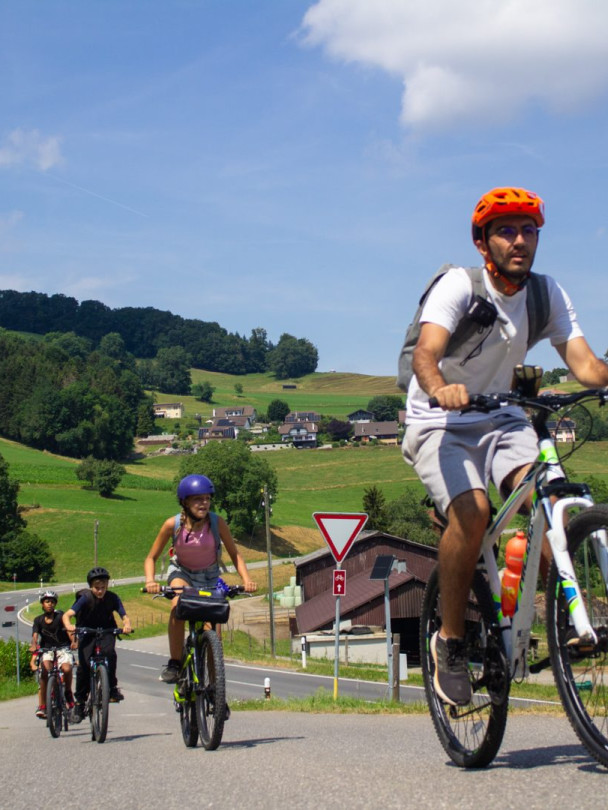

Post-camp blues — what it is
Post-camp blues describes a short drop in mood and energy after children return from day or overnight camp. It commonly shows up as nostalgia, clinginess, loss of interest in usual activities, and changes in sleep or appetite. Most cases are a brief, normal adjustment reaction.
How common and how long it lasts
About 20–40% of children experience some homesickness after camp. Most improve within 3 days to 2 weeks. Symptoms that are severe, include thoughts of self-harm, or persist beyond four weeks need professional evaluation.
Common symptoms
- Sadness or tearfulness
- Repeatedly talking about camp or wanting to return (rumination/nostalgia)
- Low energy and reduced interest in routine activities
- Clinginess with caregivers
- Changes in sleep (harder to fall asleep, different wake times)
- Changes in appetite
Practical tips for parents
Daily check-ins
Do a calm 15–30 minute daily check-in for the first 1–2 weeks. Validate feelings (“I can see you miss camp”) and ask open questions about specific activities instead of insisting they “be happy.” Brief, consistent conversations help children process transitions.
Keep routines steady
Maintain regular family routines. Aim to keep bedtimes and meals within 30–60 minutes of the camp schedule for the first 1–2 weeks to help sleep and appetite normalize.
Create memory projects
Offer constructive activities to channel memories: make a scrapbook, a memory box, or a short photo slideshow. These help honor the camp experience and provide a sense of closure.
Supervise friendships and contact
Allow supervised contact with camp friends (texts, calls, video) while keeping limits on frequency and timing so reintegration into home routines is smoother.
Short at-home camp activities
Plan simple home-camp events or themed dinners, and encourage 30–60 minutes of daily outdoor play to recreate positive elements of camp and rebuild routine.
When to seek professional help
Contact your pediatrician, school counselor, or mental health professional if any of the following occur:
- Symptoms are severe or cause noticeable disruption in school or daily functioning.
- There are thoughts of self-harm or other acute safety concerns — arrange an urgent referral or emergency evaluation.
- Symptoms persist beyond four weeks or continue into weeks two to six and affect functioning; ask for screening and stepped care.
 Watch on YouTube
Post-camp blues: what it is and how common it is
Post-camp blues refers to a short-term dip in mood and energy after a child returns from an overnight or day camp. Symptoms usually include transient sadness or nostalgia, reduced enthusiasm for daily activities, changes in sleep or appetite, clinginess or boredom, and an intense focus on memories or friendships from camp. For examples of what parents often notice, see our post-camp blues resource.
Common signs
Watch for the following patterns after re-entry; they help distinguish normal adjustment from something more serious:
- Persistent talk about camp, friends, or activities that seems excessive for a few days.
- Low energy or reduced interest in usual hobbies and school.
- Sleep changes: difficulty falling asleep, nightmares, or increased sleep.
- Appetite shifts: eating much less or more than usual.
- Clinginess with caregivers, reluctance to return to routine, or increased irritability.
How common it is and when to seek help
Camp organizations and child mental-health resources estimate that roughly 20%–40% of children report some level of homesickness or post-camp blues, while severe or prolonged cases run lower, around 5%–10% (American Camp Association; Child Mind Institute; camp-practitioner guidance). Most campers adjust within days to a few weeks. If a child’s low mood fades as they reconnect with friends and routine, this is usually a normal re-entry process.
Clinical depression differs in key ways. It tends to last weeks to months, causes pervasive low mood, and drains interest across many activities rather than being tied to a single recent change. Functional impairment at home, school, or with peers is more pronounced in depression. If symptoms are severe, persistent, or include suicidal thoughts, we recommend immediate evaluation and professional support (American Camp Association; Child Mind Institute).
https://youtu.be/9212RDUdrJw
Symptoms to watch for — quick checklist and when to seek help
Quick checklist (scannable)
Use this checklist to spot warning signs quickly; note how long each item lasts.
Emotional
- Sadness / tearfulness — crying at small reminders, saying they miss camp a lot, or seeming unusually down.
- Irritability — quick temper over small things, snapping at family or siblings.
- Reduced enthusiasm — won’t join usual activities or seems emotionally flat.
Behavioral
- Clinginess — wants to stay next to a parent or follows you around the house.
- Withdrawal — stops playing with siblings or retreats to their room for long periods.
- Appetite changes — eating much less or much more than usual.
- Sleep disturbances — trouble falling asleep, nightmares, or sleeping far more than normal.
- Difficulty concentrating — short attention span for schoolwork or chores.
- Regression — trouble with self-care or a drop in school performance.
Duration / red flags
- Typical resolution timeframe: most children improve in 3 days to 2 weeks (American Camp Association; Child Mind Institute).
- Seek professional help if symptoms last longer than 4 weeks, there’s a marked decline in school performance or daily functioning, or any talk of self-harm.
- The 4-week marker is a practical threshold: persistent symptoms beyond that point can signal anxiety, depression, or adjustment problems that need evaluation and possibly treatment.
Screening questions to ask daily (simple, direct)
Use brief, direct questions each day to monitor change.
- Sleep: “How have you been sleeping since you came home?”
- Appetite: “Are you eating more, less, or about the same as before camp?”
- Concentration: “Has doing homework or paying attention in class felt harder?”
- Safety: “Have you had any thoughts about hurting yourself or not wanting to be alive?” (If yes, seek immediate help.)
When to act: brief care-flow recommendation
We recommend a stepped approach that matches symptom severity and duration. For mild symptoms lasting up to four weeks, provide calm reassurance, keep routines steady, and use supportive strategies at home.
If signs persist into weeks two to six or school performance drops, contact your pediatrician or school counselor for a screening and brief guidance.
For any severe symptoms — suicidal talk, clear inability to function, or intense withdrawal — arrange urgent mental health referral or emergency services immediately.
For quick parent reading on typical post-return signs, see symptoms of post-camp blues. We, at the young explorers club, encourage early checks and routine monitoring so small problems don’t become bigger ones.
Why post-camp blues happen — causes and who’s most at risk
Camp leaves a powerful imprint because it stacks novelty, social time and clear structure into a compact routine. We see four concrete causes that parents will recognize almost immediately.
- The abrupt loss of novelty. Camp is high-energy and full of new challenges. Kids move from ropes courses, crafts and evening events to a quieter home setting overnight. That contrast drains excitement fast and fuels the blues.
- Separation from friends. Bonds at camp form quickly and intensely. Campers share meals, cabins and rituals; coming home severs that constant social contact. That sudden break often feels like grief.
- End of structure and routine. A typical camp day might include ~6 hours of group activities, three communal meals, and an evening campfire or games. Home days usually offer 2–3 hours of structured social time. That drop in scheduled social intensity explains a lot of the emotional shift.
- Nostalgia for intense social bonding. Special rituals, team identities and nightly traditions create concentrated memories. Kids miss the rituals as much as they miss the people.
One of our directors captures the pattern: “We see homesickness spike when a child leaves a cabin full of friends and goes home to a quiet house. The sudden drop in group time and nightly rituals is a common trigger.”
Those four causes are the primary drivers behind post-camp blues, but certain profiles face higher risk. Practical awareness of these risk factors helps parents respond early and calmly.
Who’s most at risk
Here are the profiles I watch most closely:
- First-time campers — Many camp professionals estimate first-time campers account for a disproportionate share of homesickness; more than half of incidents occur among newbies (camp-practitioner guidance).
- Younger campers — Early elementary children often lack experience regulating post-event disappointment.
- Kids with separation anxiety — Previous separation challenges amplify post-camp distress; signs can re-emerge after return.
- Children facing recent home changes — Moves, family stress or disrupted routines raise vulnerability.
- Campers who had very intense experiences — Those who formed tight cabin groups or deep friendships may feel the drop most sharply.
I recommend parents plan a calm re-entry and use simple steps like a guided post-camp debriefing to normalize feelings; exploring a suggested approach to post-camp debriefing can help parents support recovery.

Immediate parent strategies and ready-to-use communication scripts
We, at the young explorers club, suggest a short daily camp recap of 15–30 minutes for 1–2 weeks to re-establish rituals and ease the transition. Keep the check-ins calm and predictable. Use active listening and reflective phrases to validate feelings and avoid minimizing statements.
For reconnecting after camp, support supervised messaging, pen pals, or brief virtual hangouts with camp friends. I’ll encourage you to let friendships continue while you set boundaries for safety; see how to keep camp friendships alive.
Preserve some structure by keeping bedtimes and meal routines within 30–60 minutes of the camp schedule for the first 7–14 days. Offer a sensible distraction: invite your child into a new project like a camp scrapbook or photo album to channel feelings into something creative.
Sample parent scripts — use one validation and one curiosity prompt per day for the first week. Keep your tone steady, empathetic, and brief.
-
Day 1
-
Validation: “It makes sense you’re sad — you had a great time and miss your friends.”
-
Curiosity prompt: “Tell me two things that were awesome and one thing that was hard.”
-
-
Day 2
-
Validation: “I can see this is tough. You had so many good moments there.”
-
Curiosity prompt: “Who did you laugh with the most and what did you learn from them?”
-
-
Day 3
-
Validation: “Missing camp makes total sense after such a fun few weeks.”
-
Curiosity prompt: “Show me one thing you’d put in a scrapbook and why.”
-
-
Day 4
-
Validation: “You’re allowed to feel sad and excited at the same time.”
-
Curiosity prompt: “If you could relive one hour at camp, which would it be?”
-
-
Day 5
-
Validation: “I notice you seem quiet; that can mean you’re thinking about camp.”
-
Curiosity prompt: “Tell me one thing that surprised you about camp.”
-
-
Day 6
-
Validation: “It sounds like you miss your friends a lot — that’s really normal.”
-
Curiosity prompt: “What’s one small camp habit we could bring home this week?”
-
-
Day 7
-
Validation: “Missing camp shows how much you enjoyed it — let’s plan one camp-style thing this weekend.”
-
Curiosity prompt: “What would you tell your future camper self about this trip?”
-
Quick dos & don’ts and memory box steps
Do these daily actions:
-
Reflect and label feelings with short phrases.
-
Schedule a short daily check-in (15–30 minutes).
-
Keep routines consistent to support the transition routine.
Don’t do these:
-
Don’t dismiss feelings with “you’ll get over it.”
-
Don’t force quick cheerfulness.
-
Don’t isolate the child from friends they want to contact unless there are safety concerns.
Memory box / camp scrapbook materials and timeline:
Materials:
-
5–15 printed photos
-
Keepsakes (bracelet, ticket stubs)
-
Cardstock or scrapbook, glue, markers, stickers
Timeline:
-
Day 1 — Sort photos and keepsakes (30–60 minutes).
-
Day 2 — Pick top 10 highlights and write one-sentence captions (30–60 minutes).
-
Days 3–4 — Assemble and decorate pages (two sessions, 30–60 minutes each).
Finish with a family “gallery showing” and share memories to strengthen immediate coping strategies and validate emotions.

Activities, projects and safe ways to keep camp friendships
At the Young Explorers Club, we focus on simple, joyful projects that reconnect kids with their camp identity and friends. We encourage a mix of hands-on craft, small social moments, and light tech routines so memories stay active without overwhelming anyone.
Suggested activities and materials
Here are practical activities and the basic supplies to get started; pick a couple and make a plan.
- Camp scrapbook / photo book — 1–2 hour scrapbook session using printed camp photos, captions and stickers.
- Memory box — collect 5–15 keepsakes and photos; decorate a box for sleeping bag tags and trinkets.
- Themed dinner — recreate a favorite camp meal and let kids help with simple prep.
- Home camp talent or game night — short acts or team games that mirror cabin competitions.
- Join a local club — match one camp activity (hiking group, arts club, scouts) to keep skills active.
- Volunteer project tied to camp values — short community projects that echo camp lessons.
Materials list (simple):
- Photo prints
- Cardstock
- Glue stick
- Double-sided tape
- Markers
- Stickers
- Clear page protectors
Recommended tech tools:
- Google Photos — for organizing and shared albums.
- Shutterfly — to print photo books.
- Marco Polo — for asynchronous video messages.
- Zoom or Google Meet — for supervised reunions.
- Trello or a simple calendar — for planning weekly camp-related activities.
Project timeline (estimate):
- Gather photos and keepsakes — 30–60 minutes.
- Select top images and write captions — 30–60 minutes.
- Assemble pages — 1–2 hours.
Keep contact safe and gentle. We advise short supervised check-ins at first.
- Short contact: 10–30 minutes, 1–2 times per week during the first month.
- Daily photo-share: 5–10 minutes.
- Weekly virtual hangout: 30–45 minutes.
Always use parent-supervised video calls, parent-facilitated group chats, or pen pal letters, and check the camp’s communications policy before arranging contact.
Template email to propose a supervised reunion
Subject: Quick idea — supervised post-camp Zoom reunion for [Camp Name] kids
Body:
Hello — our child returned from camp and misses their cabinmates. Would you be open to a supervised 30–45 minute Zoom reunion next Saturday with a parent on the call? Suggested activities: quick show-and-tell (1–2 items), a short camp memory game, and 10 minutes for free chat. If OK, please share a preferred time and confirm a parent will attend. We will follow camp communication policies. Thanks — [Your name, child’s name]
Privacy and comfort reminders: Confirm camp policies about post-camp contact, prefer secure parent-supervised platforms, and avoid unsupervised direct messaging for younger kids. For ideas to keep connections over the year, see keep camp friendships alive.

Rebuilding routine, long-term resilience, camp practices and recommended resources
We, at the Young Explorers Club, reset routine quickly to reduce post-camp blues and keep momentum from camp.
Start by keeping bed and wake times within 30–60 minutes of the camp schedule for the first one to two weeks.
Encourage 30–60 minutes of outdoor play daily for those first one to two weeks.
Reintroduce homework with 15–30 minute sessions and increase time gradually each day.
Add one small independence micro-goal per week for 4–8 weeks to build confidence (times and cadences approximate; American Camp Association, Child Mind Institute, and camp-practitioner guidance).
Translate camp gains to home and school through short weekly activities and a simple plan that makes skills explicit. Use play and household roles to practice teamwork, independence, and social skills. For step-by-step reintegration tips and conversation starters we link parents to resources that help you reintegrate your child after camp.
Practical targets, a simple plan and family activities
Below are compact, actionable checklists and a sample day you can use immediately.
- Practical daily targets (first 1–2 weeks):
- Keep wake/bed within 30–60 minutes of camp.
- 30–60 minutes outdoor play.
- Calm 15–30 minute camp recap each morning.
- 15–30 minutes focused homework/practice in the afternoon (timing approximate; American Camp Association, Child Mind Institute).
- My Camp Skills Plan (template to print or copy):
- Skill 1 (e.g., making friends): weekly practice action — invite one peer to play; checkbox.
- Skill 2 (e.g., trying new foods): weekly practice action — try one new snack; checkbox.
- Skill 3 (e.g., pitching in): weekly practice action — help with one family chore; checkbox.
- Return-home packet recommended contents:
- Top 10 memories.
- List of new skills learned.
- List of camper friends (first names / parent contacts if permitted).
- Photos: include 5–15 images in the packet; a small scrapbook of 10–20 images is ideal (approximate guidance from American Camp Association and camp-practitioner guidance).
- 7-day sample schedule (daily template for days 1–7):
- Wake: ~7:30 AM (within 30–60 min of camp wake time).
- Morning: light breakfast and 15–30 minute calm “camp recap”.
- Midday: school or play with 30–60 minutes outdoor activity.
- Afternoon: snack plus 15–30 minute focused homework/practice session.
- Evening: family meal and one low-key camp-style activity once this week.
- Bed: ~8:00 PM (within 30–60 min of camp bedtime).
- Suggested family activities for week one (include 3–5 in the packet):
- Make a scrapbook page together.
- Recreate a favorite camp snack or dinner.
- Host a short family ‘camp talent night’.
- Write letters or supervised notes to camp friends.
- Do one small service project aligned with camp values.
Practices for camps, teachers and recommended resources
We recommend camps include pre-close wind-downs, clear goodbye rituals, and help campers plan post-camp contacts. Provide a return packet with 3–5 family activities and contact guidance to smooth re-entry. Encourage staff to coach children on one or two concrete ways to stay connected with friends.
We advise parents to send a brief teacher note using our suggested wording: “Our child returned from camp last week; they may be a little quieter than usual while they readjust. Thank you for your patience.” That simple line sets expectations and opens a partnership with school staff.
We point families to established resources for further reading and screening:
- American Camp Association — resources and fact sheets such as “Managing Homesickness at Camp”.
- Child Mind Institute — articles like “Helping Kids Handle Homesickness and Post-Camp Blues”.
- Michael Thompson — Homesick and Happy: How Time Away from Parents Can Help a Child Grow.
- Verywell Family — practical pieces such as “How to Help Kids With Post-Camp Blues”.
- Pediatric and mental health guidance — consult your pediatrician or school counselor for screening and referrals.
These sources reflect the approximate percentages and timing guidance many camps use (American Camp Association, Child Mind Institute, and camp-practitioner guidance).