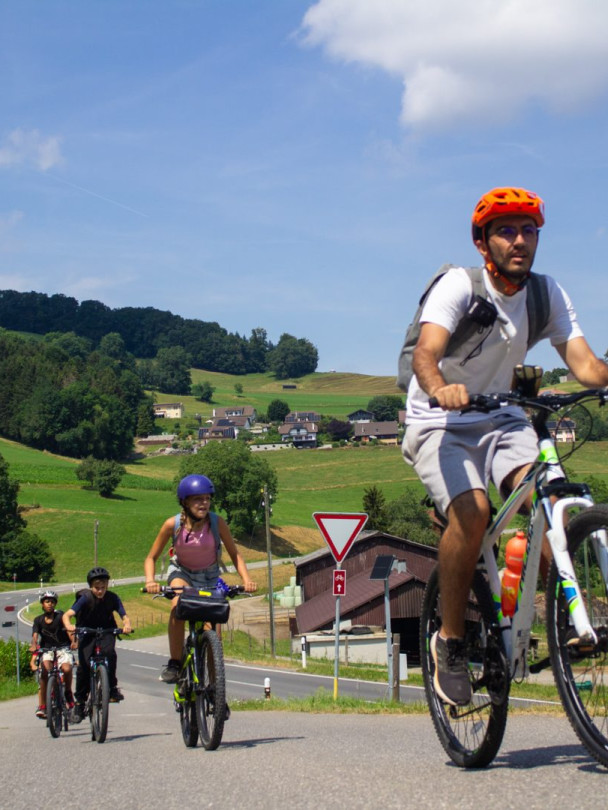
Preparing your child for summer camp in Switzerland can feel overwhelming, especially when you want to ensure they thrive in an adventurous, bilingual environment far from home. You worry about homesickness, packing the right gear for mountain weather, and whether they’ll adapt to new friends and languages. This guide walks you through every step of preparation, from building independence months ahead to choosing the right equipment for Swiss alpine conditions. You’ll discover how early planning boosts confidence, how immersion accelerates language skills, and what safety measures top camps prioritize. By following these strategies, you’ll send your child off with the tools they need for a transformative summer experience.
Key takeaways
| Point | Details |
|---|---|
| Start early | Begin preparations months ahead to build social readiness and independence skills that reduce anxiety and boost camp success. |
| Pack smart | Swiss mountain weather varies dramatically, so layer clothing and include rain gear, hiking shoes, and labeled personal items. |
| Language immersion works | Total immersion accelerates bilingual progress as much in weeks as a full school year through real-world practice. |
| Safety first | Top Swiss camps maintain rigorous safety standards with trained staff, secure facilities, and clear emergency procedures. |
| Financial support exists | Scholarships may help families access quality camp programs, so inquire early about availability and deadlines. |
Preparing your child for a successful summer camp experience
Early preparation significantly enhances a child’s summer camp experience, fostering independence and adaptability. Starting your preparation three to four months before departure gives your child time to develop emotional readiness and practical skills. This window allows you to gradually introduce camp concepts, practice independence tasks, and address any anxieties that surface.
Discuss the camp’s goals and daily activities with your child in detail. Show them photos of the location, explain the schedule, and talk about the adventures they’ll experience. This conversation sets realistic expectations and transforms abstract worries into concrete excitement. When children understand what awaits them, they feel more control over the situation and approach camp with curiosity rather than fear.
Practice independence skills at home well before departure. Have your child pack and unpack their own suitcase multiple times, organize their belongings in drawers, and manage their daily hygiene routine without reminders. These small tasks build confidence in their ability to handle responsibilities away from home. You might also practice making their bed, doing laundry, and keeping track of personal items.
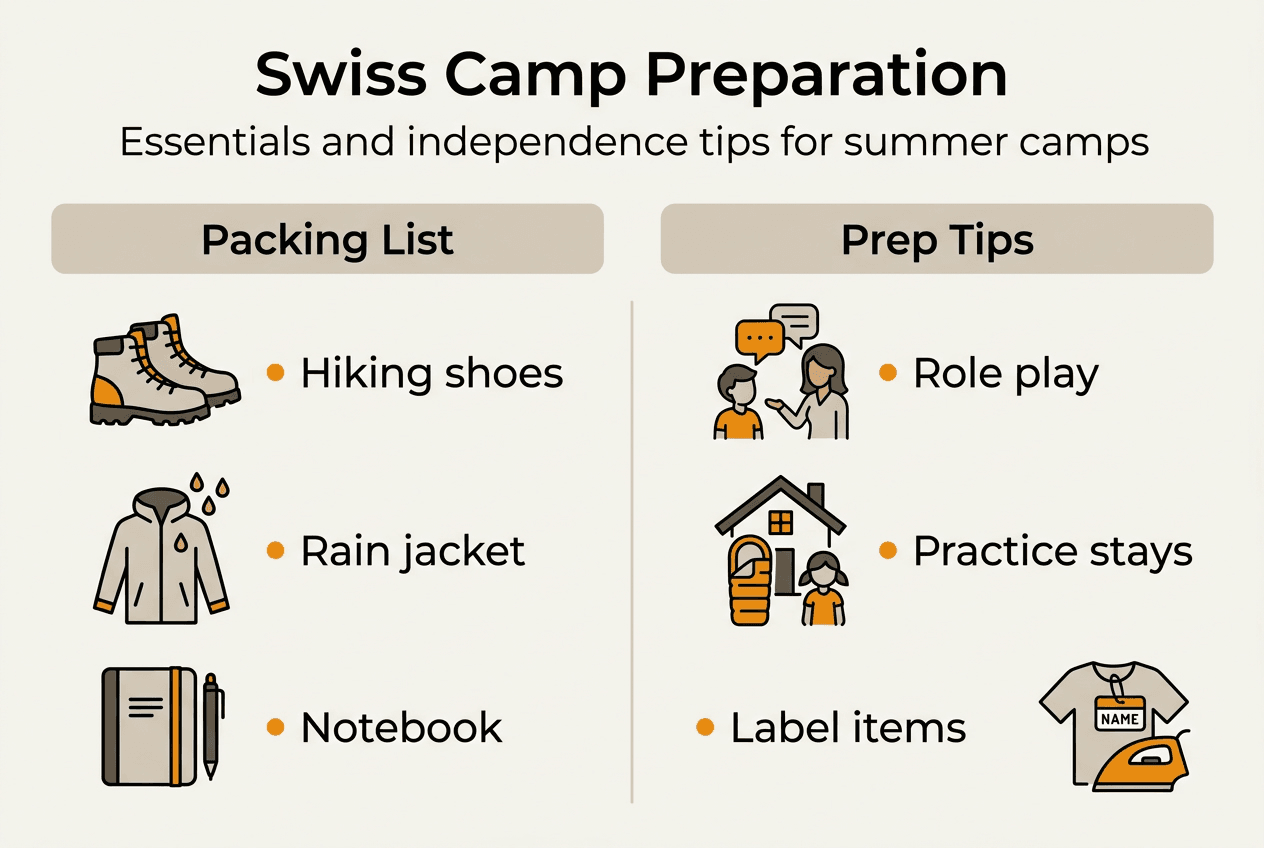
Reinforce adaptability through role playing social scenarios and problem solving exercises. Act out meeting new friends, handling disagreements, asking counselors for help, and navigating unfamiliar situations. These rehearsals give your child a mental toolkit for real camp challenges. Understanding summer camp safety standards also helps both you and your child feel more secure about the experience ahead.
Pro Tip: Encourage small practice stays or sleepovers with relatives or close friends several weeks before camp. These mini separations help your child experience being away from home in a safe, familiar context, building confidence for the bigger adventure ahead.
Essential items to pack and prepare for Swiss summer camp
Swiss mountain weather can shift dramatically within a single day, requiring strategic packing for comfort and safety. Mornings might start cool and misty, afternoons turn warm and sunny, and evenings bring chilly alpine breezes. Layering becomes essential, allowing your child to adjust their clothing throughout the day’s activities. Leysin is known for safety and clean air, making it ideal for outdoor mountaintop camp experiences where weather preparedness matters.

Pack comfortable, broken in hiking shoes as your top priority. New shoes cause blisters that can derail a week of adventures. Include waterproof rain gear, a warm fleece or jacket for evenings, and moisture wicking base layers for active days. Add a reusable water bottle, sunscreen, sunglasses, and a hat for sun protection at higher altitudes where UV exposure intensifies.
Consider items that support language immersion and cultural activities. A small notebook for journaling in their target language, playing cards for international games, and a camera for documenting experiences all enhance engagement. These tools encourage your child to interact with peers and practice new vocabulary in natural contexts.
| Category | Essential Items | Special Considerations |
|---|---|---|
| Clothing | 7 sets of underwear and socks, 3 pairs of shorts, 2 pairs of long pants, 5 t-shirts, 2 long sleeve shirts, 1 warm jacket, 1 rain jacket, swimsuit | Choose quick dry fabrics and layers for temperature changes |
| Footwear | Hiking boots (broken in), sneakers, sandals, water shoes | Ensure boots are waterproof and provide ankle support |
| Toiletries | Toothbrush and paste, shampoo, soap, deodorant, sunscreen SPF 50+, lip balm, insect repellent | Use travel sizes and waterproof bags |
| Gear | Backpack for day trips, water bottle, flashlight, sleeping bag liner, towels | Label everything with permanent marker |
| Optional | Camera, journal, cards, small games, language dictionary | Keep electronics minimal per camp policy |
Review your camp’s specific packing checklist before finalizing your preparations, as programs may have unique requirements or restrictions. Some camps limit electronics, while others encourage specific gear for specialized activities like climbing or mountain biking.
Pro Tip: Label all personal items with permanent marker or iron on name tags. This simple step prevents lost belongings and helps counselors return misplaced items quickly, saving time and reducing stress for everyone.
Supporting your child’s language and cultural immersion journey
Summer camps in Switzerland offer immersive language experiences that lead to significant language progress in a short time. Total immersion creates constant opportunities for listening, speaking, and thinking in a new language throughout daily activities. Your child absorbs vocabulary naturally while hiking, playing sports, and solving challenges with international peers, making learning feel effortless and fun.
Engagement in projects and workshops promotes real life language application that textbooks cannot replicate. When children collaborate on building a shelter, planning a treasure hunt, or preparing a group presentation, they must communicate to succeed. These high stakes, low pressure situations accelerate fluency because the language becomes a tool rather than a subject to study.
Cultural activities enrich understanding and make learning memorable beyond vocabulary acquisition. Exploring Swiss traditions, tasting local foods, learning regional songs, and understanding alpine history give context to language lessons. Your child develops cultural competence alongside linguistic skills, preparing them for global citizenship. Programs focusing on German language learning at camp or Swiss culture through camp activities provide structured yet playful approaches to immersion.
Encourage these practices from home before camp begins:
- Practice daily greetings and basic phrases in the target language during breakfast or dinner conversations
- Watch movies or listen to music in the camp’s primary language to familiarize your child with sounds and rhythm
- Use language learning apps together for 10 minutes daily, focusing on practical camp vocabulary like activities, food, and emotions
- Connect with other families attending the same camp to arrange video calls where children practice together
- Read simple books or comics in the target language to build reading confidence
Highlight support resources at camp like language clubs, peer tutoring, and counselor office hours. Knowing these safety nets exist reduces anxiety about making mistakes. Emphasize that errors are part of learning and that counselors expect and welcome questions. When your child understands they’ll receive support, they take more risks with language use, accelerating their progress.
Maximizing safety and wellbeing during your child’s camp stay
Swiss camps prioritize safety with professional staff trained in first aid, emergency response, and child development. Counselors undergo rigorous background checks and receive ongoing training in supervision techniques and risk management. Facilities meet strict Swiss safety regulations covering everything from building codes to food handling, creating secure environments where children explore confidently. Leysin offers a unique environment with safety and outdoor experiences that balance adventure with protection.
Discuss emergency procedures and camp rules with your child before departure to build reassurance. Explain how counselors handle injuries, what to do if they feel unwell, and who to contact with concerns. Walk through the buddy system, check in times, and boundaries for activities. When children understand the safety framework, they feel secure enough to take appropriate risks and try new challenges.
Provide emotional support strategies through open communication and regular check ins. Establish a communication plan that respects camp policies while giving your child connection points. Some camps offer scheduled phone calls or video chats, while others prefer letters to minimize homesickness triggers. Trust the camp’s approach, as they’ve refined these policies through years of experience.
- Staff to camper ratios that ensure adequate supervision during all activities and free time
- Medical facilities on site or nearby with clear protocols for illness and injury response
- Secure perimeter and check in/check out procedures for trips and visitor access
- Emergency evacuation plans for weather events, medical emergencies, or other situations
- Allergy management systems and dietary accommodation processes
- 24/7 staff availability for camper concerns or nighttime needs
Review the camp’s approach to evaluating Swiss camp safety standards to understand their comprehensive protocols. Ask specific questions about supervision during high risk activities, communication during emergencies, and how they handle homesickness or social conflicts.
Safety and wellbeing form the foundation of every successful camp experience, allowing children to take healthy risks, build resilience, and develop independence in a protected environment where trained professionals support their growth.
Address your own anxieties separately from your child’s preparation. Children pick up on parental worry, which can amplify their own concerns. Process your feelings with other adults, read camp reviews from previous families, and remind yourself that temporary discomfort often leads to significant growth. Your confidence in the camp’s safety measures translates directly to your child’s comfort level.
Explore adventurous summer camps with Young Explorers Club Switzerland
Young Explorers Club offers tailored summer camp programs in Switzerland designed specifically for ages 8 to 17, blending the adventure and educational focus you’ve been preparing your child to embrace. After working through this preparation guide, you’re ready to explore programs that deliver on these promises.
Our teen summer camp programs combine mountain biking, climbing, survival skills, and team challenges in the Swiss Alps, fostering the independence and confidence you’ve been building at home. Weekly activities in Vaud provide structured yet flexible schedules that balance adventure with personal growth opportunities. For families prioritizing bilingual development, our language immersion camps offer intensive English, French, or German courses woven seamlessly into outdoor experiences, maximizing the immersion benefits discussed earlier. Each program emphasizes safety, cultural exchange, and experiential learning that transforms summer into a launchpad for lifelong skills.
Recommended
- How To Prepare For Camp In Switzerland For Kids
- Master The Camp Registration Process For Swiss Summer Camps 2026
- How To Evaluate Summer Camp Safety Standards In Switzerland | Young Explorers Club Switzerland
- What To Pack For Summer Camp In Switzerland: Ultimate Checklist | Young Explorers Club Switzerland