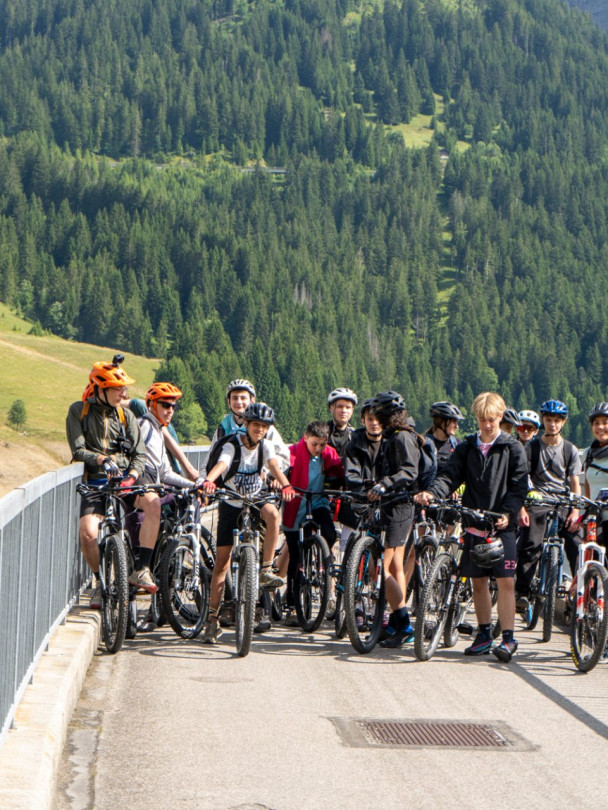

We, at the Young Explorers Club, note that Swiss kids’ summer camps run nationally under the Jugend+Sport (J+S) federal framework. Camps recorded 1,079,342 participation instances in 2023 and they’ve got federal subsidies, standardised leader training and clear operational rules. Activity- and play-based daily schedules mix hikes, active games, skill sessions and free play to meet the WHO recommendation of at least 60 minutes of moderate-to-vigorous physical activity. These routines also boost physical fitness, mental wellbeing and social development.
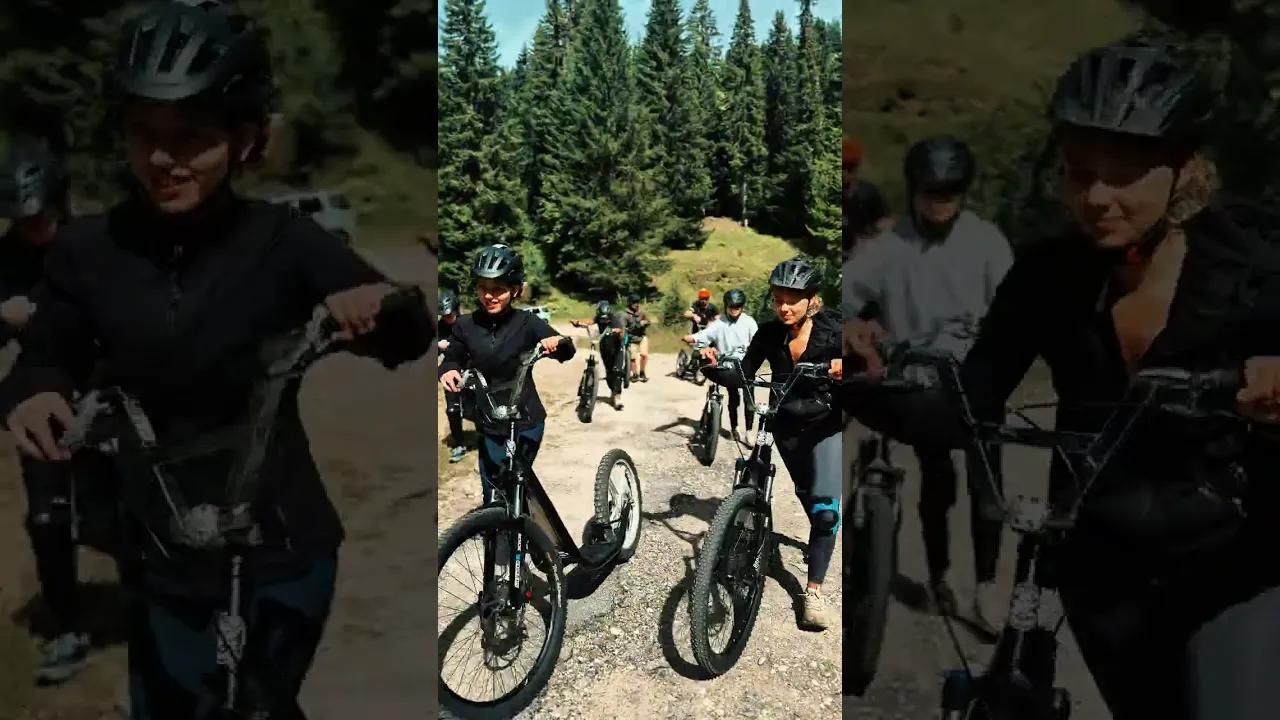 Watch on YouTube
National scale, health evidence and why camps matter
Swiss camps operate at a national scale. In 2023 there were 1,079,342 participation‑instances in J+S courses and camps (Jugend+Sport / BASPO). Jugend+Sport (J+S) is the core federal child and youth sport programme and a major driver of organised sport for children and teens across Switzerland.
The World Health Organization recommends “at least 60 minutes/day of moderate-to-vigorous physical activity for children aged 5–17” (World Health Organization). Camps that mix active games, skill sessions and free play make that target realistic for many children. Swiss BAG / BASPO movement recommendations and resources for children and youth support this approach by promoting regular movement, varied activities and safe outdoor time.
When families look for a kids summer camp Switzerland, these national figures and health guidelines matter. We plan days so children get regular movement, peer contact and chances to practice new skills. That combination supports physical fitness, mental wellbeing and social development.
How camps support movement, health and learning
Below are key ways activity- and play-based camps help children meet movement recommendations and grow in multiple areas:
- Daily physical activity: Camp schedules with hikes, games and sports help children reach the WHO benchmark of at least 60 minutes of moderate-to-vigorous activity (World Health Organization). J+S participation shows how widely accessible organised activity can be (Jugend+Sport / BASPO).
- Better mental health: Regular outdoor play lowers stress and improves mood. Read How camps reduce stress for practical examples and evidence from our programmes.
- Stronger social skills: Cooperative challenges and peer play build communication, conflict resolution and teamwork, which Swiss BAG / BASPO resources highlight as core youth development outcomes.
- Healthy habits: Repeated, enjoyable activity at camp helps children form lifelong movement habits and a positive attitude to exercise.
- Learning through nature: Outdoor lessons stimulate curiosity, attention and problem-solving. See our summary of outdoor learning benefits and how time outside supports physical and cognitive growth.
We use these health benchmarks and Swiss recommendations to plan balanced days. Parents can look for camps that combine structured coaching, open play and outdoor exploration to best support a child’s physical, mental and social development.

How Jugend+Sport (J+S) structures Swiss summer camps
Role and provision
Jugend+Sport (J+S) is the federal framework many organised youth camps rely on for funding and standards. It channels federal subsidies, defines leader qualifications, and supplies approved teaching materials and operational rules to cantonal and local providers (VBS / Projektbericht; Jugend+Sport).
Providers must also follow national guidance on safety and licensing, which we explain in our Swiss camp regulations overview.
Key provisions include:
- Federal subsidies to lower participation costs and support rural programmes;
- Standardised leader training and certification for youth work;
- Official materials, curricula and risk-management templates;
- Rules for reporting, insurance and camp operation (VBS / Projektbericht; Jugend+Sport).
Scale and scope
J+S covers some 70+ sport disciplines and lets local or cantonal organisers run camps that meet national J+S rules (VBS / Projektbericht). That framework helps ensure consistency across urban and mountain programmes alike.
There were 1,079,342 participation-instances in J+S courses/camps (2023). (Jugend+Sport / BASPO).
J+S-related cadre training historically reaches tens of thousands of leaders annually, supporting qualified supervision across the country (VBS / Projektbericht; Jugend+Sport / BASPO). If you want to check how accreditation affects a camp’s safety and leader standards, see our page on Accreditation explained.

Safety, leader training, insurance and federal contributions
Operational rules and parental/organiser costs
Below are the key operational rules and typical cost-related facts organisers and parents should know:
- A J+S camp must normally run for at least 3–4 days depending on the type (J+S rules via youth-group guidance).
- Camps with an overnight stay receive a federal contribution of CHF 16.00 per participant per day; day camps receive CHF 6.50 (J+S rules via youth-group guidance).
- Minimum 12 participants are required per J+S camp, and at least two J+S-recognised leaders must be on duty (Jungwacht Blauring / J+S guidelines).
- For leader deployment: two leaders cover up to 36 participants; an extra leader is required from 37 participants, and then one additional leader per up to 12 extra participants (Jungwacht Blauring / J+S guidelines).
- Higher-risk activities such as mountain, water and winter programmes require additional leader qualifications beyond the basic J+S leader recognition (Jungwacht Blauring / J+S guidelines).
Leader qualifications, insurance and practicalities
We staff every camp with leaders who have recognised training and appropriate additional qualifications for higher-risk activities. Our selection follows the J+S framework and the detailed procedures set out in specialist guidance; this keeps activity leaders competent and accountable. For more on how we prepare and supervise leaders, see our Staff training & supervision.
Medical care and emergency planning are part of our daily routines. We align with established protocols so first aid, medication handling and on-site response are clear to leaders and parents. Parents can read our full approach in the camp health pages: Medical care & safety.
Insurance and rescue cover are practical items parents often ask about. REGA supporter registration for participants is commonly handled during camp registration in cooperation with organisers (Jungwacht Blauring / J+S guidelines; Kanton Zürich). We also verify that group insurance and liability coverage meet local requirements before departure.
When planning participation, parents should note the minimum group sizes and leader ratios. Organisers balance safety, activity scope and costs while keeping federal contribution rules in mind. We build schedules and staff plans around these requirements so children enjoy adventurous learning with secure oversight.

Types of camps, typical activities and what children learn
Summer camps come in many formats, each with specific activities and clear learning goals. We group them into main types so parents can match a child’s interests and developmental needs. For an overview of variants across Europe see our Types of outdoor camps.
Camp types and learning outcomes
Below are common camp types with typical activities and the practical skills children gain.
- Multisport / sports camps — activities: polysport sessions, Fussball, Beachvolleyball, Biken, Tanzen; learning outcome: broad motor literacy, coordination, basic game sense and team play. Municipal examples include Kanton Zürich — Jugendsportcamps offering concentrated sport weeks for all levels.
- Adventure / outdoor camps — activities: trekking, hiking, Klettern (climbing), overnight trail trips; learning outcome: map use and basic navigation, realistic risk assessment, physical and mental resilience from multi-day expeditions.
- Water-sport camps — activities: Windsurfen, swimming and supervised lake sessions; learning outcome: water safety, stroke technique, balance and coordination, plus confidence in aquatic settings.
- Mountain / Alpine hut stays — activities: summit walks, route-finding, simple via ferrata approaches and hut routines; learning outcome: mountain awareness, alpine etiquette and the logistics of hut life. The Schweizer Alpen-Club operates an established network of 153 SAC huts that many youth programs use for authentic mountain experiences, and we run week-long hut trips like our Les Diablerets program.
- Specialist theme camps — activities: STEM projects, coding, AI game design, arts, language immersion and topic weeks; learning outcome: domain skills, creativity, project planning and teamwork. Organisations such as Pro Juventute / Ferienplausch list coding/AI game design, finance-for-kids and overnight adventure camps as local options.

Practical logistics, accessibility and local examples
Transport and meeting points
Cantonal camps commonly include travel by public transport from designated meeting points (example: Zurich HB). Organisers usually provide clear step‑by‑step travel instructions and group arrangements; see our Transport & logistics page for typical procedures and safety notes.
Typical arrangements include:
- Designated meeting points at major stations (Zurich HB is a common hub).
- Group tickets or Swiss Travel Pass coordination to simplify fares.
- Staff meet‑and‑greet with visible ID and a printed participant list.
- Clear luggage rules and what to bring for the first day.
- Contact details for arrival delays and last‑minute changes.
Discounts, access and local scale
Some programmes offer discounts to improve access, for example KulturLegi or partner bank discounts — ZKB sometimes gives 20% for account‑holders in canton programmes. We encourage parents to check eligibility well before registration and to combine offers where allowed.
Canton Zürich provides a useful local snapshot: it runs 30 Jugendsportcamps with over 1,300 children and youth taking part annually. There were 744 Sommercamps in Canton Zürich in 2023 (Kanton Zürich — Jugendsportcamps). Zurich’s ~1,300 participants are a clear local contribution to the broader national summer‑camp activity that totals over 1 million participation‑instances.
Mountain programmes rely on established infrastructure. There are 153 SAC huts available for overnight and multi‑day routes (Schweizer Alpen‑Club / SAC). For packing, connections and timing, we recommend parents consult our Travel planning guide before departure to avoid last‑minute stress.

Quick practical checklist for choosing and booking a camp
Decision checklist
Use this quick checklist to compare camps and finish booking with confidence.
- Age range & J+S recognition: Check the exact age bands and whether the programme is offered as a J+S course or a J+S-Lager.
- Leader ratios & minimum participants: Confirm the leader-to-child ratio and the camp minimums—Minimum 12 participants; minimum two J+S-recognised leaders are required.
- Federal contribution/subsidy: Verify subsidy levels: Overnight J+S-Lager contribution CHF 16.00 per participant per day; day camps CHF 6.50. For specific camp fees and seasonal dates see our Dates & prices.
- Additional leader qualifications: For higher-risk programmes (mountain, water, winter) ask which extra certifications leaders hold and how many qualified staff will be present.
- Insurance & REGA: Confirm accident and liability insurance cover and whether REGA supporter registration is handled during sign-up—many camps manage REGA registration at booking; see our Registration info for typical procedures.
- Travel logistics & meeting points: Check public-transport connections, exact pickup/drop-off locations and recommended arrival times to avoid last-minute stress.
- Discounts & eligibility: Ask about KulturLegi, partner-bank discounts and canton-level subsidies that may apply.
- Where to search / providers:
- Jugend+Sport (J+S) courses and J+S-Lager
- Pro Juventute — Ferienplausch / Feriennet
- Jungwacht Blauring
- Kanton Zürich — Jugendsportcamps
- Schweizer Alpen-Club (SAC) — 153 SAC huts
- Context statistic: For scale, there were 1,079,342 participation-instances in J+S courses/camps (2023) (Jugend+Sport / BASPO).

Finding a safe, active summer camp
We recommend choosing camps with J+S recognition, clear leader ratios and balanced days that combine structured coaching with open play and outdoor exploration. That mix supports physical fitness, mental wellbeing and social development while keeping supervision and safety standards high.
Ready to find the right program for your child? As Young Explorers Club, we invite you to See all camps.