

We offer practical, tested screen-free holiday ideas that replace recreational device time with outdoor activities, camps and parenting techniques tailored to each age. This guide summarises age-specific activities, camp selection and device-management strategies, plus safety checklists and simple trackers to help families hit a target of 60–120 minutes of outdoor activity and a measurable drop in screen use.
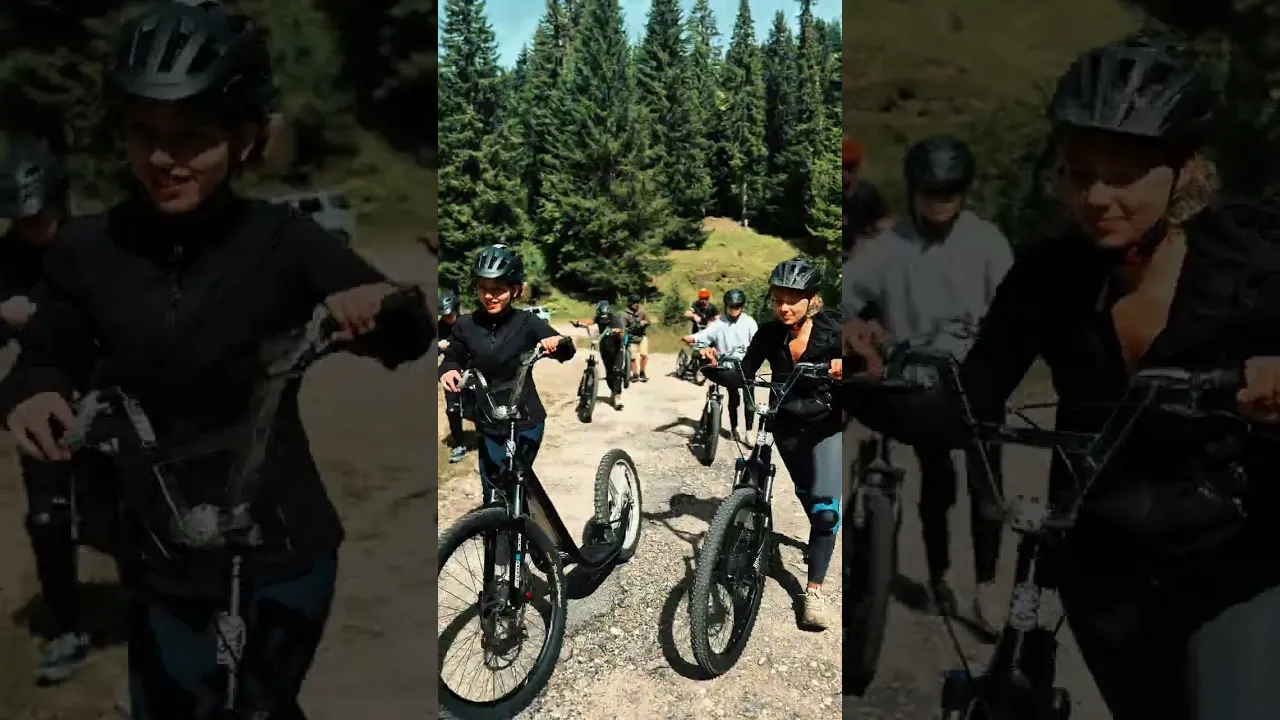 Watch on YouTube
Overview & Quick Facts — Snapshot for Busy Parents
Fast facts at a glance
Here are the headline numbers and guidelines to keep on your phone when planning screen-free holiday ideas.
- Child media guidelines: The American Academy of Pediatrics (AAP) recommends no screens for children under 18 months and about 1 hour/day of high-quality programming for ages 2–5; the World Health Organization (WHO) advises no screen time for under-2s and ≤1 hour/day for ages 2–4.
- Typical recreational screen use: Common Sense Media (2019) reported average non-school screen time of about 4 hours 44 minutes/day for children 8–12 and 7 hours 22 minutes/day for teens 13–18—useful context for goals to reduce screen time children.
- Activity target: The CDC recommends 60 minutes of physical activity daily for children; roughly 24% of U.S. children currently meet that benchmark, so prioritising outdoor alternatives screens can close that gap.
- Camps as a mainstream choice: The American Camp Association estimated around 11 million children attend U.S. camps annually pre-pandemic, a reminder that camp as screen alternative is a widely used option.
Quick Switzerland-specific facts
Practical local details for families based here or visiting Switzerland for a screen-free break.
- School holidays vary by canton: Swiss “Ferien / Vacances” weeks differ across cantons and seasons—plan around local calendars (spring “Frühlingsferien/Semaine de printemps”, summer July–August, autumn “Herbstferien”, and winter sport/February breaks) and check exact dates for your canton well in advance.
- Language and logistics: Many camps run in German, French, Italian or English—confirm language of instruction and group age ranges when booking to match your child’s comfort and our goal of nature-based play.
- Typical camp costs: Day camps are roughly CHF 200–600/week while overnight camps commonly range CHF 600–2,000+/week; prices vary by region, activity level and length, and many organisations offer scholarships or reduced rates.
- Local organisations to know: Pfadi/Scouts Suisse, Pro Natura, Schweizer Alpen-Club (SAC), Jugendherbergen Schweiz (Swiss Youth Hostels) and regional nature centres like Parc Ela or Swiss National Park all run outdoor programmes that support screen-free kids and family outdoor activities.
- Booking tips: Popular camps in Ticino, Graubünden and the Valais fill early for July and August; alpine camps often require basic fitness and gear, while lake-region day camps suit younger children.
One-line action plan
Use this short challenge to jumpstart healthy screen habits kids during holidays.
- Try a 3–7 day challenge: reduce recreational screen time by 50% versus baseline and aim for 60–120 minutes of outdoor active time per day for school-age children; download our family contract and 7-day tracker to keep everyone accountable and make a digital detox families-friendly—see A parent’s guide to summer in Switzerland for planning tips.
- Practical age notes: follow AAP/WHO guidance for under-2s and toddlers; for ages 2–5 swap short, high-quality screen moments for guided nature-based play; for school-age kids and teens set clear limits, offer attractive outdoor alternatives screens (bike rides, paddleboarding, scavenger hunts) and consider a week at camp for immersive change.
- Mindful parenting techniques: create a family media contract, schedule tech-free windows (mealtimes, first hour after waking), model reduced use, and reward outdoor time with shared experiences, not screens.

Why Go Screen-Free This Holiday? Evidence & Guidelines
Official health guidance you can use
Health bodies set clear limits that parents can follow during holidays and beyond. Below we summarise the main recommendations so you know what’s developmentally appropriate for each age.
- American Academy of Pediatrics (AAP): No screen media (except video-chatting) for children under 18 months; for ages 2–5 limit to about 1 hour/day of high-quality programming; for ages 6+ use consistent limits and prioritise sleep and physical activity.
- World Health Organization (WHO): For children under 2 no screen time; for ages 2–4 limit to no more than 1 hour/day and less is better.
- Swiss Federal Office of Public Health (FOPH): Emphasises balanced sleep, outdoor activity and limiting recreational screens as part of child health and wellbeing, and encourages families to prioritise active play and sleep routines.
Typical use versus recommended limits
It helps to see the gap between recommended limits and typical behaviour so you can set realistic goals over the holiday.
- Typical use: Common Sense Media (2019) reports that children aged 8–12 average about 4 hours 44 minutes of recreational screen time per day, while teens average about 7 hours 22 minutes (non-school use).
- Recommended: For ages 2–5 the AAP and WHO recommend about ≤1 hour/day of screened programming — a big gap compared with the 4–7+ hours many kids actually use.
- Practical note: Separate recreational vs educational screen time during the holidays. Swiss schools sometimes assign screen-based projects, so plan those separately and protect free time for play and family activities.
Health and behaviour impacts to keep in mind
Research links heavy recreational screen use with measurable harms. Use these points to motivate a holiday reset.
- Evening screen use can reduce sleep by up to about one hour in children and adolescents, which affects mood, attention and recovery.
- Multiple studies show recreational screen time over three hours per day is associated with higher rates of depressive symptoms and anxiety in adolescents — moderation matters.
- Physical activity shortfall is common. The CDC recommends 60 minutes of activity daily for children, yet only roughly 24% meet that target; replacing screens with outdoor play helps close that gap.
- Screen-free time supports better family interaction, more imaginative play and stronger attention skills. We also point families toward Why nature matters for kids for evidence on outdoor benefits.
Practical, age-appropriate guidelines for a holiday reset
Below are concrete, simple rules and activities you can try this holiday to reduce screens and boost nature-based play.
- Infants & toddlers (0–2): Follow the AAP/WHO rules: aim for zero recreational screen time. Replace brief screen moments with cuddled storytime, sensory bins, or a walk in a local park or forest. Swiss village walks and lakeshore time are ideal for fresh air and stimulation.
- Preschool (2–5): Keep recreational screens to about 1 hour/day or less. Use short, high-quality programming if needed. Rotate in nature-based play like simple scavenger hunts, pond-dipping at a Zurich or Geneva shore, or garden planting.
- School-age (6–12): Prioritise sleep and 60+ minutes of activity. Use device curfews (phones off 1 hour before bed), tech-free zones at mealtimes, and swap evening streaming for family games or a sunset hike in nearby hills (Uetliberg, Jura, Gantrisch).
- Teens: Negotiate limits and frame the holiday as a chance for a digital detox families can do together. Encourage camps as screen alternative — day or overnight camps run in many cantons over summer — and offer appealing outdoor options like mountain biking, kayaking on Lac Léman, or multi-day hikes in Valais.
- Family habits: Create device drop-off baskets, plan daily outdoor blocks, and pack a “screen-free travel kit” with books, binoculars, drawing supplies and a simple nature journal. Use mindful parenting techniques: set clear expectations, provide choices, and model the behaviour you want.
Use your holiday as a chance to build healthy screen habits kids will keep. Prioritise sleep, movement and shared time. Start small, be consistent, and choose outdoor alternatives screens so the whole family enjoys the break.

Benefits of Outdoor Time — What the Evidence Shows
Cognitive & attention benefits
Short time in nature helps children focus. Studies find that brief nature breaks of around 20 minutes lead to measurable improvements in concentration and executive function. In plain terms, green space gives the brain a chance to restore directed attention — the mental energy we use to ignore distractions and stay on task. That makes a 20-minute nature mini-break a useful tool for boosting homework focus or calming an overstimulated child.
We encourage simple nature-based play as an outdoor alternative to screens. For more on how outdoor learning supports thinking and concentration, see our Benefits of outdoor learning page.
Mental health & mood
Time outside often equals lower stress. Nature exposure correlates with reduced stress levels and fewer anxiety and depression symptoms in children and adolescents. Camp staff and parents regularly report improvements in mood, resilience and self-confidence after stays at outdoor programmes.
Outdoor activities work well as part of a digital detox for families. From gentle forest walks in spring to lakeside play in summer, natural settings help kids unwind. For teens, screen-free group challenges and overnight camps often produce noticeable gains in wellbeing and self-esteem.
Physical health & activity gains
Active outdoor time supports fitness and healthy weight. Public health guidance such as the CDC recommends at least 60 minutes of moderate to vigorous physical activity each day for school-age children. Children who regularly get 60–120 minutes outdoors daily tend to show better cardiorespiratory fitness and lower body mass index in the evidence base.
We suggest using local Swiss resources and programmes to build habits. Jugend+Sport (J+S) courses, Pfadi (Scouts Suisse) weekends and canton-organised outdoor activities in Zurich, Vaud or Bern make it easy for families to meet activity goals. Remember seasonal safety: apply sun protection in summer, check for ticks in late spring and follow canton leash rules for dogs when visiting nature reserves.
Social development, independence & practical takeaways
Outdoor programmes help social skills and independence. The American Camp Association (ACA) reports that many parents observe large gains in teamwork, friendships and self-reliance after camp — surveys often show improvements reported by over 75% of parents. In Switzerland, groups like Pfadi and J+S volunteer projects give children chances to lead small teams and take responsibility in age-appropriate ways.
Try these practical steps to reduce screen time for children and build healthy outdoor habits. Each list below starts with a clear suggestion.
- Daily target: Aim for at least 60 minutes of active outdoor time for school-age children, matching the CDC recommendation. Break it into shorter chunks if needed — a 20-minute nature mini-break will boost focus, and a 30–40 minute play session supports fitness.
- Age-appropriate ideas: For toddlers, opt for supervised free play in a safe garden or park; for primary-school kids, mix nature-based play and simple quests (map-reading, bug hunts); for teens, encourage trail runs, mountain biking or multi-day camps as screen-free alternatives.
- Family experiment: Swap one evening screen session for a 30-minute outdoor family walk for seven nights. Track mood, bedtime and sleep quality to see small changes. This low-effort switch often improves sleep and reduces evening reactivity.
- Summer options: Use summer camps as a camp as screen alternative — many Swiss camps run week-long programmes in the Alps or near lakes that combine sport, nature exploration and social projects.
We recommend mindful parenting techniques: set clear limits, model healthy screen habits yourself, and make outdoor plans simple and regular. Small steps work best. Celebrate wins and keep the focus on joyful, shared family outdoor activities rather than strict rules.

Outdoor Activities by Age — Specific Ideas, Durations & Safety
Toddlers (1–3 years) & Preschool (3–5 years): Sensory play and exploratory learning
Start with short, engaging outdoor sessions that build gross motor skills and language while keeping safety front of mind.
- Toddlers — activity ideas: backyard scavenger hunts, sensory nature walks (listen for birds, touch different leaves), ball play and puddle-stomping.
- Toddlers — typical session length: 20–45 minutes, several times a day.
- Toddlers — supervision & safety: 1:1 or 1:2 adult ratios. Use SPF 30+ sunscreen, hats and shade breaks, and watch choking hazards (small stones, berries, nuts). Do tick checks after grass play, especially in lowland cantons like Zürich or Aargau in spring/summer.
- Preschool — activity ideas: bug hunts with a magnifier, simple nature journaling, planting a small pot, playground obstacle circuits.
- Preschool — session length & skills: 30–60 minutes focused on gross motor and language-building through naming, describing and storytelling.
- How to start a preschool bug hunt: prepare a simple kit: jar with air holes, magnifier, and a one-page field guide; show kids how to observe and release insects gently.
These family outdoor activities work well in local green spaces from small Stadtparks in Geneva to playgrounds in Vaud—short trips fit toddlers’ rhythms and help screen-free kids enjoy nature-based play.
School-age (6–12 years) & Teens (13–18 years): Adventure, skills and leadership
Expand time outdoors for longer activities that teach navigation, independence and practical skills while maintaining clear supervision and safety rules.
- School-age — activity ideas: geocaching, day hikes (1–3 miles / ~1.5–5 km), beginner orienteering, biking, fishing, and age-appropriate kayaking on calm lakes like Lac de Neuchâtel.
- School-age — session length & supervision: 1–3 hours; one adult per small group (3–6 children) is a good rule of thumb. Teach map and compass basics before you set off.
- Tech alternatives: allow the Geocaching app for treasure hunts but set the device to GPS-only and limit active screen time to the route checkpoints to reduce overall device use.
- Teen — activity ideas: overnight backpacking, rock-climbing workshops at indoor or supervised outdoor crags, volunteer trail work, multi-day canoe trips, and mountain biking on marked routes in Graubünden or Valais.
- Teen — duration & device policy: sessions run 3+ hours to multi-day. Negotiate autonomy: agree a device curfew (suggest 1 hour before bed) and emergency contact plans.
- Leadership building: assign teen peer-leader roles on family camps—route planning, safety checks, and cooking shifts build confidence and responsibility.
For further structured suggestions by age, take a look at our Age-based outdoor activities guide to match activities to skills and seasons across Swiss cantons.
All-ages low-cost & inclusive activities plus three starter step-by-step activities
Choose low-cost, inclusive options that work for mixed ages and mobility needs, and try these three starter activities to get going.
- All-ages ideas: family bike rides, community beach or park clean-ups, citizen science with iNaturalist, stargazing with apps like SkyView or Stellarium, and accessible nature trails that are rollstuhlfreundlich.
- Inclusion & sensory-friendly tips: offer tactile alternatives (sand, scented plants), quiet spaces for sensory breaks, slower-paced routes, and bilingual prompts (DE/FR) such as “Finde etwas Blau / Trouve quelque chose de bleu” to engage multilingual families.
Step-by-step starter activities:
- Geocaching for school-age (45–60 min):
- Install the Geocaching app and create a free account.
- Set difficulty to “easy” and pick a 45–60 minute route near your town or canton.
- Bring water, snacks, a small pencil for logs, and a simple first-aid kit.
- Limit phone use to GPS and logging finds; celebrate discoveries together.
- Mini backpacking overnight for teens (multi-hour to 1 night):
- Basic gear checklist: lightweight tent, sleeping bag rated for the season, sleeping pad, stove and fuel, water filter, headlamp, map, compass and emergency whistle.
- Plan simple meals and a shared cooking rota. Practice stove use at home first.
- Create an emergency plan: route, expected return time, and local emergency numbers; check alpine weather if in higher elevations (avoid high passes outside summer months).
- Nature journaling for preschool (20–30 min):
- Supply list: small journal or stapled paper, crayons, stickers.
- Choose a calm spot and do a 20–30 minute quiet sit. Offer prompt cards: “Find two different leaves,” “Draw a sound you hear.”
- Share drawings and new words to boost language and observation skills.
We encourage families to adapt activities for local seasons and canton rules (for example, stay on marked paths in the Swiss National Park, Graubünden) and to use these ideas to reduce screen time children enjoy outdoors.

Camps & Programs — How to Choose, Costs & Switzerland Options
Why camps are a strong screen alternative
We see camps as a powerful camp as screen alternative because they replace passive screen time with active, social and outdoor experiences. The American Camp Association (ACA) estimates about 11 million children attend day or overnight camps in the U.S. each year, and ACA parent surveys report measurable gains (over 75% in many programs) in confidence, social skills and independence. Camps support nature-based play, healthy screen habits kids need, and are a practical option for digital detox families.
Camp types & what to ask about device policy
Different camps suit different interests and ages; ask specific questions about rules and daily routines before booking.
- Nature / outdoor camps: Forest play, wildlife education and overnight stays in campsites — great for younger children (6–12).
- Adventure / sports camps: Climbing, mountain biking and watersports for active teens and pre-teens.
- Conservation / eco camps: Hands-on habitat work, gardening and citizen science projects for ages 10+.
- Wilderness tech-free: Multi-day backpacking with explicit no-device policies; ideal for older teens learning independence.
- Specialty camps: Sailing, climbing or language camps that blend skills with outdoor alternatives screens.
Ask camps explicitly about phone rules. Many overnight programs enforce “no phones” or require a device deposit; some permit limited camera use. Confirm enforcement, emergency contact procedures and consequences for policy breaches.
Cost ranges & saving strategies
Costs vary by country, length and facilities. Below are typical ranges and money-saving tips to help plan a screen-free holiday.
- Typical costs: In the U.S., day camps commonly run $150–$400 per week; overnight camps range $500–$1,500+ per week. In Switzerland, expect day camps around CHF 200–600 per week and overnight camps CHF 600–2,000+ per week depending on region and amenities.
- Save money: Early-bird discounts, sibling reductions and shorter sessions often cut costs. Look for partial-week options for younger children and ask about equipment rental to avoid large upfront purchases.
- Financial aid: Scholarships and subsidies exist — in Switzerland, local charities and organisations such as Pro Juventute sometimes offer support. Ask camps about payment plans and need-based aid.
Choosing camps in Switzerland — organisations, locations, checklist & prep
We recommend matching language, season and cabin style to your child’s age and confidence. Below are organisations and seasonal locations to consider, followed by a practical checklist and preparation tips.
- Swiss organisations: Pfadi / Scouts Suisse, Schweizer Alpen-Club (SAC) youth huts and trips, Pro Natura youth programmes, Jugendherbergen Schweiz and cantonal nature centres often run trustworthy camps with nature-based play.
- Recommended locations by season: Summer — Lac Léman (water activities, Vaud/Genève), Ticino (milder climate, water sports), Engadine / Graubünden (hiking and alpine lakes), Valais (glacial trails), Jura and Mittelland nature reserves for gentler family walks.
- Language regions: Choose camps in German, Français or Italian depending on your family’s comfort; many camps offer bilingual staff, which helps international families.
- Special option: For older teens seeking a real alpine trek, consider our Tour of Mont Blanc camp.
Use this checklist to compare camps easily; we suggest creating a downloadable comparison table with columns for cost, device policy, language, age range, week dates, scholarships and staff ratios.
Checklist to compare camps (start with these questions):
- What is the staff-to-child ratio and staff First Aid / CPR certification?
- Is the camp accredited (ACA or Swiss equivalents such as J+S) and insured?
- What are the medical, dietary and special-needs policies?
- What exactly is the device policy and emergency contact plan?
- What costs are included and what are optional extras (equipment, transport)?
- What is the cancellation policy and refund procedure?
Preparing your child is practical and straightforward. Practice short device-free nights at home. Involve your child in packing from a simple checklist and run a trial day-camp if they’re anxious. For detailed selection steps, read our guide on How to choose a camp to match age, interests and your family’s digital detox goals.

Techniques for Parents — Practical Strategies to Create a Screen-Free Holiday
Family contract & rules
Start with a clear, simple contract the whole family agrees to; it sets expectations and reduces disputes. Below are the key elements to include and age-appropriate notes for Swiss families.
- Daily limits: set minutes/hours by age (toddlers: 0–15 min; primary ages: 30–60 min recreational; teens: negotiate 30–60 min/day for social use). Adjust for travel days or long trains to canton holidays.
- Tech-free zones: dining table, bedrooms, and cars on day trips. In alpine huts or mountain bivouacs we recommend no devices at all during evening hours to preserve battery and focus on nature.
- Device curfew: devices off 30–60 minutes before bed; for teens we suggest off 1 hour before sleep to support good rest.
- Emergency contact rules: phones may be kept for safety on hikes. List ICE contacts and Swiss emergency numbers (117 police, 144 ambulance) plus local guardian contact for camp stays.
- Rewards & consequences: explain how earned outdoor time converts to screen minutes and what happens if rules are broken.
Use a short written agreement so kids and host families can follow the same plan. Here’s a bilingual snippet you can paste into a printed sheet:
Vertragsauszug / Extrait de contrat:
DE: Tägliches Bildschirmlimit: 60 Minuten Spiel/soziale Medien. Keine Geräte beim Essen. Geräte 1 Stunde vor dem Schlafen ausschalten.
FR: Limite quotidienne d’écran : 60 minutes pour jeux/réseaux. Pas d’appareils pendant les repas. Éteindre les appareils 1 heure avant le coucher.
Gradual reduction vs cold turkey & device-management tools
Choose a method that fits your family. For heavy users we recommend a gradual reduction, paired with replacement activities. Below is a simple roadmap and built-in tools you can use.
- Gradual reduction: reduce recreational screen time by about 10–25% per day until you reach your target; pair each reduction with planned outdoor sessions, crafts, or reading time so kids know what they’ll do instead.
- Cold turkey: works well for short holidays or nature camps where devices are impractical (huts, multi-day treks). Expect pushback at first; stay consistent for 48–72 hours for the best chance of reset.
Use device-management tools to make rules enforceable. Here are practical options and settings we use with families.
- Built-in tools: Apple Screen Time (iOS), Google Family Link (Android) and Microsoft Family Safety all let you set app limits and downtime.
- Third-party options: Circle Home Plus (router-level control), Qustodio, Bark, and OurPact give extra monitoring and scheduling features for holiday homes or rented chalets.
- Practical settings: enable “Downtime” 30–60 minutes before bed; set app limits for games and social apps to around 1 hour/day for younger kids; use stricter caps on sleepover or summit days.
For help planning screen-free days and outdoor replacements, consult our Family adventure planning guide to map activities by canton and season.
Reward systems, modeling & negotiating with teens
Positive reinforcement and routine beat punishment most days. Here are tools and scripts you can use on holiday and back home.
- Reward systems: use token charts, a “screen-free jar” or earned minutes. Example metric: 10 outdoor minutes = 1 token; 6 tokens = 20 minutes screen (adjust to age and activity).
- Modeling & routines: parents must show device-free behaviour. Try family-wide unplug times like pre-dinner walks, lakeside reading, or evening card games. Routines work across Swiss seasons — sledging in winter, lake swims in summer, mushroom hunts in autumn.
- Negotiating with teens: give autonomy and clear boundaries. Offer 30–60 minutes/day for social connection, ban devices at meals and one hour before bed (e.g., devices off by 22:00). Invite teens to co-create activity plans and choose one outing per week.
Use this short conversation script when launching a 7-day screen-free holiday:
Script: “We’ll try a 7-day screen-free holiday. Here’s why: more sleep, fresh air, and time together. Here’s the plan: daily limits, device curfew, and two activities a day. Here are alternatives you can pick: hiking, lake time, crafts, or visiting a local market. Help us choose the activities and rules.”
Involve teens in scheduling and consequences. That shared ownership increases buy-in and makes your screen-free plans more likely to stick when you return home. For families new to this, start small, keep rules clear, and celebrate time spent outdoors together.

Gear, Apps & Supplies — What to Pack & What to Buy
Essential starter kit (low-cost)
For simple, effective screen-free holiday ideas, start with a low-cost kit that covers hiking, nature play and basic overnight stays.
- Sturdy shoes (one pair per child) — choose closed-toe hiking shoes or trail runners for Swiss trails like Uetliberg or the Gantrisch region.
- Small binoculars — kid-friendly optics help with birdwatching and observing alpine wildlife.
- Journal + coloured pencils — for nature sketches and silent observation sessions.
- Sunscreen SPF 30+ — keep one bottle per family (SPF ≥30), and reapply during long summer days.
- Reusable water bottle — aim for 1 water bottle per person plus 1 spare for the group.
- Insect repellent — essential in spring and summer for forest hikes and lakeside play.
- Headlamp — compact light for tent nights, hut stays or evening nature games.
Use our Packing list for camp if you want a full, printable kit that expands this starter list for multi-day stays.
Recommended gear by activity & brands
These brand suggestions cover common family activities and scale by age and experience.
- Binoculars: Nikon PROSTAFF, Bushnell H2O — pick lightweight models for children.
- Kids’ hiking shoes: Merrell, Keen — look for good grip and ankle support for alpine paths in cantons like Valais and Graubünden.
- Sunscreen: Neutrogena Pure & Free, Blue Lizard (SPF ≥30) — suitable for sensitive skin.
- Tents: Coleman Sundome, REI Half Dome — rent or buy based on trip frequency.
- Headlamps: Petzl Tikkina, Black Diamond Spot — child-sized straps are useful for younger campers.
- Kayaks: Perception Pescador, Old Town Vapor — consider rentals for occasional lake use.
- Bikes: Trek Precaliber, Giant XtC Jr — suitable for family rides on Swiss bike trails and forest tracks.
Apps for nature, stargazing & citizen science; parental-control tools
Apps can enhance outdoor learning while keeping screens purposeful. Try these for ID, stars and family-friendly exploration.
- Nature & citizen science: iNaturalist — identify plants and animals and contribute sightings to science.
- Bird ID: Audubon Bird Guide; Merlin Bird ID — great for morning birdwatching on camp mornings.
- Treasure hunts: Geocaching app — introduce treasure hunts but always respect private land and local rules.
- Stargazing: SkyView, Stellarium, Star Walk — excellent for alpine nights when light pollution is low.
For limiting screen time and tracking devices, trial built-in free tools before buying premium services: Apple Screen Time, Google Family Link and Microsoft Family Safety are good starting points.
- Paid/home-network options: Circle Home Plus, Qustodio, Bark, OurPact — test them with a short trial and adapt settings by age.
Safety gear, medical supplies & where to buy or rent in Switzerland
Prepare safety items for the activities you plan and check local rules in each canton before you go.
- Life jackets — child-size PFDs meeting US Coast Guard or equivalent European standards for lake and river use; required by some cantonal regulations for organised water activities.
- Tick-check kit and proper removal tool — ticks are most active in spring and summer in forests and meadows.
- Child-size epinephrine if prescribed — carry a doctor’s note and training for use.
- Basic first-aid kit, blister care, waterproof plasters and tape — adapt contents by trip length and group size.
Here are practical buying and rental options across Switzerland and a suggestion on saving money.
- Local outdoor retailers: Transa, Ochsner Sport, SportXX — convenient in major cantons like Zurich, Bern and Vaud.
- SAC huts and services: many Swiss Alpine Club huts offer rental equipment or local contacts for gear — useful for alpine trips in Valais and Graubünden.
- Rent rather than buy for occasional use: kayaks and high-end tents are good candidates for rental to save costs and storage headaches.
- For hands-on water experience with equipment provided, consider our Water sports camp example to see how a fully equipped programme runs.
Print one checklist per trip type: for a day hike include water (1 per person + 1 spare), sun protection, snacks and blister care; for an overnight camp add sleeping bag, extra layers, family sunscreen bottle (1 per family), headlamp and a compact first-aid kit. Pack by age and ability, check canton-specific rules (especially for water and fire), and keep gear simple so families can focus on nature-based play and healthy screen habits for kids.

Safety, Health & Practical Considerations
Sun safety & heat
Keep sun and heat risks simple and consistent so children can enjoy screen-free kids activities without harm. Use broad-spectrum sunscreen SPF 30+ on all exposed skin and reapply every two hours or immediately after swimming or heavy sweating.
For hydration, encourage small, regular sips during activity. A useful guideline is 4–8 oz (100–250 ml) every 20–30 minutes of exertion; stop activity if you see dizziness, confusion, nausea, or excessive fatigue—these are signs of heat illness. Plan breaks in shade and schedule the most vigorous play for cooler morning or late afternoon hours.
Remember Swiss seasons and terrain: high-altitude sun in the Alps is stronger, so add extra protection—hat, sunglasses, and a higher frequency of sunscreen—even on cool days in cantons like Valais or Graubünden.
Insect & tick prevention
Use proven repellents and practical clothing choices to reduce bites and ticks during nature-based play. Apply an EPA-registered repellent or a Swiss-authorised product; DEET up to 30% is commonly recommended for children when used exactly as the label directs, but avoid DEET for infants under two months.
- Dress kids in long sleeves and tucking trousers into socks on tick-prone trails.
- Use permethrin-treated clothing if you expect heavy exposure (follow product instructions).
- Perform tick checks after hikes and remove any ticks promptly with fine tweezers or a tick tool.
Tick season runs from spring through early autumn in many regions. Check cantonal health pages and the Federal Office of Public Health (FOPH) for local guidance on tick-borne illness and vaccination where available.
Water safety
Take water risks seriously when planning family outdoor activities at lakes, rivers or public beaches. Fit young children with properly sized life jackets and keep toddlers within arm’s reach at all times.
- Teach older children boat and swimming safety before unsupervised water play.
- Be aware of cold-water shock and strong currents in Swiss lakes and rivers; even strong swimmers can struggle in sudden cold or current.
- Follow local lifeguard guidance and check lifeguard hours at public beaches before heading out.
Where lifeguards are present, obey flags and posted notices. For remote swimming spots, have a floatation plan and a non-swimmer buddy assigned for each child.
First-aid, legal & practical checklist
Be ready for minor injuries and rare emergencies with a compact, child-focused kit and the right training. Pack prescribed child-dose epinephrine if needed, an antihistamine for allergic reactions, bandages, wound-care supplies, and a blister kit for long hikes.
- Enroll at least one caregiver in CPR and First Aid; see Swiss Red Cross training links for available courses and schedules.
- Consult our Medical care & safety page for camp-specific health protocols and checklists.
Swiss legal and practical notes for parents:
- Wild camping rules vary by canton; many regions restrict camping sauvage—always check cantonal rules (for example, Ticino and parts of Valais have tight rules).
- Observe summer fire bans and local “Verbot Lagerfeuer” notices during high forest-fire risk periods.
- Keep key emergency phrases handy in the local language, for example: “Mein Kind braucht einen Arzt” and “Mon enfant a besoin d’un médecin”.
Finish your planning with a compact, printable pre-trip checklist. Include sunscreen, water, life jackets, first-aid kit, prescribed medication, tick tweezers, a paper map, and a charged phone for emergencies (keep it in airplane mode during the day to avoid distractions but turn it on when needed).
These practical steps will help you confidently pursue summer screen-free ideas, support healthy screen habits kids need, and make camps as screen alternative options safer and more enjoyable for the whole family.

Sample Screen-Free Holiday Schedules & Templates
Toddler day template
Use short, predictable bursts for the youngest explorers. Toddlers thrive on rhythm and close supervision.
- 09:00–10:00 Morning outdoor sensory play (split into 20–45 minute sessions: mud kitchen, leaf sorting, puddle walks).
- 10:30–12:00 Snack, free play and nap or quiet reading.
- 12:30–14:30 Lunch and short indoor craft (simple collage or stacking games).
- 15:00–16:00 Afternoon outing: park, short nature trail or playground (keep travel short in cantons like Zürich or Vaud).
- 17:00–18:00 Wind-down: bath, stories and a device-free family dinner.
Keep outdoor bursts between 20–45 minutes. Maintain supervision ratios of about 1:1 to 1:2. Adjust nap timing by age and season—late summer evenings in Graubünden call for later naps and lighter evenings.
School-age full-day template
This full-day template mixes sustained outdoor time with creative and quiet moments. It suits ages 6–12 and works year-round with simple seasonal swaps (lake swim in summer, forest play in spring/autumn).
- 09:00–11:00 Hike or nature walk (60–120 minutes of outdoor activity; aim for 60–120 minutes/day overall).
- 11:30–12:30 Creative project: map-making, campfire cooking practice, or sketching local flora.
- 12:30–14:00 Lunch and free play.
- 14:00–15:00 Quiet time/homework or reading.
- 16:00–17:30 Family swim at a lake (e.g., Lake Geneva shore in Vaud) or bike around local trails.
- 19:00–19:30 Optional 30–60 minutes of evening screen for educational apps or scheduled video calls with relatives.
We encourage using camps as screen alternative; see a Sample day at camp for a ready example of structured outdoor days.
Teen multi-day/adventure template & trackers
Teens need more autonomy, social time and challenge. Multi-day templates work for bike tours, climbing weekends or overnight tents in the Bernese Oberland.
- 09:00–12:00 Morning adventure: mountain biking, climbing or long hike.
- 12:30–14:00 Community service, workshop or skill session (map reading, first aid).
- 15:00–17:00 Free outdoor or social time with peers (sports, Frisbee, exploring a village).
- Evening Device curfew: switch devices off one hour before bed (example: devices off by 22:00).
For teens we recommend a clear device curfew and negotiated screen windows for afternoons or brief evening check-ins. This supports healthy screen habits kids and gives space for social connection and sleep.
Goal metrics, swaps and printable assets
Set clear, measurable goals and simple tools to track progress. Below are practical trackers and quick swaps you can use immediately.
- Goals: Aim for 60–120 minutes of outdoor activity per school-age child each day and target reducing recreational screen time by about 50% for the holiday period.
- Tracking tools: Use paper charts, a family whiteboard in the kitchen, and weekly Device Screen Time reports to measure progress.
- Quick swaps: Replace short screen sessions with simple outdoor activities:
- 30-minute YouTube video → 30-minute backyard scavenger hunt.
- 20-minute social media scrolling → 20-minute stargazing walk after dinner.
- Printable/downloadable assets: Make a family contract, a 7-day tracker chart, packing checklists for day hikes and overnights, and editable schedule templates. We recommend bilingual DE/FR versions for Swiss families and international households.
- Swap cards: Create printable “swap card” templates so kids can trade screen time for an activity. Cards can be simple: activity on one side, time value on the other.
Try one template for three days, use a printed tracker, and swap one evening of screens for a family outing. Small, consistent changes help screen-free kids build lasting habits and make holidays feel like a true digital detox for families.

Measuring Success — Metrics, Tools & Tracking Progress
What to measure
We suggest tracking a mix of hard numbers and simple observations so you can see clear progress and keep morale high.
- Quantitative: daily screen minutes (record a baseline then set a holiday target), outdoor minutes per day (aim 60–120 minutes), and sleep duration (children 6–12 years: 9–12 hours; teens: 8–10 hours).
- Subjective: a short child mood rating (1–5 each evening), a parent stress rating (1–5), and quick notes on observed behaviour improvements like calmer mornings, better focus, or less sibling arguing.
- Context tags: note weather, season (e.g. summer hikes in the Valais or lake days on Lac Léman), and location (canton, camp, or home) so you can compare similar days — Swiss regional programmes and school rules vary between cantons and communities.
Tools to track
Use built-in tech and low-tech options together for reliability and family buy-in.
- Built-in reports: Apple Screen Time and Android Digital Wellbeing/Google Family Link give automatic screen-minute reports and app categories.
- Parental-control apps: OurPact and Qustodio work well for scheduling and monitoring recreational screen use, especially on shared or parental-managed devices.
- Simple tools: paper charts, a laminated whiteboard tally or sticker charts pinned to the fridge make progress visible for younger children.
- Camp comparison: if you enrol in a programme, look at how they report outcomes — many Swiss camps explain their systems; see our short note on Tracking progress at camp for ideas you can borrow at home.
7-day measurement plan
Follow this straightforward week plan to measure baseline, test changes, and compare results.
- Day 1 — Baseline: record total recreational screen minutes without making rules changes. Note sleep, mood, outdoor minutes and location (e.g. home Zurich, afternoon forest play in Canton Bern).
- Days 2–7 — Implement and record: set schedules, use restrictions or whiteboard rules, and record screen minutes, outdoor minutes, sleep and mood each day.
- Example calculation: if baseline = 300 minutes/day and you set a 50% reduction target, the new screen limit is 150 minutes/day. Replace the 150 freed minutes with 60–120 minutes of outdoor play plus creative projects like nature journalling, craft sessions, or family hikes in the Jura hills.
- Daily checkpoint: quick evening review (2–5 minutes) to log mood and one behaviour note. Adjust the next day if needed.
Example success metrics & how to present results as a family
Share concise outcomes with children and celebrate wins so healthy screen habits stick.
- Sample parent-reported outcomes: After a 7-day screen-free holiday some families saw recreational screen time drop 58%, outdoor minutes rise from 30 to 95 per day, and child sleep increase by about 40 minutes each night.
- Presenting results: make a family scoreboard on a whiteboard or printable chart showing baseline vs week results. Include columns for screen minutes, outdoor minutes, sleep and mood. Use stickers for each goal met.
- Review routine: hold a brief weekly family review and celebrate small wins — a hot chocolate after a week of increased outdoor time works well. Adjust targets gradually if needed: reduce screen time by 10–25% per day rather than all at once for sensitive kids or teens.
- Bilingual option: create summary charts in German and French for multilingual households in cantons like Vaud or Zurich; a simple two-language chart helps grandparents and caregivers stay aligned.
Practical next steps: pick a tracking tool (phone report + whiteboard), run the 7-day plan starting on a weekend, log baseline Day 1, aim for a realistic reduction, and celebrate with a family outing in your nearest nature spot — whether a lake swim, a forest walk in the Bernese Oberland, or a picnic above Lugano.

Screen-Free Holidays: Outdoor Activities, Camps & Techniques for Parents
“We need screens for education”
Separate recreational screen time from educational use and plan each explicitly so screens don’t expand to fill the day.
- Pre-load offline educational content onto a device the child can use without internet—videos, e-books, language apps in airplane or offline mode—and label it “learning device.”
- Schedule clear learning windows (e.g., 45–60 minutes after breakfast). For older teens, allow flexible blocks; for younger children, use two short 20–30 minute sessions a day.
- Offer plenty of offline alternatives so “learning” still feels engaging: workbooks for maths or languages, library visits for research and reading, and hands-on science experiments such as simple chemistry or nature journals.
Use this script to set expectations with kids: “We’ll use screens for two learning blocks today: 9:00–9:45 and 16:00–16:30. The rest of the day we’ll try nature projects, reading, or hands-on games. If you finish a worksheet early, you pick the activity.”
“We’re worried kids will revolt” — behavior strategies
Reduce screens gradually, involve children in the plan, and celebrate small wins to keep resistance low.
- Gradual reduction: lower recreational screen time by about 10–25% each day until you reach your goal; tell kids the plan and track progress with a simple chart.
- Involve kids in planning: let them choose three screen-free activities each day (bike ride, craft, scavenger hunt).
- Use reward systems and small incentives appropriate to age: stickers and extra storytime for 4–8 year olds; extra choice of weekend outing for teens.
Try this negotiation script: “We’ll cut non-school screen time a little each day. You pick two activities to replace one hour of screens—if you stick with it this week, choose Saturday’s family activity.”
Age adjustments to incentives:
- Preschool/early primary: visual charts, immediate praise, a small toy or extra bedtime story.
- Older primary: extra playdate time, a special snack, or a 30-minute weekend gaming slot.
- Teens: negotiated privacy, a longer outing with friends, or responsibility-based rewards like later curfew on a designated night.
Bad weather, logistics, travel days
Have indoor active alternatives ready so rainy days or travel don’t force a retreat to screens.
- Living-room obstacle course, indoor treasure hunts, or yoga/stretching games to keep energy up.
- Local indoor options in Switzerland: visit a Hallenbad for swimming, book a session at an indoor climbing gym, or explore museums like the Verkehrshaus Luzern or the Musée d’histoire naturelle Genève.
- Libraries and organised story hours are great low-cost options in most cantons (Zurich, Vaud, Geneva have active public library programs in summer).
- Pack nature-themed craft kits and card games for travel days so kids stay occupied even on trains or in airports.
When planning a long travel day, announce a mixed schedule: movement breaks every 45–60 minutes, one short screen window for a downloaded show, then a non-screen activity at the stop.
Work demands, safety & when to seek professional help
Balance parents’ work needs with clear rules and safety steps so children feel secure and adults can meet obligations.
- Set predictable device windows for parents and kids: for example, parent work blocks 09:00–11:00 and 14:00–16:00 with a strict no-screen family meal at 12:00.
- Use headphones for work calls, a shared calendar for family plans, and negotiate when exceptions are allowed so kids know what to expect.
- For child anxiety about independence, start with day camps or short stays. We recommend trial days and check-in protocols like one daily call or a set text check-in. For older teens consider a Senior leadership camp as a next step.
For parents feeling anxious, read Managing parent concerns to get practical steps we use with families.
If screen use is tied to major mood or behaviour changes—withdrawal, aggression, sleep loss—seek help. In Switzerland, consult your paediatrician or local child health services and explore Federal Office of Public Health (FOPH) resources for guidance and referrals.

Suggested Visuals, Tables & Downloadables
Comparison tables (quick-reference)
Below are three compact comparison “tables” presented as clear lists you can print or paste into a planner for quick decisions during the school year or holiday planning.
Table 1: Typical screen use vs recommended limits (by age)
- Typical use (summary of Common Sense Media findings): Common Sense Media notes that average daily recreational screen time rises with age and often exceeds health recommendations; use this as a reality check for family goals rather than a rulebook.
- American Academy of Pediatrics (AAP) guidance: under 18 months—avoid screens except video-chat; 18–24 months—introduce only high-quality programming with caregiver; 2–5 years—limit to ~1 hour/day of high-quality content with co-viewing; 6+—establish a family media plan with consistent limits and device-free times.
- World Health Organization (WHO) guidance: infants (0–1) — no recreational screen time; 1–2 years — avoid screens; 2–4 years — limit to 1 hour/day of sedentary screen time; for older children WHO emphasises limiting recreational screen time and promoting physical activity and sleep.
Table 2: Camp comparison (cost, device policy, language, age range, scholarships)
- Local scout/Pfadi camps: Cost: low–moderate (often subsidised by local groups); Device policy: usually no devices or strict limits; Language: regional (DE/FR/IT) with some bilingual weeks; Age range: 6–17; Scholarships: often available via parish or cantonal youth funds.
- Private outdoor/sports camps: Cost: moderate–higher depending on length and boarding; Device policy: mixed—many enforce device-free days; Language: DE/FR/EN common in tourist cantons (VS/GR/ZH); Age range: 8–16; Scholarships: some providers and municipal youth offices offer partial grants.
- International residential camps in Switzerland: Cost: higher (full board, excursions); Device policy: usually limited to specific times; Language: primarily English plus local languages; Age range: 10–17; Scholarships: rare but check international exchange or embassy programmes.
Table 3: Gear & starter kit cost comparison (buy vs rent) — typical Swiss options
- Sleeping bag: Buy CHF 50–200; Rent CHF 8–25/day or weekend. Good for families with frequent camper kids to buy; occasional campers rent.
- Hiking boots: Buy CHF 80–200; Rent uncommon—consider borrowing or second-hand (Ricardo, local youth exchanges).
- Backpack (day/overnight): Buy CHF 50–180; Rent CHF 10–30/day at outdoor shops or camp providers.
- Tent (family): Buy CHF 150–800; Rent CHF 20–60/night from outdoor retailers in larger towns (Geneva, Zürich, Lausanne).
- Water bottle, headlamp, basic first-aid: Buy CHF 20–80 total; usually not rentable—budget to buy and reuse each season.
Printable checklists, templates & swapables
We recommend printable, bilingual resources parents can adapt; introduce each printable with a short purpose line so families can pick what fits their season and canton rules.
- Family contract (Deutsch / Français) — device rules, device-free zones/times, emergency contact, privacy rules for photos.
- 7-day screen & outdoor tracker — simple boxes to tick minutes outdoors vs screens; useful for measurable goals.
- Packing lists: day-hike checklist and overnight checklist — separate lists for toddlers, school-age and teens.
- Camp comparison worksheet — space for cost, language, device-policy notes, scholarship options and dates.
- Swap-card printables — trade cards kids can fill with outdoor activities (e.g., “Trottinette trip”, “Rock-pooling Lac Léman”) to encourage peer activity swaps at home or camp.
Infographics, photos, captions & accessibility
Below are ideas for visuals, caption examples in German and French, and accessibility notes so printables work for all families in Switzerland.
- Infographic idea: “Screen time vs outdoor minutes — 7-day before/after chart” showing baseline week, a week with screen-free strategies, and net outdoor minutes; great for school holidays in Zürich, Geneva or Graubünden.
- Visual schedule templates: simple daily schedules for toddlers, school-age and teens with icons for season-specific activities (snowshoeing in Valais, lake swim at Lac Léman in summer, forest play in Aargau).
- Photo suggestions & bilingual captions:
- Family hike in Engadine — DE: “Familienwanderung im Engadin: Zeit füreinander und die Berge.” / FR: “Randonnée en famille en Engadine : du temps pour la nature et ensemble.”
- Lake swim at Lac Léman — DE: “Abkühlung am Lac Léman: sicher und bildend.” / FR: “Baignade au Léman : rafraîchissement et découverte.”
- Kids at a Pfadi camp — DE: “Pfadi-Abenteuer: Teamwork und Outdoor-Fähigkeiten.” / FR: “Camp Pfadi : esprit d’équipe et compétences en plein air.”
- Family stargazing in Valais — DE: “Sternenhimmel im Wallis: digitale Pause, grosses Staunen.” / FR: “Observation des étoiles au Valais : pause numérique, émerveillement.”
- Alt-text suggestions: provide short, descriptive alt-text for each image (e.g., “Children around a campfire in alpine meadow, wearing windjackets”).
- Accessibility & translation notes: deliver printables in Deutsch and Français, use large sans-serif fonts, high-contrast colours, and simple iconography for low-literacy users; include a one-page plain-language intro to each printable with step-by-step use instructions for parents in mixed-language households.
- Documentation tip: For ideas on how families can capture memories without increasing screen dependence, see our Visuals & documentation tips.

Notes on SEO & Target Keywords
Primary keywords to target: screen-free holidays & reduce screen time children
We suggest centring pages and headings around the phrase screen-free holiday ideas within the first 100 words to capture intent from families planning a break. Use the other primary keywords naturally across H3s and subheads: screen-free holidays, reduce screen time children, screen-free kids, outdoor alternatives to screens, family outdoor activities Switzerland, digital detox families.
Use this short list for page-level focus.
- Main focus: screen-free holiday ideas / screen-free holidays
- Parent intent: reduce screen time children / healthy screen habits kids
- Experience intent: screen-free kids / outdoor alternatives to screens
- Local intent: family outdoor activities Switzerland / nature-based play
- Lifestyle intent: digital detox families / mindful parenting techniques
On-page SEO structure, metadata and social snippets
Follow these structural rules on every landing and camp page to help search engines and parents find your screen-free content.
- Use H1 for the main page title. Include the primary keyword within the first 100 words of visible content.
- Keep the H2s descriptive; include at least one primary keyword in H2 or nearby text.
- Use several H3 subheads that repeat variations like screen-free kids and reduce screen time children, and include secondary semantic phrases such as nature-based play and summer screen-free ideas.
- Feature internal links to camp pages and relevant evidence. For example, link the topic to our SEO notes on outdoor learning to emphasise why outdoor alternatives to screens improve retention.
- Include prompt CTAs that mention camps as a screen alternative and family outdoor activities Switzerland.
Use a short meta description and tailored social copy for sharing.
- Meta description (short): Practical guide for families: screen-free holidays in Switzerland — outdoor activities, camps, parent techniques, safety checklists, bilingual templates.
- Facebook / Instagram share: Swap screens for Swiss peaks. Practical screen-free holiday ideas, camps and family activities across Zurich, Geneva, Ticino, Valais and Grisons. Pack lists and bilingual templates inside.
- Twitter / X (short): Screen-free holiday ideas for families in Switzerland — camps, outdoor activities and parent techniques. #DigitalDetox #FamilyTravel
Local language targeting, camps and link strategy for family outdoor activities Switzerland
Local SEO helps international and Swiss families find the right camp or day trip. Create landing sections or sidebars in German and French that match local search terms.
- Deutsch sidebar keywords: Bildschirmfreie Ferien, Kinder Bildschirmzeit reduzieren, familien Aktivitäten Schweiz (add canton-specific pages for Zurich, Geneva, Ticino, Valais, Grisons).
- Français sidebar keywords: Vacances sans écran, réduire temps d’écran enfants, activités familiales Suisse (include Genève, Zurich, Tessin, Valais, Grisons).
- Include season tags like Sommerferien, Herbstferien and Frühling for local searches and parents planning around Swiss school calendars.
Feature representative camp pages as prime examples of screen-free programming; highlight age-appropriate activities and rules (sleep, device policy, emergency contacts). For older kids, showcase multi-day active trips like our Bike Travel Camp as a clear screen-free option.
Finish with a short actionable checklist parents can use when optimising pages and planning content.
- Audit page titles and headers: ensure one primary keyword per main heading.
- Add short bilingual snippets for Deutsch and Français on each landing.
- Create internal links from camp pages to safety, packing and activity guides; reference reputable organisations such as AAP, WHO, Common Sense Media and the CDC in editorial copy (without linking if site policy requires).
- Publish seasonal landing pages for Zurich, Geneva, Ticino, Valais and Grisons with curated activities by age: toddlers, 6–10, 11–14, teens.
- Track queries like “screen-free kids” and “outdoor alternatives to screens” and update content every season with fresh camp dates and parent templates.

Ready for a screen-free holiday?
Use simple, age-appropriate rules, aim for 60–120 minutes of daily outdoor activity for school-age kids, and try a short 3–7 day challenge with a family media contract to jumpstart healthier habits. Camps are a practical, immersive alternative that make device reductions easier and boost sleep, mood and social skills.
If you want an organised, device-light option for your next break, View our camps.


