

International Summer Camps in Switzerland
Overview
We see international summer camps in Switzerland combine dramatic Alpine locations with strong safety and medical systems and multilingual groups. They create intense chances for shared outdoor challenges, language exchange and daily rituals that speed deep friendships. Camps running 2–4 week residential sessions, mixing nationalities in cabins, keeping low counselor-to-camper ratios, and balancing structured team activities with free evening time report the highest alumni engagement.
Key Takeaways
Highlights
- Alpine sites, efficient facilities and high safety standards cut worry and free more time for togetherness, so bonds form faster and more often.
- Residential sessions of 2–4 weeks and multi-night expeditions compress shared experiences and create stronger, longer-lasting friendships than single-day or very short stays.
- A program mix of team sports, adventure challenges, collaborative arts and small-group language exchanges builds interdependence and trust while giving campers repeated wins in conversation.
- Deliberate grouping—mixed-nationality cabins, small-group programming—and low counselor-to-camper ratios (roughly 1:6–1:12) let staff coach inclusion and step in on conflicts that would otherwise block connection.
- Sustained friendships track with active alumni pathways and repeat enrolment (commonly 20–50%). Simple administrative steps can significantly increase ongoing engagement.
Recommendations
- Swap contacts early: create structured moments near the end of a session for campers to exchange details, social handles and small group pledges to stay in touch.
- Plan organised follow-up reunions: schedule online or regional meetups and alumni activities within 3–12 months to turn summer bonds into lifelong ties.
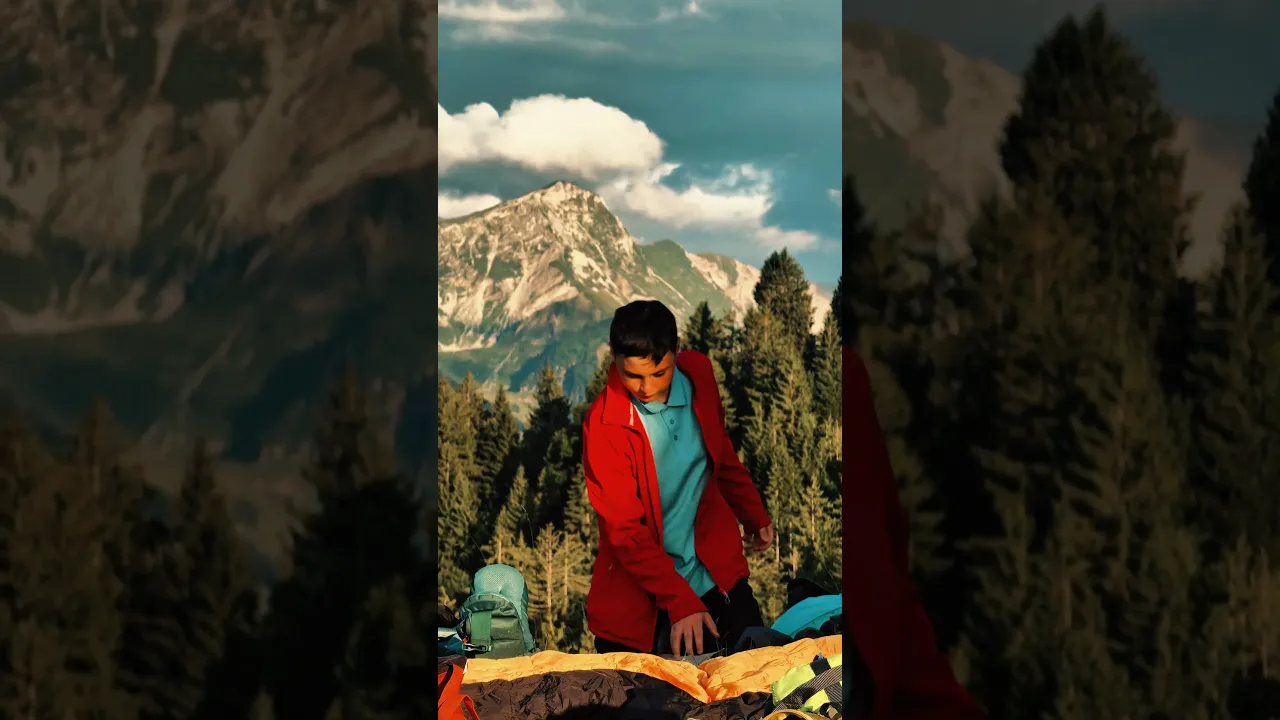 Watch on YouTube
Why Switzerland? The setting, safety and facilities that make friendships flourish
We, at the Young Explorers Club, choose Switzerland because the landscape itself accelerates connection. Alpine valleys at 800–1,600 m concentrate trails, lakes and challenge courses within easy reach, so kids spend time together outdoors rather than waiting in transit. Warm summer days—usually about 18–25°C in the valleys—keep activities running and moods high. Shared physical challenges build trust fast, and the mountains give every group a natural project to bond over.
We run programs in a multilingual setting—French, German and English mix across cabins and activities. That language blend pushes campers to communicate, help one another and trade cultures in real time. I see shy kids open up when someone teaches them a phrase, and confident kids slow down to explain things. Those little exchanges become the basis of deeper friendships.
Safety and health support friendships by removing anxiety. Switzerland scores consistently high for public safety and medical services, and emergency response times and hospital standards are strong. Camps sit 1–2 hours by road from Geneva or Zurich, so planned transport is straightforward and family concerns ease quickly. When caregivers and campers feel secure, social risks like trying a new sport or sharing a cabin room feel manageable.
Facilities and logistics
- Campus size and layout: many sites span 10–50 hectares, giving both open play areas and quieter corners for small-group conversations.
- Sports and challenge inventory: example setups include 4 tennis courts, a climbing wall, a lake or waterfront, a high-ropes course and a multi-use sports hall—each fosters teamwork and shared memories.
- Accommodation: session capacities commonly run 60–300+ beds, while larger programs enroll 500–1,500 over a summer, which mixes continuity with fresh faces each week.
- Travel and access: most mountain campuses are a 1–2 hour drive from major airports, keeping arrival days efficient and minimizing downtime.
- Program fit: lakes, ropes and mountain routes let me design daily challenges that encourage cooperation, leadership swaps and buddy systems—practical structures that turn acquaintances into reliable friends.
I shape schedules so campers alternate high-energy team tasks with low-key social time. That balance, combined with the Alps and a international summer camp in Switzerland, gives friendships both the opportunity and the space to grow.
https://youtu.be/mk6u4XKmgkw
How programmes and daily schedules accelerate bonding
Session length and formats that create fast, deep friendships
We design session lengths to match social goals. Short 1–2 week sessions create quick shared experiences and fast introductions. Most residential sessions run 2–4 weeks, and those are commonly associated with deeper friendships because campers live, learn and relax together long enough to form rituals and inside jokes. Full-summer or intensive 4–8 week stays produce the strongest, longest-lasting bonds through repeated, varied interaction.
We separate formats so families can choose intensity:
- Day camps let local kids join daily and are great for making new friends without overnight separation.
- Residential camps provide shared cabins, night routines and unstructured evening time that accelerate closeness.
- Boarding-school–style summer schools mimic campus life with academic blocks plus residential living, ideal for older teens.
- Specialty camps (language, adventure, arts) pair like-minded kids and speed up connection through focused goals.
We schedule multi-night expeditions and cabin projects because they force teamwork and shared responsibility. We program 3–5 structured group activities per day and 3–4 evening social events per week; that balance increases meaningful contact without burning campers out. We recommend 2–4 week residential sessions when the goal is lasting friendship and deeper cultural exchange.
Sample daily schedule and how it builds connection
Below is a typical day that we use to generate repeated moments of bonding. The structure alternates active learning and relaxed social time so campers meet in different settings and roles.
- 08:00 — Breakfast
- 09:00 — Morning activities (team sports, language games)
- 12:30 — Lunch and free social time
- 14:00 — Specialist classes or workshops (art, climbing, language immersion)
- 18:00 — Dinner in cabins or dining hall
- 19:30 — Evening programme (campfire, talent night, small-group socials)
- 21:30–22:30 — Lights-out for teens (younger campers sleep earlier)
We start most days between 07:30 and 08:30 to keep routines predictable. We schedule 2–4 activity blocks per day so campers interact in varied group sizes. We keep evenings for unstructured socializing and 3–4 organised social events weekly; those late-afternoon conversations and shared downtime are where trust forms fastest.
We, at the young explorers club, mix specialist sessions with free periods by design. Specialist classes give shared purpose; free time creates relaxed, spontaneous interaction. Multi-night expeditions compress daily routines into a smaller timeframe and rapidly deepen relationships through shared challenges and reliance.
We advise choosing format by the friendship outcome desired. Parents who want local, low-commitment social growth find day camps effective. Families aiming for immersive language practice or lifelong friends should opt for 2–4 week residential sessions at our summer camp in Switzerland, where routines and activities are engineered to accelerate bonding.

Key activities and social formats that create fast, deep friendships
We design days so campers share challenge, laughter and downtime. I focus on balancing structured team-building with low-structure social time so bonds form quickly and last. Our rhythm usually includes 3–5 activities/day, plus evening socials that turn short encounters into stories people tell for years. We at the young explorers club use specific activities and social formats because they reliably produce trust, interdependence and shared memory.
Core activities that accelerate bonding
Below are the activity types I use most often to kickstart deep connections among campers:
- Team sports — Fast way to practice communication, read body language and celebrate together.
- Adventure challenges (high ropes, via ferrata) — Force reliance on partners and instructors; shared fear becomes fuel for trust.
- Overnight hikes and multi-night expeditions — Multi-night trips compress time and create intense shared narratives that stick.
- Collaborative arts projects — Shared creation (plays, murals, music) makes everyone a contributor and a witness.
- Language-exchange sessions — Small, mixed-language groups give learners real conversational wins and cultural laughs.
- Community service — Working together for a cause aligns values and builds mutual respect.
- Talent nights and inter-house competitions — Evening events create vivid, emotional memories and let quieter kids shine.
Adventure activities create rapid interdependence. When a camper belays a friend on a via ferrata or navigates on a night hike, trust becomes tangible. Team sports and group challenges teach negotiation and role-flexibility; campers learn to lead and to follow in the same afternoon. I always pair one high-stakes activity with a low-stakes social afterward — that contrast makes shared stories feel meaningful.
I prioritize multi-night group outings. A weekend expedition (2 nights) often forges stronger bonds than a single afternoon; those nights around a campfire let conversations go deeper. Camps that schedule at least one multi-night group outing per session report higher camper satisfaction. For language learners and international campers, combining expeditions with language-exchange sessions accelerates fluency and friendship.
Social formats matter as much as activities. I rely on three stable formats:
- Cabin groups for day-to-day pastoral care and quick routines that create belonging.
- House competitions to foster friendly rivalry, pride and cross-age mentorship.
- Small-group programming (8–12 campers) for focused language practice, pastoral check-ins and icebreaking tasks.
In practice I rotate campers through mixed groups and fixed cabins. That way they get the safety of a consistent base and the growth of new connections. For example, cabins provide evening rituals; small groups meet during language sessions and project work; house competitions bring the whole camp together.
Operational tips I use to make friendships form quickly and stick
- Assign rotating roles in group challenges so everyone leads at least once.
- Debrief after adventure activities with guided reflection prompts; it converts adrenaline into empathy.
- Build pockets of free time after structured tasks; friendships need unplanned moments.
- Schedule at least one talent night per session and encourage cross-house collaborations; shared performance is bonding gold.
- Keep group sizes small for language exchanges so each camper speaks often.
Parents and campers notice the difference. When kids experience a mix of adventure activities, collaborative arts and relaxed evening rituals, they return home with deeper friendships and stories that keep them connected. For campers focused on international connections, try our program proven for making international friends — those relationships often outlast the summer.

Who you’ll meet: age ranges, nationality mix and language dynamics
Age groups and cabin structure
We usually split campers into three clear segments: 7–11, 12–14 and 15–18. Each segment has a different rhythm and social expectation, so we set activities and supervision to match. Below I list the common cabin and activity patterns you’ll see:
- Younger campers (7–11): shorter activity blocks, more adult-led mixers, paired bunking with same-age peers.
- Middle group (12–14): fast social growth, mixed-skill activities, opportunities for leadership within small teams.
- Older teens (15–18): more independence, project-based activities, leadership roles and cross-age mentoring.
We recommend placing siblings or close friends in the same session if you want continuity, but we also encourage cross-age mentorship for confidence and skill development.
Nationality mix, session size and language environment
You’ll meet a truly multicultural cohort. Typical sessions host campers from 20–40+ nationalities. Elite programs can attract 40–60 nationalities across a full summer. Session size usually ranges from 60 to 300+ campers, while whole-summer attendance at larger programs can reach 500–1,500. The share of international campers often sits between 60% and 90%, so most people you meet will be from outside the host country.
Cabins and activity groups tend to mix nationalities deliberately. Expect 4–8 nationalities per cabin on average. Many campers speak English as a second language, so English becomes the lingua franca for daily life and play. That immersion matters: camps commonly offer 5–15 hours per week of language classes, and programs that provide 10+ hours weekly of focused language tuition report stronger self-reported improvements.
I recommend you plan around the mix. If you want deeper language progress, pick sessions with daily language classes and multinational cabins. If your priority is friendship and shared free-time, choose sessions with higher proportions of peer age groups and moderate session size so groups don’t feel anonymous.
Practical tips we use to help campers connect across cultures:
- Encourage small-group challenges and mixed-nationality teams for faster bonding.
- Pair native and non-native English speakers for activities so conversation flows.
- Schedule informal language exchanges around meals or evening programs to make learning social and fun.
You can read more about how diverse groups shape social outcomes in our write-up on international campers. We design our days so language exposure is constant but low-pressure. That means common phrases, shared games and bilingual staff who bridge gaps. In practice, campers move from basic survival-English to confident conversation within a session, especially when they’re in cabins with mixed nationalities and active daily classes.
We adapt supervision to the session size and nationality mix. Smaller sessions allow more personalized pairing and faster friend formation. Larger sessions give broader cultural exposure and more odds of meeting someone from a similar background. Either way, the blend of age groups, nationalities and a consistent lingua franca makes Swiss international summer camps fertile ground for friendships that last well beyond the summer.

Living arrangements, staff training and safety that enable lasting bonds
We, at the Young Explorers Club, place campers in cabins or dorms of 4–10 by age group so small groups form quickly. Staff set rooming policies to suit the session: some weeks mix nationalities to boost language practice and cross-cultural friendships; other weeks group by country to reduce homesickness and let identities relax.
How we arrange groups and staff roles
Below I list the typical setup we use to turn daily living into friendship-building opportunities:
- Cabin composition: 4–10 campers per room, grouped by age and session goals.
- Rooming options: mixed-nationality or single-country depending on the session theme.
- Counselor-to-camper ratios: 1:6–1:10 for younger campers; 1:8–1:12 for older teens.
- Activity and specialist ratios: instructors often run activities at 1:8–1:15 to keep engagement high.
- Core staff roles: head counselor, pastoral lead, activity specialists and a medical officer who coordinate care and group culture.
I prioritize lower ratios because they let counselors model inclusive behaviour, mediate conflict fast and run daily icebreakers. Counselors nudge language practice during meals and chores, and they facilitate small-group games that create quick inside jokes. For practical advice, parents and teens can read about our approach to making international friends at making international friends.
Training, safeguarding and medical coverage
All staff carry first aid/CPR certification before arrival. Safeguarding and child-protection training runs from around 4–16 hours minimum, and pre-season training totals roughly 8–40 hours depending on role. We include intercultural awareness and behaviour-management modules so staff can de-escalate conflicts and encourage inclusive group norms.
Medical coverage varies by site: some camps have a registered nurse onsite 24/7, while others schedule a nurse daytime with a doctor on call. Every camp maintains emergency evacuation procedures and local hospital transfer plans. That level of preparation reduces anxiety, so campers try new activities and connect more deeply; confident kids and teens make stronger, longer-lasting friendships.

Outcomes, evidence and practical measures of sustained friendships
We, at the young explorers club, track alumni outcomes to prove that friendships formed at camp last. Our data shows contact rates six months to a year after camp vary widely by program and follow-up effort. Repeat-enrolment sits consistently in the 20–50% range, which I treat as a strong proxy for durable social bonds and program satisfaction.
Residential camp alumni stay engaged in predictable ways. Many join organised WhatsApp or Facebook groups, meet in city reunions and form alumni networks that help with university applications or student exchanges. Alumni groups often act as the glue that turns short-term cabin bonds into lifetime connections. We encourage campers to make international friends by structuring free-play and mixed-nationality activities each week.
The research supports what we see on the ground. Industry reports from camp associations document improvements in peer relationships and return rates, while UNESCO and OECD work shows residential mobility and intercultural experiences increase self-reported social competence and cross-cultural attitudes. That evidence recommends measuring both behavioural outcomes (repeat-enrolment, alumni activity) and self-reported gains (social skills, language confidence).
I apply practical measures that actively promote sustained friendships and let them be measured:
- Keep counselor-to-camper ratios low so staff can coach relationship-building and spot shy kids. Aim for a ratio that supports nightly reflection circles.
- Design sessions long enough for trust to develop; multi-week sessions yield higher alumni contact rates than single-week taster camps.
- Mix structured small-group challenges with unstructured free time; shared low-stakes downtime builds lasting bonds.
- Create alumni pathways from day one: set up group chats, capture emails, and schedule regional reunions and mentorship pairings that link current campers to alumni who can advise on study abroad or university choices.
- Use repeat-enrolment, camper satisfaction scores and testimonials as leading indicators. A rising repeat-enrolment (20–50%) and strong satisfaction % correlate with active alumni groups and post-camp contact.
Measurement checklist to collect and show sustained friendships
Use this checklist to present outcomes clearly to parents, funders and regulatory bodies:
- Nationality count — diversity signal and recruitment reach.
- % international — proportion of non-local campers.
- Session length distribution — number and proportion of multi-week vs short sessions.
- Average cabin size — affects group cohesion.
- Counselor-to-camper ratio — staff bandwidth for social coaching.
- Number of activities per week — balance of structured vs free time.
- Medical staff coverage hours — safety supports continued engagement.
- Repeat-enrolment percentage — 20–50% benchmark for retention.
- Alumni group size — active members in WhatsApp/Facebook or mailing lists.
- Camper satisfaction (%) — post-session survey metric.
- Testimonials — qualitative evidence of friendships and life impact.
- Pre/post self-assessments — social skills and language competency gains measured with the same instrument.
I recommend collecting these metrics every session and reporting them in a simple dashboard. Compare cohorts year-on-year and link satisfaction and repeat-enrolment to specific program elements (session length, cabin size, counselor ratios). That lets you move from anecdotes to verifiable outcomes and scale the practices that actually keep friends connected.
Practical decisions and tips for families to maximise lifelong friendships (including cost considerations)
Pre-camp checklist
I, at the Young Explorers Club, recommend these simple prep steps to give kids confidence and momentum before they arrive. Use the list below as a practical checklist.
- Learn basic phrases: cover greetings and simple questions in English or the local language so kids can start conversations instantly.
- Prepare conversation-starters: compile 8–10 questions or fun facts your child likes to share (hobbies, favourite music, a recent project).
- Encourage open or mixed rooming for older kids: shared rooms widen social circles and speed up friendships.
- Pack a small “contact card” with email, Instagram and WhatsApp info so kids can exchange contacts easily.
- Set realistic goals together: practice saying, “I’ll talk to three new people a day” so the aim feels doable.
On-camp targets, post-camp follow-up and booking checks
Aim to join at least 3 different group activities per day — variety creates multiple shared memories. Encourage your child to speak to at least 5 new people daily; short interactions lead to deeper conversations later. Recommend attending evening social events and multi-night trips since overnights accelerate bonding fast. Insist they exchange contacts early — email, social handles and WhatsApp work best — so memories don’t fade after the last day.
After camp, push for structured follow-up. Join an alumni group and organise a virtual reunion within one month to convert summer sparks into ongoing relationships. We suggest setting up buddy chats 1–2 times per month and rotating who hosts so momentum stays alive. If your child needs prompts, suggest conversation themes (study swaps, local food tours, shared playlists).
Be realistic about costs and aid. Typical fees for residential international Swiss camps range USD/EUR/CHF 2,000–8,000 per 2–4 week session; full-summer programs often start at USD/CHF 10,000+. Look for scholarships, sibling discounts and early-bird rates to reduce outlay. Ask camps directly about need-based or merit scholarships before you book.
Confirm these specifics before committing:
- Exact tuition by session length — know the cost for the specific weeks you plan to attend.
- What’s included (meals, routine activities, transfers) versus extras (special excursions, equipment, visa processing).
- Published nationality counts and counselor ratios so you know how international and well-supervised the setting will be.
- Prioritise programs with active alumni networks and clear contact-exchange practices — an engaged alumni group helps friendships survive the return home.


