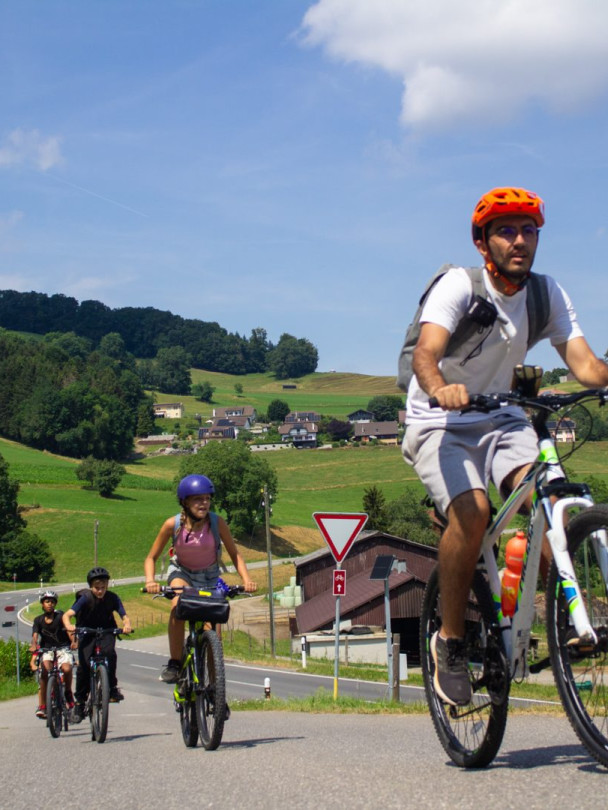
International residential summer camps in Switzerland
International residential summer camps in Switzerland bring 8–18-year-olds together for 1–6 weeks of activity and language immersion in Alpine, lakeside and urban settings. They typically host 40–120 participants from 10–40 countries and keep counselor ratios around 1:6–1:10 to ensure regular social contact and mentorship. The concentrated, mixed-nationality residential model speeds cross-cultural friendships; roughly 30–60% keep in touch after camp. Willingness to speak a second language often rises 30–70% during a typical 2–4 week session. Camp stays also lower loneliness and boost independence and leadership confidence in Switzerland’s multilingual setting. We recommend families check counselor ratios and staff certifications before booking; don’t skip alumni feedback.
Key Takeaways
Program format and scale
-
Short residential sessions of 1–6 weeks for ages 8–18.
-
Typical session size: 40–120 campers.
-
10–40 nationalities represented per session, supporting cross-cultural exchange.
-
Typical counselor ratios: 1:6–1:10.
Rapid social and emotional gains
-
Camps accelerate friendship building; approximately 30–60% keep contact after camp.
-
Average positive mood increases by about 15–35% during a session.
-
Reported loneliness typically drops by roughly 10–30%.
Language and leadership outcomes
-
Readiness to use a second language often climbs 30–70% after 2–4 weeks.
-
About 60–80% of participants show greater independence following a stay.
-
Leadership confidence typically increases by 20–40%.
Design features that maximize impact
-
Mixed-nationality housing to encourage cross-cultural interaction.
-
Small cabin or activity groups of 6–12 to foster closer peer bonds.
-
Daily shared meals to build routine social connection.
-
Mentor or buddy systems for consistent adult support.
-
1–2 hours of free, unstructured time to promote autonomy and play.
Safety and measurement recommendations
-
Confirm counselor ratios and require background checks for all staff.
-
Do not accept staff without first-aid and safeguarding certifications; require 100% coverage.
-
Use simple evaluation tools: pre/post Likert scales for mood and social outcomes and short vocabulary tests for language gains.
-
Conduct alumni follow-ups at 3, 6 and 12 months to measure sustained impact.
 Watch on YouTube
Definition and social profile of an international summer camp in Switzerland
We run short-term residential programs that bring kids and teens (ages 8–18) together for 1–6 weeks of activity, language learning and cultural immersion in Swiss settings — Alps, lakeside resorts and cities. Camps typically host 40–120 participants per session and often include 10–40 nationalities, so campers share meals, evening programs and high-frequency social contact. Counselor-to-camper ratios usually range from 1:6 to 1:10, and that staffing level supports safe, regular interaction and targeted mentorship.
Swiss residential camps differ from local day camps in three big ways. Residential programs are overnight, mix nationalities, and include evening reflection and communal life that accelerate friendship formation. Day camps keep kids local, limit language immersion and lack sustained peer exposure. The residential + international combination gives campers intensive social practice and stronger chances for cross-cultural friendships and language gains.
Quick facts and session metrics
- Ages: 8–18
- Typical length: 1–6 weeks (average 2–4 weeks)
- Group size: 40–120 participants
- Nationality mix per session: 10–40 countries
- Counselor ratio: 1:6–1:10
- Structured social interactions/day: about 6–10
Immediate social gains emerge fast. Cross-national friendships form quickly because staff intentionally place multiple nationalities in cabins and activity groups. Camps report 30–60% of participants keep contact after camp. Language confidence often rises substantially; after a 2–4 week immersion campers report willingness to speak in a second language increasing by roughly 30–70%. Emotional markers improve too: positive affect typically increases +15–35% while loneliness drops −10–30% over a session. Independence follows: 60–80% of campers say they feel more self-reliant, and homesickness commonly settles within 3–7 days.
We build teamwork and leadership through ropes courses, group challenges and project work. Teen leadership tracks and CIT modules (2–6 weeks) give concrete responsibility. Short-term leadership confidence usually climbs +20–40%, and cultural empathy or global mindset scores rise +10–25% after multi-week exposure. Switzerland itself reinforces this growth: with four official languages and a high foreign-born population (~25%), campers live examples of multilingual, multicultural routines.
Program design choices that maximize social outcomes are practical and specific. I prioritize mixed-nationality housing, small cabin sizes (6–10), activity groups of 8–12, daily shared meals, mentor/buddy systems and 1–2 hours of unstructured free time. Parents should verify counselor ratios (1:6–1:10), background checks, first-aid and child safeguarding certifications. I recommend staff first-aid and safeguarding certifications be 100%.
Practical prep is simple and effective. Learn the top 20 functional phrases in the target language, practice ice-breakers, and plan limited daily calls home during the first week. Measure impact with Day 0 and Day end short Likert scales for confidence, loneliness and cultural empathy, plus a simple vocabulary test and alumni follow-ups at 3/6/12 months. For examples of life-changing experiences, see our piece about how an international summer camp in Switzerland shapes young lives.