

Young Explorers Club — Swiss Summer Camps (June–August)
We’re the Young Explorers Club and we run Swiss summer camps from June to August, with peak weeks in mid‑July. The camps mix mountain adventure, language immersion and top‑tier safety for Latin American families. Children and teens aged 6–17 attend, and stays run 1–4 weeks.
Program options
Choose a language‑region program or an English track. Short stays (one week) give a useful sampler of activities and campus life; stays of two weeks or more deliver the strongest language gains and deeper social bonds.
Typical travel and booking guidance
Expect long‑haul travel of about 10–13 hours from major Latin American hubs. Plan to book 3–9 months ahead, and earlier for peak weeks in mid‑July.
Age ranges and session length
Ages 6–17 attend. Session lengths are flexible—1–4 weeks—but we generally recommend 2+ weeks for more measurable language immersion and stronger friendships.
Travel, Visa & Insurance
Flights from Latin America usually take 10–13 hours. Verify Schengen/visa requirements by nationality well in advance. Carry comprehensive travel insurance that includes medical evacuation and coverage for adventure activities.
Practical tips
- Book early: reserve 3–9 months ahead, earlier for peak weeks.
- Check visas: confirm Schengen/visa rules for your nationality.
- Insurance: obtain comprehensive travel and medical evacuation coverage that covers outdoor activities.
- Transfers: budget and arrange reliable airport transfers to camp in advance.
Activities & Safety
Programs include alpine sports, watersports and mountain activities led by certified guides. Mandatory safety gear, altitude precautions and established medical protocols are in place. Typical staff ratios are around 1:6–1:10, depending on age and activity risk.
Safety measures
- Qualified staff: certified instructors and trained pastoral staff.
- Mandatory gear: helmets, lifejackets and other activity‑specific equipment.
- Medical protocols: onsite first aid and evacuation plans.
- Altitude care: gradual acclimatisation and monitoring for younger attendees.
Costs & Budgeting
Residential camps commonly run CHF 1,200–5,000+ per week; day camps typically cost CHF 200–600/week. Budget additionally for flights, transfers, insurance and personal gear.
Example budget
- Camp fees: two weeks at mid‑range residential camp
- Flights & transfers: international return and airport transfers
- Insurance & visa: comprehensive travel insurance and any visa fees
- Gear & extras: clothing, activity‑specific equipment and spending money
As an example, a typical 2‑week total budget might be around CHF 4,450 (camp fees plus flights, transfers, insurance and gear), depending on choices and origin city.
If you’d like, I can help with booking timelines, a sample packing list, or a cost estimate tailored to your departure city—tell me the city and preferred session length.
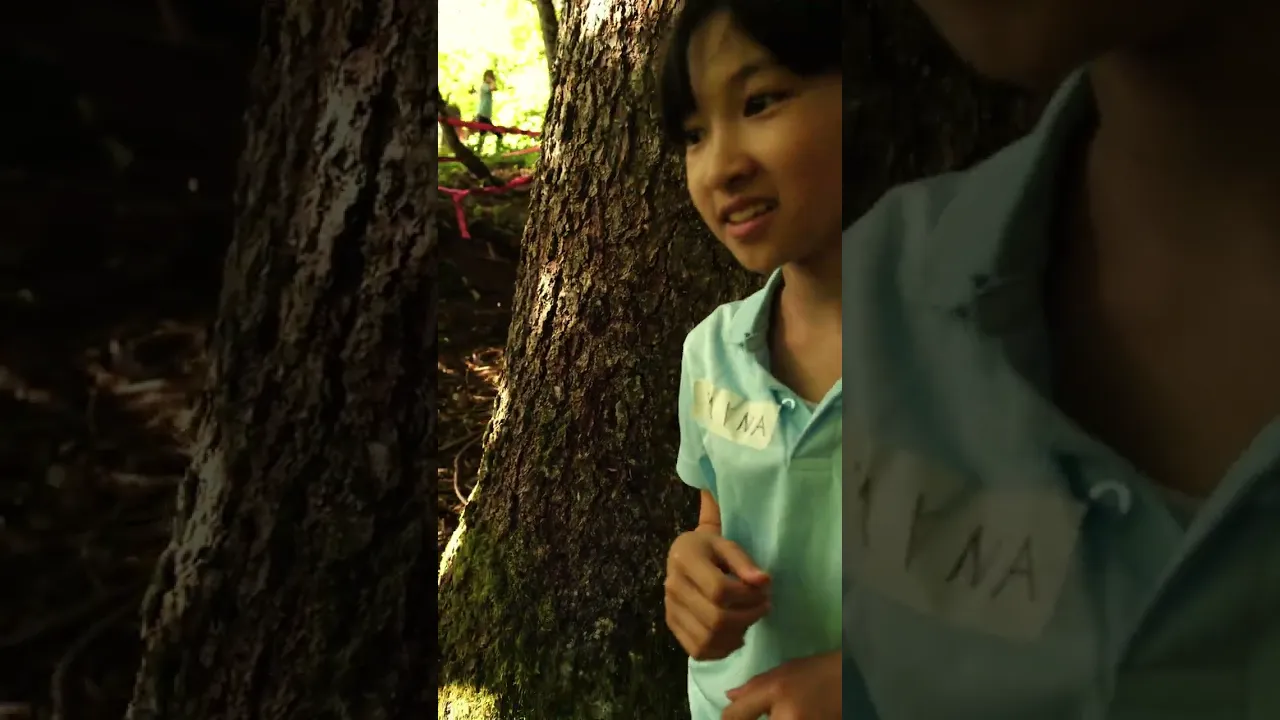 Watch on YouTube
Headline / Lead Overview
We, at the young explorers club, present summer camps in Switzerland that pair mountain adventure, language immersion and world-class safety — an excellent fit for Latin American families seeking an active, educational summer.
Running June–August with a peak in mid‑July, we operate programs that serve ages 6–17 and commonly offer 1–4 week programs, with many camps providing 1-, 2- and 3-week options.
Most families see the biggest gains after two weeks or more: 1-week stays give a strong taster, while 2+ week programs deliver measurable language immersion and deeper social bonds.
I’ll flag travel so planning stays realistic. Flight time from major Latin American hubs typically falls in the 10–13 hours range. Examples we use in planning include São Paulo ~11–12 h direct, Mexico City ~11–12 h direct and Buenos Aires ~13 h (many routes are one-stop). Book early: the season is short and demand spikes for mid‑July; we recommend reserving 3–9 months ahead and even earlier for peak weeks.
We guide families on program length and outcomes. Expect:
Quick facts
- Season: June–August (peak mid‑July).
- Ages served: 6–17.
- Program lengths: 1–4 week programs; many camps offer 1-, 2- and 3-week options.
- Travel: typical flight time 10–13 hours from Latin America; São Paulo ~11–12 h, Mexico City ~11–12 h, Buenos Aires ~13 h.
- Booking window: reserve 3–9 months ahead; earlier for mid‑July.
- Recommendation: 1-week = sampler; 2+ weeks = stronger language immersion and social bonding.
We make logistics simple and match families to programs that emphasize mountain activity, safety and multilingual staff. For a practical planning checklist and detailed options, consult our Summer camp in Switzerland guide, which breaks down transfers, packing and language goals.

Why Switzerland: Safety, Access and Natural Advantages
We, at the Young Explorers Club, pick Switzerland for its clear practical advantages that matter to Latin American families: predictable safety, easy access, and unmatched outdoor classrooms. The country has four official languages — German, French, Italian, Romansh — and camps cluster by language-region. Choose German-speaking central/northeast, French-speaking west, or Italian-speaking south, or pick an international camp that uses English if you want broader communication. Keep language-region selection in mind when booking.
We handle logistics so families feel confident on arrival. The local currency is CHF (Swiss franc). Time follows CET/CEST (UTC+1/UTC+2), so you should plan flights and calls around that offset. Switzerland ranks high for safety and quality of life, and emergency services are straightforward: 112 (general) and 144 (ambulance). We advise parents to carry copies of medical records and emergency contacts in both digital and paper form.
Switzerland’s natural features define the camp experience. The Alps rise to 4,634 m at the Dufourspitze (Monte Rosa massif), and freshwater playgrounds include Lake Geneva, Lake Lucerne, and Lake Zurich. Those landscapes let us run real mountain education while keeping health and risk management front and center.
We apply clear altitude and mountain-activity precautions for kids. Gradual acclimatization is standard on multi-day hikes. We enforce hydration plans and strong sun protection. Younger campers follow staged hikes with rest and shorter gains in elevation. Staff monitor campers for any altitude symptoms and keep a low threshold for descent.
Practical notes and must-dos
-
Travel documents: copies of medical records, allergy details, and emergency contacts.
-
Timing and money: adjust for CET/CEST and bring CHF (Swiss franc) or a card that works internationally.
-
Health & emergency: brief your child on 112 / 144 and share local contact cards.
-
Mountain safety: plan for slow altitude gain, packed water, SPF 50+, sun hats, and layered clothing.
-
Program fit: match your child’s language comfort to the camp’s region or choose an English-speaking program; for more planning, see our ultimate guide.

Types of Camps, Typical Activities and Language Benefits
Common camp types and sample activities
We, at the Young Explorers Club, run multiple camp formats so families can pick the fit that matches interests and language goals. Below I list the typical types and the activities you’ll see on-site.
- Adventure / outdoor: hiking, via ferrata with certified guides, climbing walls, high ropes and zipline; day hikes and overnight bivouacs in mountain huts.
- Watersports: lake swimming, sailing, canoeing and paddleboarding; activity sessions pair water skills with safety briefings.
- Mountain sports: mountain biking on marked trails (helmets required) and technical climbing practice.
- Equestrian: riding lessons, stable care and trail rides for progressive skill levels.
- STEM / innovation: project-based workshops, maker sessions and small teams building prototypes.
- Arts & music: studio time, ensemble rehearsals and portfolio development.
- Language-immersion: English, German, French or Italian classes combined with activity-based practice.
Each camp type mixes instruction and hands-on practice so learning stays active. Safety gear and briefings are embedded in the schedule.
Age groups, staffing, language contact and safety
We organize age cohorts as 6–8 (junior), 9–12 (middle) and 13–17 (teens). That helps match pace, challenge and supervision. Younger groups usually have closer supervision; typical staff ratios run 1:6–1:10, with the youngest campers often nearer 1:6. Staff include certified activity leaders, native or near-native language instructors and onsite first-aid personnel.
Language contact matches the activity plan. Camps typically offer language class 90–180 minutes/day and pair classroom time with activity-based practice to reach 10–20 hours/week of structured language contact. I recommend programs of 2-week+ duration for measurable proficiency gains; shorter, one-week stays can boost confidence but rarely produce the same fluency improvement.
Safety and gear notes are non-negotiable. We require helmets for mountain biking, lifejackets for all watersports and certified guides for via ferrata and technical climbing. Every activity begins with a briefing and ends with a short debrief to reinforce safety and learning. Onsite first-aid and clear emergency protocols are standard.
Comparative snapshot for programming and outcomes:
- Adventure: mornings for skills and safety, afternoons for multi-hour excursions; learning outcomes include outdoor skills, leadership and teamwork.
- Language immersion: daily 90–180 minute lessons plus integrated practice during activities, producing clear conversational gains over a 2-week stay.
- Specialty (STEM/Arts/Equestrian): a mix of instruction and practicum that often results in certificates or a portfolio piece.
I encourage families to review program details and packing lists early. For practical planning and a deeper look at options for international families, consult our summer camp in Switzerland guide.

Costs, Budgeting, Accommodation and Camp Logistics
Typical costs and an example budget
Below I outline the common price ranges and the extra fees families should budget for.
- Day camp: CHF 200–600 per week for local-day programs, depending on activities and hours.
- Residential/international camps: CHF 1,200–5,000 per week; prestige programs or fully inclusive adventure weeks sit at the top end.
- Flight: CHF 600–1,500 per person one-way (economy from Latin America; season-dependent).
- Local transfers: CHF 50–300 one-way for private pick-ups; group shuttles are cheaper.
- Travel insurance: CHF 30–150 per person for short-term plans.
- Gear rental: CHF 50–200/week for boots, bikes or special kit.
- Visas and administrative fees: vary by nationality and consulate rules.
- Example budget (illustrative) for a 2-week residential program: camp fee CHF 3,000 + flights CHF 1,000 + transfers CHF 200 + insurance CHF 100 + gear CHF 150 = CHF 4,450.
I recommend asking camps whether multi-week discounts are available and which optional extras trigger extra charges.
Accommodation, meals, supervision and smart budgeting tips
Accommodation styles range widely. You’ll find shared dormitories (4–10 per room), chalets, tents for wilderness camps and traditional boarding-school dorms. Most programs include three meals a day plus snacks. They’ll usually handle dietary accommodations — allergies, halal, vegetarian and vegan — if you give advance notice.
Staffing and safety are non-negotiable priorities. Camps typically have a head counselor, activity specialists and a medical officer or nurse on-site or on-call. Background checks and child-safeguarding policies are common requirements; ask for copies. We always advise checking the staff-to-camper ratio, sample menus and the on-site medical facilities.
Focus your budgeting on a few practical checks:
- Compare what’s included: meals, excursions, equipment — so you’re not surprised by hidden costs like laundry fees or optional excursions.
- Confirm transfers: whether transfers are private or shared and whether arrival times incur extra charges.
- Verify gear rental rates: and whether family-supplied equipment is acceptable.
We, at the Young Explorers Club, help families plan realistic cost scenarios and recommend they consult our summer camp in Switzerland guide for packing lists, timeline checklists and arrival logistics.
Travel, Visas, Health and Insurance Requirements
We, at the Young Explorers Club, handle travel paperwork and health guidance for families so arrivals are smooth. Switzerland is in the Schengen Area. Visa rules depend on nationality: many Latin American passports (Argentina, Brazil, Chile, Mexico, Uruguay) are generally visa-exempt for short stays, while other nationalities must apply for a Schengen visa — always verify with the Swiss consulate. ETIAS will affect visa-exempt travellers; check the latest implementation status before booking.
Visas, documents and timelines
Follow this checklist before you apply or travel. I recommend starting early to avoid delays.
- Check nationality list at the Swiss consulate and confirm whether a Schengen visa is required.
- Ensure passport validity of 3–6 months beyond your travel dates.
- Obtain the camp acceptance letter and proof of accommodation.
- Prepare signed parental consent if a child travels with one parent or a third party.
- Have a flight itinerary ready; consider refundable tickets after visa confirmation.
- Buy travel insurance that includes medical coverage and repatriation.
- Apply for a Schengen visa 8–12 weeks before travel if required.
- Book camps 3–9 months in advance; reserve earlier for mid-July peak weeks.
Main entry points are Zurich (ZRH), Geneva (GVA) and Basel (BSL). Rail and road transfers are common, and many camps offer paid airport pickups. For full logistics and planning advice, see our ultimate guide.
Health, insurance and medication
Routine immunizations (MMR, DTP) are standard; no extra vaccines are usually required. I tell families to confirm temporary entry-health rules — for example, COVID-19 requirements can change — shortly before departure.
Carry comprehensive travel insurance that covers:
- medical expenses (suggested minimum CHF 100,000 or equivalent)
- emergency evacuation and repatriation
- trip cancellation/interruption
Verify that the policy covers adventure activities common at alpine camps (mountain climbing, via ferrata, high-ropes). Bring prescriptions and a doctor’s letter for controlled medications, plus allergy action plans and translated medication instructions if needed. Keep copies of all medical documents with parents and camp staff.
Save emergency numbers in your phone: 144 for ambulance and 112 for general emergency assistance in Switzerland. Have a local contact at the camp and our team’s contact details on hand so we can coordinate quickly if anything comes up.

How to Choose, Prepare and Pack: Checklist, Itineraries and FAQs
We, at the Young Explorers Club, rank camps first by safety policies and accreditation, then by language of instruction, location and altitude, staff qualifications and ratio, cost and included services, food and allergy policies, visa/transfer support, and reviews/testimonials. We recommend booking 3–9 months ahead; for peak mid-July sessions book earlier, and apply for a visa 8–12 weeks ahead. Use the sample decision matrix below to make trade-offs easier: safety 30%, activities 20%, language 15%, cost 15%, location 10%, reviews 10%.
Ask camps for their staff-to-camper ratio, background-check procedures and medical emergency plans. Verify what’s included in the price (meals, transfers, equipment, certifications). Request recent parent references and read reviews. Confirm the language mix if you want Spanish- or Portuguese-friendly groups or immersion in English or German.
Pack smart for Swiss weather and activities. Switzerland uses the Type J plug and 230 V / 50 Hz electrics, so bring an adapter and check chargers. Take layered clothing and a waterproof jacket. Bring sturdy hiking boots, a sunhat, swimwear and a light sleeping bag for hut or tent overnights. Add a small daypack, refillable water bottle, sunglasses, sunscreen SPF 30+, insect repellent, blister care and a small laundry kit. Label everything.
Carry these documents and money items with you: passport and passport copies, the camp confirmation letter, completed medical forms, insurance policy, parental consent and emergency contacts. Bring CHF cash for small purchases; cards are widely accepted but tell your bank about travel dates. Keep prescriptions and translated doctor notes in hand.
Sample itineraries I suggest:
- 1-week itinerary: arrival and orientation day; daily 90‑minute language taster plus lake or forest activities; one full-day hike and one cultural excursion to a nearby village or museum. It’s compact and good for first-timers and shorter school breaks.
- 2-week itinerary: multi-day mountain hut overnight; 10–15 hours of structured language classes spread across the stay; at least three full-day excursions (lakes, alpine summit, cultural day); optional basic certifications like introductory climbing or canoe skills. This length builds confidence and real language progress.
Gear per itinerary: for an overnight hut bring a sleeping bag liner and headlamp. For watersports pack quick-dry swimwear, a microfibre towel and water shoes, and check whether the camp provides lifejackets.
For program examples and family-focused options, see our family summer camp guide.
Printable checklist (grouped)
Documents:
- Passport and photocopies
- Camp confirmation letter
- Parental consent and emergency contact sheet
- Insurance policy and translated prescriptions
Clothing:
- Layered clothing (base, mid, outer)
- Waterproof jacket
- Hiking boots and socks
- Swimwear and sunhat
Medical:
- Daily medications and small health kit
- Allergy action plan (if needed)
- Sunscreen SPF 30+ and insect repellent
- Blister care and basic first-aid items
Electronics:
- Type J adapter (230 V / 50 Hz)
- Phone and charger
- Small power bank
Activity-specific gear:
- Sleeping bag liner and headlamp for huts
- Water shoes and quick-dry towel for watersports
- Small daypack and refillable water bottle
FAQs
Do I need a Schengen visa? — It depends on nationality. Common visa-exempt countries include Argentina, Brazil, Chile, Mexico and Uruguay; always check the consulate for current rules.
How safe is Switzerland for kids? — Very safe. Camps follow strict standards and local emergency numbers are 112/144.
What is a typical camp day? — A common block is 09:00–10:30 language class; 11:00–17:00 activity/excursion; 18:00 dinner; 20:00 reflection or group time.
Are dietary needs accommodated? — Most camps handle allergies and dietary preferences if you give advance notice.
How much does it cost? — Day camps run about CHF 200–600 per week; residential stays typically range CHF 1,200–5,000+ per week.
What practical prep should I do? — Label clothes, pack a small health kit, include prescriptions and translated notes, secure parental consent copies, confirm insurance covers adventure activities, and request camp references plus child-safety policies and staff ratios.


