

June conditions for Swiss summer camps
June gives quieter access and milder, child‑friendly conditions for Swiss summer camps. Lowland daytime highs usually range 18–24 °C. Plateau averages sit near 14–18 °C. About 16–17 hours of daylight lengthen safe activity windows. Peak alpine blooms boost hands-on learning and insect numbers remain lower than in midsummer. We, at the Young Explorers Club, favor June for groups who want calmer sites and gentler weather. Huts, lifts and guides are easier to reserve than in July or August. Still, plan for altitude-driven temperature drops and increased alpine UV. Expect possible snow on high routes and prepare layered clothing, sun protection, acclimatization steps and emergency procedures.
Preparation and practical notes
Packing: layer base, insulating and outer shells; waterproofs; sunhat and high‑SPF sunscreen; basic first aid and emergency communication. For water activities, bring a 2–3 mm wetsuit to reduce hypothermia risk in alpine lakes.
Logistics: because June is less busy than July–August, you can usually secure huts, lifts and guides more easily, but still reserve 3–6 months ahead for groups. Factor in time for acclimatization when planning hikes that gain significant altitude.
Safety: brief participants on altitude effects, carry layered clothing and waterproofs, monitor UV exposure, and include clear emergency procedures and contingency plans for late snow or sudden weather changes.
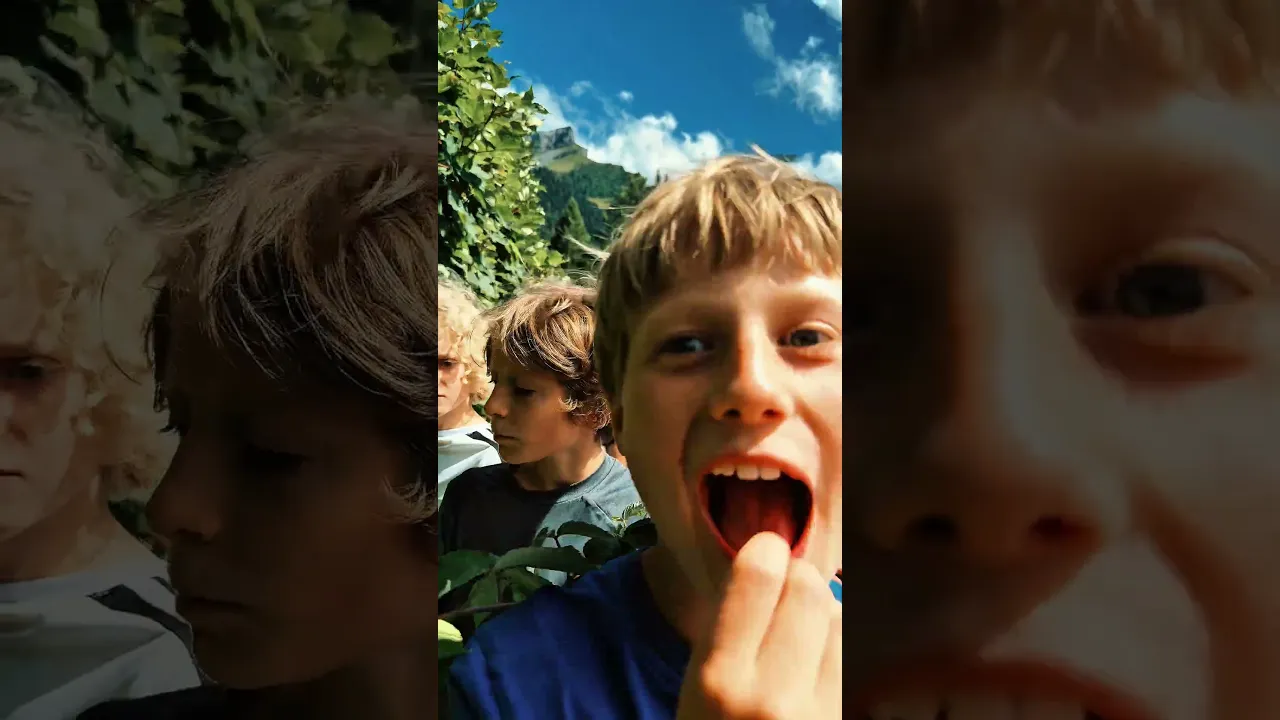 Watch on YouTube
Why June Is Ideal for a Swiss Summer Camp
We, at the Young Explorers Club, prefer June for our Swiss camps because it gives better access, milder weather, and richer nature experiences. It sits before the peak inbound-tourism months of July and August, so trails feel quieter and site availability improves. Programs run smoother when I can avoid the busiest weeks.
Temperatures favor children and full-day outdoor plans. Mean temps on the Swiss Plateau typically run about 14–18 °C in June, with lowland daytime highs often 18–24 °C. That’s generally 1–3 °C cooler than July–August, which makes high-energy activities more comfortable and reduces midday overheating. We schedule the most active sessions during the warmest parts of the day and keep shade and hydration protocols in place.
Daylight extends activity windows around the solstice. Around June 20–22 we get roughly 16–17 hours of daylight; Zurich, for example, reaches approximately 16.5 hours on June 21. Longer evenings let us fit in later skills sessions, stargazing introductions, or extended guided hikes without rushing. We often plan evening nature games and short nocturnal wildlife walks that would be harder to fit into shorter summer days.
Nature is at a visual peak in early season. Alpine meadows burst into bloom after spring melt, waterfalls run high and dramatic, and insect pressure remains lower than in midsummer. That combination creates excellent conditions for wildflower hikes, identification exercises, and hands-on ecology lessons. Kids see plants and pollinators at a stage that’s ideal for learning.
Key early-season advantages I emphasize
- Fewer crowds and better availability — quieter trails for guided hikes and easier booking of lodging and activity sites.
- Comfortable daytime highs of 18–24 °C — perfect for full-day outdoor programming and high-energy play.
- Cooler overall conditions (mean ~14–18 °C on the plateau) — less heat stress for younger campers.
- Extended daylight (about 16–17 hours) — more time for learning, longer sessions, and flexible scheduling.
- Peak alpine blooms and strong waterfalls — richer nature education opportunities and better photo moments.
- Fewer insects than later summer — more comfortable hikes and outdoor meals.
We make practical recommendations to families so they get the most from June. For timing questions I point people to our best time to visit page, and for kit lists I direct them to our what to pack guide so campers arrive ready for long days and variable mountain weather.

Weather, Altitude and Activity Conditions to Plan For
We, at the Young Explorers Club, schedule routes and gear around altitude-driven weather shifts. Air cools at roughly 0.65 °C per 100 m, so temperature falls fast as you climb. That lapse rate means a lowland high of 22 °C will feel about 9 °C at 2,000 m (22 − (0.65×20) ≈ 9 °C). Anticipate that difference every time you pick an elevation for a hike or activity.
Mountain conditions you should expect
- ~1,500 m: expect daytime temperatures roughly 9–11 °C lower than lowland highs; mid-June sunny days can still be crisp.
- ~2,000 m: daytime temps often range 0–10 °C depending on recent weather and sun exposure.
- Seasonal snowline (~2,500–3,000 m): commonly sits near these elevations in June, so many high alpine trails and passes may still carry snow or ice.
- Lake temperatures in June: typically fall between 12–18 °C; larger, lower-elevation lakes warm faster than small alpine tarns.
Operational realities and timing
I run programs with an eye on infrastructure openings and transport. Many Swiss Alpine Club (SAC) huts open mid-June; a few open earlier or later depending on conditions. Cable cars and mountain railways often resume service from late May into June, but schedules vary by valley and operator. Always confirm exact opening dates and lift timetables before finalizing an itinerary.
Practical route-planning rules I use
- Plan by elevation: plan daily stages by elevation rather than distance; a 1,000 m gain will change clothing and pace needs.
- Flag high routes: any trail above ~2,500 m should be considered potentially snow-affected; have technical options or alternate lower routes.
- Allow extra time: expect slowgoing in wet snow and wind chill on exposed ridgelines.
Packing and route-planning checklist
Below is the checklist I hand to leaders and families before departure; use it to refine your own gear and route choices. For a fuller packing guide see prepare for summer camp.
- Base layers: moisture-wicking tops and bottoms for variable temps.
- Insulation: lightweight down or synthetic jacket plus a fleece.
- Waterproof shell: breathable rain jacket and overtrousers.
- Head and hands: beanie, buff, and light insulated gloves.
- Footwear: sturdy boots with ankle support; gaiters if you expect late snow.
- Navigation and safety: map, altimeter/GPS, headlamp, and basic crampon knowledge if above 2,500 m.
- Swim gear and thermal protection: wetsuit or short neoprene top for lake dips in 12–18 °C water.
- Flexible plan B: lower-elevation route options and knowledge of nearby SAC huts or transport links.
I advise teams to pack by anticipated high-elevation conditions, not just the forecast for the valley. That keeps everyone warm, safe, and ready to enjoy early-season alpine days.

Safety, Health and Outdoor Risks (Sun, Water, Altitude, Weather)
At the Young Explorers Club, we treat safety as the baseline of every June camp. I keep guidance practical and clear so staff and parents can act fast.
Sun and Altitude Safety
June UV can spike quickly: lowlands often see indices of 6–8, while alpine areas reach 8–11+ and alpine UV can be ~30–50% stronger than at sea level. I insist on a simple, repeatable routine for sun protection and early acclimatization. Below I list the core actions we require for every camper and leader.
- Use SPF 30+ broad‑spectrum sunscreen and reapply every 2 hours or after heavy sweating or water exposure.
- Wear UV400 sunglasses and a wide‑brim hat for prolonged outdoor time.
- Limit strenuous activity on day one at elevations above 1,500–2,000 m; we build an acclimatization schedule that increases load over 2–3 days.
- Watch children for headache, nausea, fatigue, dizziness or poor appetite — early signs of altitude illness. If any appear, descend and rest immediately.
- Schedule high‑altitude hikes in the morning when conditions are more stable.
Water, Weather and Emergency Preparedness
Swiss lakes in June often sit around 12–18 °C. Cold‑shock risk is real. I require supervision at all times, flotation devices for weaker swimmers, and use of designated swim zones. For prolonged immersion in 12–15 °C water, consider 2–3 mm wetsuits to reduce hypothermia risk.
Afternoon convective thunderstorms occur frequently in June. I monitor forecasts and avoid exposed ridgelines or high passes if the thunderstorm probability exceeds 30–40%. Insects are usually fewer early in the season, but I still recommend light repellents for dusk activities.
Emergency protocols are non‑negotiable. I establish local emergency contacts (regional rescue numbers) before arrival, equip staff with first‑aid kits and reliable communication devices, and run evacuation and medical drills before camp starts. For parents who want logistical tips on gear and timing, I point them to a short guide to help them prepare for camp.

Best June Activities and Program Ideas
We design June programs around lower-altitude, high-value experiences that suit cooler snowlines and long daylight. We focus on low-elevation hiking, mountain biking, lake kayaking or sailing (we use wetsuits when water’s cold), and rock-climbing on dry faces. We also run nature and ecology modules—wildflower ID and bird migration sessions—and supervised, guided introductory glacier visits for early-season learning.
We schedule around extended daylight, which often reaches about 16–17 hours in June, so we start later and stretch evening programs. Many valley trails and lower alpine huts are open, and cable cars usually run; we always check opening dates before confirming itineraries. We balance activity intensity with recovery, keeping kids fresh and curious.
Typical day structure we use:
- 08:30–12:00: focused morning skill blocks (navigation, bike technique, shore-based kayak drills)
- 13:30–18:30: afternoon excursions (lake sessions, longer hikes, guided glacier approach)
- 19:30–21:00: evening programs (wildflower talks, migration-watch, group reflection)
Sample week program
Below is a week plan we recommend that leverages varied terrain and the long June days:
- Days 1–3: Lowland activities — mountain biking, lake skills, map-and-compass navigation practice.
- Days 4–5: Supervised higher-elevation day trips — approach hikes to lower glaciers, basic via ferrata or rock skills where routes are dry.
- Day 6: Community and cultural day — local village visits, alpine farm tours, group projects.
- Day 7: Rest/backup day — reserved for weather contingencies or extra activities.
Safety, timing and measurable learning outcomes
We pair each activity with clear safety caveats and skill goals. Higher trails can be muddy until mid‑June, so we run flexible route plans and bring waterproof footwear. Glacier approaches demand certified mountain guides (UIAGM/IFMGA) and formal rope/crest training before roped travel; we won’t take groups onto glaciers without those credentials. Water sessions include wetsuits, supervised launches, and staged recovery drills. We keep instructor-to-child ratios conservative and run pre-activity briefings every morning.
We set measurable learning outcomes so progress is obvious and reportable. Sample targets we use:
- Identify 15 common alpine wildflowers by sight and habitat.
- Complete a 5 km navigation route using map and compass unaided.
- Demonstrate safe kayak launch and recovery procedures under supervision.
We also recommend families prepare for camp with layered clothing and a mindset for flexible plans; that makes early-season June trips smoother and more rewarding.

Logistics, Accommodation, Transport and Booking Timeline
We plan June camps to take advantage of better availability and generally lower prices than July–August. At the young explorers club, we still expect popular huts and signature routes to fill fast and price points to vary by region.
Book accommodation, transport and guides 3–6 months ahead for June departures. Confirm alpine hut availability and mountain railway or cable car schedules 1–2 months before your start date. Collect health forms and waivers 4 weeks in advance and store them centrally. We recommend written confirmations and deposits for every operator to lock rates.
Transport, staffing and budgeting
Swiss public transport (SBB trains, PostBus) runs year-round, with extra seasonal services in summer, so we build itineraries around reliable timetables. Group travel discounts like the Swiss Travel Pass or regional group passes can cut costs; we compare pass options for each route. For remote accesses, we factor in mountain railway timetables and potential transfers by PostBus or private shuttle.
We set a target instructor ratio of 8–12 children per leader for outdoor activities to keep safety and learning high. Recruiting local guides is often easier in early season; we offer early contracts and competitive pay to secure skilled staff. For budgeting, we get written quotes and signed contracts from accommodation, transport and guide operators. We also contact regional tourism offices to explore group arrangements and potential discounts.
Consult our registration timeline for exact booking windows and peak dates so you can plan bookings and payments.
Timeline checklist
Here’s a concise timeline we use and share with group leaders:
- T minus 6 months: reserve main accommodation and pay required deposits.
- T minus 3 months: finalize transport bookings, arrange group passes and confirm staff contracts.
- T minus 1–2 months: confirm alpine hut availability and mountain railway/cable car schedules in writing.
- T minus 4 weeks: collect medical forms, waivers and emergency contact details.
- T minus 7 days: reconfirm weather-sensitive services and local operator schedules; distribute final itineraries.
- T minus 0 days: carry printed contracts, operator contacts and contingency plans for weather or service changes.

Packing Checklist and Equipment Recommendations
We, at the Young Explorers Club, follow a layered clothing principle for June camps. That handles large temperature swings and the typical alpine lapse rate (about 0.65 °C per 100 m), which can turn a sunny lowland 20 °C afternoon into a chilly summit by dusk.
We recommend three core layers:
- Base layer: moisture-wicking shirts and leggings to manage sweat and keep skin dry.
- Mid-layer: fleece or lightweight down for insulation during cool mornings and evenings.
- Waterproof shell: a breathable, waterproof jacket (Gore-Tex or equivalent) to block wind and summer storms.
Sun protection matters more in the Alps. We pack SPF 30+ broad-spectrum sunscreen, UV400 sunglasses and a wide-brim hat, and we reapply sunscreen every two hours because alpine UV can be 30–50% stronger than at sea level. June UV index in Switzerland typically runs between roughly 6 and 11 depending on altitude, so sun protection isn’t optional.
For cold and wet conditions we always include:
- An insulated jacket and a spare warm hat and gloves for high-altitude excursions.
- A 2–3 mm wetsuit for prolonged lake sessions; lakes often sit around 12–15 °C in early summer, so that thickness balances warmth and mobility.
- Quick-dry layers and a full change of warm clothes reserved specifically for high-altitude hikes.
Footwear and daily essentials make or break comfort on camp. We bring waterproof hiking boots with good ankle support, trail shoes or trainers for lower-elevation activities, and water shoes for lakes and rivers. Small gear that we never skip includes a headlamp, a compact first-aid kit with blister care, a small daypack for daily hikes, and a reusable water bottle of 1–2 L capacity.
Packed essentials and quantities
- SPF 30+ broad-spectrum sunscreen — 1 tube (plus travel-size for the daypack).
- UV400 sunglasses — 1 pair.
- Wide-brim hat — 1 (plus lightweight cap as backup).
- Waterproof/breathable shell (Gore-Tex style) — 1 jacket.
- Insulating mid-layer (fleece or down) — 1–2 pieces.
- Base layers (shirts + bottoms) — 2–3 complete sets.
- 2–3 mm wetsuit — 1 (if lake/kayak sessions planned).
- Waterproof hiking boots — 1 pair, well broken-in.
- Spare trainers/trail shoes — 1 pair.
- Water shoes — 1 pair.
- Headlamp with spare batteries — 1.
- First-aid kit with blister kit — 1 compact kit.
- Small daypack (20–30 L) — 1.
- Reusable water bottle (1–2 L) — 1–2.
For a printable checklist and packing tips see what to pack.


